Italiano
 Deutsch


There are no more items in your cart
SKU:
4986
Brand:
Torre Raone
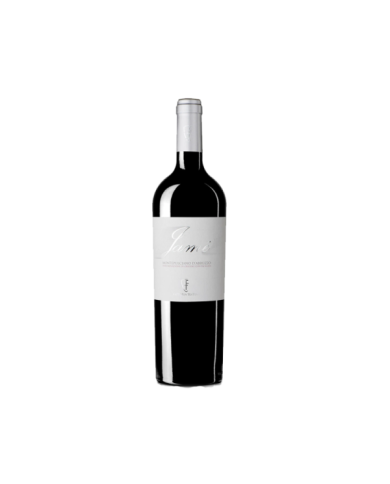
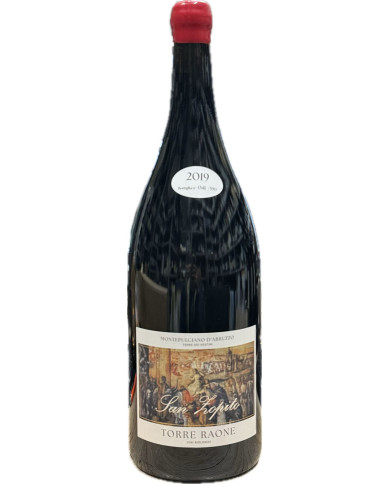
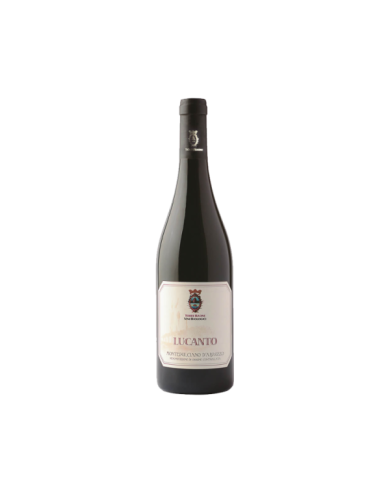
Deep garnet red color, intense and consistent in the glass. Wild black cherry, plums, blackberries and ripe currants: the nose opens on clear fruity notes, and then also perceives floral nuances of violet, as well as clear tertiary references of vanilla, chocolate, cinnamon, pepper and licorice. Balsamic nuances and officinal herbs complete the olfactory picture. The tannins on the palate are sculpted with chisel, the sip is warm and soft, with excellent persistence.
It goes very well with red meat. Try it with the tagliata with balsamic vinegar.
€79.89
SKU:
4982
Brand:
Torre Raone
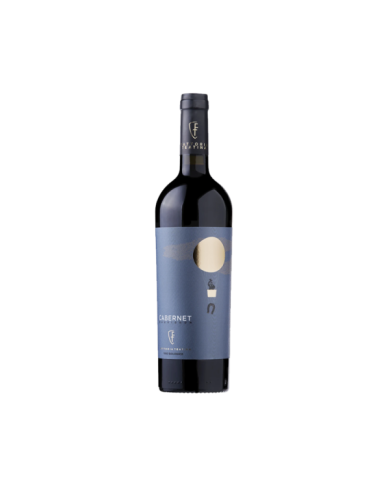
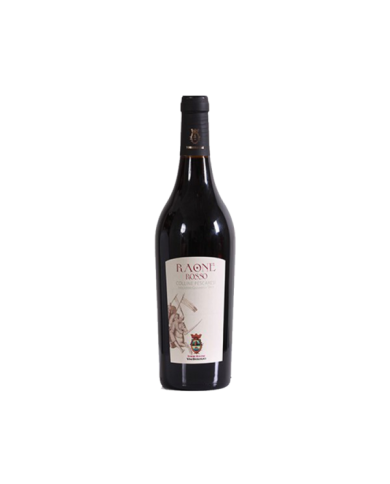
Dress the glass in a beautiful ruby red. The nose first reveals memories of black cherries, plums and black currant, then completed by spicy, herbaceous and medicinal herbs nuances. Warm and soft the sip, rightly tannic and slightly savory, characterized by a finish that recalls licorice and black pepper.
To be paired with meat dishes, it is excellent with roast lamb chops.
€16.81
SKU:
4978
Brand:
Torre Raone
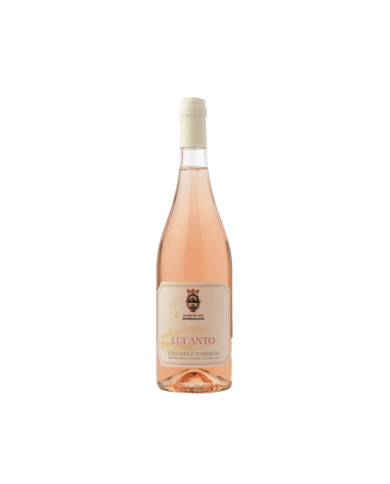
Between the rose petal and the onion skin the color, bright and with orange reflections to the eye. On the nose the initial floral notes are followed by clear memories of strawberry and pomegranate. The mouth traces the same footsteps of smell, also recalling the yellow plum and mango. Good balance, long persistence and pleasantly savory closure.
Versatile and eclectic, it is perfect with the schiacciata with cheese with raw ham.
€8.36
€7.52
SKU:
4976
Brand:
Torre Raone
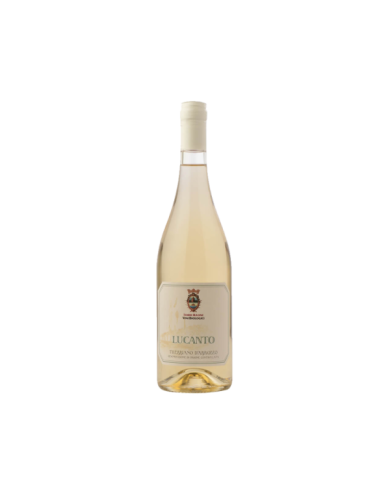
Straw yellow color to the eye. Intense olfactory bouquet, characterized above all by fruity references of apricot, green apple, pineapple and banana, complemented by citrus nuances and almond tones. Full-bodied in tasting, balanced and savory, with good persistence.
Extremely versatile in food pairings, it is worth trying to accompany trenette with pesto.
€8.36
€6.69
SKU:
4974
Brand:
Torre Raone
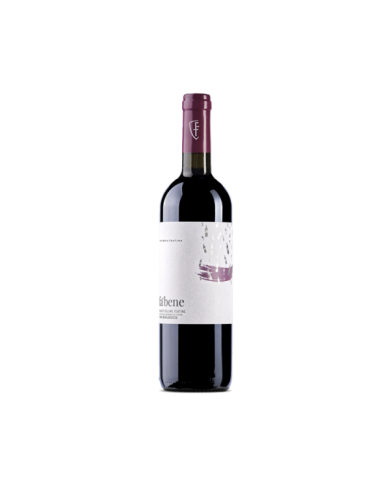
Intense ruby red with which it presents itself to the eye. The nose is pleasantly fruity, with flavors of blackberry, black cherry, raspberry, plum and blueberry which are added with subtle floral nuances of violet. The mouth is soft and warm, balanced and consistent with the nose, rightly tannic and of good length.
To be combined with second courses based on meat, it is excellent with grilled veal ribs.
€9.89
SKU:
4825
Brand:
Cantina Tollo
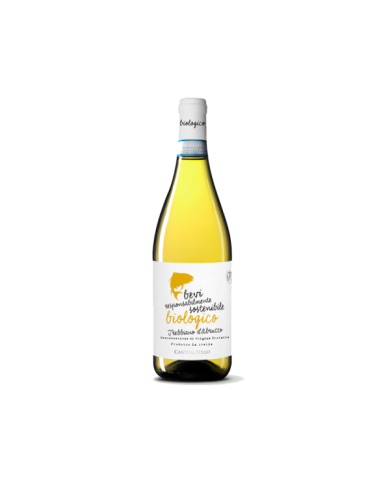
It is the most famous white grape variety in Abruzzo and a choice, that of Cantina Tollo , to give it a version from 100% organic grapes, grown in the vineyards located on the hills of the province of Chieti. The Trebbiano harvest is carried out starting from the second half of September followed by crushing and destemming and a cold maceration, to extract as much as possible the aromatic components of the vine, known for not being among the most fragrant. And it is precisely the respect for the raw material, at Cantina Tollo , that makes the difference, culminating in the refinement in stainless steel in order not to cover or alter in any way the very essence of Trebbiano, a wine that has always made simplicity its force.
€7.28
SKU:
4824
Brand:
Cantina Tollo
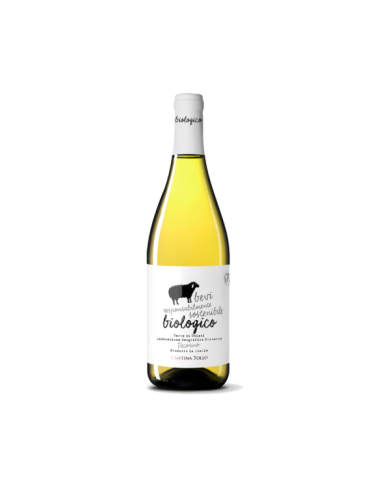
Company : Cantina Tollo region : Abruzzo (Italy) Name : Terre di Chieti IGT (PGI) Vegan Type : white, dry, still Variety : Pecorino 100% Alcoholic content : 13% Year : 2020 Format: 750 ml
€7.28
€5.48
Taste the Authenticity of Natural Wines!
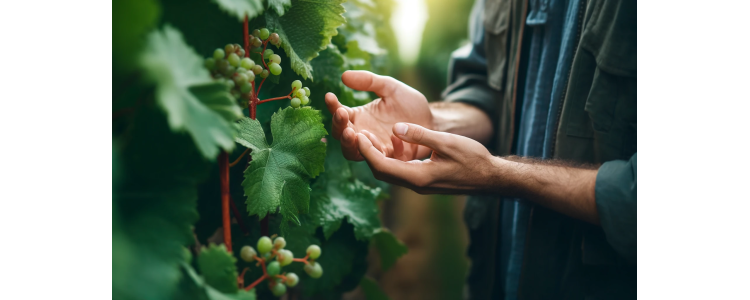
Natural wines are an increasingly popular choice among consumers, offering a unique and authentic tasting experience. If you're looking to learn more about natural wines and how to try them, you've come to the right place. In this article, we'll explore what natural wines are, how they're made, and how to best enjoy them.
What is a Natural Wine?
A natural wine is one produced without the use of additives, pesticides, or other chemicals. Natural wines are made only with grapes, water, and yeast, and are crafted to preserve the grape's natural flavor as much as possible. They are also generally produced in small quantities, meaning each bottle of natural wine is unique and offers a unique tasting experience.
How Are Natural Wines Made?
Natural wines are made using grapes, water, and yeast. The production process is very different from that used to make conventional wines. The first thing to know is that natural winemakers don't use additives, pesticides, or other chemicals. Instead, they strive to work with the grapes in a way that best preserves their natural flavor, carefully selecting their vineyards and caring for the vines.
Once the grapes are harvested, they are macerated for 12-14 days at a controlled temperature. This allows for greater extraction of aromas and flavors, giving the wine its rich complexity. The wine is then fermented in wooden barrels or concrete vats. This fermentation process is slow and can last from two to six months. Fermentation in wooden barrels gives the wine added complexity, while fermentation in concrete vats gives it greater freshness.
How to Enjoy a Natural Wine?
Savoring a natural wine is a unique experience that offers a rich complexity of aromas and flavors. To fully savor a natural wine, it's important to properly prepare the glass. The glass should be rinsed with warm water and dried with a soft cloth to remove any chemical residue. Then, the glass should be filled halfway with wine to ensure proper aeration.
Once ready, take a sip of wine and savor it slowly. Savor the color, aroma, flavor, and texture of the wine. Try to capture all the aromas and flavors of the grape, such as fruit, grass, hay, chocolate, and so on. Also savor the complexity of the wine, noticing how the aromas and flavors evolve over time.
Conclusion
Natural wines are an excellent choice for those seeking an authentic and unique tasting experience. They are produced without the use of additives, pesticides, or other chemicals, and are crafted to best preserve the natural flavor of the grapes. As we've seen, natural wines are made with grapes, water, and yeast, and are fermented slowly. To fully savor a natural wine, it's important to properly prepare your glass and taste slowly, trying to capture all the aromas and flavors, and savoring the wine's complexity. If you're looking for an authentic and unique tasting experience, try a natural wine!
Related posts