

 Italiano
 Deutsch









There are no more items in your cart
SKU:
15004
Brand:
Tenuta Cocci Grifoni
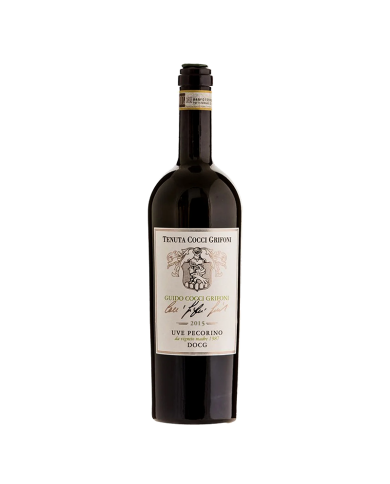
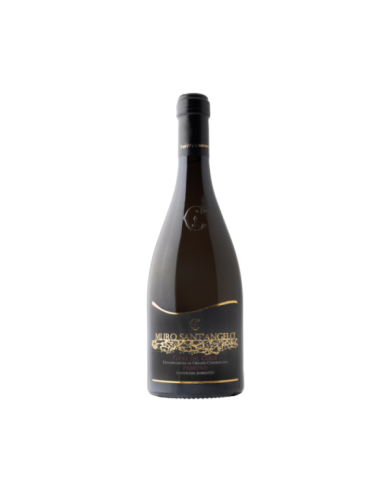
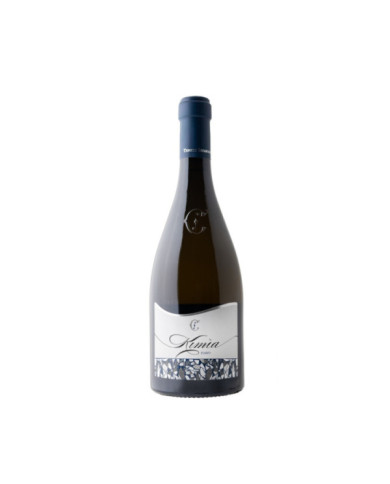
Our first hectare, the one from which the history of Pecorino began. The first parent of Colle Vecchio is today dedicated to Guido Cocci Grifoni and to the bottle that bears his name. It is our most recent version of Pecorino, a wine made in a few numbered specimens, in memory of who, where and when. And not to praise or glorify the past, but to photograph a moment of our past that has become present and future. Using descriptors today, for a wine that will have a life of more than ten years, seems almost out of place. Only a few notes therefore, to give a reference, a trace of his first, very young expressions. Among our whites it is certainly the fullest, the most saline, the most present and the softest. It opens with notes of ripe apple and then moves on to intense and fleshy yellow flowers. The aromatic herbs come forward decisively, accompanying a fascinating scent of star anise.
€26.23
SKU:
15002
Brand:
Tenuta Cocci Grifoni
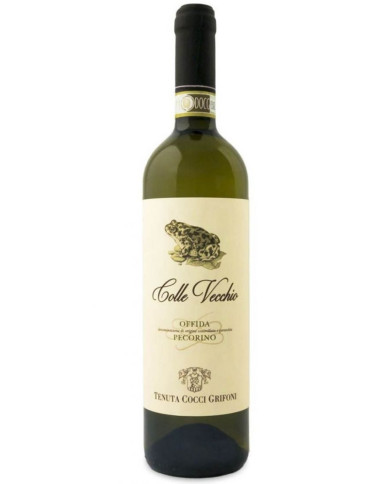
A milestone of our hills brought to light thanks to the adventurous spirit of Guido Cocci Grifoni. Some wonder who took over the lead. We in the winemaking choices, he in the expression of his nature. Neither one nor the other. We have listened to and explored his intentions for years, respecting and supporting his nature and his inclinations so that he became what he wanted to be. And today it is a dry, intrepid wine with impactful acidity, full and soft. Fruity of ripe pear, it turns to floral notes of lily of the valley and broom and then returns to fruit, this time tropical, such as mango. The freshness is manifested with accents of lemon grass and sage to be enjoyed for years.
€15.01
SKU:
15001
Brand:
Tenuta Cocci Grifoni
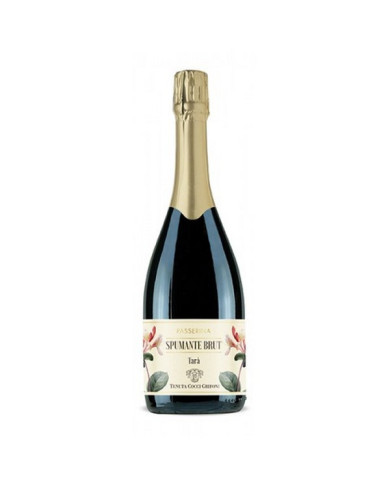
And we too walk the path of the Martinotti Method. Because it is a piece of all-Italian history, because a glass of bubbles induces an immediate smile, because the Passerina vine benefits from the second fermentation in an autoclave which amplifies its wheel of perfumes, maintaining its freshness and salinity. Passerina Brut carries with it an imaginary made of joy and celebrations. With this spirit we vinify it in the hope that, once in your glasses, it will be as much a source of happiness for you as it is for us to produce it.
An explosion of wild flowers, hints of cedar, tasty snuff-box peaches and crunchy white cherries. The perlage is subtle and the sweetness imperceptible for a decisive sip that tells the story of the territory.
€14.88
SKU:
15000
Brand:
Tenuta Cocci Grifoni
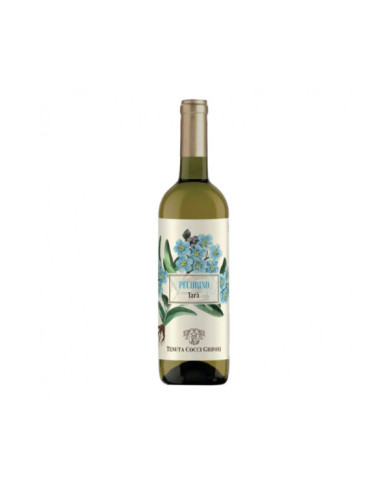
Falerio Pecorino tells a story that comes from the past. A blend that, in our bottle, sees Trebbiano refine the power of Pecorino for a glass suitable for the most carefree moments of the day, including those at the table. Pear-fruity, it moves to floral sensations that bring back jasmine, then returning to the fruit with green notes of kiwi and round sensations of passion fruit. The sincere and pounding sip of Pecorino relaxes on the memories of wild flowers typical of the Trebbiano that accompanies it in this bottle.
€11.04
SKU:
14999
Brand:
Tenuta Cocci Grifoni
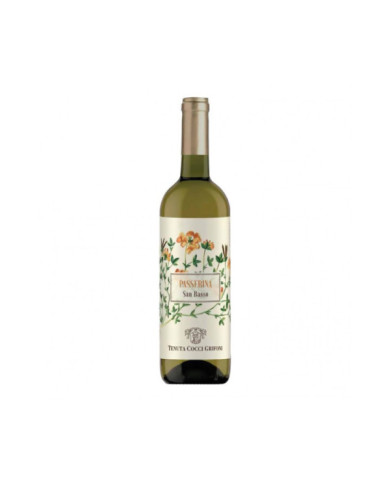
Known for its generosity in producing fruit, Passerina has always quenched the thirst of a large number of people. Today we know its needs and we know how to make it express its effective potential. Indeed, it is capable of describing a floral bouquet of rare freshness. We offer it in its still version, from the grapes of the Tenuta San Basso, full of May flowers and rounded off by ripe fruit. The opening is citrusy of cedar, but linden flowers and very fresh chamomile appear shortly after. This last perfume is repeated harvest after harvest, giving a recognizable trait to our Passerina, evidently defined by our land. The sip swells with ripe yellow plum and pink apple, giving fullness to the very fresh character of this wine.
€10.37
SKU:
14998
Brand:
Tenuta Cocci Grifoni
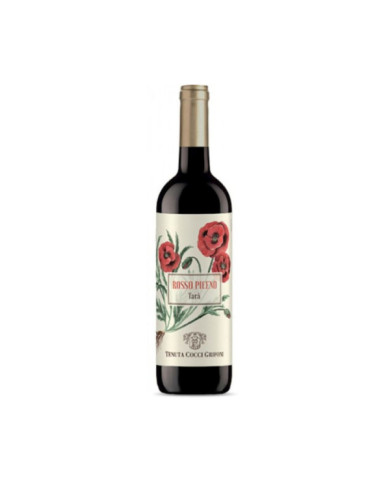
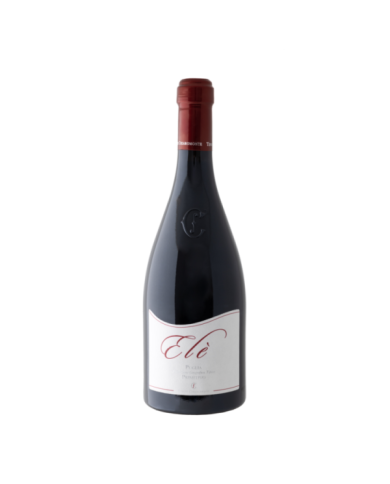
The wine of our countryside, the wine of our peasant tradition, the wine of sharecropping. At the time there was no talk of blends, wine was not produced to be sold, but to be drunk. The purpose was only one. Bring a nice bottle of red wine to the table every day. Each family chose whether and how long to leave it in the barrels but one thing was certain, there were two vines in those barrels: Montepulciano and Sangiovese. Today as then, we re-propose that union of two grape varieties that have always been together. With an exuberant nature, this wine tells of a panorama that is colored with brilliant tones. Raspberries, cyclamen, morello cherries. At the end, a surprising citrus touch of chinotto refreshes and invites you to fill your glasses.
€10.16
SKU:
14997
Brand:
Tenuta Cocci Grifoni
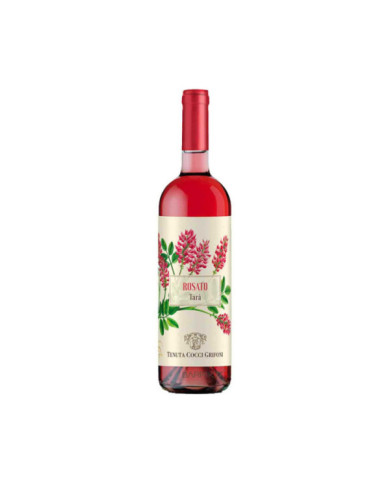
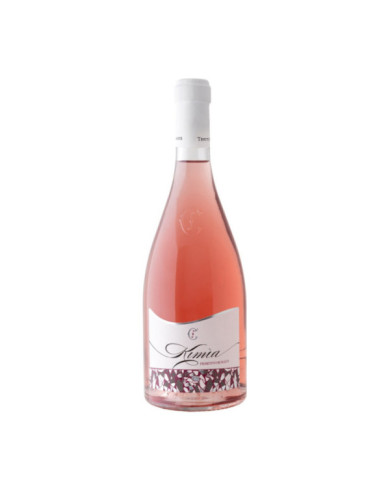
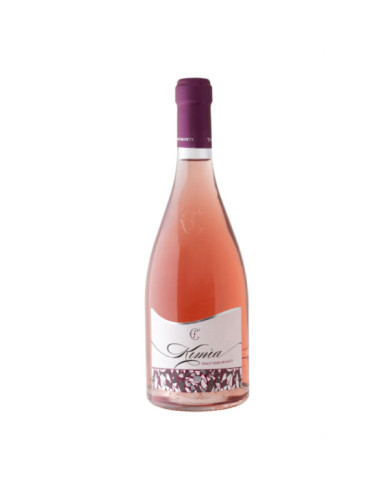
The last born in the cellar, which immediately became popular. We owe the exceptional success of this label not only to the notoriety of the vine, but above all to the versatility of the wine we have obtained. It is a wine that finds multiple opportunities to express itself since it is capable of giving great satisfaction both as an aperitif and throughout the meal. From peach blossoms it moves to wild strawberries to arrive at buttery notes of strawberry tree sharpened by precise memories of pink grapefruit. Dry and soft, with a long fruity finish, it is gentle like the summer breeze of the most rosy sunsets.
€11.74
SKU:
14993
Brand:
Lidia e Amato
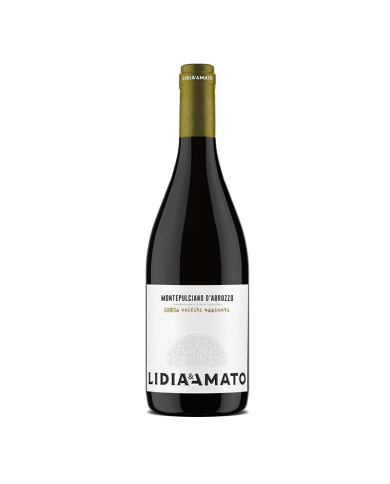
The “Montepulciano d'Abruzzo Doc Forty” wine is one of the most important Montepulciano wines produced by the Lidia e Amato company. The Lidia e Amato company is located in the province of Teramo in the Abruzzo region. The "Montepulciano d'Abruzzo Doc Forty" wine by Lidia e Amato is a red, still and dry wine. The wines of the Lidia e Amato winery, among which the wine "Montepulciano d'Abruzzo Doc Forty", reviewed in this article, contributed to the positive evolution of the appellation, thanks also to the professionalism of the operators who believed in the potential of the territory of province of Teramo. The reputation of the appellation and its wines, such as the "Montepulciano d'Abruzzo Doc Forty" of the Lidia e Amato company, continue to arouse the interest of the markets, as evidenced by the national and international awards of the wines produced by the companies of the Abruzzo region and the province of Teramo in particular. The Montepulciano d'Abruzzo Doc Forty wine from the Lidia e Amato winery, a wine of the appellation, is vinified from Montepulciano grapes. The Lidia e Amato winery produces about 6000 bottles of the Montepulciano d'Abruzzo Doc Forty wine, whose well-balanced organoleptic characteristics and gustatory balance make it one of the most interesting wines of the appellation.
€14.27
SKU:
14992
Brand:
Tenute Chiaromonte
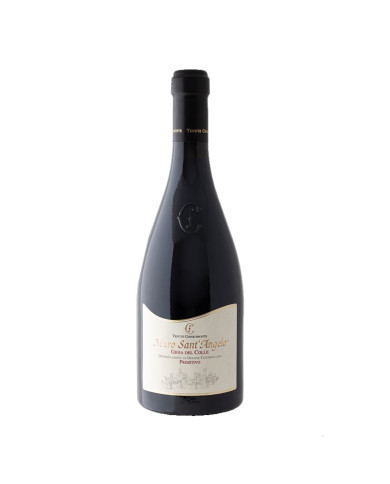
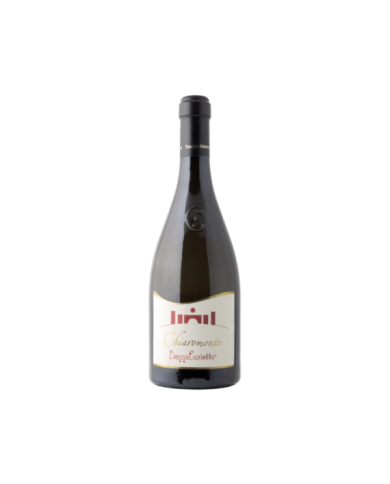
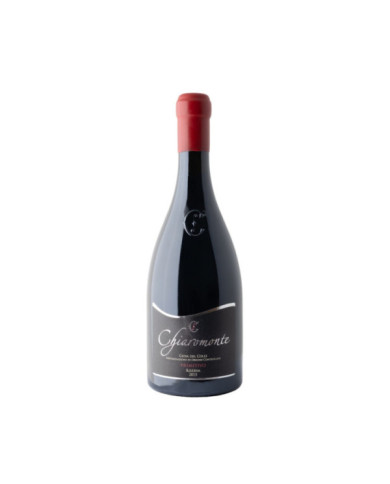
Intense red wine, with aromas of plums, small black fruits and spices that surround a decisive and clean fruit. Impact on the palate, volume without sagging, acidity that well balances the typical sweetness of the vine. Pleasant finish, poured by notes of chocolate and licorice. Pairings Finds its best pairing with cheeses, roasts and all dishes of the Mediterranean cuisine.
€23.00
SKU:
14989
Brand:
Tenute Chiaromonte
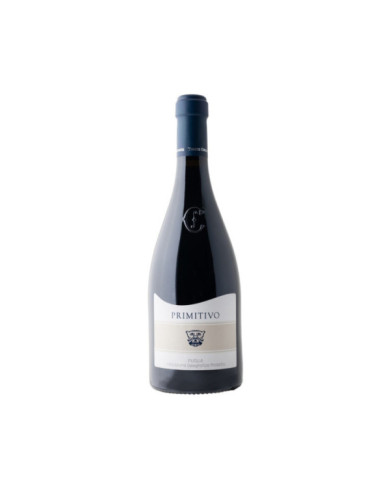
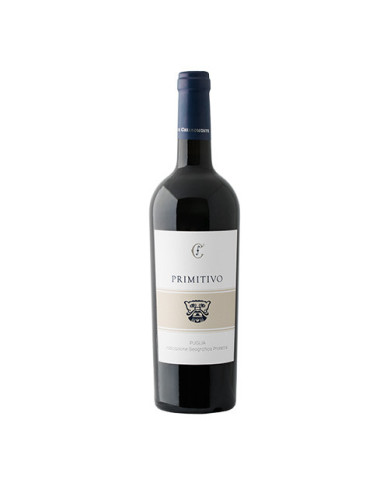
A Primitivo expression of its land, Acquaviva delle Fonti, of which it tells the long winemaking tradition, but also the history and legends; like that of the Mascheroni, guardians of the monumental Palazzo De Mari. Bright red color with violet reflections and intense aromas of small red fruits. On the palate it is fresh, sapid and rightly tannic, with a soft and fruity finish. Pairings Excellent table wine, it finds the best combination with the typical dishes of Mediterranean cuisine.
€10.93
SKU:
14988
Brand:
Tenute Chiaromonte
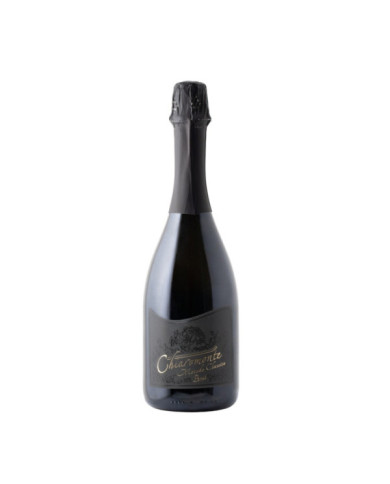
An international vine, the chardonnay, accompanied by an ancient Apulian vine rediscovered, the Fiano, give life to these splendid bubbles which appear with a sparkling straw yellow animated by an elegant and dense perlage. Nose of great impact with very delicate buttery notes, followed by refined nuances of peach blossom. Full-bodied and refined taste that maintains a perfect balance with a long and citrusy finish, a pleasant persistence that recalls scents of yeast and bread crust.
Pairings
The combination with steamed salmon fillet in a crunchy green apple crust is very interesting.
€55.75
SKU:
14987
Brand:
Tenute Chiaromonte
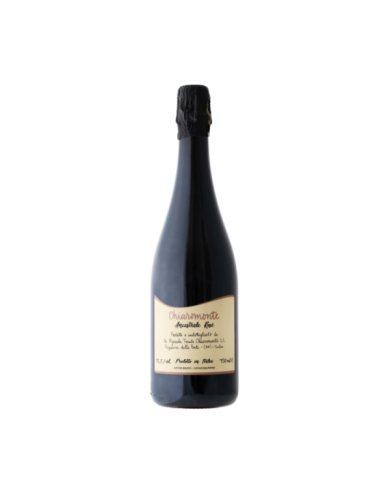
Memories, stories and ancient deeds float among the bubbles of this wine and whirling dance, whispering words that come from afar. Obtained from Pinot Noir grapes, with a fine and persistent perlage, it has a pale coral pink colour. The nose shows marked floral and bread crust notes that reappear irrepressibly on the palate, soft and elegant accompanied by a decisive freshness and minerality.
Pairings
Remarkable pairing with carpaccio and seafood tartare, tempura fish, delicate cheeses and seafood and land preparations with a long olfactory persistence.
€113.83
SKU:
14986
Brand:
Tenute Chiaromonte
A niche edition that comes from a small vineyard of ancient saplings. The color is dark red. The scents are those of plum jam and bitter chocolate which just covers the smoky notes. There are also the typical scents of the Mediterranean maquis. On the palate it is cherry-like, deep and intense, with very soft tannins. Pairings Ideal with meat sauce, roasts, aged cheeses and Mediterranean dishes.
€42.58
SKU:
14984
Brand:
Tenute Chiaromonte
Rosé wine obtained from primitivo racemes. Intense, enveloping and at the same time delicate and elegant with a fresh acidity and a long citrus finish. Pairings Serve as an aperitif to combine with seafood and land appetizers. The combination with shellfish, seafood and fish-based dishes is exciting.
€15.01
SKU:
14983
Brand:
Tenute Chiaromonte
Rosé wine obtained from Pinot Noir grapes. Pale pink in colour, with floral and citrus notes. Lively and at the same time delicate and elegant with a fresh acidity and a long fruity finish.
Pairings
Excellent as an aperitif, it goes well with seafood and land appetizers. The combination with shellfish, seafood and fish or white meat dishes is exciting.
€15.13
SKU:
14982
Brand:
Tenute Chiaromonte
Ruby red wine, aromatic and with intense aromas, with hints of red berry fruit and spicy notes. On the palate it is fresh and elegant. High quality wine, produced from certified organic grapes.
Pairings
Find the best combination with the typical dishes of Mediterranean cuisine. Particularly suitable with soups, white meats, fresh soft cheeses and grilled vegetables.
€14.88
SKU:
14981
Brand:
Tenute Chiaromonte
Wine produced from Moscato grapes, it has a pale yellow color and an excellent structure. What characterizes it is its long finish of grapefruit and aromatic herbs.
€14.15
SKU:
14980
Brand:
Tenute Chiaromonte
Born from Fiano Minutolo grapes, an ancient Apulian vine rediscovered. With yellow, greenish tones, it is characterized by the floral aroma of the vine, with hints of orange blossoms and wild flowers and with notes of citrus fruits and wild herbs. On the palate it has a fresh acidity and highlights a return of citrus aromas with a mineral finish.
Pairings
Ideal with seafood and land appetizers. Particularly suitable with shellfish, seafood and fish-based dishes.
€15.13
SKU:
14979
Brand:
Tenute Chiaromonte
It has a bright ruby red color with slight violet reflections. The olfactory scents are mainly characterized by notes of red fruit. On the palate it is light-bodied, fresh, characterized by good sapidity.
€11.44
SKU:
14978
Brand:
Tenute Chiaromonte
Chardonnay is a wine characterized by a straw yellow color and an intense aroma of ripe apple.
€10.00
SKU:
14977
Brand:
Tenute Chiaromonte
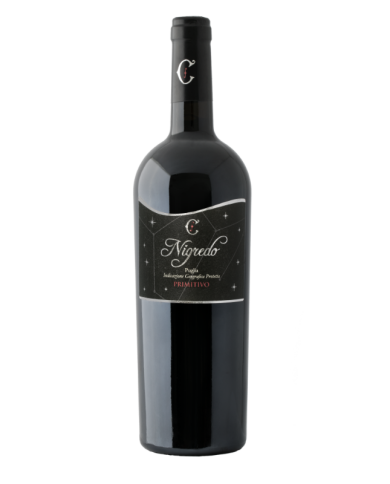
Primitive with a blackish colour. The nose is saturated with fruit, ripe cherries, pulpy and juicy. In the mouth the sweetness of the residual sugars is perfectly balanced by a splendid and very natural juiciness. It is a tale of passions and emotions, a starry night, a research that continues. Pairings It goes well with blue and seasoned cheeses tasted with jams. Also excellent with dry pastries.
€37.52
SKU:
14976
Brand:
Tenute Chiaromonte
Soft and enveloping wine, with a bright red color. With fruity olfactory textures with hints of black cherry and with floral notes of rose that blend with a delicate sweetness.
Pairings
Ideal companion for almond sweets, dark chocolate and various desserts. Intriguing accompaniment with seasoned and blue cheeses.
€18.67
SKU:
14975
Brand:
Tenute Chiaromonte
Maximum expression of an age-old vine that has been handed down for generations. Dark ruby red in colour, it has a deep, clear and precise nose, which ranges from ripe black fruits to the spices of the Mediterranean scrub. The palate, elegant, but at the same time endowed with great density and substance, is full, sapid with iodized notes, complex and balanced despite the alcohol. Pairings To be kept exclusively for important moments or to meditate in front of the fireplace.
€107.43
SKU:
14971
Brand:
Pasetti
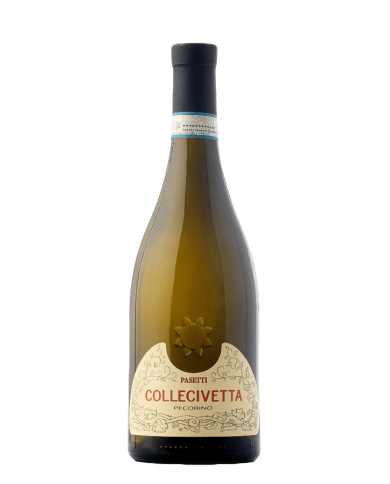
A “must” from the Pasetti company. Authentic mirror of the strong Abruzzo tradition, which is expressed here in the excellence of one of its native vines. This young pecorino in purity today represents a third of the company's production.
€12.36
SKU:
14969
Brand:
Vinicola La Rasenna
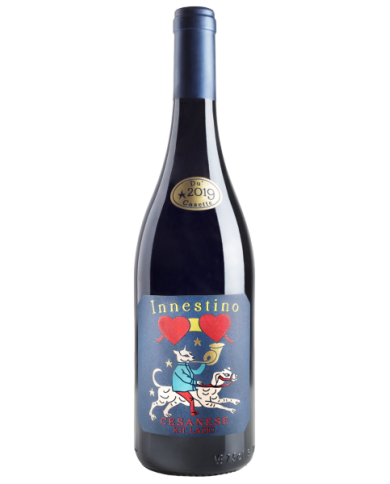
Tradition and innovation come together to give life to Innestino, a Cesanese that was born in the province of the capital from a land positively shaped by alluvial and volcanic presence, with insertions of clay and sand. The vines, trained according to the guyot system, are quite young and, subject to adequate experimentation, give a convincing red, lively in color (thanks to a maceration on the skins for about 18 days) and maturation on the fermentation yeasts; valorisation and optimization of local grapes and the will to go beyond the classic schemes, make Innestino a great label, free from unfettered, authentic, which rightfully represents Lazio oenology!
SKU:
14961
Brand:
SalvaTerra
The Amarone Classico has kept its typicality unaltered by bringing out the "essence of the territory" of Valpolicella in an important way without exceeding the residual sugar. It is a product with personality and great structure but which also manages to communicate elegance and depth in tasting, as well as great complexity.
SKU:
14945
Brand:
J.Hütte
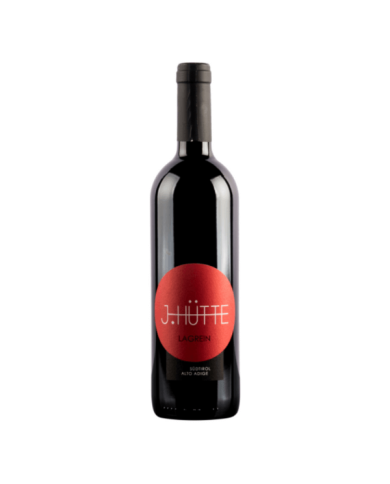
With a rich range of labels with attention to the smallest details, the J.Hütte winery, in the province of Bolzano, has managed in a short time to reach a substantial production volume of out of the ordinary quality, which sees the coexistence of native grapes of the area, such as Moscato Giallo , Lagrein and Gewürztraminer with the international Chardonnay, Pinot Noir and Sauvignon. A mix of sandy and morainic soils, accentuated temperature variations and the support of the Bolzano winery combine to create measured and incisive wines, elegant and refined as only South Tyroleans can be.
€12.86
SKU:
14944
Brand:
J.Hütte
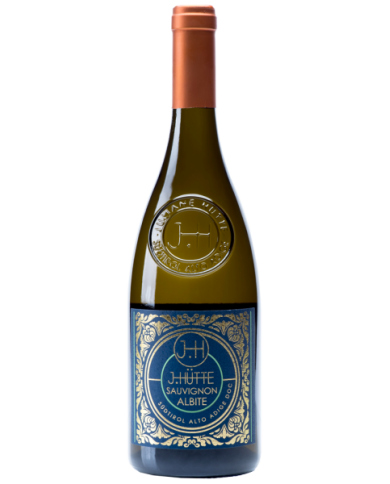
Rich in sodium, albite is a typical mineral of the Alps, in particular of Valle d'Aosta, Piedmont and Alto Adige, where it finds the ideal subsoil for its development, proving to be a faithful ally for the vine. This Sauvignon is proof of this, presenting itself as the perfect synthesis between territory, climate and grape variety, thanks to its typicality which, in combination with albite, gives life to an authentic, complex and characterful label, capable of perfectly combining, to the gentleness of citrus and floral tones, an important structure and a strong minerality.
€25.47
SKU:
14942
Brand:
Funaro
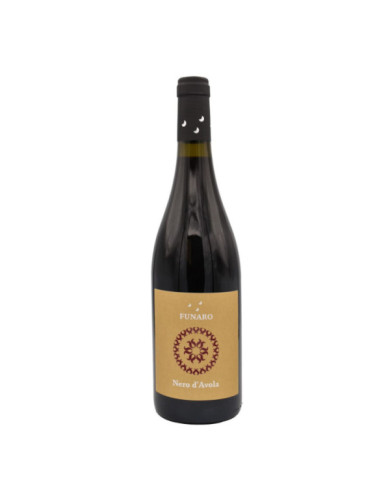
It is vinified in purity from one of the most renowned Sicilian vines, using grapes coming exclusively from the company estates, conducted according to the most modern organic farming techniques. Ruby red in color with violet reflections, it has intense aromas of red fruit, cherries and blackberries. In the mouth it is rich, with a typical acidity, which gives a good persistence of taste and smell. Full-bodied wine with character, which releases the strength and warmth of the land of Sicily, perfect for a grilled meat with friends.
€11.59
SKU:
14939
Brand:
Fattoria del Cerro
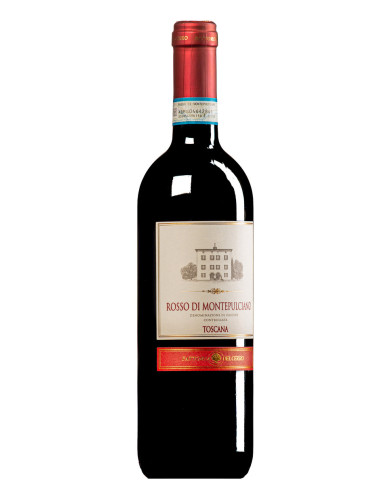
Rosso di Montepulciano DOC the taste is well balanced, elegant and has a slight initial tannic note. Ideal served at 18° C in medium-sized glasses. Excellent combined with appetizers, first courses with meat sauces, stuffed pasta, grilled or casserole red meat main courses
€9.55
SKU:
14935
Brand:
Ceretto
Sweet white wine, it is the dessert wine par excellence. It has a more or less intense straw yellow color depending on the vintage, an intense, aromatic and very persistent fruity aroma. The sweet taste is in harmonious balance with the low alcohol content (5% vol.) and with the acidity, never very high, but which gives the product a pleasant freshness. PAIRINGS: fresh fruit (peaches, strawberries, berries…) panna cotta cream-based desserts.
SKU:
14934
Brand:
Castello Monaci
Pilùna is a monovarietal of Primitivo. We are a few kilometers outside the primitive DOC of Manduria, therefore Pilùna falls within the disciplinary of the IGT Salento. The primitive name derives from "first native" as it is the first red berried variety to be ready for harvest. The name Pilùna indicates the ancient tuffaceous containers in which oil and wine were kept.
€11.54
SKU:
14931
Brand:
Cantine Fina
A very successful blend of Traminer Aromatico and Sauvignon Blanc for this Sicilian white wine.
The grapes are harvested in September and fermented in stainless steel tanks; after racking, the wine spends at least 3 months in the bottle before being marketed.
Goblet with a beautiful straw yellow color with golden reflections.
Fine nose, characterized by notes of candied citrus fruits, yellow flowers, ripe fruit and sweet spices.
The palate is rich, with floral and fruity references and a long persistence.
SKU:
14923
Brand:
Campo al Faro
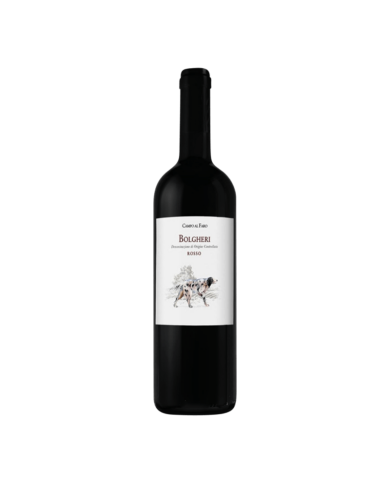
The Bolgheri Superiore di Campo al Faro was born in Castagneto Carducci, in the heart of the magical Bolgheri terroir. The Cabernet Sauvignon and Merlot grapes that make up the blend are hand selected. Fermentation takes place in steel tanks with temperature control and long maceration on the skins.
SKU:
14916
Brand:
Artico
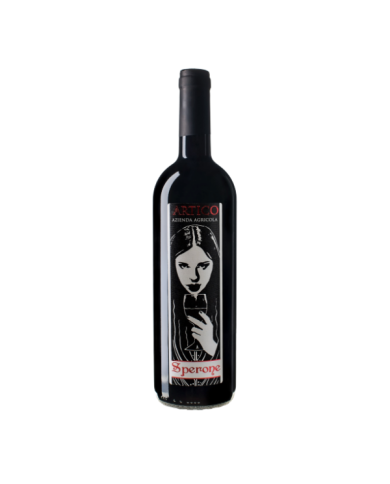
Sperone was our first wine produced in 2012; it is a blend of merlot, cabernet sauvignon and montepulciano which expresses the great varietal expression of the grapes, leaving plenty of room for the terroir.
The grapes, harvested when fully ripe, are destemmed and fermented at 27' degrees, after which they undergo a 21-day post-fermentation maceration with submerged cap.
Subsequently the racking and a soft pressing are carried out. A part of the wine is then aged in steel and another in used tonneau.
€19.54
€8.24