

 Italiano
 Deutsch







There are no more items in your cart
€11.27
€11.27
€10.15
SKU:
14552
Brand:
Cantina Orsogna
Short cold maceration and subsequent soft pressing. The must ferments in stainless steel containers at a temperature of 12-14 ° C for about 30 days with its indigenous yeasts. Clarification takes place by decanting. The refinement takes place in steel tanks for about 4 months, followed by in the bottle. At tasting it has a straw yellow color. Intense aroma with hints of grapes, tropical fruit, flowers. Fresh and soft taste, intense, savory and full-bodied. Excellent to accompany seafood, medium-aged cheeses, structured first courses, white meats.
€39.39
SKU:
14541
Brand:
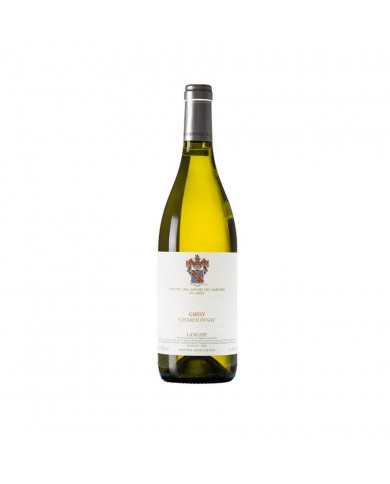
MARCHESI DI GRESY
€30.13
€24.11
The Chardonnay of the Marchesi di Gresy is a white with great structure, a Piedmontese expression of a classic Burgundian. The grapes are grown on Monte Aribaudo near Treiso and then the must ages for a long period in wood, a full 22 months, an aspect that gives body, softness and tertiary notes of spices and toasting. Peculiar the pleasant sapidity that accompanies the sip and persists for a long time
€30.13
€24.11
SKU:
14501
Brand:
Cantina Tollo
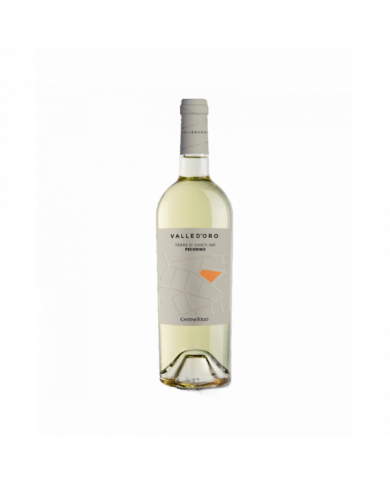
Vine to rediscover ancient variety that gives persistence, harmonious and slightly balsamic flavor with notes of citrus and garden fragrances. Made exclusively with Pecorino.
Pairings
Raw fish and shellfish, fish dishes in general also excellent with fresh or stretched curd cheeses.
€7.71
SKU:
14500
Brand:
Cantina Tollo
Company : Cantina Tollo Wine region : Abruzzo (Italy) Appellation : Terre di Chieti IGT (IGP) Vegan Type : white, dry, still Variety : Pecorino 100% Alcohol content : 13% Year : 2021 Format: 750 ml
SKU:
14499
Brand:
Cantina Tollo
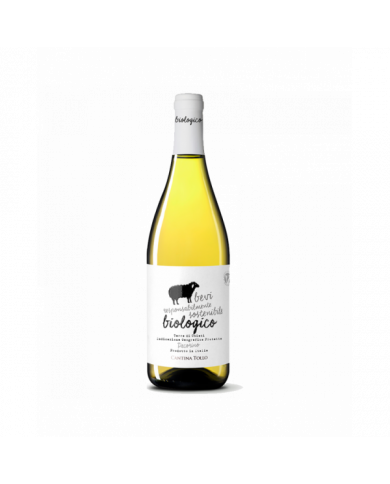
A wine that tells the authenticity of nature, just as bees are proof of the quality of food.
Pairings
Excellent as an aperitif or with fish-based dishes, white meats and fresh cheeses
€8.00
SKU:
14497
Brand:
Cantina Tollo
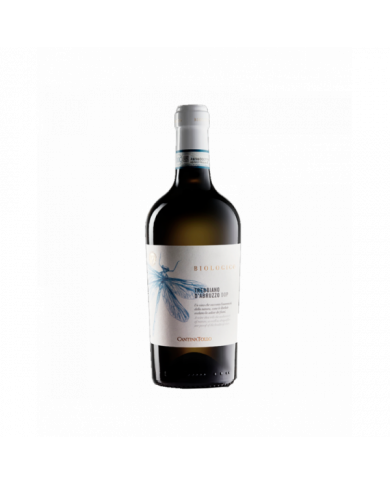
From the uncontaminated land of Abruzzo comes this delicate and fragrant wine, obtained from hand-picked grapes on gentle and sunny hills.
Pairings
Excellent as an aperitif and with all seafood cuisine, white meats and fresh cheeses.
€8.04
SKU:
14496
Brand:
Castel Firmian
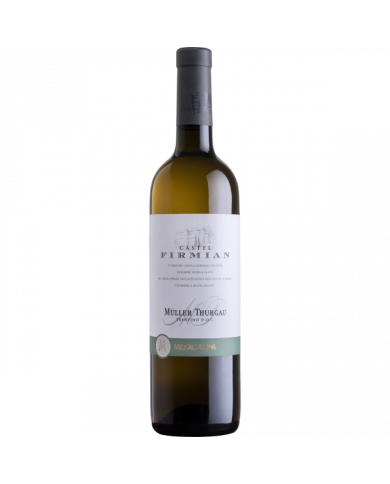
Produced only with grapes from its own vineyards in the medium-high hills of the Cembra Valley. It comes from the vine of the same name obtained in 1882 by the researcher Hermann Müller in the Swiss town of Thurgau from the cross between the Rhine Riesling and Chasselas varieties. The vinification is traditional with brief contact on the skins to ensure maximum conservation and the transmission to the wine of the varietal aromas characteristic of the grape. Subsequent fermentation at controlled temperature (18-20°C).
€8.88
€7.99
SKU:
14495
Brand:
Castel Firmian
€13.01
€10.40
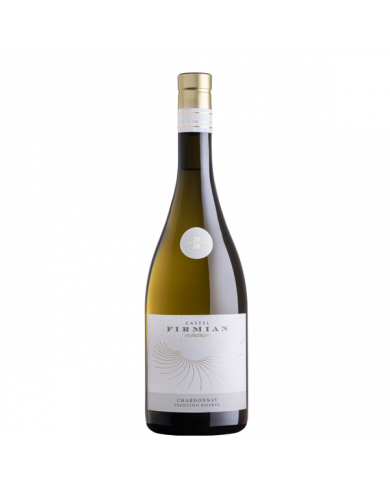
The Chardonnay Riserva comes from a selection of the best vineyards grown on the slopes of the Trentino mountains between 250 and 500 m above sea level. The preferred soils are of alluvial and draining origin. The grapes are harvested well ripe and characterized by a golden yellow colour, an indication of high aromatic richness. The skilful blending of wines obtained from vineyards located at various altitudes and with different exposures results in a wine that is ripe and rich but also fresh and fragrant. The grapes are harvested in September, partly subjected to cold maceration to increase the extraction of aromas and subsequently subjected to soft pressing. The must is fermented with the addition of selected yeasts, half in steel and half in lightly toasted French oak. The wines mature for 8 months in wood and 4 months in steel. The part that ages in barrique also carries out the malolactic fermentation and repeated batonage (resuspension of the fermentation yeasts) is carried out. Finally, 3-4 months of aging in the bottle follow.
€13.01
€10.40
SKU:
14481
Brand:
Cantina dei Monaci
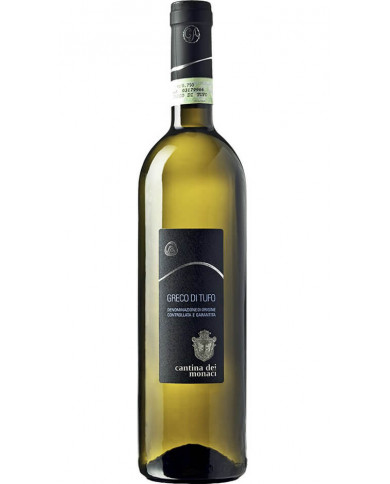
The grape variety is particularly fruity and easy to recognize on the palate. Greco di Tufo is a vine mainly dedicated to the production of still white wines, which over time has been able to distinguish itself thanks to its strong and unmistakable scents. It lends itself very well to the best everyday meals.
With intense straw yellow colors with olfactory presences of yellow peach, golden apple and mint which highlights its freshness on the palate.
Equally structured and complex taste, it knows how to envelop the palate but also refresh it.
Very versatile wine that lends itself well both as an aperitif and as an accompaniment to fish-based dishes or risottos.
€13.66
The best Italian white wines
Italy is home to some of the finest white wines. In the Clickwine section of our online wine shop dedicated to the finest Italian white wines, you'll find bottles of excellent white wine carefully selected by our sommeliers.
The designations used in our country to classify wines are DOCG, DOC, and IGT. Sometimes you'll also find designations like DOP and IGP: these acronyms have similar meanings to the previous ones but are used by wineries that primarily sell their wines outside of Italy.
The production of white wine
White wines are produced from both light and dark grapes, but vinified as a white wine: that is, during maceration there is no contact between the must and the pomace, so that the skin – exactly the opposite of what happens with red wines – does not release substances and color.
Its myriad nuances vary according to the characteristics of the grape variety, the aging method and the vine growing area.
In white winemaking, once the grapes have been harvested, they are transported to the cellar, destemmed, and pressed, and the must is separated without any maceration or with a brief maceration. Sometimes, however, the grapes are pressed and then macerated with the skins at a low temperature for a varying length of time. This produces richer, smoother wines.
This phase is followed by the clarification of the white wine produced, which can be done by letting the must rest, by cooling, centrifugation or filtration.
Fermentation begins either by adding selected yeast to the must or spontaneously, using the indigenous yeasts present in the grapes. To preserve the aromas, finesse, and freshness of white wines, fermentation is carried out at lower temperatures than red winemaking, generally around 18°C.
To obtain a fresh and lively wine, best drunk young, malolactic fermentation is avoided by bottling early, after filtration and stabilization. More complex wines, aged or fermented in wood, are bottled only after several months in barrel.
How to taste white wine
First, you need to decide whether to uncork the bottle right away or let your white wine age. If you want to immediately succumb to its charm, its aromas of aromatic herbs, flint, or its notes of exotic fruit, then serve your white wine at the right temperature: 6-8°C for a young white and 8-10°C for a softer, more structured wine.
How to pair white wine
Dry white wines will surprise you at the table, too, and not just with their straw-yellow color. As an aperitif, and especially with a fish dish, white wine is definitely a must, but it's not easy to know which of the many labels will be best suited to the occasion.
We recommend pairing white wine with cheeses, whether low-fat, fresh, or rich in milk, such as flavorful buffalo mozzarella, or with soft, bloomy-rind cheeses. They're also perfect with white meats, such as classic scallops, but beyond tradition, white wine also pairs perfectly with meat and risotto dishes, as well as truffles. Visit our online wine shop Clickwine for expert advice on purchasing the best white wine at the best price to pair with your favorite dishes.
White wines: prices and offers
Every week, our online wine shop, Clickwine offers a selection of selected white wines at special prices. In this section and in the special offers section, you can then browse the best value wines.
A wide selection of premium products at affordable and truly exclusive prices. Don't miss the incredible deals on white wines from all the most prestigious Italian wineries; discover internationally renowned and beloved Italian wines.
Enter the Clickwine catalog and expand your selection by purchasing exclusive items online from smaller, yet exceptionally high-quality wineries.
White wines: longevity and conservation
How long can I keep white wine in the cellar? Do white wines improve as they age like red wines? These are the questions a wine consumer asks when talking about white wine.
In general, white wines have a much shorter shelf life than red wines, for two reasons: tannins and aging. Tannins are antioxidants present in the wine's skins that aren't present in white wines; as for aging, however, most white wines age in stainless steel for just a few months; even red wines, if they age briefly in stainless steel and undergo rapid maceration, don't last for many years. Let's say a classic white wine aged in stainless steel lasts a maximum of 2 to 3 years. If it undergoes maceration or ages in wood, it can last up to 20 years and improve year after year.
How many types of white wines are there?
There is no exact number of types of white wine, as there are several different white grape varieties that can be used to make white wines. Some of the most common white grape varieties used to make white wines are Chardonnay, Sauvignon Blanc, Riesling, Pinot Grigio, and Moscato. There are also other less common varieties such as Gewürztraminer, Semillon, and Viognier. Each of these varieties can be used to produce white wines with unique and different characteristics, so there are many different types of white wines available.
How to recognize a good white wine?
There are several ways to recognize a good white wine. One of the simplest is to taste the wine and evaluate its flavor and aroma. A good white wine should have a pleasant flavor and a delicate, complex aroma. Other factors that can indicate the quality of a white wine include the vintage, the grape variety, and the production area. In general, white wines produced with high-quality grapes and in particularly favorable years tend to be more valuable and of higher quality. Furthermore, white wines produced in regions renowned for producing high-quality white wines can be considered more valuable than those produced in other regions.
How to understand if a white wine is good?
As mentioned above, one of the easiest ways to determine if a white wine is good is to taste it and evaluate its flavor and aroma. A good white wine should have a pleasant flavor and a delicate, complex aroma. It's also important to keep in mind that the quality of a white wine can be influenced by several factors, such as the vintage, the grape variety, and the production area. For example, white wines produced with high-quality grapes and in particularly favorable years tend to be more valuable and of higher quality. Furthermore, white wines produced in regions renowned for producing high-quality white wines may be considered more valuable than those produced in other regions.
Why is it called white wine?
White wine is so called because it is made using white grapes. Most white grapes have transparent or lightly colored skins, so the wine made from these grapes has a light, transparent color. Sometimes the color of white wine can be influenced by the type of grape used, the winemaking process, and the addition of other ingredients, but generally, white wine has a light, transparent color.
How to replace white wine?
If you want to replace white wine in a recipe, there are several ingredients you can use. One of the most common options is to use chicken or vegetable broth instead of white wine. Other options include using white vinegar or apple juice diluted with water. Additionally, in some cases, you can omit the white wine entirely and use other ingredients to achieve the desired flavor in the recipe.