

 Italiano
 Deutsch














There are no more items in your cart
SKU:
867
Brand:
Bortolomiol
Straw yellow with greenish reflections. Pleasant and refined nose marked by notes of flowers, citrus and pear. Fresh and velvety mouth, which expresses a creamy effervescence. Perfect at the time of the aperitif, given the dry flavor and the effervescence it goes well with various seafood preparations, in particular fried.
SKU:
865
Brand:
Bortolomiol
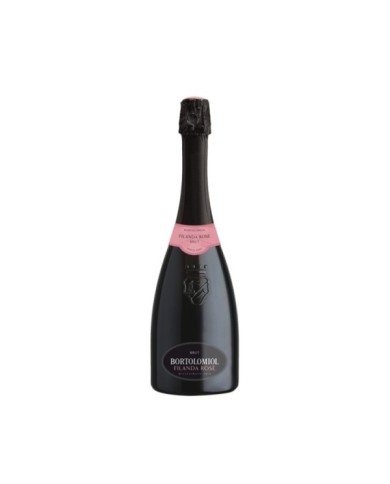
At sight it shows a cherry pink hue, with light coppery reflections, the perlage is subtle and intense. The nose is crossed by floral scents, contrasted with more fruity aromas where raspberry, pink grapefruit and wild strawberries are felt with intensity. On the palate it is lively, with a good structure, fresh closes with a persistent finish. Excellent for the whole meal, where it elegantly accompanies first and second courses based on fish to be tried also with soups, for example that of onions and cheese, it is perfect with a shrimp and zucchini tempura.
SKU:
863
Brand:
Bortolomiol
At sight it shows a bright and intense straw yellow color, the perlage is subtle and long-lasting. The olfactory spectrum shows fruity notes of green apple, peach and plum, well blended with floral aromas of wisteria, lily of the valley and aromatic herbs. In the mouth it is striking for its great freshness and agility, it is dry and with a good balance between savory and acidic components. It closes with a moderately persistent finish. It is the ideal wine for an aperitif, where its frankness lends itself to a large number of recipes and preparations. Excellent with seafood, it is to scream with lard croutons.
SKU:
861
Brand:
Bortolomiol
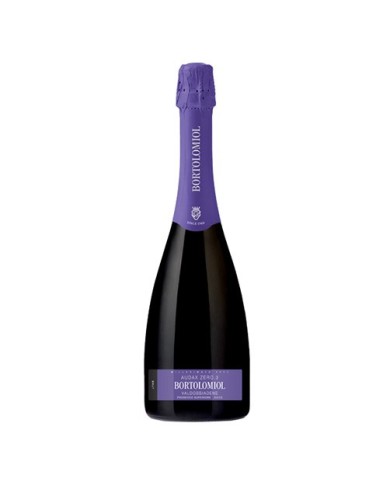
In the glass it has a straw yellow color, with some slight reflections tending to gold and greenish. The perlage is subtle and persistent. The aromas on the nose tell of fruity and citrus hints, which blend well with notes of lily of the valley, hawthorn and aromatic herbs. On the palate it is balanced, soft, extremely drinkable. It is endowed with a great gastronomic versatility, which makes it perfect also for an aperitif. Throughout the meal it finds its consecration with dishes based on fish, molluscs and crustaceans, as well as in fried vegetables. Absolutely to try with crepes with ricotta and spinach.
SKU:
856
Brand:
Perusini
The Brut Perusini is a Friulian sparkling wine , produced by the Perusini Farm , located in Corno di Rosazzo in the province of Udine, on the eastern Friulian hills. The grape that gives rise to this wine is 60% Ribolla Gialla and 40% Chardonnay. The vinification takes place in steel at a controlled temperature, the sparkling with the charmat method on selected yeasts lasts 3 months.
SKU:
847
Brand:
Foss Marai
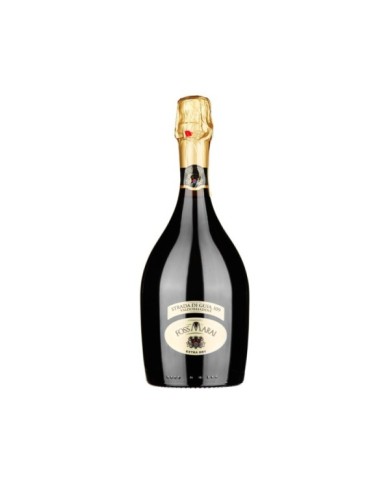
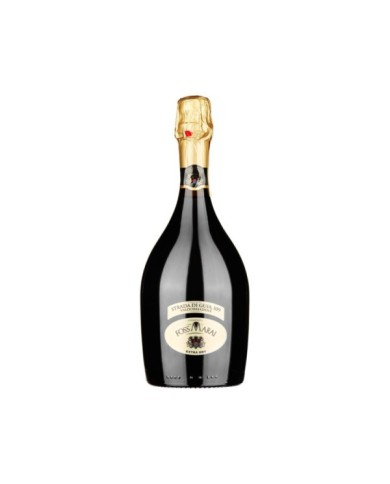
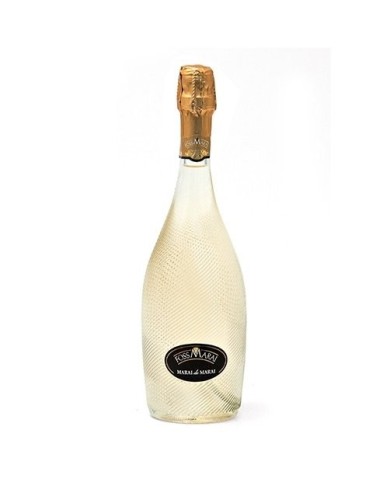
Straw yellow, with a rather fine perlage. The nose reveals fragrant aromas of acacia and apple. Captivating aromas, which open to a well-balanced taste between freshness and residual sugar. It closes with a finish of excellent persistence. Also as an aperitif, it goes well with delicate fish and white meat dishes.
SKU:
843
Brand:
Foss Marai
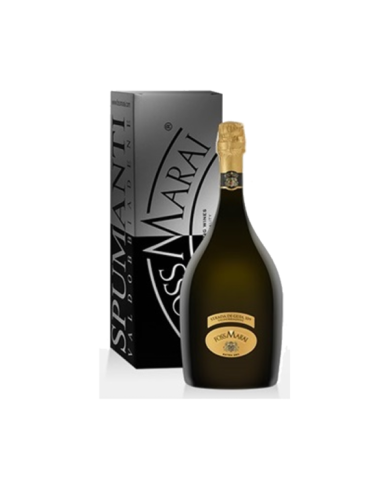
Straw yellow, with a rather fine perlage. The nose reveals fragrant aromas of acacia and apple. Captivating aromas, which open to a well-balanced taste between freshness and residual sugar. It closes with a finish of excellent persistence. Also as an aperitif, it goes well with delicate fish and white meat dishes.
€14.09
SKU:
841
Brand:
Foss Marai
Straw yellow, with a rather fine perlage. On the nose it expresses fragrant aromas of white pulp fruit, on the palate it is fresh, very soft, full. A rich and pleasant taste, whose closure stands out for its cleanliness. Excellent as an aperitif, it goes well with light appetizers. Excellent on typical vegetarian dishes.
€11.50
SKU:
833
Brand:
Cà del Bosco
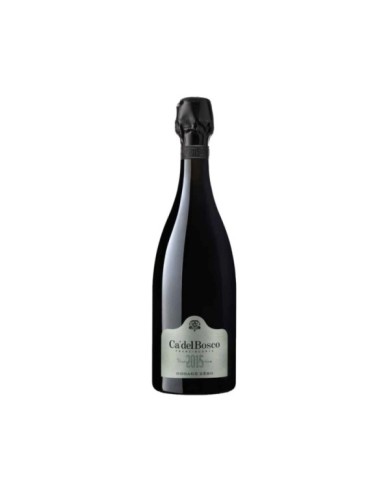
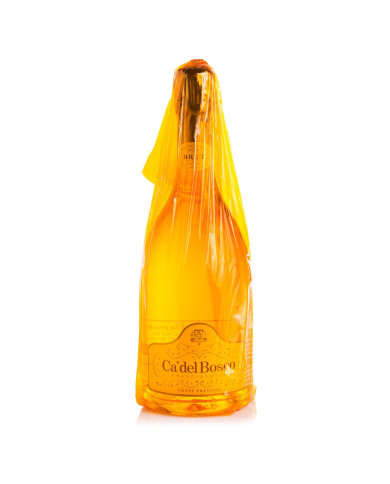
A Franciacorta that needs no introduction. Produced for the first time in 2007, this wine is born from the assembly of Chardonnay, Pinot Nero and Pinot Bianco grapes vinified separately and then added to the Reserves of the best vintages, which combined wisely give rise to this prestigious Cuvée. FRANCIACORTA CA 'DEL BOSCO
€415.85
SKU:
822
Brand:
Masciarelli
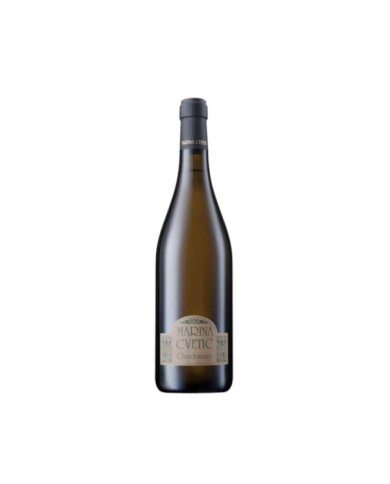
Golden yellow, on the nose it expresses a rich and intense olfactory profile. Notes of banana, broom, hazelnut, medlar open to a soft and velvety taste, characterized by good acidity and a particular depth. Of great persistence. Throughout the meal, it goes well with rich fish dishes. Pasta, risotto, stuffed pasta but also baked and grilled second courses.
SKU:
802
Brand:
Ferrari
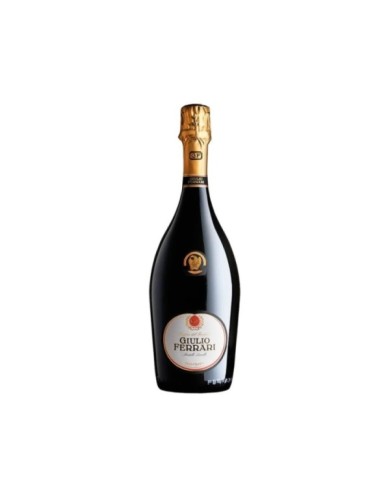
Brilliant yellow with slight golden reflections, with a very fine and persistent perlage. The nose reveals a bouquet of rare intensity and fragrance in which the fruit is in perfect harmony with the hints of honey, combined with notes of white chocolate, spices and citrus. On the palate it is elegant and harmonious, with a velvety and composite body: the fragrances of honey, acacia and ripe hay are well combined with floral notes. The impact is noble and of great persistence. Splendid throughout the meal, Ferrari recommends pairing it with mozzarella in a carriage or with a large fish soup.
€179.90
SKU:
775
Brand:
Cà del Bosco
It reveals itself to the eye with a pleasant straw yellow color, limpid and clear. The perlage runs through the soul of this Franciacorta with a texture of fine and subtle bubbles, endowed with incredible persistence. On the nose there is a range of rich and layered aromas, where notes of yeast, white flowers, citrus fruits and spices are recognized. On the palate it is full-bodied, intense and pulpy, with a fresh, full and persistent taste. Refined and elegant, it requires not everyday gastronomic preparations. Excellent with a truffle risotto.
SKU:
771
Brand:
Cà del Bosco
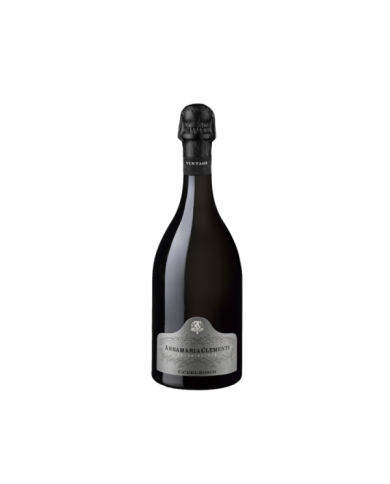
The Dosage Zero by Ca 'del Bosco is a pure and elegant Franciacorta, the result of the best expression of an extraordinary terroir and of the man who understood its character and potential. The man who made the production of the great wines of the Ca 'del Bosco winery possible is Maurizio Zanella, who, after a trip to Champagne in the late seventies, decides to follow his mother Annamaria Clementi and moves into her home and Erbusco is precisely here that he is absorbed by the passion for wine and plants the first rows in sylvoz, transforming the surrounding hill into a vineyard of excellence over time. A Franciacorta that is a guarantee of absolute quality.
SKU:
766
Brand:
Masciarelli
Intense straw yellow, the nose expresses beautiful fruity and slightly spicy notes. Clear hints of papaya, yellow peach, honey, vanilla open to an intense and material taste, rich and very pleasant. Full and tasty, it closes with a final of great gustatory energy. For the whole meal, it goes well with countless land and sea preparations. Try it with a stuffed pasta embellished with a few flakes of truffle.
SKU:
764
Brand:
Masciarelli
Straw yellow, the nose expresses the quintessence of the typology thanks to beautiful fruity notes embellished with hints of jasmine and vegetal traces. On the palate it is intense, vibrant and very fine. Balanced and relaxed, it closes with a finish of rare persistence. Throughout the meal, it goes well with countless fish-based preparations. Perfect with a cod tartare.
SKU:
762
Brand:
Jermann
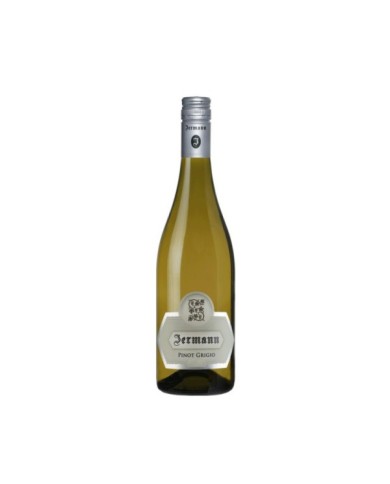
Intense straw yellow to the eye, with subtle reflections reminiscent of antique pink. On the nose it is broad and elegant, characterized by fruity, citrus and slightly brackish notes. Soft and full-bodied on the palate, well balanced and persistent. Mineral closure. Versatile in culinary combinations, it is perfect with linguine with cuttlefish ink.
€22.07
SKU:
760
Brand:
Jermann
Jermann 's Sauvignon is a fresh and elegant wine, of splendid varietal interpretation with mint, vegetable traits and green pepper in evidence. It is vinified and aged exclusively in steel vats in order to keep alive the typical scents of the grapes of origin. On the palate it is crisp, fresh, dry and well balanced by a balsamic gustatory return
€23.73
SKU:
758
Brand:
Jermann
Brilliant straw yellow with greenish reflections. The nose reveals an intense, fruity, slightly aromatic aroma. Notes of banana and golden apple open to a fresh and balanced taste, naturally rich and with excellent persistence. Also as an aperitif, it goes well with sauced fish, shellfish and vegetable creams.
€23.73
SKU:
716
Brand:
Marotti Campi
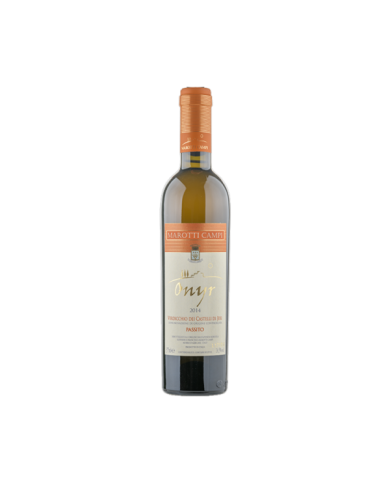
Golden yellow tending towards amber. On the nose yellow flowers, candied fruit, peaches in syrup and pine nuts. Soft on the palate, tending to sweet, allowing apricots and baked pears, notes of vanilla and a slightly almond finish. Serve at 14 ° with dry sweets, almond paste, cheeses or cheesecakes, foi gras or alone as a meditation wine. Alcohol: 14.5% vol.
€13.86
SKU:
706
Brand:
Marotti Campi
€16.10
€12.88
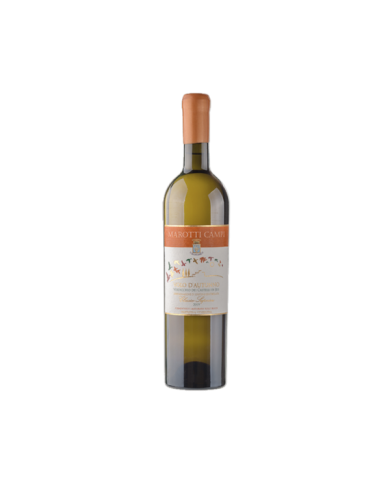
Straw yellow in color with greenish reflections. On the nose hints of Mediterranean, cedar and boxwood. Pleasantly dry and material on the palate with a long finish of ancient citrus. Best to drink between 14 ° C and 16 ° C.
€16.10
€12.88
SKU:
687
Brand:
Cantina Marchesi Antinori
The "Conte della Vipera" is an intense and pleasant semi-aromatic white wine, with exuberant hints of citrus, peach and exotic fruit. On the palate it is immediate, fresh, rich, balanced and enveloping, of immediate and generous pleasure
€28.37
SKU:
680
Brand:
Planeta
€39.45
€36.69
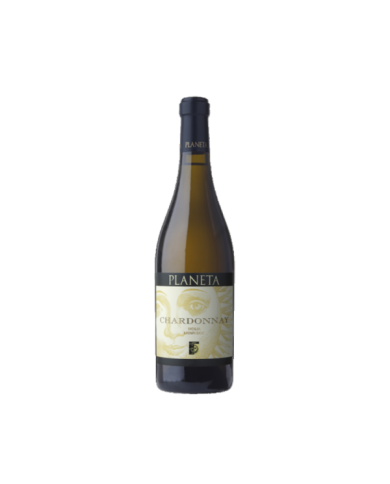
Planeta Chardonnay reconfirms itself every year as the reference point for this grape variety throughout Sicily and beyond. Extraordinarily complex, sumptuous and powerful , it enters the elite of excellence by right. It was among the first wines to be produced on the company's first estate, that of Ulmo near Sambuca di Sicilia, on the shores of Lake Arancio. It is vinified and aged in fine Allier barriques. Gold-colored dress with green reflections, it expresses rich tones of plum and wisteria, dried fruit and orange blossom flowers on the nose, together with a slight woody touch. Powerful, soft and very persistent taste. One year in half new barriques. Excellent with chickpea cream and cod or with foie gras risotto.
€39.45
€36.69
SKU:
661
Brand:
Marotti Campi
Bright straw yellow color with golden reflections. Aromas of broom, elderberry, marine and mineral notes, a touch of vanilla, capable of great evolutions in aging. Mouth of great structure, with acid shoulder to support the fruity notes, sapid and mineral, of great balance and long in the finish. Serve at 14 ° C with elaborate first courses, fish, white meats, soups.
€15.20
€12.92
SKU:
659
Brand:
Marotti Campi
Straw yellow in color with greenish reflections. Aromas of acacia, broom, field flowers and chamomile with typical notes of bitter almond. Dry, savory, mineral, with fruity notes of green apple and a pleasantly almondy finish. Serve at about 14 ° C as an aperitif, pasta or rice first courses, fish, white meats.
€9.11
€7.29
SKU:
657
Brand:
Marotti Campi
Bright straw yellow color with greenish reflections. Aromas of yellow flowers, peach, green apple and jasmine, with diffused minerality. Dry, savory, fresh, fruity and highly drinkable. Serve at about 14 ° C as an aperitif, pasta or rice first courses, seafood, fish, green salads.
€6.33
€5.06
SKU:
611
Brand:
Ferrari
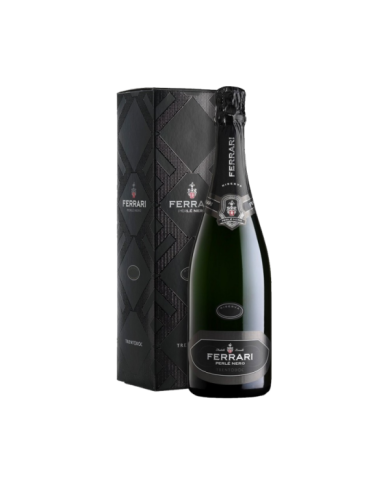
The Spumante Trento Extra Brut Perlé Nero by Ferrari is born in vineyards located within the farms of Villa Margon, Maso Orsi and Maso Valli, on the high hills of Trentino. It is produced exclusively with Pinot Noir grapes, selected and hand-picked in mid-September. The wine ages on selected yeasts for at least 6 years. Perlé Nero is characterized by a golden yellow color. The nose is rich and mature, powerful and complex, with fruity, mineral and toasted hints. On the palate it is complex, with a perfect balance between fruity and toasted notes, completed with an intriguing flavor. Overall it is a wine with a great personality, elegantly creamy and with an enveloping and very long finish.
€76.90
SKU:
597
Brand:
Scrimaglio
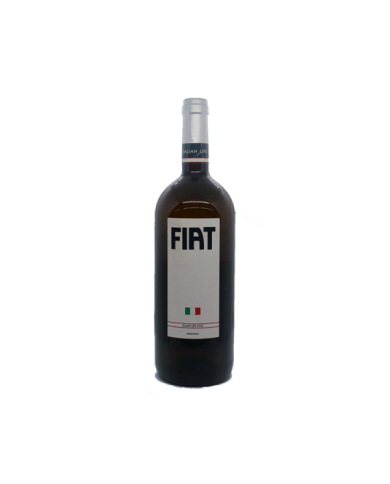
The Fiat Chardonnay bottle can be a great gift idea for car enthusiasts. Wines with an automotive design produced in limited numbers by the eccentric Piedmontese producer Pier Giorgio Scrimaglio. The Scrimaglio family has been in Piedmont since the 17th century and comes from France, where it bore the name Escrimeaux (swordsman). In Monferrato, it gave its name to an area that is still called Region Scrimaglio, where the farm and vineyards are now located. Francesco Scrimaglio, the progenitor of the family, started his wine-growing business in the early 1900s, which was later expanded by his son Pietro and grandsons Franco and Mario.
SKU:
560
Brand:
Grimaldi Luigino
€19.00
€13.30
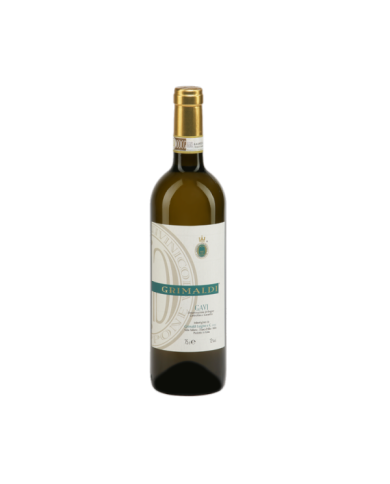
Color : intense and brilliant straw yellow with greenish reflections Taste : dry, harmonious, fresh and persistent, with mineral notes Tasting temperature: 8 - 10 ° C Pairings : appetizers and fish-based dishes
€19.00
€13.30
SKU:
556
Brand:
Grimaldi Luigino
€16.99
€8.50
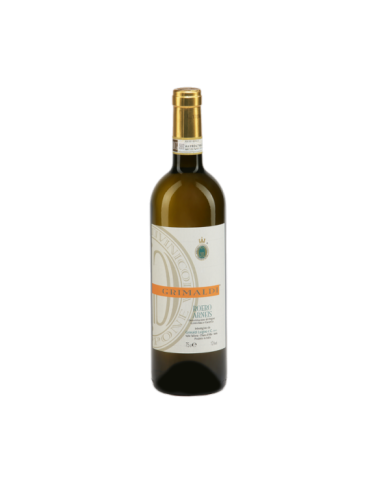
Color : bright straw yellow with greenish reflections Bouquet : floral and fruity with a hint of wild berries Tasting temperature: 8 - 10 ° C Pairings : appetizers and fish dishes
€16.99
€8.50
SKU:
541
Brand:
Cantine Due Palme
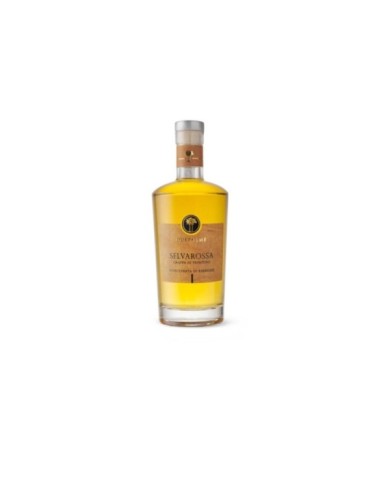
The choice of pomace, the expertise in distillation, give rise to this grappa, with a crystalline color, which expresses the typical notes of fruit and red flowers with a hint of spice. The taste is aromatic and pleasantly warm, clean, an example of classic grappa in its originality.
€27.00
SKU:
535
Brand:
Cantine Due Palme
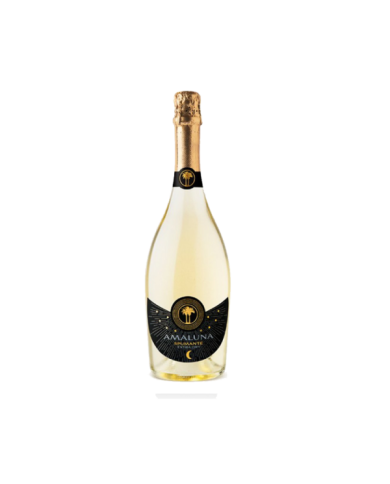
AMALUNA Spumante has a bright straw yellow color, with a white and creamy froth, with a fine and delicate perlage. Floral aromas prevail on the nose, with characteristic fruity notes, in particular white peach, banana and pineapple, kiwi and cedar peel. In the mouth it is soft, savory, full and balanced, but at the same time dry, thanks to its pleasant acidity and its mineral notes.
€7.90
SKU:
520
Brand:
Casa Defrà
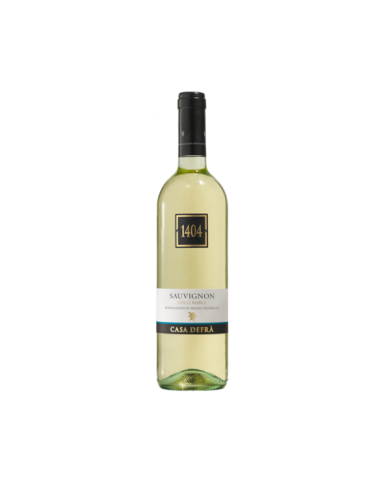
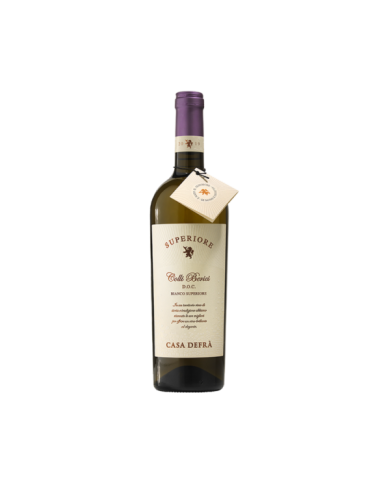
Today Casa Defrà signs the best selection of grapes grown on the hills surrounding Vicenza, the Berici Hills, for generations of winemakers linked to their lands by a great passion. A tradition that is renewed in each harvest with the same care as always.
SKU:
518
Brand:
Casa Defrà
Pinot Bianco Casa Defrà smells very delicately of fresh apples and hay. Its refined elegance and its discreet character make the Casa Defrà Pinot Bianco an excellent accompaniment to meals.
SKU:
516
Brand:
Casa Defrà
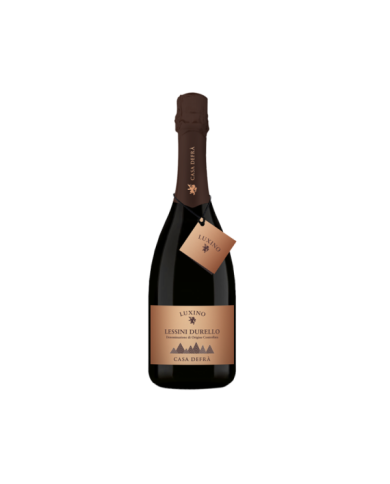
“LUXINO” Lessini Durello Doc , the new sparkling wine of the line that faithfully and intensely interprets the best expressions of the territory between the Berici Hills and the Lessini Monti .
SKU:
327
Brand:
Nestore Bosco
Color : intense golden yellow. Nose : floral aromas and notes of dried fruit. Taste: sweet, warm and enveloping. Serving temperature: 10 ° C. Pairings: medium-aged cheeses, desserts. AWARDS: 4 Grappoli, Bibenda 2014 - Best debut, Gold guide Veronelli wines 2014
SKU:
301
Brand:
Nestore Bosco
Color: straw yellow. Flavor: floral and aromatic scents. Taste: fresh and pleasant, slightly petillant. Serving temperature: 10 ° C. Food matches: fish, moderately aged cheeses, desserts.
SKU:
294
Brand:
Nestore Bosco
Straw yellow color with slight golden reflections. Fresh and clean smell, with slight citrus notes . Fresh and balanced taste , with fruity scents. Serving temperature: 8/10 ° C. Food matches: it is ideal to accompany all fish-based dishes. Fermentation at controlled temperature.
SKU:
288
Brand:
Nestore Bosco
Onion pink color, persistent perlage. Intense bouquet with bewitching strawberry aromas. Dry and harmonious taste. Perfect as an aperitif, it goes well with any fish-based dish. To be served at a temperature between 6 ° and 8 ° C.
SKU:
286
Brand:
Nestore Bosco
€14.01
€9.80
Color: pale straw yellow, fine and very persistent perlage. Flavor: intense aromas of fragrant bread and dried fruit. Taste: dry and harmonious. Serving temperature: 6-8 ° C. Food matches: aperitifs and throughout the meal, with a preference for dishes with delicate flavors based on meat and fish.
€14.01
€9.80
SKU:
282
Brand:
Nestore Bosco
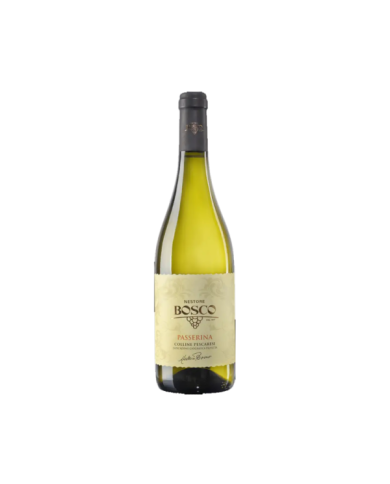
Grapes: 100% Passerina. Straw yellow color. Bouquet of fresh white flowers, pear. Excellent freshness, with a light note of bitter almond on the finish. Perfect for aperitifs, fresh cheeses, light first courses, white meats and fish.
€7.80
SKU:
280
Brand:
Nestore Bosco
Young wine loved by young people, it manages to be appreciated for its freshness and easy drinking. Wine that is good for the palate on warm evenings for dinner with friends. Having a good supply in the fridge also refreshes the soul. Recommended pairings : Preferable for the whole meal and with spaghetti with seafood, fried fish, and / or raw fish, seasonal vegetable soup, peppered mussels, fresh, rustic cheeses, savory pizzas. Uncork and serve at a temperature of 10 ° C.
SKU:
262
Brand:
Cà del Bosco
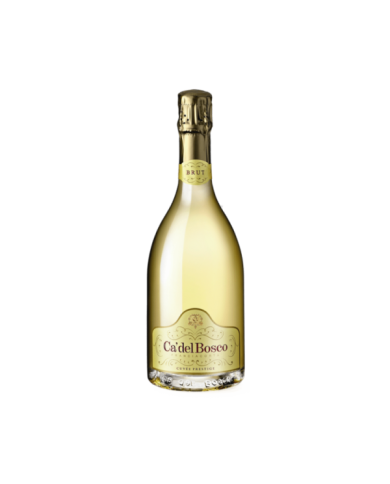
CUVÉE PRESTIGE Identity. A virtue that is found in the etymology of an ancient word: idem, or to be the same. Cuvée Prestige, the essence of Franciacorta, in the Ca 'del Bosco style. A jewel born in 2007 from thirty years of experience. Only the best Chardonnay (75%), Pinot Nero (15%) and Pinot Bianco (10%) grapes from 134 vineyards, vinified separately and wisely blended with reserves of the most beautiful vintages (at least 20%) enter the magical rite of Cuvée Creation . It will take 28 months of aging on the lees before this wine is ready to express all its richness and identity. A classic Franciacorta, balanced, pleasantly fresh and crunchy. Perfect for any occasion.
€38.47
SKU:
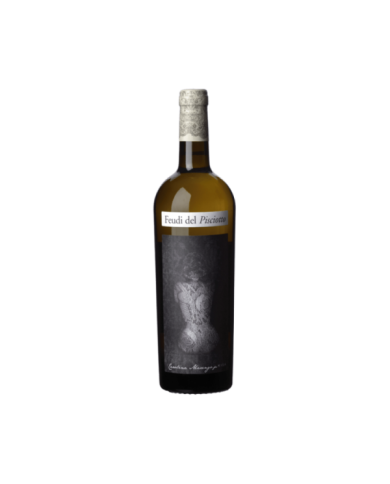
256
Brand:
Feudi del Pisciotto
€18.00
€14.40
A straw yellow colored wine characterized by rich notes of apple and pear, which make it immediately recognizable and appreciated. The taste is warm and dry, slightly tannic and with a citric scent.
€18.00
€14.40
SKU:
249
Brand:
Nestore Bosco
Ranked among the top 10 wines of this region by number of awards won: the 2006 vintage was awarded the gold of Chardonnay-du-Monde. One of the best IGT wines from the Pescaresi Hills that people are looking for. This producer produces a wide range of wines, including those from Trebbiano (Ugni Blanc), Rare White Blend, Montepulciano, Rare Rose Blend, Cabernet - Montepulciano and Pecorino grapes.
€14.01
€11.20
SKU:
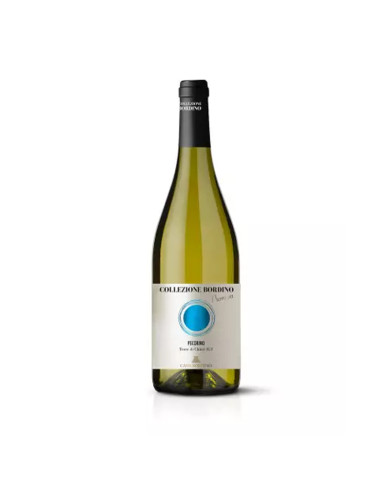
240
Brand:
Casalbordino
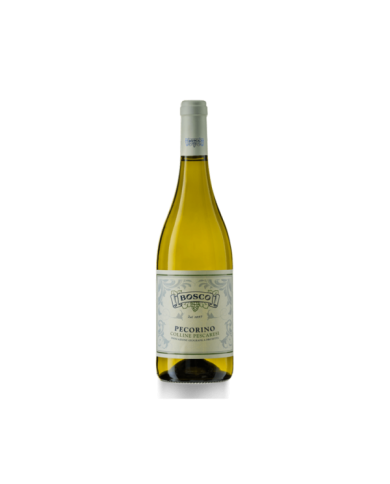
A small and delicately pale grape, Pecorino is happy from the higher altitudes to the foothills to the coast, and thrives in Abruzzo (though you'll also find it in the Marche, Umbria, Liguria and Tuscany). The grape itself has an exceptionally high sugar content and tends to reflect the terroir without reserve: it is both sensitive and expressive, not unlike Pinot Noir, so it is a grape for a patient and passionate winemaker. Another nice thing about Pecorino - especially for white wine lovers - is the complexity you can find in a relatively young and affordable bottle. In a similarly priced Pecorino, you will get much more than a two-dimensional crunchy Pinot Grigio or a slate Sauvignon Blanc you get character, evident terroir, a richer aromatic profile than what often accompanies "fresh" white wines - notes of fruits of forest, flowers, dried herbs, minerality, all balanced by an acid freshness and a slightly heavier mouthfeel (thank you, sugar)
€5.90
€5.02
SKU:
238
Brand:
Nestore Bosco
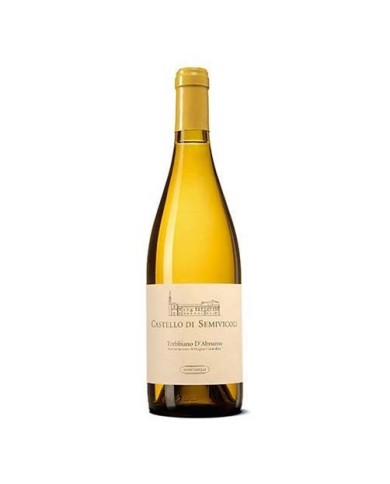
Eclipse Trebbiano D'Abruzzo Dop 2019 - Nestore Bosco Color: straw yellow with light greenish reflections. Smell: intense with marked floral notes. Taste: dry and fresh followed by the typical bitter aftertaste. Service temperature: 8/10 ° C. Food matches: it goes perfectly with all fish dishes. Alcohol: 12.5% Bottle: 750 ml.
The best Italian white wines
Italy is home to some of the finest white wines. In the Clickwine section of our online wine shop dedicated to the finest Italian white wines, you'll find bottles of excellent white wine carefully selected by our sommeliers.
The designations used in our country to classify wines are DOCG, DOC, and IGT. Sometimes you'll also find designations like DOP and IGP: these acronyms have similar meanings to the previous ones but are used by wineries that primarily sell their wines outside of Italy.
The production of white wine
White wines are produced from both light and dark grapes, but vinified as a white wine: that is, during maceration there is no contact between the must and the pomace, so that the skin – exactly the opposite of what happens with red wines – does not release substances and color.
Its myriad nuances vary according to the characteristics of the grape variety, the aging method and the vine growing area.
In white winemaking, once the grapes have been harvested, they are transported to the cellar, destemmed, and pressed, and the must is separated without any maceration or with a brief maceration. Sometimes, however, the grapes are pressed and then macerated with the skins at a low temperature for a varying length of time. This produces richer, smoother wines.
This phase is followed by the clarification of the white wine produced, which can be done by letting the must rest, by cooling, centrifugation or filtration.
Fermentation begins either by adding selected yeast to the must or spontaneously, using the indigenous yeasts present in the grapes. To preserve the aromas, finesse, and freshness of white wines, fermentation is carried out at lower temperatures than red winemaking, generally around 18°C.
To obtain a fresh and lively wine, best drunk young, malolactic fermentation is avoided by bottling early, after filtration and stabilization. More complex wines, aged or fermented in wood, are bottled only after several months in barrel.
How to taste white wine
First, you need to decide whether to uncork the bottle right away or let your white wine age. If you want to immediately succumb to its charm, its aromas of aromatic herbs, flint, or its notes of exotic fruit, then serve your white wine at the right temperature: 6-8°C for a young white and 8-10°C for a softer, more structured wine.
How to pair white wine
Dry white wines will surprise you at the table, too, and not just with their straw-yellow color. As an aperitif, and especially with a fish dish, white wine is definitely a must, but it's not easy to know which of the many labels will be best suited to the occasion.
We recommend pairing white wine with cheeses, whether low-fat, fresh, or rich in milk, such as flavorful buffalo mozzarella, or with soft, bloomy-rind cheeses. They're also perfect with white meats, such as classic scallops, but beyond tradition, white wine also pairs perfectly with meat and risotto dishes, as well as truffles. Visit our online wine shop Clickwine for expert advice on purchasing the best white wine at the best price to pair with your favorite dishes.
White wines: prices and offers
Every week, our online wine shop, Clickwine offers a selection of selected white wines at special prices. In this section and in the special offers section, you can then browse the best value wines.
A wide selection of premium products at affordable and truly exclusive prices. Don't miss the incredible deals on white wines from all the most prestigious Italian wineries; discover internationally renowned and beloved Italian wines.
Enter the Clickwine catalog and expand your selection by purchasing exclusive items online from smaller, yet exceptionally high-quality wineries.
White wines: longevity and conservation
How long can I keep white wine in the cellar? Do white wines improve as they age like red wines? These are the questions a wine consumer asks when talking about white wine.
In general, white wines have a much shorter shelf life than red wines, for two reasons: tannins and aging. Tannins are antioxidants present in the wine's skins that aren't present in white wines; as for aging, however, most white wines age in stainless steel for just a few months; even red wines, if they age briefly in stainless steel and undergo rapid maceration, don't last for many years. Let's say a classic white wine aged in stainless steel lasts a maximum of 2 to 3 years. If it undergoes maceration or ages in wood, it can last up to 20 years and improve year after year.
How many types of white wines are there?
There is no exact number of types of white wine, as there are several different white grape varieties that can be used to make white wines. Some of the most common white grape varieties used to make white wines are Chardonnay, Sauvignon Blanc, Riesling, Pinot Grigio, and Moscato. There are also other less common varieties such as Gewürztraminer, Semillon, and Viognier. Each of these varieties can be used to produce white wines with unique and different characteristics, so there are many different types of white wines available.
How to recognize a good white wine?
There are several ways to recognize a good white wine. One of the simplest is to taste the wine and evaluate its flavor and aroma. A good white wine should have a pleasant flavor and a delicate, complex aroma. Other factors that can indicate the quality of a white wine include the vintage, the grape variety, and the production area. In general, white wines produced with high-quality grapes and in particularly favorable years tend to be more valuable and of higher quality. Furthermore, white wines produced in regions renowned for producing high-quality white wines can be considered more valuable than those produced in other regions.
How to understand if a white wine is good?
As mentioned above, one of the easiest ways to determine if a white wine is good is to taste it and evaluate its flavor and aroma. A good white wine should have a pleasant flavor and a delicate, complex aroma. It's also important to keep in mind that the quality of a white wine can be influenced by several factors, such as the vintage, the grape variety, and the production area. For example, white wines produced with high-quality grapes and in particularly favorable years tend to be more valuable and of higher quality. Furthermore, white wines produced in regions renowned for producing high-quality white wines may be considered more valuable than those produced in other regions.
Why is it called white wine?
White wine is so called because it is made using white grapes. Most white grapes have transparent or lightly colored skins, so the wine made from these grapes has a light, transparent color. Sometimes the color of white wine can be influenced by the type of grape used, the winemaking process, and the addition of other ingredients, but generally, white wine has a light, transparent color.
How to replace white wine?
If you want to replace white wine in a recipe, there are several ingredients you can use. One of the most common options is to use chicken or vegetable broth instead of white wine. Other options include using white vinegar or apple juice diluted with water. Additionally, in some cases, you can omit the white wine entirely and use other ingredients to achieve the desired flavor in the recipe.