

 Italiano
 Deutsch






There are no more items in your cart
SKU:
18462
Brand:
Cantine di Marzo
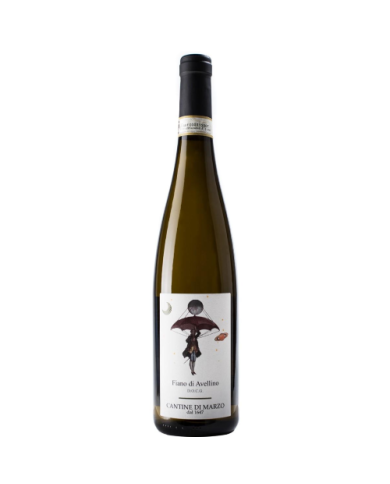
Cantine Di Marzo Fiano di Avellino DOCG ha un colore giallo paglierino luminoso e leggero con riflessi verdolini.
Al naso è intenso e complesso e sprigiona note floreali di tiglio e gelsomino accostati dalla parte fruttata di pera e frutto della passione.
€13.79
SKU:
18461
Brand:
Domaine Les Chaumes
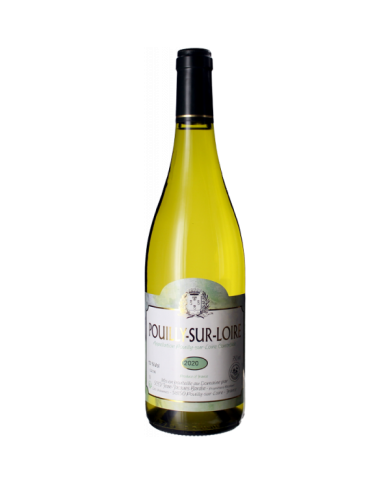
Un vino tipico della denominazione, fresco, minerale e floreale allo stesso tempo. Ideale per aperitivi, pesce, frutti di mare e formaggi cotti.
€15.13
SKU:
18460
Brand:
Deschamps
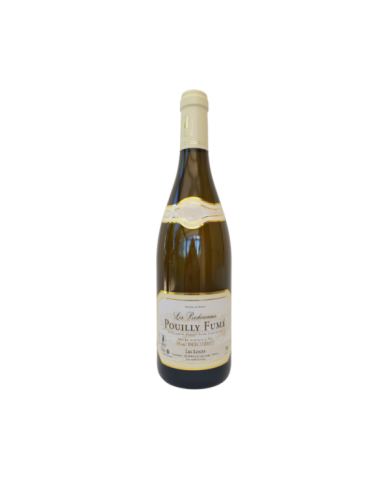
In particolare questa espressione classica di Marc Deschamps. Ricco, potente, segnato da un sottofondo di mineralità che rende i vini della frazione di Les Loges l'invidia di tutti i produttori di Pouilly Fumé.
€22.45
SKU:
18459
Brand:
Marisa Cuomo
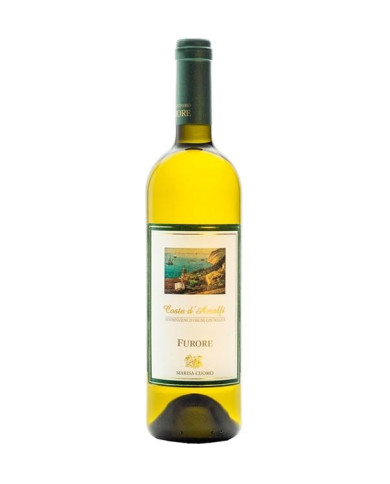
Colore giallo paglierino scarico e delicato profumo di frutta che riporta agli inconfondibili odori mediterranei della zona di origine. Il sapore è ampio ed equilibrato con una lieve dominanza della nota acidula a sostegno della freschezza degli aromi.
€31.62
SKU:
18458
Brand:
Contesa
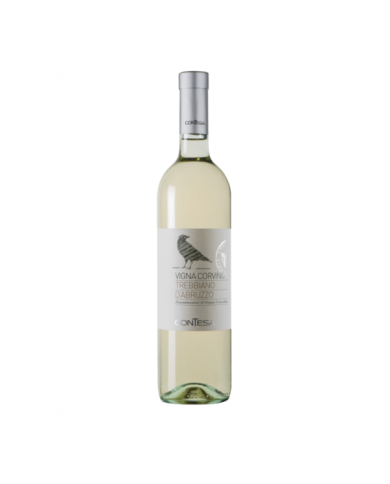
Da uve trebbiano coltivate a pergola abruzzese. Pressatura soffice, fermentazione e affinamento in acciaio a temperatura controllata.
Un vino semplice, dal gusto delicato e fresco.
€5.86
€10.25
SKU:
18456
Brand:
Contesa
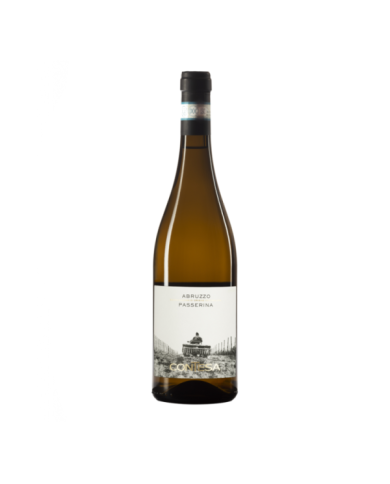
Le uve sono pigiate e lasciate in macerazione pellicolare per circa 8 ore a bassa temperatura. Il mosto viene poi posto a fermentare in contenitori di acciaio
Alla degustazione presenta un colore giallo tenue con note verdognole. Al naso spiccano note floreali e citrosine insieme a note di pompelmo rosa. In bocca è fresco, sapido e di buona persistenza. E' ottimo sia come aperitivo che per accompagnare antipasti e primi di pesce.
€9.88
SKU:
18455
Brand:
Ciù Ciù
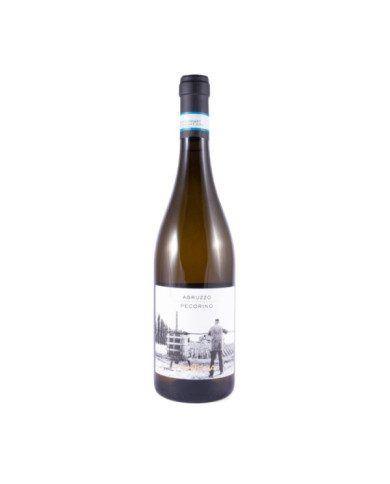
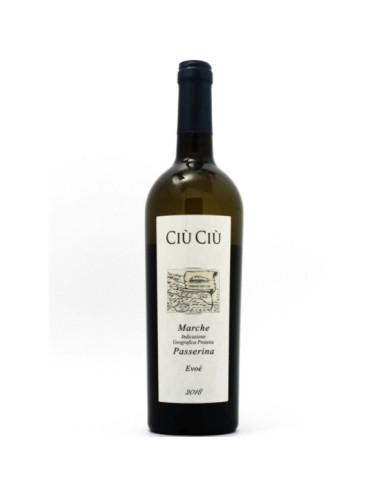
Le Merlettaie Offidane, intrecciano fili con gesti rapidi e precisi, ultime testimoni di un’arte antica e preziosa la cui origine si perde nella memoria e negli anni…così l’origine del Pecorino, nobile vitigno italico, austero e potente, relegato per decenni su brulli e scoscesi pendii montani dell’appennino piceno. Riscoperto oggi dalla passione di pochi vignaioli, raro e prezioso, capace, anche con gli anni, di sprigionare intensa personalità evocando sensazioni eteree e persistenti. Personalità e potenza esaltate dalla fermentazione in nobili legni di questo prodotto, esempio di memoria storica e nuova sapienza eroica.
€10.00
€7.93
SKU:
18453
Brand:
Cingilia
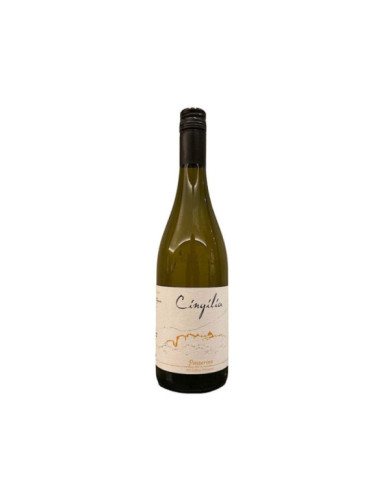
Il Pecorino di Cingilia è un vino bianco prodotto nel comune di Cugnoli (PE), a 300 metri sul livello del mare su terreno argilloso e calcareo. Fermenta spontaneamente e affina sur lies per diversi mesi in serbatoi di acciaio inox con rimescolamento periodico delle fecce.
€14.50
SKU:
18452
Brand:
Cingilia
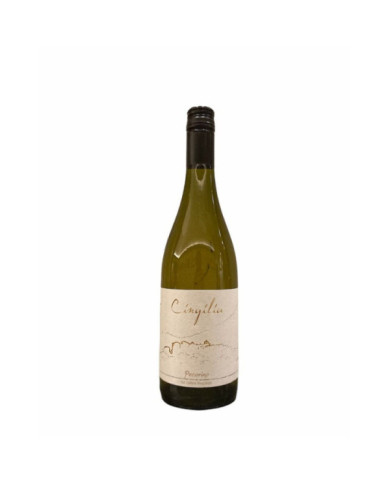
La Passerina di Cingilia è un vino bianco vinificato a temperatura controllata tramite pied de cuve preparato qualche giorno prima della vendemmia. Affinamento in acciaio sulle fecce fini.
€14.50
SKU:
18451
Brand:
Cingilia
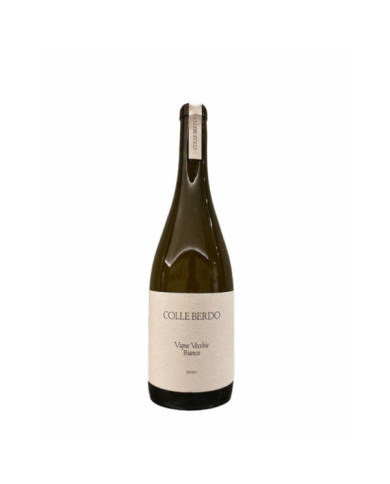
Il Colle Berdo di Cincilia è un vino bianco da uve Trebbiano da vigne di 40 anni. Fermenta spontaneamente poi il vino sosta in acciaio sulle fecce fini , arricchendosi di aromi e cremosità. Non filtrato, non chiarificato.
The best Italian white wines
Italy is home to some of the finest white wines. In the Clickwine section of our online wine shop dedicated to the finest Italian white wines, you'll find bottles of excellent white wine carefully selected by our sommeliers.
The designations used in our country to classify wines are DOCG, DOC, and IGT. Sometimes you'll also find designations like DOP and IGP: these acronyms have similar meanings to the previous ones but are used by wineries that primarily sell their wines outside of Italy.
The production of white wine
White wines are produced from both light and dark grapes, but vinified as a white wine: that is, during maceration there is no contact between the must and the pomace, so that the skin – exactly the opposite of what happens with red wines – does not release substances and color.
Its myriad nuances vary according to the characteristics of the grape variety, the aging method and the vine growing area.
In white winemaking, once the grapes have been harvested, they are transported to the cellar, destemmed, and pressed, and the must is separated without any maceration or with a brief maceration. Sometimes, however, the grapes are pressed and then macerated with the skins at a low temperature for a varying length of time. This produces richer, smoother wines.
This phase is followed by the clarification of the white wine produced, which can be done by letting the must rest, by cooling, centrifugation or filtration.
Fermentation begins either by adding selected yeast to the must or spontaneously, using the indigenous yeasts present in the grapes. To preserve the aromas, finesse, and freshness of white wines, fermentation is carried out at lower temperatures than red winemaking, generally around 18°C.
To obtain a fresh and lively wine, best drunk young, malolactic fermentation is avoided by bottling early, after filtration and stabilization. More complex wines, aged or fermented in wood, are bottled only after several months in barrel.
How to taste white wine
First, you need to decide whether to uncork the bottle right away or let your white wine age. If you want to immediately succumb to its charm, its aromas of aromatic herbs, flint, or its notes of exotic fruit, then serve your white wine at the right temperature: 6-8°C for a young white and 8-10°C for a softer, more structured wine.
How to pair white wine
Dry white wines will surprise you at the table, too, and not just with their straw-yellow color. As an aperitif, and especially with a fish dish, white wine is definitely a must, but it's not easy to know which of the many labels will be best suited to the occasion.
We recommend pairing white wine with cheeses, whether low-fat, fresh, or rich in milk, such as flavorful buffalo mozzarella, or with soft, bloomy-rind cheeses. They're also perfect with white meats, such as classic scallops, but beyond tradition, white wine also pairs perfectly with meat and risotto dishes, as well as truffles. Visit our online wine shop Clickwine for expert advice on purchasing the best white wine at the best price to pair with your favorite dishes.
White wines: prices and offers
Every week, our online wine shop, Clickwine offers a selection of selected white wines at special prices. In this section and in the special offers section, you can then browse the best value wines.
A wide selection of premium products at affordable and truly exclusive prices. Don't miss the incredible deals on white wines from all the most prestigious Italian wineries; discover internationally renowned and beloved Italian wines.
Enter the Clickwine catalog and expand your selection by purchasing exclusive items online from smaller, yet exceptionally high-quality wineries.
White wines: longevity and conservation
How long can I keep white wine in the cellar? Do white wines improve as they age like red wines? These are the questions a wine consumer asks when talking about white wine.
In general, white wines have a much shorter shelf life than red wines, for two reasons: tannins and aging. Tannins are antioxidants present in the wine's skins that aren't present in white wines; as for aging, however, most white wines age in stainless steel for just a few months; even red wines, if they age briefly in stainless steel and undergo rapid maceration, don't last for many years. Let's say a classic white wine aged in stainless steel lasts a maximum of 2 to 3 years. If it undergoes maceration or ages in wood, it can last up to 20 years and improve year after year.
How many types of white wines are there?
There is no exact number of types of white wine, as there are several different white grape varieties that can be used to make white wines. Some of the most common white grape varieties used to make white wines are Chardonnay, Sauvignon Blanc, Riesling, Pinot Grigio, and Moscato. There are also other less common varieties such as Gewürztraminer, Semillon, and Viognier. Each of these varieties can be used to produce white wines with unique and different characteristics, so there are many different types of white wines available.
How to recognize a good white wine?
There are several ways to recognize a good white wine. One of the simplest is to taste the wine and evaluate its flavor and aroma. A good white wine should have a pleasant flavor and a delicate, complex aroma. Other factors that can indicate the quality of a white wine include the vintage, the grape variety, and the production area. In general, white wines produced with high-quality grapes and in particularly favorable years tend to be more valuable and of higher quality. Furthermore, white wines produced in regions renowned for producing high-quality white wines can be considered more valuable than those produced in other regions.
How to understand if a white wine is good?
As mentioned above, one of the easiest ways to determine if a white wine is good is to taste it and evaluate its flavor and aroma. A good white wine should have a pleasant flavor and a delicate, complex aroma. It's also important to keep in mind that the quality of a white wine can be influenced by several factors, such as the vintage, the grape variety, and the production area. For example, white wines produced with high-quality grapes and in particularly favorable years tend to be more valuable and of higher quality. Furthermore, white wines produced in regions renowned for producing high-quality white wines may be considered more valuable than those produced in other regions.
Why is it called white wine?
White wine is so called because it is made using white grapes. Most white grapes have transparent or lightly colored skins, so the wine made from these grapes has a light, transparent color. Sometimes the color of white wine can be influenced by the type of grape used, the winemaking process, and the addition of other ingredients, but generally, white wine has a light, transparent color.
How to replace white wine?
If you want to replace white wine in a recipe, there are several ingredients you can use. One of the most common options is to use chicken or vegetable broth instead of white wine. Other options include using white vinegar or apple juice diluted with water. Additionally, in some cases, you can omit the white wine entirely and use other ingredients to achieve the desired flavor in the recipe.