

 Italiano
 Deutsch




There are no more items in your cart
SKU:
16244
Brand:
Massolino
Massolino's Barolo "Parussi" is a wine that expresses in an austere and generous way the dense tannin typical of the Parussi cru. Aged 30 months in barrels, it expresses hints of ripe fruit, medicinal herbs, spices and ethereal sensations. Enveloping and voluminous on the palate
€66.61
SKU:
16243
Brand:
Massolino
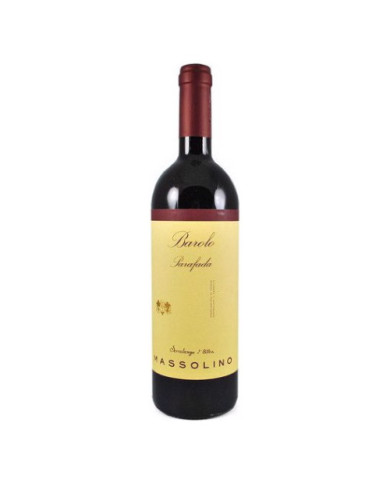
Massolino's Barolo "Parafada" comes from vines that are more than 50 years old from the Parafada di Serralunga cru and ages for 30 months in cask. The bouquet is floral, spicy, deep and very elegant. On the palate it is warm and soft, very harmonious and balanced, with a very long persistence
€66.61
SKU:
16242
Brand:
Massolino
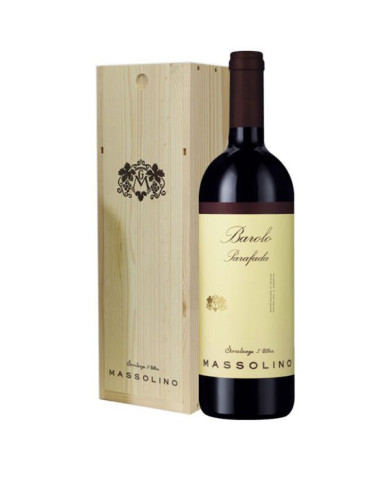
Massolino's Barolo "Parafada" comes from vines that are more than 50 years old from the Parafada di Serralunga cru and ages for 30 months in cask. The bouquet is floral, spicy, deep and very elegant. On the palate it is warm and soft, very harmonious and balanced, with a very long persistence
€152.26
SKU:
16241
Brand:
Massolino
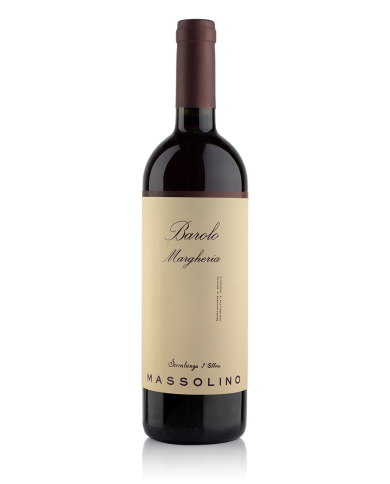
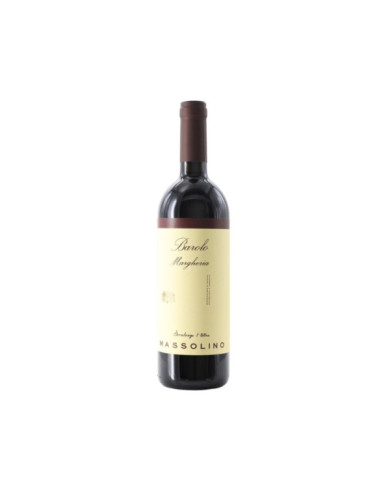
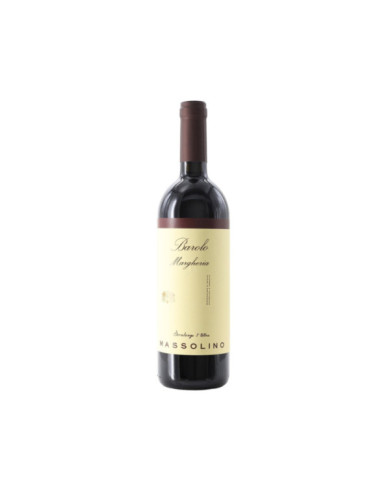
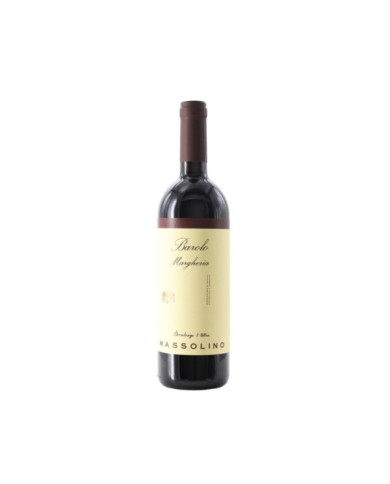
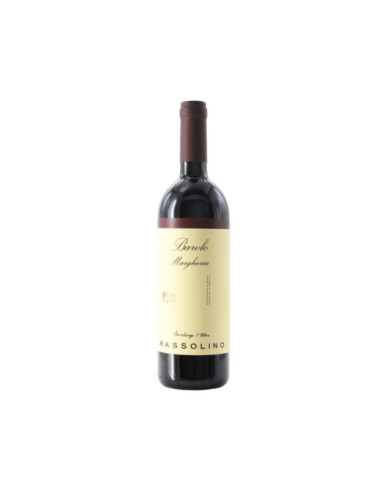
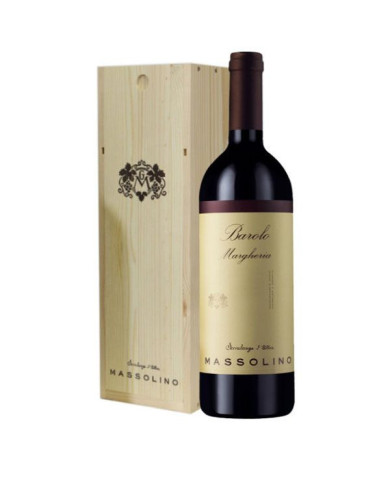
Margheria is a small cru in the municipality of Serralunga d'Alba where a slightly sandier soil gives more delicate and refined wines. Massolino has for years been one of the greatest interpreters of this vineyard through a traditional style Barolo, with a long aging of 30 months in large Slavonian oak barrels and a year in the bottle. Barolo Margheria Massolino is an austere and structured wine, with a bouquet that focuses on floral and spicy notes and then veering towards balsamic and mentholated scents. On the palate it is warm and persuasive, with a marked freshness that integrates well with silky tannins. An important wine that embodies the entire history of its land of origin and best expresses its qualities when accompanied by rich dishes, such as roasted red meat or stewed game. Also excellent on medium and long-aged cheeses. To drink today and try again in 15 years
€69.90
SKU:
16240
Brand:
Massolino
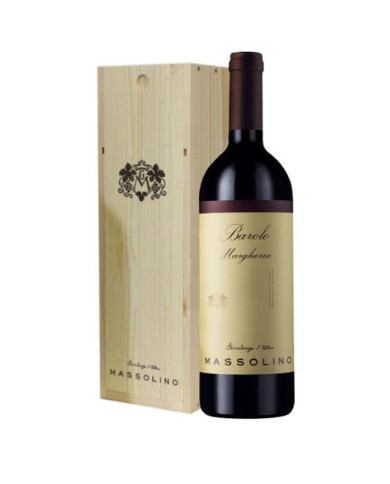
Margheria is a small cru in the municipality of Serralunga d'Alba where a slightly sandier soil gives more delicate and refined wines. Massolino has for years been one of the greatest interpreters of this vineyard through a traditional style Barolo, with a long aging of 30 months in large Slavonian oak barrels and a year in the bottle. Barolo Margheria Massolino is an austere and structured wine, with a bouquet that focuses on floral and spicy notes and then veering towards balsamic and mentholated scents. On the palate it is warm and persuasive, with a marked freshness that integrates well with silky tannins. An important wine that embodies the entire history of its land of origin and best expresses its qualities when accompanied by rich dishes, such as roasted red meat or stewed game. Also excellent on medium and long-aged cheeses. To drink today and try again in 15 years
€74.90
SKU:
16239
Brand:
Massolino
Margheria is a small cru in the municipality of Serralunga d'Alba where a slightly sandier soil gives more delicate and refined wines. Massolino has for years been one of the greatest interpreters of this vineyard through a traditional style Barolo, with a long aging of 30 months in large Slavonian oak barrels and a year in the bottle. Barolo Margheria Massolino is an austere and structured wine, with a bouquet that focuses on floral and spicy notes and then veering towards balsamic and mentholated scents. On the palate it is warm and persuasive, with a marked freshness that integrates well with silky tannins. An important wine that embodies the entire history of its land of origin and best expresses its qualities when accompanied by rich dishes, such as roasted red meat or stewed game. Also excellent on medium and long-aged cheeses. To drink today and try again in 15 years
SKU:
16238
Brand:
Massolino
Margheria is a small cru in the municipality of Serralunga d'Alba where a slightly sandier soil gives more delicate and refined wines. Massolino has for years been one of the greatest interpreters of this vineyard through a traditional style Barolo, with a long aging of 30 months in large Slavonian oak barrels and a year in the bottle. Barolo Margheria Massolino is an austere and structured wine, with a bouquet that focuses on floral and spicy notes and then veering towards balsamic and mentholated scents. On the palate it is warm and persuasive, with a marked freshness that integrates well with silky tannins. An important wine that embodies the entire history of its land of origin and best expresses its qualities when accompanied by rich dishes, such as roasted red meat or stewed game. Also excellent on medium and long-aged cheeses. To drink today and try again in 15 years
SKU:
16237
Brand:
Massolino
Margheria is a small cru in the municipality of Serralunga d'Alba where a slightly sandier soil gives more delicate and refined wines. Massolino has for years been one of the greatest interpreters of this vineyard through a traditional style Barolo, with a long aging of 30 months in large Slavonian oak barrels and a year in the bottle. Barolo Margheria Massolino is an austere and structured wine, with a bouquet that focuses on floral and spicy notes and then veering towards balsamic and mentholated scents. On the palate it is warm and persuasive, with a marked freshness that integrates well with silky tannins. An important wine that embodies the entire history of its land of origin and best expresses its qualities when accompanied by rich dishes, such as roasted red meat or stewed game. Also excellent on medium and long-aged cheeses. To drink today and try again in 15 years
€146.89
SKU:
16236
Brand:
Massolino
Margheria is a small cru in the municipality of Serralunga d'Alba where a slightly sandier soil gives more delicate and refined wines. Massolino has for years been one of the greatest interpreters of this vineyard through a traditional style Barolo, with a long aging of 30 months in large Slavonian oak barrels and a year in the bottle. Barolo Margheria Massolino is an austere and structured wine, with a bouquet that focuses on floral and spicy notes and then veering towards balsamic and mentholated scents. On the palate it is warm and persuasive, with a marked freshness that integrates well with silky tannins. An important wine that embodies the entire history of its land of origin and best expresses its qualities when accompanied by rich dishes, such as roasted red meat or stewed game. Also excellent on medium and long-aged cheeses. To drink today and try again in 15 years
€149.90
SKU:
16235
Brand:
Massolino
Margheria is a small cru in the municipality of Serralunga d'Alba where a slightly sandier soil gives more delicate and refined wines. Massolino has for years been one of the greatest interpreters of this vineyard through a traditional style Barolo, with a long aging of 30 months in large Slavonian oak barrels and a year in the bottle. Barolo Margheria Massolino is an austere and structured wine, with a bouquet that focuses on floral and spicy notes and then veering towards balsamic and mentholated scents. On the palate it is warm and persuasive, with a marked freshness that integrates well with silky tannins. An important wine that embodies the entire history of its land of origin and best expresses its qualities when accompanied by rich dishes, such as roasted red meat or stewed game. Also excellent on medium and long-aged cheeses. To drink today and try again in 15 years
€190.32
SKU:
16234
Brand:
Massolino
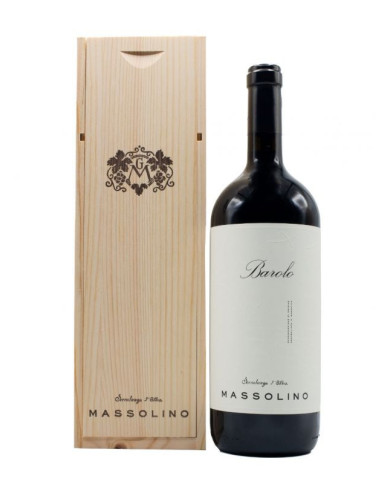
Barolo Massolino represents the synthesis of the different characteristics that each terroir offers. The company has always favored the traditional aging in large Slavonian oak barrels to maintain a purer and more pure identity. Wide and variable range of perfumes, surprising expressive evolution over time.
€84.72
SKU:
16233
Brand:
Massolino
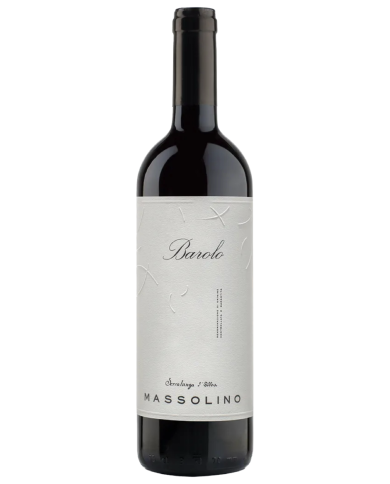
Barolo Massolino represents the synthesis of the different characteristics that each terroir offers. The company has always favored the traditional aging in large Slavonian oak barrels to maintain a purer and more pure identity. Wide and variable range of perfumes, surprising expressive evolution over time.
€69.27
Barolo Denomination: A Treasure of Piedmont The Piedmontese Red Wine of Excellence
Discover the Barolo denomination, the Piedmontese red wine par excellence. Read more about this Italian delicacy with its unmistakable flavor and strong character.
Barolo is one of the most well-known and appreciated Italian wines in the world, but few know that its official designation is "Denominazione di Origine Controllata e Garantita Barolo," often abbreviated to DOCG Barolo. This wine is produced in the hilly area of Piedmont, south of Turin, and is considered the king of red wines. Thanks to its unique composition, Barolo is distinguished by its intense, full-bodied flavor and garnet red color.
Characteristics of the Barolo denomination
The production of the Barolo denomination
Barolo wine is produced primarily from Nebbiolo grapes, hand-harvested between September and October. After harvest, the grapes are carefully selected and processed following a series of very precise steps, including fermentation, maceration, and aging in wooden barrels for at least three years. These processes are essential to giving Barolo its unique and unmistakable flavor.
Organoleptic characteristics of Barolo
It features an intense garnet red color with orange highlights. On the nose, it offers a fruity and floral aroma, with hints of rose, violet, cherry, and plum. On the palate, Barolo is distinguished by its full, tannic, and persistent flavor, with notes of spice, licorice, and chocolate. The aftertaste is long and pleasant.
The production areas of the Barolo denomination
The Barolo area The Barolo area
It is located in the Langhe, in the province of Cuneo, and comprises eleven municipalities: Barolo, La Morra, Castiglione Falletto, Monforte d'Alba, Serralunga d'Alba, Grinzane Cavour, Novello, Verduno, Cherasco, Roddi, and Diano d'Alba. This area is characterized by a continental climate with hot, dry summers and cold winters.
Other production areas In addition to the Barolo area
There are other Barolo wine-producing areas, including Barbaresco, Alba, Verduno, Cherasco, Novello, Roddi, and Diano d'Alba. All of these areas are located in Piedmont and produce high-quality wines.
How to pair Barolo
With red meat dishes Barolo
It pairs perfectly with red meat dishes such as fillet steak, braised beef, roasts, game, and aged cheeses. In general, this wine pairs well with intense, robust flavors.
With traditional Piedmontese dishes Barolo
It's the ideal wine to pair with traditional Piedmontese dishes, such as braised beef in Barolo, agnolotti with ragù, and bagna cauda. These traditional dishes pair perfectly with Barolo's strong, assertive character.
With chocolate If you love chocolate
Try pairing it with Barolo: its tannic structure and intense, full-bodied flavor create a perfect contrast with the sweetness of dark chocolate.
FAQ on the Barolo Denomination
What is the difference between Barolo and Barbaresco?
Barolo and Barbaresco are both high-quality Piedmontese wines made from Nebbiolo grapes. The main difference between the two is the production area: Barolo is produced in the Barolo region, while Barbaresco is produced in the Barbaresco region. Furthermore, Barbaresco is typically less tannic and smoother than Barolo.
What is the best vintage for Barolo?
The best vintage for Barolo depends on the climatic conditions of the production year. Generally, the vintages considered exceptional are 2010, 2008, 2006, and 2004.
What is the ideal temperature to serve Barolo?
Barolo should be served between 18 and 20 degrees Celsius. If the wine is too cold, its aromas and flavors will not express themselves to their fullest.
Barolo is one of the most famous and appreciated Italian red wines in the world, thanks to its distinctive tannic structure and intense, full-bodied flavor. Its official designation is "Barolo Controlled and Guaranteed Designation of Origin," and it is produced in the hilly region of Piedmont. Barolo pairs perfectly with red meat dishes, traditional Piedmontese dishes, and dark chocolate. Try Barolo and let yourself be won over by its unmistakable character!