

 Italiano
 Deutsch




There are no more items in your cart
SKU:
11184
Brand:
Roxan
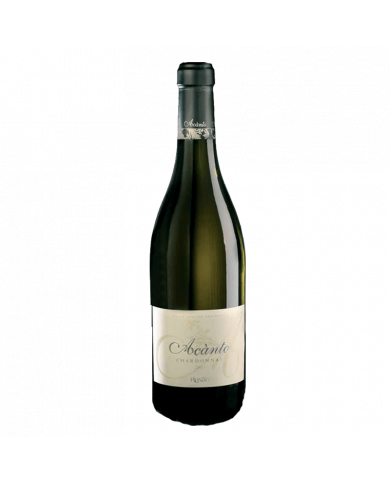
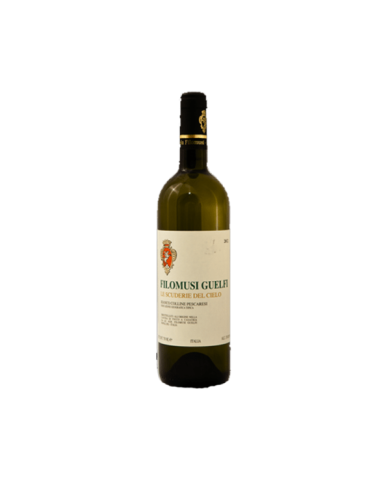
Obtained from Chardonnay grapes grown on the hills of Pescara, where Acànto, a perennial herbaceous plant with white flowers, germinates. The low-temperature macerated grapes subsequently ferment in small-carat steel and wood containers.
€9.28
SKU:
11126
Brand:
Marramiero
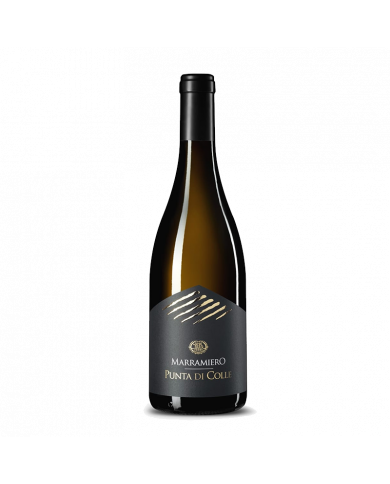
It originates from small bunches of Chardonnay, harvested manually in a vineyard that over the years has reached the right balance to produce grapes of great concentration. It is fermented in small oak barrels where it remains for a long period, so as to enrich its complex aging.
€18.79
SKU:
11125
Brand:
Marramiero
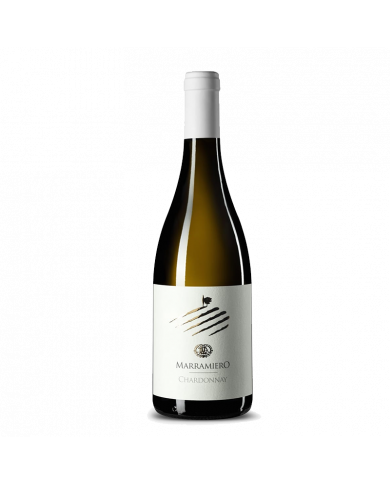
Chardonnay "international grape" in the Abruzzo region manages to acquire strength and robustness that harmonize perfectly with the elegance inherent in its nature, giving life to a unique product that fully expresses the peculiar characteristics of our "terroir".
€11.79
SKU:
11121
Brand:
Marramiero
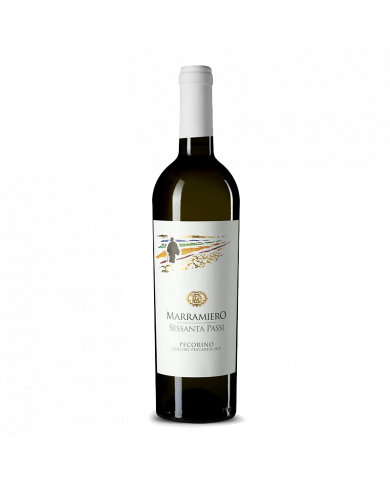
From the desire to continue to rediscover the link with one's roots, this wine is born which takes its name from an ancient measure: "sessantapassi", which corresponds to the width in Neapolitan steps of the tratturo that crosses our vineyards. A very delicate wine with a pale straw yellow color with greenish reflections, fruity aromas with very subtle floral notes, a decidedly dry, fresh and lively flavor. It goes well with soups, white meats, appetizers and fish-based dishes, also excellent as an aperitif.
€9.30
€12.64
SKU:
11001
Brand:
Chiusa Grande
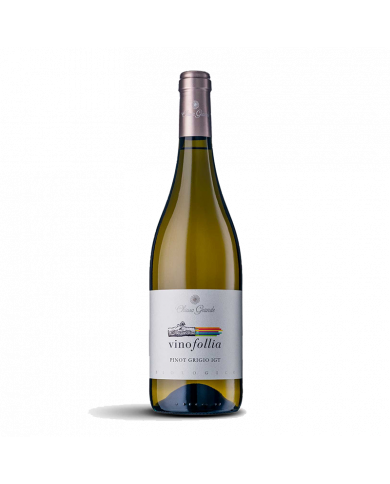
Authenticity and ease go hand in hand in love, but can they happily bind together in a wine? What is the recipe for greatness? Adapt to trends or reject them? Is madness doing what others do or creating a personal taste by selecting native vines? For my way of being, always restless and never satiated with questions, the answer is fluctuating. For this I have decided to propose some of my best productions within this selection. The wines of Vinosophia rediscover the ancient native grape varieties, interpreting them in the most authentic way in search of the fatal attraction, seduction and memory. The wines of Vinofollia adapt the great international vines without distorting their essence. Am I insane, am I wise? Get an idea by enjoying my vinosophical ideas. Alluring because in search of emotions. Surprising because bored with predictability. Fogged by global trends. Satisfied with my way of making an international wine "homegrown". In this Pinot Grigio with floral scents, strongly mineral, senselessly citrusy, there is the lucid madness of my thought.
€12.80
€23.90
€65.00
SKU:
10598
Brand:
Ettore Galasso
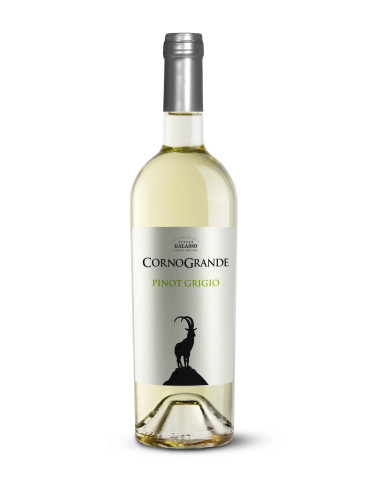
An elegant and refined white wine from an Italian family winery that has been operating in the wine production sector since the late 17th century.
€15.70
SKU:
10381
Brand:
Torre Raone
Straw yellow with a good load of color to the eye. The nose is clean and punctual, characterized by fruity hints of apricot, pear and tropical fruit, then completed by chalky and floral nuances of chamomile. Savory and fresh on the palate, with good balance and good length.
Perfect to accompany seafood cuisine, it is excellent to be paired with pan-fried mullets.
SKU:
10374
Brand:
Tocco
Stationmaster Passerina IGT Colline Pescaresi, an organic wine with a pale straw yellow color with greenish reflections. The nose is consistent with predominant floral scents and mineral and herbaceous notes. The flavor is soft, fresh, savory and balanced. Excellent match for fish dishes and creamy cheeses.
€8.24
Colline Pescaresi Appellation: The Charm of Pescara Wines
The Colline Pescaresi appellation represents a winemaking gem in Abruzzo, a region renowned for its winemaking tradition. This appellation is renowned for producing high-quality wines that reflect the hilly terrain of Pescara. In this article, we'll explore the history, characteristics, and experiences associated with the Colline Pescaresi appellation , a journey into the charm of Pescara's wines.
History and Origins
The Pescara Hills boast an ancient winemaking tradition dating back to Roman times. The vineyards that extend across the rolling hills of Pescara have been cultivated for centuries, testifying to the locals' passion and commitment to viticulture.
In recent decades, the Colline Pescaresi appellation has gained increasing importance in the Abruzzo winemaking landscape. The favorable climate, the vineyards' altitude, and the presence of mineral-rich soils contribute to the creation of high-quality, unique wines.
Characteristics of the Colline Pescaresi denomination
The Colline Pescaresi appellation offers a wide range of wines that represent the excellence of the area. Among the wines produced are fresh and fragrant whites, intense and structured reds, and elegant and refreshing rosés.
The white wines of the Pescara Hills are distinguished by their vivacity and aromatic complexity. They offer fruity and floral aromas, with a pleasant acidity that makes them fresh and perfect for pairing with fish and vegetable dishes.
The red wines of the Pescara Hills are characterized by a strong structure and a richness of aromas. They are distinguished by aromas of berries, spices, and earthy notes. These wines are ideal for pairing with red meats, aged cheeses, and traditional Abruzzo dishes.
Finally, the rosé wines of the Pescara Hills offer a perfect balance between freshness and structure. With their delicate color and fruity aromas, they are excellent as an aperitif or paired with light dishes.
Exploring the Wines of the Pescara Hills
The Colline Pescaresi appellation offers unforgettable experiences for wine lovers. Numerous wineries and wineries in the area welcome visitors for guided tours, tastings, and wine-related events.
During a visit to the wineries of the Pescara Hills , you'll have the opportunity to immerse yourself in wine culture and discover the secrets of winemaking. Expert winemakers will guide you through the various stages of the winemaking process, sharing the passion and expertise that characterize Pescara wines.
Food Pairings
The wines of the Pescara Hills lend themselves to high-quality food pairings, enhancing the flavors of local cuisine and beyond. Their unique characteristics make them versatile and suitable for a variety of occasions.
Fresh and fragrant white wines are perfect to accompany fish dishes, seafood, fresh cheeses and light appetizers.
The intense and structured red wines pair beautifully with red meats, roasts, game dishes and mature cheeses.
Elegant and refreshing rosé wines are excellent enjoyed as an aperitif or paired with light dishes, such as salads, pasta with tomato sauce, and vegetable dishes.
The Colline Pescaresi appellation represents the authentic winemaking spirit of Pescara and its splendid hills. The wines produced in this region express the passion, tradition, and love for viticulture that characterize the area. If you're a wine enthusiast and want to discover the excellence of the Colline Pescaresi winemaking, don't miss the opportunity to taste these unique wines.
Frequently Asked Questions
What are the main characteristics of the wines of the Pescara Hills?
The wines of the Pescara Hills are characterized by a great variety of styles, with fresh and fragrant whites, intense and structured reds, and elegant and refreshing rosés.
What are the recommended food pairings for the wines of the Pescara Hills?
The wines of the Pescara Hills pair well with fish dishes, seafood, red meats, mature cheeses, and light appetizers.
Can I visit the wineries of the Pescara Hills?
Yes, many wineries and wineries in the Pescara Hills offer guided tours and tastings. It's best to contact the wineries directly to arrange a visit.
Can I find Colline Pescaresi wines outside the region?
Yes, Colline Pescaresi wines can be found in specialized wine shops and select restaurants outside the region. However, they are more widespread and readily available within the production area.