

 Italiano
 Deutsch






There are no more items in your cart
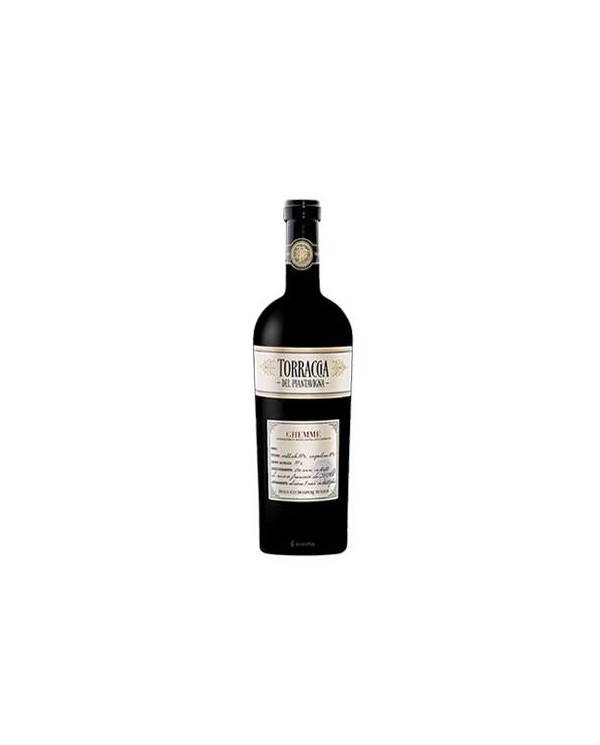
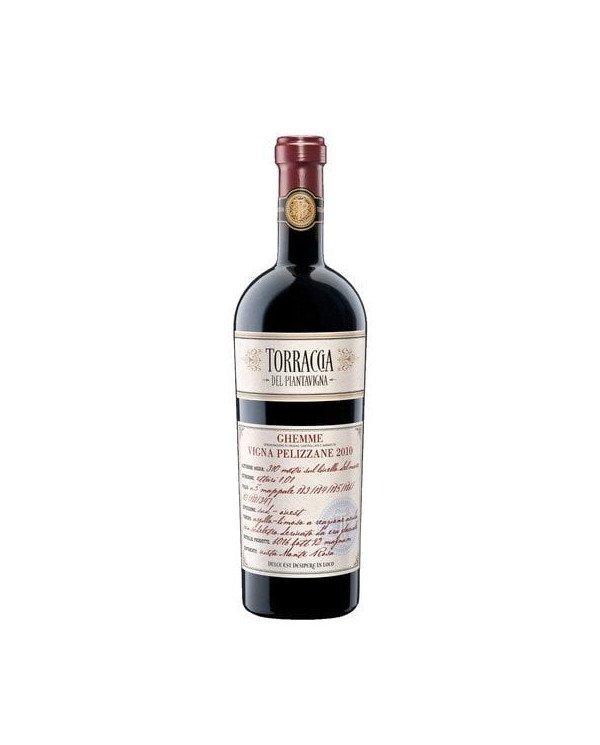
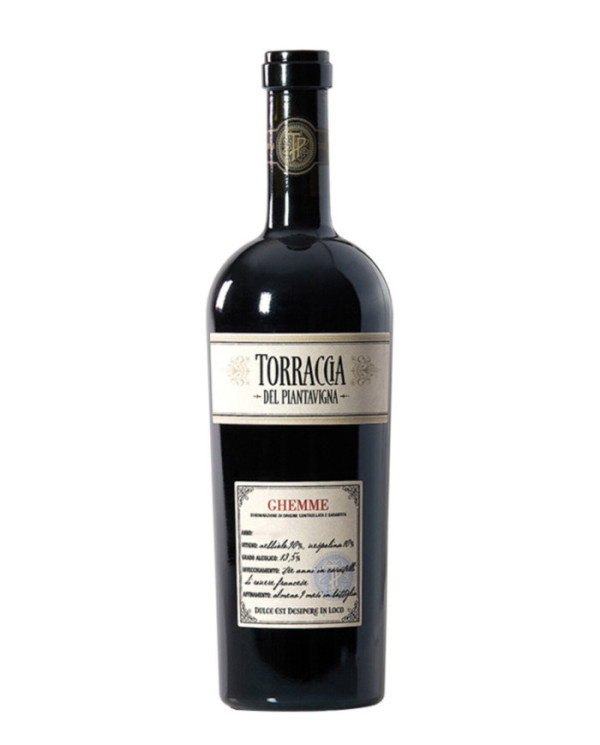
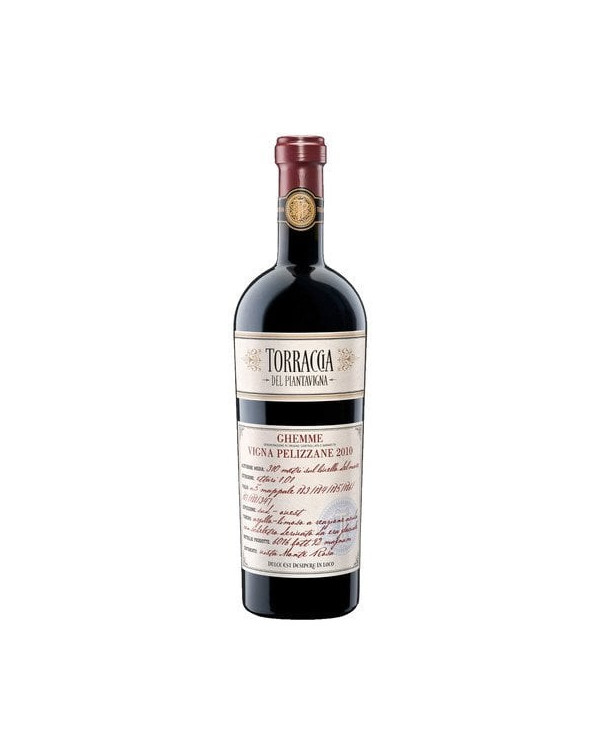
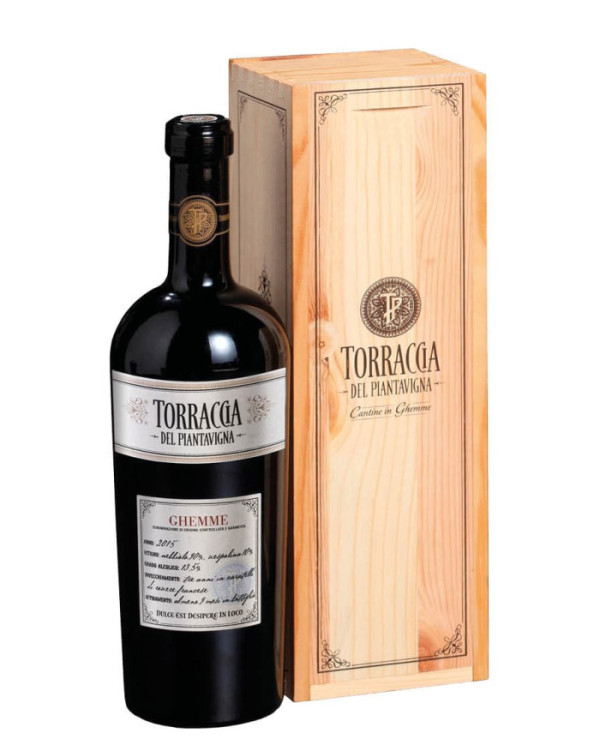
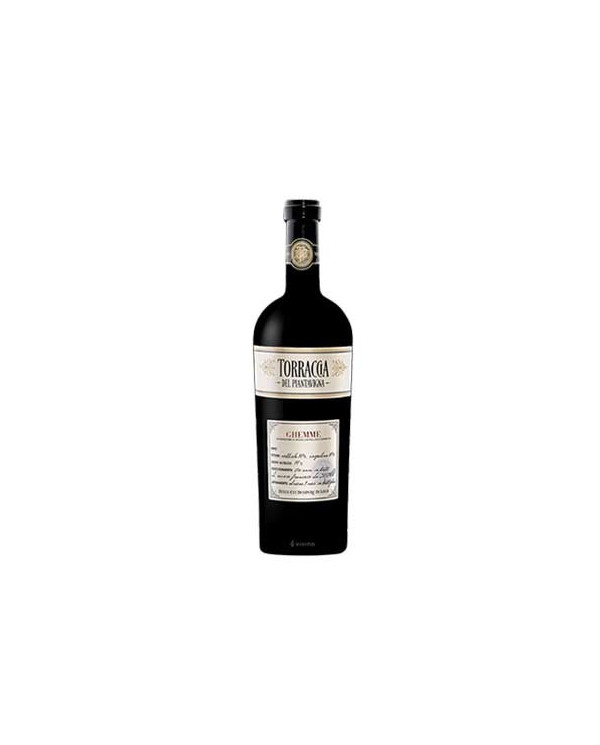
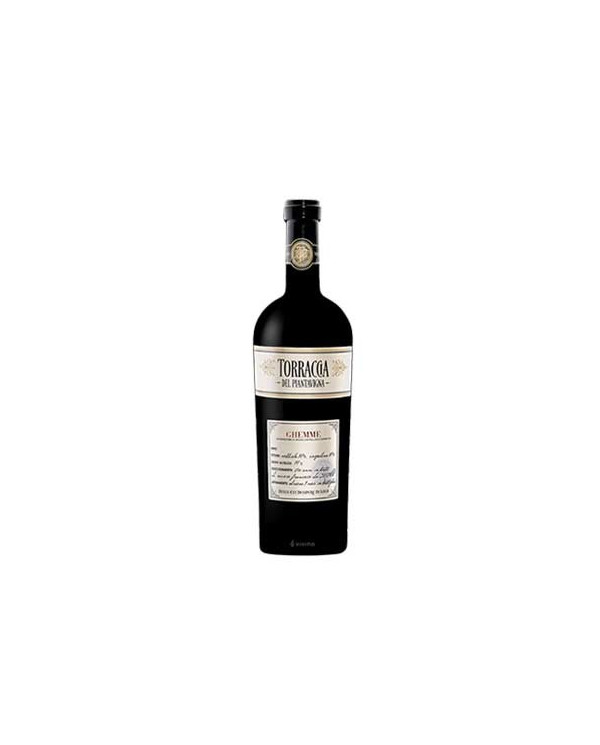
Name Ghemme
Piedmont is world-renowned for its extraordinary winemaking tradition, and the Ghemme appellation represents one of the region's most precious jewels. The wines produced in this area are renowned for their elegance and complexity, and the history surrounding them is equally fascinating. In this article, we'll explore the Ghemme appellation, from its history to its unique winemaking characteristics.
The History of Ghemme
The history of the Ghemme appellation dates back to the Middle Ages, when Cistercian monks began growing grapes in the region. However, it wasn't until the 19th century that Ghemme became one of Piedmont's leading destinations for high-quality wine production. The winemaking tradition has been passed down from generation to generation, and today Ghemme is known for its fine wines.
The Origins
The name "Ghemme" comes from the town of the same name, the heart of wine production. The area is characterized by hills and calcareous soils, ideal for growing Nebbiolo grapes, the main grape variety used in the production of Ghemme wine. These grapes give the wine a unique and complex character.
Characteristics of the Wines
The Ghemme appellation is renowned for its elegant, well-structured wines. Here are some of the key characteristics of Ghemme wines:
Nebbiolo, the Heart of Wine
Ghemme wines are primarily made using Nebbiolo grapes, known locally as "Spanna." This grape variety gives the wine a flavor profile that ranges from notes of red fruit and spice to a complex tannic structure.
Aging
One of the distinguishing features of Ghemme wines is their aging potential. According to the appellation's regulations, Ghemme wines must be aged for at least 34 months, 18 of which in wood. This process further develops the wine's complexity and elegance.
Aromatic Complexity
Ghemme wines are known for their aromatic complexity, with aromas ranging from ripe red fruits to floral and spicy notes. Every sip is a unique sensory experience.
Wine Production
The production of Ghemme wines is an artisanal process that requires great care and attention to detail. The grapes are handpicked during the harvest and then undergo traditional fermentation. The wine then ages in wooden barrels, where it acquires its structure and distinctive character.
Food Pairings
Ghemme wines are ideal for pairing with Piedmontese and Italian cuisine. They pair perfectly with meat-based dishes such as braised meats, ossobuco, and aged cheeses. Their aromatic complexity makes them an excellent choice for special dinners.
The Ghemme appellation is a pearl in the crown of Piedmont's winemaking tradition. Its ancient history, the unique characteristics of its wines, and the passion of local producers create an extraordinary combination. Savoring a glass of Ghemme is like traveling back in time and immersing yourself in the winemaking roots of this fascinating region.
Frequently Asked Questions
What is the history of the Ghemme denomination?
Ghemme's history dates back to the Middle Ages, but it was in the 19th century that it became famous for the production of high-quality wine in Piedmont.
What are the main characteristics of Ghemme wines?
Ghemme wines are known for their use of Nebbiolo grapes, extended aging process, and aromatic complexity.
What are the ideal food pairings for Ghemme wines?
Ghemme wines pair well with meat-based dishes, such as braised meats and ossobuco, as well as mature cheeses.
How long should Ghemme wines age before being drunk?
According to the rules of the Denomination, Ghemme wines must be aged for at least 34 months, 18 of which in wood, but they are often aged for longer periods to improve their quality.