

 Italiano
 Deutsch












There are no more items in your cart
SKU:
21412
Brand:
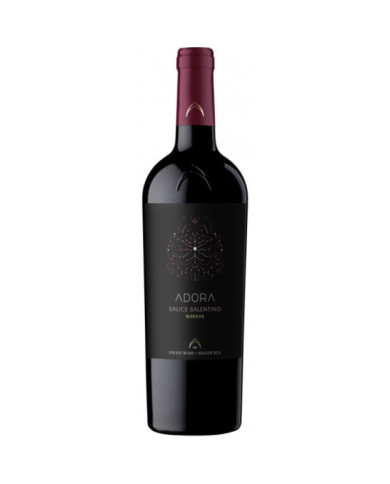
Produttori di Manduria
Colore: rosso rubino con sfumature granato. Profumo: intenso ed intrigante con evidenti note di ciliegie ed amarene poi cenni balsamici uniti a quelli tipicamente speziati (cannella, pepe nero e chidi di garofano) tabacco e note tostate in fondo. Sapore: al palato è fresco asciutto sapido ed armonico vellutato ed avvolgente dotato di buon corpo morbido ed equilibrato con leggero retrogusto tostato.
€12.55
SKU:
20973
Brand:
Conti Zecca
Salice Salentino DOP Cantalupi is produced with Negroamaro and Malvasia nera di Lecce grapes from spurred cordon cultivated vines on alluvial soils, medium texture with areas tending towards limestone. The harvest takes place by destemming and soft pressing. Fermentation in stainless steel tanks at controlled temperature. Maceration for 12 days at a temperature of 28-30°C. Aging for at least 12 months in hl oak barrels. 30.
SKU:
20083
Brand:
Apollonio
Negroamaro, native to Puglia, is the main black grape variety of Salento. Its origins are very ancient (VIII century AC ), it probably owes its name to the terms “niger” (Latin) and “mavros” (Greek) which both mean black. The great versatility makes it suitable for all types of winemaking.
€11.10
€10.00
€8.97
SKU:
18754
Brand:
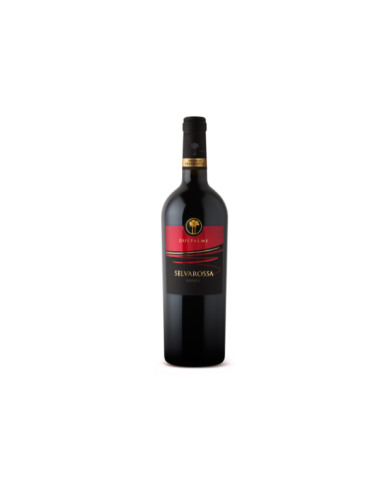
Cantine Due Palme
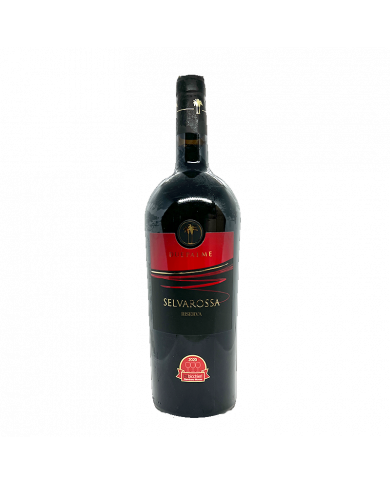
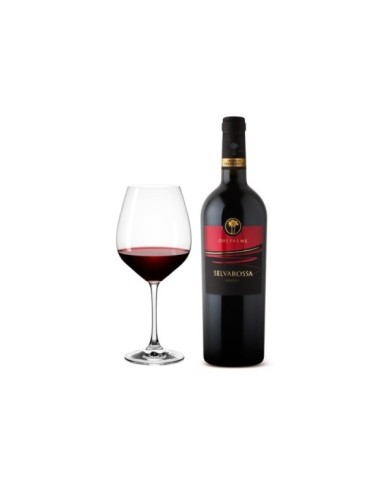
ruby red in color with purple reflections, the nose reveals pleasant aromas of wild plum, blackberries, wild strawberries and toasted notes. Harmonious, elegant and warm palate.
€12.36
€11.12
SKU:
18747
Brand:
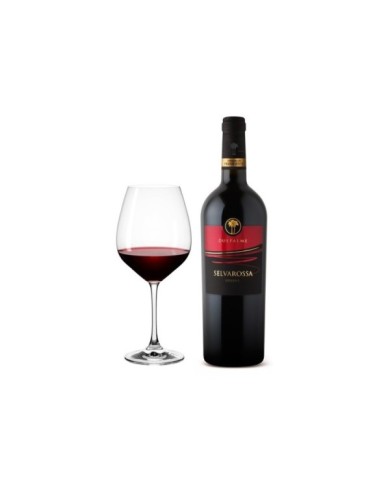
Cantine Due Palme
Intense ruby red wine with amaranth reflections. The nose presents captivating fruits of cherry jam and dates, notes of vanilla and licorice. The palate is marked by hints of small red fruits, juicy and ripe, and by the sweet nuances of wood. Warm and with a good fragrance, with gritty and pleasant tannins. Perfect as a meditation and… conversation wine!
€24.06
SKU:
18651
Brand:
Produttori di Manduria
Colore: rosso rubino con sfumature granato. Profumo: intenso ed intrigante con evidenti note di ciliegie ed amarene poi cenni balsamici uniti a quelli tipicamente speziati (cannella, pepe nero e chidi di garofano) tabacco e note tostate in fondo. Sapore: al palato è fresco asciutto sapido ed armonico vellutato ed avvolgente dotato di buon corpo morbido ed equilibrato con leggero retrogusto tostato.
€11.66
SKU:
17599
Brand:
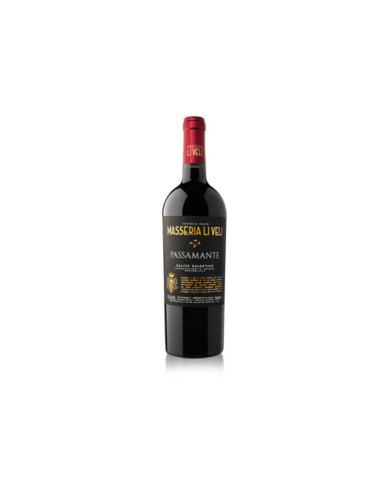
Masseria Li Veli
Il Passamante è un bosco che corre lungo i nostri vigneti di Negroamaro. Il suo nome ha origini remote e ricorda che anticamente gli amanti vi trovavano rifugio dagli sguardi indiscreti. La macchia mediterranea che lo costituisce, formata da pini, ginestre, lecci, carrubo, mirto e ginepro dona note olfattive e caratteristiche aromatiche che piacevolmente si integrano alle peculiarità organolettiche del vino.
€15.21
SKU:
17592
Brand:
Masseria Li Veli
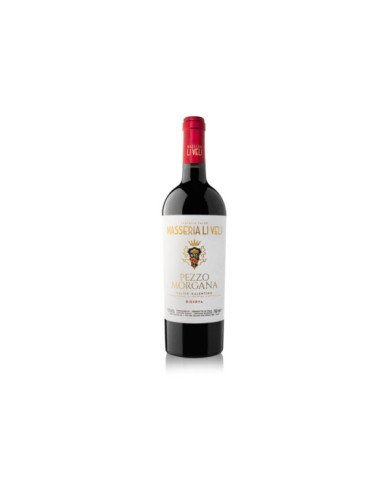
Pezzo Morgana si presenta in un colore rosso rubino intenso con riflessi violacei e profumo ampio e persistente; note di prugna secca e confettura di ciliegie, sensazioni di caramello e pepe che rafforzano un naso molto interessante indicando un corpo deciso; al palato è ampio e caldo, con ricordi di frutta polposa; ha un finale molto lungo con sentori di uva passa e mandorle.
€18.87
SKU:
17363
Brand:
Conti Zecca
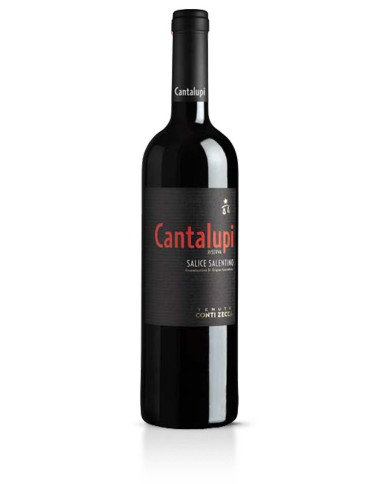
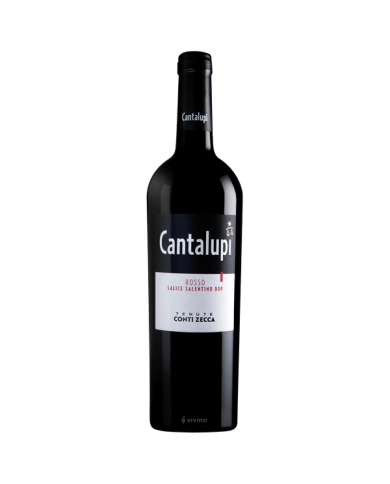
The "Cantalupi" Rosso Salice Salentino from the Conti Zecca winery is a full-bodied and elegant red wine with an intense ruby color. On the nose emerge aromas of ripe fruit such as blackberries and plums, and hints of spices. Harmonious, velvety and rightly tannic flavour. It ages for a few months in concrete tanks before being bottled.
€8.99
SKU:
14896
Brand:
Conti Zecca
Salice Salentino DOP Cantalupi is produced with Negroamaro and Malvasia nera di Lecce grapes from spurred cordon cultivated vines on alluvial soils, medium texture with areas tending towards limestone. The harvest takes place by destemming and soft pressing. Fermentation in stainless steel tanks at controlled temperature. Maceration for 12 days at a temperature of 28-30°C. Aging for at least 12 months in hl oak barrels. 30.
€9.76
SKU:
14838
Brand:
Apollonio
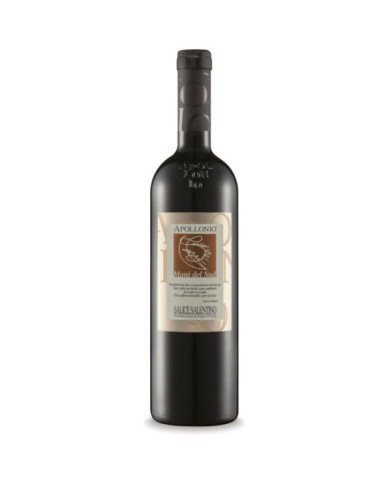
Negroamaro, native to Puglia, is the main black grape variety of Salento. Its origins are very ancient (VIII century AC ), it probably owes its name to the terms “niger” (Latin) and “mavros” (Greek) which both mean black. The great versatility makes it suitable for all types of winemaking.
€10.31
SKU:
14833
Brand:
Apollonio
A historic Salento blend often made directly in the field with the alternation of eight plants of Negroamaro with two of Malvasia Nera. Negroamaro owes its name to the terms "niger" (Latin) and "mavros" (Greek) which both mean black. A highly versatile vine, it is suitable for all types of winemaking. Malvasia Nera, a vine with great softness and aroma, best balances the angular characters of the other two grapes.
€12.85
SKU:
14681
Brand:
Mottura
Wine produced from Negroamaro grapes grown in the area of Salice Salentino and other municipalities in the province of Lecce and Brindisi. Manual harvest at the right maturation with careful selection of the grapes. Manual sorting of the bunch with a selection belt, fermentation of the must at a controlled temperature, traditional maceration for 20-25 days, good use of delestage and pumping over. Carrying out of the malolactic fermentation in barriques at a controlled temperature, with the use of batonnage. 12 months of aging in French oak barriques. 2-3 months of aging in the bottle.
€13.01
SKU:
13940
Brand:
Agricole Vallone
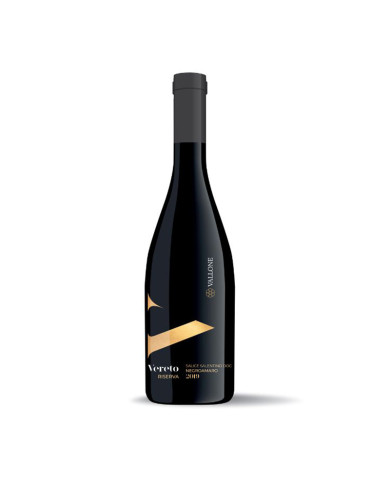
DOCR is the attention that Vallone dedicates to the two most representative denominations of controlled origin of the territory. It is a long journey; 24 months of passion. Both reserves are elevated in wood for six months. Vereto is the name of our Negroamaro vineyard located on the Iore estate in San Pancrazio Salentino. The soft and silky tannin is an unequivocal declaration of origin of the pure Negroamaro.
€14.96
SKU:
13389
Brand:
Cantine Due Palme
Intense ruby red wine with amaranth reflections. The nose presents captivating fruits of cherry jam and dates, notes of vanilla and licorice. The palate is marked by hints of small red fruits, juicy and ripe, and by the sweet nuances of wood. Warm and with a good fragrance, with gritty and pleasant tannins. Perfect as a meditation and… conversation wine!
€23.77
SKU:
11353
Brand:
Mottura
Wine produced from Negroamaro grapes grown in the area of Salice Salentino and other municipalities in the province of Lecce and Brindisi. Manual harvest at the right maturation with careful selection of the grapes. Manual sorting of the bunch with a selection belt, fermentation of the must at a controlled temperature, traditional maceration for 20-25 days, good use of delestage and pumping over. Carrying out of the malolactic fermentation in barriques at a controlled temperature, with the use of batonnage. 12 months of aging in French oak barriques. 2-3 months of aging in the bottle.
€15.98
SKU:
8842
Brand:
Conti Zecca
The "Cantalupi" Rosso Salice Salentino from the Conti Zecca winery is a full-bodied and elegant red wine with an intense ruby color. On the nose emerge aromas of ripe fruit such as blackberries and plums, and hints of spices. Harmonious, velvety and rightly tannic flavour. It ages for a few months in concrete tanks before being bottled.
€7.30
SKU:
366
Brand:
Cantine Due Palme
ruby red in color with purple reflections, the nose reveals pleasant aromas of wild plum, blackberries, wild strawberries and toasted notes. Harmonious, elegant and warm palate.
€11.14
€9.47
Denomination Salice Salentino
Welcome to the land of Salice Salentino, where winemaking tradition is an invaluable cultural legacy. In this article, we'll delve into the Salice Salentino appellation, exploring its history, characteristics, and impact on the local food and wine culture.
History and Origins
The roots of winemaking in Salice Salentino date back to ancient times, when the Romans cultivated vines across the fertile lands of Puglia. Over the centuries, the Salice Salentino appellation has prospered, becoming synonymous with quality and tradition in the world of wine.
Characteristics of Salice Salentino Wine
Salice Salentino wine is renowned for its balanced flavor profile, characterized by fruity and spicy notes, accompanied by a pleasant acidity. On the palate, it stands out for its softness and roundness, with delicate tannins that give the wine structure and persistence.
Terroir and Environment
The terroir of Salice Salentino is unique and fascinating, with calcareous soils and a Mediterranean climate that favors optimal grape ripening. Sea breezes from the Ionian Sea moderate summer temperatures, creating an ideal environment for growing vines.
Production Process
The Salice Salentino winemaking process is an art passed down through generations, characterized by manual harvesting and meticulous winemaking. The grapes are carefully selected and vinified using techniques that respect the fruit's nature, maximizing its intrinsic characteristics.
Variations and Types
The Salice Salentino appellation offers a wide range of wines, from the youthful and fruity Salice Salentino Rosso to the more structured and complex Riserva. The variations in style depend on the use of different native grape varieties, such as Negroamaro and Malvasia Nera, and the winemaking techniques adopted by individual producers.
Food Pairings
Salice Salentino wine pairs beautifully with local cuisine, enhancing traditional dishes like pittula, rice and potato tiella, and grilled lamb. Its versatility also makes it an ideal companion for international dishes, such as Florentine steak and baked lasagna.
Popularity and Reception
Salice Salentino wine enjoys great popularity on the national and international markets, thanks to its exceptional quality and renowned versatility at the table. The numerous awards and accolades it has received testify to the appreciation for these high-quality Apulian wines.
Salice Salentino wine is more than just a wine, it's also a symbol of Puglia's rich winemaking and gastronomic culture. With its elegance and complexity, it continues to win the hearts of wine lovers around the world.
FAQs
What are the main sensory characteristics of Salice Salentino wine? Salice Salentino wine stands out for its balanced flavor profile, with fruity and spicy notes and a pleasant acidity.
What are the most common grape varieties used in the Salice Salentino appellation? The most common grape varieties used in the Salice Salentino appellation are Negroamaro and Malvasia Nera.
What typical regional dishes pair well with Salice Salentino wine? Typical regional dishes that pair well with Salice Salentino wine include pittula, rice and potato tiella, and grilled lamb.
What are some tips for best storing and serving Salice Salentino wine? To best store and serve Salice Salentino wine, it's best to store it in a cool, dark place and serve it at a temperature of around 16-18°C in large glasses to promote oxygenation.