

 Italiano
 Deutsch






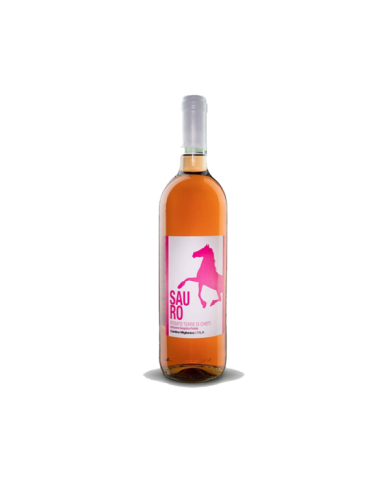
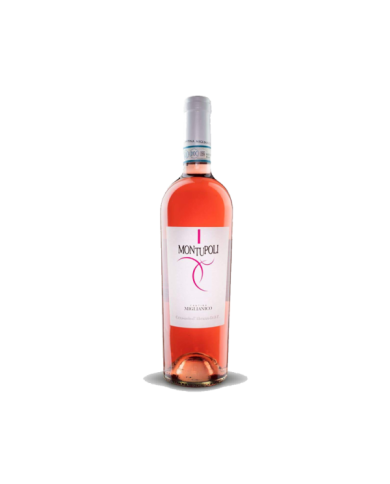
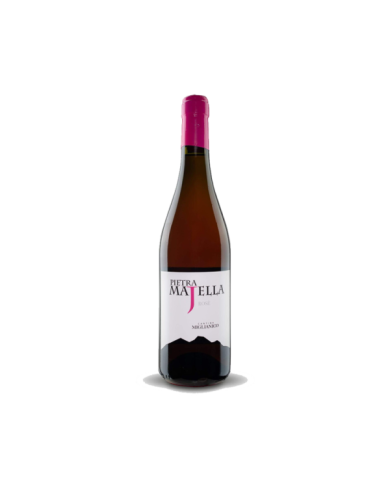

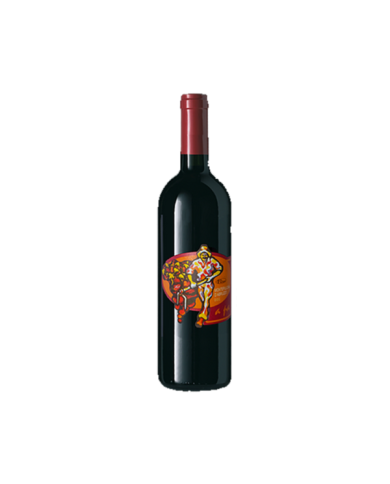


There are no more items in your cart
€10.00
SKU:
4781
Brand:
Cantina Tollo
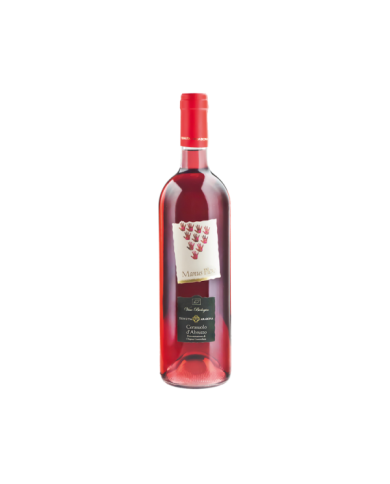
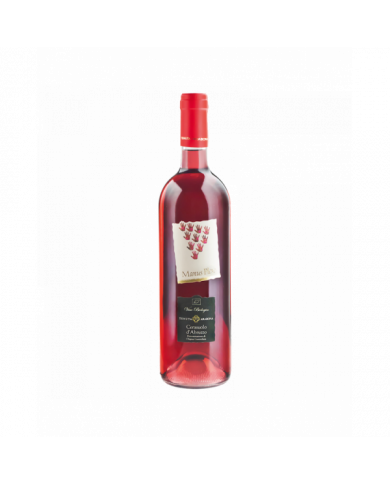
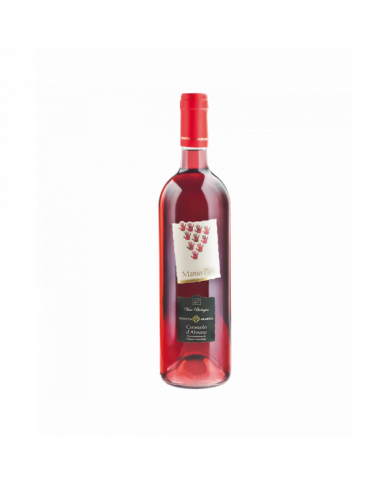
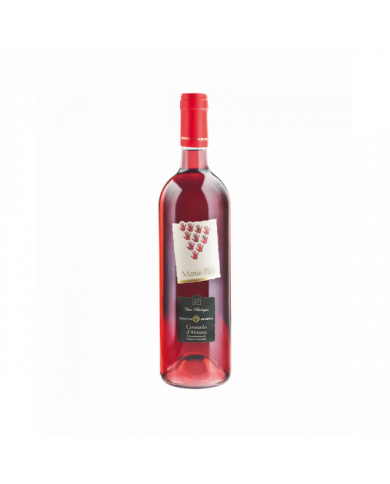
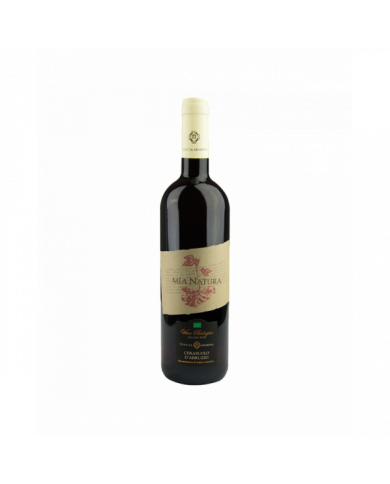
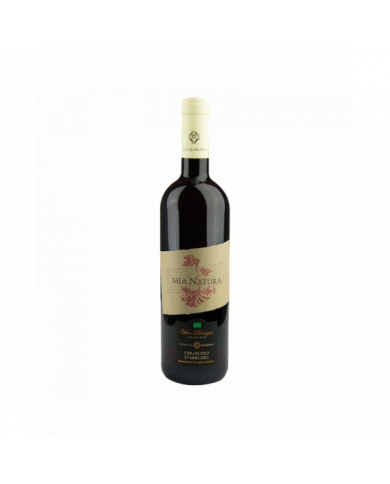
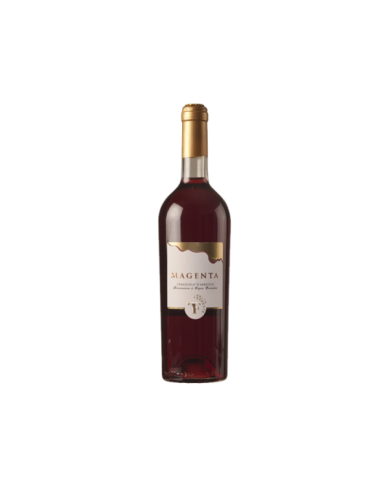
Every occasion is good to toast with the sincere taste of Colle Cavalieri!
Pairings
appetizers, savory first courses of meat or fish, second courses of fish, roasted white meats, fresh or semi-aged cheeses.
€6.00
SKU:
4769
Brand:
Rasicci
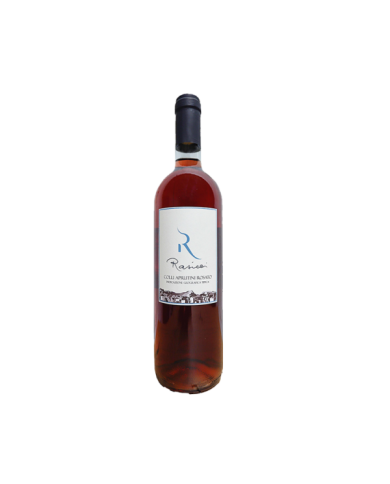
It is clear with a cherry color that refers to the ruby of the Montepulciano dAbruzzo grape from which it is? born. The nose is intense with a rich basket of small red fruits, mainly ripe sour cherries, in harmony with small petals of red gold. It closes the nose with a slight spiciness of sweet spices. In the mouth it enters dry, decisive, austere, in the center of the mouth the freshness and richness of mineral salts explodes in particular. Intense and persistent through the nose.
SKU:
4721
Brand:
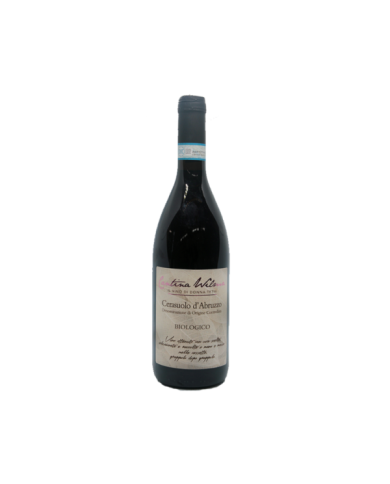
Cantina Wilma
Obtained from native grapes and selected in the harvest. Appearance of intense cherry color with pink reflections. On the palate it is fruity with notes of black cherry and cherry. Pairings: throughout the meal.
€9.52
€8.56
SKU:
4672
Brand:
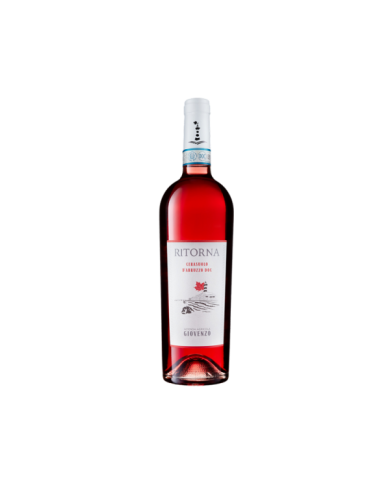
Giovenzo
€10.21
€9.19
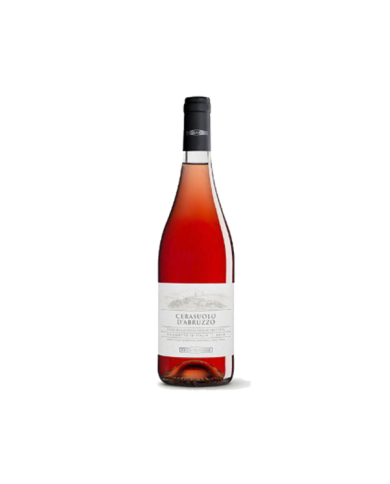
Cerasuolo dAbruzzo is obtained from the white vinification of Montepulciano dAbruzzo grapes. To the eye it is cherry pink, clear, limpid and brilliant to the eye. The nose opens with floral and fruity notes, in particular from the reference to strawberries, pomegranates and red cherries. In the mouth it is very fresh, medium-bodied and has a nice persistence, supported by an acid-savory combination, then marked by a typically irresistible almond finish.
€10.21
€9.19
SKU:
4665
Brand:
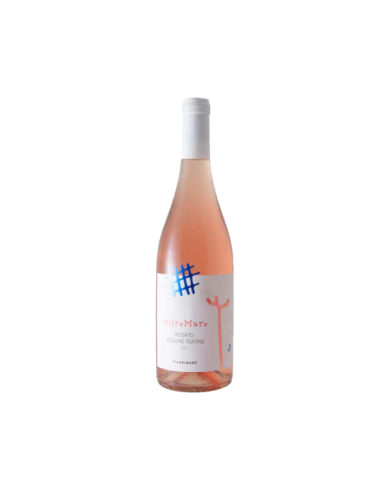
Piandimare
Red berried grapes of the territory, harvested and pressed immediately without maceration. Vinified at low temperature. After vinification, the wine ages for 6 months in steel in order to harmonize and enhance its varietal aroma characterized by aromas of pink petal flowers, banana, pineapple, pear, wild strawberry and wild cherry. Pale pink color, on the palate it is fresh, elegant and with a pleasant finish. The pleasant salty note gives a lean and refreshing drink. Unmissable during summer aperitifs based on local butchery, it is a wine that calls one bottle after another and invites to a convivial sharing. Perfect as an aperitif, it goes well with raw seafood dishes and fried Adriatic paranza
€6.22
€4.98
SKU:
4657
Brand:
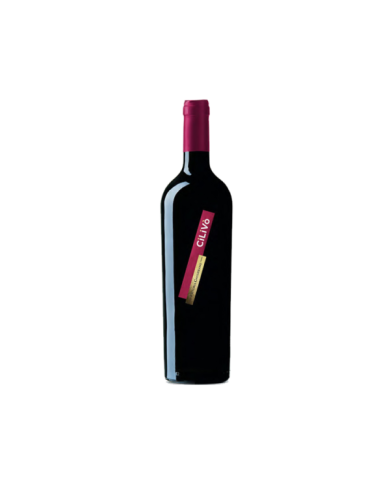
Fattoria Gaglierano
Cerasuolo d'Abruzzo DOC organic, produced entirely from grapes from the Montepulciano vine. “Ci li vò” is a typical Abruzzo expression that indicates satisfaction and gratification. In this case it expresses something "perfect" which, placed in a given context and moment, is such as to make a situation sublime. "It is the right time", "It was really necessary!".
SKU:
4648
Brand:
Cantine Paolucci
€6.69
€5.35
The Cerasuolo d'Abruzzo PAOLUCCI despite being counted among the rosé wines shows a remarkable character and versatility. On the nose it is personal and fragrant, with a compound taste, harmonious with backbone. Vintage 2019 Alcohol 13% Vol.
€6.69
€5.35
SKU:
4579
Brand:
Valle Martello
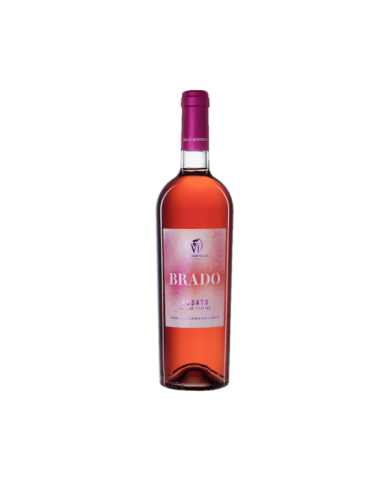
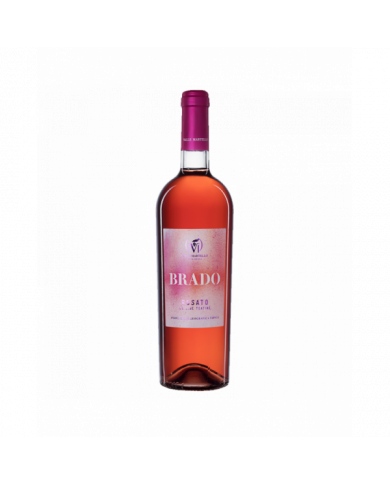
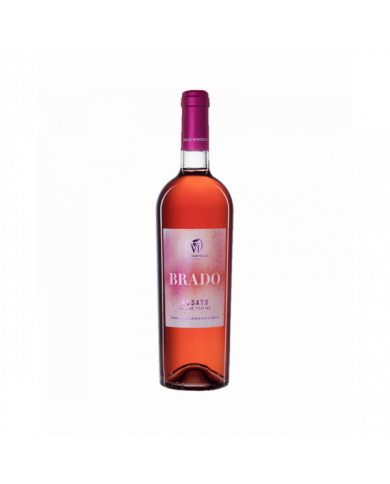
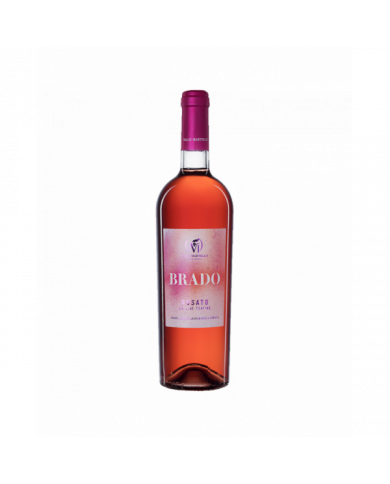
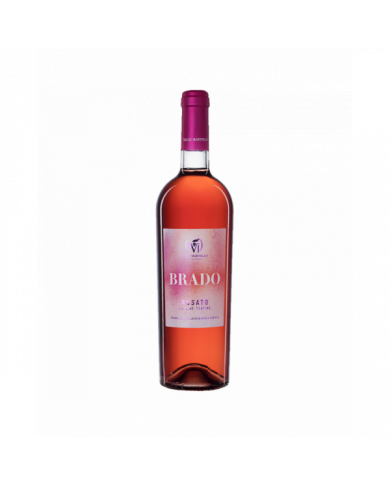
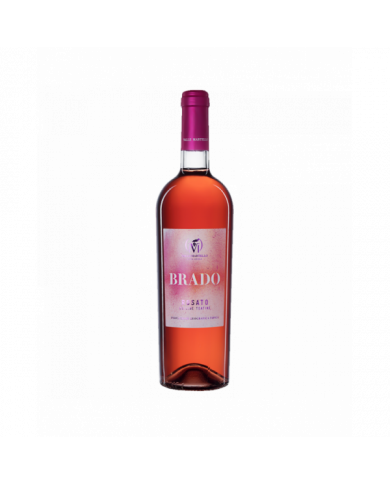
The Brado rosé is obtained from the soft pressing of red grapes. It has a pink color with delicate reflections. The nose shows elegant aromas of red fruit. It has a pleasant, fresh flavor, with a good aromatic persistence. It goes perfectly with fish soups and grilled fish. Ideal with pizza.
SKU:
4570
Brand:
Valle Martello
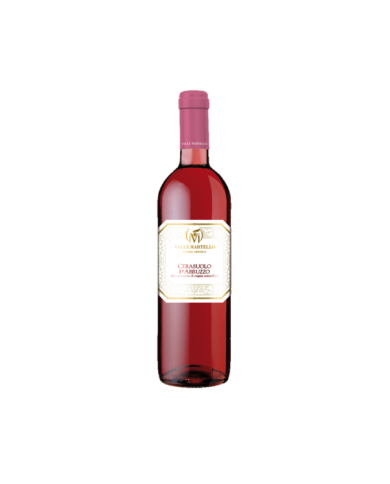
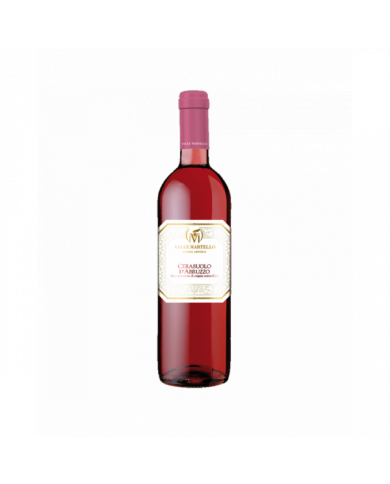
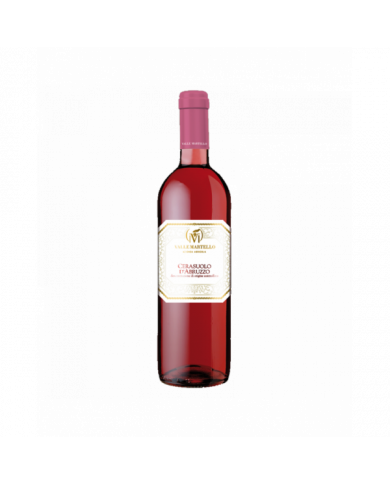
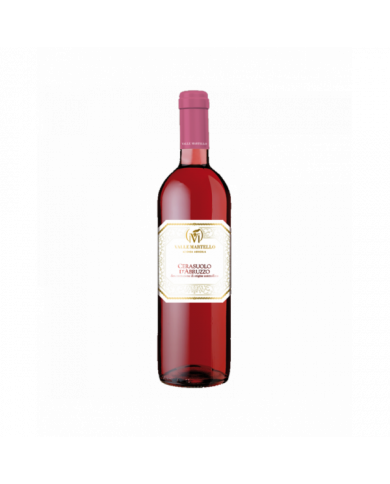
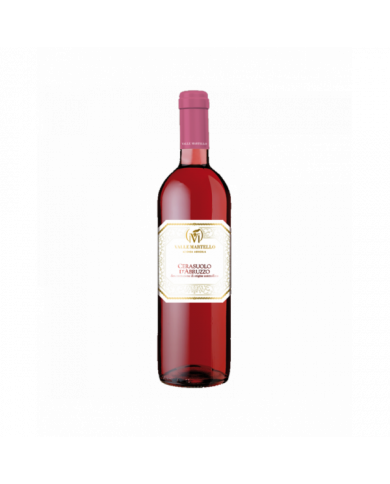
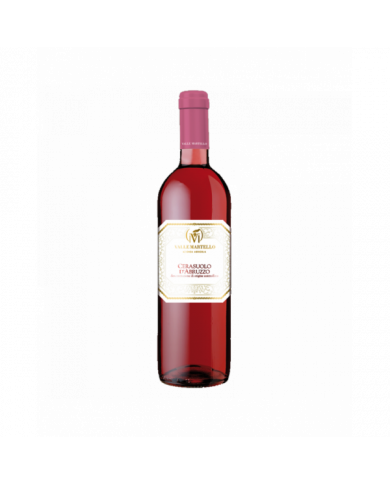
The word cerasuolo derives from “Cerasa”, cherry. In fact, in Abruzzo this wine takes its name from the typical cherry color. To achieve this alluring color, Cerasuolo Valle Martello is obtained from the pressing of red grapes. On the nose the Cerasuolo Valle Martello has a very intense fruitiness reminiscent of cherry. On the palate it is fresh, persuasive and persistent. It goes well with typical Mediterranean cuisine, grilled fish and fish broths.
€6.32
€5.69
SKU:
4514
Brand:
Villese
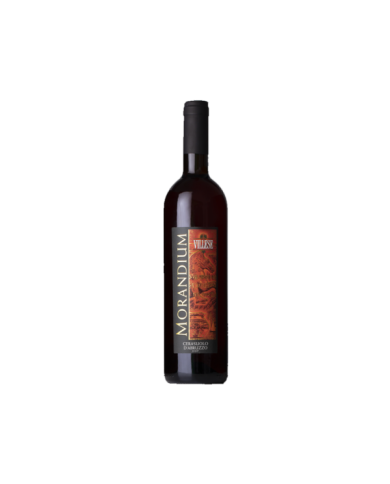
The name "Morandium" recalls the ancient Frentano place of worship, located near the Olearia & Vinicola Villese winery, characterized by the presence of a sanctuary active between the third and first centuries BC and a necropolis whose finds are exhibited at the museum national museum of Chieti and the civic museum of Vasto. The wine has a cherry color typical of the white vinification of Montepulciano d'Abruzzo grapes. Intense bouquet, fragrant, harmonious, very pleasant on the palate is fine and elegant, fresh and well harmonious.
€5.29
€4.77
SKU:
4506
Brand:
Cerretano Vini
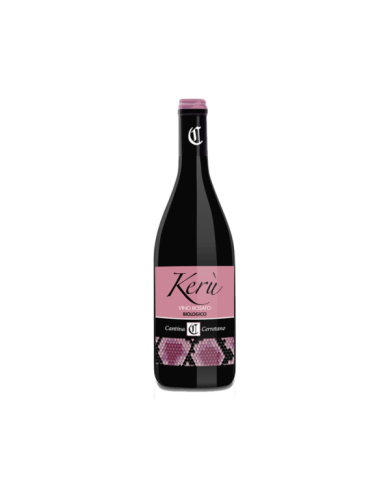
Rosé wine Cantina Cerretano. Color: cherry pink with red onion reflections. Bouquet: small red fruits, such as blueberry and raspberry and fine floral notes of rose. Taste: on the palate it is pleasantly soft, well balanced and very fresh.
€6.50
€5.85
€7.14
€5.00
SKU:
4422
Brand:
Tenuta Ferrante
Bright pink color, of medium intensity, with slight purplish nuances. Aroma of ripe fruit, intense, with delicate spicy notes, body of good intensity, savory and persistent.
€7.61
€6.85
SKU:
4413
Brand:
Cantina Miglianico
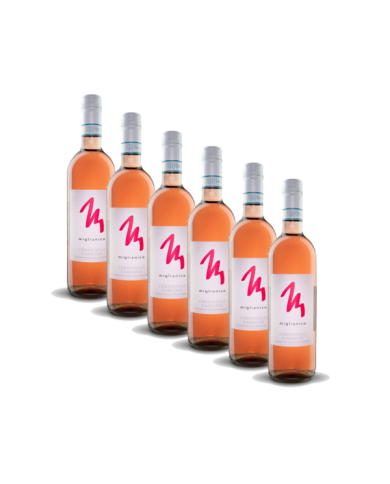
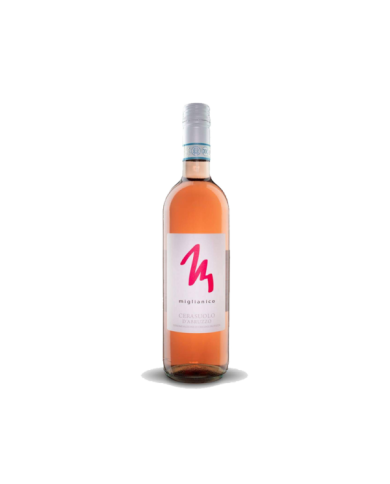
Rosato IGP 100% with vineyards in the plains located in the lands of Miglianico, at 60-100mt above sea level, with loamy - clayey soils. The breeding is Abruzzo pergola with 10-15 year old vines, 1,600 plants per hectare with a yield of 160q.
SKU:
4400
Brand:
Cantina Miglianico
Montepulciano DOP 100% with vineyards located in the lands of Miglianico.
SKU:
4395
Brand:
Cantina Miglianico
Montepulciano DOP 100% with vineyards located in the lands of Miglianico.
SKU:
4389
Brand:
Cantina Miglianico
Rosato IGP 100% with vineyards in the plains located in the lands of Miglianico, at 60-100mt above sea level, with loamy - clayey soils. The breeding is Abruzzo pergola with 10-15 year old vines, 1,600 plants per hectare with a yield of 160q.
SKU:
4383
Brand:
Cantina Miglianico
Montepulciano DOP 100% with vineyards in the hills facing East / South-East of Miglianico, at 250 meters. above sea level, with clayey-loamy soils. The breeding is an Abruzzo pergola with 12-15 year old vines, 1,600 plants per hectare with a yield of 140q.
SKU:
4370
Brand:
Cantina Miglianico
Rosè d'Abruzzo with vineyards on the hills facing north-west and south of Miglianico, at 250 meters. above sea level, with clayey-loamy soils. The breeding is Abruzzo pergola with 10-15 year old vines, 1,600 plants per hectare with a yield of 120q.
Pairings for rosé wines
Rosé is a very versatile wine, suitable for a wide variety of food pairings. Thanks to its freshness, it lends itself to both informal pairings, such as cheese, pizza, fried foods, and mushrooms, as well as more complex dishes, such as fish.
The best Italian rosé wine
In recent years, rosé wine production in Italy has grown exponentially, producing truly excellent wines that are worth tasting. Rosé originated in Southern Italy, but is now produced throughout the country. Italian rosé wines boast a long tradition; they are fresh and fragrant wines that pair beautifully with the many traditional dishes of our country. Visit the Clickwine rosé wine section to find the best online deals on DOC rosé wines produced by Italy's most prestigious wineries. With our exceptional online sales, you can bring traditional Italian rosé wines to your table, with incredible savings on the list price. Don't miss the opportunity to enrich your personal cellar with a high-quality rosé wine, a unique opportunity to make evenings spent with friends and family even more perfect.
Why is rosé wine pink?
There's a lot of talk about rosé wine. Many believe it's made by blending white and red wines (a practice prohibited by law), and this hasn't helped its reputation.
The color intensity of rosé wine and its aromas are essentially determined by the maceration on the skins of the red grapes used to produce these wines. But what are the colors of rosé wine? Rosé wine can range from pale pink, cherry red, to claret pink. To obtain a pale pink, maceration is required for very few hours, from 2 to 4, while for a cherry red the time can be up to 7-10 hours. For a very bright claret pink, maceration time can be up to 24 hours.
What are the best rosé wines?
Rosé wines can vary greatly in quality, depending on the production region, the grape variety used, and the winemaking techniques. Some highly regarded rosé wines come from France, particularly the Provence region, which produces light, fresh wines with red berry aromas and crisp acidity. Other high-quality rosé wines are produced in Italy, particularly Tuscany and Puglia, and in Spain, which produce more structured wines with greater aromatic complexity. Other regions renowned for their rosé wines include California, Portugal, and Australia.
It's important to note that the quality of a rosé wine depends on production techniques, climate conditions, and the grapes used. Therefore, it's difficult to make a list of the absolute best rosé wines, as it depends on individual tastes and preferences. However, some highly regarded rosé wines are:
- Château d'Esclans Whispering Angel (Provence, France)
- Domaine Tempier Bandol (Provence, France)
- Biserno Insoglio del Cinghiale Estate (Tuscany, Italy)
- Le Pupille Saffredi Farm (Tuscany, Italy)
- Quinta do Crasto Rosé (Douro, Portugal)
- Sandhi Santa Barbara County Rosé (California, USA)
- Penfolds Koonunga Hill Rosé (Barossa Valley, Australia)
It's recommended to try several rosé wines to discover which one you prefer, keeping in mind that some rosé wines are better enjoyed on their own, while others pair better with certain dishes. Generally speaking, rosé wines are ideal for summer, as they're fresh and light, but they can be enjoyed any time of year, depending on your personal taste.
What do you eat with rosé wine?
Rosé wine is a very versatile wine that pairs well with a wide range of dishes. Because it has a slightly lower alcohol content than red wines and a slightly lighter structure, it is particularly suited to accompany light, fresh dishes, such as fish, white meat, and vegetables. Here are some ideas for pairing rosé wine with food:
- Fish: Rosé wine pairs well with light fish such as salmon, tuna, and sea bass, but also with oily fish such as mackerel and squid.
- White meat: Rosé wine is perfect to accompany white meat such as chicken, turkey, and rabbit.
- Vegetables: Rosé wine pairs well with grilled vegetables, especially red berries like tomatoes and eggplant.
- Cheeses: Rosé wine pairs well with light cheeses such as Brie, Camembert, and Roquefort.
- Salads: Rosé wine is perfect for accompanying summer salads, especially when dressed with an emulsion of olive oil and balsamic vinegar.
Rosé wine can also be enjoyed on its own as an aperitif or as an accompaniment to a light meal. In general, it's important to pair rosé wine with light, not overly flavorful foods to prevent the wine from being overpowered by the food's flavors. It's recommended to taste the wine before deciding on a pairing, so you can choose the dish that best complements its aromatic profile and balance.