Italiano
 Deutsch


There are no more items in your cart
SKU:
17136
Brand:
Lammidia
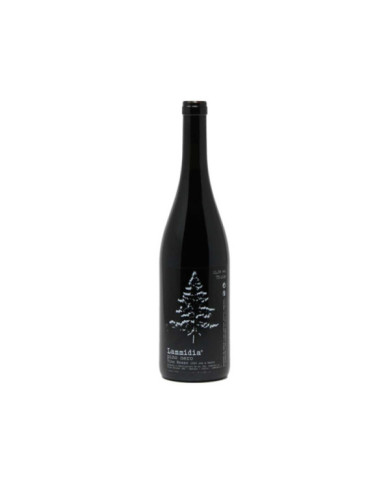
Pino Nero is a red wine obtained from red grapes, fermented with semi-carbonic maceration. Spontaneous fermentation. Aging in fiberglass tanks. Without sulphites added before bottling. The result is a wine that gives the palate a great sensation of freshness and many fruit flavors.
€24.60
SKU:
17135
Brand:
Lammidia
€18.19
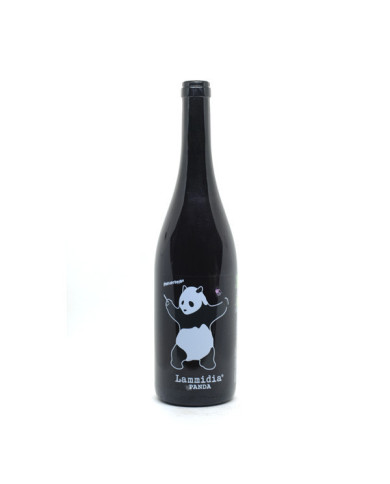
Panda di Lammidia is a rosé wine obtained from a blend of red and white grapes. The vinification takes place spontaneously in cement, while the refinement takes place in anofra. Panda is a fresh, fruity wine, with excellent minerality and drinkability.
€18.19
SKU:
17134
Brand:
Lammidia
€20.25
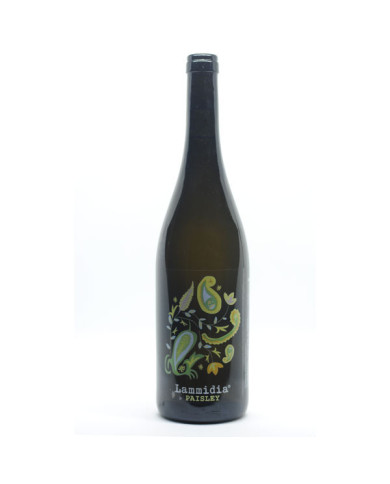
Paisley is a wine made from white grapes. Spontaneous fermentation with a night of maceration on the skins. Aging for a few months in steel tanks. Without sulphites added before bottling. The result is a wine that does not tire after the first glass and where the aroma does not prevail over everything else.
€20.25
SKU:
17133
Brand:
Lammidia
€15.86
100% Montonico, whole bunch carbonic maceration fermentation for a week in cement tanks, then pressed and refined in the same. A territorial grape juice with infinite drinkability! From one of the oldest grapes of Abruzzo here is a wine with super floral aromas and sensations, a slightly citrusy freshness and a lot of minerality! Vibrant like all Lammidia wines!!!
€15.86
SKU:
17132
Brand:
Lammidia
As the name of the wine anticipates, we are faced with a super blend of white, rosé and red wines destined to create an explosive blend of enjoyment and drinkability. Here is Trebbiano mixed with its contribution of freshness, Pecorino with its acidity and aroma and Montepulciano with structure and colour. Super like benza.
€12.13
SKU:
17131
Brand:
Lammidia
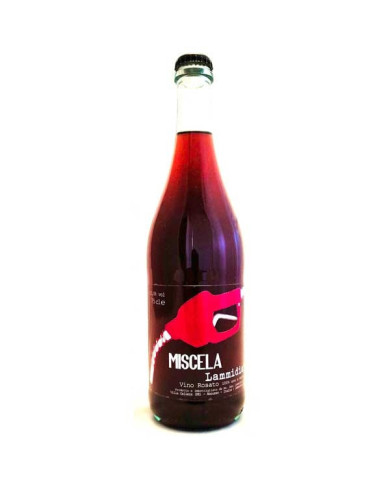
Miscela di Lammidia is an expertly blended wine of red and white grapes. Spontaneous fermentation and aging in steel tanks. A wine that presents itself with the right aroma, freshness and body, and stands out for the ease and promptness of a quick sip.
€4.37
SKU:
17130
Brand:
Lammidia
€19.52
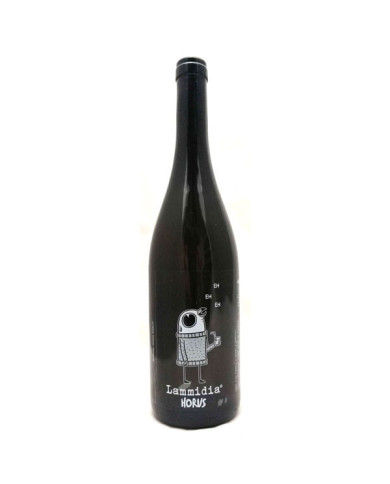
Horus is a wine made from white grapes. Spontaneous fermentation with a night of maceration on the skins. Aging for a few months in steel tanks. Without sulphites added before bottling. The result is a wine with intense fruit aromas, great freshness and drinkability.
€19.52
SKU:
17129
Brand:
Lammidia
Frekt by Lammidia is a fresh and surprisingly drinkable white wine made from white grapes. The vinification is spontaneous, with half of the pecorino being pressed directly, while the other half is macerated for 2 weeks in concrete with a submerged cap, and then they are assembled and aged in fiberglass containers. Frekt is a wine that stands out for its freshness, its drinkability and rusticity, and its fruity hints. A wine that will make you definitively fall in love with Lammidia.
SKU:
17128
Brand:
Lammidia
€18.18
An unconventional rosé wine in the Lammidia style, in which freshness and ease of drinking are sought. Obtained from a blend of more than 10 varieties, red and white. Semi-carbonic maceration, 3 days of maceration. Refines for a few months in fibreglass. A wine that has beautiful aromas on the nose reminiscent of red fruit, such as strawberry, black cherry and pomegranate, followed by notes of Mediterranean scrub. To drink slightly chilled. Good good.
€18.18
SKU:
17127
Brand:
Lammidia
€17.45
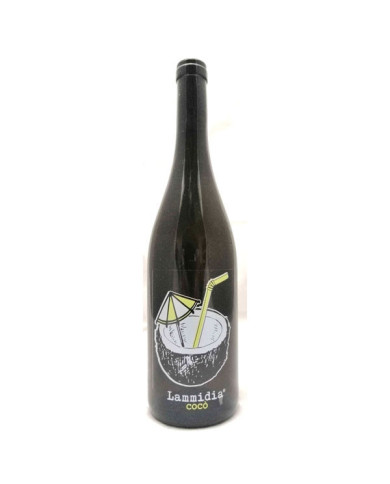
Cocò di Lammidia is an exuberant wine made from local white grapes that ferments spontaneously and macerates on the skins for 12 hours. Refines in concrete tanks. A wine that is immediately recognizable for its marked acidity and a thousand citrus sensations. A wine that recalls summer and its fruits.
€17.45
SKU:
17126
Brand:
Lammidia
€17.45
What they say about him: White 100% Lammidia, extremely drinkable, with Passerina rounding it all off! A jovial wine that brightens up even the most monotonous days!!!
€17.45
SKU:
17125
Brand:
Lammidia
€13.31
Lammidia's Bianchetto is now a guarantee! An exuberant wine made from white grapes that ferments spontaneously and macerates on the skins for 12 hours. Refines in concrete tanks. A wine that is immediately recognizable with its tropical aromas of pineapple, mango and passion fruit, and which impresses in the mouth with its super drinkability and freshness. A wine that recalls summer and its fruits.
€13.31
Taste the Authenticity of Natural Wines!
Natural wines are an increasingly popular choice among consumers, offering a unique and authentic tasting experience. If you're looking to learn more about natural wines and how to try them, you've come to the right place. In this article, we'll explore what natural wines are, how they're made, and how to best enjoy them.
What is a Natural Wine?
A natural wine is one produced without the use of additives, pesticides, or other chemicals. Natural wines are made only with grapes, water, and yeast, and are crafted to preserve the grape's natural flavor as much as possible. They are also generally produced in small quantities, meaning each bottle of natural wine is unique and offers a unique tasting experience.
How Are Natural Wines Made?
Natural wines are made using grapes, water, and yeast. The production process is very different from that used to make conventional wines. The first thing to know is that natural winemakers don't use additives, pesticides, or other chemicals. Instead, they strive to work with the grapes in a way that best preserves their natural flavor, carefully selecting their vineyards and caring for the vines.
Once the grapes are harvested, they are macerated for 12-14 days at a controlled temperature. This allows for greater extraction of aromas and flavors, giving the wine its rich complexity. The wine is then fermented in wooden barrels or concrete vats. This fermentation process is slow and can last from two to six months. Fermentation in wooden barrels gives the wine added complexity, while fermentation in concrete vats gives it greater freshness.
How to Enjoy a Natural Wine?
Savoring a natural wine is a unique experience that offers a rich complexity of aromas and flavors. To fully savor a natural wine, it's important to properly prepare the glass. The glass should be rinsed with warm water and dried with a soft cloth to remove any chemical residue. Then, the glass should be filled halfway with wine to ensure proper aeration.
Once ready, take a sip of wine and savor it slowly. Savor the color, aroma, flavor, and texture of the wine. Try to capture all the aromas and flavors of the grape, such as fruit, grass, hay, chocolate, and so on. Also savor the complexity of the wine, noticing how the aromas and flavors evolve over time.
Conclusion
Natural wines are an excellent choice for those seeking an authentic and unique tasting experience. They are produced without the use of additives, pesticides, or other chemicals, and are crafted to best preserve the natural flavor of the grapes. As we've seen, natural wines are made with grapes, water, and yeast, and are fermented slowly. To fully savor a natural wine, it's important to properly prepare your glass and taste slowly, trying to capture all the aromas and flavors, and savoring the wine's complexity. If you're looking for an authentic and unique tasting experience, try a natural wine!
Related posts