

 Italiano
 Deutsch












There are no more items in your cart
SKU:
5017
Brand:
Giuliana Vicini
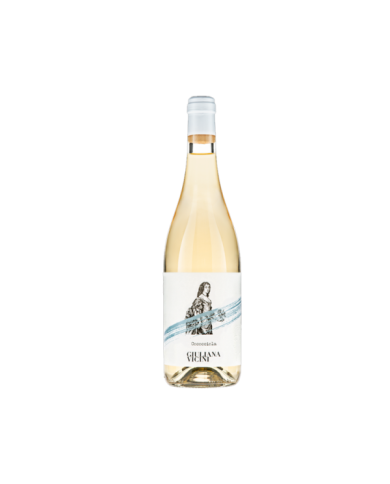
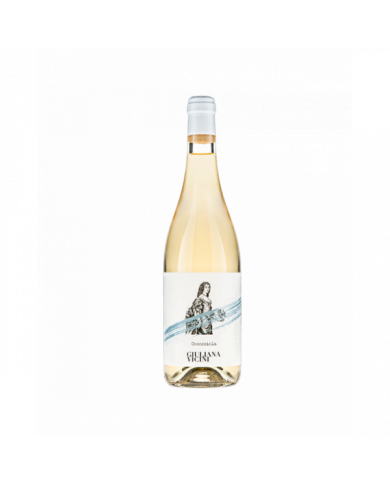
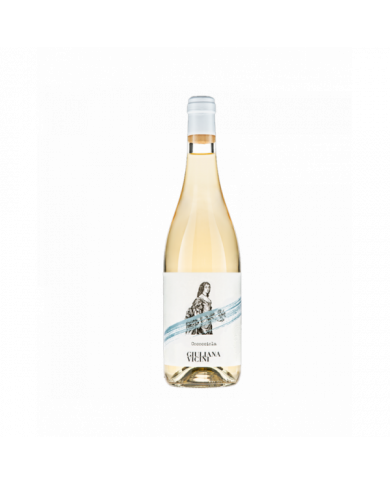
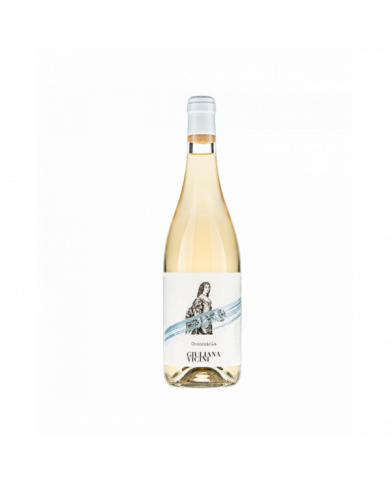
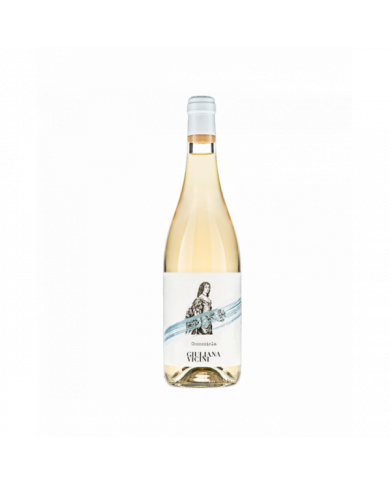
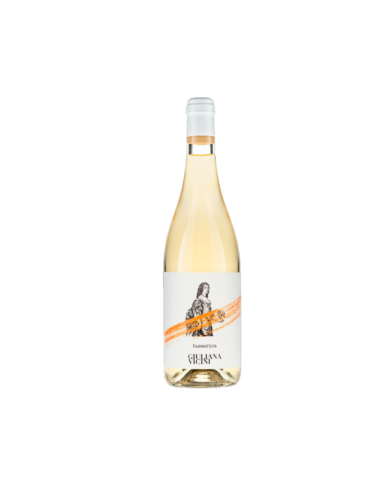
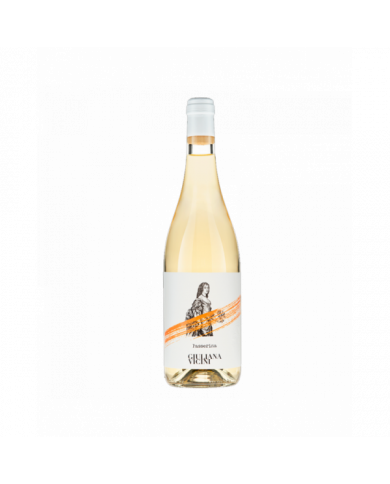
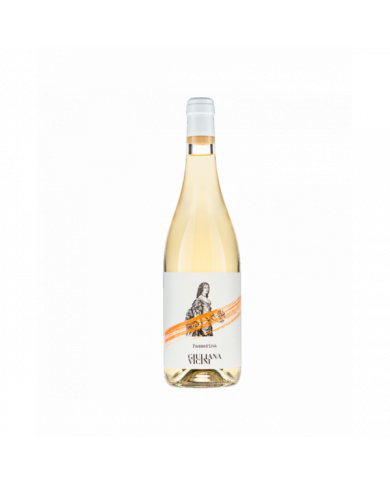
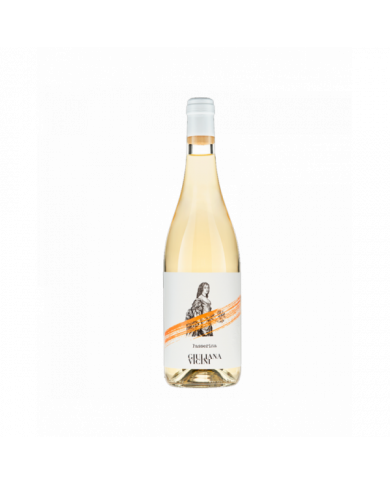
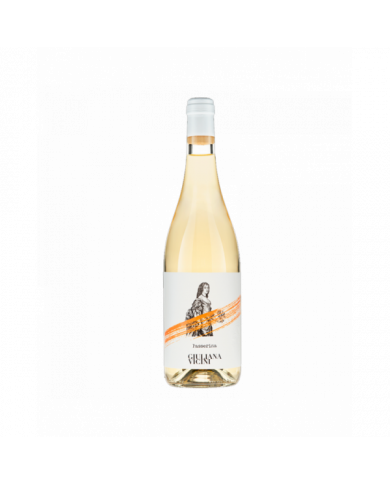
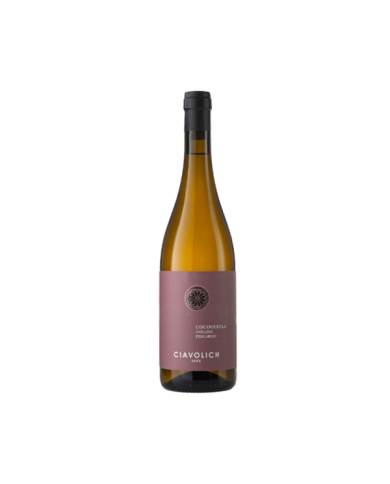
Cococciola is an ancient Abruzzo vine characterized by good production and a nice acidity. Our Cococciola was born from a hectare of awning vineyard planted in the 80s in Loreto Aprutino. Its large greenish clusters are harvested by hand and immediately taken to the cellar where they are pressed in a soft press, fermentation is started in stainless steel at a controlled temperature and finally the wine is bottled in December. The Cococciola must is green in color, this indicates a wine with a marked acidity and freshness. It is fragrant, dry and drinkable and explodes on the nose and palate with hints of freshly picked fruit such as frozen apple or snuff peach.
SKU:
5015
Brand:
Giuliana Vicini
From the Loreto rows we collect the Passerina grapes, an Abruzzo white grape variety rediscovered and much appreciated for some years. Harvesting by hand, soft pressing, cold decanting and aging in stainless steel, release the pure essence of this Passerina that recalls the sea breeze at sunset. The delicate herbaceous notes are the prelude to a fresh, fragrant, savory drink on the palate. Each sip gives hints of yellow pulp fruit such as peach and pear with citrus influences of grapefruit and aromatic herbs, the finish is mineral with hints of almond.
SKU:
5007
Brand:
Ciavolich
€12.00
€9.60
Our Cococciola comes from 1 hectare of Abruzzo pergola-trained vineyard planted in 1985 on the Loreto Aprutino estate. Its large greenish-colored clusters are harvested by hand and immediately taken to the cellar to be crushed-destemmed and gently pressed. The fermentation of the must takes place inside stainless steel tanks at a controlled temperature with the help of selected yeasts, and finally the wine is aged for about 4 months before bottling.
SKU:
5003
Brand:
Ciavolich
€12.00
€9.60
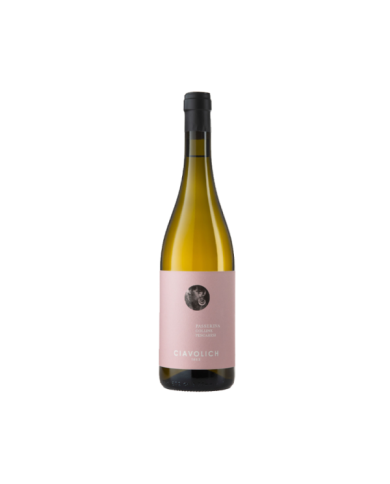
The Passerina grapes come from the young rows planted in our Loreto Aprutino estate in 2011. The grapes are harvested by hand, then the grapes are pressed, softly pressed and the must obtained is cold decanted. Subsequently, the clear must is decanted into stainless steel tanks at a controlled temperature to carry out the alcoholic fermentation. The refinement, before bottling, takes place in stainless steel tanks for about 3-4 months.
SKU:
5000
Brand:
Ciavolich
The Pecorino grapes come from 1 hectare of vineyard raised in the Abruzzo pergola system planted in our Pianella estate around the year 2000 and from 1 hectare of "espalier" trained vineyard in the Loreto Aprutino estate, planted in 2011. The grapes are harvested by hand in the very early hours of the morning and are immediately transported to the cellar in small boxes. Afterwards the grapes are pressed, softly pressed and the must is fermented in stainless steel tanks at a controlled temperature. At the end of fermentation, a small part of the mass is decanted into French tonneaux from 2009 for a brief refinement of 3 months. At the end of February the wines are brought together and bottled to continue aging in the bottle for about 2 months.
SKU:
4989
Brand:
Ciavolich
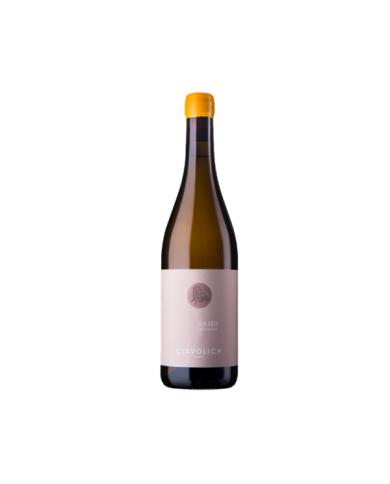
The hand-picked grapes from the Pianella and / or Loreto Aprutino vineyards are placed in small boxes and transported to the cellar. The crushing and pressing is carried out with the aid of a small crusher-destemmer and an ancient press. The must obtained is transferred partly in terracotta amphorae and partly in used French oak tonneaux. To start the fermentation, the “pied de cuve” of indigenous yeasts previously obtained from the same grapes is added. Fermentation normally takes place in 7/10 days and the wine obtained is decanted and aged on its noble lees in 15hl Slavonian oak barrels and in terracotta amphorae. The refinement lasts about 2 years, after which the wine is decanted and bottled without filtration.
SKU:
4982
Brand:
Torre Raone
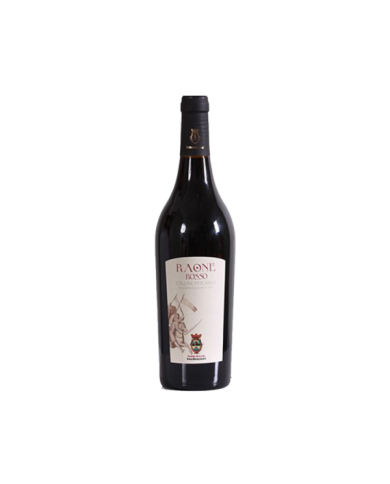
Dress the glass in a beautiful ruby red. The nose first reveals memories of black cherries, plums and black currant, then completed by spicy, herbaceous and medicinal herbs nuances. Warm and soft the sip, rightly tannic and slightly savory, characterized by a finish that recalls licorice and black pepper.
To be paired with meat dishes, it is excellent with roast lamb chops.
€16.81
SKU:
4884
Brand:
Rosarubra
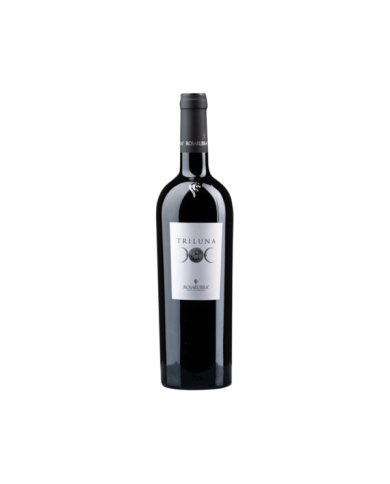
Our Triluna is born from a skilful blend of Chardonnay , Sauvignon and aromatic Malvasia grapes, harvested manually in slight over-ripening: a perfect balance of floral fragrances and persuasive references to ripe fruit and honey. The powerful extractive richness is flanked by a clear, fresh and pulpy palate. Perfectly balanced between acidity and softness, it highlights its extremely fruity palate with strong references to exotic yellow fruits.
€23.47
€8.36
€7.52
SKU:
4871
Brand:
Tenute Gada
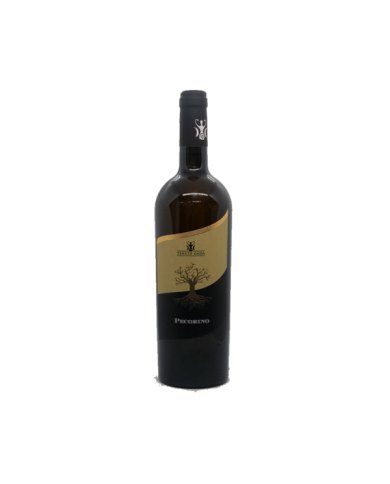
Vigna Grape variety 100% Pecorino. The soil is clayey with a high presence of active limestone, the cultivation is the typical Abruzzo pergola (commonly called "la capanna"). The harvest takes place in September with a careful manual harvest of the grapes. Cellar The decanted must ferments in steel tanks at a low temperature. Refinement always takes place in steel tanks. Wine When tasted it has a straw yellow color with greenish reflections. Intense and elegant bouquet with floral and fruity scents. Lively, full-bodied and persistent taste, clear floral scents such as broom and thyme, tropical fruit. It goes well with fish dishes, fried foods but also white meats.
€8.36
€6.69
SKU:
303
Brand:
Nestore Bosco
COLOR: - RUBY RED SMELL: INTENSE AROMA OF RED FRUIT TASTE: - DRY AND WARM IN THE MOUTH SERVING TEMPERATURE: - 16-18 ° C> OPEN WHEN TO SERVE
SKU:
5274
Brand:
Marchesi de Cordano
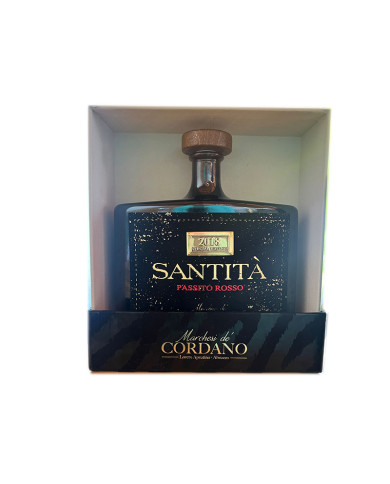
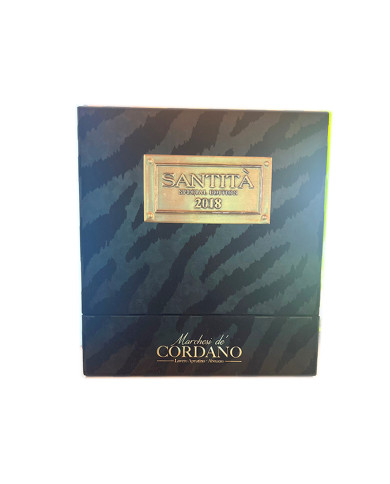
With an intense ruby red color, it is a velvety wine, which contains hints of cherry, raspberry and dried fig. On the palate it reveals slight notes of violet that pamper and caress the end of the meal. Maximum Expression: 8-10 years. Vinification: On the skins for 18 days, followed by static decanting in large barrels. The wine is aged for 9 months in barriques and then rests for 6 months in the bottle.
SKU:
9286
Brand:
Chiusa Grande
Concrete and carnal passion, sweet and bitter of those who experience real emotions. Fire-red Cabernet Sauvignon, the result of an authentic love to be rediscovered… savoring it day after day.
€28.23
SKU:
21273
Brand:
Orefice Vini
A wine with a marked freshness and an intense bouquet, with a citric scent in which a pleasant minerality is found. White grapefruit and acacia and orange blossom flowers emerge.
€18.00
SKU:
298
Brand:
Nestore Bosco
Color: intense ruby red. Smell: aromas of forest fruit jam, black cherry and plum Taste: full body, rightly tannic, fruity and spicy on the palate. Serving temperature: 18-20 ° C. Food pairings: moderately aged cheeses, salami, meat-based first courses.
SKU:
2386
Brand:
Cantina Tollo
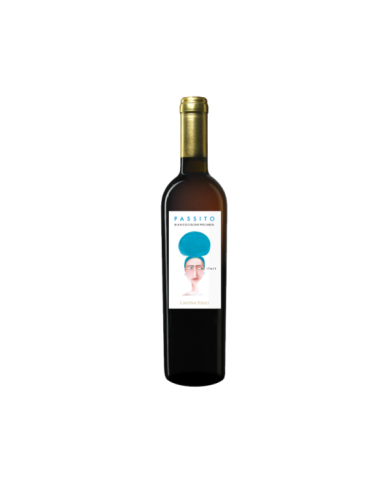
Passito bianco di Tollo is produced with Moscatello grapes (Moscato Bianco) from 15-20 year old vines grown on the Pescara hills. The nose has aromas of flowers, jam, ripe fruit with white pulp. In the mouth it is intense, rich in aromas and hints of ripe fruit and raisins. An excellent end of a meal.
€19.83
€19.19
€17.27
SKU:
7471
Brand:
Chiusa Grande
Concrete and carnal passion, sweet and bitter of those who experience real emotions. Fire-red Cabernet Sauvignon, the result of an authentic love to be rediscovered… savoring it day after day.
SKU:
2283
Brand:
Speranza
Orange-pink color, it bursts on the nose with citrus and floral hints that return to the sip with notes of blood orange, raspberry and cherry, and medium length.
€10.77
€19.19
€15.35
€14.91
SKU:
282
Brand:
Nestore Bosco
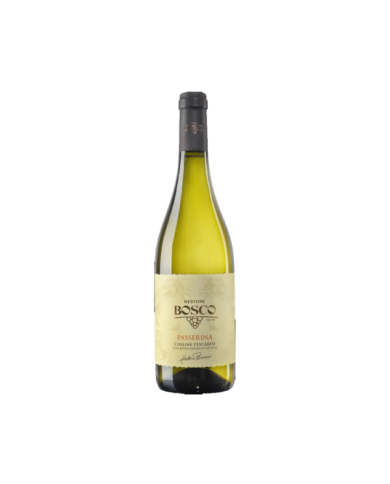
Grapes: 100% Passerina. Straw yellow color. Bouquet of fresh white flowers, pear. Excellent freshness, with a light note of bitter almond on the finish. Perfect for aperitifs, fresh cheeses, light first courses, white meats and fish.
€7.80
SKU:
2278
Brand:
Speranza
€15.38
€9.23
Golden yellow in color, it appears floral and fruity on the nose, where hints of ripe yellow peach prevail. On the palate it is warm, medium-bodied and with good acidity.
SKU:
20381
Brand:
Chiusa Grande
Authenticity and ease go hand in hand in love, but can they happily bind together in a wine? What is the recipe for greatness? Adapt to trends or reject them? Is madness doing what others do or creating a personal taste by selecting native vines? For my way of being, always restless and never satiated with questions, the answer is fluctuating. For this I have decided to propose some of my best productions within this selection. The wines of Vinosophia rediscover the ancient native grape varieties, interpreting them in the most authentic way in search of the fatal attraction, seduction and memory. The wines of Vinofollia adapt the great international vines without distorting their essence. Am I insane, am I wise? Get an idea by enjoying my vinosophical ideas. Alluring because in search of emotions. Surprising because bored with predictability. Fogged by global trends. Satisfied with my way of making an international wine "homegrown". In this Pinot Grigio with floral scents, strongly mineral, senselessly citrusy, there is the lucid madness of my thought.
€12.80