

 Italiano
 Deutsch



There are no more items in your cart
€15.56
€21.30
SKU:
13223
Brand:
Biagi
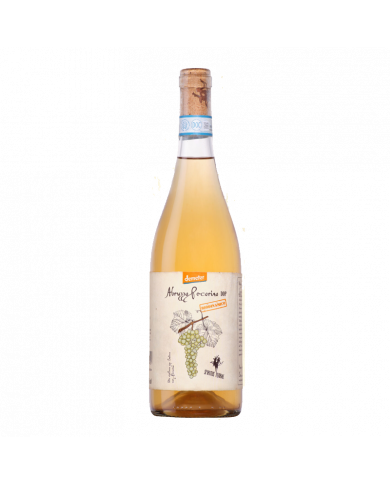
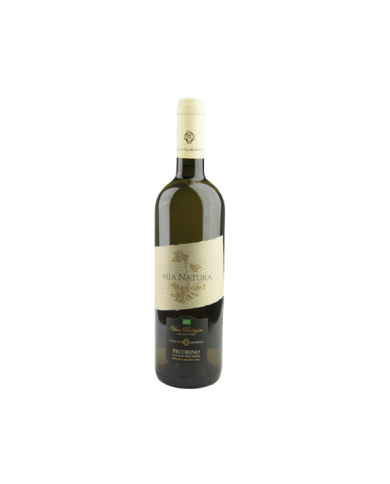
An ancient vine rediscovered and vinified using modern technologies to enhance all its aromas and flavours. Organic wine with a pale straw yellow color with slight greenish reflections. It is a fresh, fruity wine with citrus notes, aromatic herbs and hints of white peach, cedar, sage, jasmine and acacia. Ideal with appetizers and raw fish, shellfish, first and second courses based on fish.
€9.52
SKU:
13216
Brand:
D'Alesio Sciarr
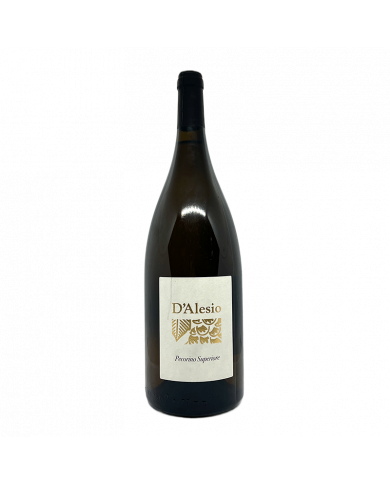
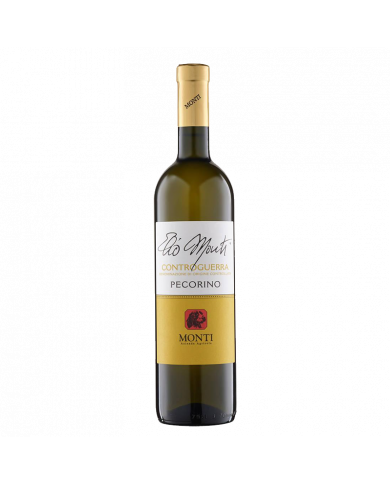
This vine was mentioned for the first time by Cato the Censor in the second century BC, who attributed the origin of this kind of grapes to the Greek colonists. The Pecorino grapes seem to derive their name from the fact that the sheep, walking through the vineyards, would have shown several times to like the fruits.
SKU:
13203
Brand:
Torri Cantine
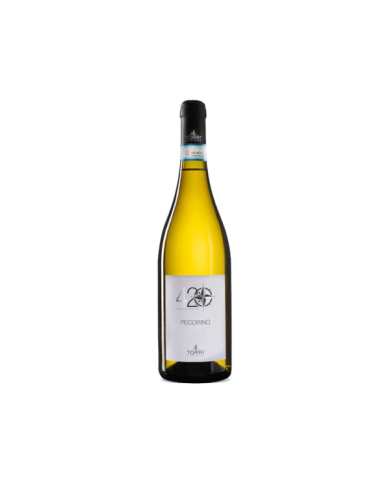
Color: A pale straw yellow, characterized by a particular luminosity. Smell: You are greeted by an impactful intensity, centered on scents of wild flowers, ripe fruit, a delicate spiciness, as well as an irrepressible and persistent herbaceous note. Taste: It is intense, characterized by an overbearing acid shoulder, refined by the right balance between delicate softness and warmth. You are greeted by hints of yellow-fleshed peach, apple, pear, in a habitat of pungent minerality, with an enthralling lime finish.
€7.50
€12.04
€10.24
SKU:
13077
Brand:
Fontefico
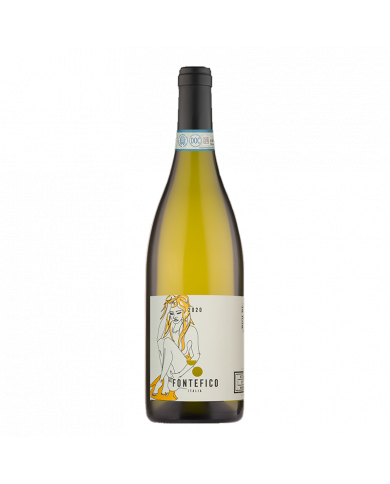
“La foia” is a special edition of our Pecorino Superiore. A bold wine, without prejudice, which seduces the palate and the spirit. It is that urge that captures you and does not leave you until the thirst has passed. It is the passion for emotions. Letting oneself be overwhelmed by “la foia” means indulging in different sensations.
€34.45
SKU:
13074
Brand:
Fontefico
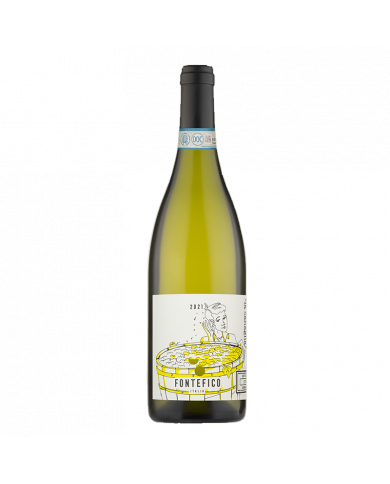
This superior pecorino comes from the white vineyard, a spiteful vineyard because, despite our attentions, it has very low yields, as if it wanted to avoid the effort of producing more grapes. But then he is forgiven by giving us a unique, fresh and voluminous wine, which you will never tire of drinking. It is the "rogue" of Fontefico.
€19.13
SKU:
13048
Brand:
Cantina Cioti
€11.90
€10.11
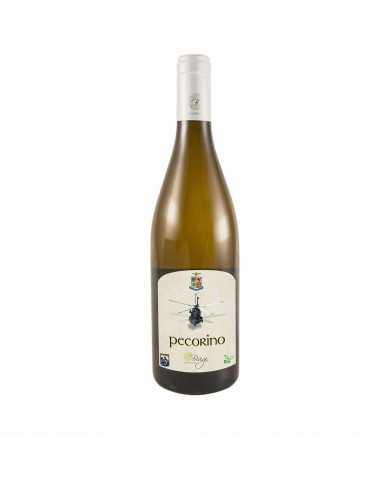
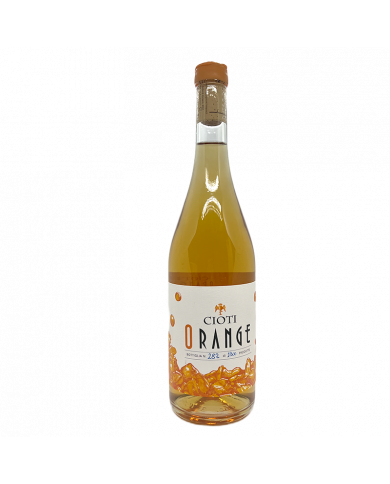
Grandfather's wine, fermented in wooden vats in contact with the skins with manual fulling.
€11.90
€10.11
SKU:
12026
Brand:
Cantina Tollo
The rediscovery of an ancient native vine with a pure and sincere taste. Fruity aroma, full and balanced flavor, harmonious: these are the clear expressions of a centenary oenological knowledge.
Pairings
Appetizers and raw fish, shellfish, first and second courses based on fish excellent with fresh or stretched curd cheeses.
€9.67
€7.74
Pecorino d'Abruzzo: The Complete Guide
Pecorino d'Abruzzo is a white wine with a Controlled Designation of Origin (DOC) designation produced in Abruzzo , a region in central-southern Italy. In this article, we'll explore the characteristics of this wine, from its history to its production and tasting. We'll also discover which dishes pair best with this wine and how to store it properly.
Pecorino d'Abruzzo is a white wine made from Pecorino grapes. Its production is permitted only in certain provinces of Abruzzo, specifically in the areas of Chieti, L'Aquila, and Teramo. This wine has a long history, but has only achieved significant popularity in recent years.
Terroir and production of Pecorino d'Abruzzo
The Abruzzo region is characterized by a Mediterranean climate with mild winters and hot, dry summers. The Pecorino d'Abruzzo terroir extends across the hills near the Adriatic Sea, offering excellent sun exposure and mineral-rich soil.
The grape variety used to produce Pecorino d'Abruzzo is Pecorino, an ancient native grape variety of Abruzzo. Pecorino d'Abruzzo is made through temperature-controlled fermentation, followed by a brief period of bottle aging.
Organoleptic characteristics of Pecorino d'Abruzzo
Pecorino d'Abruzzo is straw yellow in color with greenish highlights. Its aroma is intense, with notes of exotic fruit and citrus. On the palate, the wine is fresh and mineral, with good acidity and a light savory finish. Its alcohol content ranges from 12% to 14%.
The main characteristic of Pecorino d'Abruzzo is its freshness and savory character. Thanks to its unique terroir and meticulous winemaking, this wine retains a remarkable minerality and intense aromas.
Food Pairing: Pecorino d'Abruzzo
Pecorino d'Abruzzo pairs very well with fish dishes, such as fish soup, grilled fish, and seafood risotto. This wine also pairs well with white meat dishes, such as chicken and turkey, and with fresh, creamy cheeses like ricotta and goat cheese.
Pecorino d'Abruzzo is a very versatile wine that pairs well with vegetable dishes, salads, and appetizers. In general, this wine pairs well with fresh, light dishes, but also with flavorful, structured dishes.
Preserving and serving Pecorino d'Abruzzo
Pecorino d'Abruzzo should be served chilled, between 10°C and 12°C. To preserve the wine, it is recommended to store it in a cool, dry place, away from direct sunlight. Once opened, the wine can be stored in the refrigerator for up to two days.
Economic notes
Pecorino d'Abruzzo is a highly regarded wine in Italy and abroad. Annual production is approximately one million bottles, and the average price per bottle is around 10 euros.
Conclusion
Pecorino d'Abruzzo is a white wine with a fresh, mineral flavor, worthy of discovery and appreciation. Thanks to its unique terroir and meticulous winemaking, this wine retains a remarkable minerality and intense aroma. Its versatility makes it suitable for pairing with a wide range of dishes, from fish to white meats and vegetables.
FAQ
Which provinces in Abruzzo allow the production of Pecorino d'Abruzzo?
Production is permitted in the provinces of Chieti, L'Aquila, and Teramo.
What are the organoleptic characteristics of Pecorino d'Abruzzo?
Pecorino d'Abruzzo is straw yellow in color with greenish highlights. Its aroma is intense, with notes of exotic fruit and citrus. On the palate, the wine is fresh and mineral, with good acidity and a light savory finish.
Which grape varieties are used to produce Pecorino d'Abruzzo?
The grape variety used is Pecorino, an ancient native grape variety of Abruzzo.
What is the average price of a bottle of Pecorino d'Abruzzo?
The average price is around 10 euros.
What dishes pair best with Pecorino d'Abruzzo?
Pecorino d'Abruzzo pairs very well with fish dishes, white meat, fresh and creamy cheeses, but also with vegetable dishes, salads, and appetizers.