

 Italiano
 Deutsch









There are no more items in your cart
SKU:
14848
Brand:
Apollonio
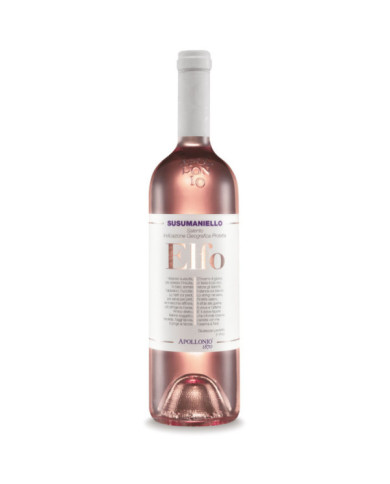
Susumaniello, an autochthonous black grape variety from Puglia, grown in Salento. Its name recalls, in the Apulian dialect, the name of the "somarello" indicating the high productivity of the plant loaded with bunches "like a donkey". After the first decade of life of the vineyard, the bunch is unloaded of grapes and the production loses in quantity but improves in quality, producing wines of great expression.
€7.82
SKU:
14847
Brand:
Apollonio
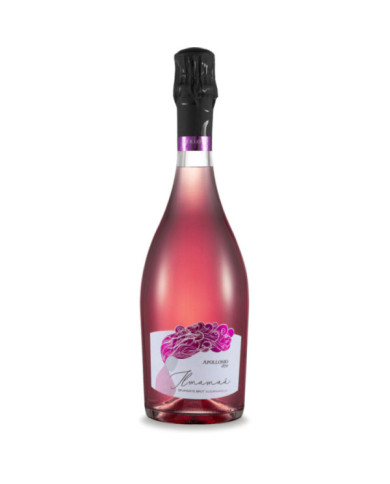
Autochthonous of Puglia, it is the main black grape variety of Salento. Its origins are very ancient (VIII century AC ), it probably owes its name to the terms “niger” (Latin) and “mavros” (Greek) which both mean black. The great versatility makes it suitable for all types of winemaking
€7.82
SKU:
14842
Brand:
Apollonio
Susumaniello, an autochthonous black grape variety from Puglia, grown in Salento. Its name recalls, in the Apulian dialect, the name of the "somarello" indicating the ancient tradition of raising the productivity of the plant by loading it with bunches "like a donkey". After the first decade of life of the vineyard, the bunch is unloaded of grapes and the production loses in quantity but improves in quality, producing wines of great expression.
€10.31
€8.76
SKU:
14836
Brand:
Apollonio
Negroamaro, native to Puglia, is the main black grape variety of Salento. Its origins are very ancient (VIII century AC ), it probably owes its name to the terms “niger” (Latin) and “mavros” (Greek) which both mean black. The great versatility makes it suitable for all types of winemaking.
€13.48
€12.13
SKU:
14803
Brand:
Cascina Corte
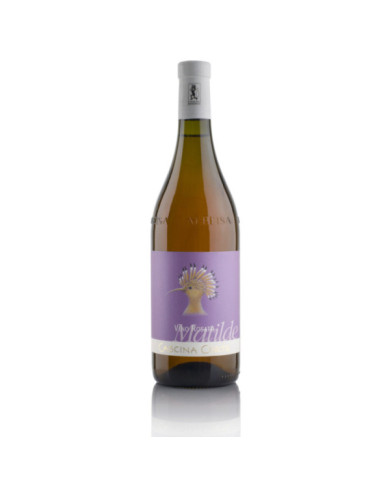
Fresh, balanced, with good acidity, it is a very pleasant wine. The aromas recall fruit, with hints of currants, strawberries and cherries.
€17.54
SKU:
14791
Brand:
Amami Vino
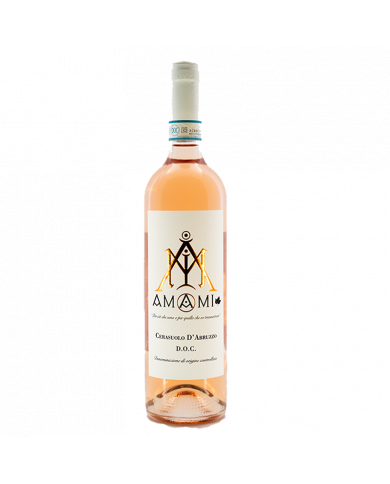
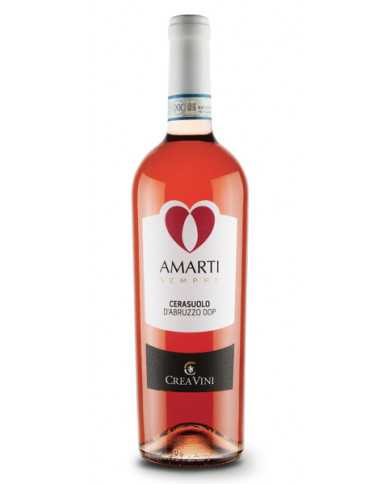
GRAPES: 100% Montepulciano grapes vinified in white DENOMINATION: Cerasuolo d'Abruzzo DOP AREA: Chieti, Abruzzo ALCOHOL CONTENTS: 13% vol.
SKU:
14693
Brand:
Bertè & Cordini
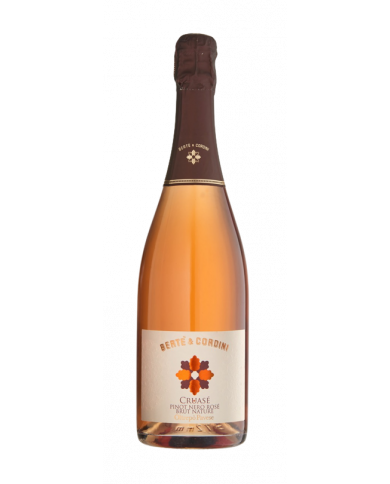
Soft and rich foam, fine and persistent perlage. Classic, bright, cristallino.Profumo pink colour. Floral and fruity bouquet with hints of rose petals, strawberry, red fruits and fine pastries. On the palate it is full, fresh, complex and harmonious.
€23.83
SKU:
14688
Brand:
Bertè & Cordini
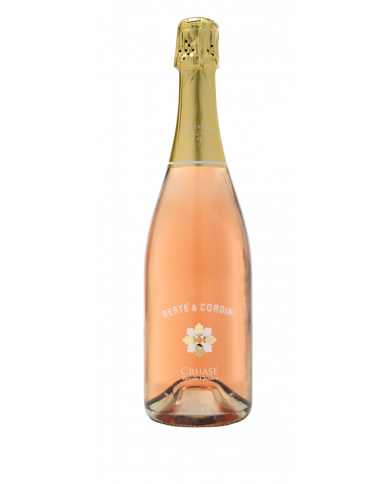
Soft and rich foam, fine and persistent perlage. Classic, brilliant, crystalline pink colour. Floral and fruity bouquet with hints of rose petals, strawberry, red fruits and fine pastries. On the palate it is full, fresh, complex and harmonious.
€22.13
€19.92
SKU:
14662
Brand:
Cantine Francesco Montagna
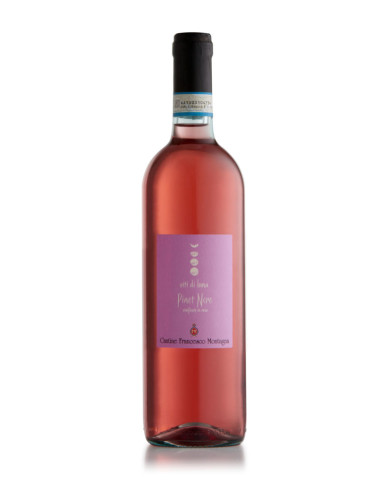
Wine type: sparkling rosé. Soil type: clayey limestone. Breeding system: Counter-espalier. Altitude: From 150 to 250 m. slm Exposure: North-East. Average age of the vineyard: 18 years. Yield: 10,000 kg/ha. Harvest: From mid to late August. Vinification: After destemming and crushing, the must is left in contact with the skins for 24 hours, after which the solid parts are separated from the liquids. This is followed by clarification and controlled fermentation. The second fermentation takes place in an autoclave at a controlled temperature (17°C). Ageing: No ageing, young wine.
€10.85
SKU:
14643
Brand:
Cantina Dorigati
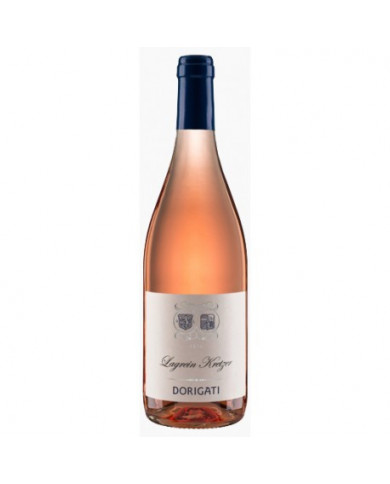
Lagrein Rosato Kretzer Dorigati (term KRETZER, synonymous with rosé), is a wine from Trentino and its name derives from "KRETZE", a large wicker basket with which the farmers drained the pressed grapes to obtain a rosé product. With a very pale cherry color, it presents a wine with a fruity and elegant bouquet, very pleasant. The taste is fresh and slightly mineral.
€15.62
€9.20
€8.28
SKU:
14605
Brand:
Amorotti
It impresses with its vivid and bright color. The nose is expressed on notes of cherry, wild strawberry, raspberry and undergrowth. Intense aromas far from the normal and conventional Cerasuolo. In the mouth it is expressive and satisfying with a taste all played on the fruit. Alcoholic content: 13% vol.
€72.96
€11.00
SKU:
14556
Brand:
Cantina Orsogna
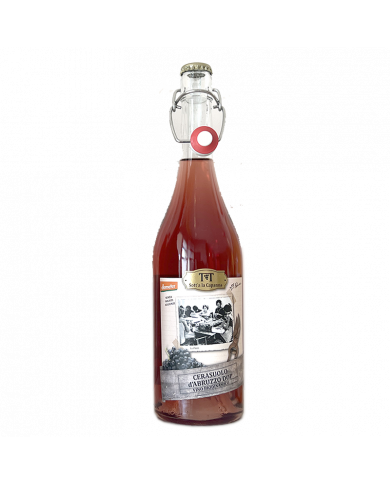
nduccio wine Cerasuolo D'Abruzzo DOP biodynamic and organic with spontaneous fermentation, without added sulphites.
€11.27
€11.27
SKU:
14498
Brand:
Cantina Tollo
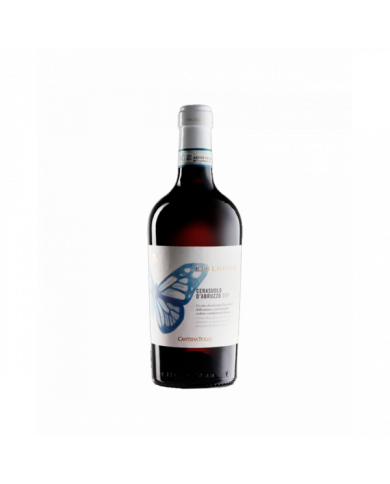
A wine that tells the authenticity of nature, just as butterflies are proof of climate change.
Pairings
First courses of meat or fish, second courses of fish, roasted white meats, fresh or semi-mature cheeses
€9.00
SKU:
14492
Brand:
Collefrisio
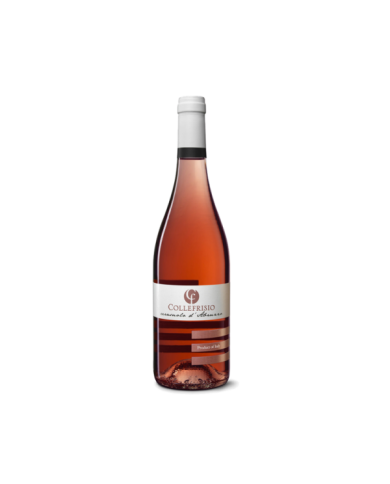
Grapes: Montepulciano d'Abruzzo DOC Year: 2020 Alcohol content: 13% - Format: 75cl Refinement: steel Tasting: Cherry pink color. Fruity and floral scent. Fresh and balanced taste Accompaniments: aperitifs, fish appetizers, cold cuts, medium-aged cheeses
€10.98
SKU:
14458
Brand:
Barsento
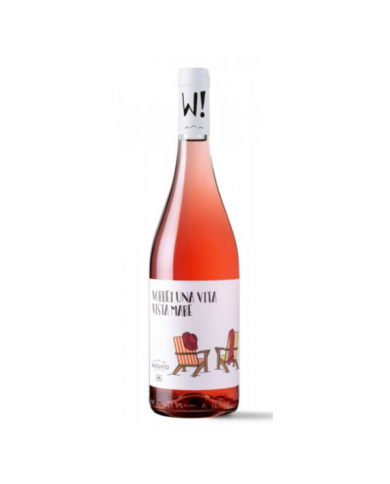
W'Heart! in the rosé version it is an excellent wine produced with 100% Primitivo grapes. The harvest is done manually in the first ten days of September. After destemming, fermentation takes place in stainless steel tanks at a controlled temperature, and before soft pressing, the must is left to macerate on the skins for about 10 hours. A rosé that excites the eye with its splendid intense coral color with violet reflections. It offers the nose sweetly fruity hints mixed with delicate floral notes. On the palate it has a pleasant freshness. A perfect aperitif glass that also lends itself beautifully to fish-based dishes.
€12.53
SKU:
14455
Brand:
Barsento
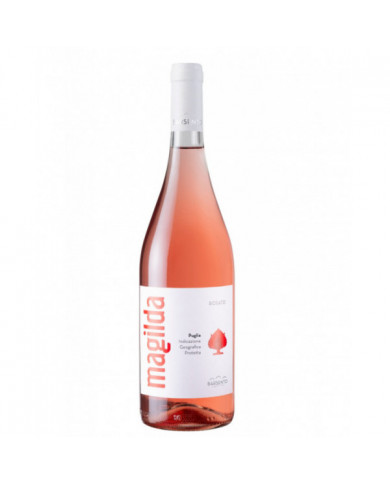
Magilda is a rosé produced with 100% Negroamaro grapes. The harvest of carefully selected grapes begins in the first ten days of September. After destemming, fermentation is carried out at low temperature in stainless steel tanks. In the tanks the must is left to macerate with the skins for about 10 hours, followed by a soft pressing. Before being bottled, the wine rests for a few months in steel, then refines for at least another month in the bottle. At sight it has a coral color with violet reflections. It offers the nose intense floral notes that refer to the rose, and fruity aromas of morello cherry and cherry. It enters the palate with a pleasant minerality and a sinuous roundness offering a long and persistent finish. It goes perfectly with appetizers, seafood and earthy first courses, and fish soups. Also perfect as an aperitif
€9.64
SKU:
14430
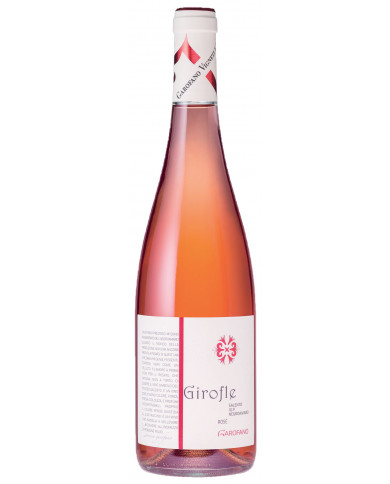
It is written Girofle, read Garofano
Coral red, brilliant, with cherry tones. The nose recalls notes of flowers, with nuances of red fruits;, pleasant, clear and with good freshness on the palate.
Clou de girofle, the clove, is a strong spice with a penetrating, warm and rich aroma; the taste is both pungent and bitter. Spices tell of exotic aromas and flavors that can often be traced back to the characters and values of the wines, especially of this precious vine capable of subtly marking its rosé and its great aged reds in a more suggestive way.
The brand in question was chosen not only for the power it possesses, evocative of the fascinating qualities of spices, but above all because the author has always had the obsession of achieving the excellence of quality wine.
This rosé is a today's wine that recalls all the values of tradition and the roots of quality Salento wines.
€15.59
SKU:
14426
€32.50
SKU:
14406
Brand:
Cantina Marchesi Antinori
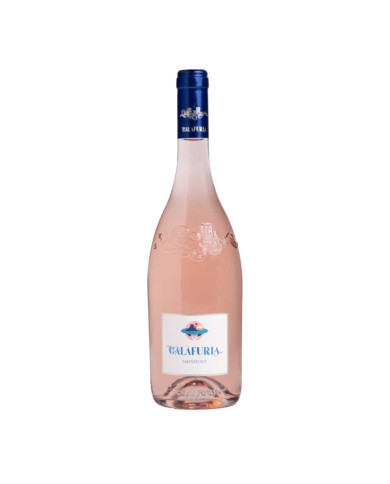
Calafuria is a fresh and floral Apulian rosé wine based on Negroamaro, with pleasant and characteristic perfumes and aromas. On the nose this Apulian Magnum recalls fruit, flowers and aromatic herbs. On the palate it is soft, fresh and very pleasant, elegant and balanced
€13.01
SKU:
14403
€9.52
SKU:
14382
Brand:
Cantina Roeno
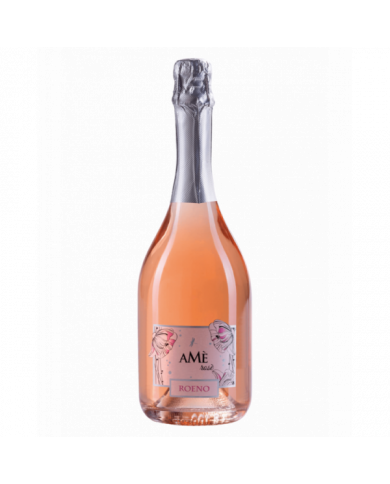
Amè Rosè Spumante Bardolino Chiaretto Doc
Grape varieties: Corvina, Rondinella and Molinara
Production area: Affi, Bardolino (Verona)
Method of collection: manual with selection in
field
Vinification: the grapes are delicately
destemmed and crushed. Fermentation takes place
with short maceration on the skins in
thermo-conditioned stainless steel containers
so as to extract only a part of the substances
dyes. The sparkling process takes place over time
long, with the Martinotti method
Organoleptic characteristics: bright pink, dal
scent reminiscent of raspberry, currant and strawberry.
Harmonious, with a fine and persistent perlage
Food pairings: excellent aperitif, yes
it goes very well with freshwater fish, first courses
fish and vegetable dishes
Serving temperature: 6-8 °C
€13.91
Pairings for rosé wines
Rosé is a very versatile wine, suitable for a wide variety of food pairings. Thanks to its freshness, it lends itself to both informal pairings, such as cheese, pizza, fried foods, and mushrooms, as well as more complex dishes, such as fish.
The best Italian rosé wine
In recent years, rosé wine production in Italy has grown exponentially, producing truly excellent wines that are worth tasting. Rosé originated in Southern Italy, but is now produced throughout the country. Italian rosé wines boast a long tradition; they are fresh and fragrant wines that pair beautifully with the many traditional dishes of our country. Visit the Clickwine rosé wine section to find the best online deals on DOC rosé wines produced by Italy's most prestigious wineries. With our exceptional online sales, you can bring traditional Italian rosé wines to your table, with incredible savings on the list price. Don't miss the opportunity to enrich your personal cellar with a high-quality rosé wine, a unique opportunity to make evenings spent with friends and family even more perfect.
Why is rosé wine pink?
There's a lot of talk about rosé wine. Many believe it's made by blending white and red wines (a practice prohibited by law), and this hasn't helped its reputation.
The color intensity of rosé wine and its aromas are essentially determined by the maceration on the skins of the red grapes used to produce these wines. But what are the colors of rosé wine? Rosé wine can range from pale pink, cherry red, to claret pink. To obtain a pale pink, maceration is required for very few hours, from 2 to 4, while for a cherry red the time can be up to 7-10 hours. For a very bright claret pink, maceration time can be up to 24 hours.
What are the best rosé wines?
Rosé wines can vary greatly in quality, depending on the production region, the grape variety used, and the winemaking techniques. Some highly regarded rosé wines come from France, particularly the Provence region, which produces light, fresh wines with red berry aromas and crisp acidity. Other high-quality rosé wines are produced in Italy, particularly Tuscany and Puglia, and in Spain, which produce more structured wines with greater aromatic complexity. Other regions renowned for their rosé wines include California, Portugal, and Australia.
It's important to note that the quality of a rosé wine depends on production techniques, climate conditions, and the grapes used. Therefore, it's difficult to make a list of the absolute best rosé wines, as it depends on individual tastes and preferences. However, some highly regarded rosé wines are:
- Château d'Esclans Whispering Angel (Provence, France)
- Domaine Tempier Bandol (Provence, France)
- Biserno Insoglio del Cinghiale Estate (Tuscany, Italy)
- Le Pupille Saffredi Farm (Tuscany, Italy)
- Quinta do Crasto Rosé (Douro, Portugal)
- Sandhi Santa Barbara County Rosé (California, USA)
- Penfolds Koonunga Hill Rosé (Barossa Valley, Australia)
It's recommended to try several rosé wines to discover which one you prefer, keeping in mind that some rosé wines are better enjoyed on their own, while others pair better with certain dishes. Generally speaking, rosé wines are ideal for summer, as they're fresh and light, but they can be enjoyed any time of year, depending on your personal taste.
What do you eat with rosé wine?
Rosé wine is a very versatile wine that pairs well with a wide range of dishes. Because it has a slightly lower alcohol content than red wines and a slightly lighter structure, it is particularly suited to accompany light, fresh dishes, such as fish, white meat, and vegetables. Here are some ideas for pairing rosé wine with food:
- Fish: Rosé wine pairs well with light fish such as salmon, tuna, and sea bass, but also with oily fish such as mackerel and squid.
- White meat: Rosé wine is perfect to accompany white meat such as chicken, turkey, and rabbit.
- Vegetables: Rosé wine pairs well with grilled vegetables, especially red berries like tomatoes and eggplant.
- Cheeses: Rosé wine pairs well with light cheeses such as Brie, Camembert, and Roquefort.
- Salads: Rosé wine is perfect for accompanying summer salads, especially when dressed with an emulsion of olive oil and balsamic vinegar.
Rosé wine can also be enjoyed on its own as an aperitif or as an accompaniment to a light meal. In general, it's important to pair rosé wine with light, not overly flavorful foods to prevent the wine from being overpowered by the food's flavors. It's recommended to taste the wine before deciding on a pairing, so you can choose the dish that best complements its aromatic profile and balance.