

 Italiano
 Deutsch




There are no more items in your cart
SKU:
3932
Brand:
Cantina Orsogna
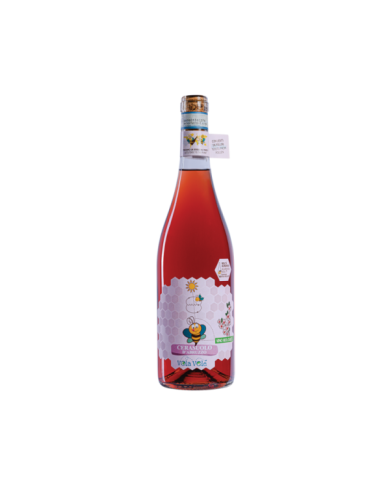
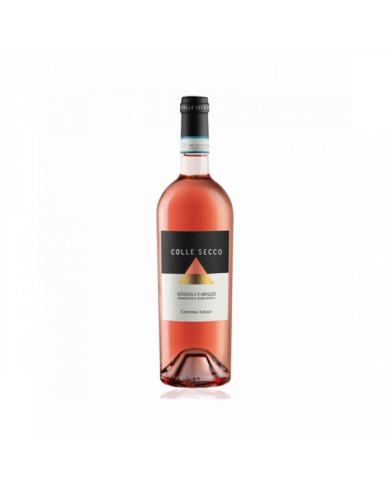
VIEW Intense and bright cherry pink color. SMELL Fragrances of raspberries, pomegranates and balsamic tones. Clear sapidity and tannic sensation demonstrating the great vitality of the wine. TASTE Impetuous gustatory attack with fruity and floral notes linked to a present but well integrated tannin. The acid backbone makes it kicking and fresh.
SKU:
3921
Brand:
Amorotti
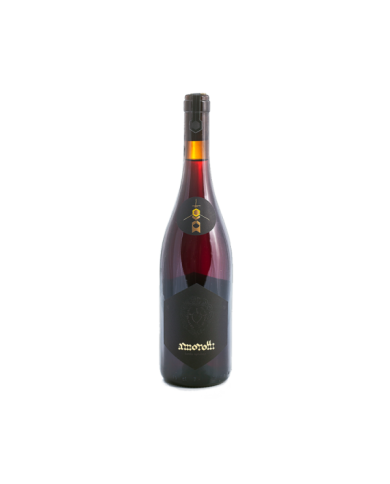
It impresses with its vivid and bright color. The nose is expressed on notes of cherry, wild strawberry, raspberry and undergrowth. Intense aromas far from the normal and conventional Cerasuolo. In the mouth it is expressive and satisfying with a taste all played on the fruit. Alcoholic content: 13% vol.
€31.90
€15.37
SKU:
3878
Brand:
Collefrisio
€10.42
€9.38
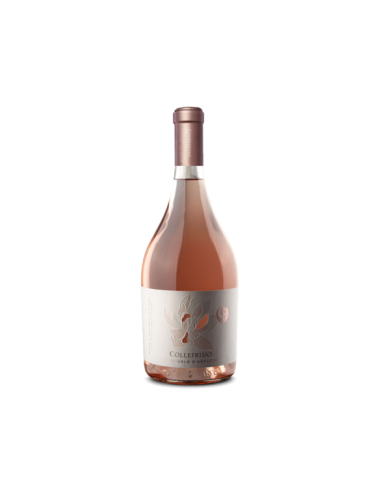
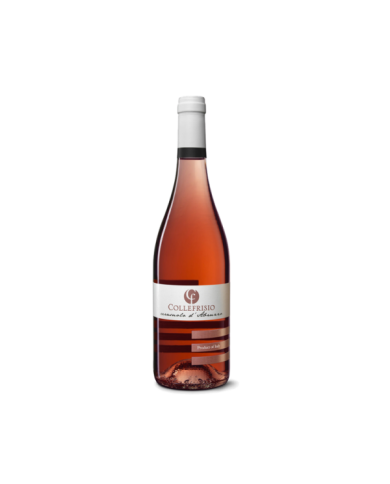
Grapes: Montepulciano d'Abruzzo DOC Year: 2020 Alcohol content: 13% - Format: 75cl Refinement: steel Tasting: Cherry pink color. Fruity and floral scent. Fresh and balanced taste Accompaniments: aperitifs, fish appetizers, cold cuts, medium-aged cheeses
€10.42
€9.38
SKU:
3832
Brand:
Dora Sarchese
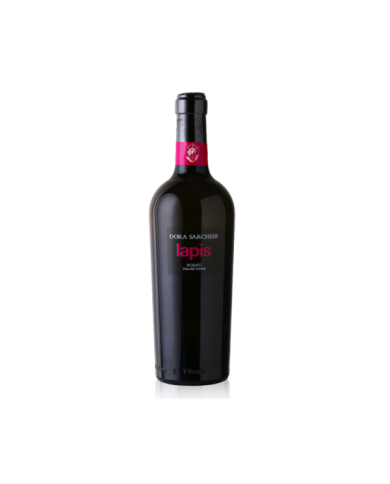
24 Strawberry red in color with light purple reflections, a fruity and floral scent reminiscent of flowers and red berries, intense and persistent. Fresh and lively taste, soft, rightly balanced.
€14.64
SKU:
3830
Brand:
Dora Sarchese
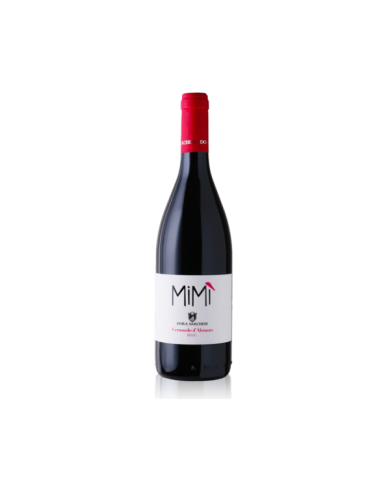
Cerasuolo d'Abruzzo Doc Dora Sarchese is part of the Mimì line. The latest creation dedicated to Domenico D'Auria, patriarch of the Dora Sarchese winery who passed away in 2002. Mimì is a range that speaks of territorial identity and simplicity, which can also be found in the packaging. Minimalist label inspired by a significant reflection: "Your steps with your passion, with your hands in the earth, with your heart in the vineyard, with my father ... with Mimì".
And this Cerasuolo is a tribute to man and the territory.
€7.50
SKU:
3800
Brand:
Menicucci
€12.00
€10.80
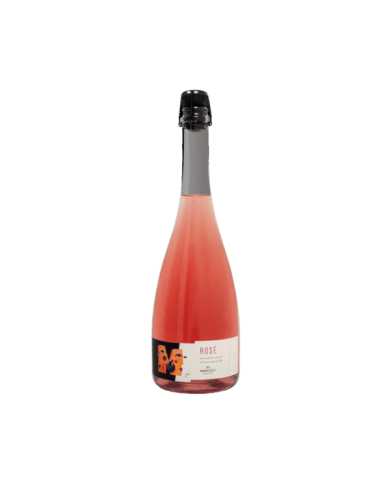
M Rosè, 100% Montepulciano, is a pale pink sparkling wine with a fine and persistent perlage. The smell of violet, wild strawberry and currant are intense. On the palate it is fresh, with good flavor and pleasantly soft. It is the glass of sparkling wine suitable for appetizers, first courses based on fish or white meats. It goes well with raw seafood, sushi and fried seafood. Try it with Parma or San Daniele ham.
€12.00
€10.80
SKU:
3738
Brand:
Cantina Tollo
IN ABRUZZO, ROSATO IS SYNONYMOUS WITH CERASUOLO: A TYPICAL INTENSELY FRUITY WINE, WITH A LIVELY AND BRILLIANT PINK COLOR, OBTAINED FROM THE VINIFICATION OF MONTEPULCIANO GRAPES WITH OFF-SKIN FERMENTATION.
SKU:
3724
Brand:
Cantina Tollo
Every occasion is good to toast with sincere taste.
Pairings
appetizers, savory first courses of meat or fish, second courses of fish, roasted white meats, fresh or semi-aged cheeses.
€8.78
SKU:
3692
Brand:
Cantina Tollo
IN ABRUZZO, ROSATO IS SYNONYMOUS WITH CERASUOLO: A TYPICAL INTENSELY FRUITY WINE, WITH A LIVELY AND BRILLIANT PINK COLOR, OBTAINED FROM THE VINIFICATION OF MONTEPULCIANO GRAPES WITH OFF-SKIN FERMENTATION.
SKU:
3671
Brand:
Cantina Tollo
A MEDIUM-BODY CERASUOLO WITH A VELVETY FINISH, WITH CHARACTERISTIC HINTS OF CHERRY AND FLOWERS
SKU:
3599
Brand:
Nestore Bosco
€43.80
€39.42
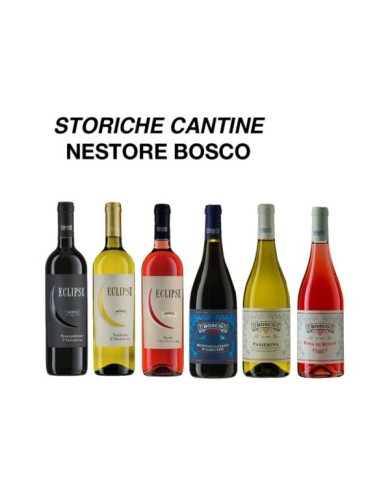
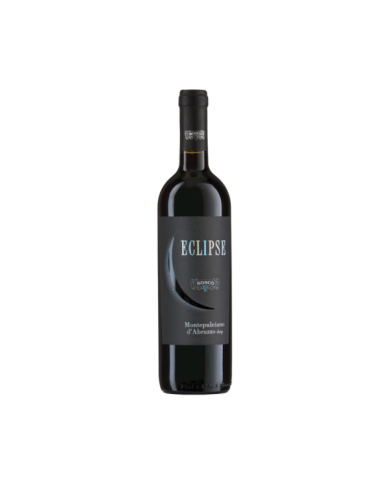
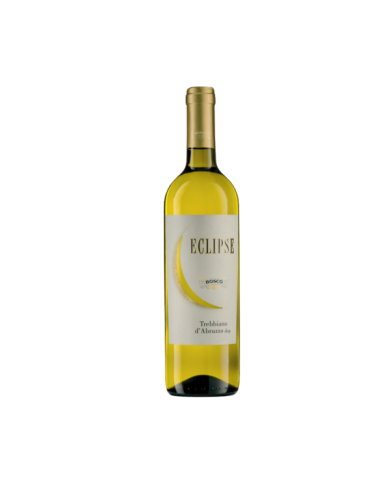
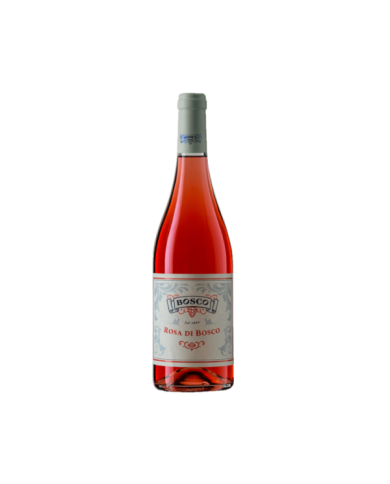
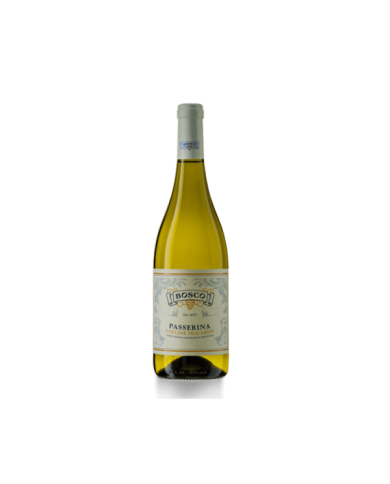
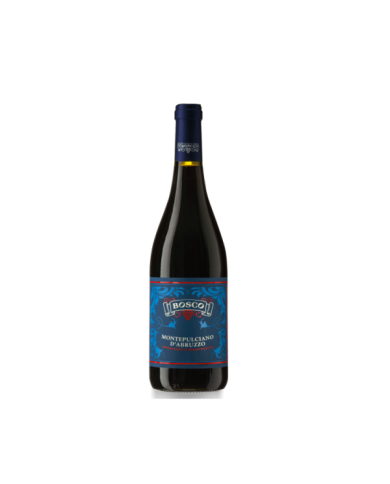
Tasting of 6 wines from the historic Nestore Bosco Abruzzo winery selected for you!
SKU:
3569
Brand:
Cantina Tollo
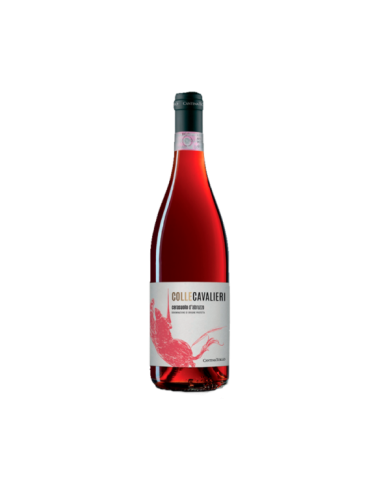
Every occasion is good to toast with the sincere taste of Colle Cavalieri!
Pairings
appetizers, savory first courses of meat or fish, second courses of fish, roasted white meats, fresh or semi-aged cheeses.
€6.72
SKU:
3561
Brand:
Cantina Tollo
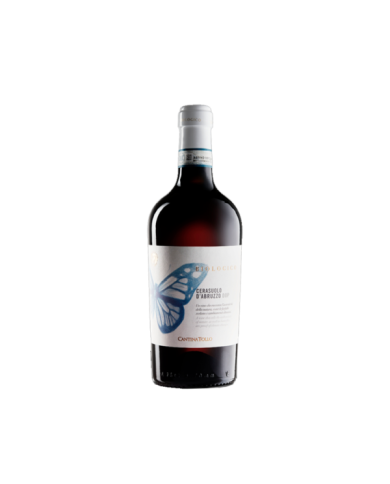
A wine that tells the authenticity of nature, just as butterflies are proof of climate change.
Pairings
First courses of meat or fish, second courses of fish, roasted white meats, fresh or semi-aged cheeses
€7.90
€5.14
SKU:
3555
Brand:
Cantina Tollo
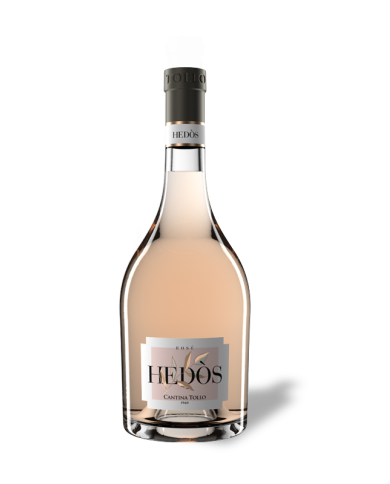
With its strong personality, Hedòs affirms Cerasuolo as the absolute protagonist.
Pairings
Excellent with Adriatic fish soup, tripe, pizza, roasted white meats and semi-aged cheeses.
€12.42
€8.78
SKU:
3455
Brand:
Fantini Farnese
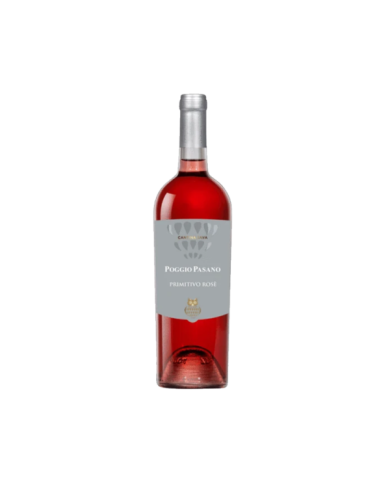
Poggio Pasano Primitivo Rosé 2018 is produced in the beautiful Salento area of Puglia, famous for Primitivo wines.
€9.74
SKU:
3356
Brand:
Fantini Farnese
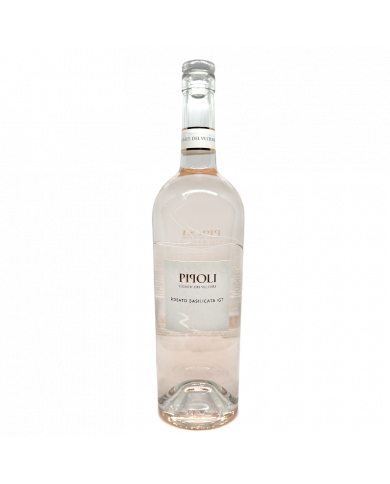
Production area: Acerenza, Basilicata. Grapes and Vinification: Aglianico del Vulture. Aging in steel on its own noble lees. Color and Pairing: Rosé, ideal for fish, white meats and cheeses.
SKU:
3338
Brand:
Fantini Farnese
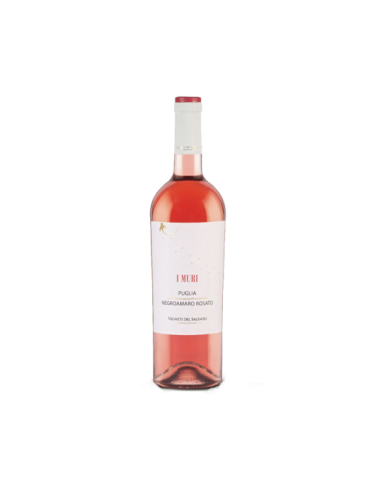
Production area: Salento, Puglia. Grapes and Vinification: Negroamaro. Aging in steel on its own noble lees. Color and Pairing: Rosé, excellent with fish and young cheeses.
€9.48
SKU:
3299
Brand:
Fantini Farnese
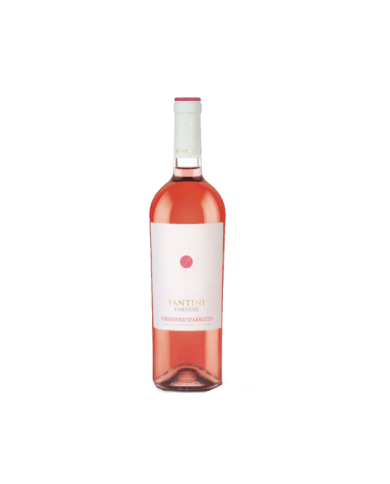
Production Area: Ortona, Abruzzo. Grape variety and Vinification: Montepulciano. Soft crushing, juice briefly macerated with skins (approx. 6 hours of contact), fermentation without skins for 15 days at a temperature of 12°C to obtain excellent colour and flavour. Colour and Pairing: Rosé, excellent with all fish dishes.
€9.22
SKU:
3238
Brand:
Il Feuduccio
€10.60
€9.54
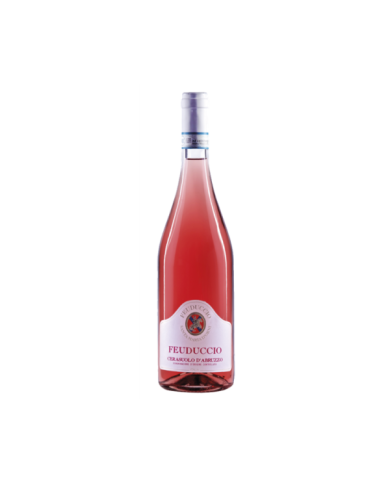
The quality of Cerasuolo Il Feuduccio reveals the ancient wine vocation of our splendid hilly area, which extends from the slopes of Mount Majella to the Adriatic Sea. Fermented in steel after a short maceration of the skins, with a bright cherry red color, it is a fresh and well structured, harmonious wine.
€10.60
€9.54
SKU:
2725
Brand:
Cantina Marchesi Antinori
Pale and luminous rosé color, it smells of jasmine and rose petals, strawberry juice and aromatic herbs, all wrapped in a soft mineral vein. The taste is consistent, fresh and moderately savory, with a pleasant fruity finish. Perfect as an aperitif, it goes well with dishes based on fish and shellfish, with vegetables au gratin, with delicate white meats and fresh cheeses.
SKU:
2690
Brand:
Cantina Marchesi Antinori
Calafuria is a fresh and floral Apulian rosé wine based on Negroamaro, with pleasant and characteristic perfumes and aromas. On the nose this Apulian Magnum recalls fruit, flowers and aromatic herbs. On the palate it is soft, fresh and very pleasant, elegant and balanced
€32.28
SKU:
2658
Brand:
Cantina Marchesi Antinori
ANTINORI - SPECIAL 2 BT BOX CONTENTS: 1 X CONTESSA MAGGI 2007 1 X FRANCIACORTA ROSÉ great for a gift idea!
€84.90
Pairings for rosé wines
Rosé is a very versatile wine, suitable for a wide variety of food pairings. Thanks to its freshness, it lends itself to both informal pairings, such as cheese, pizza, fried foods, and mushrooms, as well as more complex dishes, such as fish.
The best Italian rosé wine
In recent years, rosé wine production in Italy has grown exponentially, producing truly excellent wines that are worth tasting. Rosé originated in Southern Italy, but is now produced throughout the country. Italian rosé wines boast a long tradition; they are fresh and fragrant wines that pair beautifully with the many traditional dishes of our country. Visit the Clickwine rosé wine section to find the best online deals on DOC rosé wines produced by Italy's most prestigious wineries. With our exceptional online sales, you can bring traditional Italian rosé wines to your table, with incredible savings on the list price. Don't miss the opportunity to enrich your personal cellar with a high-quality rosé wine, a unique opportunity to make evenings spent with friends and family even more perfect.
Why is rosé wine pink?
There's a lot of talk about rosé wine. Many believe it's made by blending white and red wines (a practice prohibited by law), and this hasn't helped its reputation.
The color intensity of rosé wine and its aromas are essentially determined by the maceration on the skins of the red grapes used to produce these wines. But what are the colors of rosé wine? Rosé wine can range from pale pink, cherry red, to claret pink. To obtain a pale pink, maceration is required for very few hours, from 2 to 4, while for a cherry red the time can be up to 7-10 hours. For a very bright claret pink, maceration time can be up to 24 hours.
What are the best rosé wines?
Rosé wines can vary greatly in quality, depending on the production region, the grape variety used, and the winemaking techniques. Some highly regarded rosé wines come from France, particularly the Provence region, which produces light, fresh wines with red berry aromas and crisp acidity. Other high-quality rosé wines are produced in Italy, particularly Tuscany and Puglia, and in Spain, which produce more structured wines with greater aromatic complexity. Other regions renowned for their rosé wines include California, Portugal, and Australia.
It's important to note that the quality of a rosé wine depends on production techniques, climate conditions, and the grapes used. Therefore, it's difficult to make a list of the absolute best rosé wines, as it depends on individual tastes and preferences. However, some highly regarded rosé wines are:
- Château d'Esclans Whispering Angel (Provence, France)
- Domaine Tempier Bandol (Provence, France)
- Biserno Insoglio del Cinghiale Estate (Tuscany, Italy)
- Le Pupille Saffredi Farm (Tuscany, Italy)
- Quinta do Crasto Rosé (Douro, Portugal)
- Sandhi Santa Barbara County Rosé (California, USA)
- Penfolds Koonunga Hill Rosé (Barossa Valley, Australia)
It's recommended to try several rosé wines to discover which one you prefer, keeping in mind that some rosé wines are better enjoyed on their own, while others pair better with certain dishes. Generally speaking, rosé wines are ideal for summer, as they're fresh and light, but they can be enjoyed any time of year, depending on your personal taste.
What do you eat with rosé wine?
Rosé wine is a very versatile wine that pairs well with a wide range of dishes. Because it has a slightly lower alcohol content than red wines and a slightly lighter structure, it is particularly suited to accompany light, fresh dishes, such as fish, white meat, and vegetables. Here are some ideas for pairing rosé wine with food:
- Fish: Rosé wine pairs well with light fish such as salmon, tuna, and sea bass, but also with oily fish such as mackerel and squid.
- White meat: Rosé wine is perfect to accompany white meat such as chicken, turkey, and rabbit.
- Vegetables: Rosé wine pairs well with grilled vegetables, especially red berries like tomatoes and eggplant.
- Cheeses: Rosé wine pairs well with light cheeses such as Brie, Camembert, and Roquefort.
- Salads: Rosé wine is perfect for accompanying summer salads, especially when dressed with an emulsion of olive oil and balsamic vinegar.
Rosé wine can also be enjoyed on its own as an aperitif or as an accompaniment to a light meal. In general, it's important to pair rosé wine with light, not overly flavorful foods to prevent the wine from being overpowered by the food's flavors. It's recommended to taste the wine before deciding on a pairing, so you can choose the dish that best complements its aromatic profile and balance.