Italiano
 Deutsch


There are no more items in your cart
SKU:
2289
Brand:
Speranza
€9.56
€6.70
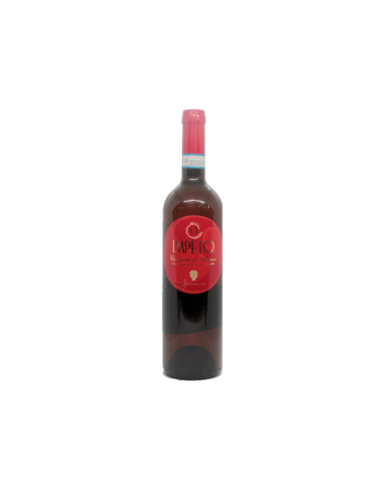
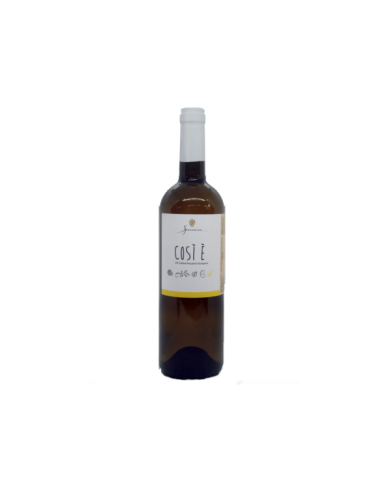
Cerasuolo d'Abruzzo has a bright cherry pink color . The nose shows elegant aromas of fresh red fruit and a fine floral note . It has a pleasant, fresh flavor, with a good aromatic persistence . It goes well with fish soups, grilled fish, roasted white meats and medium-aged cheeses.
€9.56
€6.70
SKU:
2287
Brand:
Speranza
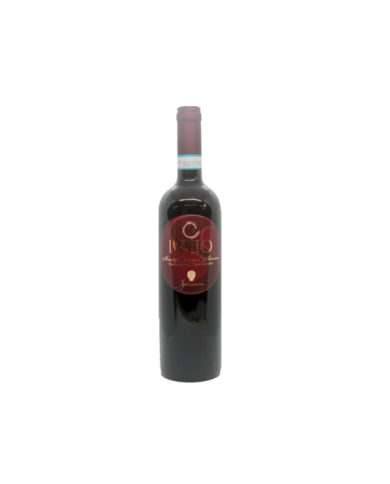
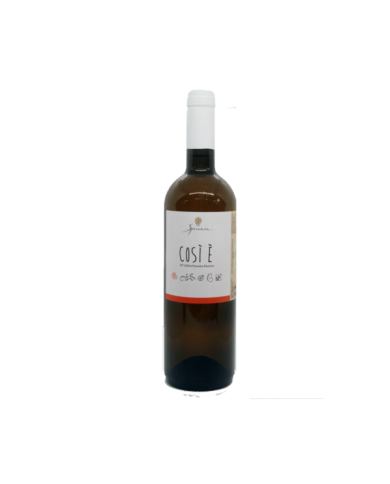
The wines of the Speranza company and in particular the "Montepulciano d'Abruzzo" , are characterized by the right sugar and alcohol content and by a good fixed acidity, which helps to enhance the aromas and maintain them over time. The Speranza winery produces about 2700 bottles of the "Montepulciano d'Abruzzo" wine, testifying to the importance that this wine has in the context of the company's production.
€13.85
SKU:
2285
Brand:
Speranza
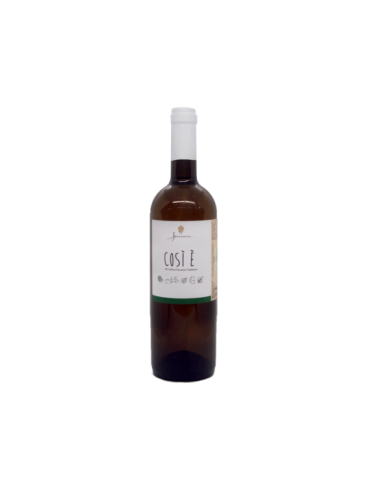
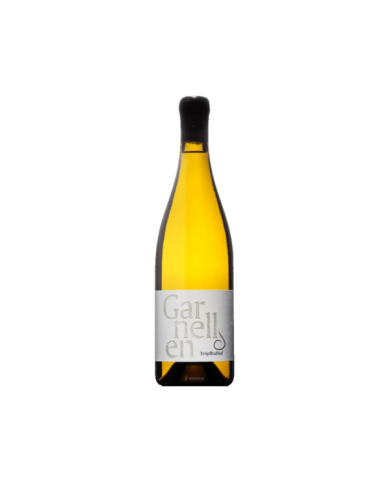
Golden yellow in color, it arrives fruity and floral on the nose, immediately enriched by mineral scents. Warm and fresh on the palate.
€11.53
SKU:
2280
Brand:
Speranza
Straw yellow color with golden reflections, with a nose that ranges from fruity to floral scents, accompanied in the mouth by a full and fresh sip, with a medium-structured body.
SKU:
2262
Brand:
Speranza
Golden yellow color, with fruity and floral aromas where mimosa stands out, bursts with a fresh and savory sip.
€8.72
€6.54
SKU:
1260
Brand:
N/A
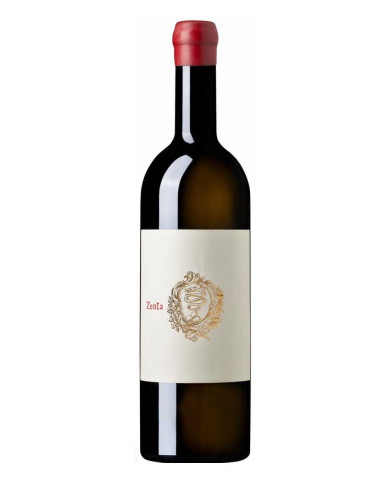
Of a beautiful intense straw yellow with golden reflections, the wine develops a fascinating and articulated bouquet. Notes of yellow flowers, cedar, ginger, apricot, aromatic herbs and white pepper as well as balsamic and mineral hints follow one another and intertwine giving a long progression in the glass. On the palate it is persistent, full-bodied, juicy: fruits, herbs and spices return, expressing themselves with intensity and finding balance thanks to a marked sapidity, a right freshness and a sweet final astringency given by a silky and delicate tannic texture.
Taste the Authenticity of Natural Wines!
Natural wines are an increasingly popular choice among consumers, offering a unique and authentic tasting experience. If you're looking to learn more about natural wines and how to try them, you've come to the right place. In this article, we'll explore what natural wines are, how they're made, and how to best enjoy them.
What is a Natural Wine?
A natural wine is one produced without the use of additives, pesticides, or other chemicals. Natural wines are made only with grapes, water, and yeast, and are crafted to preserve the grape's natural flavor as much as possible. They are also generally produced in small quantities, meaning each bottle of natural wine is unique and offers a unique tasting experience.
How Are Natural Wines Made?
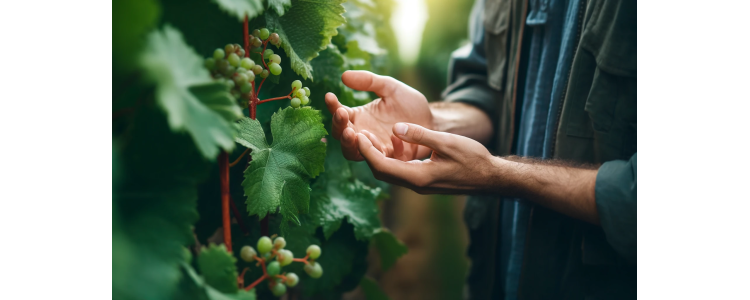
Natural wines are made using grapes, water, and yeast. The production process is very different from that used to make conventional wines. The first thing to know is that natural winemakers don't use additives, pesticides, or other chemicals. Instead, they strive to work with the grapes in a way that best preserves their natural flavor, carefully selecting their vineyards and caring for the vines.
Once the grapes are harvested, they are macerated for 12-14 days at a controlled temperature. This allows for greater extraction of aromas and flavors, giving the wine its rich complexity. The wine is then fermented in wooden barrels or concrete vats. This fermentation process is slow and can last from two to six months. Fermentation in wooden barrels gives the wine added complexity, while fermentation in concrete vats gives it greater freshness.
How to Enjoy a Natural Wine?
Savoring a natural wine is a unique experience that offers a rich complexity of aromas and flavors. To fully savor a natural wine, it's important to properly prepare the glass. The glass should be rinsed with warm water and dried with a soft cloth to remove any chemical residue. Then, the glass should be filled halfway with wine to ensure proper aeration.
Once ready, take a sip of wine and savor it slowly. Savor the color, aroma, flavor, and texture of the wine. Try to capture all the aromas and flavors of the grape, such as fruit, grass, hay, chocolate, and so on. Also savor the complexity of the wine, noticing how the aromas and flavors evolve over time.
Conclusion
Natural wines are an excellent choice for those seeking an authentic and unique tasting experience. They are produced without the use of additives, pesticides, or other chemicals, and are crafted to best preserve the natural flavor of the grapes. As we've seen, natural wines are made with grapes, water, and yeast, and are fermented slowly. To fully savor a natural wine, it's important to properly prepare your glass and taste slowly, trying to capture all the aromas and flavors, and savoring the wine's complexity. If you're looking for an authentic and unique tasting experience, try a natural wine!
Related posts