

 Italiano
 Deutsch






There are no more items in your cart
SKU:
18642
Brand:
Piandimare
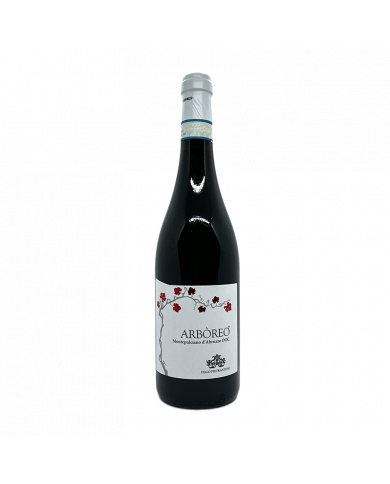
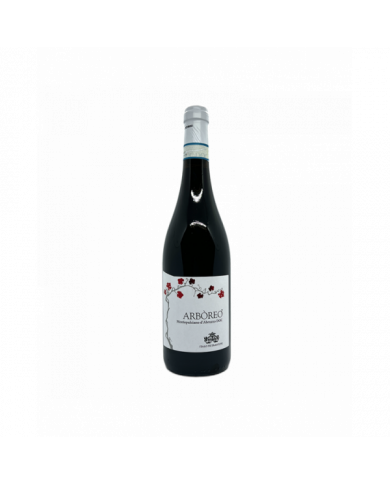
Here we are at the second wine in the Oltremare line, created with the aim of offering the young public an immediate and pleasant product. Actually, apart from the commercial motivation, I would say that if a wine is good we can all appreciate it, indiscriminately. The Rosato 2020 has already shown that the approach is the right one, and the fact of also proposing the red version of Montepulciano d'Abruzzo vinified and matured only in steel confirms the desire to give these two wines a very precise style, played on captivating aromas, moderate alcohol content and a balanced energy to the taste. They say that the colour also plays its part, here a beautiful bright and deep ruby, while the range of aromas offers notes of rose, strawberry, cherry, blackberry, blueberry and a subtle hint of blood orange. The taste shows all the expressive thrust of Montepulciano, with a freshness comparable to that of a white wine, the fruitiness is full and enriched by nuances of cocoa and liquorice, the tannin has that slight bite that serves to remind us that it is not a 'little wine', that it does not last a year and that at the table it can also hold up to dishes of a certain structure and fatness.
€3.97
SKU:
5267
Brand:
Marchesi de Cordano
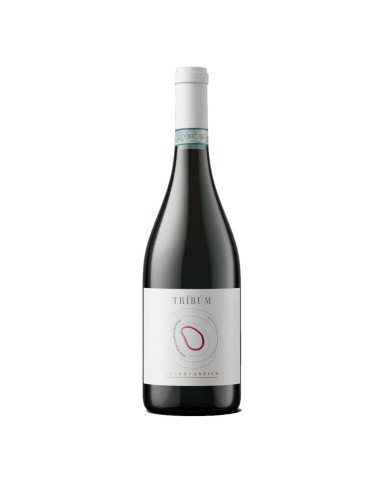
Golden yellow in color. The nose is elegant, intense and quite complex. Fruity and oral, herbaceous. On the palate it is fresh with the right flavor. Balanced and intense. The bouquet is reminiscent of orange blossom, jasmine, yellow peach, pineapple and a hint of candied citrus and notes of dry pastic ceria. Vinification : Manual harvesting of grapes in small boxes. Cold pressing in an inert environment, static decantation of the must with controlled fermentation. Anament in terracotta amphorae for 12 months. The cococciola is a grape that allows to obtain a wine of structure and longevity. The amphora does not yield any aroma, enhances the varietals of the grapes used and allows, thanks to the porosity of the clay, a good micro-genesis.
€13.97
SKU:
21430
Brand:
Torre Raone
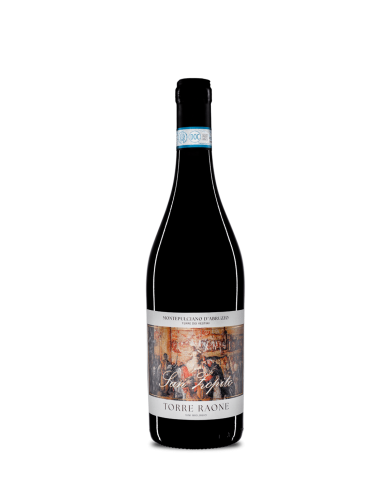
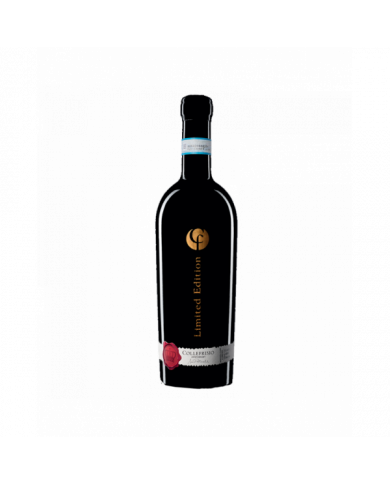
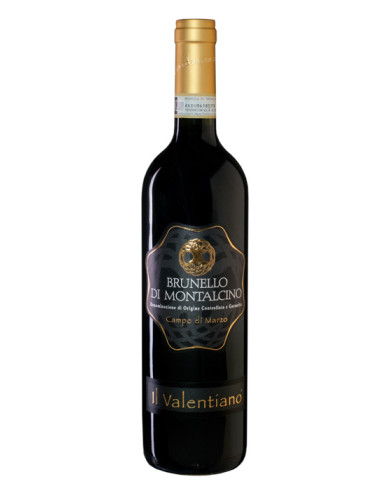
Deep garnet red color, intense and consistent in the glass. Wild black cherry, plums, blackberries and ripe currants: the nose opens on clear fruity notes, and then also perceives floral nuances of violet, as well as clear tertiary references of vanilla, chocolate, cinnamon, pepper and licorice. Balsamic nuances and officinal herbs complete the olfactory picture. The tannins on the palate are sculpted with chisel, the sip is warm and soft, with excellent persistence.
It goes very well with red meat. Try it with the tagliata with balsamic vinegar.
€29.38
SKU:
18586
Brand:
Piandimare
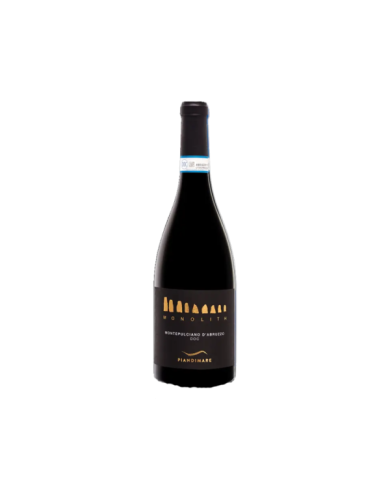
The label was dedicated to the Necropolis of Fossa and its Monoliths in fact. A dedication to the territory, to remember the historicity and the importance it has always had in history. Grapes Montepulciano d'Abruzzo . Long fermentation on the skins with temperatures that can reach up to 30 ° C. Racking and maturation of 12 months in steel, 12 in barrel and 6 in bottle. Intense color with vibrant ruby variations. Acidity that pushes the juicy fruit on the palate, dragging sweet aromas of vanilla, tobacco and licorice into the final mouth. A statuesque certainty.
€11.80
SKU:
18585
Brand:
Piandimare
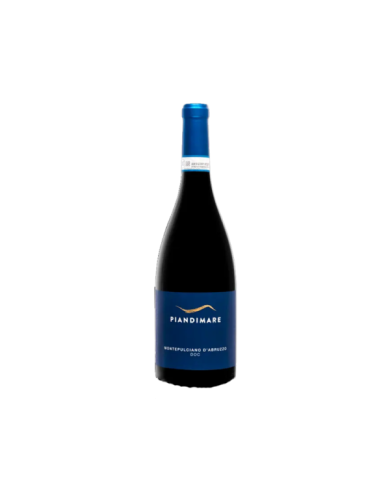
Blue like the sea that helps us in summer and winter with its climate mitigation action. And it is precisely to the sea that our label is dedicated, as a symbol of the importance that this has in the ripening cycle of Montepulciano d'Abruzzo grapes. Long fermentation on the skins. Racking and aging for at least 9 months in steel and 6 months in the bottle. A straightforward wine that does not compromise, proposing the quality and care placed in the vineyard. The varietal aromas of Montepulciano are all there, long and complex. A daily pleasure.
SKU:
18582
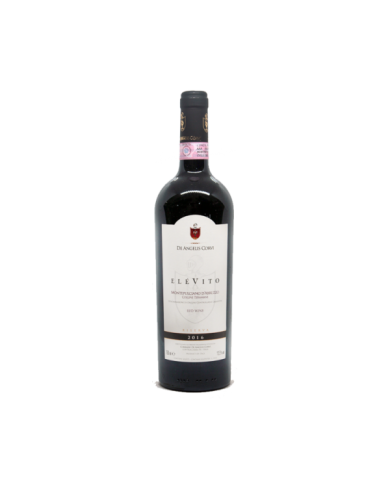
Brand:
De Angelis Corvi
Elevito is a precious nectar. Top wine from the De Angelis Corvi winery. Bottled in limited quantities and only in the best years. Extremely powerful, extremely balanced, with all the wild strength of Montepulciano d'Abruzzo.
€25.38
SKU:
18481
Brand:
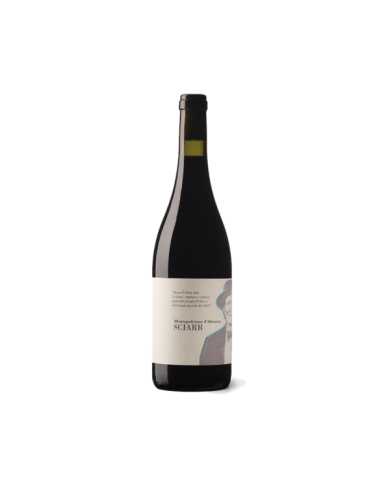
D'Alesio Sciarr
The grapes have a strong anthocyanin charge, good acidity and a good sugar content. The vine has this name because the Tuscan wool merchants recognized a resemblance to their grapes and thought it was a mutation of Sangiovese.
€11.90
SKU:
18475
Brand:
D'Alesio Sciarr
The grapes have a strong anthocyanin charge, good acidity and a good sugar content. The vine has this name because the Tuscan wool merchants recognized a resemblance to their grapes and thought it was a mutation of Sangiovese.
€12.81
€47.82
€7.60
€8.91
€5.23