

 Italiano
 Deutsch










There are no more items in your cart
€61.10
SKU:
20652
Brand:
Valter Bera
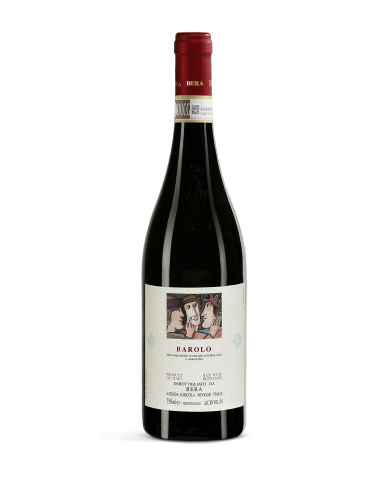
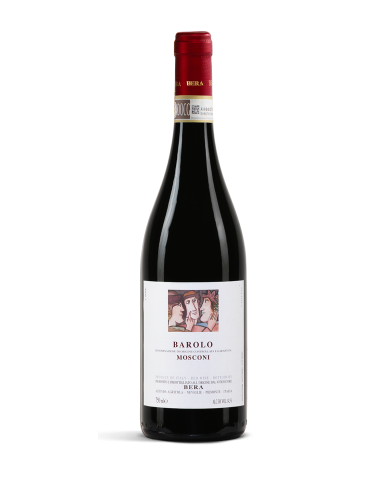
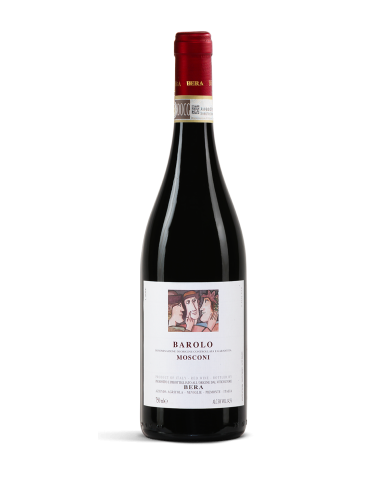
Elegante e robusto, austero e di grande nobiltà, questo vino ottenuto da uve Nebbiolo coltivate nel comune di Castiglione Falletto, esibisce un colore rosso granato brillante con riflessi più caldi con il trascorrere del tempo. Nel bicchiere sprigiona profumi eterei e speziati, molto persistenti, con note leggere di vaniglia , cacao, caffè, liquirizia e sentori di tartufo. Sapore asciutto e pieno ben equilibrato.
€188.99
SKU:
20651
Brand:
Valter Bera
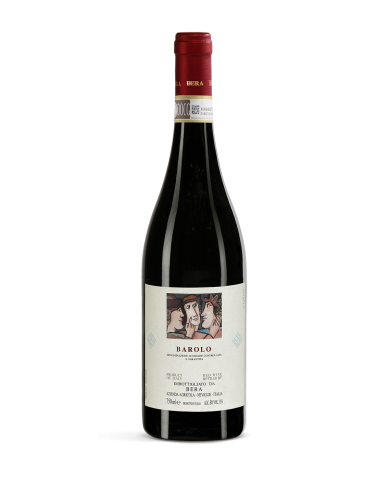
Elegante e robusto, austero e di grande nobiltà, questo vino ottenuto da uve Nebbiolo coltivate nel comune di Castiglione Falletto, esibisce un colore rosso granato brillante con riflessi più caldi con il trascorrere del tempo. Nel bicchiere sprigiona profumi eterei e speziati, molto persistenti, con note leggere di vaniglia , cacao, caffè, liquirizia e sentori di tartufo. Sapore asciutto e pieno ben equilibrato.
€91.00
SKU:
20650
Brand:
Valter Bera
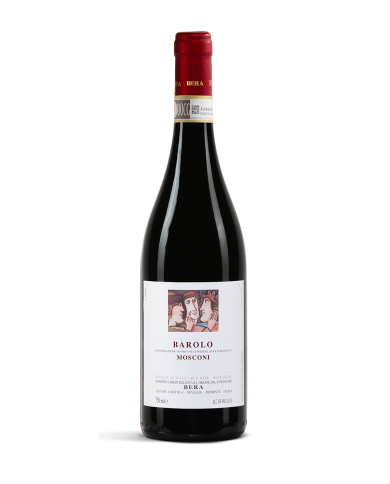
Elegante e robusto, austero e di grande nobiltà, questo vino ottenuto da uve Nebbiolo coltivate nel comune di Castiglione Falletto, esibisce un colore rosso granato brillante con riflessi più caldi con il trascorrere del tempo. Nel bicchiere sprigiona profumi eterei e speziati, molto persistenti, con note leggere di vaniglia , cacao, caffè, liquirizia e sentori di tartufo. Sapore asciutto e pieno ben equilibrato.
€42.02
SKU:
20649
Brand:
Valter Bera
"Frizzante, granato scuro con bordo chiaro. Naso molto fragrante di lampone selvatico, ciliegia scura, prugna, chiodi di garofano e un po' di cannella. Pieno e sostanzioso al palato, si apre con un sacco di tannini corposi e grippanti, un bel nucleo fondente, di lampone e tabacco, lungo finale."
€238.00
SKU:
20648
Brand:
Valter Bera
"Frizzante, granato scuro con bordo chiaro. Naso molto fragrante di lampone selvatico, ciliegia scura, prugna, chiodi di garofano e un po' di cannella. Pieno e sostanzioso al palato, si apre con un sacco di tannini corposi e grippanti, un bel nucleo fondente, di lampone e tabacco, lungo finale."
€112.00
SKU:
20647
Brand:
Valter Bera
"Frizzante, granato scuro con bordo chiaro. Naso molto fragrante di lampone selvatico, ciliegia scura, prugna, chiodi di garofano e un po' di cannella. Pieno e sostanzioso al palato, si apre con un sacco di tannini corposi e grippanti, un bel nucleo fondente, di lampone e tabacco, lungo finale."
€55.99
SKU:
20114
Brand:
Attilio Ghisolfi
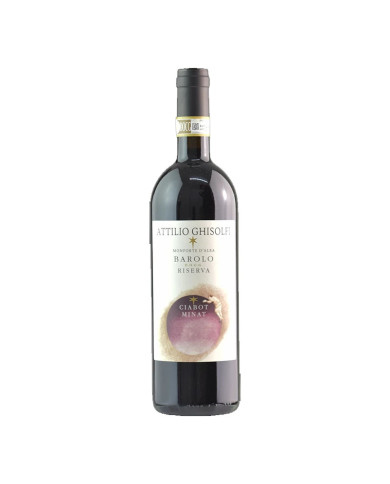
Il “Ciabot Minat” rappresenta l’eccellenza dell’azienda ed è il frutto di una scrupolosa selezione.
Per questo motivo viene prodotto solo nelle migliori annate e in numero limitato di bottiglie.
€100.63
SKU:
20112
Brand:
Attilio Ghisolfi
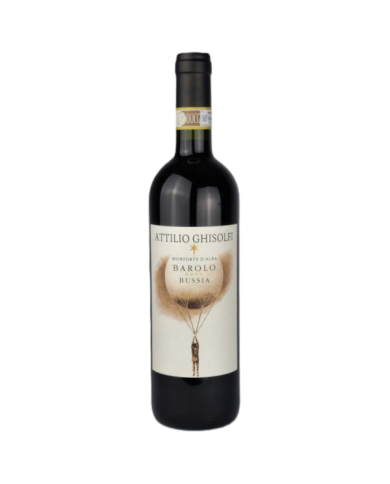
Questo vino rosso si presenta con un elegante colore rubino che sfuma verso il granato, promettendo complessità e profondità. Al naso, sprigiona un bouquet raffinato e floreale, con delicate note di ibisco rosso che si intrecciano a sentori di prugna matura e lampone fresco. Al palato, conquista con la sua struttura armoniosa e avvolgente, offrendo un'esperienza piena e bilanciata. I tannini, moderati e ben integrati, accompagnano con eleganza ogni sorso, rendendo il vino già godibile fin da giovane. Il finale è lungo e persistente, lasciando un piacevole ricordo fruttato e vellutato.
€52.70
SKU:
19840
Brand:
Bartolo Mascarello
Il Barolo 2001 di Bartolo Mascarello è un vino pregiato tra i più importanti d'Italia, un vero e proprio mito tra gli appassionati di vino. È un Barolo di stampo rigorosamente tradizionale maturato per 32 mesi in botte grande.
€635.62
SKU:
19839
Brand:
Giacomo Conterno
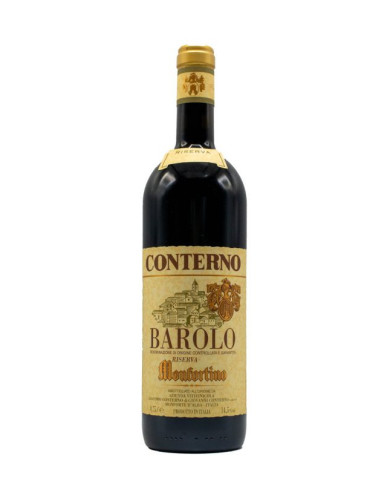
Il Barolo Riserva Monfortino 1995 è un barolo pronto per essere bevuto, ma anche in grado di rimanere ancora per molti anni nelle vostre cantine.
€1,579.90
SKU:
19838
Brand:
Poderi Aldo Conterno
Un grande classico da una grande vigna, il Barolo di Aldo Conterno proviene infatti da due diversi appezzamenti in Bussia, uno dei vigneti più importanti di Monforte d’Alba. Da qui, dopo un’attenta selezione dei grappoli, le uve vengono portate in cantina per la successiva vinificazione in acciaio dove le bucce rimangono a contatto con il mosto per quasi un mese. Dopo la svinatura ed alcuni travasi il vino viene fatto maturare per oltre due anni in botti grandi di rovere. È così che nasce un Barolo di grande riconoscibilità, austero e profondo.
€240.00
SKU:
19837
Brand:
Poderi Aldo Conterno
Il Barolo Bussia “Cicala” dei Poderi Aldo Conterno è una grande espressione di Barolo, un’interpretazione classica, antica e tradizionale. Nasce nel leggendario vigneto Cicala del cru Bussia e viene prodotto nel completo rispetto delle più antiche pratiche enologiche delle Langhe: lunga macerazione sulle bucce per ottenere una massima estrazione e lungo affinamento solo in botte grande.
€164.70
SKU:
19826
Brand:
Poderi Aldo Conterno
Al naso, piacevoli bacche rosse essiccate, fiori pressati e un po' di noce brasiliana. Di medio corpo con aromi di frutta speziata. Quest'anno i tannini sono più in secondo piano e questo conferisce al palato medio una sensazione di bocca piuttosto aperta. Finale un po' più stretto con buona frutta e spezie.
€183.00
SKU:
19825
Brand:
Elio Altare
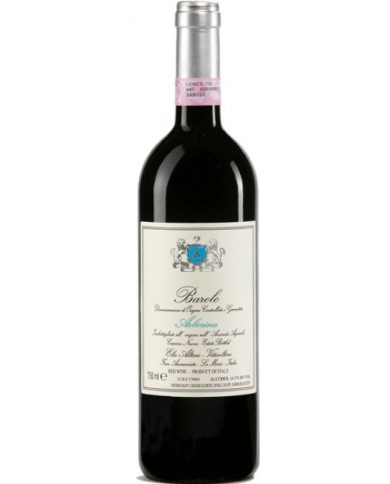
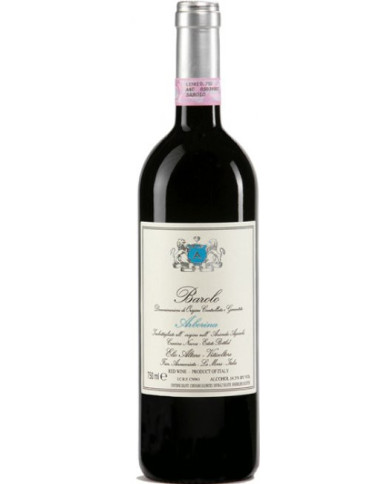
Vinificazione: macerazione sulle bucce in rotofermentatore a temperatura controllata per 4 / 5 giorni, affinamento in barrique francesi (30% nuove) per 24 mesi
Colore: rosso rubino vivo con riflessi granato
Profumo: note fruttate e floreali, petali di fiori, etereo e dolce
Sapore: elegante, femminile, tannini leggeri
SKU:
19806
Brand:
Paolo Scavino
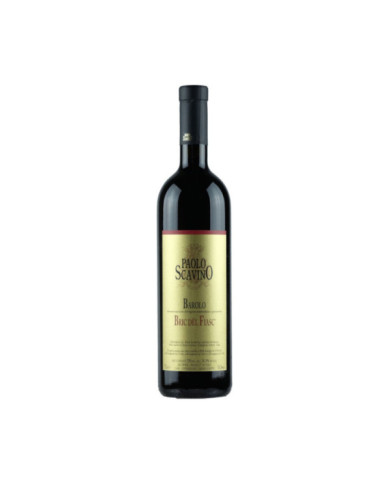
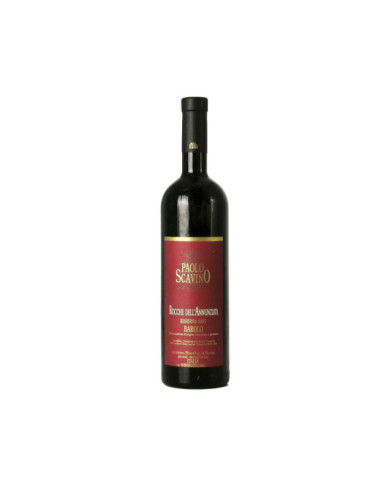
Questa cuvée è stata vinificata per la prima volta nel 1978 da Enrico Scavino e suo padre, che desideravano sfruttare appieno il potenziale della parcella da cui provengono le uve di nebbiolo di questo vino. Nei vini prodotti da nebbiolo, le peculiarità del vitigno emergono dopo qualche anno di invecchiamento. Densi e con tannini affinati, vibranti, strutturati e complessi, questi vini sono equilibrati da un’acidità caratteristica. Al palato affascinano per le note balsamiche e di frutti rossi. Sono quindi ottimi vini gastronomici, da lasciare riposare per qualche anno per una degustazione ottimale.
€163.97
SKU:
19805
Brand:
Giacomo Conterno
Calice rosso granato, di grandiosa luminosità. Il naso si esprime su un bouquet elegante di fiori rosa e bianchi, di liquirizia e tabacco, con dolci rimandi di frutti di bosco. Bocca armonica, delicata, rivela uno spessore incredibile e persistenza infinita. Finezza, rigore e precisione.
€400.16
SKU:
19783
Brand:
Paolo Scavino
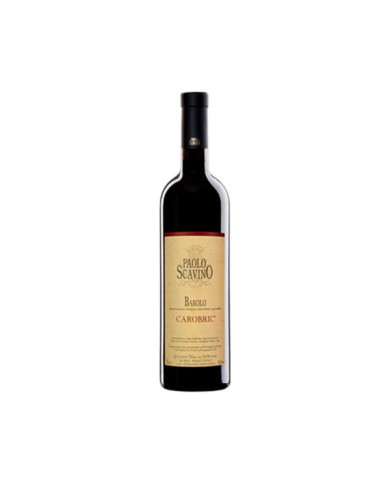
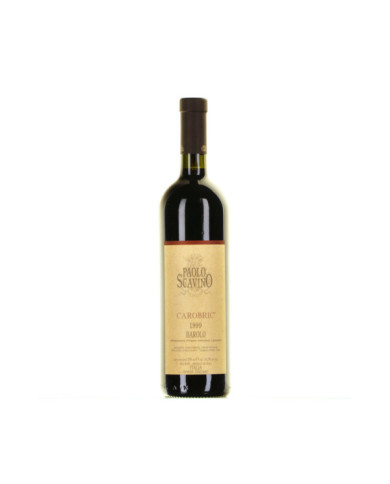
Il Barolo Carobric è un vino che nasce nel 1996 come combinazione di uve provenienti da tre diversi cru della zona di coltivazione del Barolo. Grazie ad un attento lavoro in vigna è un vino di assoluta eleganza e complessità, preciso e intenso.
€119.56
SKU:
19782
Brand:
Paolo Scavino
Il Barolo Carobric è un vino che nasce nel 1996 come combinazione di uve provenienti da tre diversi cru della zona di coltivazione del Barolo. Grazie ad un attento lavoro in vigna è un vino di assoluta eleganza e complessità, preciso e intenso.
€162.00
SKU:
19781
Brand:
Paolo Scavino
Storica cantina di Castiglione Falletto, l’azienda vitivinicola “Paolo Scavino” è stata fondata nel 1921, da Lorenzo Scavino e dal figlio Paolo.
€229.99
SKU:
19780
Brand:
Elio Altare
Denominazione: Barolo docg
Vitigno: Nebbiolo
Zona di produzione: La Morra
SKU:
19594
Brand:
Bartolo Mascarello
Il Barolo di Bartolo Mascarello è un monumento enologico del Piemonte, un indiscutibile punto di riferimento. Si tratta di un Barolo tradizionale di altissimo livello, maturato per 32 mesi in botte grande, dal fascino antico e dalla personalità ricca, robusta, intensa e complessa, in grado di incarnare magistralmente la memoria storica del territorio
€958.01
SKU:
19532
Brand:
Bartolo Mascarello
Il Barolo di Bartolo Mascarello è un monumento enologico del Piemonte, un indiscutibile punto di riferimento. Si tratta di un Barolo tradizionale di altissimo livello, maturato per 32 mesi in botte grande, dal fascino antico e dalla personalità ricca, robusta, intensa e complessa, in grado di incarnare magistralmente la memoria storica del territorio
€958.01
SKU:
19513
Brand:
Poderi Aldo Conterno
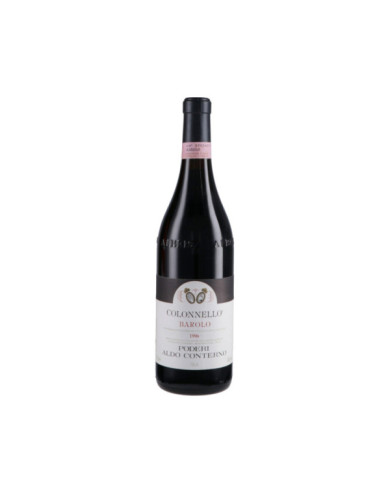
Barolo Bussia "Colonnello" del noto produttore di Barolo Poderi Aldo Conterno a Monforte d'Alba, nel cuore della zona vinicola del Barolo in Piemonte. Un Barolo Cru molto pregiato. Le viti di Nebbiolo di 40-45 anni crescono nel vigneto “Colonnello” a Bussia dal terreno argilloso-calcareo sabbioso. È un vino dal colore rubino granato, dal profumo con aromi di fiori secchi, fragole secche, lavanda e nocciole. Il gusto è corposo con tannini robusti e un finale speziato, succoso e persistente. Un buonissimo vino per occasioni speciali.
€220.00
Barolo Denomination: A Treasure of Piedmont The Piedmontese Red Wine of Excellence
Discover the Barolo denomination, the Piedmontese red wine par excellence. Read more about this Italian delicacy with its unmistakable flavor and strong character.
Barolo is one of the most well-known and appreciated Italian wines in the world, but few know that its official designation is "Denominazione di Origine Controllata e Garantita Barolo," often abbreviated to DOCG Barolo. This wine is produced in the hilly area of Piedmont, south of Turin, and is considered the king of red wines. Thanks to its unique composition, Barolo is distinguished by its intense, full-bodied flavor and garnet red color.
Characteristics of the Barolo denomination
The production of the Barolo denomination
Barolo wine is produced primarily from Nebbiolo grapes, hand-harvested between September and October. After harvest, the grapes are carefully selected and processed following a series of very precise steps, including fermentation, maceration, and aging in wooden barrels for at least three years. These processes are essential to giving Barolo its unique and unmistakable flavor.
Organoleptic characteristics of Barolo
It features an intense garnet red color with orange highlights. On the nose, it offers a fruity and floral aroma, with hints of rose, violet, cherry, and plum. On the palate, Barolo is distinguished by its full, tannic, and persistent flavor, with notes of spice, licorice, and chocolate. The aftertaste is long and pleasant.
The production areas of the Barolo denomination
The Barolo area The Barolo area
It is located in the Langhe, in the province of Cuneo, and comprises eleven municipalities: Barolo, La Morra, Castiglione Falletto, Monforte d'Alba, Serralunga d'Alba, Grinzane Cavour, Novello, Verduno, Cherasco, Roddi, and Diano d'Alba. This area is characterized by a continental climate with hot, dry summers and cold winters.
Other production areas In addition to the Barolo area
There are other Barolo wine-producing areas, including Barbaresco, Alba, Verduno, Cherasco, Novello, Roddi, and Diano d'Alba. All of these areas are located in Piedmont and produce high-quality wines.
How to pair Barolo
With red meat dishes Barolo
It pairs perfectly with red meat dishes such as fillet steak, braised beef, roasts, game, and aged cheeses. In general, this wine pairs well with intense, robust flavors.
With traditional Piedmontese dishes Barolo
It's the ideal wine to pair with traditional Piedmontese dishes, such as braised beef in Barolo, agnolotti with ragù, and bagna cauda. These traditional dishes pair perfectly with Barolo's strong, assertive character.
With chocolate If you love chocolate
Try pairing it with Barolo: its tannic structure and intense, full-bodied flavor create a perfect contrast with the sweetness of dark chocolate.
FAQ on the Barolo Denomination
What is the difference between Barolo and Barbaresco?
Barolo and Barbaresco are both high-quality Piedmontese wines made from Nebbiolo grapes. The main difference between the two is the production area: Barolo is produced in the Barolo region, while Barbaresco is produced in the Barbaresco region. Furthermore, Barbaresco is typically less tannic and smoother than Barolo.
What is the best vintage for Barolo?
The best vintage for Barolo depends on the climatic conditions of the production year. Generally, the vintages considered exceptional are 2010, 2008, 2006, and 2004.
What is the ideal temperature to serve Barolo?
Barolo should be served between 18 and 20 degrees Celsius. If the wine is too cold, its aromas and flavors will not express themselves to their fullest.
Barolo is one of the most famous and appreciated Italian red wines in the world, thanks to its distinctive tannic structure and intense, full-bodied flavor. Its official designation is "Barolo Controlled and Guaranteed Designation of Origin," and it is produced in the hilly region of Piedmont. Barolo pairs perfectly with red meat dishes, traditional Piedmontese dishes, and dark chocolate. Try Barolo and let yourself be won over by its unmistakable character!