

 Italiano
 Deutsch








There are no more items in your cart
SKU:
8188
Brand:
Il Feuduccio
€22.19
€18.86
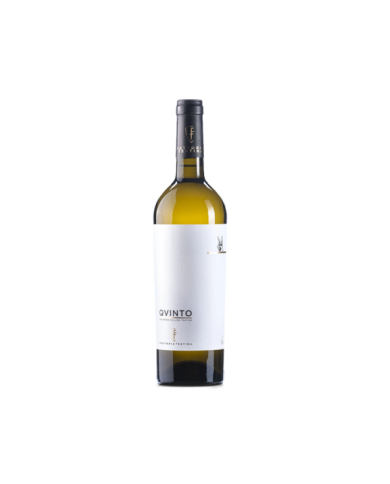
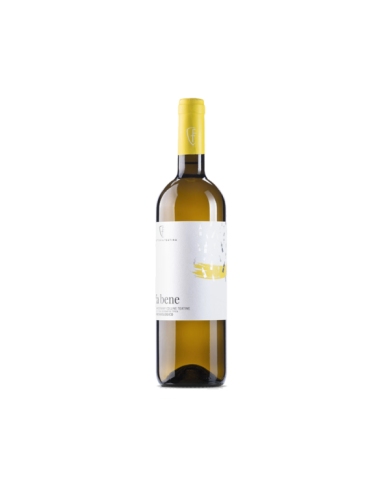
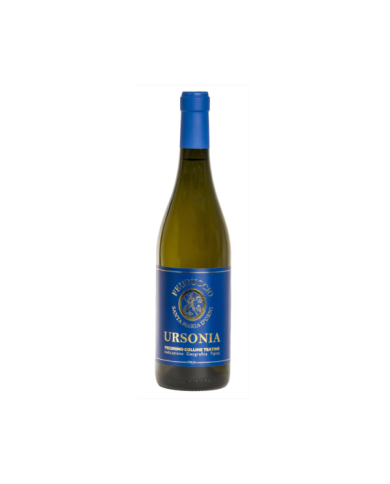
Rooted in the agricultural and pastoral civilization of Abruzzo, Pecorino is an early vine with low yields, which finds its ideal habitat in the cool and elevated hills where the vineyards of Il Feuduccio . The great personality of this white, the result of our careful clonal selection for over twenty years, allows a versatile and all-meal combination.
€22.19
€18.86
€13.93
€24.00
€7.61
€6.09
SKU:
4725
Brand:
Cantina Wilma
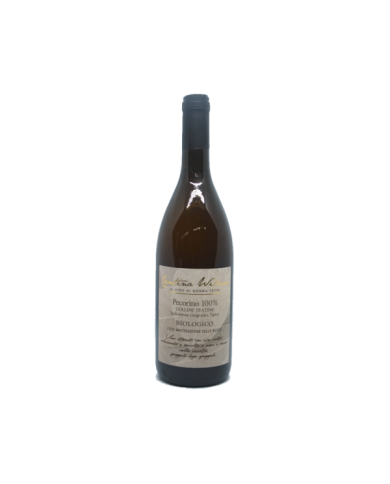
Vine rediscovered for some years, widespread throughout the Abruzzo region. The name "pecorino" is given by the sheep's face shape of the bunch and by the fact that when the shepherds passed through during the transhumance, the sheep stopped to graze the leaves of this vine. Cantina Wilma obtains its wine from the "Pecorino" vine with low-row plantings on sandy calcareous soil. Appearance of yellow color, excellent fruity bouquet. The flavor is harmonious and of good quality. Ideal with all seafood cuisine, it also goes well with appetizers and delicate main courses.
€30.74
SKU:
4717
Brand:
Cantina Wilma
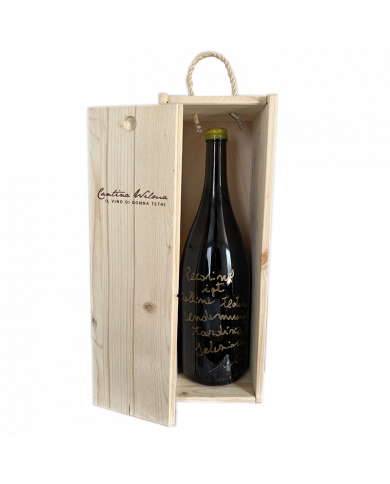
Vine rediscovered a few years ago, widespread throughout the Abruzzo region. The name "pecorino" is given by the sheep's face shape of the bunch and by the fact that when the shepherds passed through during the transhumance, the sheep stopped to graze the leaves of this vine. Cantina Wilma obtains its wine from the "Pecorino" vine with low-row plantings on sandy calcareous soil. Appearance of yellow color, excellent fruity bouquet. The flavor is harmonious and of good quality. Ideal with all seafood cuisine, it also goes well with appetizers and delicate main courses.
SKU:
4665
Brand:
Piandimare
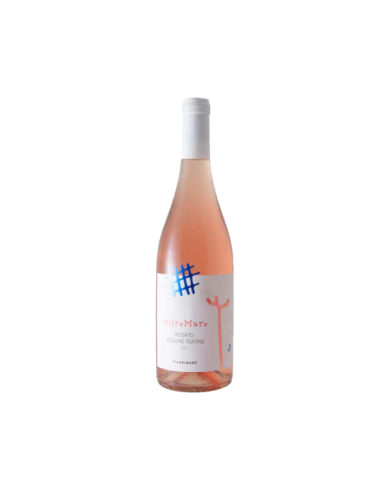
Red berried grapes of the territory, harvested and pressed immediately without maceration. Vinified at low temperature. After vinification, the wine ages for 6 months in steel in order to harmonize and enhance its varietal aroma characterized by aromas of pink petal flowers, banana, pineapple, pear, wild strawberry and wild cherry. Pale pink color, on the palate it is fresh, elegant and with a pleasant finish. The pleasant salty note gives a lean and refreshing drink. Unmissable during summer aperitifs based on local butchery, it is a wine that calls one bottle after another and invites to a convivial sharing. Perfect as an aperitif, it goes well with raw seafood dishes and fried Adriatic paranza
€6.22
€4.98
SKU:
4579
Brand:
Valle Martello
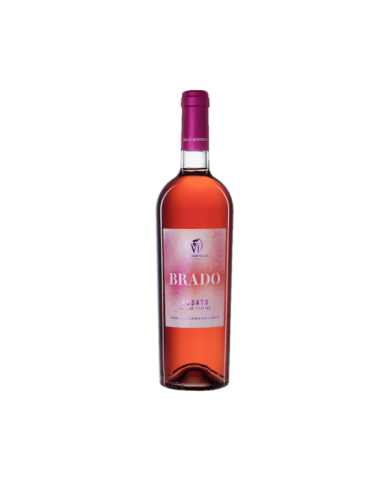
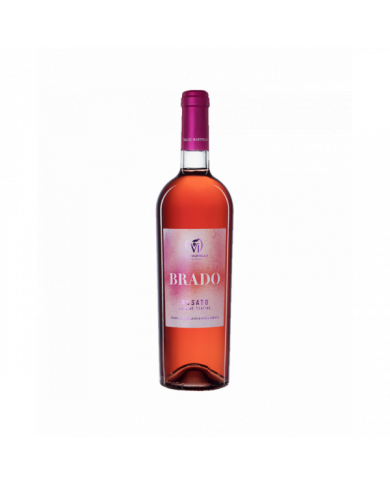
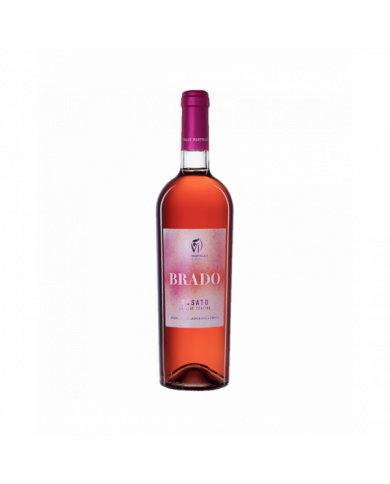
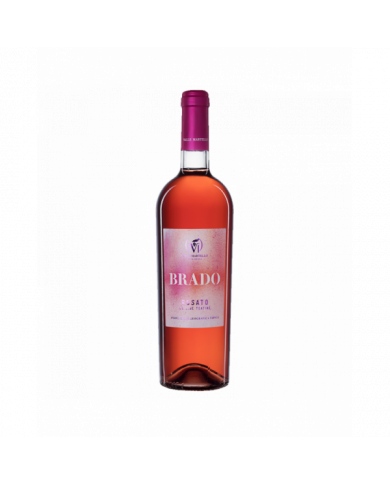
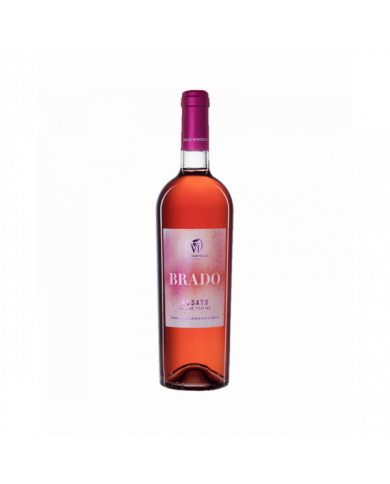
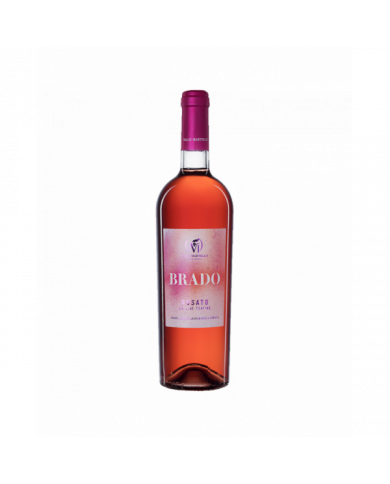
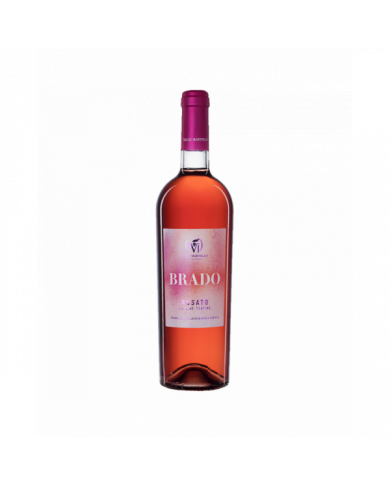
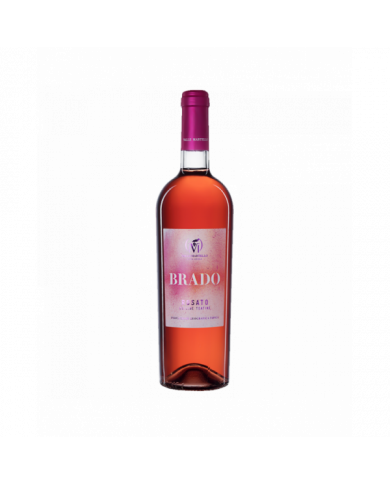
The Brado rosé is obtained from the soft pressing of red grapes. It has a pink color with delicate reflections. The nose shows elegant aromas of red fruit. It has a pleasant, fresh flavor, with a good aromatic persistence. It goes perfectly with fish soups and grilled fish. Ideal with pizza.
SKU:
4577
Brand:
Valle Martello
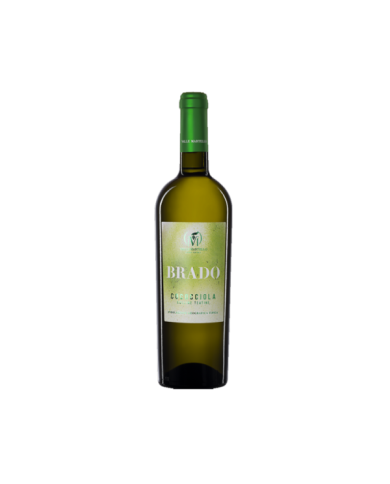
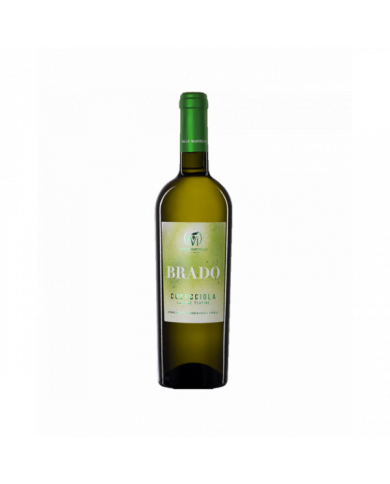
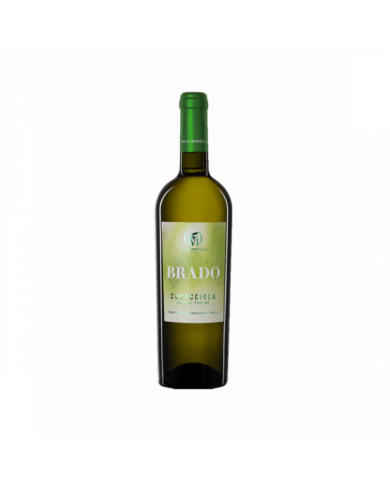
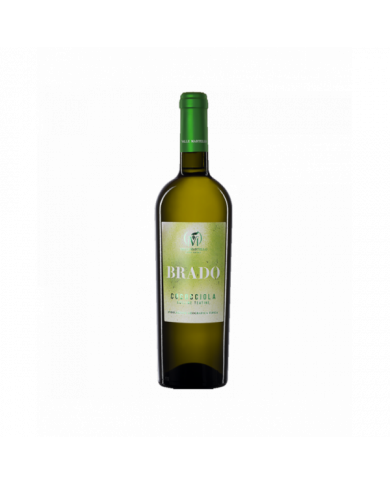
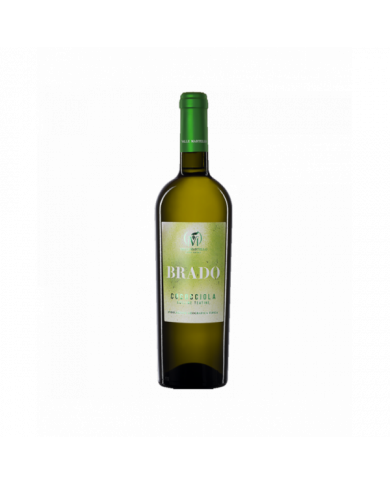
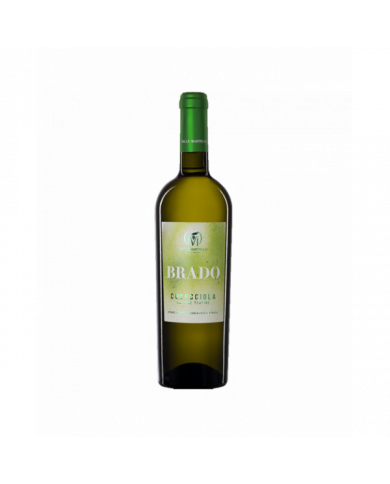
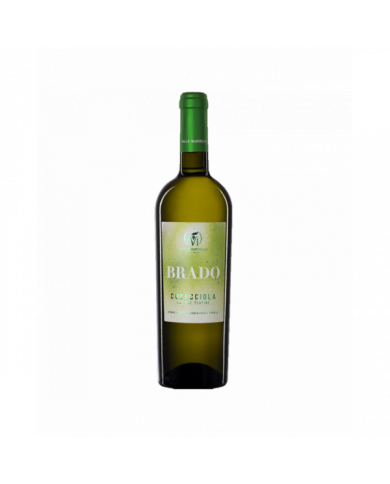
First example of vinification in purity of the native Abruzzo vine Cococciola. In the choice of making the Cococciola wine there is the desire to enhance our territory, that of the Teatine hills, where this grape variety is at its best. It is a wine with intense and ample aromas, ranging from floral to tropical fruit. It is a multifaceted white wine, with great freshness, ideal as an aperitif, with sushi, fish dishes, first courses and cheeses.
SKU:
4575
Brand:
Valle Martello
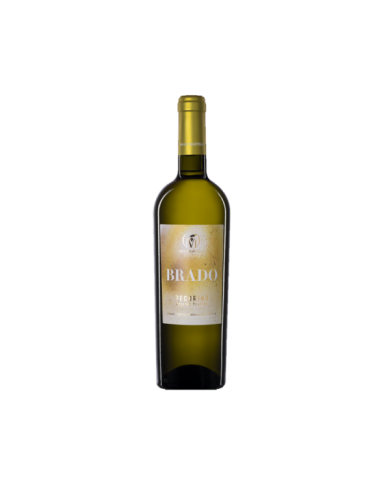
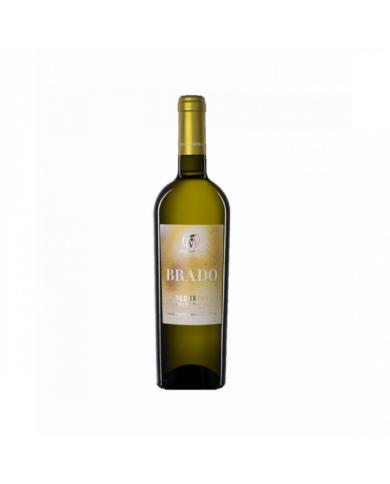
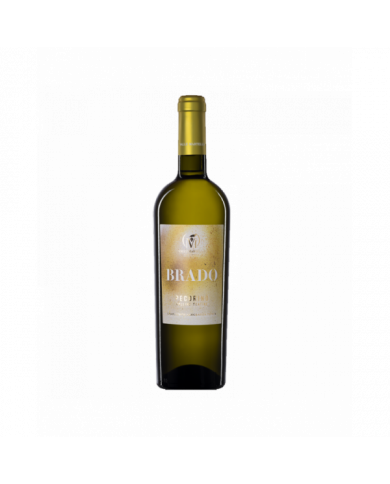
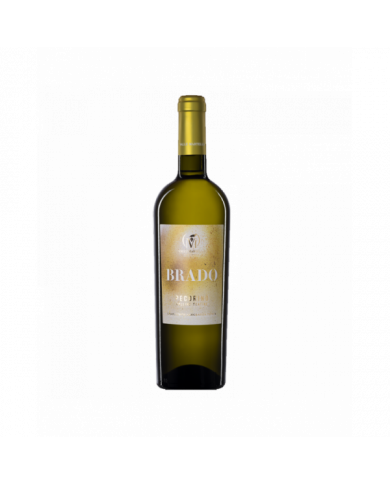
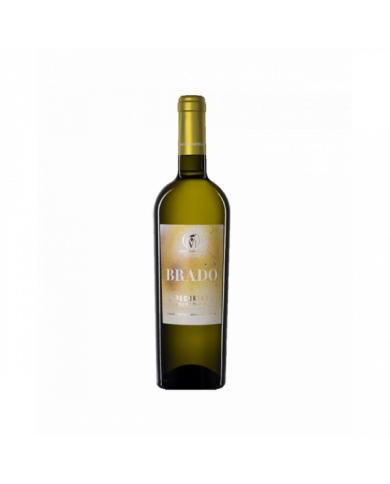
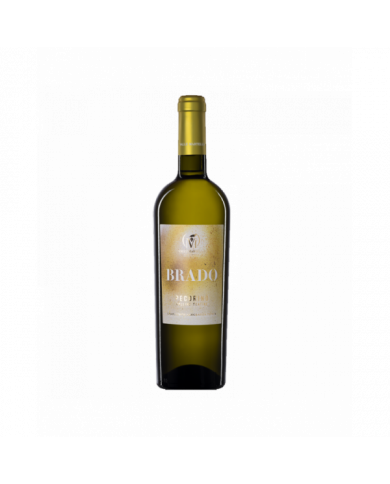
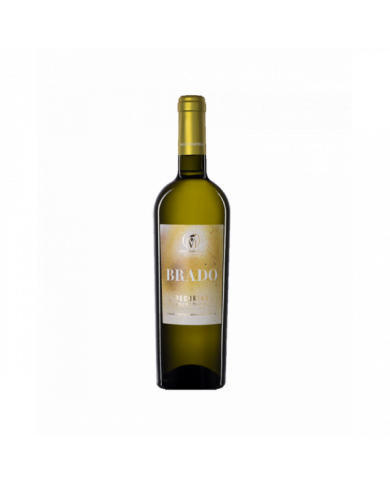
Pecorino Brado is a wine of great structure. It has a bright straw yellow color with golden reflections. The aromas of this wine include yellow pulp fruits, peach in particular. The evolution in the glass is slow and progressive, up to mineral notes. On the palate the taste is full and persistent with an elegant finish. Excellent with important first courses, roasted fish, white meats and cheeses.
€6.86
€5.83
SKU:
3832
Brand:
Dora Sarchese
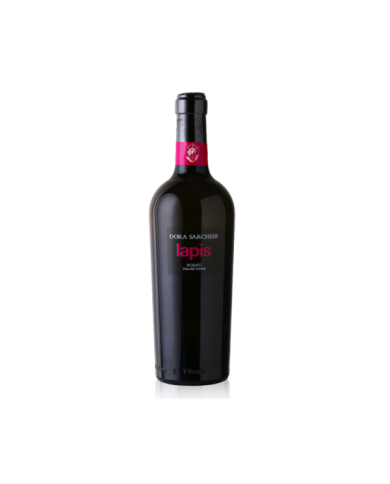
24 Strawberry red in color with light purple reflections, a fruity and floral scent reminiscent of flowers and red berries, intense and persistent. Fresh and lively taste, soft, rightly balanced.
€14.64
SKU:
3825
Brand:
Dora Sarchese
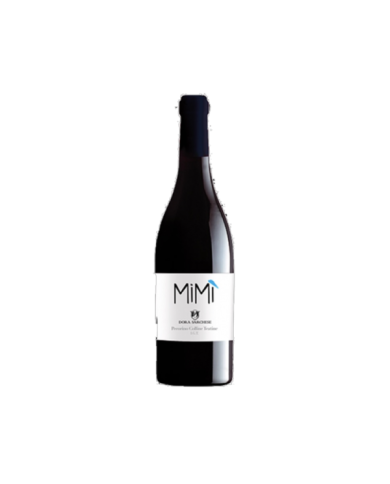
Color : Pale straw / greenish Smell : Fruity and floral Taste : Dry, fresh, savory and balanced
SKU:
3247
Brand:
Il Feuduccio
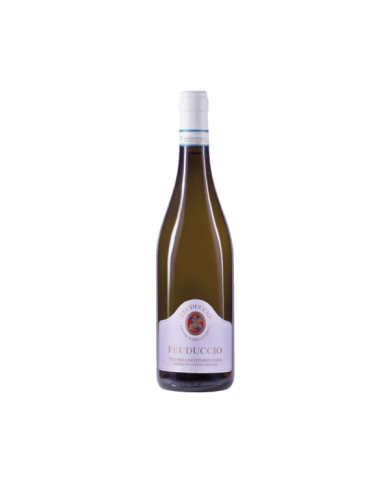
White with an agile and modern style, variegated on the nose, fresh and balanced to the taste.
€6.69
€6.02
SKU:
3240
Brand:
Il Feuduccio
€19.78
€16.81
Vinified in oak woods of different capacities, Yare is an important expression of Pecorino, an ancient vine, precocious and with low yields, which finds its ideal habitat in the cool and elevated hills of the Feuduccio. A limited production for a long-lived white wine with a great personality, the result of careful clonal selection.
€19.78
€16.81
SKU:
3234
Brand:
Il Feuduccio
Trebbiano of Abruzzo blood obtained from a selection characterized by low production, which produces wines with a strong taste and multifaceted and long-lived aromas.
€9.85
€8.86
SKU:
3230
Brand:
Il Feuduccio
€9.85
€8.86
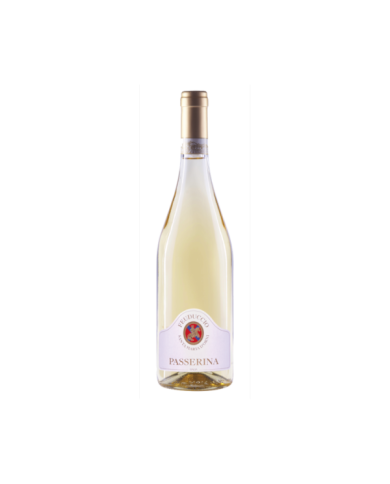
Already present in the Abruzzo region in ancient times, PASSERINA is a vine of medium productivity, very multifaceted, suitable both for early harvests and to undergo a slight withering for late harvests, and finds its ideal habitat in the inland and elevated hills where the vineyards of Il Feuduccio . The result is a varied and versatile wine that goes well with all drinking occasions, both outside and during meals.
€9.85
€8.86
SKU:
1005
Brand:
Masciarelli
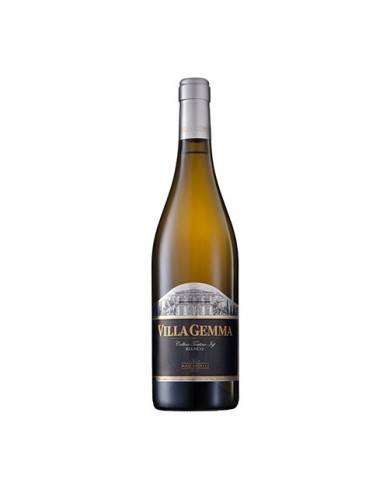
Straw yellow, the nose expresses beautiful notes of white fruit, apple, pear, banana, and floral scents reminiscent of jasmine. On the palate it is fine, intense, balanced and refreshing. It closes with a nice finish, very clean. Also as an aperitif, it goes well with fish first courses. Excellent with lobster linguine.
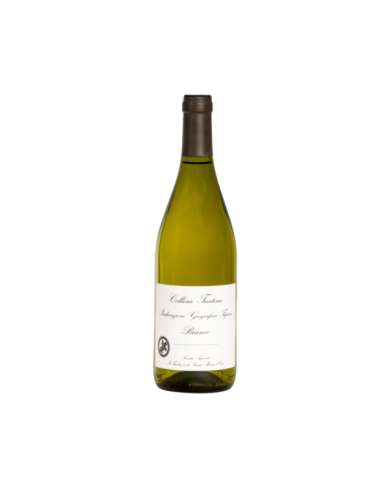
Denomination: Colline Teatine
The "Colline Teatine" designation is a recognized geographical indication for wines produced in the hills around Teramo, in Abruzzo, Italy. This area is renowned for its long winemaking tradition and the production of high-quality wines that reflect the distinctive characteristics of the terroir.
Origins and Characteristics
The Chieti hills offer an ideal environment for growing grapes, with mineral-rich soils and a favorable Mediterranean climate. The most common grape varieties grown in this area include Montepulciano, Trebbiano, and Pecorino, which give the wines a variety of unique aromas and flavors. The wines produced in the Chieti hills are known for their robustness, balance, and complexity.
Production Methods
The production of Colline Teatine Appellation wines follows rigorous quality standards and traditional winemaking methods. The grapes are hand-picked and carefully selected before being transformed into wine. Fermentation can take place in stainless steel or wooden barrels, depending on the desired characteristics of the wine. After fermentation, the wines can be aged in wooden barrels or in bottle to develop complexity and character.
Sensory Characteristics
The wines of the Colline Teatine appellation are distinguished by their robust structure, soft tannins, and intense aromas of ripe fruit, spices, and aromatic herbs. Montepulciano offers notes of black cherry, plum, and black pepper, with good acidity and a long finish. Trebbiano contributes freshness and acidity, while Pecorino adds complexity and minerality to the wine.
Name and Certifications
The Colline Teatine denomination is recognized as a Protected Geographical Indication (PGI), guaranteeing the quality and authenticity of the wines produced in the hills around Teramo, Abruzzo. The wineries producing these wines must adhere to strict production standards and undergo quality controls to ensure respect for tradition and the unique character of the wine.
FAQs
What are the most common grape varieties used in the production of Colline Teatine wines?
The most common grape varieties used in the production of Colline Teatine wines include Montepulciano, Trebbiano, and Pecorino.
What are the recommended pairings for Colline Teatine wines?
The wines of the Teatine Hills pair well with a variety of Abruzzo and Italian cuisine. Montepulciano pairs well with meat dishes, such as grilled lamb and local cured meats. Trebbiano pairs excellently with fish and seafood, fresh salads, and light cheeses. Pecorino pairs well with white meat dishes, aged cheeses, and vegetable-based appetizers.
How long can the wines of the Teatine Hills be aged?
The aging potential of Colline Teatine wines depends on the type of wine and the specific characteristics of the harvest. Montepulciano can be aged for several years in the bottle to develop greater complexity and smoothness. Trebbiano is generally enjoyed young to maintain its freshness and liveliness, while Pecorino can be aged for several years to develop complexity and character.
Where can I buy Colline Teatine wines?
The wines of the Teatine Hills are available at specialized wine shops, local wineries, and online wine shops. They can also be found in restaurants and venues that showcase typical Abruzzo and Italian products.
What are the distinctive characteristics of the wines of the Teatine Hills?
The wines of the Teatine Hills are distinguished by their robust structure, soft tannins, and intense aromas of ripe fruit, spices, and aromatic herbs, reflecting the characteristics of the terroir and the artisanal skill of its producers.