

 Italiano
 Deutsch

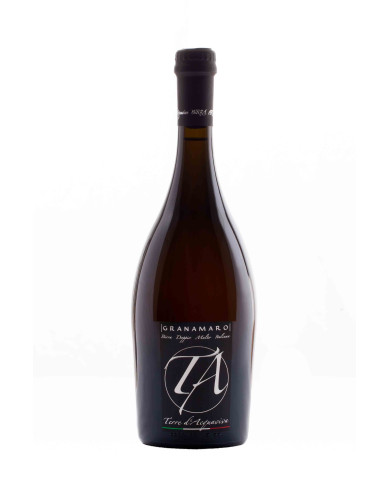
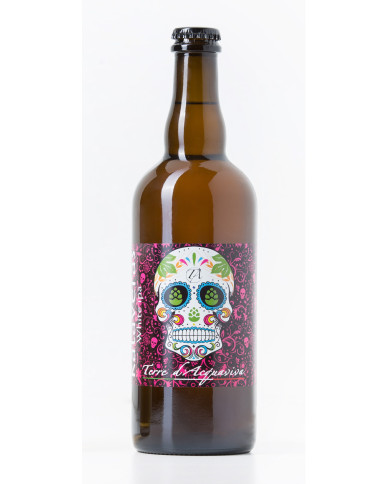

There are no more items in your cart
SKU:
19642
Brand:
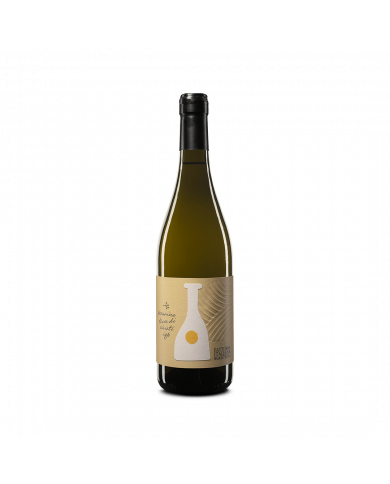
Fattoria Italiana Martelli
View: straw yellow. Smell: aromas of white flowers and white peach with hints of citrus and tropical fruits. Taste: strong and mineral taste reminiscent of the yeasts that made it.
€11.31
€9.61
SKU:
19560
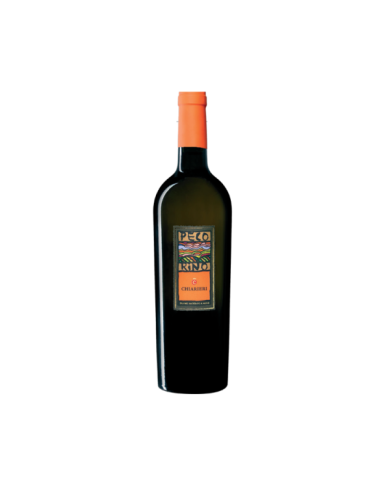
Brand:
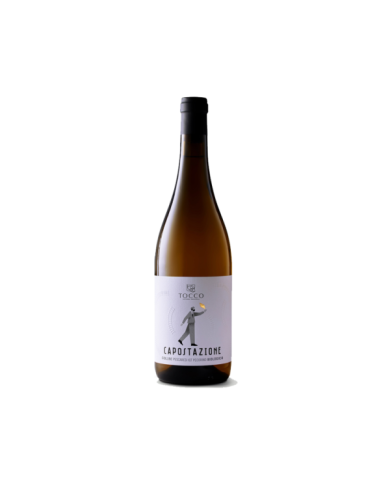
Tocco
€13.50
€12.15
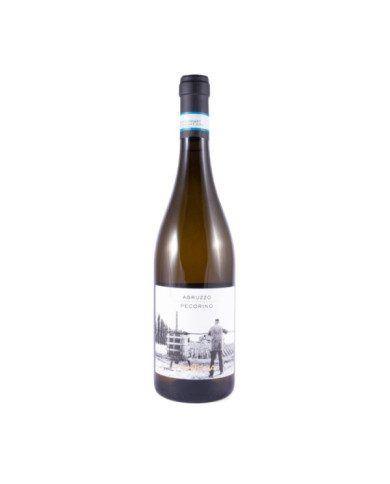
Stationmaster Pecorino IGT Colline Pescaresi Bio, a white wine with a bright straw yellow color with greenish reflections. The nose is fruity with pleasant notes of fresh and exotic fruit that blend with elegant floral scents. The flavor is full-bodied, fresh, with the right amount of flavor, balanced and intense. It goes well with fish-based dishes, even structured ones. White meats and soft cheeses, simple or flavored.
€13.50
€12.15
SKU:
19554
Brand:
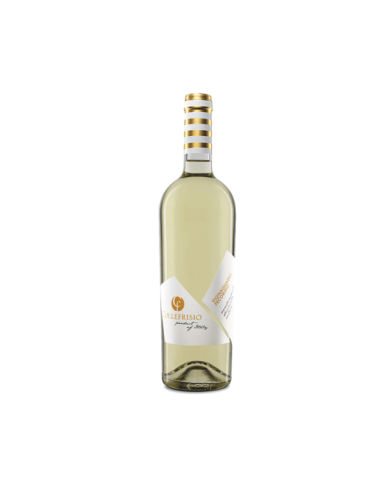
Collefrisio
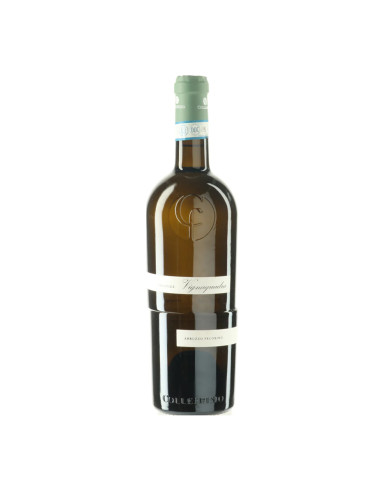
GRAPES : 100% Pecorino HARVEST : end of September VINIFICATION : Maceration at low temperature after destemming of the grapes and temperature controlled alcoholic fermentation in steel tanks. TASTING : To be accompanied with Pasta, Vegetarian, Appetizers and snacks, Lean fish, Salami.
€11.50
€9.20
SKU:
18884
Brand:
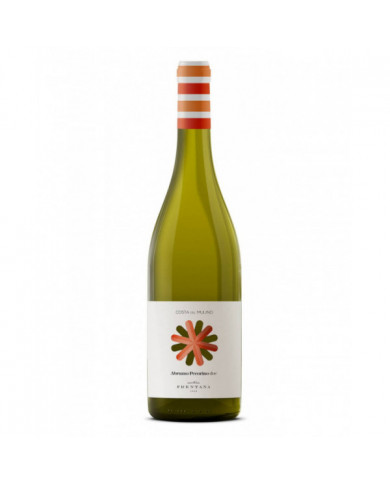
Cantina Frentana
The wine has a medium intense straw colour. The nose reveals pleasant notes of citrus, honey and yellow peach and sometimes a characteristic hint of "beer". The taste is presented as a wine with body and structure, balanced by a good acidity that refreshes the palate.
€7.90
SKU:
18879
Brand:
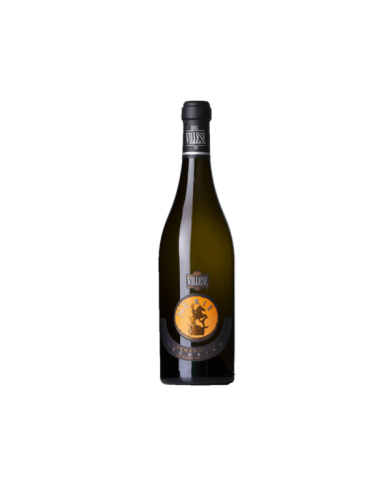
Villese
The name "Nerie" is linked to the name of a valiant Etruscan leader. In the archaeological excavations carried out in Villalfonsina in 1914, many artifacts were found that highlight the presence in the 6th-5th century BC of trade with the Etruscan area. Among others, bronze statuettes depicting a knight on horseback and a red impasto olla bearing the silhouette of the same knight and the inscription “ne” (probable abbreviation of the individual name Nerie). The label of our “Nerie” is inspired by a bronze disc with the aforementioned rider on horseback in relief. The wine shows a deep straw yellow color with golden hues and greenish reflections. Floral, aromatic, very pleasant on the palate, it is full-bodied, structured, persistent and with excellent freshness due to the consistent acid structure of the grape.
€7.90
€10.80
SKU:
18542
Brand:
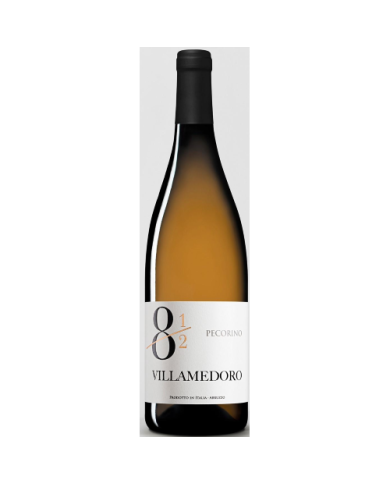
Villa Medoro
Affinato in vasche d'acciao inox per mantenere la fragranza fruttata del Pecorino. Color giallo paglierino, emana sentori di pompelmo, salvia, erbe aromatiche e tocchi erbacei.
€16.23
SKU:
18532
Brand:
Tenuta i Fauri
Decantazione statica del mosto dopo pressatura so ce, fermentazione termo controllata e a namento in acciaio inox
€14.27
SKU:
18529
Brand:
Petrini
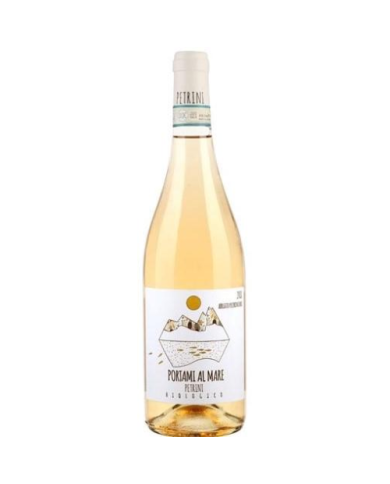
UVE Pecorino provenienti dai vigneti coltivati in Abruzzo secondo i principi dell’agricoltura biologica - Alcol 13,5%
Colore giallo paglierino; profumo intenso, floreale, con netti sentori di agrumi; sapore armonico e morbido di grande rotondità ed ottima struttura, corposità e persistenza con una nota finale di sapidità.
ABBINAMENTI: per le sue caratteristiche organolettiche è ideale per accompagnare piatti di pesce e formaggi poco stagionati
€11.10
SKU:
18492
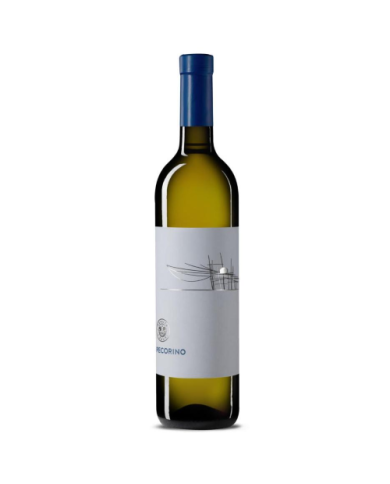
Brand:
Torre Raone
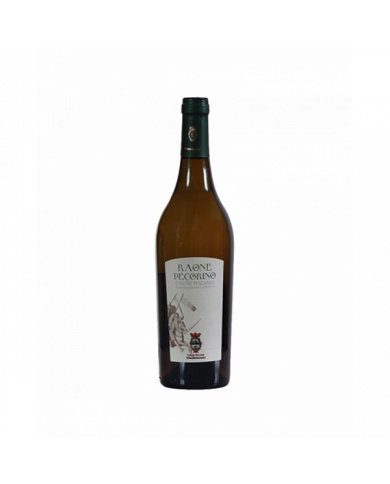
Straw yellow with a good load of color to the eye. The nose is clean and punctual, characterized by fruity hints of apricot, pear and tropical fruit, then completed by chalky and floral nuances of chamomile. Savory and fresh on the palate, with good balance and good length.
Perfect to accompany seafood cuisine, it is excellent to be paired with pan-fried mullets.
€10.25
SKU:
18434
Brand:
Collefrisio
GRAPES : 100% Pecorino HARVEST : end of September VINIFICATION : Maceration at low temperature after destemming of the grapes and temperature controlled alcoholic fermentation in steel tanks. TASTING : To be accompanied with Pasta, Vegetarian, Appetizers and snacks, Lean fish, Salami.
€17.70
Pecorino d'Abruzzo: The Complete Guide
Pecorino d'Abruzzo is a white wine with a Controlled Designation of Origin (DOC) designation produced in Abruzzo , a region in central-southern Italy. In this article, we'll explore the characteristics of this wine, from its history to its production and tasting. We'll also discover which dishes pair best with this wine and how to store it properly.
Pecorino d'Abruzzo is a white wine made from Pecorino grapes. Its production is permitted only in certain provinces of Abruzzo, specifically in the areas of Chieti, L'Aquila, and Teramo. This wine has a long history, but has only achieved significant popularity in recent years.
Terroir and production of Pecorino d'Abruzzo
The Abruzzo region is characterized by a Mediterranean climate with mild winters and hot, dry summers. The Pecorino d'Abruzzo terroir extends across the hills near the Adriatic Sea, offering excellent sun exposure and mineral-rich soil.
The grape variety used to produce Pecorino d'Abruzzo is Pecorino, an ancient native grape variety of Abruzzo. Pecorino d'Abruzzo is made through temperature-controlled fermentation, followed by a brief period of bottle aging.
Organoleptic characteristics of Pecorino d'Abruzzo
Pecorino d'Abruzzo is straw yellow in color with greenish highlights. Its aroma is intense, with notes of exotic fruit and citrus. On the palate, the wine is fresh and mineral, with good acidity and a light savory finish. Its alcohol content ranges from 12% to 14%.
The main characteristic of Pecorino d'Abruzzo is its freshness and savory character. Thanks to its unique terroir and meticulous winemaking, this wine retains a remarkable minerality and intense aromas.
Food Pairing: Pecorino d'Abruzzo
Pecorino d'Abruzzo pairs very well with fish dishes, such as fish soup, grilled fish, and seafood risotto. This wine also pairs well with white meat dishes, such as chicken and turkey, and with fresh, creamy cheeses like ricotta and goat cheese.
Pecorino d'Abruzzo is a very versatile wine that pairs well with vegetable dishes, salads, and appetizers. In general, this wine pairs well with fresh, light dishes, but also with flavorful, structured dishes.
Preserving and serving Pecorino d'Abruzzo
Pecorino d'Abruzzo should be served chilled, between 10°C and 12°C. To preserve the wine, it is recommended to store it in a cool, dry place, away from direct sunlight. Once opened, the wine can be stored in the refrigerator for up to two days.
Economic notes
Pecorino d'Abruzzo is a highly regarded wine in Italy and abroad. Annual production is approximately one million bottles, and the average price per bottle is around 10 euros.
Conclusion
Pecorino d'Abruzzo is a white wine with a fresh, mineral flavor, worthy of discovery and appreciation. Thanks to its unique terroir and meticulous winemaking, this wine retains a remarkable minerality and intense aroma. Its versatility makes it suitable for pairing with a wide range of dishes, from fish to white meats and vegetables.
FAQ
Which provinces in Abruzzo allow the production of Pecorino d'Abruzzo?
Production is permitted in the provinces of Chieti, L'Aquila, and Teramo.
What are the organoleptic characteristics of Pecorino d'Abruzzo?
Pecorino d'Abruzzo is straw yellow in color with greenish highlights. Its aroma is intense, with notes of exotic fruit and citrus. On the palate, the wine is fresh and mineral, with good acidity and a light savory finish.
Which grape varieties are used to produce Pecorino d'Abruzzo?
The grape variety used is Pecorino, an ancient native grape variety of Abruzzo.
What is the average price of a bottle of Pecorino d'Abruzzo?
The average price is around 10 euros.
What dishes pair best with Pecorino d'Abruzzo?
Pecorino d'Abruzzo pairs very well with fish dishes, white meat, fresh and creamy cheeses, but also with vegetable dishes, salads, and appetizers.