

 Italiano
 Deutsch


There are no more items in your cart
SKU:
18420
Brand:
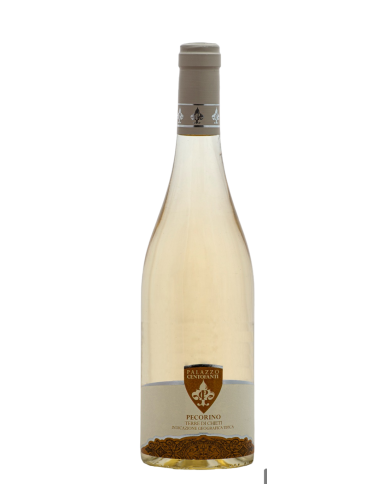
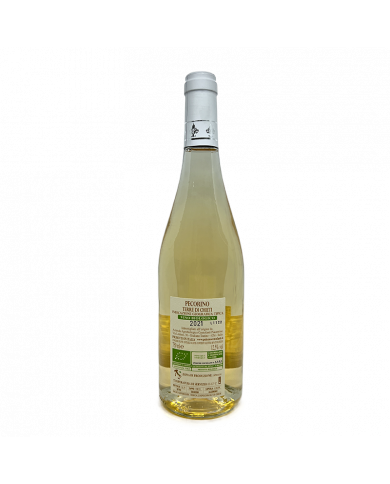
Palazzo Centofanti
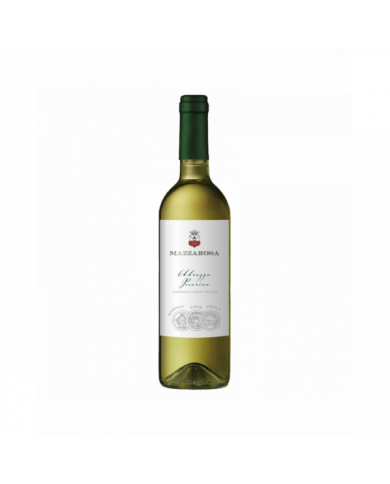
Type: White igt - Grapes: Pecorino 100% - Refinement: For 4 months in contact with the lees in stainless steel tanks - Gr. 13%
€8.54
SKU:
18228
Brand:
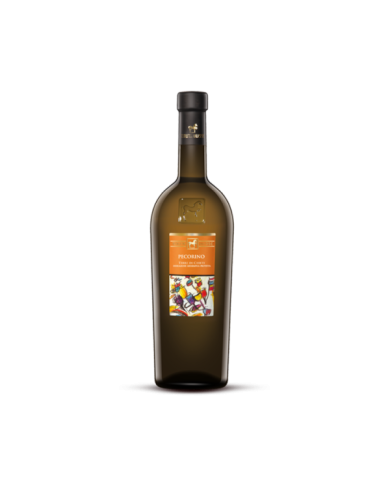
Tenuta Ulisse
Denomination: Terre di Chieti PGI Grape variety: Pecorino
The charm of its mineral essence is unparalleled. Splendid for the stylistic rigor that stands out for its power and roundness. Perfect balance between acidity and freshness. Particular, unique, unrepeatable. The reason for the denomination equal to the well-known cheese is uncertain but it is probably due to the seasonal movements of the shepherds who, returning from the mountain areas in September, brought their flocks to graze on the vineyards where the fruit had already been harvested.
€12.05
€12.08
€10.87
SKU:
17901
Brand:
Podere Castorani
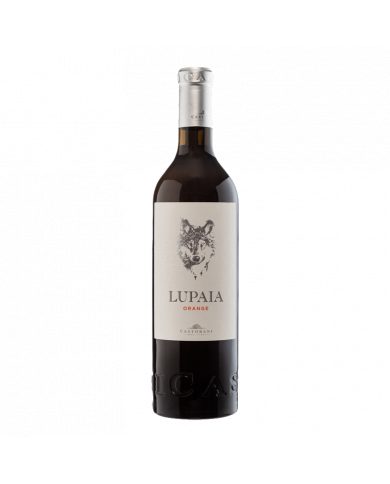
Orange color with golden reflections. Bouquet intense notes of officinal and balsamic herbs. On the palate it is soft, full with a persistent aftertaste.
€29.00
SKU:
17836
Brand:
Feudo Antico
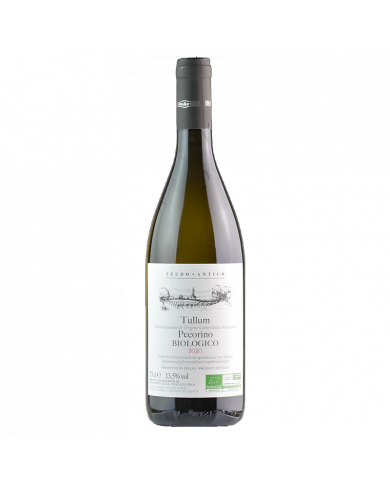
A wine of excellence, made from organic Pecorino DOCG Tullum grapes. Spontaneous fermentation, no filtration, only natural sulphites.
€16.25
SKU:
17817
Brand:
Nestore Bosco
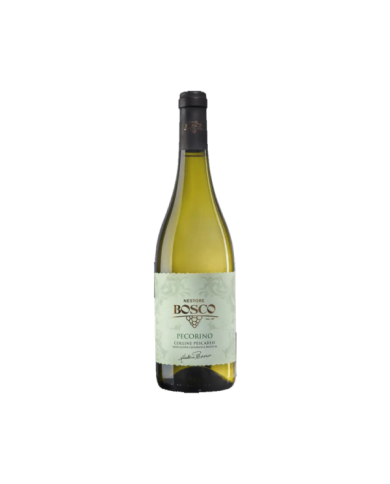
Young wine loved by young people, it manages to be appreciated for its freshness and easy drinking. Wine that is good for the palate on warm evenings for dinner with friends. Having a good supply in the fridge also refreshes the soul. Recommended pairings : Preferable for the whole meal and with spaghetti with seafood, fried fish, and / or raw fish, seasonal vegetable soup, peppered mussels, fresh, rustic cheeses, savory pizzas. Uncork and serve at a temperature of 10 ° C.
€7.80
SKU:
17619
Brand:
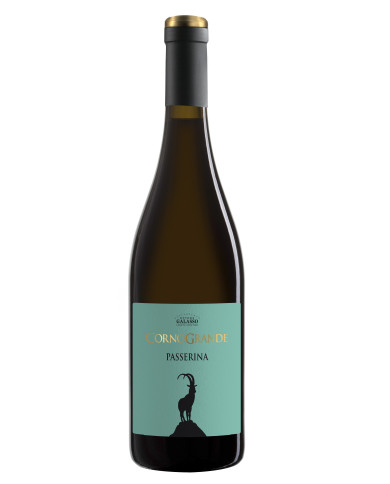
Ettore Galasso
Ideal with sea fish and shellfish dishes, oysters, spicy cured meats. Fresh, persistent taste with a savory aftertaste.
€5.95
SKU:
17481
Brand:
Speranza
Golden yellow color, with fruity and floral aromas where mimosa stands out, bursts with a fresh and savory sip.
€11.60
€9.86
SKU:
17478
Brand:
Speranza
Abruzzo pecorino rich in aromatic notes of honey, resin and dehydrated lemon. A dense structure with a final charged with positive energies. Ideal with fish recipes.
€14.08
SKU:
17477
Brand:
Speranza
Abruzzo pecorino rich in aromatic notes of honey, resin and dehydrated lemon. A dense structure with a final charged with positive energies. Ideal with fish recipes.
€14.91
SKU:
16418
Brand:
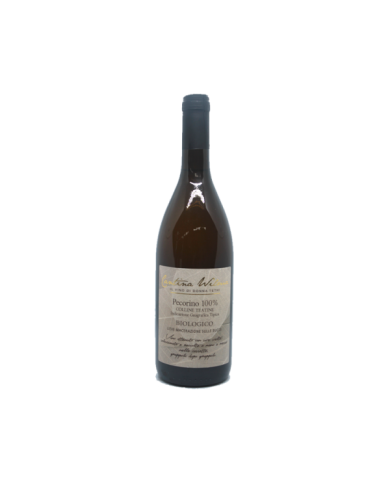
Cantina Wilma
Vine rediscovered a few years ago, widespread throughout the Abruzzo region. The name "pecorino" is given by the sheep's face shape of the bunch and by the fact that when the shepherds passed through during the transhumance, the sheep stopped to graze the leaves of this vine. Cantina Wilma obtains its wine from the "Pecorino" vine with low-row plantings on sandy calcareous soil. Appearance of yellow color, excellent fruity bouquet. The flavor is harmonious and of good quality. Ideal with all seafood cuisine, it also goes well with appetizers and delicate main courses.
€17.08
SKU:
16182
Brand:
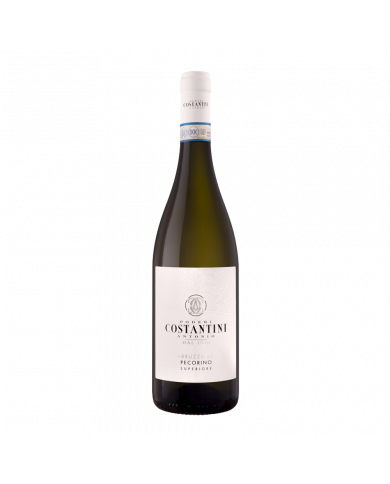
Poderi Costantini
Type Abruzzo Pecorino doc Superiore 2020 Alcohol 14.5% vol. Grape variety Pecorino 100% Production area: Abruzzo Exposure South, South-east Soil type Medium texture - Clayey Training system (Espalier) Yield per hectare 100 quintals Harvest Manual with selection of the bunches.
€9.52
€8.56
Pecorino d'Abruzzo: The Complete Guide
Pecorino d'Abruzzo is a white wine with a Controlled Designation of Origin (DOC) designation produced in Abruzzo , a region in central-southern Italy. In this article, we'll explore the characteristics of this wine, from its history to its production and tasting. We'll also discover which dishes pair best with this wine and how to store it properly.
Pecorino d'Abruzzo is a white wine made from Pecorino grapes. Its production is permitted only in certain provinces of Abruzzo, specifically in the areas of Chieti, L'Aquila, and Teramo. This wine has a long history, but has only achieved significant popularity in recent years.
Terroir and production of Pecorino d'Abruzzo
The Abruzzo region is characterized by a Mediterranean climate with mild winters and hot, dry summers. The Pecorino d'Abruzzo terroir extends across the hills near the Adriatic Sea, offering excellent sun exposure and mineral-rich soil.
The grape variety used to produce Pecorino d'Abruzzo is Pecorino, an ancient native grape variety of Abruzzo. Pecorino d'Abruzzo is made through temperature-controlled fermentation, followed by a brief period of bottle aging.
Organoleptic characteristics of Pecorino d'Abruzzo
Pecorino d'Abruzzo is straw yellow in color with greenish highlights. Its aroma is intense, with notes of exotic fruit and citrus. On the palate, the wine is fresh and mineral, with good acidity and a light savory finish. Its alcohol content ranges from 12% to 14%.
The main characteristic of Pecorino d'Abruzzo is its freshness and savory character. Thanks to its unique terroir and meticulous winemaking, this wine retains a remarkable minerality and intense aromas.
Food Pairing: Pecorino d'Abruzzo
Pecorino d'Abruzzo pairs very well with fish dishes, such as fish soup, grilled fish, and seafood risotto. This wine also pairs well with white meat dishes, such as chicken and turkey, and with fresh, creamy cheeses like ricotta and goat cheese.
Pecorino d'Abruzzo is a very versatile wine that pairs well with vegetable dishes, salads, and appetizers. In general, this wine pairs well with fresh, light dishes, but also with flavorful, structured dishes.
Preserving and serving Pecorino d'Abruzzo
Pecorino d'Abruzzo should be served chilled, between 10°C and 12°C. To preserve the wine, it is recommended to store it in a cool, dry place, away from direct sunlight. Once opened, the wine can be stored in the refrigerator for up to two days.
Economic notes
Pecorino d'Abruzzo is a highly regarded wine in Italy and abroad. Annual production is approximately one million bottles, and the average price per bottle is around 10 euros.
Conclusion
Pecorino d'Abruzzo is a white wine with a fresh, mineral flavor, worthy of discovery and appreciation. Thanks to its unique terroir and meticulous winemaking, this wine retains a remarkable minerality and intense aroma. Its versatility makes it suitable for pairing with a wide range of dishes, from fish to white meats and vegetables.
FAQ
Which provinces in Abruzzo allow the production of Pecorino d'Abruzzo?
Production is permitted in the provinces of Chieti, L'Aquila, and Teramo.
What are the organoleptic characteristics of Pecorino d'Abruzzo?
Pecorino d'Abruzzo is straw yellow in color with greenish highlights. Its aroma is intense, with notes of exotic fruit and citrus. On the palate, the wine is fresh and mineral, with good acidity and a light savory finish.
Which grape varieties are used to produce Pecorino d'Abruzzo?
The grape variety used is Pecorino, an ancient native grape variety of Abruzzo.
What is the average price of a bottle of Pecorino d'Abruzzo?
The average price is around 10 euros.
What dishes pair best with Pecorino d'Abruzzo?
Pecorino d'Abruzzo pairs very well with fish dishes, white meat, fresh and creamy cheeses, but also with vegetable dishes, salads, and appetizers.