

 Italiano
 Deutsch



There are no more items in your cart
SKU:
14566
Brand:
Ca' Rugate
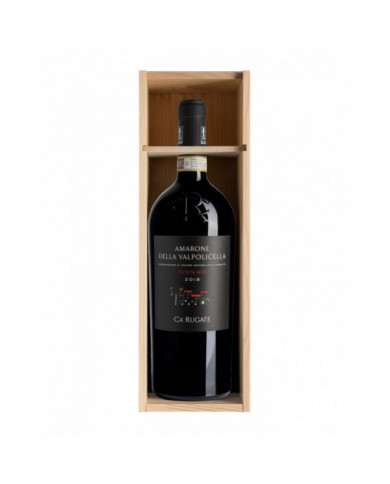
The Amarone di Ca' Rugate "Punta 470" announces itself in the glass with a well concentrated garnet colour. The olfactory bouquet that emerges on the nose is broad, where various notes of small berry fruits such as blackberry, cherry and currant can be traced, alternating with spicy references. On the palate it has an excellent structure, powerful and energetic thanks to a round sip, which wraps the palate with softness; it closes with a finish of excellent persistence, characterized by an aftertaste that recalls the flavor of the dried grapes from which the Amarone production process is born.
A label of important depth both on the nose and in the mouth, which comes from a meticulous production process, in which each phase of the production is followed with care and attention, until the wine, after a good period of refinement, is not ready to be bottled. A great expression, dense, intense and elegant.
The "Punta 470" takes shape from the union between Corvina, Corvinone and Rondinella, varieties grown in soils rich in skeleton and limestone located in the hilly area of Montecchia di Crosara. The manual harvest begins during the second half of September, taking care to place the bunches in boxes without overlapping them, in order to guarantee correct ventilation. The bunches wither for 4-5 months in a fruit cellar, dehydrating and thus concentrating their sugary substances; then we proceed with the pressing, and the must obtained is fermented in steel. The wine ages for 30-36 months in 500-litre oak tonneaux and 25-hectolitre barrels.
€139.69
SKU:
14562
Brand:
Ca' Rugate
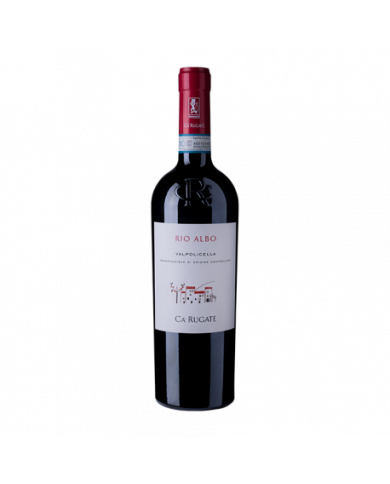
Ruby red colour. Intense and persistent aromas reminiscent of blackberry and cherry. On the palate it is soft, slightly tannic and with good flavor.
€13.21
SKU:
14559
Brand:
Ca' Rugate
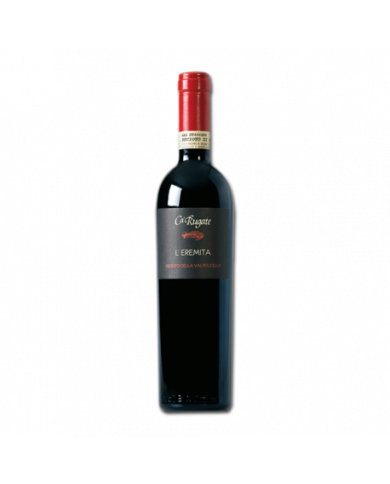
Very deep ruby red colour. Aromas of small berry black fruit, with sensations of aromatic herbs and spices on the finish. Taste sweetness clear, round and soon contrasted by the silky sensation of the tannins.
€32.94
€237.90
€31.99
SKU:
14253
Brand:
Azienda Agricola Gorgo
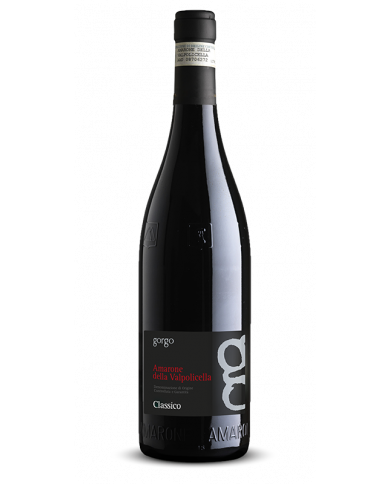
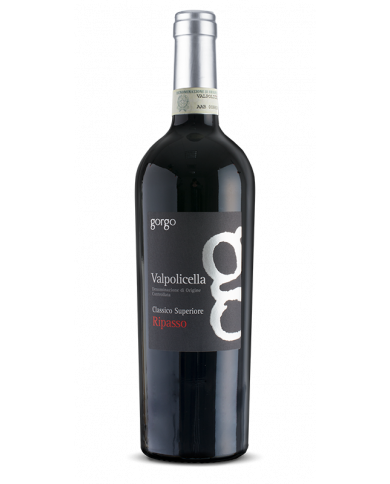
In Ripasso the fruit is combined with spices, thanks to an exclusive technique of these lands which gives it its name: for its grapes, its characteristics and for the way it is produced it is a unique wine. A full-bodied and at the same time captivating, soft and enveloping character. A wine designed to last over time.
€17.81
SKU:
13996
Brand:
Allegrini
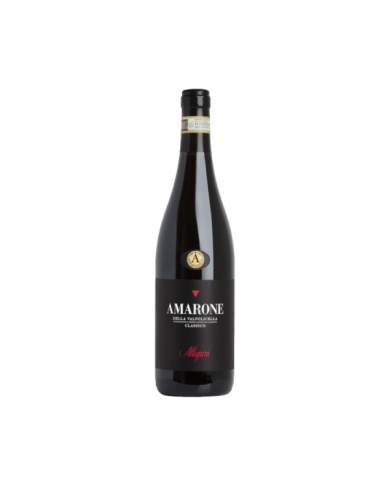
Allegrini , thanks to the knowledge gained through years of experimentation and research, has perfected a style of Amarone capable of maintaining and enhancing the integrity of the fruit, thanks to a mix of tradition and innovation that has its roots in 1854 . Amarone is the result of all the wisdom of the Allegrini family, a true classic of the denomination, a red that sums up tradition, territory and peasant wisdom . Corvina, Corvinone, Rondinella and Oseleta are left to wither at least until December, checking their health on a daily basis: the result is history, passion and continuous growth.
€91.35
SKU:
13995
Brand:
Allegrini
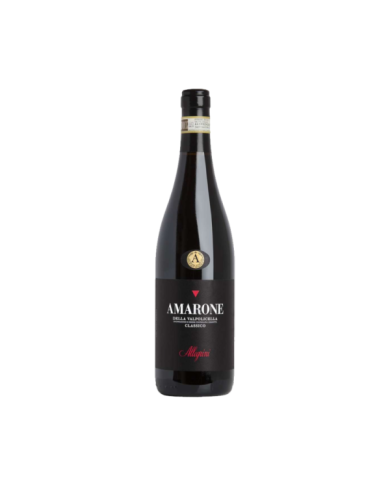
Allegrini , thanks to the knowledge gained through years of experimentation and research, has perfected a style of Amarone capable of maintaining and enhancing the integrity of the fruit, thanks to a mix of tradition and innovation that has its roots in 1854 . Amarone is the result of all the wisdom of the Allegrini family, a true classic of the denomination, a red that sums up tradition, territory and peasant wisdom . Corvina, Corvinone, Rondinella and Oseleta are left to wither at least until December, checking their health on a daily basis: the result is history, passion and continuous growth.
€81.03
SKU:
13992
Brand:
Quintarelli
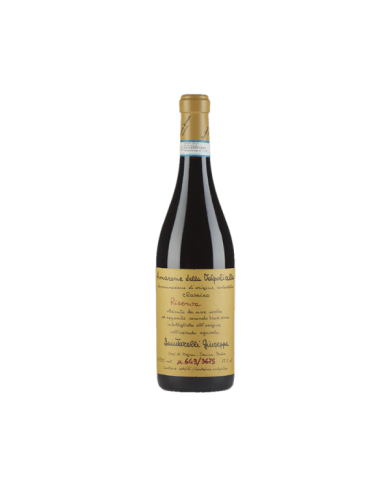
This Amarone Classico della Valpolicella Riserva is characterized by a deep pomegranate red color. The nose opens with an intense bouquet, with elegant hints of almond, enriched by pleasant aromas of cherry. On the palate it is powerful and complex, with a pleasantly spicy aftertaste. Perfect to accompany roasts and grilled red meats, it is ideal in combination with game and aged cheeses.
SKU:
13394
Brand:
Quintarelli
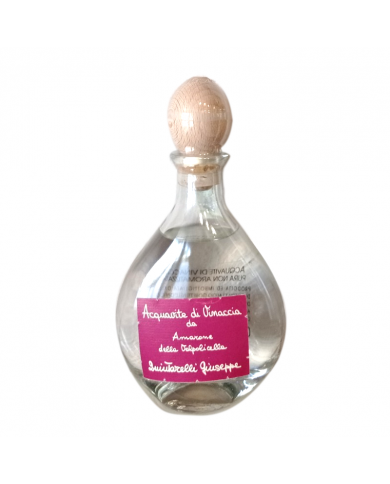
Marc brandy of Amarone della Valpolicella obtained from the distillation of the pomace of grapes from the hills of Valpolicella used for the production of Amarone. Brandy with a full and aristocratic flavor transmitted by the particular method of vinification and by the precious grapes with which it is produced.
€125.00
SKU:
13326
Brand:
La Collina Dei Ciliegi
€199.90
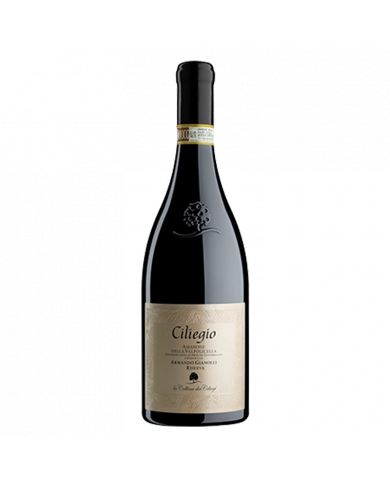
Charming and lively garnet red. On the nose, an explosive note of morello cherry jam accompanied by a refreshing note of rhubarb which gives way to intriguing aromatic herbs in the finish. Great thickness and depth where the alcohol finds a unico.Con balance in the lively acidity and in very elegant tannins. With its characteristic deep and intense garnet red color, the Amarone della Valpolicella Ciliegio belonging to the Armando Gianolli Reserve is one of the best known traditional wines Italian. The taste is full-bodied and persistent, and goes well with the tasting of long-aged cheeses. The scents of fruit jam predominate on the nose, amalgamated with final notes of tobacco.
€199.90
€95.86
Valpolicella Appellation: A Journey to the Heart of Italian Wines
The Valpolicella appellation is a true gem in the Italian wine scene. Located in the Veneto region of northeastern Italy, Valpolicella is renowned for its high-quality wines and rich winemaking tradition. In this article, we'll explore the history, grape varieties, production processes, and distinctive characteristics that make the Valpolicella appellation so internationally renowned.
Introduction to the Valpolicella Denomination
The Valpolicella appellation is a wine-growing region in the Veneto region, known for producing high-quality wines. This appellation encompasses several zones, including Valpolicella Classica, Valpantena, Valpolicella Est, Valpolicella Valdadige, and the Recioto della Valpolicella area. Each zone contributes its unique characteristics to the production of Valpolicella wines.
History and territory of Valpolicella
The history of viticulture in Valpolicella dates back to Roman times, but it's over the centuries that this region has acquired a reputation for winemaking excellence. The Valpolicella region is characterized by rolling hills, a Mediterranean climate, and soil rich in calcareous marl, gravel, and clay. These geographical and climatic conditions offer an ideal environment for growing native grape varieties.
Main grape varieties of Valpolicella
The Valpolicella appellation is distinguished by the use of native grape varieties that give the wines a unique character. The main grape varieties grown in the region are Corvina Veronese, Corvinone, Rondinella, and Molinara. Corvina Veronese is the dominant grape, known for its contribution to the structure, color, and complex aromas of Valpolicella wines.
Valpolicella wine production process
The production of Valpolicella wines follows a rigorous process that begins with the grape harvest, usually between September and October. After harvest, the grapes are sorted and placed in crates to preserve their integrity. The grapes are then gently pressed to obtain the must, which is fermented at a controlled temperature.
A distinctive aspect of Valpolicella wine production is the use of appassimento (drying). A portion of the grapes, particularly for the production of Amarone della Valpolicella and Recioto della Valpolicella , are dried in ventilated rooms for several months. During the drying process, the grapes lose some of their water, concentrating their sugars and aromas.
Types of Valpolicella wines
The Valpolicella denomination includes several types of wines, each with its own unique characteristics. Among the most well-known are:
- Valpolicella Classico: a young and fruity red wine, ideal for everyday drinking.
- Valpolicella Superiore: a more structured and complex wine, obtained from selected grapes and aged for a longer period.
- Amarone della Valpolicella : a dry, intense and full-bodied red wine, obtained from dried grapes.
- Recioto della Valpolicella : a sweet and enveloping red wine, also produced from dried grapes.
Organoleptic characteristics of Valpolicella wines
Valpolicella wines are characterized by a wide range of aromas and flavors. Valpolicella Classico wines offer notes of fresh fruit, such as cherries and strawberries, with a pleasant freshness. More structured wines, such as Amarone della Valpolicella , feature complex aromas of dried fruit, spices, tobacco, and chocolate. Recioto della Valpolicella , on the other hand, stands out for its sweet aromas of ripe fruit, raisins, and honey.
Food pairings with Valpolicella wines
Valpolicella wines lend themselves to a wide variety of culinary pairings. Valpolicella Classico wines pair well with pasta dishes, risotto, white meats, and fresh cheeses. Amarone della Valpolicella and Recioto della Valpolicella pair beautifully with red meats, roasts, aged cheeses, and dark chocolate. The complexity and structure of these wines also make them ideal for meditation.
Visit Valpolicella and its cellars
For wine lovers, visiting Valpolicella and its wineries is an unforgettable experience. Numerous wineries offer guided tastings, vineyard tours, and detailed explanations of the winemaking process. These tours allow you to immerse yourself in the local winemaking culture, discover the secrets of the native grape varieties, and taste the wines directly from the producer.
The Valpolicella appellation represents a true Italian wine treasure. Its millennia-old history, native grape varieties, traditional production processes, and the wines' sensory characteristics have contributed to its worldwide fame. If you're a lover of quality wines, you can't miss the opportunity to taste the fine Valpolicella wines.
FAQ (Frequently Asked Questions)
What is the origin of the Valpolicella denomination?
The Valpolicella denomination has ancient origins in the Veneto region of Italy. Its history dates back to Roman times.
What are the main grape varieties used in the production of Valpolicella wines?
The main grape varieties used in the production of Valpolicella wines are Corvina Veronese, Corvinone, Rondinella and Molinara.
What are the best-known types of Valpolicella wines?
The best-known types of Valpolicella wines are Valpolicella Classico, Valpolicella Superiore, Amarone della Valpolicella and Recioto della Valpolicella .
What are the recommended food pairings for Valpolicella wines?
Valpolicella wines pair well with a variety of dishes. Valpolicella Classico pairs well with pasta, risotto, white meats, and fresh cheeses. Amarone della Valpolicella and Recioto della Valpolicella pair beautifully with red meats, roasts, aged cheeses, and dark chocolate.
Is it possible to visit the Valpolicella wineries?
Yes, many Valpolicella wineries are open to the public and offer guided tours, tastings, and the opportunity to purchase their wines directly on site.