

 Italiano
 Deutsch








There are no more items in your cart
SKU:
20279
Brand:
Campi Valerio
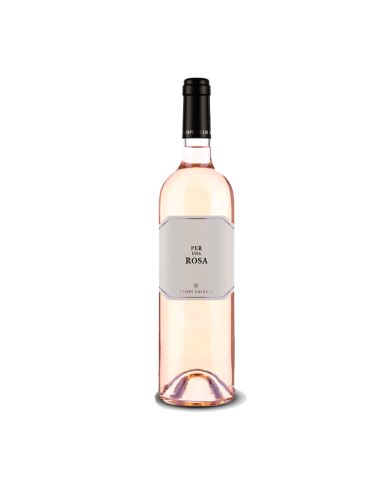
Light coppery pink colour. Delicate nose. Primary flavors of red fruit, flowers, citrus, melon and a nice crunchy green flavor on the celery or rhubarb-like finish. Aromas of melon, strawberry and magnolia. Both fruity and sharp on the palate.
€10.71
SKU:
20103
Brand:
Apollonio
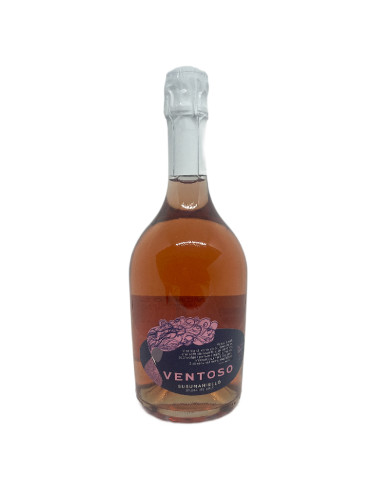
Susumaniello, an autochthonous black grape variety from Puglia, grown in Salento. Its name recalls, in the Apulian dialect, the name of the "somarello" indicating the ancient tradition of raising the productivity of the plant by loading it with bunches "like a donkey". After the first decade of life of the vineyard, the bunch is unloaded of grapes and the production loses in quantity but improves in quality, producing wines of great expression.
€10.31
€9.28
SKU:
20101
SKU:
20088
Brand:
Apollonio
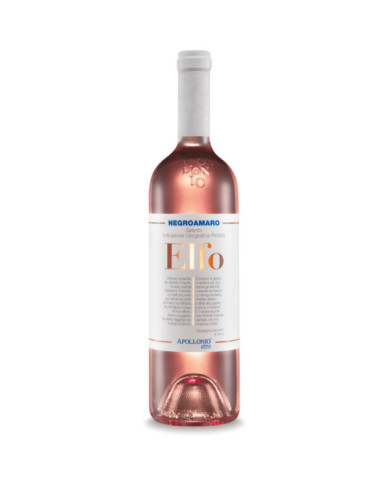
Autochthonous of Puglia, it is the main black grape variety of Salento. Its origins are very ancient (VIII century AC ), it probably owes its name to the terms “niger” (Latin) and “mavros” (Greek) which both mean black. The great versatility makes it suitable for all types of winemaking
€9.49
SKU:
20086
Brand:
Apollonio
Susumaniello, an autochthonous black grape variety from Puglia, grown in Salento. Its name recalls, in the Apulian dialect, the name of the "somarello" indicating the high productivity of the plant loaded with bunches "like a donkey". After the first decade of life of the vineyard, the bunch is unloaded of grapes and the production loses in quantity but improves in quality, producing wines of great expression.
€9.49
SKU:
20057
Brand:
Domini Veneti
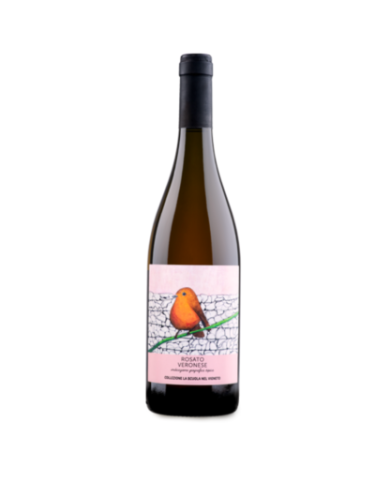
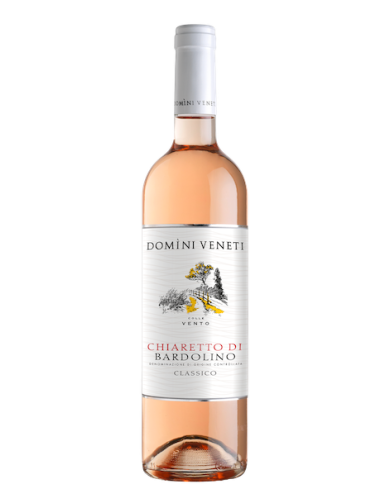
Vendemmia: Settembre con selezione esclusivamente manuale. Dopo la pigiatura il mosto rimane a contatto delle bucce e inizia la fermentazione. Conservazione: acciaio.
€7.53
SKU:
20045
Brand:
Domini Veneti
Vendemmia: Settembre con selezione esclusivamente manuale.
Dopo la pigiatura il mosto rimane a contatto delle bucce
e inizia la fermentazione. Conservazione: acciaio
€8.09
€12.81
SKU:
19968
Brand:
Cingilia
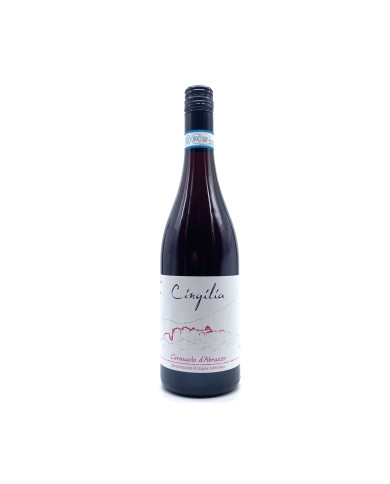
La Passerina di Cingilia è un vino bianco vinificato a temperatura controllata tramite pied de cuve preparato qualche giorno prima della vendemmia. Affinamento in acciaio sulle fecce fini.
€12.52
SKU:
19939
Brand:
Tenuta De Melis
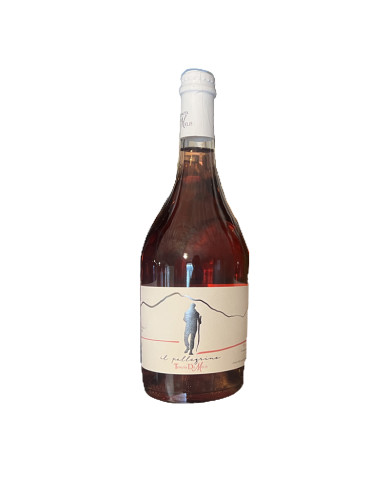
Gironi Divini 2022. Last night it was the turn of the final of the symbolic wine of our region, the nicest, most versatile, most convivial one. A thousand shades of pink to discover some of the most pleasant labels around. Let's talk about Cerasuolo d'Abruzzo. The winner is: Bardasce from Tenuta De Melis .
€10.00
SKU:
19863
Brand:
Cataldi Madonna
Cerasuolo prodotto per la prima volta nel 1997 ricorrendo alla “svacata”, un’aggiunta di vinificazione in rosso come usavano anticamente i contadini della zona. La nostra rivisitazione consiste nell’interpretare dinamicamente il taglio tra una vinificazione in bianco e una in rosso, che viene fatto a metà della loro fermentazione.
Affinamento: prima un anno in acciaio e dopo un anno in bottiglia. La natura di questo vino pretende la cooperazione di chi lo beve, può essere sentito come rosa o come rosso a seconda dei desideri del momento.
Vincente con piatti al pomodoro, la classica chitarra al ragù abruzzese, salumi e carni alla brace.
SKU:
19860
Brand:
Château Miraval
Il Rosè de Provence della cantina francese Miraval è un vino rosato di estrema eleganza e raffinatezza. Vine prodotto in Provenza, terra conosciuta per l'eccellenza di questa tipologia di etichette, tramite un assemblaggio di quattro vitigni: Cinsault, Grenache, Rolle, Syrah. Dopo un breve affinamento in legno si ottiene un colore rosa antico con riflessi aranciati, al naso emergono profumi floreali e di frutta a bacca rossa, note di scorza di limone e miele. Il gusto è fresco, minerale, coinvolgente e dal finale lungo e sapido
€23.31
SKU:
19859
Brand:
Château Miraval
Il Rosè de Provence della cantina francese Miraval è un vino rosato di estrema eleganza e raffinatezza. Vine prodotto in Provenza, terra conosciuta per l'eccellenza di questa tipologia di etichette, tramite un assemblaggio di quattro vitigni: Cinsault, Grenache, Rolle, Syrah. Dopo un breve affinamento in legno si ottiene un colore rosa antico con riflessi aranciati, al naso emergono profumi floreali e di frutta a bacca rossa, note di scorza di limone e miele. Il gusto è fresco, minerale, coinvolgente e dal finale lungo e sapido
€26.84
SKU:
19848
Brand:
Cataldi Madonna
Cerasuolo prodotto per la prima volta nel 1997 ricorrendo alla “svacata”, un’aggiunta di vinificazione in rosso come usavano anticamente i contadini della zona. La nostra rivisitazione consiste nell’interpretare dinamicamente il taglio tra una vinificazione in bianco e una in rosso, che viene fatto a metà della loro fermentazione.
Affinamento: prima un anno in acciaio e dopo un anno in bottiglia. La natura di questo vino pretende la cooperazione di chi lo beve, può essere sentito come rosa o come rosso a seconda dei desideri del momento.
Vincente con piatti al pomodoro, la classica chitarra al ragù abruzzese, salumi e carni alla brace.
€16.60
SKU:
19742
Brand:
Cantina Sangro
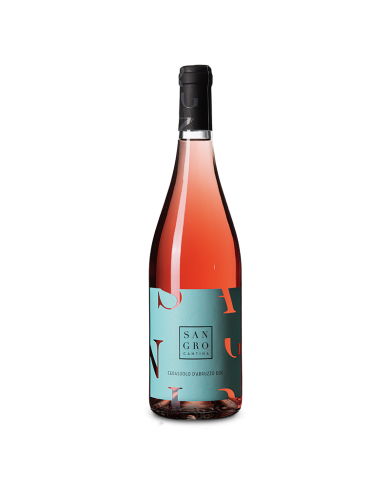
Medium intense straw colour. The nose shows hints of citrus, floral and white pulp fruit. A full-bodied and structured wine, with good acidity that refreshes the palate. It goes well with seafood dishes but also with white meats, medium-aged cheeses, cured meats and first courses.
SKU:
19694
Brand:
Torre Raone
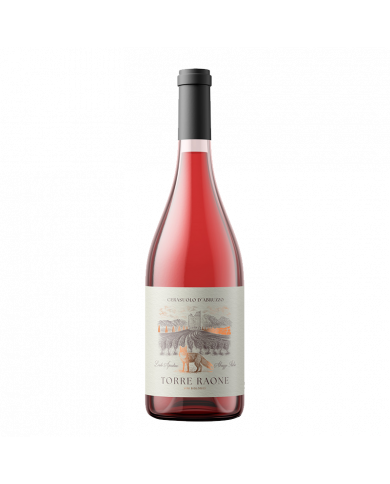
Cerasuolo d'Abruzzo is a delicate and seductive rosé wine, born from a short cryomaceration and vinification in steel at low temperatures. It communicates with grace and immediacy in floral nuances, red roses, strawberries and cherries. The sip is fresh, soft, fruity, harmonious and balanced.
€13.49
€12.75
€5.90
€5.31
€15.47
SKU:
19643
Brand:
Fattoria Italiana Martelli
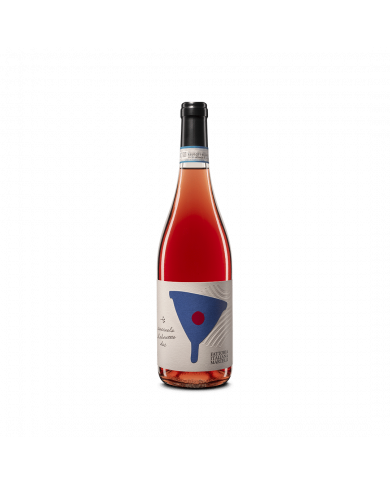
View: bright cherry red Smell: floral, intense; with fruity aromas, hints of cherry, blackberry and currant stand out. Taste: intense, harmonious and fragrant, with excellent persistence.
€11.31
€10.18
SKU:
19617
Brand:
Strappelli
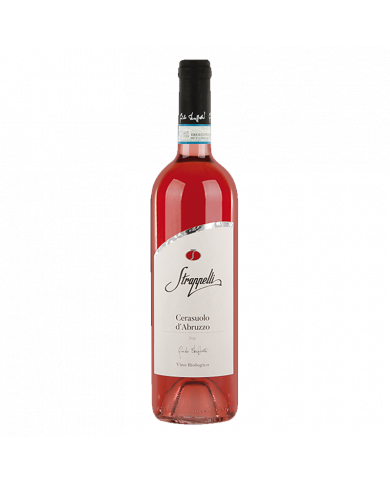
Our Cerasuolo d'Abruzzo comes from the traditional R7 clone of Montepulciano. The name of the wine is linked to its color: it derives in fact from the "cerasumà" which means cherry. This is obtained through a medium-long process of cryopreservation, during which the contact between the must and the skins gives the wine the bright cherry color.
€12.69
SKU:
19616
Brand:
Cataldi Madonna
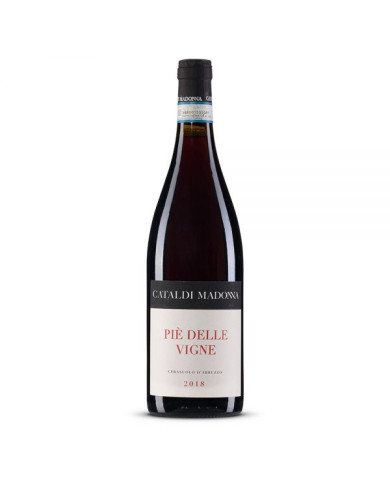
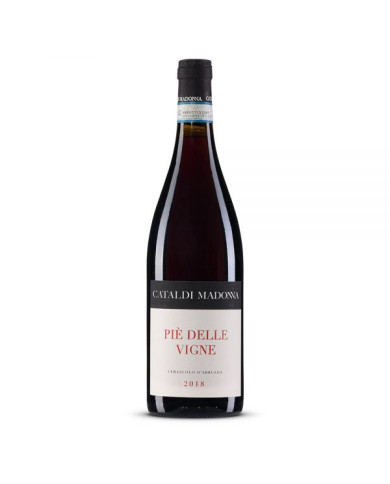
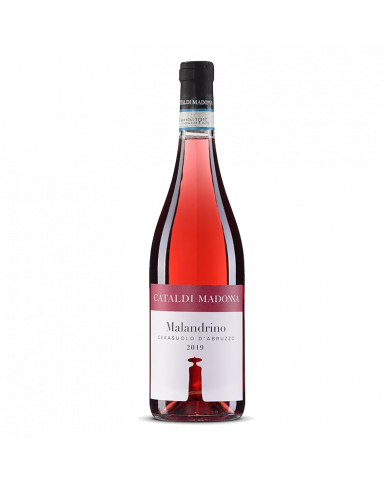
It is one of the classics of the company. From Montepulciano grapes with a cherry color (cerasa), bright and cheerful. It is produced following the procedure developed with the Piè delle vigne. Impresses freshness and persistence. Nose: aromas of red fruit, strawberry and almond. An interpretation of the Cerasuolo that knows how to talk to those who drink it. A pink for the whole meal, perfect to accompany tomato and fried dishes.
€12.32
Pairings for rosé wines
Rosé is a very versatile wine, suitable for a wide variety of food pairings. Thanks to its freshness, it lends itself to both informal pairings, such as cheese, pizza, fried foods, and mushrooms, as well as more complex dishes, such as fish.
The best Italian rosé wine
In recent years, rosé wine production in Italy has grown exponentially, producing truly excellent wines that are worth tasting. Rosé originated in Southern Italy, but is now produced throughout the country. Italian rosé wines boast a long tradition; they are fresh and fragrant wines that pair beautifully with the many traditional dishes of our country. Visit the Clickwine rosé wine section to find the best online deals on DOC rosé wines produced by Italy's most prestigious wineries. With our exceptional online sales, you can bring traditional Italian rosé wines to your table, with incredible savings on the list price. Don't miss the opportunity to enrich your personal cellar with a high-quality rosé wine, a unique opportunity to make evenings spent with friends and family even more perfect.
Why is rosé wine pink?
There's a lot of talk about rosé wine. Many believe it's made by blending white and red wines (a practice prohibited by law), and this hasn't helped its reputation.
The color intensity of rosé wine and its aromas are essentially determined by the maceration on the skins of the red grapes used to produce these wines. But what are the colors of rosé wine? Rosé wine can range from pale pink, cherry red, to claret pink. To obtain a pale pink, maceration is required for very few hours, from 2 to 4, while for a cherry red the time can be up to 7-10 hours. For a very bright claret pink, maceration time can be up to 24 hours.
What are the best rosé wines?
Rosé wines can vary greatly in quality, depending on the production region, the grape variety used, and the winemaking techniques. Some highly regarded rosé wines come from France, particularly the Provence region, which produces light, fresh wines with red berry aromas and crisp acidity. Other high-quality rosé wines are produced in Italy, particularly Tuscany and Puglia, and in Spain, which produce more structured wines with greater aromatic complexity. Other regions renowned for their rosé wines include California, Portugal, and Australia.
It's important to note that the quality of a rosé wine depends on production techniques, climate conditions, and the grapes used. Therefore, it's difficult to make a list of the absolute best rosé wines, as it depends on individual tastes and preferences. However, some highly regarded rosé wines are:
- Château d'Esclans Whispering Angel (Provence, France)
- Domaine Tempier Bandol (Provence, France)
- Biserno Insoglio del Cinghiale Estate (Tuscany, Italy)
- Le Pupille Saffredi Farm (Tuscany, Italy)
- Quinta do Crasto Rosé (Douro, Portugal)
- Sandhi Santa Barbara County Rosé (California, USA)
- Penfolds Koonunga Hill Rosé (Barossa Valley, Australia)
It's recommended to try several rosé wines to discover which one you prefer, keeping in mind that some rosé wines are better enjoyed on their own, while others pair better with certain dishes. Generally speaking, rosé wines are ideal for summer, as they're fresh and light, but they can be enjoyed any time of year, depending on your personal taste.
What do you eat with rosé wine?
Rosé wine is a very versatile wine that pairs well with a wide range of dishes. Because it has a slightly lower alcohol content than red wines and a slightly lighter structure, it is particularly suited to accompany light, fresh dishes, such as fish, white meat, and vegetables. Here are some ideas for pairing rosé wine with food:
- Fish: Rosé wine pairs well with light fish such as salmon, tuna, and sea bass, but also with oily fish such as mackerel and squid.
- White meat: Rosé wine is perfect to accompany white meat such as chicken, turkey, and rabbit.
- Vegetables: Rosé wine pairs well with grilled vegetables, especially red berries like tomatoes and eggplant.
- Cheeses: Rosé wine pairs well with light cheeses such as Brie, Camembert, and Roquefort.
- Salads: Rosé wine is perfect for accompanying summer salads, especially when dressed with an emulsion of olive oil and balsamic vinegar.
Rosé wine can also be enjoyed on its own as an aperitif or as an accompaniment to a light meal. In general, it's important to pair rosé wine with light, not overly flavorful foods to prevent the wine from being overpowered by the food's flavors. It's recommended to taste the wine before deciding on a pairing, so you can choose the dish that best complements its aromatic profile and balance.