Italiano
 Deutsch







There are no more items in your cart
€13.85
€11.69
SKU:
5464
Brand:
Cantina Orsogna
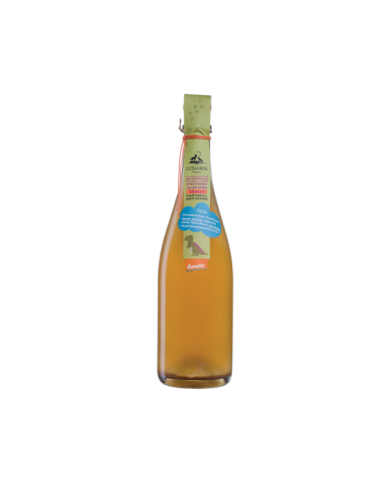
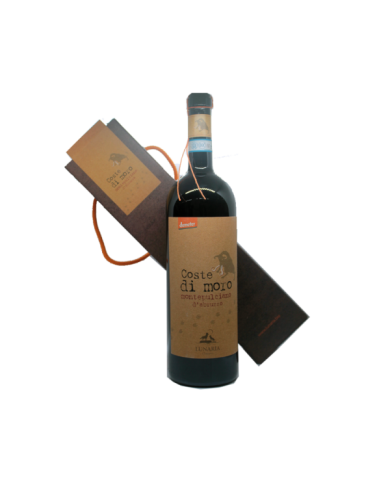
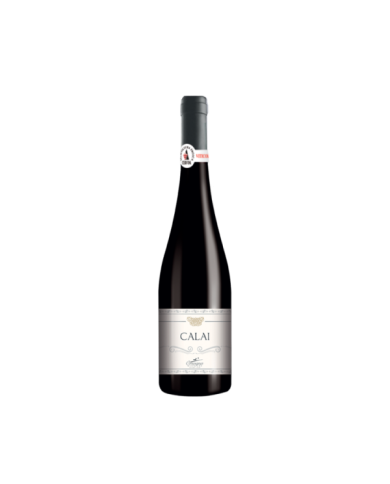
The wine production of Cantina Lunaria finds expression from the love and respect for an authentic land, from the desire to leave its pungent charm unchanged while making the most of its potential.
€26.00
€8.72
SKU:
5363
Brand:
Cantina Orsogna
€123.40
€114.76
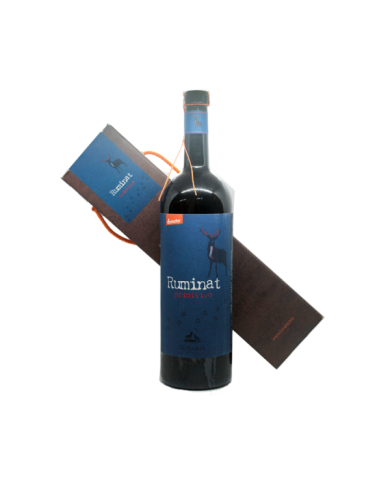
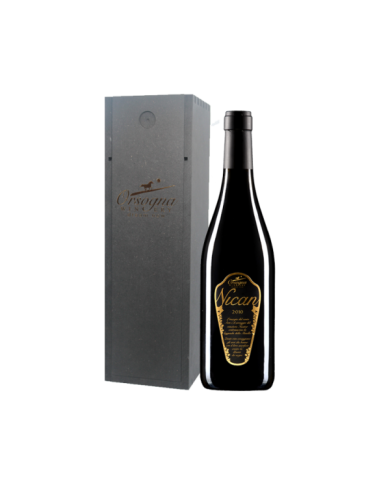
The grapes destined for the production of this wine are left to macerate for 15-20 days, then at least 5 years in wood. A period that sees alternating barriques and large barrels to end with several months in the bottle before being put on the market.
SKU:
5356
Brand:
Cantina Orsogna
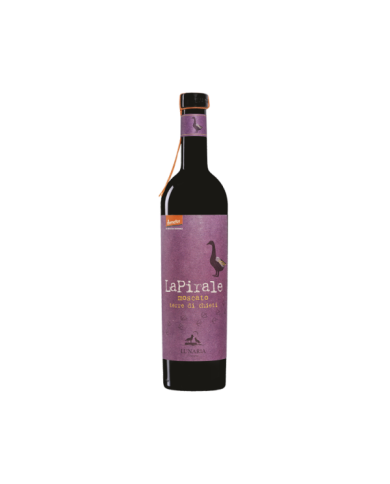
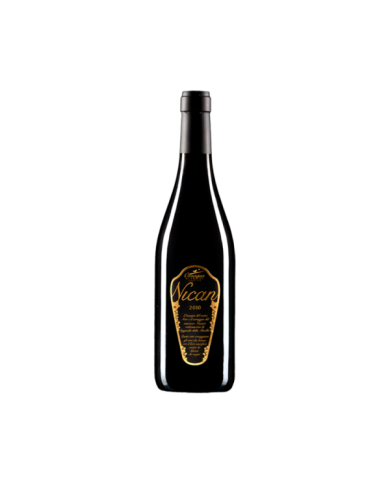
The grapes, after a careful selection, are de-stemmed and crushed, the skins are left in contact with the must with their indigenous yeasts for 10/15 days at a constant temperature of 25/28 ° C. The refinement takes place partly in oak barrels and partly in stainless steel tanks for at least four months. Refinement in the bottle follows. At tasting it has an impenetrable ruby red color. Aroma of red fruit and black cherry jam on everything, light notes of cocoa and toasting complete the bouquet. Warm taste, rightly tannic and therefore soft, intense, and with the typical almond finish. Ideal with cold cuts, grilled and baked meats, first courses with very structured sauces.
€28.02
€49.90
SKU:
4685
Brand:
Cantina Orsogna
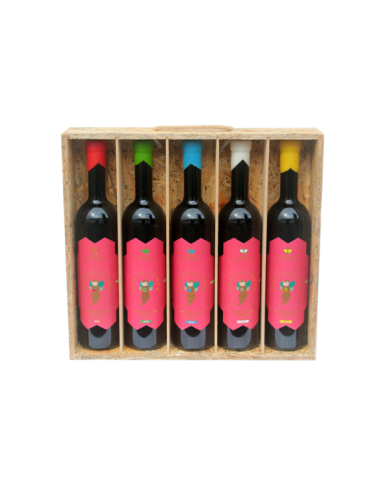
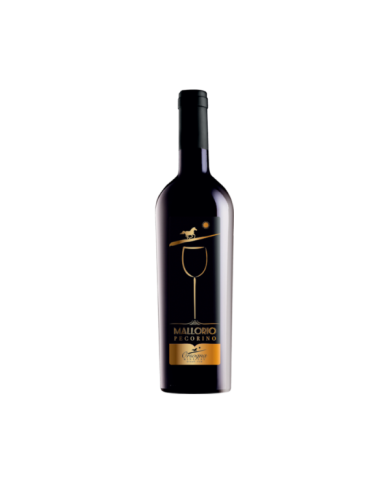
GRAPE Pecorino ALCOHOL CONTENT 14.5% vol COLOR White Packaging in wooden box.
€39.42
€25.38
€68.22
€10.85
€9.76
SKU:
4162
Brand:
Cantina Orsogna
VARIETY Trebbiano 100% CERTIFICATIONS Organic Wine Vegetarian® and Vegan Quality ALCOHOL CONTENT 12.5% vol COLOR White
€8.78
SKU:
4160
Brand:
Cantina Orsogna
VARIETY Pecorino minimum 85% CERTIFICATIONS Organic Wine Vegetarian Quality® and Vegan ALCOHOL CONTENT 13% vol COLOR White
€7.71
SKU:
4156
Brand:
Cantina Orsogna
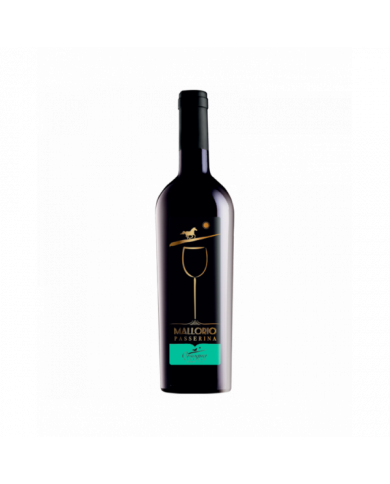
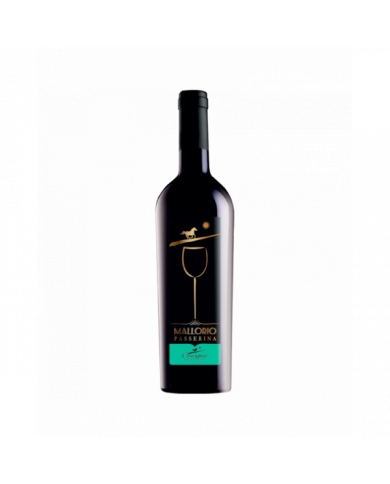
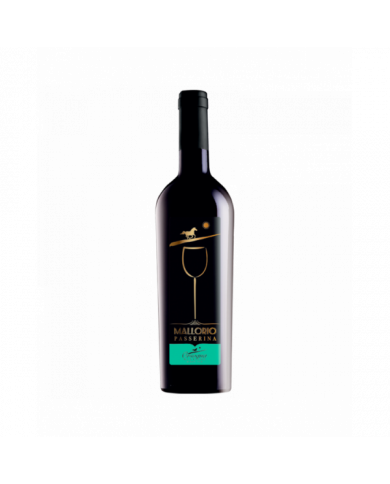
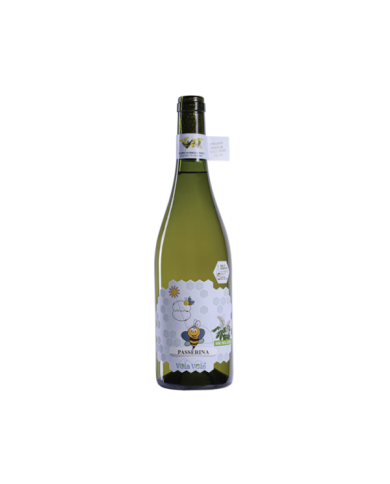
VARIETY Passerina minimum 85% CERTIFICATIONS Organic Wine Vegetarian® and Vegan Quality ALCOHOL CONTENT 12.5% vol COLOR White
€8.78
SKU:
4151
Brand:
Cantina Orsogna
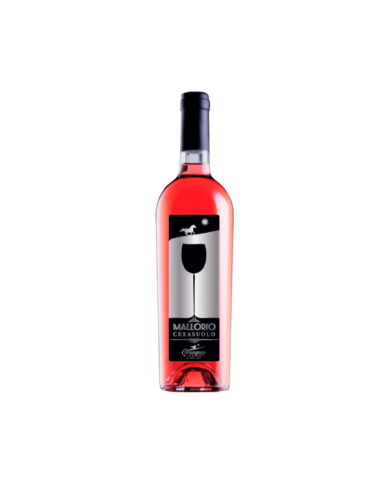
VARIETY Montepulciano 100% CERTIFICATIONS Organic Wine Vegetarian® and Vegan Quality ALCOHOL CONTENT 13% vol COLOR Rosé
€8.78
SKU:
4144
Brand:
Cantina Orsogna
VIEW Light straw yellow with greenish reflections. SMELL Delicate floral bouquet of lilac, honeysuckle and acacia. TASTE Fruity, citrus aromas, pleasantly acidic, slender body.
SKU:
4036
Brand:
Cantina Orsogna
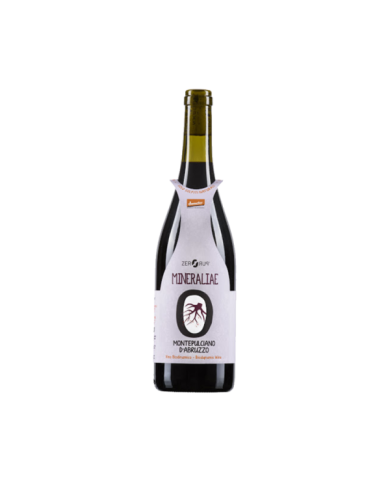
Ruby red color with slight purple hues, the nose is intense, floral, fruity (black cherry), with a slight spiciness in the mouth is rightly tannic, full-bodied, balanced and with an almond finish.
€7.71
SKU:
3999
Brand:
Cantina Orsogna
Opalescent straw yellow in color, the nose opens fragrant with white flowers and apples, with a herbaceous finish of hay. The taste is fresh, savory and leaves the mouth with a delicate hint of bitter almonds.
SKU:
3997
Brand:
Cantina Orsogna
A concentrated ruby red leaves room for an intense hint of plums and small red fruits, on all blackberries and raspberries. To the taste there is full correspondence in the aromas with an excellent intense, savory and full-bodied finesse.
€11.27
SKU:
3994
Brand:
Cantina Orsogna
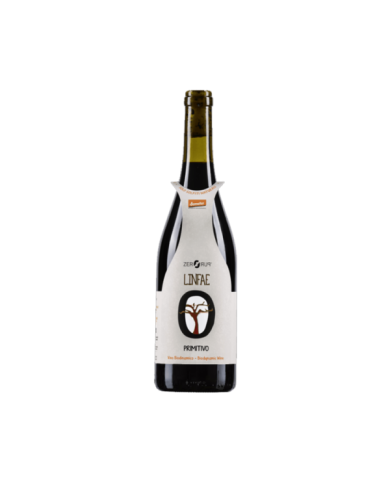
The impenetrable ruby red color with purple hues would like to hide what comes to the nose intensely: black cherry in alcohol and jam, leather and almond. The taste is warm, full, rightly tannic and savory.
SKU:
3992
Brand:
Cantina Orsogna
In the glass it has a straw yellow color, slightly opalescent. A bouquet of Mediterranean scrub immediately arrives on the nose, the taste is full, with hints of pear and an almond finish.
€12.60
SKU:
3990
Brand:
Cantina Orsogna
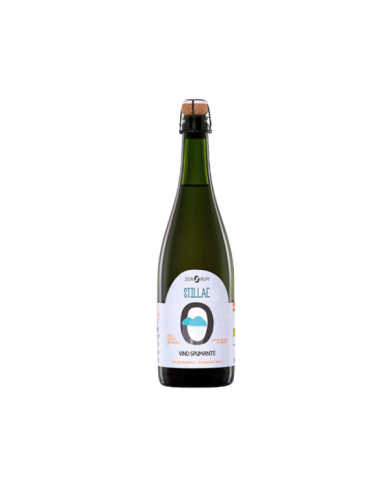
At the sight it is of an opalescent straw yellow, the nose is very intense, typically aromatic and with a strong balsamic scent and a vegetal note. The taste is dry, fresh and savory.
€15.45
SKU:
3988
Brand:
Cantina Orsogna
At sight it is opalescent light pink, tending to onion skin. The nose is intense with the scent of pink grapefruit and in the background of lychees. The taste is fresh, savory and full-bodied.
€12.60
Sale of Biodynamic Wines
Biodynamic wines represent a new frontier in the production of high-quality wines, where nature is fully respected and enhanced. Biodynamic viticulture is an agricultural practice based on the theories of Rudolf Steiner, which involves the use of natural methods to cultivate vines and produce high-quality wine. In this article, we'll explore everything you need to know about selling biodynamic wines, from the specifics of the production process to the wine varieties available on the market.
How is biodynamic wine produced?
The biodynamic winemaking process is based on natural methods, including the use of biodynamic preparations to strengthen the vine's vitality and improve the quality of the wine. Biodynamic viticulture relies on the use of herbal and mineral preparations to improve the quality of the soil and vines. Furthermore, biodynamic viticulture involves respecting nature's cycles and the use of organic farming techniques.
The characteristics of biodynamic wine
Biodynamic wine stands out for its quality and its ability to authentically express its terroir. Thanks to the use of natural methods, biodynamic wine preserves the organoleptic properties of its terroir, expressing the character of the grape variety in an authentic and genuine way. Furthermore, biodynamic wine is considered healthier than wine produced using traditional methods, as it contains fewer chemicals and additives.
Biodynamic wine varieties
Biodynamic wine is available in numerous varieties, from the most classic to the most innovative. The main biodynamic wine varieties are:
- Chianti: a Tuscan red wine made from Sangiovese grapes;
- Barolo: a Piedmontese red wine made from Nebbiolo grapes;
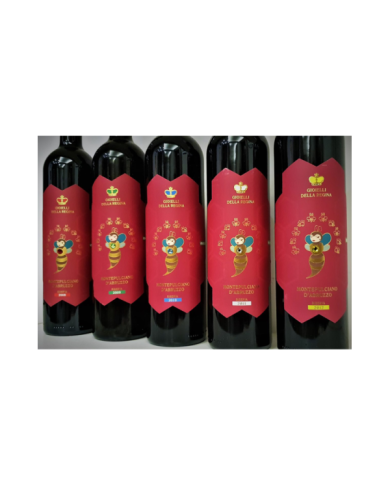
- Montepulciano d'Abruzzo: a red wine from Abruzzo made from Montepulciano grapes;
- Prosecco: a white wine from the Veneto region made from Glera grapes;
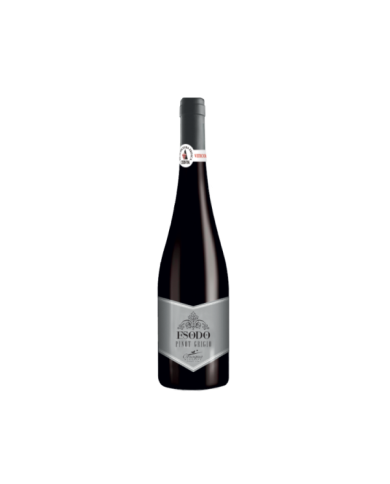
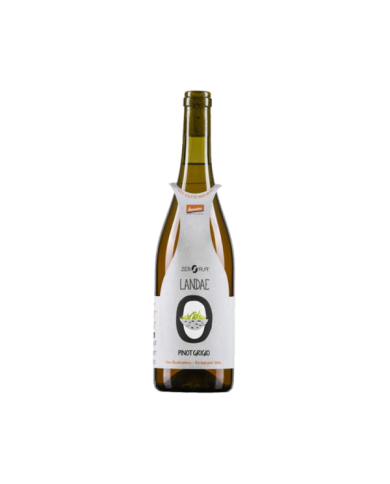
- Pinot Grigio: a white wine from Friuli made from Pinot Grigio grapes.
Where to buy biodynamic wine
Biodynamic wine is available at numerous specialty stores and online wine shops, where you can find a wide selection of labels and varietals. Additionally, many Italian wineries and wineries produce biodynamic wine, making it possible to purchase directly from the producer. It's important to choose a reliable and specialized seller who can offer a wide selection of biodynamic wines and guarantee their authenticity and quality.
Benefits of biodynamic wine
Biodynamic wine offers numerous advantages over wine produced using traditional methods. First, the biodynamic wine production process relies on natural methods, free from chemicals and pesticides. Therefore, biodynamic wine is considered healthier and free from harmful substances. Furthermore, thanks to the use of biodynamic preparations and the careful management of the soil and vines, biodynamic wine can authentically express the characteristics of its terroir, offering greater expressiveness and a unique character.
The sale of biodynamic wines represents a new frontier in the production of high-quality wines, authentically expressing the character of their terroir. Thanks to the use of natural methods and careful attention to the soil and vines, biodynamic wine is a healthy and high-quality choice, capable of satisfying even the most discerning palates. Choosing a reliable and specialized seller is essential to guarantee the quality and authenticity of biodynamic wine and to ensure access to the widest selection of labels and varietals.
Related posts