

 Italiano
 Deutsch










There are no more items in your cart
SKU:
14663
Brand:
Cantine Francesco Montagna
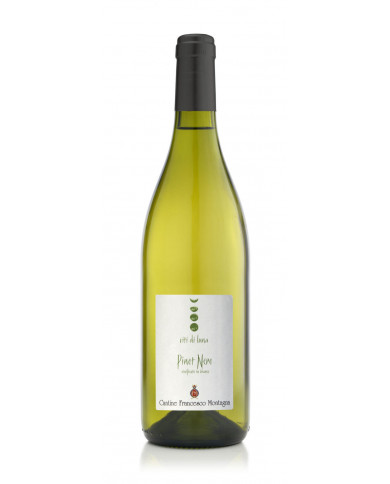
A young white wine from Lombardy, produced with Pinot Noir grapes vinified in white. After the manual harvest and destemming, we proceed to a soft pressing with static clarification at 10°C, followed by a fermentation at a controlled temperature. The second fermentation, for the second fermentation, takes place in an autoclave at a controlled temperature.
Its straw yellow color with bright reflections shines in the glass. The nose is delicate and subtle, with delicate floral and fruity aromas. The taste is extremely fresh, sparkling, with a touch of elegance and good aromatic persistence.
Surely it can be enjoyed with seafood first and second courses, white meats and fresh cheeses. It is perfect as an aperitif.
€10.37
€14.64
€12.44
SKU:
14652
Brand:
CVA Canicattì
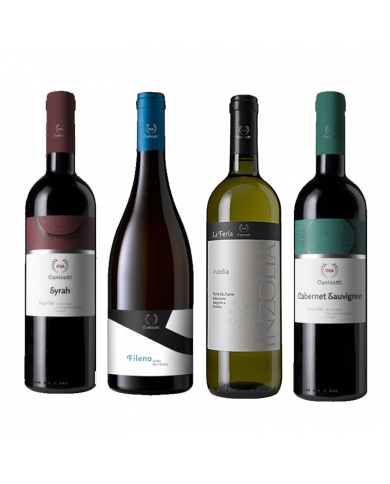
Fileno, harvest 2021, 100% Grillo, is the best white wine in Italy. An extraordinary result for CVA, a small but prestigious wine cooperative in the Agrigento area.
From the vinification of Nero d'Avola and Nerello Mascalese grapes, a rosé wine of great pleasure and fragrance takes shape. Intense in the aromas, elegant, savory and mineral on the palate.
Faithful to tradition yet modern and innovative. Inzolia in purity, a wine with its aromatic characteristics, which stands out for its savory and mineral taste.
€32.90
SKU:
14646
Brand:
Cantina Dorigati
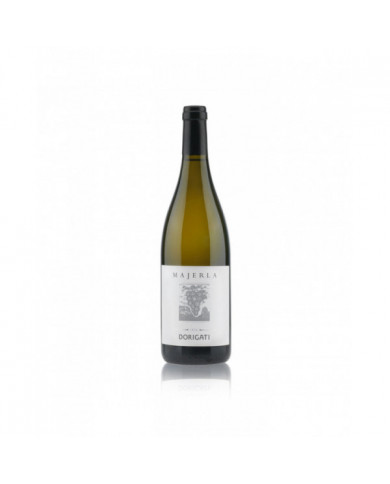
Characterized by aromas of varietal fruit aromas that combine well with the vanilla aroma given by the aging in wood. Creamy and full flavor, but at the same time fresh and pleasant. After the pressing and clarification of the must, the alcoholic fermentation takes place, half carried out in steel and half in wood.
€20.13
SKU:
14641
Brand:
Cantina Dorigati
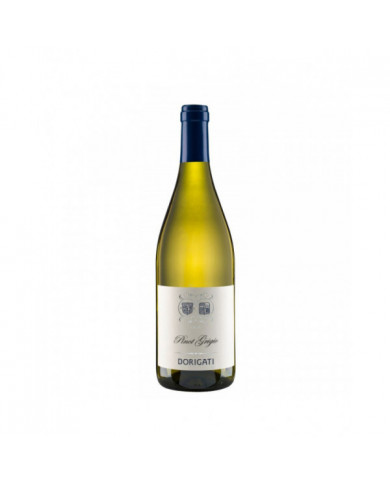
Pinot Grigio Dorigati is a wine from Trentino. It has a straw yellow color with golden reflections, a pleasant, fruity and floral bouquet. Full, fresh and mineral flavour. Pairing: ideal with full meals of light lunches, excellent with hors d'oeuvres and soups.
€15.37
SKU:
14637
Brand:
Cirelli
Intense straw yellow. The nose is expressed with hints of exotic fruit and floral notes of hawthorn. On the palate it is fresh, with good flavor and balanced.
€13.00
SKU:
14636
Brand:
Cirelli
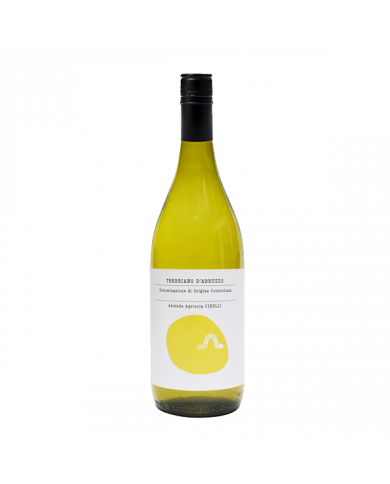
Cirelli 's Trebbiano d'Abruzzo is a fresh, satisfying and thirst-quenching white wine with a pleasantly rustic style, bright minerality and freshness. Delicate floral and fruity notes accompany a smooth and refreshing drink. Vinified in steel and aged for 4 months on the fine lees.
€13.00
SKU:
14629
Brand:
Cirelli
€27.90
€25.11
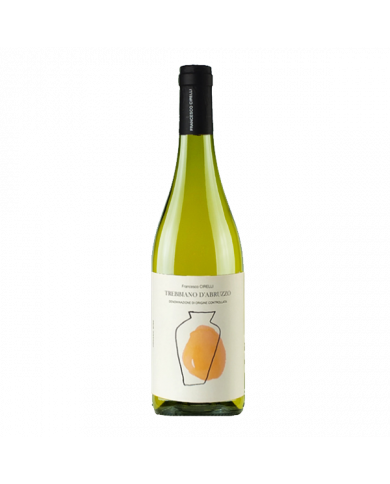
Trebbiano d'Abruzzo "Anfora" by Cirelli is a soft and intense white wine, vinified with a short maceration in terracotta amphorae, where it remains aged for about 12 months. A bouquet rich in citrus fruits, yellow fruit and aromatic herbs animates a savory and velvety sip, with excellent balance and remarkable persistence.
€27.90
€25.11
SKU:
14627
Brand:
Cantina Marchesi Antinori
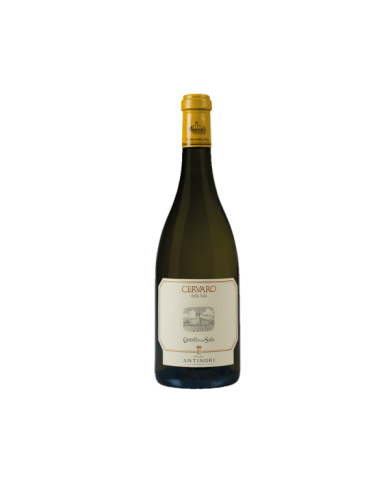
Refined and intense, structured and persistent , it is obtained from Chardonnay grapes with a small percentage of Grechetto, a native grape that brings acidity and binds it even more to the territory. The vinification takes place in Allier and Troncaise barriques, where the wine then matures for six months before being bottled and left to refine for another 10 months.
SKU:
14626
Brand:
Cantina Marchesi Antinori
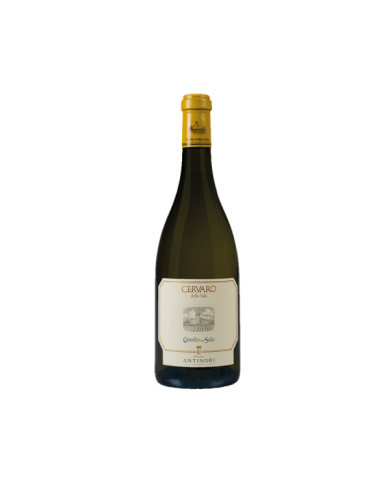
Refined and intense, structured and persistent , it is obtained from Chardonnay grapes with a small percentage of Grechetto, a native grape that brings acidity and binds it even more to the territory. The vinification takes place in Allier and Troncaise barriques, where the wine then matures for six months before being bottled and left to refine for another 10 months.
SKU:
14625
Brand:
Cantina Marchesi Antinori
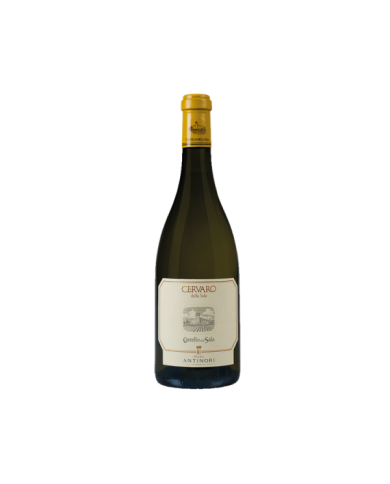
Refined and intense, structured and persistent , it is obtained from Chardonnay grapes with a small percentage of Grechetto, a native grape that brings acidity and binds it even more to the territory. The vinification takes place in Allier and Troncaise barriques, where the wine then matures for six months before being bottled and left to refine for another 10 months.
SKU:
14623
Brand:
Rotari
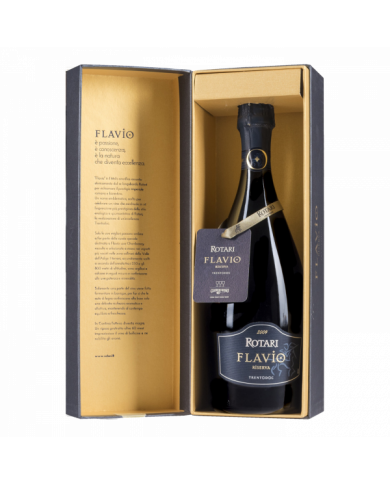
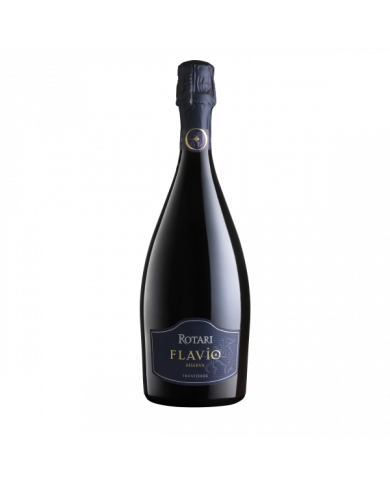
It is produced with 100% Chardonnay grapes, rigorously harvested and selected by hand. The first fermentation, which takes place partly in steel and partly in barrique, is followed by 5 months refinement in the same containers and second fermentation, by refermentation in the bottle, with a full 5 years refinement on its own yeasts.
€56.73
SKU:
14614
Brand:
Cantina Orsogna
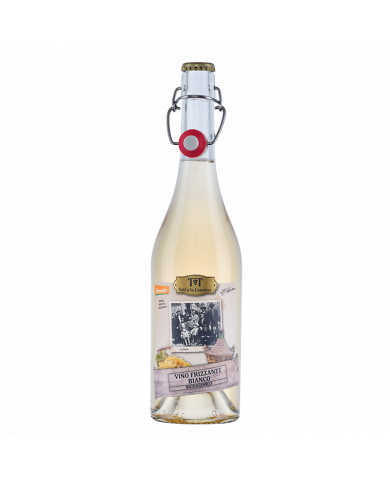
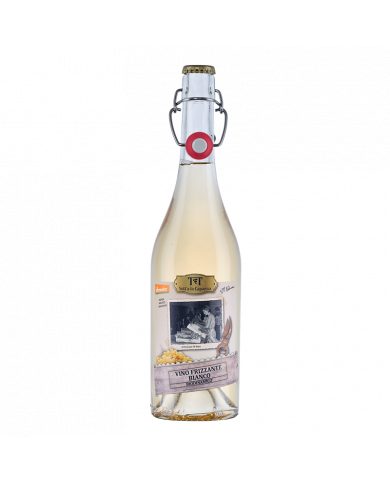
Live wine, organic and biodynamic (Demeter) with spontaneous fermentation, without added sulphites, unfiltered, with fermentation lees.
€13.42
SKU:
14607
Brand:
Cantina Frentana
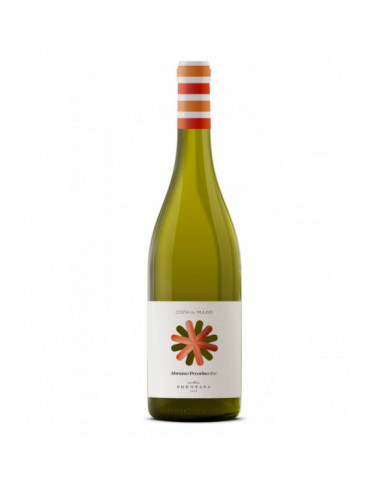
The wine has a medium intense straw colour. The nose reveals pleasant notes of citrus, honey and yellow peach and sometimes a characteristic hint of "beer". The taste is presented as a wine with body and structure, balanced by a good acidity that refreshes the palate.
€18.90
€11.00
SKU:
14598
Brand:
Fantini Farnese
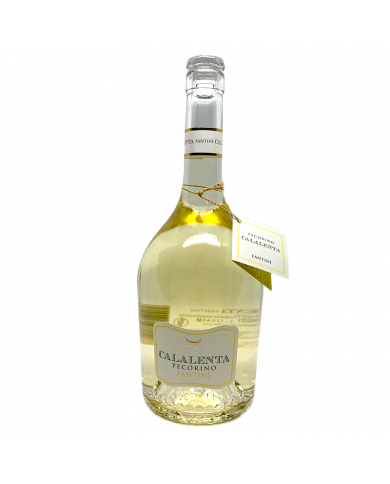
Production area: Ortona. Abruzzo Vinification: The grapes are de-stemmed and pressed very softly, in contact with the skin for about 12 hours at 3 ºC. About 80% of the must is fermented in heat-conditioned stainless steel tanks at a controlled temperature of 12 C., the other 20% in 40hl oak barrels to release a moderate 'woody' and a more refined character. Pairings: Perfect with lobster, cream of vegetable soup and smoked fish, we also recommend it with roast chicken.
€15.41
SKU:
14597
Brand:
Fantini Farnese
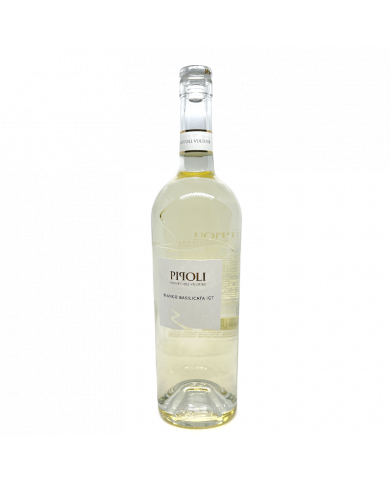
Production area: Acerenza, Basilicata. Grapes and Vinification: Greco 60%, Fiano 40%. Aging in steel on its own noble lees. Color and Pairing: White, ideal for aperitifs and fish soups.
SKU:
14589
Brand:
Ca' Rugate
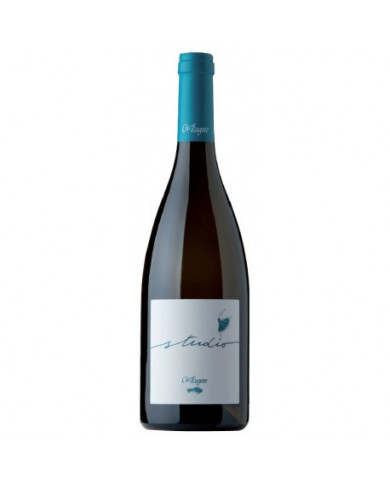
The Bianco "Studio" of Cà Rugate has an intense straw yellow colour. On the nose there is a bouquet of pout pourri and green tea with light notes of white pulp fruit and flint. On the palate it is enveloping and dense, taking up the aromatic freshness contained in the olfactory premises, it relaxes in a finish full of flavor and extraordinary persistence.
Vinification and fermentation take place in steel with consequent assembly of the grapes. 50% of the mass obtained is aged in 680 liter barrels for about 9 months and the remainder in steel.
The selected vine stocks are located in the Tremenalto area north of the municipality of Monteforte d'Alpone, on predominantly basaltic soils.
A wine to be discovered, ideal for any occasion.
€37.58
SKU:
14575
Brand:
Ca' Rugate
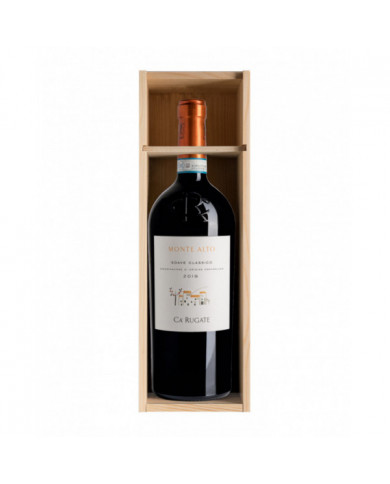
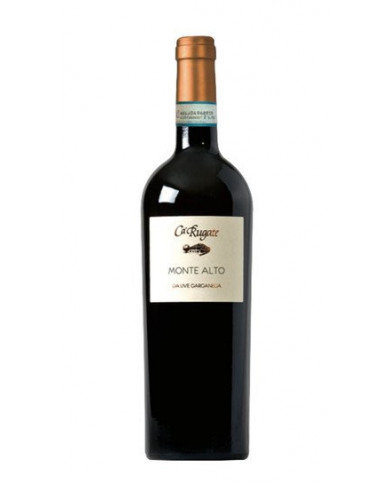
The Soave Classico "Monte Alto" is a soft and fragrant white wine from the Veneto region, which the aging on the lees in barriques and oak barrels has contributed to rounding out. On the nose emerge aromas of flowers, yellow fruit and almonds. The sip is enveloping, fresh and intense, with a good structure. The "Monte Alto" belongs to the group of crus of Ca' Rugate, historic company of the Tessari family, born in the heart of Valpolicella, between Monteforte d'Alpone and Montecchia di Crosara, and witness for over a century of a viticulture closely linked to local traditions and local vines. Spread over an area of over 4000 meters and divided over 3 levels, the cellar allows the company to concentrate all the processes of vinification, refinement, bottling and storage in a single location. The owned vineyards, located on the Rugate hill which gives the company its name, are cultivated partly with the Veronese pergola system, partly with the guyot system. On the south-facing slopes, where the cultivation of vines finds particularly favorable conditions, the soil is basaltic and rich in clay and silt. The area is vast and rather homogeneous, with characteristics that have made it possible to identify particular micro-areas, suitable for obtaining a fresh, balanced, persistent Soave Classico with great personality. These are the territorial premises that give rise to this warm and soft wine, with a structure capable of supporting a remarkable evolution after a few years of age, the Soave Classico "Monte Alto" is produced with the best grapes from the vineyards of Monteforte d'Alpone, bringing with it a varietal expression of extremely high quality which thus seals the great relationship established over time between the Ca' Rugate company and the hills of Soave.
€60.60
SKU:
14573
Brand:
Ca' Rugate
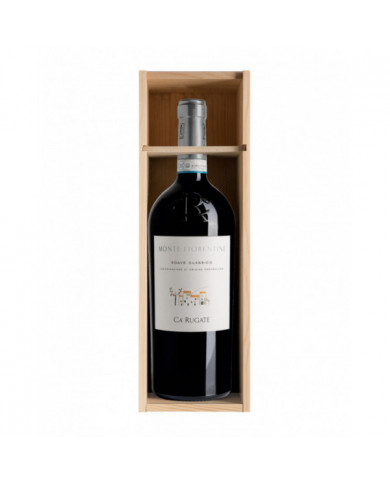
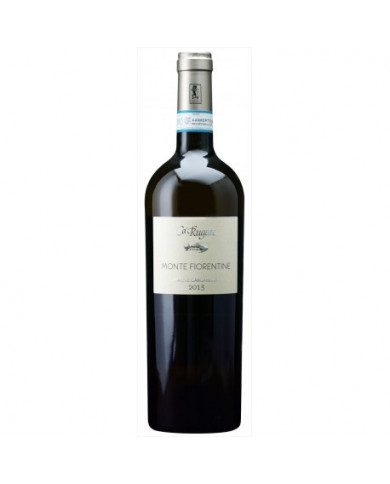
The Soave Classico Magnum "Monte Fiorentine" by Cà Rugate has a deep straw yellow colour. The nose is fine and delicate with exotic fruit and citrus. The Taste is soft, persistent and sapid.
This wine is vinified in white with fermentation in steel at 16-18 degrees, for a period of 10-15 days.
The vineyards of Monte Fiorentine are located north of Colle Rugate, in Brognoligo di Monteforte d'Alpone, in soils of volcanic origin rich in minerals.
A very structured wine that is best expressed after 1-2 years of aging in the bottle.
€43.07
SKU:
14571
Brand:
Ca' Rugate
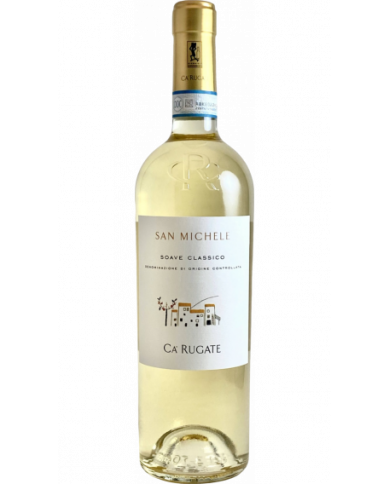
Straw yellow color with antique gold reflections. The nose offers a complex and harmonious aromatic range that combines citrus notes with those of Mediterranean herbs. On the palate it is intense and elegant with marked minerality and flavor that give a long and fresh finish.
€24.64
SKU:
14569
Brand:
Ca' Rugate
Studio is the name of a wine but it is also the study of a wine. A study made of research and experimentation around two grape varieties typical of the Soave area: Trebbiano di Soave and Garganega. A study that began several years ago, which led Ca' Rugate towards a rereading and reinterpretation of these two native vines.
€21.59
SKU:
14565
Brand:
Ca' Rugate
Deep straw yellow colour. Intense, persistent, floral, fruity nose of ripe fruit, dried fruit and almond. Warm, soft and full-bodied. On the palate it is intense and persistent. Very structured wine that reaches its peak after a few years.
€17.69
SKU:
14564
Brand:
Ca' Rugate
Deep straw yellow colour. Fine and delicate nose of exotic fruit and citrus. Soft, persistent and savory taste. A very structured wine that is best expressed after 1-2 years of aging in the bottle.
€16.10
SKU:
14561
Brand:
Ca' Rugate
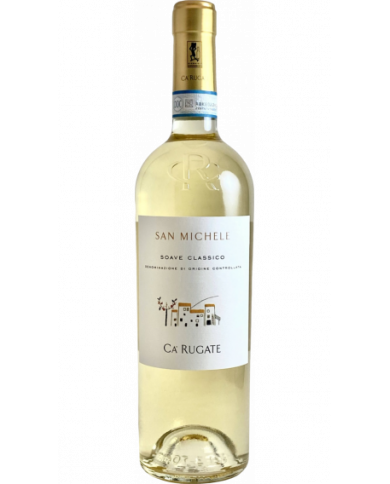
Straw yellow colour. Fine and delicate nose of sweet field flowers: chamomile, elderberry, iris. Pleasant palate, with sweet almond aftertaste.
€11.96
SKU:
14560
Brand:
Ca' Rugate
Straw yellow colour. Fine and delicate nose of sweet field flowers: chamomile, elderberry, iris. Pleasant palate, with sweet almond aftertaste.
€7.44
€13.01
€13.02
€11.72
SKU:
14552
Brand:
Cantina Orsogna
Short cold maceration and subsequent soft pressing. The must ferments in stainless steel containers at a temperature of 12-14 ° C for about 30 days with its indigenous yeasts. Clarification takes place by decanting. The refinement takes place in steel tanks for about 4 months, followed by in the bottle. At tasting it has a straw yellow color. Intense aroma with hints of grapes, tropical fruit, flowers. Fresh and soft taste, intense, savory and full-bodied. Excellent to accompany seafood, medium-aged cheeses, structured first courses, white meats.
€39.41
€15.47
SKU:
14541
Brand:
MARCHESI DI GRESY
€30.13
€24.11
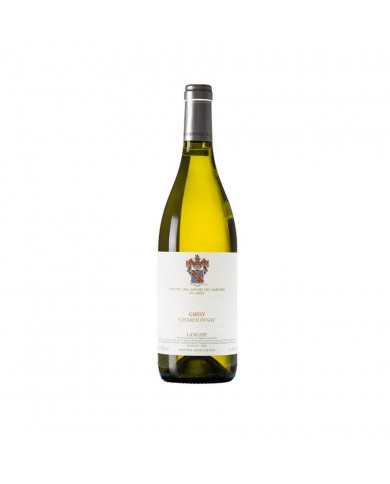
The Chardonnay of the Marchesi di Gresy is a white with great structure, a Piedmontese expression of a classic Burgundian. The grapes are grown on Monte Aribaudo near Treiso and then the must ages for a long period in wood, a full 22 months, an aspect that gives body, softness and tertiary notes of spices and toasting. Peculiar the pleasant sapidity that accompanies the sip and persists for a long time
€30.13
€24.11
SKU:
14501
Brand:
Cantina Tollo
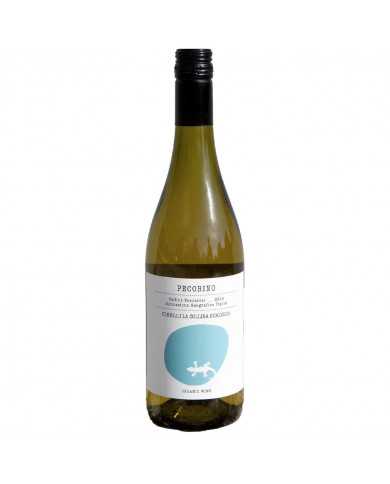
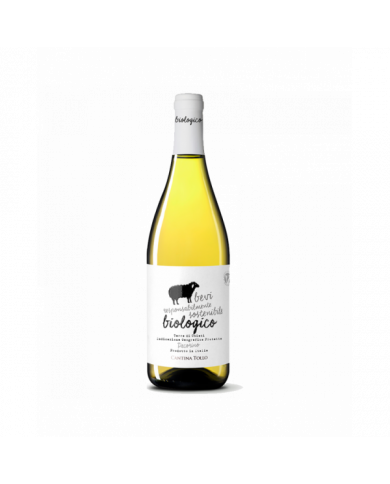
Vine to rediscover ancient variety that gives persistence, harmonious and slightly balsamic flavor with notes of citrus and garden fragrances. Made exclusively with Pecorino.
Pairings
Raw fish and shellfish, fish dishes in general also excellent with fresh or stretched curd cheeses.
€7.71
SKU:
14500
Brand:
Cantina Tollo
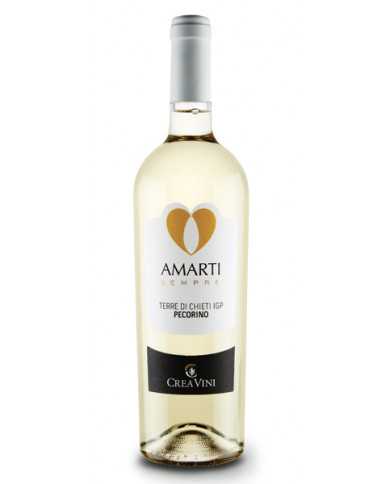
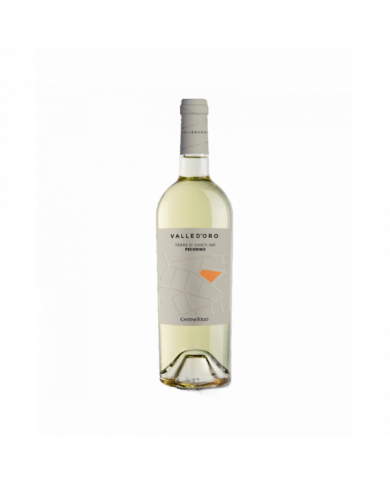
Company : Cantina Tollo Wine region : Abruzzo (Italy) Appellation : Terre di Chieti IGT (IGP) Vegan Type : white, dry, still Variety : Pecorino 100% Alcohol content : 13% Year : 2021 Format: 750 ml
SKU:
14499
Brand:
Cantina Tollo
A wine that tells the authenticity of nature, just as bees are proof of the quality of food.
Pairings
Excellent as an aperitif or with fish-based dishes, white meats and fresh cheeses
€8.00
The best Italian white wines
Italy is home to some of the finest white wines. In the Clickwine section of our online wine shop dedicated to the finest Italian white wines, you'll find bottles of excellent white wine carefully selected by our sommeliers.
The designations used in our country to classify wines are DOCG, DOC, and IGT. Sometimes you'll also find designations like DOP and IGP: these acronyms have similar meanings to the previous ones but are used by wineries that primarily sell their wines outside of Italy.
The production of white wine
White wines are produced from both light and dark grapes, but vinified as a white wine: that is, during maceration there is no contact between the must and the pomace, so that the skin – exactly the opposite of what happens with red wines – does not release substances and color.
Its myriad nuances vary according to the characteristics of the grape variety, the aging method and the vine growing area.
In white winemaking, once the grapes have been harvested, they are transported to the cellar, destemmed, and pressed, and the must is separated without any maceration or with a brief maceration. Sometimes, however, the grapes are pressed and then macerated with the skins at a low temperature for a varying length of time. This produces richer, smoother wines.
This phase is followed by the clarification of the white wine produced, which can be done by letting the must rest, by cooling, centrifugation or filtration.
Fermentation begins either by adding selected yeast to the must or spontaneously, using the indigenous yeasts present in the grapes. To preserve the aromas, finesse, and freshness of white wines, fermentation is carried out at lower temperatures than red winemaking, generally around 18°C.
To obtain a fresh and lively wine, best drunk young, malolactic fermentation is avoided by bottling early, after filtration and stabilization. More complex wines, aged or fermented in wood, are bottled only after several months in barrel.
How to taste white wine
First, you need to decide whether to uncork the bottle right away or let your white wine age. If you want to immediately succumb to its charm, its aromas of aromatic herbs, flint, or its notes of exotic fruit, then serve your white wine at the right temperature: 6-8°C for a young white and 8-10°C for a softer, more structured wine.
How to pair white wine
Dry white wines will surprise you at the table, too, and not just with their straw-yellow color. As an aperitif, and especially with a fish dish, white wine is definitely a must, but it's not easy to know which of the many labels will be best suited to the occasion.
We recommend pairing white wine with cheeses, whether low-fat, fresh, or rich in milk, such as flavorful buffalo mozzarella, or with soft, bloomy-rind cheeses. They're also perfect with white meats, such as classic scallops, but beyond tradition, white wine also pairs perfectly with meat and risotto dishes, as well as truffles. Visit our online wine shop Clickwine for expert advice on purchasing the best white wine at the best price to pair with your favorite dishes.
White wines: prices and offers
Every week, our online wine shop, Clickwine offers a selection of selected white wines at special prices. In this section and in the special offers section, you can then browse the best value wines.
A wide selection of premium products at affordable and truly exclusive prices. Don't miss the incredible deals on white wines from all the most prestigious Italian wineries; discover internationally renowned and beloved Italian wines.
Enter the Clickwine catalog and expand your selection by purchasing exclusive items online from smaller, yet exceptionally high-quality wineries.
White wines: longevity and conservation
How long can I keep white wine in the cellar? Do white wines improve as they age like red wines? These are the questions a wine consumer asks when talking about white wine.
In general, white wines have a much shorter shelf life than red wines, for two reasons: tannins and aging. Tannins are antioxidants present in the wine's skins that aren't present in white wines; as for aging, however, most white wines age in stainless steel for just a few months; even red wines, if they age briefly in stainless steel and undergo rapid maceration, don't last for many years. Let's say a classic white wine aged in stainless steel lasts a maximum of 2 to 3 years. If it undergoes maceration or ages in wood, it can last up to 20 years and improve year after year.
How many types of white wines are there?
There is no exact number of types of white wine, as there are several different white grape varieties that can be used to make white wines. Some of the most common white grape varieties used to make white wines are Chardonnay, Sauvignon Blanc, Riesling, Pinot Grigio, and Moscato. There are also other less common varieties such as Gewürztraminer, Semillon, and Viognier. Each of these varieties can be used to produce white wines with unique and different characteristics, so there are many different types of white wines available.
How to recognize a good white wine?
There are several ways to recognize a good white wine. One of the simplest is to taste the wine and evaluate its flavor and aroma. A good white wine should have a pleasant flavor and a delicate, complex aroma. Other factors that can indicate the quality of a white wine include the vintage, the grape variety, and the production area. In general, white wines produced with high-quality grapes and in particularly favorable years tend to be more valuable and of higher quality. Furthermore, white wines produced in regions renowned for producing high-quality white wines can be considered more valuable than those produced in other regions.
How to understand if a white wine is good?
As mentioned above, one of the easiest ways to determine if a white wine is good is to taste it and evaluate its flavor and aroma. A good white wine should have a pleasant flavor and a delicate, complex aroma. It's also important to keep in mind that the quality of a white wine can be influenced by several factors, such as the vintage, the grape variety, and the production area. For example, white wines produced with high-quality grapes and in particularly favorable years tend to be more valuable and of higher quality. Furthermore, white wines produced in regions renowned for producing high-quality white wines may be considered more valuable than those produced in other regions.
Why is it called white wine?
White wine is so called because it is made using white grapes. Most white grapes have transparent or lightly colored skins, so the wine made from these grapes has a light, transparent color. Sometimes the color of white wine can be influenced by the type of grape used, the winemaking process, and the addition of other ingredients, but generally, white wine has a light, transparent color.
How to replace white wine?
If you want to replace white wine in a recipe, there are several ingredients you can use. One of the most common options is to use chicken or vegetable broth instead of white wine. Other options include using white vinegar or apple juice diluted with water. Additionally, in some cases, you can omit the white wine entirely and use other ingredients to achieve the desired flavor in the recipe.