

 Italiano
 Deutsch





There are no more items in your cart
€3.37
€2.83
SKU:
10299
Brand:
Nicola Santoleri
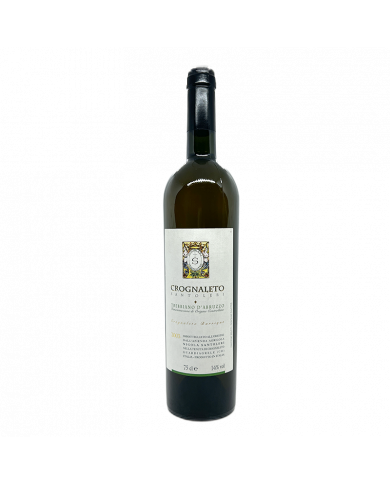
Type: White doc - Grapes: Trebbiano 100% Aging: 12 months in barrique and 2 months in bottle - Gr. 14%
€10.31
SKU:
10298
Brand:
Nicola Santoleri
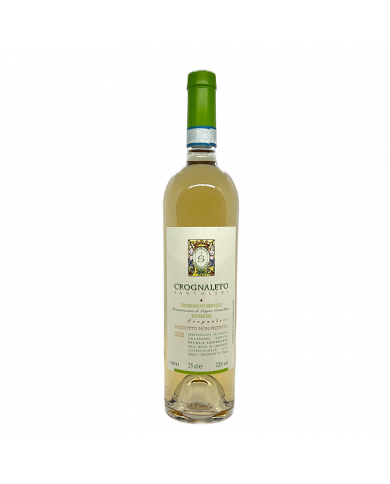
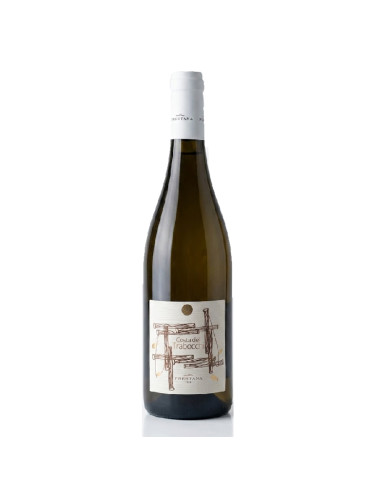
Trebbiano D'Abruzzo Crognaleto DOC Santoleri This wine is produced with 100% Trebbiano d'Abruzzo grape. It is of a clear color with sweet notes of acacia flowers in contrast with its interior scent of mineral salts. There is an intensity in this wine that offers a broad and well-balanced aromatic taste between freshness and flavor.
€14.85
€12.62
€12.53
SKU:
4910
Brand:
Torri Cantine
ALCOHOL CONTENT 14.5%
CAPACITY OF THE CONTAINER 0.75 Liters
SERVING TEMPERATURE 18-20 ° C
PAIRINGS Red meats
€19.81
SKU:
4908
Brand:
Torri Cantine
ALCOHOL CONTENT 14.5%
CAPACITY OF THE CONTAINER 0.75 Liters
SERVING TEMPERATURE 18-20 ° C
PAIRINGS Red meats
€24.11
€8.50
€78.57
€26.90
€16.74
SKU:
4771
Brand:
Rasicci
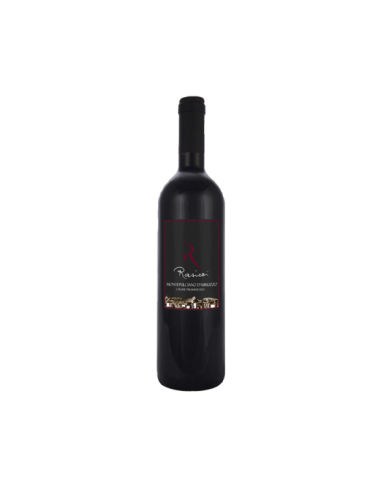
Clear, with an impenetrable ruby color, it still has purplish violet notes, a sign of great youth, very concentrated, with a rich glycerine expression. Intense nose of ripe red fruits, especially undergrowth, which reaches humus and closes on the typically Abruzzo licorice root. Firm and austere softness on an important and still vibrant tannic framework. The freshness of the acids and the flavor? mineral give balance to a warm and soft body. Long persistent intense finish with the return of all the fruity sensations perceived on the nose. Wine already? in harmonic expression with the capacity? to mature for a long time.
SKU:
4767
Brand:
Rasicci
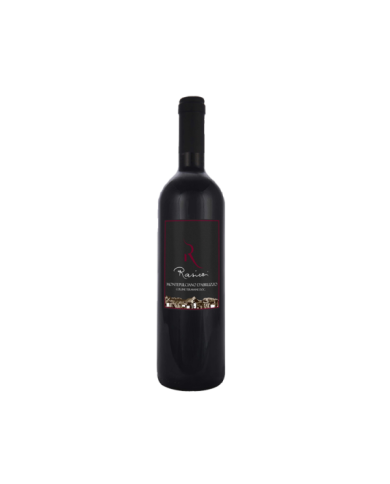
Clear, impenetrable ruby in color, it still has purplish violet notes, a sign of great youth, very concentrated, with a rich glycerine expression. Intense aroma of ripe red fruits, especially undergrowth, which reaches humus and closes on the typically Abruzzo licorice root. Firm and austere softness on an important and still vibrant tannic framework. The freshness of the acids and the flavor? mineral give balance to a warm and soft body. Long persistent intense finish with the return of all the fruity sensations perceived on the nose. Wine already? in harmonic expression with the capacity? to mature for a long time.
€23.79
SKU:
4674
Brand:
Giovenzo
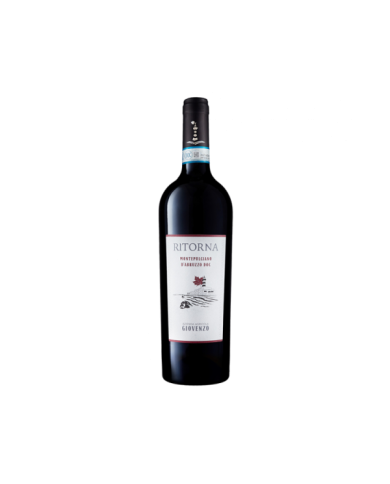
Ruby red with violet reflections, a lively and intense color. The nose opens with hints of small red fruits, blueberries, roses, violets, with hints of vanilla and cocoa and in the finish of delicate spices. On the palate it is soft, enveloping, full. The tannin is well balanced and the sip is long and decisive. A wine with a fresh and characteristic sip, which can be combined with any meal, which we suggest you drink starting from cold cuts, up to complex meats
€10.21
SKU:
4667
Brand:
Piandimare
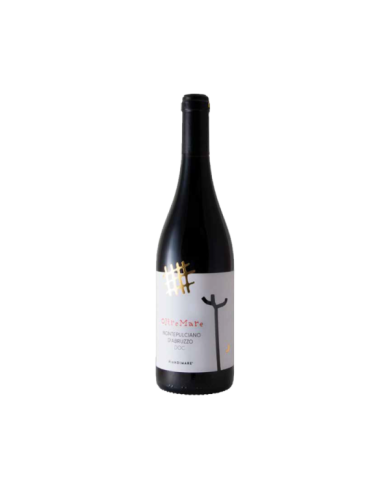
Here we are at the second wine in the Oltremare line, created with the aim of offering the young public an immediate and pleasant product. Actually, apart from the commercial motivation, I would say that if a wine is good we can all appreciate it, indiscriminately. The Rosato 2020 has already shown that the approach is the right one, and the fact of also proposing the red version of Montepulciano d'Abruzzo vinified and matured only in steel confirms the desire to give these two wines a very precise style, played on captivating aromas, moderate alcohol content and a balanced energy to the taste. They say that the colour also plays its part, here a beautiful bright and deep ruby, while the range of aromas offers notes of rose, strawberry, cherry, blackberry, blueberry and a subtle hint of blood orange. The taste shows all the expressive thrust of Montepulciano, with a freshness comparable to that of a white wine, the fruitiness is full and enriched by nuances of cocoa and liquorice, the tannin has that slight bite that serves to remind us that it is not a 'little wine', that it does not last a year and that at the table it can also hold up to dishes of a certain structure and fatness.
€6.22
SKU:
4663
Brand:
Fattoria Gaglierano
Montepulciano d'Abruzzo DOC organic produced entirely with grapes from the Montepulciano vine, 75 cl bottle
€23.23
SKU:
4662
Brand:
Fattoria Gaglierano
Montepulciano d'Abruzzo DOC organic produced entirely with grapes from the Montepulciano vine, 75 cl bottle
€23.23
SKU:
4631
Brand:
Piandimare
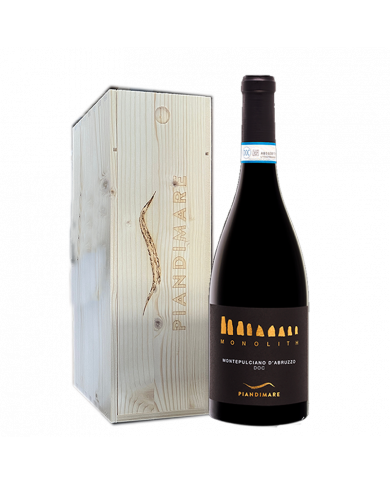
The label was dedicated to the Necropolis of Fossa and its Monoliths in fact. A dedication to the territory, to remember the historicity and the importance it has always had in history. Grapes Montepulciano d'Abruzzo . Long fermentation on the skins with temperatures that can reach up to 30 ° C. Racking and maturation of 12 months in steel, 12 in barrel and 6 in bottle. Intense color with vibrant ruby variations. Acidity that pushes the juicy fruit on the palate, dragging sweet aromas of vanilla, tobacco and licorice into the final mouth. A statuesque certainty.
€33.31
SKU:
4607
Brand:
Lagertal
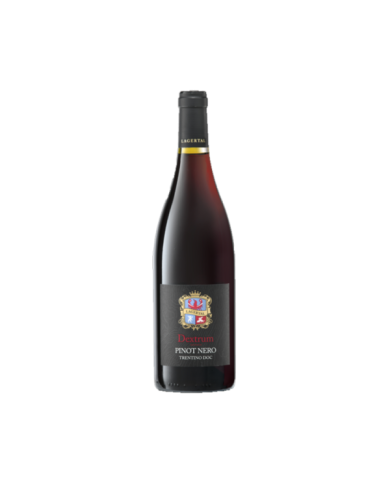
Of all the red grape varieties in the world, Pinot Noir is considered the most noble and elegant and at the same time the most difficult to interpret, the one that places the winemaker and the consumer in the face of perhaps the most complex tasting. The term Pinot derives from the French and translated literally means "pine cone", a name attributed due to the shape of the cluster of this grape, with very attached berries and an elongated shape, typical of pine cones.
€20.00
SKU:
4590
Brand:
Valle Martello
Villamagna DOC Riserva is a powerful red wine, the best expression of Villamagna viticulture. After the careful and selected manual harvesting and the vinification phases, it rests in steel barrels for 12 months. It is aged in barriques for a further 8 months, then bottled and left to rest for two years before being marketed. The power of this wine is unleashed in the bottle, in the ruby red color tending to garnet with aging, in the imposing structure, in the aromas of red fruit and in the spicy notes. Soft in the finish with notes of vanilla and chocolate.
SKU:
4587
Brand:
Valle Martello
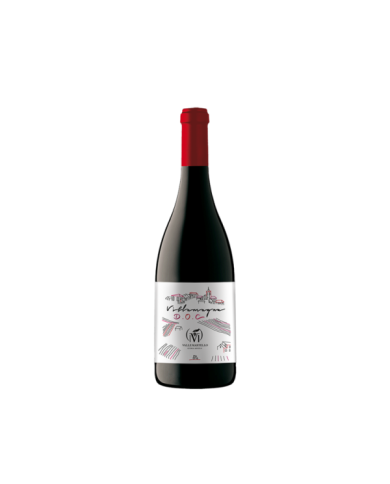
Villamagna DOC is the result of the project to enhance our wine area. It comes from a late harvest with manual harvesting of the selected grapes. Ruby red in color with purple reflections, the nose expresses intense aromas of red fruit, especially black cherry. In the mouth it fills the palate with its soft and velvety taste. Balanced and harmonious, it is a wine that goes well with Mediterranean cuisine, main courses of meats, salami, aged cheeses.
€14.76