

 Italiano
 Deutsch





There are no more items in your cart
SKU:
7811
Brand:
Ciavolich
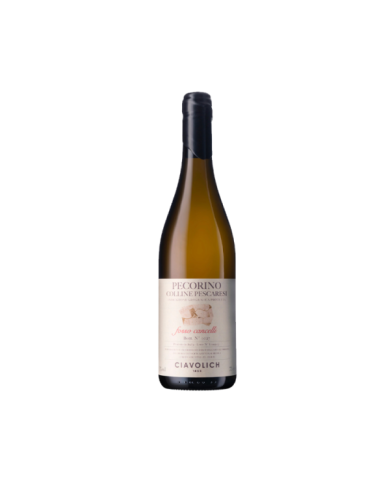
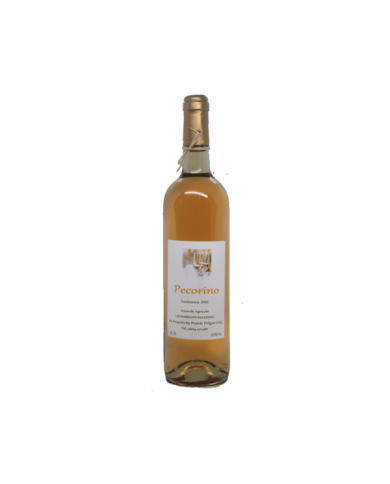
The hand-picked grapes from the Pianella and / or Loreto Aprutino vineyards are placed in small boxes and transported to the cellar. The crushing and pressing is carried out with the aid of a small crusher-destemmer and an ancient press. The must obtained is transferred partly in terracotta amphorae and partly in used French oak tonneaux. To start the fermentation, the “pied de cuve” of indigenous yeasts previously obtained from the same grapes is added. Fermentation normally takes place in 7/10 days and the wine obtained is decanted and aged on its noble lees in 15hl Slavonian oak barrels and in terracotta amphorae. The refinement lasts about 2 years, after which the wine is decanted and bottled without filtration.
€6.32
SKU:
7723
Brand:
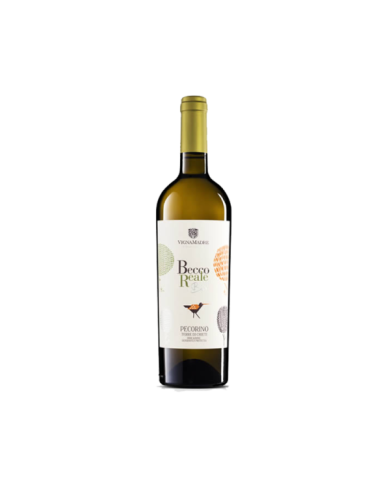
Vigna Madre
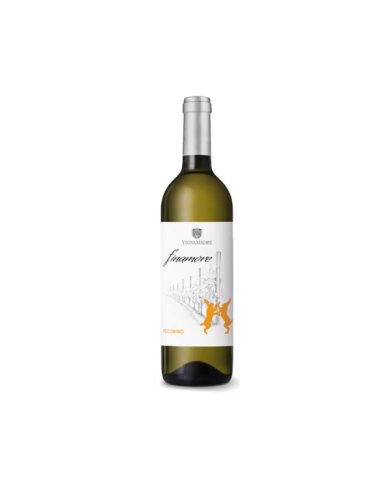
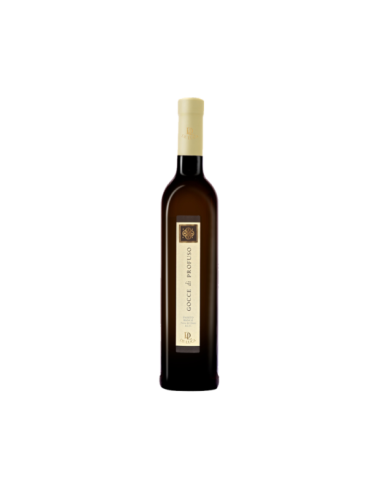
We have abolished substances such as Albumin (from eggs) and Casein (from milk) which are commonly used for wine clarification processes.
€13.66
€11.26
€10.13
SKU:
7517
Brand:
Chiusa Grande
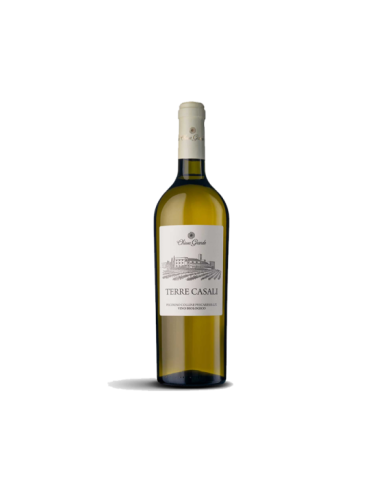
Wisdom and character.
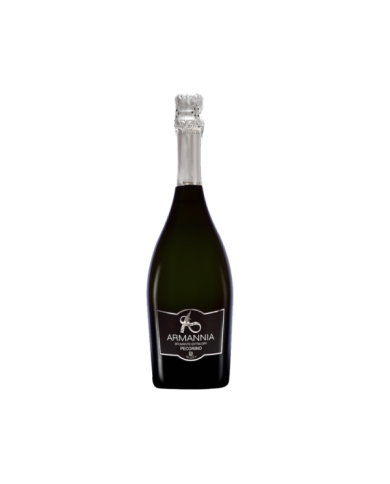
A native and proud wine. Graceful and harmonious like the village choirs on holidays. Straightforward and alluring in the citrus scents. Simple, mineral and engaging sip. A hymn to the genuine peasant banquet.
€9.70
SKU:
7506
Brand:
Chiusa Grande
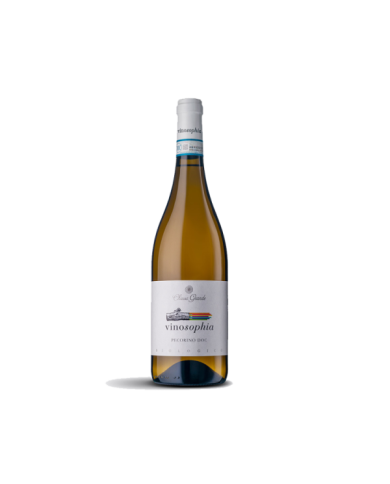
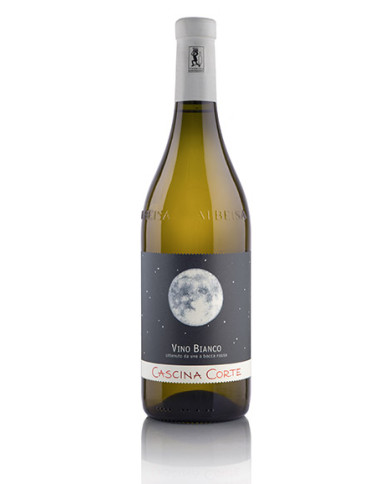
This Abruzzese native has the solid roots of the sage, the obstinate character of the winemaker, the body of the dreamer, flexible like the vine, from the Latin viere which means precisely to bend. Jasmine and honey will smile at your delicate soul. Sage and citrus will converse with your restless spirit.
SKU:
7239
Brand:
Cantine De Luca
amber yellow wine, delicate bouquet, full and harmonious taste with hints of honey and tropical fruit.
€23.06
€11.61
Pecorino d'Abruzzo: The Complete Guide
Pecorino d'Abruzzo is a white wine with a Controlled Designation of Origin (DOC) designation produced in Abruzzo , a region in central-southern Italy. In this article, we'll explore the characteristics of this wine, from its history to its production and tasting. We'll also discover which dishes pair best with this wine and how to store it properly.
Pecorino d'Abruzzo is a white wine made from Pecorino grapes. Its production is permitted only in certain provinces of Abruzzo, specifically in the areas of Chieti, L'Aquila, and Teramo. This wine has a long history, but has only achieved significant popularity in recent years.
Terroir and production of Pecorino d'Abruzzo
The Abruzzo region is characterized by a Mediterranean climate with mild winters and hot, dry summers. The Pecorino d'Abruzzo terroir extends across the hills near the Adriatic Sea, offering excellent sun exposure and mineral-rich soil.
The grape variety used to produce Pecorino d'Abruzzo is Pecorino, an ancient native grape variety of Abruzzo. Pecorino d'Abruzzo is made through temperature-controlled fermentation, followed by a brief period of bottle aging.
Organoleptic characteristics of Pecorino d'Abruzzo
Pecorino d'Abruzzo is straw yellow in color with greenish highlights. Its aroma is intense, with notes of exotic fruit and citrus. On the palate, the wine is fresh and mineral, with good acidity and a light savory finish. Its alcohol content ranges from 12% to 14%.
The main characteristic of Pecorino d'Abruzzo is its freshness and savory character. Thanks to its unique terroir and meticulous winemaking, this wine retains a remarkable minerality and intense aromas.
Food Pairing: Pecorino d'Abruzzo
Pecorino d'Abruzzo pairs very well with fish dishes, such as fish soup, grilled fish, and seafood risotto. This wine also pairs well with white meat dishes, such as chicken and turkey, and with fresh, creamy cheeses like ricotta and goat cheese.
Pecorino d'Abruzzo is a very versatile wine that pairs well with vegetable dishes, salads, and appetizers. In general, this wine pairs well with fresh, light dishes, but also with flavorful, structured dishes.
Preserving and serving Pecorino d'Abruzzo
Pecorino d'Abruzzo should be served chilled, between 10°C and 12°C. To preserve the wine, it is recommended to store it in a cool, dry place, away from direct sunlight. Once opened, the wine can be stored in the refrigerator for up to two days.
Economic notes
Pecorino d'Abruzzo is a highly regarded wine in Italy and abroad. Annual production is approximately one million bottles, and the average price per bottle is around 10 euros.
Conclusion
Pecorino d'Abruzzo is a white wine with a fresh, mineral flavor, worthy of discovery and appreciation. Thanks to its unique terroir and meticulous winemaking, this wine retains a remarkable minerality and intense aroma. Its versatility makes it suitable for pairing with a wide range of dishes, from fish to white meats and vegetables.
FAQ
Which provinces in Abruzzo allow the production of Pecorino d'Abruzzo?
Production is permitted in the provinces of Chieti, L'Aquila, and Teramo.
What are the organoleptic characteristics of Pecorino d'Abruzzo?
Pecorino d'Abruzzo is straw yellow in color with greenish highlights. Its aroma is intense, with notes of exotic fruit and citrus. On the palate, the wine is fresh and mineral, with good acidity and a light savory finish.
Which grape varieties are used to produce Pecorino d'Abruzzo?
The grape variety used is Pecorino, an ancient native grape variety of Abruzzo.
What is the average price of a bottle of Pecorino d'Abruzzo?
The average price is around 10 euros.
What dishes pair best with Pecorino d'Abruzzo?
Pecorino d'Abruzzo pairs very well with fish dishes, white meat, fresh and creamy cheeses, but also with vegetable dishes, salads, and appetizers.