

 Italiano
 Deutsch








There are no more items in your cart
€8.44
€14.30
€14.30
€14.30
SKU:
20910
Brand:
Cantine Mucci
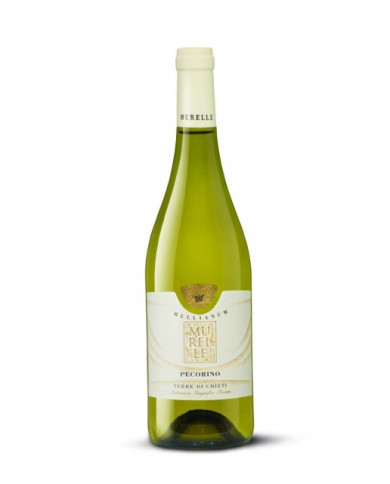
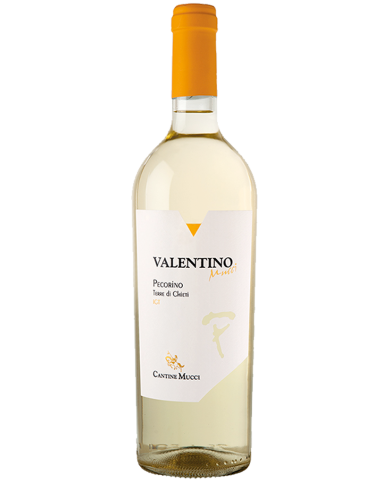
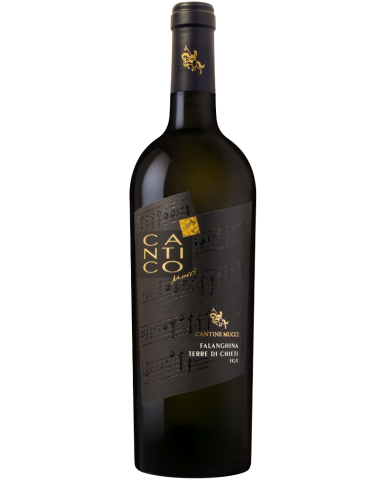
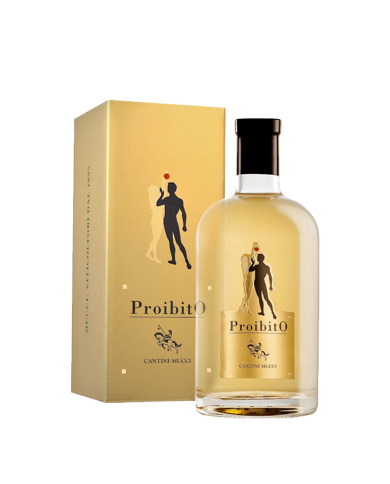
Colore paglierino tenue, profumo caratteristico floreale con sentori di frutta tropicale.
€11.96
SKU:
20907
Brand:
Cantine Mucci
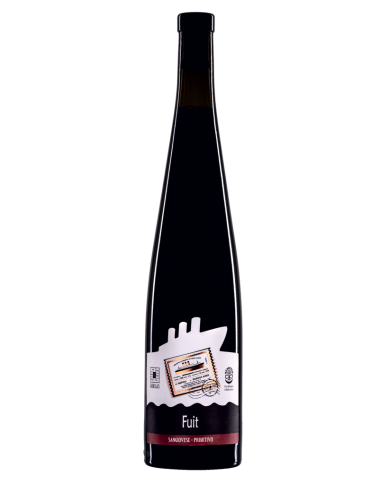
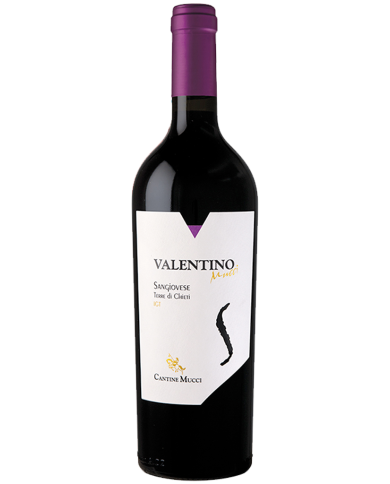
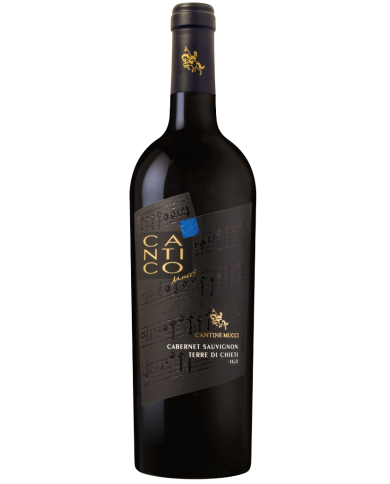
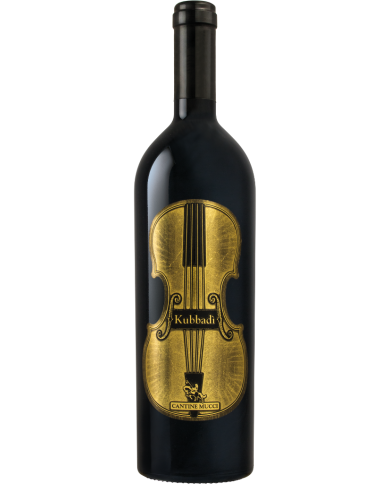
Colore rosso rubino, con profumi che ricordano i frutti di bosco e le spezie; con note vinose; un gusto pieno ed armonico, giusta-mente strutturato, equilibrato e con buona persistenza.
€11.96
SKU:
20906
Brand:
Cantine Mucci
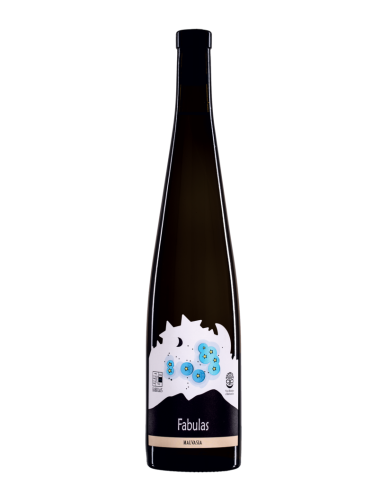
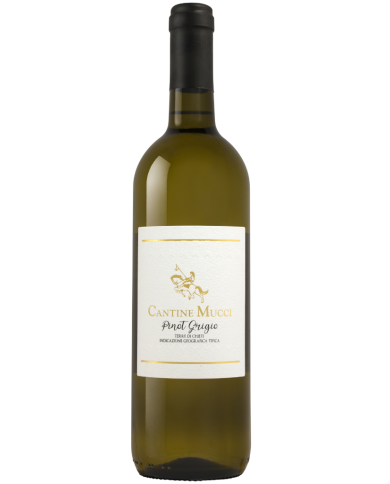
Colore giallo paglierino intenso. Dal profumo intenso e complesso. Al palato risulta rotondo con sapori di frutta matura, scorze di lime e pesca. Giustamente acido, fresco, equilibrato e persistente.
€11.96
SKU:
20902
Brand:
Cantine Mucci
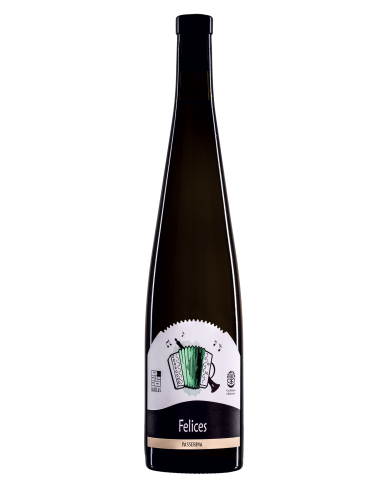
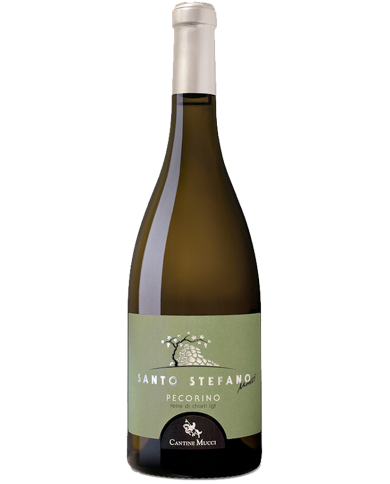
Colore giallo paglierino con riflessi dorati; profumo che va dallo speziato al tropicale; un gusto morbido ma fresco, raffinato e persistente.
€18.20
SKU:
20900
Brand:
Cantine Mucci
Colore paglierino deciso, odore tipico floreale e di frutta gialla matura; sapore asciutto, vellutato, grande volume ed intensità.
€18.07
SKU:
20899
Brand:
Cantine Mucci
Colore rosso rubino intenso, profumo ampio etereo che comprende oltre ad una lieve componente erbacea, sentori di lampone, e di viola. Il sapore è morbido, ampio ben strutturato e con una piacevole tannicità.
€21.84
SKU:
20897
Brand:
Cantine Mucci
Colore rosso rubino intenso, sentori di frutti di bosco implementati da speziato di vaniglia; pieno ma delicato, la sua vivacità lo predispone ad una lunga vita, il retrogusto persistente ne amplifica la sua eleganza.
€221.00
SKU:
20896
Brand:
Cantine Mucci
Colore rosso rubino intenso, sentori di frutti di bosco implementati da speziato di vaniglia; pieno ma delicato, la sua vivacità lo predispone ad una lunga vita, il retrogusto persistente ne amplifica la sua eleganza.
€101.39
SKU:
20895
Brand:
Cantine Mucci
Colore rosso rubino intenso, sentori di frutti di bosco implementati da speziato di vaniglia; pieno ma delicato, la sua vivacità lo predispone ad una lunga vita, il retrogusto persistente ne amplifica la sua eleganza.
€59.80
SKU:
20894
Brand:
Cantine Mucci
Il gusto è pieno e morbido, con sensazioni olfattive molto delicate che vanno dal floreale allo speziato accompagnato da sentore mielato.
€38.34
SKU:
20893
Brand:
Cantine Mucci
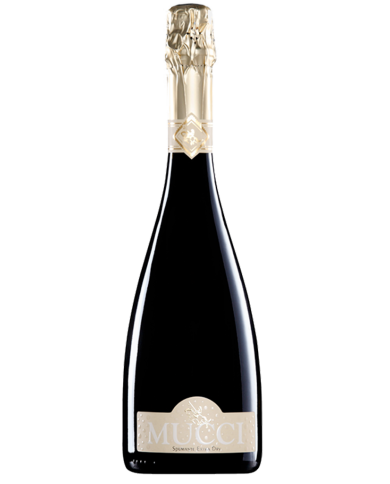
Colore giallo verdolino, perlage fine e persistente; organolettiche intenso con sentore di frutta esotica dominante, fresco e fruttato; acidulo, persistente, abboccato, elegante.
€18.07
SKU:
20892
Brand:
Cantine Mucci
Colore rosso rubino intenso, sentori di frutti di bosco implementati da speziato di vaniglia; pieno ma delicato, la sua vivacità lo predispone ad una lunga vita, il retrogusto persistente ne amplifica la sua eleganza.
€51.35
SKU:
20381
Brand:
Chiusa Grande
Authenticity and ease go hand in hand in love, but can they happily bind together in a wine? What is the recipe for greatness? Adapt to trends or reject them? Is madness doing what others do or creating a personal taste by selecting native vines? For my way of being, always restless and never satiated with questions, the answer is fluctuating. For this I have decided to propose some of my best productions within this selection. The wines of Vinosophia rediscover the ancient native grape varieties, interpreting them in the most authentic way in search of the fatal attraction, seduction and memory. The wines of Vinofollia adapt the great international vines without distorting their essence. Am I insane, am I wise? Get an idea by enjoying my vinosophical ideas. Alluring because in search of emotions. Surprising because bored with predictability. Fogged by global trends. Satisfied with my way of making an international wine "homegrown". In this Pinot Grigio with floral scents, strongly mineral, senselessly citrusy, there is the lucid madness of my thought.
€12.80
SKU:
19563
Brand:
Giannicola Di Carlo
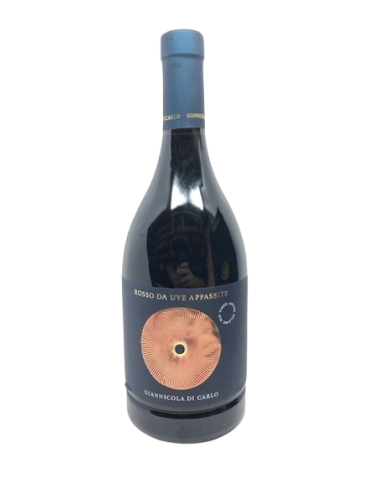
Terreum celebrates Giannicola Di Carlo's strong bond with the land of Abruzzo. 1991 is the year in which the first European organic certification was recognized for the family's wines. The Dragonfly is the symbol of the vineyards from which these wines come, which are immersed in an uncontaminated ecosystem and dominated by a lake and ancient limestone rock caves: the Bosco Valle Verde of the Di Carlo family.
SKU:
19555
Brand:
Cantina Tollo
Vine to be rediscovered ancient variety that gives persistence, harmonious and slightly balsamic flavor with notes of citrus and garden fragrances. Made exclusively with Pecorino. Raw fish and shellfish, fish dishes in general; also excellent with fresh or stretched curd cheeses.
€7.49
€21.56
SKU:
18397
Brand:
Fantini Farnese
Production area: Ortona, Abruzzo. Grapes and Vinification: Sangiovese Terre di Chieti. The malolactic fermentation is done in French wood barriques and aged for 6 months. Color and Pairing: Red, easy to drink, excellent with cold cuts and cold cuts.
€13.48
SKU:
15833
Brand:
Spinelli
Dull pink color with soft golden hues. Intense fruity aromas, delicate floral notes and nuances of banana and black cherry. With a good structure, it is soft, fresh and balanced. Excellent as an aperitif and perfect with pizza, it is decidedly versatile in combinations at the table. It goes well with both white meats and fish, but it is unsurpassed with fish soup, tripe, fresh cheeses and grilled vegetables.
€15.13
SKU:
15832
Brand:
Spinelli
White color with greenish notes, fruity, intense and elegant bouquet; in the balanced taste, with an aftertaste reminiscent of green apple.
€8.78
SKU:
15828
Brand:
Spinelli
Straw yellow with greenish and brilliant hues. Strong aromas of exotic fruit, banana, citrus and delicate notes of yellow flowers. Fresh, soft and pleasant. Medium bodied and good persistence.
€8.78
SKU:
3951
Brand:
Cantina Orsogna
Short cold maceration and subsequent soft pressing. The must ferments in stainless steel containers at a temperature of 12-14 ° C for about 30 days with its indigenous yeasts. Clarification takes place by decanting. The refinement takes place in steel tanks for about 4 months, followed by in the bottle. At tasting it has a straw yellow color. Intense aroma with hints of grapes, tropical fruit, flowers. Fresh and soft taste, intense, savory and full-bodied. Excellent to accompany seafood, medium-aged cheeses, structured first courses, white meats.
€11.69
Denomination Terre di Chieti
It represents a significant wine-producing area located in the Abruzzo region of Italy. This denomination identifies a specific terroir where high-quality grapes are grown and vinified, resulting in wines renowned for their authenticity and distinctive character.
History and Origins
The roots of viticulture in the Chieti area stretch back to ancient times, with historical traces dating back to the Roman era. Over the centuries, the winemaking tradition has consolidated, leading to the production of highly prized wines, appreciated nationally and internationally.
Terroir and Environment
The Terre di Chieti terroir is characterized by a unique combination of clay and limestone soils, along with a Mediterranean climate ideal for growing grapes. The presence of the Apennine mountains and the proximity to the sea contribute to creating an optimal environment for the production of high-quality wines.
Main Grape Varieties
The main grape varieties grown in the Chieti area include Montepulciano, Trebbiano, Pecorino, and Passerina. These varieties, carefully selected by local winemakers, best express the terroir's characteristics and produce wines of great personality and complexity.
Production Process
The Terre di Chieti winemaking process follows traditional methods passed down through time, combined with modern winemaking techniques. From harvest to fermentation and aging, each stage is meticulously monitored to ensure the quality and authenticity of the wines.
Styles and Types of Wines
Terre di Chieti produces a wide range of wines, including full-bodied and structured reds, fresh and aromatic whites, and delicate and fruity rosés. Each wine reflects the characteristics of the terroir and the grape varieties used, offering enthusiasts a variety of options to savor and appreciate.
Food Pairings
Terre di Chieti wines pair perfectly with Abruzzo's rich culinary tradition, including meat dishes, local cheeses, and local produce. They also pair well with a wide range of international dishes, offering a complete and satisfying culinary experience.
Popularity and Reception
The wines of the Terre di Chieti region are enjoying growing popularity both domestically and internationally, thanks to their exceptional quality and distinctive character. They are prized by wine connoisseurs for their complexity, elegance, and ability to best express the Abruzzo terroir and culture.
In conclusion, the Terre di Chieti appellation represents the winemaking excellence of Abruzzo and Italy as a whole. With its rich history and tradition and the production of high-quality wines, it continues to be an unmissable destination for wine lovers.
FAQs
What are the main grape varieties grown in the Chieti area? The main grape varieties include Montepulciano, Trebbiano, Pecorino, and Passerina.
What are the distinctive characteristics of the wines produced in the Terre di Chieti? The wines of the Terre di Chieti are known for their complexity, finesse, and ability to reflect the unique terroir of the Abruzzo region.
What food pairings do you recommend for Terre di Chieti wines? Terre di Chieti wines pair well with traditional Abruzzo cuisine, including roasts, local cheeses, and seafood.