

 Italiano
 Deutsch




There are no more items in your cart
SKU:
16178
Brand:
Bortoluz
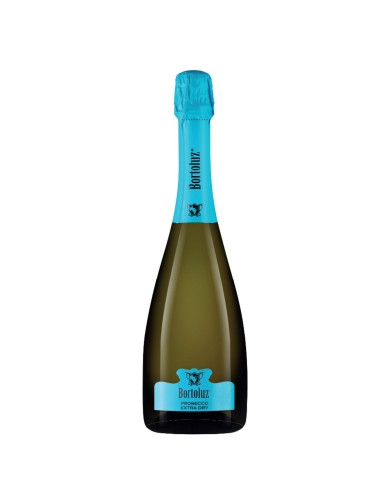
On the nose stand out fruity hints of white peach, pear, apple and recalls, rose floral, citrus, acacia vine flower.
€10.37
SKU:
16177
Brand:
Bortoluz
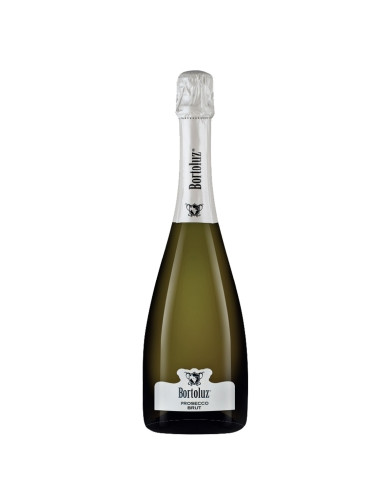
The desire to best represent the territory by vinifying proprietary grapes located in the best hills of the historic area of Valdobbiadene is a prerogative of Bortoluz. Fragrance of scents of white flowers, fruity hints of white peach, pear and green apple, best represent the type. As an aperitif or on cured meats and fresh cheeses.
€10.37
SKU:
16165
Brand:
Marsuret
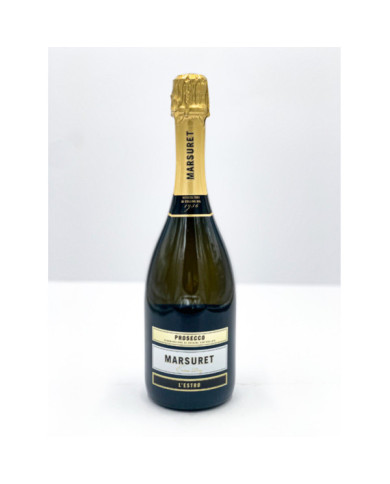
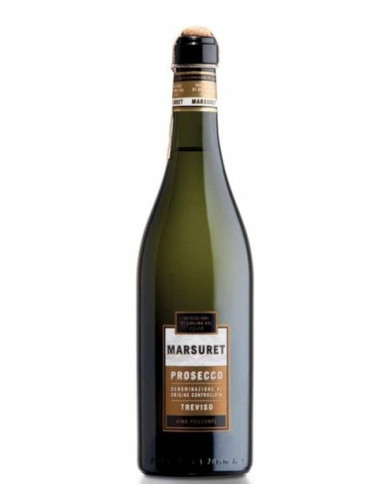
The Prosecco Treviso DOC Extra Dry "L'Estro" from the Marsuret winery is a delicate and inviting bubble of a pale straw color with a fine and consistent perlage. Intense notes of ripe fruit are perceived on the nose. On the palate it is sapid and fresh seasoned with a good aromatic vein. Vinification in white with soft pressing and sparkling in autoclave with Martinotti or Charmat method.
€9.27
SKU:
16164
Brand:
Marsuret
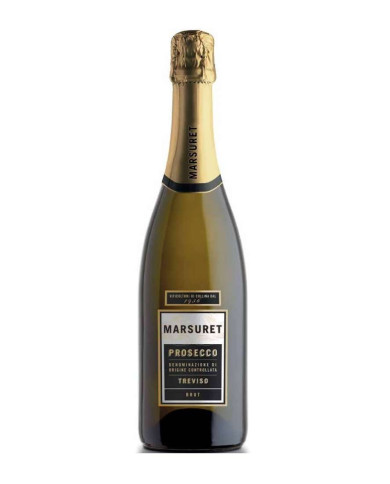
The vines used for the production of this sensational sparkling wine from the Marsuret Brut winery are those of Glera della Valdobbiadene, annexed within the company ambit. The origin falls within the land owned on the hills of Treviso on the border with Valdobbiadene. All the vineyards are owned. The vinification develops in white, with soft pressing and a maximum yield of 70%. The sparkling process follows the charmat method with slow fermentation in an autoclave.
€9.27
SKU:
16163
Brand:
Marsuret
The Prosecco Treviso DOC Sparkling "Spago" from the Marsuret winery is an inviting and aromatic sparkling wine with a straw yellow color with golden reflections. The nose perceives notes of acacia flowers and apples. The sip is fresh, pleasant and harmonious. Sparkling process in autoclave according to the Charmat method.
€9.27
SKU:
15853
Brand:
Colli del Soligo
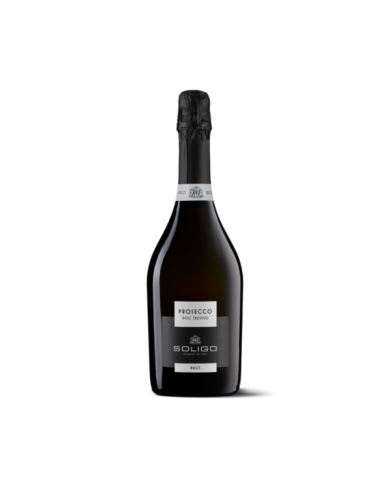
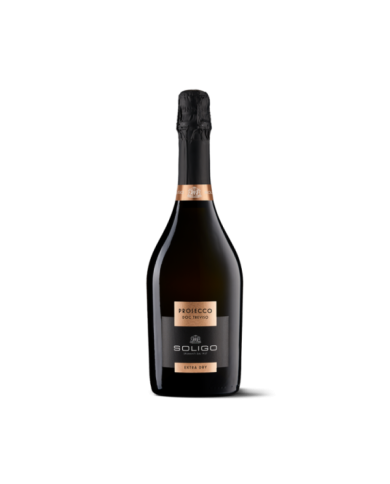
The Glera grapes used for the production of this sparkling wine come from vineyards located in the plains, on the outskirts of Treviso. The bunches are generally harvested in September at medium ripeness in order to preserve the acid component, which is important in the production of Prosecco Spumante. After the harvest, the grapes are subjected to a light pressing and a slow fermentation in steel tanks. Finally, the refermentation in autoclave (sparkling) follows the Charmat method.
€10.78
SKU:
15852
Brand:
Colli del Soligo
In the vineyards located in the plains, at the gates of Treviso, the golden bunches of Glera ripen and are harvested during the month of September.
After the harvest, the grapes are pressed and the must is fermented in steel tanks.
At the end of this process we obtain the base wine.
This is followed by the sparkling process in an autoclave according to the Charmat method, as per tradition.
€10.78
SKU:
15808
Brand:
Corte delle Calli
€11.36
€10.22
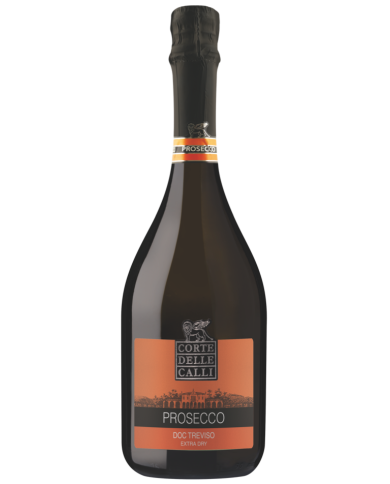
The sparkling process takes place according to the Charmat method in steel autoclaves according to the rules dictated by the production disciplinary. The result is a young and exciting extra dry wine suitable for all occasions. Brilliant straw yellow color with some greenish reflections. With a lively perlage, it has aromas of good intensity with hints of white flowers and fruity golden apples. Good intensity. The taste is fresh and on the palate it is elegant and soft, with a pleasantly sugary vein.
€11.36
€10.22
SKU:
15766
Brand:
Serena Wines 1881
Excellent Prosecco Extra Dry from 85% Glera grapes and a blend of Chardonnay, Pinot Bianco and Pinot Grigio. Straw yellow with a fine and persistent perlage. Excellent persuasive aromas and beautiful and delicious bubbles on the palate. Excellent pairing with fresh and light dishes, but also with first courses or naturally as an aperitif.
€7.71
SKU:
15760
Brand:
Serena Wines 1881
Serena Sopra le Righe Prosecco DOC Treviso Excellent Extra Dry prosecco from 85% Glera grapes and a blend of Chardonnay, Pinot Bianco and Pinot Grigio.Giallo Straw yellow with a fine and persistent perlage. Excellent persuasive aromas and beautiful and delicious bubbles on the palate. Excellent pairing with fresh and light dishes, but also with first courses or aperitifs
€11.83
SKU:
15191
Brand:
Ca' dei Noni
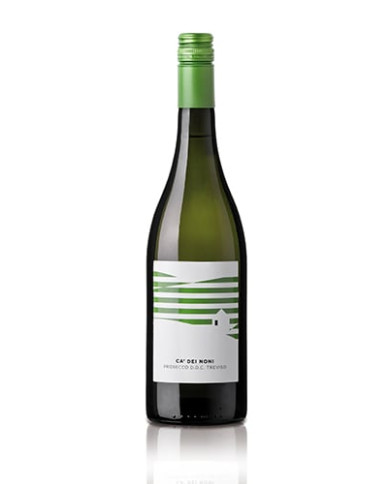
Ideal wine for those who like the typicality of Prosecco, but without bubbles. Straw yellow in color with greenish reflections, it is distinguished by the characteristic bouquet of green apple, acacia flowers and wisteria. Excellent combination of fullness and flavor. Excellent throughout the meal based on light dishes, fresh and medium-aged cheeses.
€7.78
SKU:
15175
Brand:
Follador
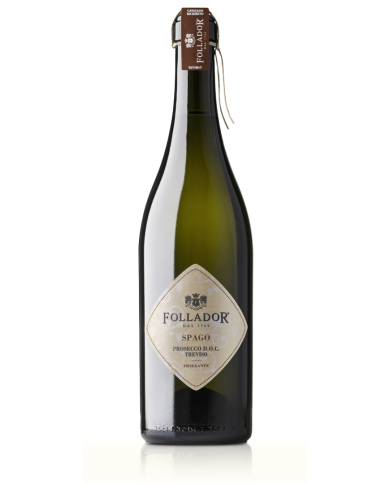
A Follador milestone, this wine made from carefully selected DOC grapes best expresses the typical tastes and aromas of Prosecco. Intense straw yellow color and lively, fine and elegant perlage. Its bouquet is an explosion of fresh and velvety fragrances. We distinguish the green apple, peach, apricot and finally acacia and rose flowers. Excellent structure on the palate is an extraordinary combination of freshness and flavor. Ideal for aperitifs, it elegantly accompanies light first and second courses, white meats, vegetables, fish and shellfish dishes.
€14.55
Prosecco Treviso Denomination: The Art of Italian Sparkling Wine
Prosecco Treviso is one of Italy's most celebrated sparkling wines, known for its quality, freshness, and lively perlage. This sparkling wine is produced in the Treviso region, in the heart of the province of Treviso, and represents a prime example of Northern Italian winemaking. In this article, we'll explore the origins of Prosecco, the characteristics of the Prosecco Treviso appellation, the production process, and much more.
Origins of Prosecco
Prosecco has a rich and fascinating history that traces its roots back to ancient Rome. The word "Prosecco" derives from the Latin "Pucinum" or "Pucino," which referred to a wine variety produced in the ancient region of Friuli-Venezia Giulia. Over the centuries, viticulture developed in the hills of Veneto, and Prosecco gained popularity thanks to its unique characteristics and versatility.
The Treviso region
The Treviso region, located in northeastern Italy, is famous for its picturesque landscape and green hills that extend to the foothills of the Dolomites. This area is an ideal environment for viticulture, thanks to its temperate climate and soil conditions. The Treviso hills provide the perfect habitat for Glera grapes, the variety used to produce the Prosecco Treviso denomination.
Characteristics of the Prosecco Treviso denomination
The Treviso Prosecco Denomination stands out for its elegance and freshness. It features a bright straw-yellow color and a fine, persistent perlage. On the nose, floral and fruity aromas are evident, with hints of green apple, pear, and peach. On the palate, it offers a pleasant acidity balanced by a delicate sweetness. These characteristics make the Treviso Prosecco Denomination an ideal wine for celebrating special occasions or simply enjoying with friends.
Production process
The production of the Prosecco Treviso denomination follows rigorous quality standards. The Glera grapes are hand-harvested and gently pressed to obtain the must. Fermentation then takes place in temperature-controlled autoclaves, with the addition of selected yeasts. This method, known as the "Charmat method," contributes to the formation of Prosecco's distinctive perlage.
Land and viticulture
The soils of the Treviso hills offer an ideal environment for growing Glera grapes. The vines grow on clay and limestone soils, which give the wine mineral characteristics and good structure. Local farmers carefully tend the vines, adopting sustainable and environmentally friendly practices.
Organoleptic profile
The Prosecco Treviso denomination enchants the senses with its unique organoleptic profile. On the palate, notes of fresh fruit and citrus emerge, with a pleasant liveliness and aromatic persistence. Its freshness and light effervescence make it a versatile wine, suitable for a variety of occasions, from the traditional Italian aperitif to elegant dinners.
Culinary pairings
The Prosecco Treviso denomination lends itself to refined culinary pairings. Its freshness and acidity make it an ideal companion for light fish appetizers, fresh cheeses, and shellfish. It also pairs perfectly with pasta dishes, risottos, and summer salads. Prosecco Treviso offers a pleasant alternative to more traditional white wines.
Role of the Prosecco Treviso denomination in the market
The Prosecco Treviso denomination is a major player in the sparkling wine market. Its quality and reputation have contributed to the growth of the sector and the international popularity of Prosecco. Today, Prosecco is one of Italy's most exported wines, appreciated for its freshness and excellent value.
Health benefits
In addition to its pleasant taste, Prosecco Treviso also offers some health benefits. Like many red and white wines, Prosecco contains antioxidants that can help protect cells from oxidative stress. However, it's important to consume it in moderation and as part of a healthy lifestyle.
Curiosities about the Prosecco Treviso denomination
- Prosecco Treviso can be considered an "Extra Dry" wine, which means it has a balanced and not excessive level of sweetness.
- Prosecco is often associated with celebrations, but it can also be enjoyed in informal moments or simply to relax.
- The "Treviso" denomination indicates the specific geographical origin of the wine, guaranteeing its authenticity and quality.
- Prosecco Treviso can be consumed young to fully enjoy its fresh and aromatic characteristics.
- In addition to its winemaking potential, Prosecco also contributes to tourism in the Treviso region, attracting visitors from all over the world.
Sustainability in Prosecco production
The production of the Prosecco Treviso Denomination is increasingly geared toward environmental sustainability. Farmers are adopting eco-friendly cultivation practices, reducing the use of pesticides and promoting biodiversity. Furthermore, wineries are adopting innovative solutions to reduce the environmental impact of production and packaging.
The Prosecco Treviso denomination represents Italian excellence in the world of sparkling wines. Its freshness, lively perlage, and unique sensory profile make it a wine prized by connoisseurs and lovers of fine wine. Experiencing the Prosecco Treviso denomination means immersing yourself in the art of Italian viticulture and the winemaking tradition of Treviso.
Frequently Asked Questions (FAQs)
What is the difference between Prosecco and Champagne?
Prosecco is produced primarily from Glera grapes in the Treviso region, while Champagne comes from the French region of the same name, using primarily Chardonnay, Pinot Noir, and Pinot Meunier grapes.
Can I store Prosecco Treviso after opening the bottle?
Prosecco is best enjoyed fresh and young, so it's best consumed within a few days of opening. Using an airtight lid, it can be stored in the refrigerator to maximize its freshness.
What is the ideal temperature to serve Prosecco Treviso?
The ideal serving temperature for Prosecco Treviso is around 6-8 degrees Celsius. It can be chilled in the refrigerator for about two hours before opening.
Can I use Prosecco Treviso to make cocktails?
Absolutely! Prosecco Treviso can be used as a base for many cocktails, such as the famous Spritz or Bellini. Its liveliness and freshness will add a special touch to any drink.
What other Prosecco denominations are there in Italy?
In addition to the Prosecco Treviso denomination, there are other important denominations such as Prosecco Conegliano Valdobbiadene and Prosecco Asolo, which indicate their respective production areas.