Italiano
 Deutsch




There are no more items in your cart
SKU:
14707
Brand:
Bossanova
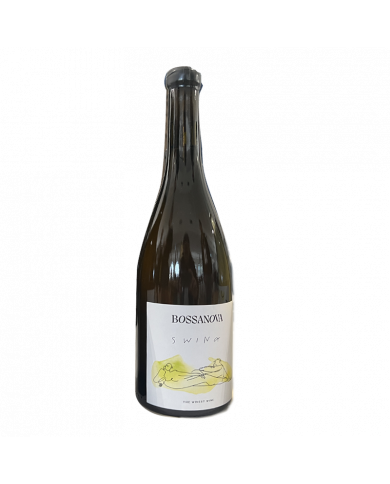
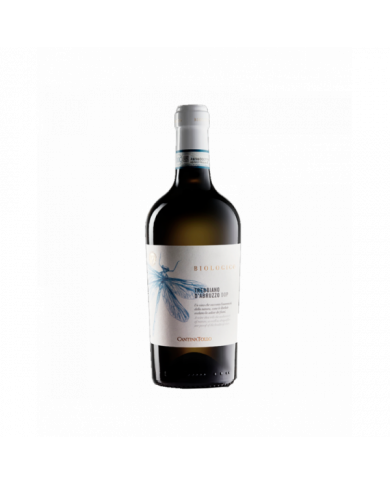
Trebbiano d'Abruzzo Bossanova is an Abruzzo white wine from the hills of Teramo, briefly macerated on the skins and aged for about 9 months in vitrified concrete tanks: it expresses aromas of hay and chamomile, yellow-fleshed fruit and hints of sage, while at sip is harmonious, taut and of excellent freshness, embellished with mineral tones and an intriguing savory persistence.
€20.15
SKU:
14676
Brand:
Trappèto di Caprafico
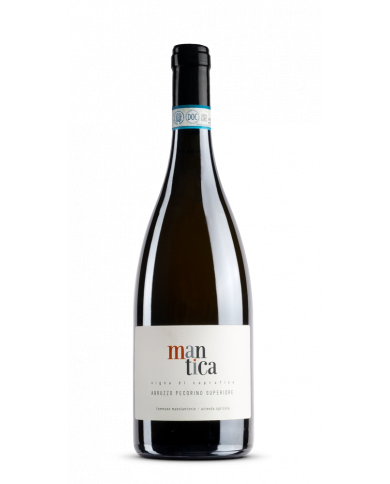
Pecorino from organic farming Abruzzo superior doc, Vigna di Caprafico. Mantica is an ancient name, it tells the story of a parcel of land, Mantica Longa, the object of a family sale.
€24.00
SKU:
14675
Brand:
Trappèto di Caprafico
€28.00
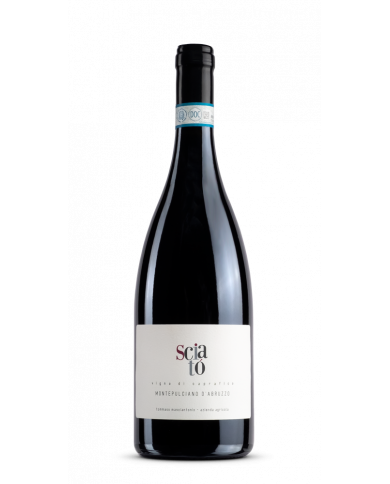
A hidden ambition but not that much. Said in French, written in the Italian manner, to tell the story of the ridge on which the castle of Caprafico stood, in Casoli, on the eastern side of the Maiella. From the old stock of Montepulciano d'Abruzzo ungrafted, pure, adapted to the climate and soil of that primordial landscape, a rarity is born, today a clone selected from the Caprafico countryside, at the foot of the castle, "lu sciatò".
€28.00
SKU:
14500
Brand:
Cantina Tollo
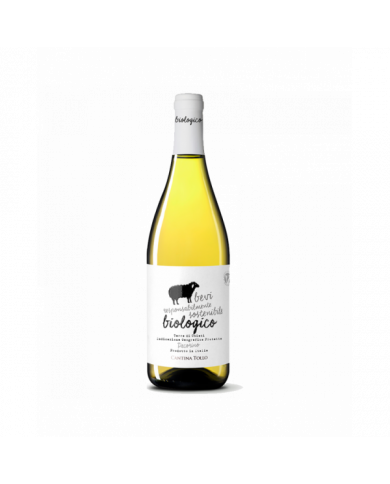
Company : Cantina Tollo Wine region : Abruzzo (Italy) Appellation : Terre di Chieti IGT (IGP) Vegan Type : white, dry, still Variety : Pecorino 100% Alcohol content : 13% Year : 2021 Format: 750 ml
SKU:
14499
Brand:
Cantina Tollo
A wine that tells the authenticity of nature, just as bees are proof of the quality of food.
Pairings
Excellent as an aperitif or with fish-based dishes, white meats and fresh cheeses
€8.00
SKU:
14498
Brand:
Cantina Tollo
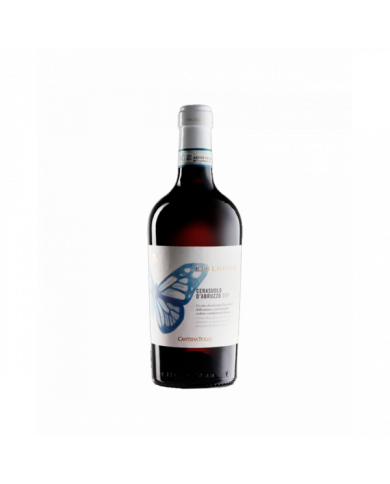
A wine that tells the authenticity of nature, just as butterflies are proof of climate change.
Pairings
First courses of meat or fish, second courses of fish, roasted white meats, fresh or semi-mature cheeses
€10.39
SKU:
14497
Brand:
Cantina Tollo
From the uncontaminated land of Abruzzo comes this delicate and fragrant wine, obtained from hand-picked grapes on gentle and sunny hills.
Pairings
Excellent as an aperitif and with all seafood cuisine, white meats and fresh cheeses.
€8.04
SKU:
14355
Brand:
Borgo Maragliano
€16.18
€14.56
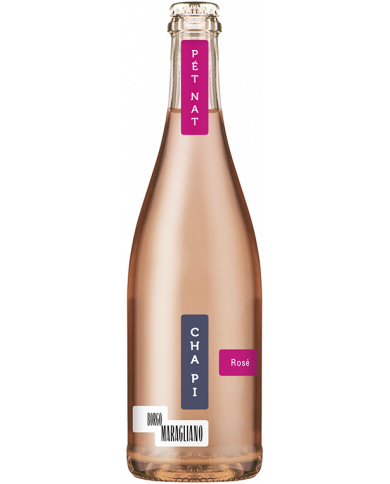
CHA PI is a wine that comes from the union of Chardonnay and Pinot Noir, the two vines from which the synthesis of the name originates. The RITUAL of turning the bottle upside down allows the most noble part of the yeasts adhering to the bottom to mix with each other, enriching the taste of the wine.
€16.18
€14.56
SKU:
14259
Brand:
Azienda Agricola Gorgo
€11.96
€10.76
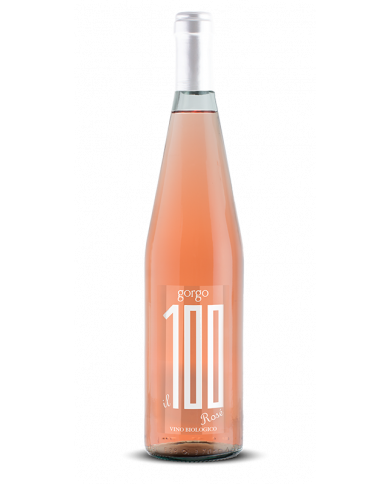
The pink dress, bright and inviting, with a delicious sparkling that stimulates the imagination and encourages conviviality.
€11.96
€10.76
SKU:
14258
Brand:
Azienda Agricola Gorgo
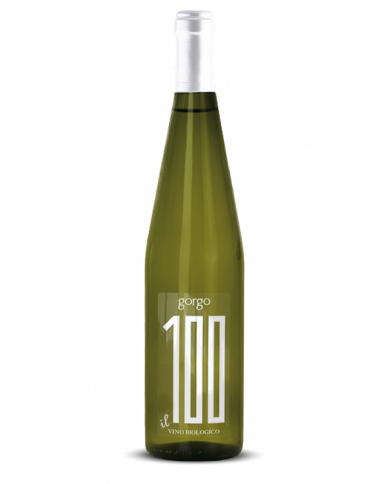
Synonymous with "sparkling" and contagious joy, it is the wine for aperitifs on long evenings, but with its moderate alcohol content, it is also appreciated by those who, for health reasons or food choices, prefer a more delicate but equally fine and elegant wine.
€14.24
SKU:
14214
Brand:
Tocco d'Italy
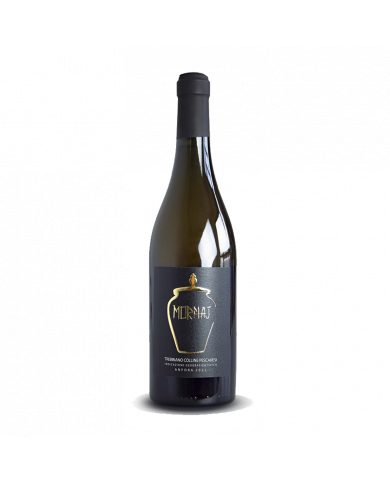
The terracotta, in which the spontaneous fermentation and refinement of MORMAJ Anfora takes place, makes the organoleptic qualities of this wine particular and unique!
€25.90
SKU:
14213
Brand:
Tocco d'Italy
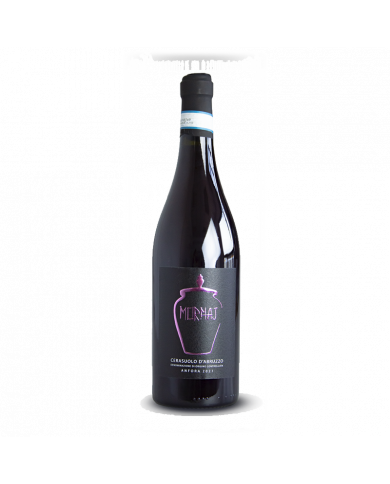
The terracotta, in which the spontaneous fermentation and refinement of MORMAJ Anfora takes place, makes the organoleptic qualities of this wine particular and unique!
€25.90
€23.31
Taste the Authenticity of Natural Wines!
Natural wines are an increasingly popular choice among consumers, offering a unique and authentic tasting experience. If you're looking to learn more about natural wines and how to try them, you've come to the right place. In this article, we'll explore what natural wines are, how they're made, and how to best enjoy them.
What is a Natural Wine?
A natural wine is one produced without the use of additives, pesticides, or other chemicals. Natural wines are made only with grapes, water, and yeast, and are crafted to preserve the grape's natural flavor as much as possible. They are also generally produced in small quantities, meaning each bottle of natural wine is unique and offers a unique tasting experience.
How Are Natural Wines Made?
Natural wines are made using grapes, water, and yeast. The production process is very different from that used to make conventional wines. The first thing to know is that natural winemakers don't use additives, pesticides, or other chemicals. Instead, they strive to work with the grapes in a way that best preserves their natural flavor, carefully selecting their vineyards and caring for the vines.
Once the grapes are harvested, they are macerated for 12-14 days at a controlled temperature. This allows for greater extraction of aromas and flavors, giving the wine its rich complexity. The wine is then fermented in wooden barrels or concrete vats. This fermentation process is slow and can last from two to six months. Fermentation in wooden barrels gives the wine added complexity, while fermentation in concrete vats gives it greater freshness.
How to Enjoy a Natural Wine?
Savoring a natural wine is a unique experience that offers a rich complexity of aromas and flavors. To fully savor a natural wine, it's important to properly prepare the glass. The glass should be rinsed with warm water and dried with a soft cloth to remove any chemical residue. Then, the glass should be filled halfway with wine to ensure proper aeration.
Once ready, take a sip of wine and savor it slowly. Savor the color, aroma, flavor, and texture of the wine. Try to capture all the aromas and flavors of the grape, such as fruit, grass, hay, chocolate, and so on. Also savor the complexity of the wine, noticing how the aromas and flavors evolve over time.
Conclusion
Natural wines are an excellent choice for those seeking an authentic and unique tasting experience. They are produced without the use of additives, pesticides, or other chemicals, and are crafted to best preserve the natural flavor of the grapes. As we've seen, natural wines are made with grapes, water, and yeast, and are fermented slowly. To fully savor a natural wine, it's important to properly prepare your glass and taste slowly, trying to capture all the aromas and flavors, and savoring the wine's complexity. If you're looking for an authentic and unique tasting experience, try a natural wine!
Related posts