

 Italiano
 Deutsch






















































There are no more items in your cart
SKU:
15407
Brand:
Alberto Longo
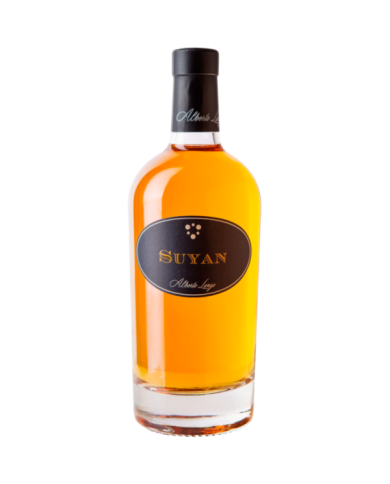
Golden with amber reflections, brilliant, Intense and persistent, hints of apricot compote, candied figs amalgamated with notes of dried fruit and spices, sweet, well structured, elegant, fresh and sapid, long finish, spicy aroma in the mouth.
€19.52
SKU:
15406
Brand:
Alberto Longo
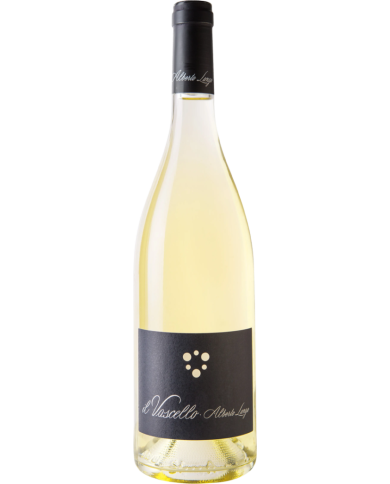
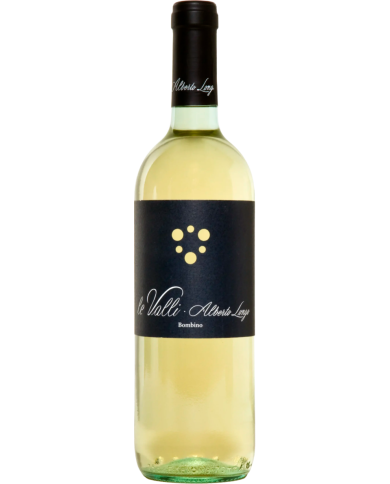
Falanghina Italian white wine, here we are in Puglia. The efficiency in producing and the elegance in welcoming make Alberto L. a goal, that is to produce quality wines. The cellar is surrounded by vineyards with Falanghina and Bombino Bianco vines from the Cavalli farm.
€17.20
SKU:
15405
Brand:
Alberto Longo
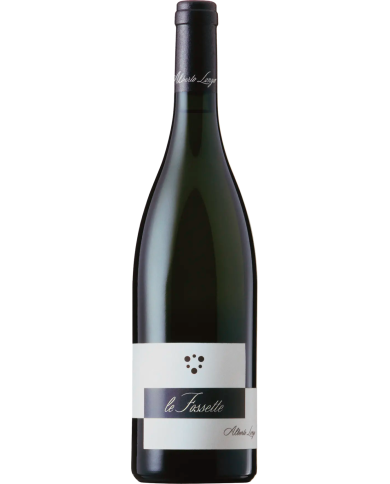
Harmonious and fruity wine, with fruity and floral notes and balsamic hints.
€14.52
SKU:
15404
Brand:
Alberto Longo
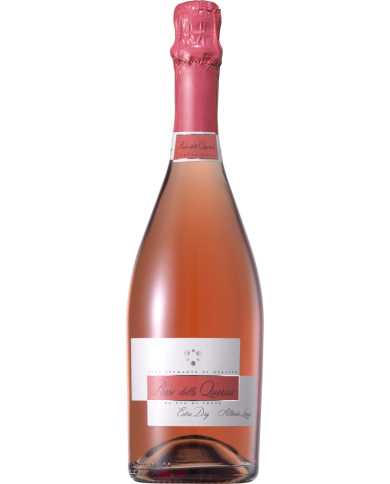
Sparkling wine with an intense aroma, with hints of bread crust, notes of strawberry and cherry.
€13.79
SKU:
15403
Brand:
Alberto Longo
Sparkling wine with an intense aroma, with hints of bread crust and flowers and a delicate taste.
€13.79
€11.83
SKU:
15401
Brand:
Alberto Longo
Wine with a fresh, intense and persistent taste, with fruity and floral notes.
€10.80
SKU:
15400
Brand:
Alberto Longo
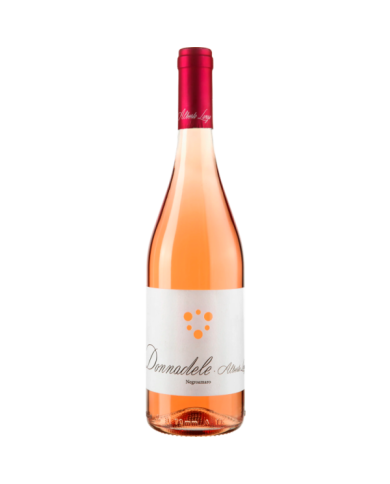
Intense, persistent and fruity rosé wine, with pleasant floral and balsamic notes with a harmonious, sapid and dry flavour.
€9.39
SKU:
15399
Brand:
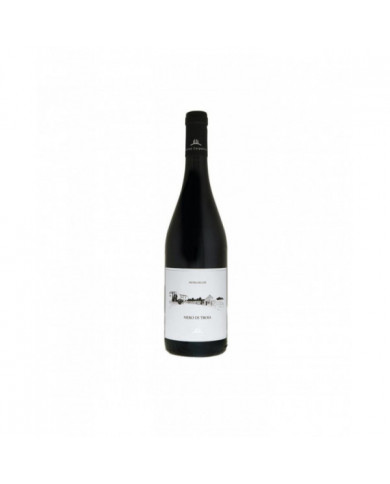
Cantine di TerraVecchia
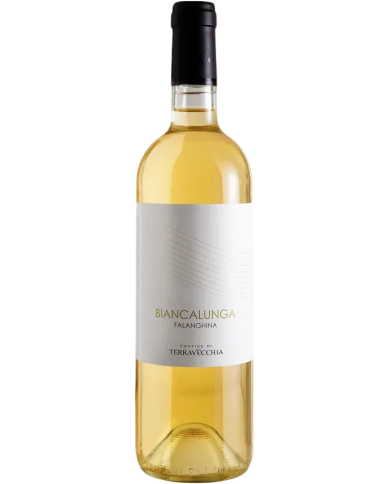
Straw yellow color with golden reflections. Intense, persistent and fruity bouquet, with pleasant floral and balsamic notes. Harmonious, savory and dry flavour.
€9.27
SKU:
15398
Brand:
Cantine di TerraVecchia
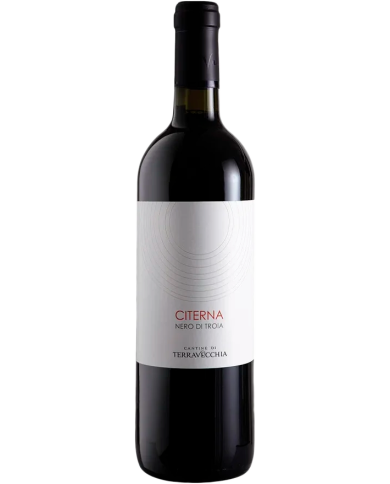
Medium intense ruby red color with violet reflections. Pleasant and harmonious bouquet, with persuasive notes of red berried fruits. Typical, balanced and round flavour, with excellent structure and sweetly tannic.
€9.27
SKU:
15395
Brand:
Cantine di TerraVecchia
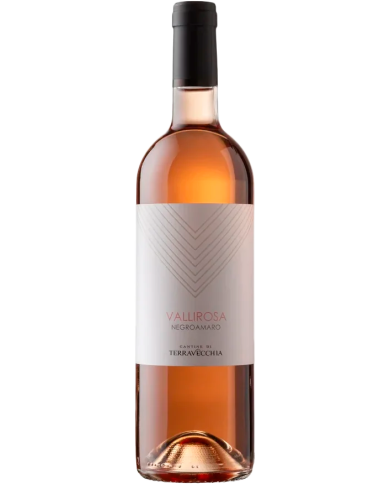
Harmonious and round wine with a finely fruity aroma and light balsamic notes.
€9.27
SKU:
15394
Brand:
Cantine di TerraVecchia
Balanced and round wine, with persuasive notes of red berried fruits, pleasant and harmonious.
€13.79
SKU:
15393
Brand:
Alberto Longo
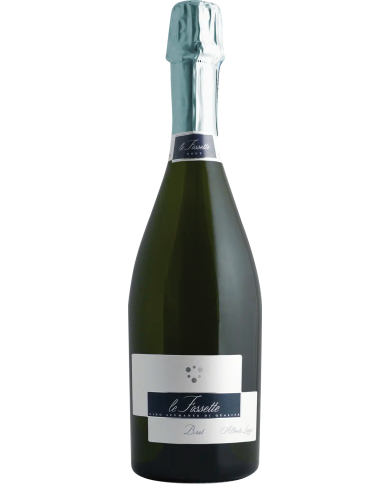
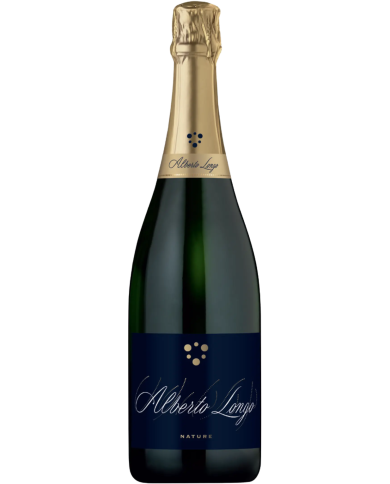
Alberto Longo's Brut Nature is an excellent straw-colored bubble enhanced by golden reflections with a very fine and persistent perlage. Fresh citrus hints of white fruit and salty sensations, a note of anise and slight hints of bread crust. The perlage caresses the palate, enhancing its freshness and complexity.
€30.99
SKU:
15311
Brand:
A Mano Wine
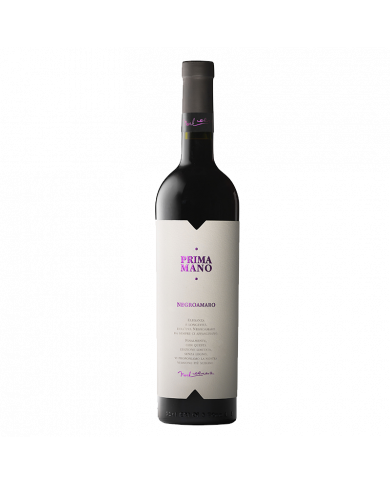
Mark is a winemaker and comes from California. I, Helvetia, am Friulian. We met in Sicily in 1997. In 1998 Mark proposed that I visit Puglia to see the old Primitivo vineyards. According to studies by the University of Davis in California Primitivo and Californian Zinfandel are genetically identical.
€23.74
SKU:
15063
Brand:
D'Alfonso del Sordo
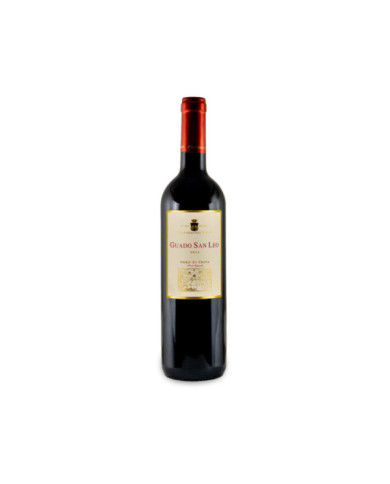
GUADO SAN LEO is the first wine of our company obtained solely from NERO DI TROIA grapes and has contributed together with other Apulian wines to the rebirth of this important vine. The grapes, coming from our "Coppanetta" estate, are harvested by hand in 15 kg boxes before being sent for vinification. with scrupulous selection.
SKU:
15062
Brand:
D'Alfonso del Sordo
GUADO SAN LEO is the first wine of our company obtained solely from NERO DI TROIA grapes and has contributed together with other Apulian wines to the rebirth of this important vine. The grapes, coming from our "Coppanetta" estate, are harvested by hand in 15 kg boxes before being sent for vinification. with scrupulous selection.
€50.70
SKU:
15061
Brand:
D'Alfonso del Sordo
The hot year with little rain has delivered healthy and ripe grapes which translates into a wine of intense color, the scarcity of rain combined with high temperatures has led to a lowering of the acid content giving the wines characteristics of intensity, alcohol and roundness , with precise and blended tannins. Also for this vintage it was necessary to anticipate the harvest by a few weeks to avoid water stress phenomena on the plants. The overall results are however very interesting due to the general balance we find in the wines produced in this vintage.
€24.71
SKU:
15060
Brand:
D'Alfonso del Sordo
GUADO SAN LEO is the first wine of our company obtained solely from NERO DI TROIA grapes and has contributed together with other Apulian wines to the rebirth of this important vine. The grapes, coming from our "Coppanetta" estate, are harvested by hand in 15 kg boxes before being sent for vinification. with scrupulous selection.
SKU:
15059
Brand:
D'Alfonso del Sordo
It has a brilliant straw yellow color with a thin perlage. The bouquet expresses fruity notes of apple, peach and orange.
€15.60
SKU:
15058
Brand:
D'Alfonso del Sordo
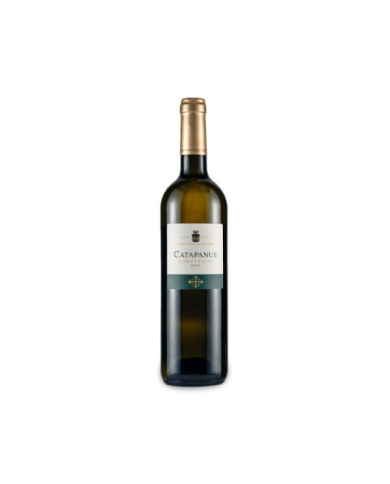
CATAPANUS was the name of the ancient provincial delegate of the emperor, in charge of the military and civil government of the whole of southern Italy in the Byzantine period. We wanted to dedicate our most important white grape variety in our area to this authoritative figure: BOMBINO BIANCO
€12.36
SKU:
15057
Brand:
D'Alfonso del Sordo
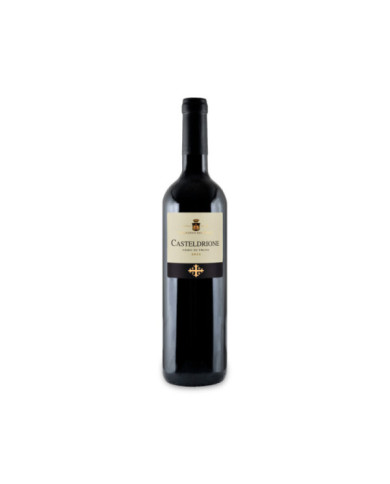
Legend has it that Diomedes, after marrying Driona, daughter of King Dauno, had a small temple with an altar dedicated to Calchas built on a low hill called Drion. In this place called Castrum Drionis or CASTELDRIONE the city of San Severo will rise.
€12.36
SKU:
15056
Brand:
D'Alfonso del Sordo
The sound of the bell has always marked important moments in the life of the populations: in fact, in rural areas, the sound of the bell often indicated the moment of pause in which the peasants stopped working to consume their meal. Even today, in many ancient Apulian farms, we can see in the central space called "court", the presence of a small bell.
€11.70
SKU:
15055
Brand:
D'Alfonso del Sordo
DAMMIROSE was born from the desire to give ever greater expressiveness to a vine that we can now define as the main one within the Apulian regional ampelography. In fact, NERO DI TROIA, even in rosé vinification, is very versatile, giving the wines exclusive characteristics.
€11.70
SKU:
15054
Brand:
D'Alfonso del Sordo
MONTERO was born from the union of the terms Montepulciano and San Severo and wants to underline the strong bond of this important vine to our territory. MONTERO is one of the first labels put on the market by our company in the 1960s. The current blend, in addition to the presence of Montepulciano, includes a small percentage of Cabernet Sauvignon which manages to better soften the vigorous tannins and make the aromatic spectrum more complex.
€9.88
SKU:
15053
Brand:
D'Alfonso del Sordo
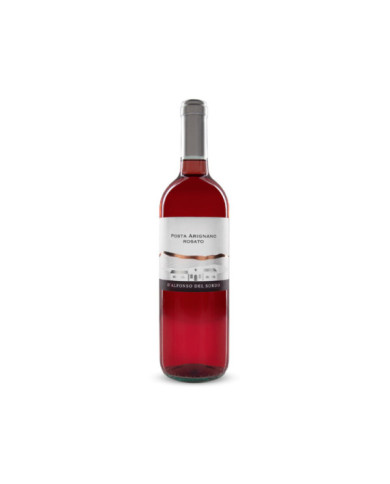
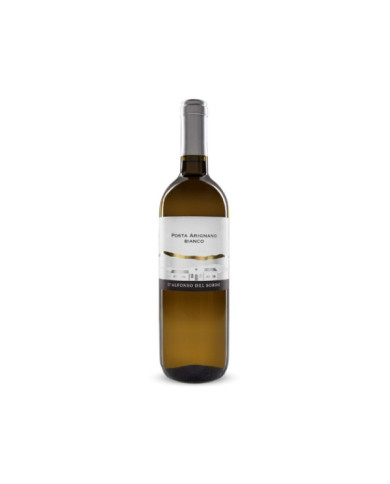
POSTA ARIGNANO is the name of the ancient farmhouse that stands in the center of the "Coppanetta" estate where, in ancient times, travelers who crossed the Daunia lands found refreshment and very often also the shepherds in transhumance from nearby Abruzzo. Today the farm is surrounded by about 30 hectares. of vineyards that give rise to most of our labels.
€9.10
SKU:
15052
Brand:
D'Alfonso del Sordo
POSTA ARIGNANO is the name of the ancient farmhouse that stands in the center of the "Coppanetta" estate where, in ancient times, travelers who crossed the Daunia lands found refreshment and very often also the shepherds in transhumance from nearby Abruzzo. Today the farm is surrounded by about 30 hectares. of vineyards that give rise to most of our labels.
SKU:
15051
Brand:
D'Alfonso del Sordo
POSTA ARIGNANO is the name of the ancient farmhouse that stands in the center of the "Coppanetta" estate where, in ancient times, travelers who crossed the Daunia lands found refreshment and very often also the shepherds in transhumance from nearby Abruzzo. Today the farm is surrounded by about 30 hectares. of vineyards that give rise to most of our labels.
SKU:
15050
Brand:
D'Alfonso del Sordo
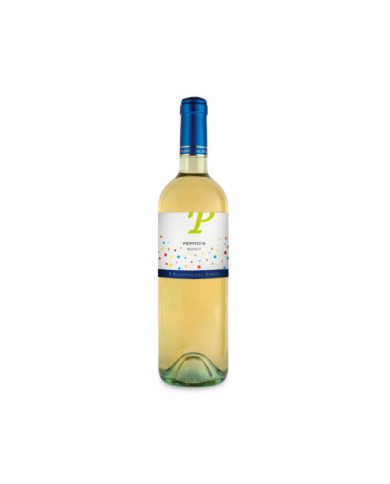
The white bombino also lends itself easily to the production of lively and sparkling wines, thanks to its acidic vein which allows to obtain fresh and fragrant wines. PEPITO'S is proof of this: Fresh and delicate, characterized by a pleasant perlage, very cold it is an excellent aperitif, but also a pleasant accompaniment to fish and shellfish dishes.
€7.42
€6.68
SKU:
14992
Brand:
Tenute Chiaromonte
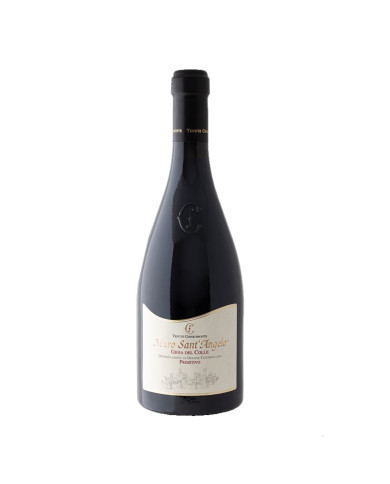
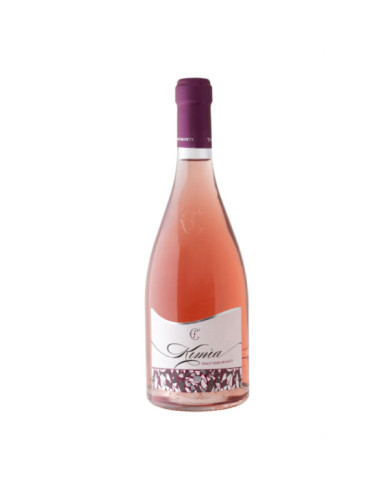
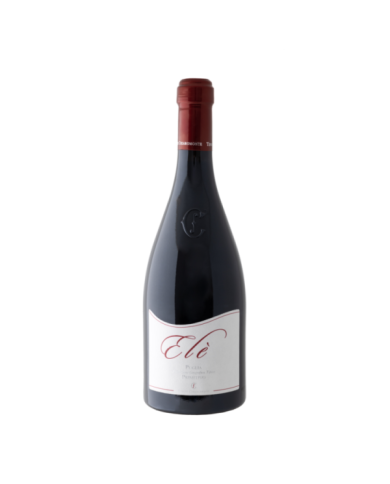
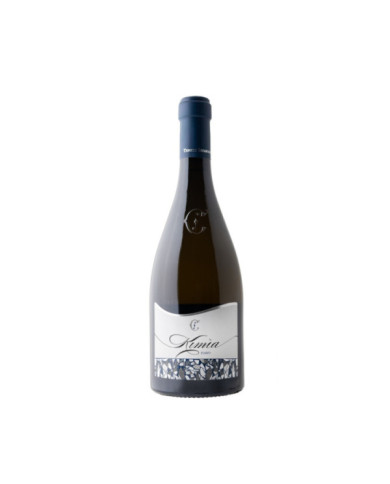
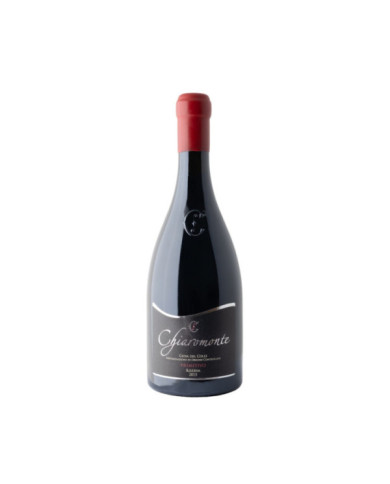
Intense red wine, with aromas of plums, small black fruits and spices that surround a decisive and clean fruit. Impact on the palate, volume without sagging, acidity that well balances the typical sweetness of the vine. Pleasant finish, poured by notes of chocolate and licorice. Pairings Finds its best pairing with cheeses, roasts and all dishes of the Mediterranean cuisine.
€23.00
SKU:
14989
Brand:
Tenute Chiaromonte
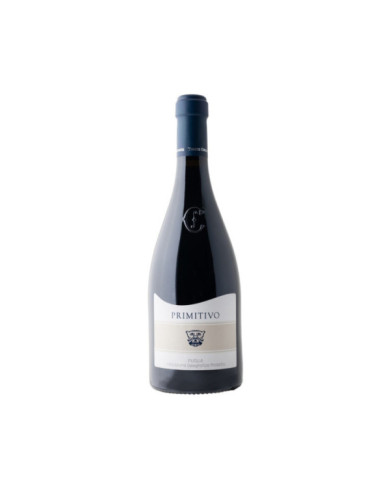
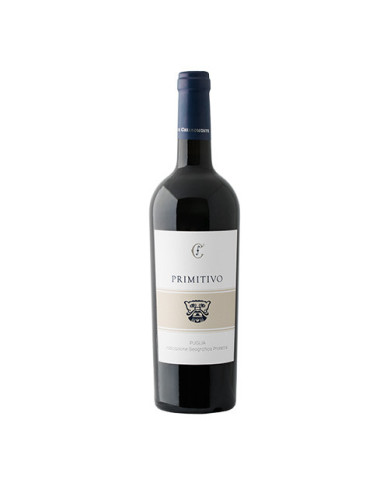
A Primitivo expression of its land, Acquaviva delle Fonti, of which it tells the long winemaking tradition, but also the history and legends; like that of the Mascheroni, guardians of the monumental Palazzo De Mari. Bright red color with violet reflections and intense aromas of small red fruits. On the palate it is fresh, sapid and rightly tannic, with a soft and fruity finish. Pairings Excellent table wine, it finds the best combination with the typical dishes of Mediterranean cuisine.
€10.93
SKU:
14988
Brand:
Tenute Chiaromonte
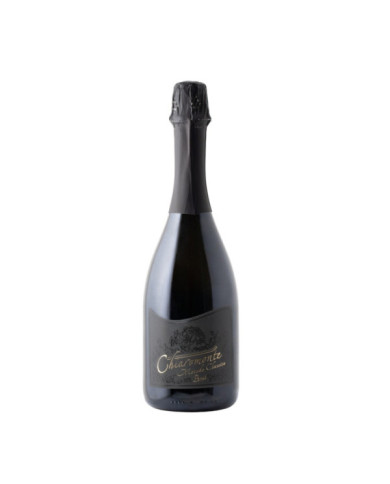
An international vine, the chardonnay, accompanied by an ancient Apulian vine rediscovered, the Fiano, give life to these splendid bubbles which appear with a sparkling straw yellow animated by an elegant and dense perlage. Nose of great impact with very delicate buttery notes, followed by refined nuances of peach blossom. Full-bodied and refined taste that maintains a perfect balance with a long and citrusy finish, a pleasant persistence that recalls scents of yeast and bread crust.
Pairings
The combination with steamed salmon fillet in a crunchy green apple crust is very interesting.
€55.75
SKU:
14987
Brand:
Tenute Chiaromonte
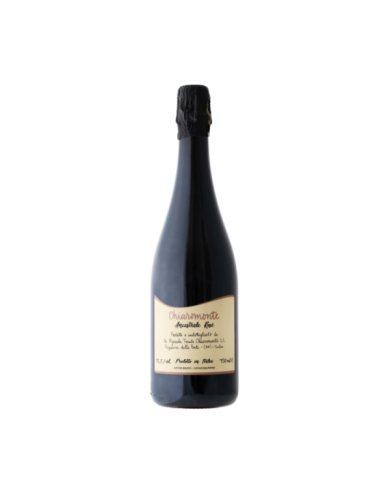
Memories, stories and ancient deeds float among the bubbles of this wine and whirling dance, whispering words that come from afar. Obtained from Pinot Noir grapes, with a fine and persistent perlage, it has a pale coral pink colour. The nose shows marked floral and bread crust notes that reappear irrepressibly on the palate, soft and elegant accompanied by a decisive freshness and minerality.
Pairings
Remarkable pairing with carpaccio and seafood tartare, tempura fish, delicate cheeses and seafood and land preparations with a long olfactory persistence.
€113.83
SKU:
14986
Brand:
Tenute Chiaromonte
A niche edition that comes from a small vineyard of ancient saplings. The color is dark red. The scents are those of plum jam and bitter chocolate which just covers the smoky notes. There are also the typical scents of the Mediterranean maquis. On the palate it is cherry-like, deep and intense, with very soft tannins. Pairings Ideal with meat sauce, roasts, aged cheeses and Mediterranean dishes.
€42.58
SKU:
14984
Brand:
Tenute Chiaromonte
Rosé wine obtained from primitivo racemes. Intense, enveloping and at the same time delicate and elegant with a fresh acidity and a long citrus finish. Pairings Serve as an aperitif to combine with seafood and land appetizers. The combination with shellfish, seafood and fish-based dishes is exciting.
€15.01
SKU:
14983
Brand:
Tenute Chiaromonte
Rosé wine obtained from Pinot Noir grapes. Pale pink in colour, with floral and citrus notes. Lively and at the same time delicate and elegant with a fresh acidity and a long fruity finish.
Pairings
Excellent as an aperitif, it goes well with seafood and land appetizers. The combination with shellfish, seafood and fish or white meat dishes is exciting.
€15.13
SKU:
14982
Brand:
Tenute Chiaromonte
Ruby red wine, aromatic and with intense aromas, with hints of red berry fruit and spicy notes. On the palate it is fresh and elegant. High quality wine, produced from certified organic grapes.
Pairings
Find the best combination with the typical dishes of Mediterranean cuisine. Particularly suitable with soups, white meats, fresh soft cheeses and grilled vegetables.
€14.88
SKU:
14981
Brand:
Tenute Chiaromonte
Wine produced from Moscato grapes, it has a pale yellow color and an excellent structure. What characterizes it is its long finish of grapefruit and aromatic herbs.
€14.15
SKU:
14980
Brand:
Tenute Chiaromonte
Born from Fiano Minutolo grapes, an ancient Apulian vine rediscovered. With yellow, greenish tones, it is characterized by the floral aroma of the vine, with hints of orange blossoms and wild flowers and with notes of citrus fruits and wild herbs. On the palate it has a fresh acidity and highlights a return of citrus aromas with a mineral finish.
Pairings
Ideal with seafood and land appetizers. Particularly suitable with shellfish, seafood and fish-based dishes.
€15.13
SKU:
14979
Brand:
Tenute Chiaromonte
It has a bright ruby red color with slight violet reflections. The olfactory scents are mainly characterized by notes of red fruit. On the palate it is light-bodied, fresh, characterized by good sapidity.
€11.44
SKU:
14978
Brand:
Tenute Chiaromonte
Chardonnay is a wine characterized by a straw yellow color and an intense aroma of ripe apple.
€10.00
SKU:
14977
Brand:
Tenute Chiaromonte
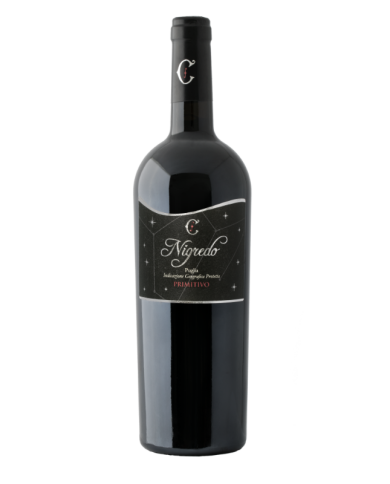
Primitive with a blackish colour. The nose is saturated with fruit, ripe cherries, pulpy and juicy. In the mouth the sweetness of the residual sugars is perfectly balanced by a splendid and very natural juiciness. It is a tale of passions and emotions, a starry night, a research that continues. Pairings It goes well with blue and seasoned cheeses tasted with jams. Also excellent with dry pastries.
€38.94
SKU:
14976
Brand:
Tenute Chiaromonte
Soft and enveloping wine, with a bright red color. With fruity olfactory textures with hints of black cherry and with floral notes of rose that blend with a delicate sweetness.
Pairings
Ideal companion for almond sweets, dark chocolate and various desserts. Intriguing accompaniment with seasoned and blue cheeses.
€18.67
SKU:
14975
Brand:
Tenute Chiaromonte
Maximum expression of an age-old vine that has been handed down for generations. Dark ruby red in colour, it has a deep, clear and precise nose, which ranges from ripe black fruits to the spices of the Mediterranean scrub. The palate, elegant, but at the same time endowed with great density and substance, is full, sapid with iodized notes, complex and balanced despite the alcohol. Pairings To be kept exclusively for important moments or to meditate in front of the fireplace.
€107.43
SKU:
14967
Brand:
Vespa Vignaioli
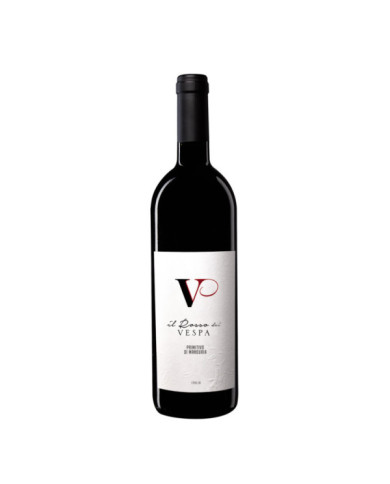
Vespa's "Rosso dei Vespa" is a Primitivo di Manduria which ages for 6 months in Never and Troncais oak barriques and presents itself to the eye with an intense and full ruby red robe. It expresses notes of plum, strawberry and fresh violet on the nose, enriched by hints of cocoa and vanilla while the sip is full and robust, of great body and intensity, with a long and spicy aromatic finish.
€15.64
SKU:
14966
Brand:
Vespa Vignaioli
Winemakers generally give their name to the most important wine of the House. Bruno Vespa made the opposite choice: he baptized the cheapest wine because his challenge is to get the greatest number of consumers to approach a product with an excellent relationship between quality and selling price. IL BRUNO DEI VESPA is a Primitivo Salento that can elegantly accompany daily meals of all kinds.
SKU:
14962
Brand:
Schenk Italia
Cultivated with the traditional sapling system, the Primitivo grapes are harvested manually and the must is fermented at a controlled temperature of 33°C for 25 days. Finally, we proceed to aging in barrique for at least 12 months. Intense red in color with violet reflections, the wine has a bouquet of ripe fruit with spicy notes. On the palate, thanks to the aging in barrels, it is soft and structured.
SKU:
14956
Brand:
Notte Rossa
Notte Rossa's Negroamaro is a fresh, fruity and generous red wine from the Salento area, vinified and aged in steel vats. With a velvety, rich and juicy sip, it expresses fragrant aromas of Mediterranean scrub, small dark berry fruits and light marine flavors
€7.38
SKU:
14955
Brand:
Masseria Spaccafico
Nero di Troia is a great classic of the Salento area. Masseria Spaccafico with the Passera Scopaiola celebrates and enhances this particular vine pearl of Salento. In tasting, Masseria Spaccafico's Nero di Troia Passera Scopaiola offers an intense ruby red color with purple reflections, an authoritative and decisive nose of figs and red fruits such as blackberries and blueberries with marked floral notes of violet and peony. On the palate this particular red wine has a marked softness that delicately caresses the palate while the marked minerality refreshes it, creating an absolutely perfect balance in the consumer's mouth.
SKU:
14954
Brand:
Masseria Ficarigna
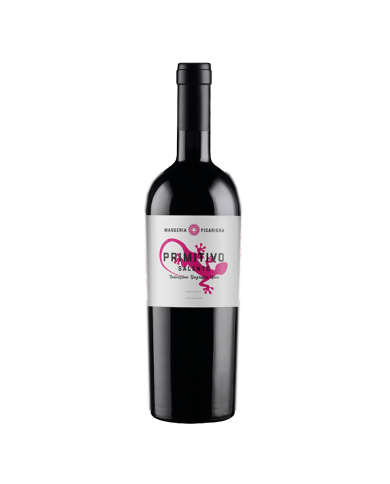
This Salento Primitivo from Masseria Ficarigna is an example of the qualitative excellence produced in the Salento region, of which the cellar is an ambassador. The name Ficarigna is the Salento translation of the prickly pear fruit which, together with the gecko, depicted on the label, are elements that symbolize Salento in the collective imagination.
After the manual harvest of the grapes harvested when fully ripe, fermentation takes place at a controlled temperature. The wine ages for 12 months in barriques before being bottled.
In the glass it has a deep ruby red color with purplish nuances. The nose recalls toasted and coffee sensations that form the background for hints of red berry fruit. On the palate it shows warmth and a round, enveloping and balanced taste.
It is recommended together with game and aged cheeses. Try it in combination with chestnuts.
€7.43
SKU:
14953
Brand:
Masseria Ficarigna
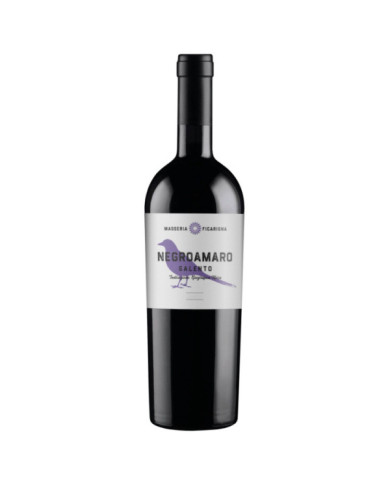
This Salento Negroamaro is produced from one of the most representative native vines of the Salento peninsula, of which Masseria Ficarigna is the spokesperson. Inspired by the symbolic prickly pear fruit, the label features a stylized image of a "pica", the Salento magpie, among the birds that contribute to the dispersion of seeds and the spread of this plant in the region.
The grapes are carefully picked by the cellar team and immediately transported to the cellar where a soft pressing and fermentation with maceration in steel for 15 days take place. The wine finishes its refinement with a passage in barriques for 8-10 months.
It is a red wine with a ruby hue. The nose is deep and orchestrated on rich red berried fruit notes. In the mouth it is intense, soft and balanced.
Excellent to combine with first courses of Mediterranean cuisine, as well as cured meats and medium-aged cheeses.
SKU:
14948
Brand:
La Pugliosa
dark ruby red, the nose reveals hints of blueberry, black currant, aromatic herbs and undergrowth, with sweeter nuances from vanilla to cloves. The sip is vigorous but soft, leaving the perception of black cherry jam, freshness and flavor.
€49.53
SKU:
14947
Brand:
La Bollina
We can't get enough of the primitive that Bollina produces in Italy. This one has an insane 98 points from Luca Maroni and comes from Manduria, a small region in the heel of the boot known for variety. The fruit is harvested by hand and made a little late to increase concentration, potency and wealth. There's blackberry, cherry and plum with a backbone of tobacco, mocha and cocoa. This is not wine for the faint of heart, but rather for those who want something thick and dark in their glass.
SKU:
14937
Brand:
Duca di Saragnano
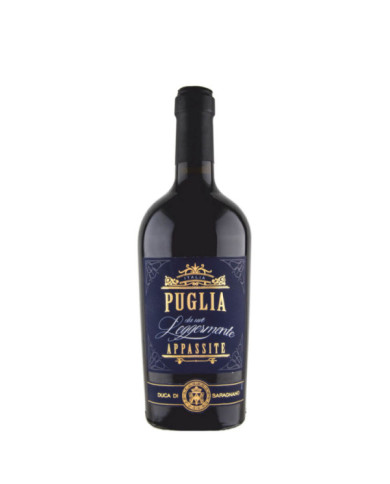
This wine is a blend of native Apulian red berried grapes that undergo a slight withering on the plant in order to give greater softness and complexity to the final product. It has an intense ruby red color with delicate purple reflections.
SKU:
14934
Brand:
Castello Monaci
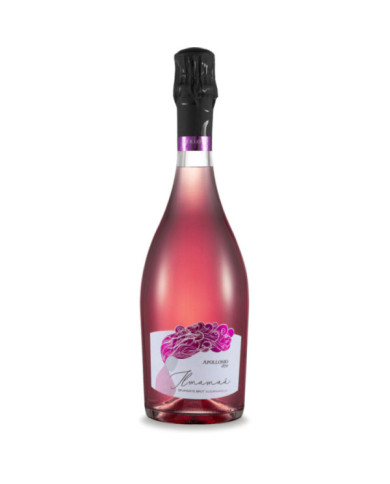
Pilùna is a monovarietal of Primitivo. We are a few kilometers outside the primitive DOC of Manduria, therefore Pilùna falls within the disciplinary of the IGT Salento. The primitive name derives from "first native" as it is the first red berried variety to be ready for harvest. The name Pilùna indicates the ancient tuffaceous containers in which oil and wine were kept.
€12.43
SKU:
14918
Brand:
Bastioni della Rocca
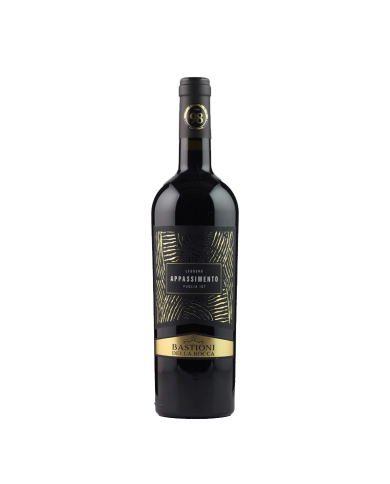
Here's a big, bold red from Puglia in southern Italy and is made from a blend of the two most popular red grapes there, Negroamaro makes up 80% with Primitivo 20%. Powerful dark fruit flavors are held together in a smooth, full-bodied red wine with soft tannins and a lingering depth of flavor on the finish, thanks to the Italian appassimento winemaking technique, which involves adding a portion of dried grapes to the ferment to create richness of flavor and concentration.
SKU:
14896
Brand:
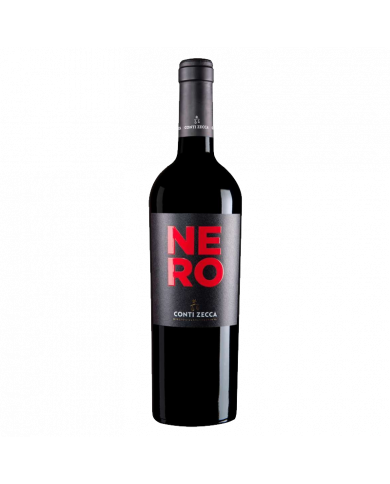
Conti Zecca
Salice Salentino DOP Cantalupi is produced with Negroamaro and Malvasia nera di Lecce grapes from spurred cordon cultivated vines on alluvial soils, medium texture with areas tending towards limestone. The harvest takes place by destemming and soft pressing. Fermentation in stainless steel tanks at controlled temperature. Maceration for 12 days at a temperature of 28-30°C. Aging for at least 12 months in hl oak barrels. 30.
€10.50
SKU:
14855
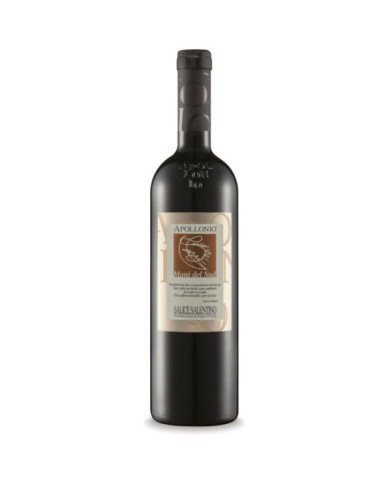
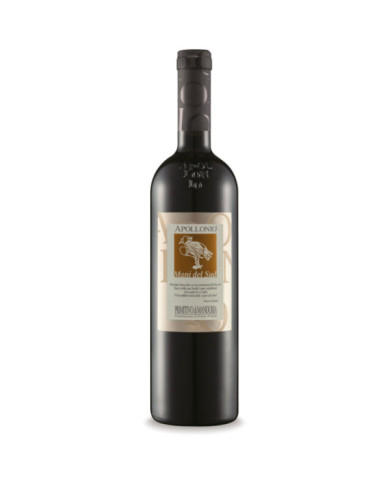
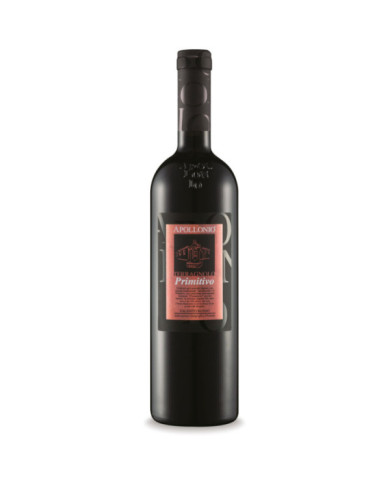
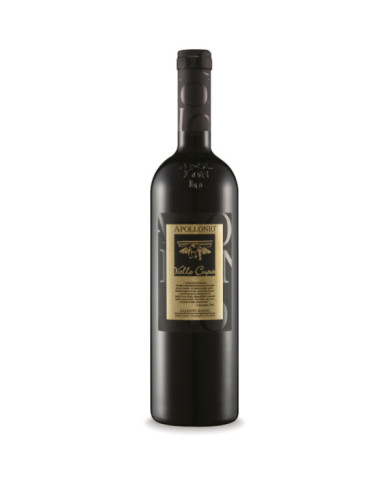
Brand:
Apollonio
Sweet and full-bodied, balanced, with a pleasant acid note and robust tannins. A persistent finish enhances the return of the rich aromatic bouquet already perceived on the nose.
€18.00
SKU:
14854
Brand:
Cantine Carpentiere
Ancient construction in dry stone, the Jazzo defended the herds and shepherds from the nocturnal attack of the wolves, preventing the climbing over of the fences with its overhanging stones, called Stones of the Wolves or Paralupi. Still today an intact Jazzo watches over the vineyards from which we have selected Pietra dei Lupi, obtained from the vinification of 100% Uva di Troia. A wine of great elegance and freshness, its tannins refine in 7.5 HL Slavonian oak tonneaux.
€12.20
SKU:
14850
Brand:
Apollonio
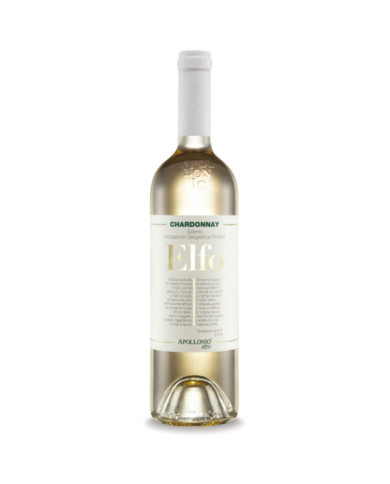
Thanks to its excellent adaptability, Chardonnay is one of the most widespread white grape varieties in the world. Cultivated in all climatic conditions and in all areas, on clayey-calcareous soils and with a temperate, warm and windy climate, it ensures great results.
€9.49
SKU:
14849
Brand:
Apollonio
€9.49
€8.07
Salento is identified by three climatic elements: the sun, creator of generous sugar levels, the sea, responsible for the minerality of the wines, and the wind which makes this territory naturally free from diseases and particularly suitable for the production of "natural" wines. Characterized by extensive flat areas and modest hills, Salento is geologically made up of a medium-textured limestone structure.
€9.49
€8.07
SKU:
14848
Brand:
Apollonio
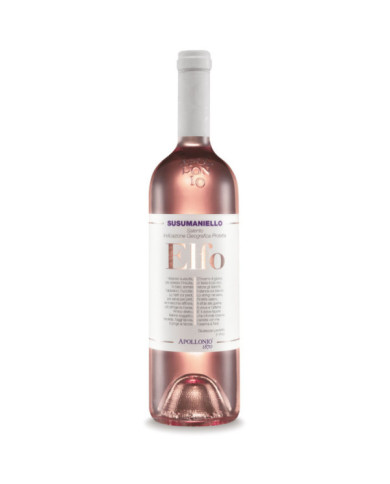
Susumaniello, an autochthonous black grape variety from Puglia, grown in Salento. Its name recalls, in the Apulian dialect, the name of the "somarello" indicating the high productivity of the plant loaded with bunches "like a donkey". After the first decade of life of the vineyard, the bunch is unloaded of grapes and the production loses in quantity but improves in quality, producing wines of great expression.
€9.49
SKU:
14847
Brand:
Apollonio
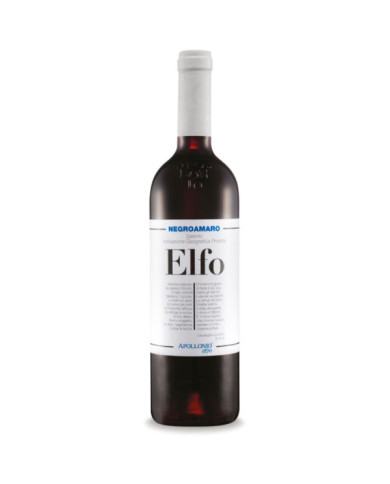
Autochthonous of Puglia, it is the main black grape variety of Salento. Its origins are very ancient (VIII century AC ), it probably owes its name to the terms “niger” (Latin) and “mavros” (Greek) which both mean black. The great versatility makes it suitable for all types of winemaking
€9.49
SKU:
14846
Brand:
Apollonio
Susumaniello, an autochthonous black grape variety from Puglia, grown in Salento. Its name recalls, in the Apulian dialect, the name of the "somarello" indicating the high productivity of the plant loaded with bunches "like a donkey". After the first decade of life of the vineyard, the bunch is unloaded of grapes and the production loses in quantity but improves in quality, producing wines of great expression.
€9.64
€8.67
SKU:
14845
Brand:
Apollonio
Negroamaro, native to Puglia, is the main black grape variety of Salento. Its origins are very ancient (VIII century AC ), it probably owes its name to the terms “niger” (Latin) and “mavros” (Greek) which both mean black. The great versatility makes it suitable for all types of wines.
€9.64
€8.67
SKU:
14844
Brand:
Apollonio
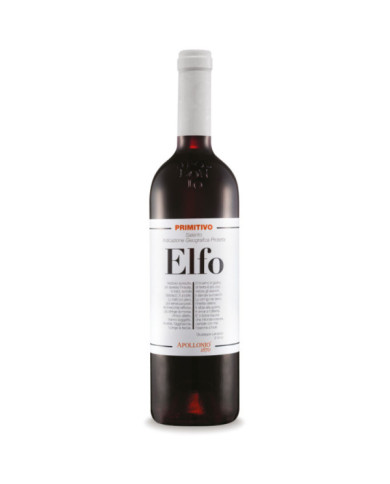
Primitivo, a native black grape variety of Puglia. It owes its name to the characteristic vegetative phases of the plant, all early, from maturation to budding, from flowering to veraison, from which the old name of "Primaticcio" derives.
€9.64
€8.67
SKU:
14843
Brand:
Apollonio
€11.96
€10.76
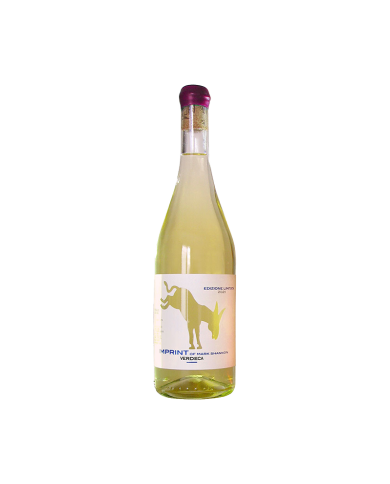
Verdeca is a native white grape variety of Puglia, with greenish hues that suggest its name. Elegant, mineral and very vigorous.
€11.96
€10.76
SKU:
14842
Brand:
Apollonio
€13.05
€11.10
Susumaniello, an autochthonous black grape variety from Puglia, grown in Salento. Its name recalls, in the Apulian dialect, the name of the "somarello" indicating the ancient tradition of raising the productivity of the plant by loading it with bunches "like a donkey". After the first decade of life of the vineyard, the bunch is unloaded of grapes and the production loses in quantity but improves in quality, producing wines of great expression.
€13.05
€11.10
SKU:
14838
Brand:
Apollonio
Negroamaro, native to Puglia, is the main black grape variety of Salento. Its origins are very ancient (VIII century AC ), it probably owes its name to the terms “niger” (Latin) and “mavros” (Greek) which both mean black. The great versatility makes it suitable for all types of winemaking.
€11.10
SKU:
14836
Brand:
Apollonio
Negroamaro, native to Puglia, is the main black grape variety of Salento. Its origins are very ancient (VIII century AC ), it probably owes its name to the terms “niger” (Latin) and “mavros” (Greek) which both mean black. The great versatility makes it suitable for all types of winemaking.
€20.01
€18.01
SKU:
14833
Brand:
Apollonio
A historic Salento blend often made directly in the field with the alternation of eight plants of Negroamaro with two of Malvasia Nera. Negroamaro owes its name to the terms "niger" (Latin) and "mavros" (Greek) which both mean black. A highly versatile vine, it is suitable for all types of winemaking. Malvasia Nera, a vine with great softness and aroma, best balances the angular characters of the other two grapes.
€13.83
SKU:
14831
Brand:
Apollonio
Primitivo, a native black grape variety of Puglia, owes its name to the characteristic vegetative phases of the plant, all early, from ripening to budding, from flowering to veraison, from which the old name of "Primaticcio" derives.
€15.20
SKU:
14830
Brand:
Apollonio
Negroamaro, native to Puglia, is the main black grape variety of Salento. Its origins are very ancient (VIII century AC ), it probably owes its name to the terms “niger” (Latin) and “mavros” (Greek) which both mean black. The great versatility makes it suitable for all types of winemaking.
€29.24
SKU:
14829
Brand:
Apollonio
Primitivo, a native black grape variety from Puglia. It owes its name to the characteristic vegetative phases of the plant, all early, from maturation to budding, from flowering to veraison, from which the old name of "Primaticcio" derives.
€20.67
SKU:
14828
Brand:
Apollonio
Salento is identified by three climatic elements: the sun, creator of generous sugar levels, the sea, responsible for the minerality of the wines, and the wind which makes this territory naturally free from diseases and particularly suitable for the production of "natural" wines. Characterized by extensive flat areas and modest hills, Salento is geologically made up of a medium-textured limestone structure.
€20.50
SKU:
14827
Brand:
Apollonio
Salento is identified by three climatic elements: the sun, creator of generous sugar levels, the sea, responsible for the minerality of the wines, and the wind which makes this territory naturally free from diseases and particularly suitable for the production of "natural" wines. Characterized by extensive flat areas and modest hills, Salento is geologically made up of a medium-textured limestone structure.
€30.90
SKU:
14681
Brand:
Mottura
Wine produced from Negroamaro grapes grown in the area of Salice Salentino and other municipalities in the province of Lecce and Brindisi. Manual harvest at the right maturation with careful selection of the grapes. Manual sorting of the bunch with a selection belt, fermentation of the must at a controlled temperature, traditional maceration for 20-25 days, good use of delestage and pumping over. Carrying out of the malolactic fermentation in barriques at a controlled temperature, with the use of batonnage. 12 months of aging in French oak barriques. 2-3 months of aging in the bottle.
€17.22
SKU:
14535
Brand:
Barsento
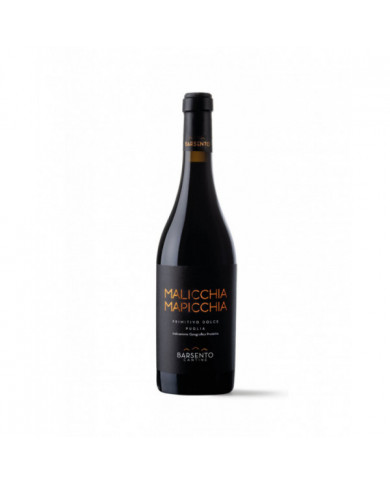
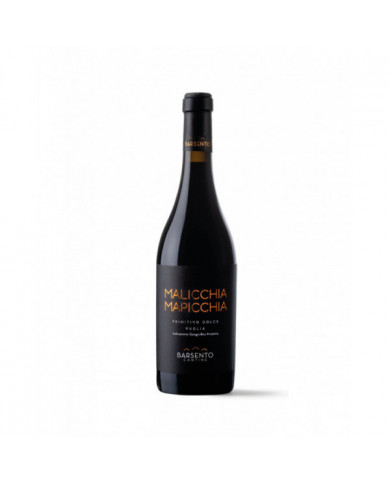
VINIFICATION The maceration lasts 12-14 days in 45 quintal steel vats at a controlled temperature of 25°C, with frequent pumping over in order to extract the aromatic and coloring substances and at the same time soften the tannic mass. AGING: The wine is aged in steel tanks for one year. Before bottling, the wine is filtered, but not cold stabilized, in order to safeguard the integrity of the product. The permanence in the bottle before being marketed lasts 6 months, in aging rooms completely dug out of the limestone rock typical of the area where it was born. TASTING NOTES The nose has clear hints of fresh fruit, plums and strawberries. Strong, full, sweet and very vinous on the palate. Malicchia Mapicchia is a meditation wine ready for any type of combination: from sweets to dry pasta, to aged, aromatic, spicy or blue cheeses, perhaps served with jams to create a splendid contrast between the strong and the sweet taste. Ideal also accompanied by main courses of meat seasoned with fruit-based sauces.
€22.90
SKU:
14460
Brand:
Barsento
Manual harvest. Destemming and low temperature fermentation. The crushed grapes remain at a low temperature for a few hours before fermentation, after which the soft pressing takes place. Fermentation continues at around 18°. It remains three months in steel before being bottled. After bottling it remains in cavea karso for another 2 months.
€12.93
SKU:
14459
Brand:
Barsento
Barsento Casaboli Primitivo Gioia del Colle DOC Riserva has an intense ruby red color with slight purplish reflections. The nose is expressed with great complexity and elegance, on fruity tones of plum, black berries, blackberry and black cherry. On the palate it denotes a considerable thickness and a certain structure, which skilfully blends with its softness and its consistent tannins. The finish is long and of excellent persistence.
€28.65
SKU:
14458
Brand:
Barsento
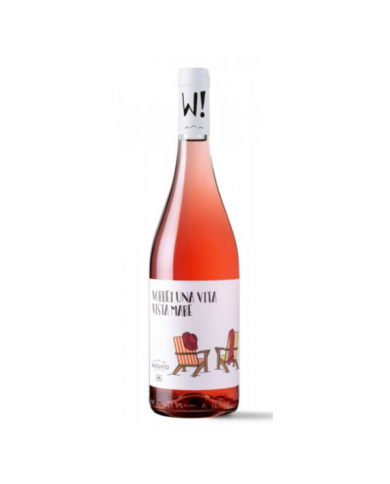
W'Heart! in the rosé version it is an excellent wine produced with 100% Primitivo grapes. The harvest is done manually in the first ten days of September. After destemming, fermentation takes place in stainless steel tanks at a controlled temperature, and before soft pressing, the must is left to macerate on the skins for about 10 hours. A rosé that excites the eye with its splendid intense coral color with violet reflections. It offers the nose sweetly fruity hints mixed with delicate floral notes. On the palate it has a pleasant freshness. A perfect aperitif glass that also lends itself beautifully to fish-based dishes.
€13.01
SKU:
14457
Brand:
Barsento
VINIFICATION The maceration lasts 12-14 days in 45 quintal steel vats at a controlled temperature of 25°C, with frequent pumping over in order to extract the aromatic and coloring substances and at the same time soften the tannic mass. AGING: The wine is aged in steel tanks for one year. Before bottling, the wine is filtered, but not cold stabilized, in order to safeguard the integrity of the product. The permanence in the bottle before being marketed lasts 6 months, in aging rooms completely dug out of the limestone rock typical of the area where it was born. TASTING NOTES The nose has clear hints of fresh fruit, plums and strawberries. Strong, full, sweet and very vinous on the palate. Malicchia Mapicchia is a meditation wine ready for any type of combination: from sweets to dry pasta, to aged, aromatic, spicy or blue cheeses, perhaps served with jams to create a splendid contrast between the strong and the sweet taste. Ideal also accompanied by main courses of meat seasoned with fruit-based sauces.
€21.95
SKU:
14456
Brand:
Barsento
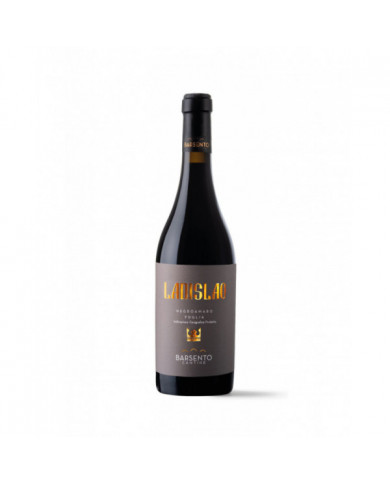
VINIFICATION: The maceration lasts 12-14 days in 45 quintal steel vats at a controlled temperature of 25°C, with frequent pumping over in order to extract the aromatic and coloring substances and at the same time soften the tannic mass. TASTING NOTES Pure Negroamaro, aged in large oak barrels, has an intense and impenetrable red colour. On the nose, hints of ripe cherry, tobacco and carob are perceived. On the palate it is full-bodied, with a great structure with accentuated tannins that balance well with the alcohol and the vanilla notes typical of wines aged in wood. It is best expressed with cured meats, grilled meats and meat sauce.
€21.17
SKU:
14455
Brand:
Barsento
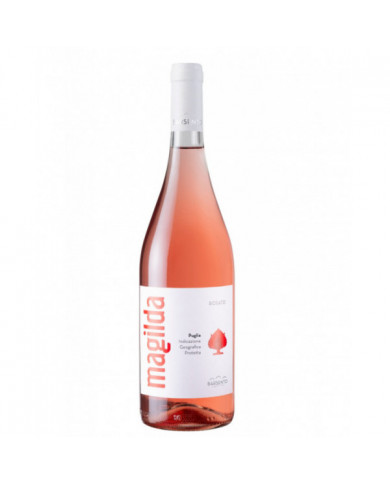
Magilda is a rosé produced with 100% Negroamaro grapes. The harvest of carefully selected grapes begins in the first ten days of September. After destemming, fermentation is carried out at low temperature in stainless steel tanks. In the tanks the must is left to macerate with the skins for about 10 hours, followed by a soft pressing. Before being bottled, the wine rests for a few months in steel, then refines for at least another month in the bottle. At sight it has a coral color with violet reflections. It offers the nose intense floral notes that refer to the rose, and fruity aromas of morello cherry and cherry. It enters the palate with a pleasant minerality and a sinuous roundness offering a long and persistent finish. It goes perfectly with appetizers, seafood and earthy first courses, and fish soups. Also perfect as an aperitif
€9.64
SKU:
14454
Brand:
Barsento
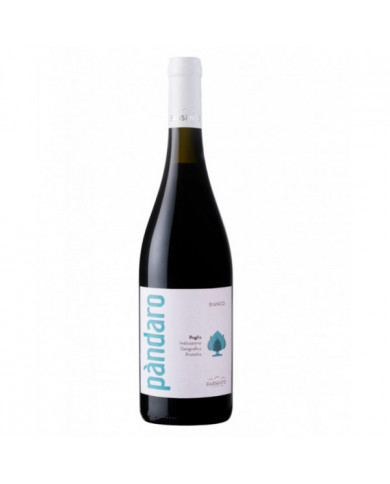
Pandaro is a still white wine produced with fine 100% Fiano grapes.
Once the grapes are harvested in September, after destemming and a soft pressing, the must is clarified and subsequently fermented at a low temperature in stainless steel tanks. The wine is then bottled and further refined in the bottle for at least 1 month before being put on the market.
Pàndaro has a brilliant straw yellow color with greenish reflections. The olfactory examination reveals an intense fruity aroma of green apple and ripe banana, mixed with nuances of pineapple and almond.
In the mouth the flavor is rich, sapid and with a nice acidity. A drink that guarantees a quality, long and persistent finish on the palate.
It goes perfectly with appetizers, first and second seafood dishes, molluscs and crustaceans. Also perfect as an aperitif.
€9.64
SKU:
14453
Brand:
Barsento
Paturno is a wine with great extraction qualities, produced with two distinct batches of grapes. The two wines are vinified separately, in stainless steel tanks at a controlled temperature. Maceration takes place for 10/12 days and frequent pumping over is carried out in order to extract coloring and aromatic substances, but also to soften the tannins. After a few months of aging in stainless steel tanks, the wine is blended, filtered, but not cold stabilized. Then it is bottled, and rests for six months in aging rooms carved into the rock.
€18.30
SKU:
14452
Brand:
Barsento
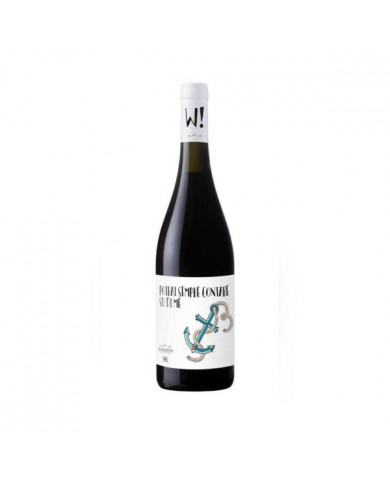
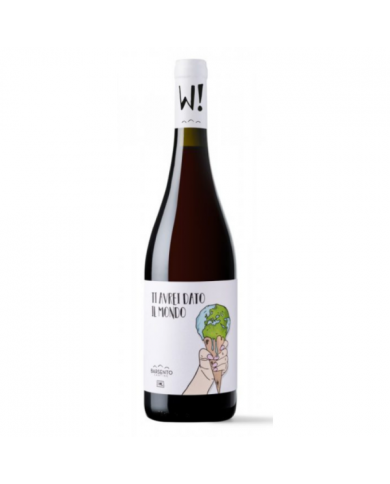
W'Heart! is a still red produced with 100% Primitivo grapes of excellent quality. The harvest takes place during the first ten days of September.
€12.60
SKU:
14439
€45.75
«Thus a single heat of many embers is felt ..." - (Dante)
Intense color with purple reflections, tending towards garnet. Soft, elegant, sumptuous on the palate, it gives the nose an intense and rich bouquet and a long persistence of taste-olfactory sensations.
The overripeness of the grapes, or rather the forced wilting of the berries, gives the wine a complex structure. It is a wine that develops all its potential already during aging in small wooden barrels, which, in addition to stabilizing the colour, induces a reduction in astringency; the wine acquires a fresh aroma and a regal sumptuousness.
Its aromas of flowers and fruit are clearly evident: mint, plum, very subtle notes of fruit, licorice, vanilla and spices.
The softness of its long flavor closes with a pleasant bitter vein of the vine from which it derives: Negroamaro.
GRAPE VARIETIES:
Negroamaro 100%
€45.75
SKU:
14430
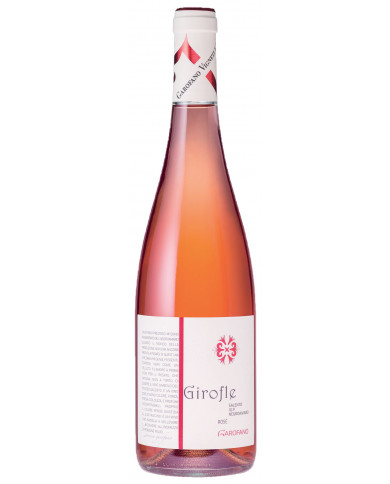
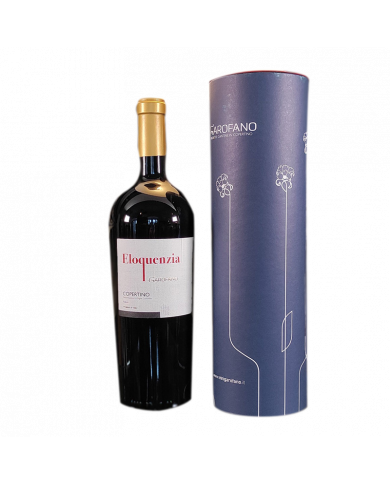
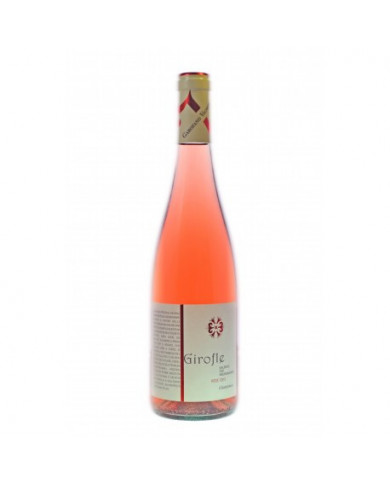
It is written Girofle, read Garofano
Coral red, brilliant, with cherry tones. The nose recalls notes of flowers, with nuances of red fruits;, pleasant, clear and with good freshness on the palate.
Clou de girofle, the clove, is a strong spice with a penetrating, warm and rich aroma; the taste is both pungent and bitter. Spices tell of exotic aromas and flavors that can often be traced back to the characters and values of the wines, especially of this precious vine capable of subtly marking its rosé and its great aged reds in a more suggestive way.
The brand in question was chosen not only for the power it possesses, evocative of the fascinating qualities of spices, but above all because the author has always had the obsession of achieving the excellence of quality wine.
This rosé is a today's wine that recalls all the values of tradition and the roots of quality Salento wines.
€15.59
SKU:
14427
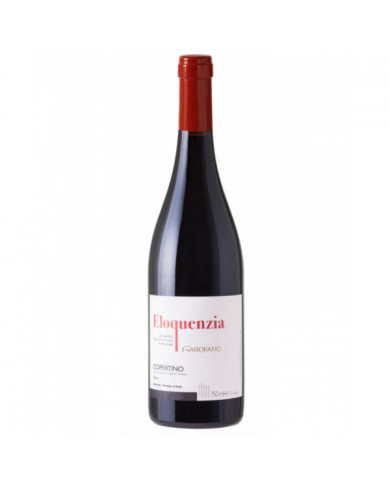
«What the tongue cannot express well, mute eloquence in its gestures expressed»
Intense ruby red. It begins on the nose with notes of sweet leather, spice, cherry; on the palate it is soft, elegant and fresh.
«Forty years after my first writings - elementary judgments - I realized that, always, the wine - so individual, pure, national, harmonious - was above, that the words were not enough to give the "meaning" of it, even if they were momentum and invention. Better, a thousand times better, abandoning yourself to the involvements, suggestions, hugs, penetrations, which gradually emerge in the tasting, not material but intellectual, and mark them.
The affirmation comes from the great Veronelli who has taught more than a few generations with his inexhaustible vein of neologisms concerning the sensations that wine is capable of transmitting.
Often the truth of wine is elusive, untranslatable and it is necessary to recognize the ineffectiveness of words. So much so that wine becomes an enjoyable beverage, even without the use of words, due to the privilege it possesses of communicating forcefully, of moving people through its innate eloquence.
GRAPE VARIETIES:
Negroamaro 100%
€9.39
SKU:
14426
€32.50
SKU:
14406
Brand:
Cantina Marchesi Antinori
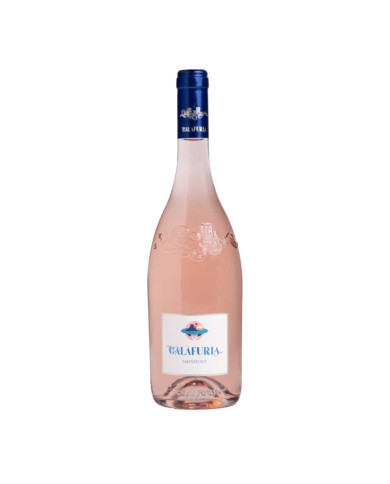
Calafuria is a fresh and floral Apulian rosé wine based on Negroamaro, with pleasant and characteristic perfumes and aromas. On the nose this Apulian Magnum recalls fruit, flowers and aromatic herbs. On the palate it is soft, fresh and very pleasant, elegant and balanced
€15.01
SKU:
14321
Brand:
Cantina Marchesi Antinori
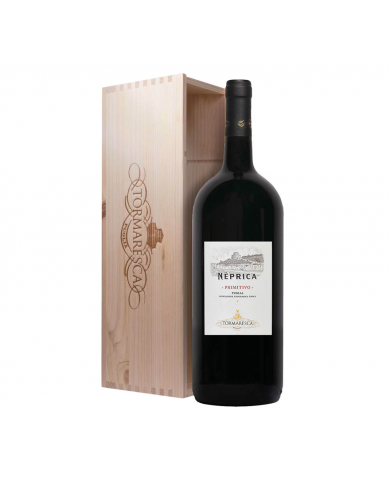
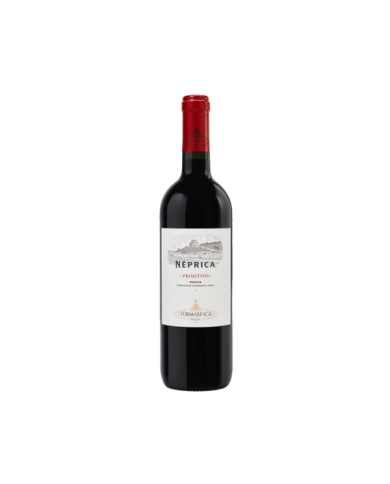
Primitivo Neprica by Tormaresca Antinori is a puliese red wine from the province of Brindisi, aged in steel for about 8 months to maintain a fragrant and fruity sensorial profile. It has an intense ruby red color, furrowed by purple reflections, and releases notes of black cherries, small fresh and candied red fruits and licorice aromas to the nose, revealing a soft, round sip with evolved tannins, awakened by a balanced freshness .
€29.90
SKU:
14318
Brand:
Agricole Vallone
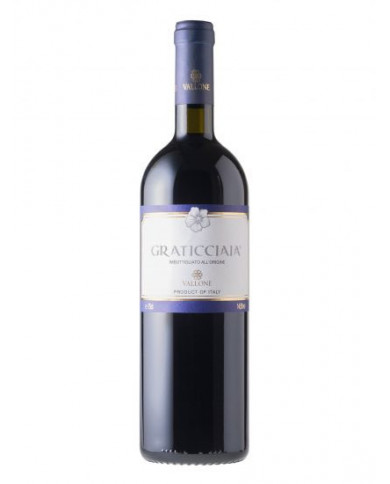
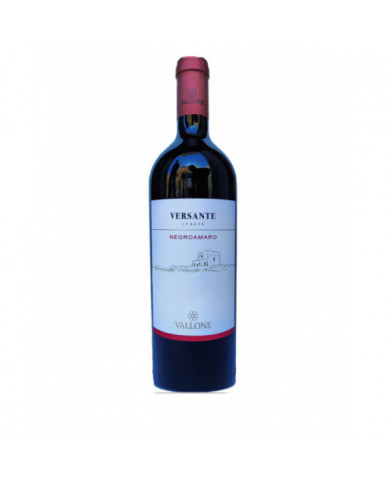
Born from an intuition that brings to light an ancient technique that links past traditions to future visions. The experiment of drying the Negroamaro grapes from the 'Caragnuli' Cru, an 80-year-old Apulian sapling vineyard located in San Pancrazio Salento, began in 1980, thanks to the insistence of the oenologist Severino Garofano who had always believed in versatility and nobility of this vine. In 1986, after 6 years of trying, the first vintage of 'Graticciaia' saw the light. The rest is a success story that gives the dignity that belongs to Negroamaro. After a careful selection of the grapes, we proceed with a light drying, followed by an aging of 12 months in French oak barriques, the last mile is covered in concrete until bottling.
€160.34
SKU:
14290
Brand:
Conti Zecca
The second novelty that we had announced is the introduction of Susumaniello in the Cantalupi family! Susumaniello is a vine that is part of the enological history of Salento and which in recent years has been at the center of a rediscovery and revaluation in which we join to offer our interpretation of this versatile and very interesting grape.
€9.91
€30.26
€31.48
SKU:
14227
Brand:
Giancarlo Ceci
Felice Ceci is an organic red wine obtained from 100% pure Troia grapes, DOCG Castel del Monte Nero di Troia - Riserva.
€23.91
SKU:
14226
Brand:
Giancarlo Ceci
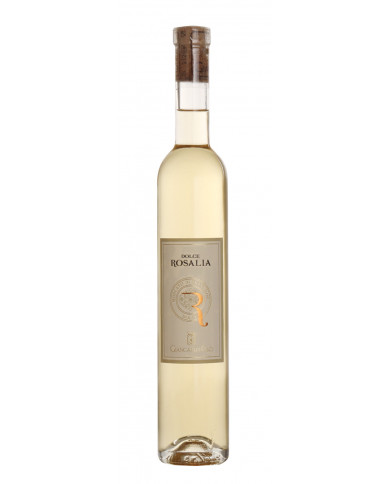
Dolce Rosalia - Moscato di Trani by Giancarlo Ceci is a white Moscato DOC Castel del Monte from organic farming.
€19.89
SKU:
14225
Brand:
Giancarlo Ceci
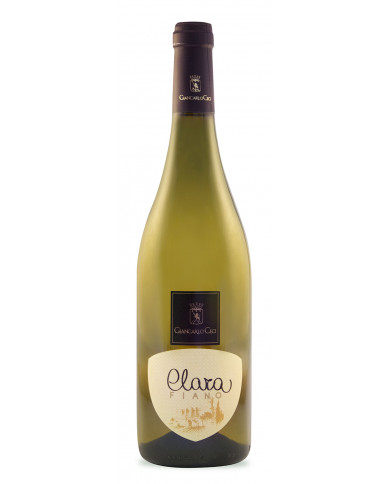
CLARA FIANO IGP PUGLIA WHITE. Clara by Giancarlo Ceci is an organic white wine made from Fiano grapes from selected vineyards.
€15.98
SKU:
14224
Brand:
Giancarlo Ceci
From the bright ruby red, the intriguing notes on the nose range from dried flowers to rhubarb, cloves, and light notes of mint and tobacco.
€13.18
SKU:
14223
Brand:
Giancarlo Ceci
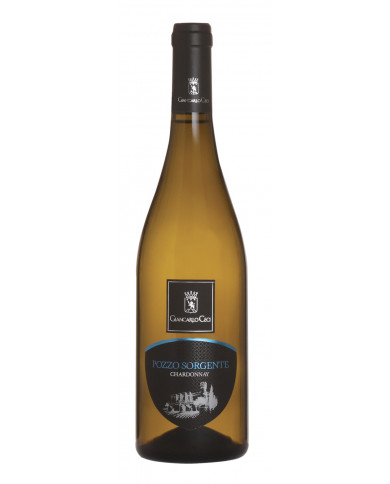
Pozzo Sorgente by Giancarlo Ceci is an organic white wine obtained from Chardonnay grapes from selected vineyards in the Pozzo Sorgente area.
€12.20
SKU:
14222
Brand:
Giancarlo Ceci
Almagia rosato by Giancarlo Ceci is a natural rosé wine with zero sulphites, Demeter certified from organic and biodynamic agriculture.
€9.76
SKU:
14221
Brand:
Giancarlo Ceci
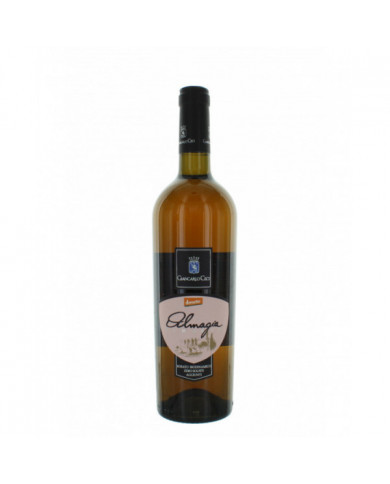
Almagia Bianco Giancarlo Ceci is a natural white wine with zero sulphites, Demeter certified from organic and biodynamic agriculture.
''Exactly 200 years after the purchase of the company, I am proud to present Almagia bianco 2018, a biodynamic wine without sulphites, intense and sweet on the nose, sapid and fruity and long on the palate. To drink cold. In the wake of respect and exaltation of what nature gives us, I invite you to taste it and to grasp the sensations.''
SKU:
14220
Brand:
Giancarlo Ceci
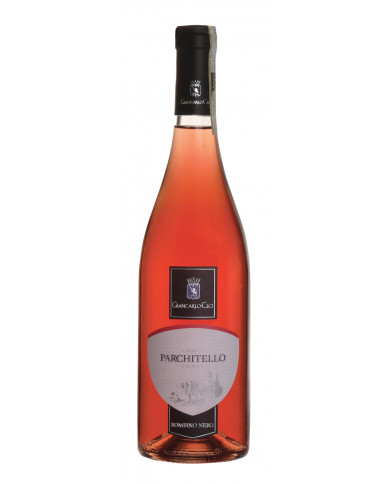
Parchitello is a rosé wine vinified from 100% Bombino Nero, a historic vine for the production of rosé wines only. Pale ruby red colour, bouquet of red fruits reminiscent of pomegranate and yellow pulp fruits. Pleasant fresh and balanced in the mouth.
€11.86
SKU:
14219
Brand:
Giancarlo Ceci
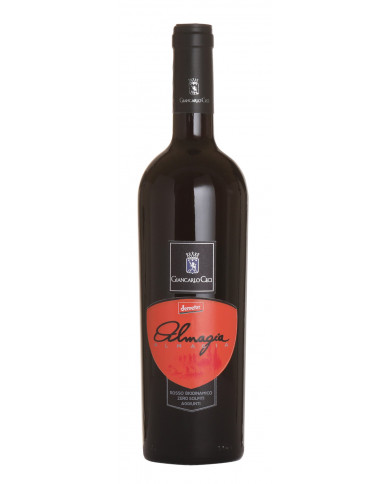
Almagia by Giancarlo Ceci is a natural red wine with zero sulphites, Demeter certified from organic and biodynamic agriculture.
€12.30
€9.03
SKU:
14217
Brand:
Giancarlo Ceci
Parco Grande by Giancarlo Ceci is a Castel del Monte DOC organic red wine produced from the vinification of grapes from native Andria vines
€9.03
SKU:
14216
Brand:
Giancarlo Ceci
GIANCARLO CECI AGRINATURA Close Chardonnay Doc Puglia 2021
Closure of Agrinatura is an organic white wine D.O.C Castel del Monte Vino produced by the winemaking in purity of Chardonnay grapes.
Presentes a spicy livability related to an intense aromatic freshness
€9.03
SKU:
14215
Brand:
Giancarlo Ceci
Panascio by Giancarlo Ceci is a Castel del Monte DOC organic white wine produced from the single-variety vinification of white bombino grapes. It fully expresses the typicality of the soil and the grape variety, to be drunk young.
€11.04
SKU:
14059
Brand:
Michele Biancardi
Milleceppi is a red wine that comes from 100% Nero di Troia grapes, from vineyards cultivated with a spurred cordon training system
€19.89
SKU:
14058
Brand:
Michele Biancardi
At sight it is ruby red. The nose is expressed with fruity notes of ripe red fruit, floral notes and sweet spices. On the palate it is soft, with an excellent balance between the tannic and acid components and a good persistence
€13.58
SKU:
14057
Brand:
Michele Biancardi
Intense ruby red in the glass with evolved hints of ripe red fruit on the nose. Fruity on the palate with a warm and enveloping sip
€11.10
SKU:
14056
Brand:
Michele Biancardi
Biancardi's Insolito is a straw yellow wine. Floral, fruity and aromatic. Soft, with pleasant acidity and good persistence
€14.37
SKU:
14055
Brand:
Michele Biancardi
€13.54
€12.19
At sight it is straw yellow. The nose is expressed with pleasant and fine floral aromas. On the palate it is fresh and with a characteristic harmonious flavour.
€13.54
€12.19
SKU:
14054
Brand:
Michele Biancardi
Rosalia is a rosé wine that comes from 100% Nero di Troia grapes, from vineyards cultivated with a spurred cordon training system
€9.88
SKU:
14053
Brand:
Michele Biancardi
Michael Biancardi. "Here, in Daunia, wine has always been made and my cellar is just one of the many examples of a glorious past in the area
€11.53
SKU:
14046
Brand:
Fantini Farnese
€27.16
Production area: Manduria and Sava, Apulia Grape variety and vinification: Primitivo di Manduria. Temperature-controlled maceration for 8-10 days with periodic pumping over. Devatting and malolactic fermentation in steel. Maturation in French and American oak barrels for the following 6-8 months. Colour and pairing: Red. Excellent with structured first courses and lamb, with game and sauces and hard cheeses.
SKU:
14043
Brand:
Giuseppe Attanasio
White wine with a golden yellow color with hints of honey and acacia.
€137.74
SKU:
14042
Brand:
Giuseppe Attanasio
Vermentino di Sardegna Camminera Audarya: “Sa Camminera” is the walkway that runs along the vineyards. For some, certainly for us, it is the gateway to a magical world. Our Vermentino di Sardegna is also called Camminera, obtained from selected grapes from our best vineyards, selected for the characteristics and exposure of the soil.
€68.93
SKU:
14041
Brand:
Giuseppe Attanasio
Vermentino di Sardegna Audarya is like reverse magic, in which it is the rabbit who pulls the magician out of the hat and not vice versa
€32.09
SKU:
14040
Brand:
Giuseppe Attanasio
TO BE COMBINED WITH BEAUTIFUL PEOPLE AND EVERY BEAUTIFUL MOMENT, IN EVERY BEAUTIFUL PLACE, WHEN TALKING AND LISTENING. TO BE ACCOMPANIED WITH MUSIC, LOOKS AND PROMISES. BUT ALSO AROUND A TABLE WITH LIGHT FIRST COURSES, FISH OR WHITE MEAT.
€26.47
SKU:
14039
Brand:
Giuseppe Attanasio
Audarya Monica is produced from monica grapes only, from sapling vineyards located on clayey-calcareous soils in the countryside
€28.24
SKU:
14038
Brand:
Giuseppe Attanasio
Nuragus di Cagliari Audarya is a wine that expresses the two souls of Sardinia, the land and the sea.
€26.35
SKU:
14037
Brand:
Giuseppe Attanasio
The Cannonau di Sardegna Audarya is a strong and elegant DOC wine, obtained with only Cannonau grapes from the vineyards of Ussana, in the Cagliari area.
€14.52
SKU:
13990
Brand:
Luca Attanasio
The name of this rosé Primitivo is inspired by the ladybird and the black dots that characterize its livery (Coccinella septempunctata). Settepunti is dedicated to these small insects that silently free the vineyard from aphids and other harmful parasites and is obtained from the vinification of the racemes ripened on the female saplings. Unfiltered and unclarified, it is a young wine for young people, also for this reason the bottle is sealed with a crown cap, easy to open, easy to close.
€8.17
SKU:
13989
Brand:
Luca Attanasio
Primitivo di Manduria Librante is a red wine produced by the winery Le Vigne di Luca Attanasio in Sava, in the heart of the land of Manduria. The name "Libra" or balance, derives from the Latin, and is the symbol of justice. The Primitivo vines are grown in Alberello Pugliese, and are about 60 years old. The company produces this incredible rigorous, elegant, imposing wine with extraordinary strength. A complex wine, produced with wisdom and love for the land handed down by three generations of winemakers who have made Primitivo di Manduria great. The harvest is done manually in the second ten days of September. After destemming and crushing, the wine is left to macerate for about 15 days, fermentation takes place at a controlled temperature. The wine is aged for a few months in stainless steel tanks, followed by aging for 12 months in barriques. It finishes its maturation in the bottle. Librante has a beautiful intense garnet red color. On the nose, the perfume is characterized by fruity hints of small berries and figs, with notes of cocoa, and a pleasant spicy background. On the palate the taste is rich, rather warm and deep, with enveloping aromas. Balanced freshness, good tannins, with great final persistence. It goes perfectly with game and red meat, and aged cheeses, but it is certainly a glass that is also exceptional to be savored and tasted alone.
€28.95
SKU:
13988
Brand:
Luca Attanasio
The name of this wine symbolizes the Dodecàpoli Messapica. As well as the ancient Etruscan Dodecapoli and that of Ionia included twelve cities, all located in the current Salento: Alezio, Ugento, Brindisi, Vereto, Otranto, Ceglie Messapica, Manduria, Mesagne, Nardò, Oria, Cavallino, Roca. The twelve autonomous city-states were a real political-military organization with its own king and its own laws, but they all belonged to the Messapian civilization. Almost all of them were surrounded by walls and dominated by the acropolis where the palaces, the temples of the deities and the agora, the people's square, the market and the meeting squares stood and also included the surrounding area with the villages, the military outposts and ports, in addition to the countryside destined for cultivation and grazing. Luca Attanasio Dodecapolis Primitivo is a wine with an intense red color. The nose is characterized by intense and complex aromas of ripe berries and plums. In the mouth it is rich, warm, deep, with enveloping fruity aromas, with a great structure. Good tannins and balanced freshness with a great final persistence.
€18.42
SKU:
13987
Brand:
Luca Attanasio
The color is intense claret pink. The scent is fragrant, ample, of wild blackberry, pear and citrus. On the palate the wine is fresh, sapid and balanced by fruity notes. The grape harvest began in the second week of August. The maceration process of the bunches was completed within 10 hours of harvesting. The fermentation took place at low temperatures for about 20 days.
€14.70
SKU:
13986
Brand:
Luca Attanasio
Intense ruby red. On the nose it is
elegant and rich, with perfumes
large, warm and enveloping with figs
buckets, cherry jam,
orange, licorice and hull of
walnuts. One is found in the mouth
right sweetness not
absolutely cloying and yes
feels a freshness almost
unexpected, velvety tannins and
good body. The prolonged
drying of the grapes on the
plant, until 15 September,
allows the wine to keep
an extraordinary sweetness.
€19.15
SKU:
13947
Brand:
A Mano Wine
The Negroamaro grape has always fascinated us with its elegance. The longevity of a Negroamaro wine is comparable to that of the great Piedmontese or Tuscan wines. This is our most sublime version
€26.35
SKU:
13946
Brand:
A Mano Wine
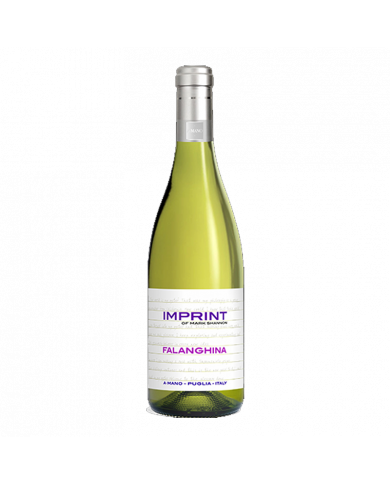
We've worked with Falanghina in small batches in previous years and felt it had a special character and presence: notes of orange blossom and a serious, lingering mouthfeel. A dear friend of ours offered us a beautiful old vineyard of organically grown Falanghina this year and we jumped at the chance to offer a new, beautiful white wine to the family.
€11.74
SKU:
13944
Brand:
Agricole Vallone
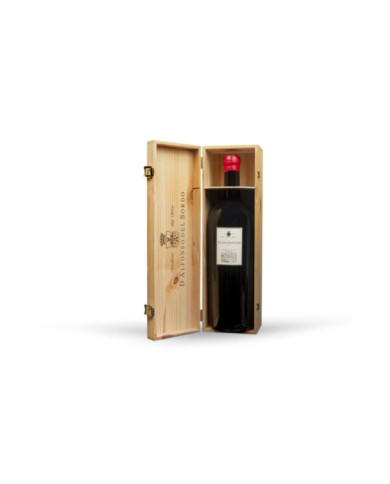
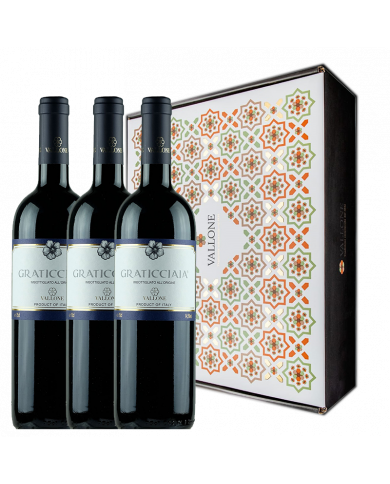
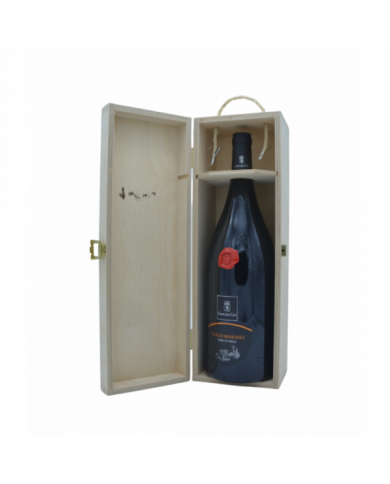
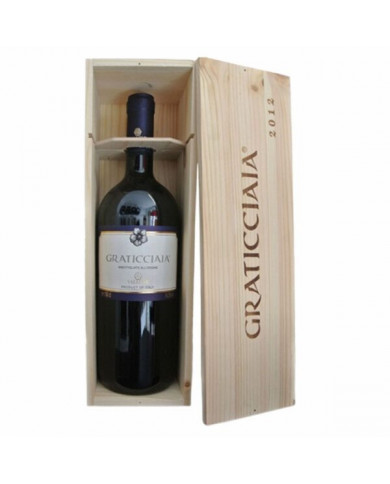
Graticciaia Agricole Vallone 2016 Magnum 1,5 lt. in wooden case: it is an Apulian red wine born from Negroamaro grapes only and aged for 26 months in steel and 12 in barrique. It manifests itself to the eye with a bright garnet red color. The scent is rich, intense and very complex with notes of blackberries, plums, dried flowers, humus and sweet spices. In the mouth it is intense, round and austere, with rich aromas, notes of licorice and vigorous tannins. PAIRINGS: red meats, game, aged cheeses. SERVING TEMPERATURE: 18-20° C.
SKU:
13943
Brand:
Agricole Vallone
White raisin wine, Capable of bringing wisdom and meditation even to those who, by the hand of fate, do not have it. The sensation of fullness on the palate is accompanied by a vertical sensation of freshness. Our favourite.
€25.50
€22.95
SKU:
13942
Brand:
Agricole Vallone
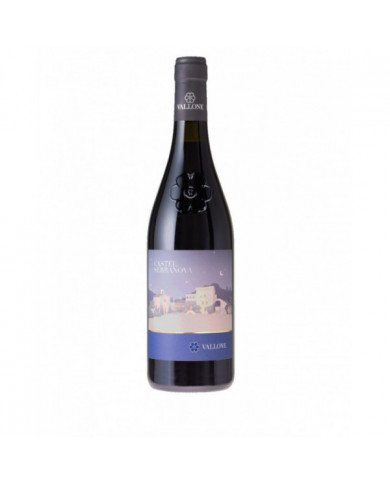
It often happens to think of the illustrious personalities who preceded us as owners of the estate; from Raimondo del Balzo Orsini, Prince of Taranto, owner of the estate from 1382 to 1407, to Queen Maria d'Enghein, Countess of Lecce, owner from 1407 to 1464. Please refer to the dedicated section for further historical notes on Serranova Castle. The intense red of the lands reveals a first clue about the oenological orientation of the wines of the estate. This is the place where you can glimpse the characterizing elements of Vallone; the noble soul of the wines, the innovative soul that led to the conception of the production technique of the Graticciaia; the soul that embraces the harmony and beauty generated by the union between the historicity of places and nature. Castel Serranova is a Cru whose grapes come from a vineyard surrounded by dry stone walls aimed at demarcating the threshold between the dynamism of the different elements of the surrounding nature reserve and the placid succession of the seasons which will lead the grapes to ripen. The vineyard, called Vigna Castello, is the origin of the most classic of the Salento blends, namely Negroamaro and Susumaniello with the predominance of the latter. Aged in dedicated French oak tonneaux for 12 months. Notes of leather, spices and Mediterranean scrub follow each other seamlessly in this long-lived wine.
€20.28
SKU:
13941
Brand:
Agricole Vallone
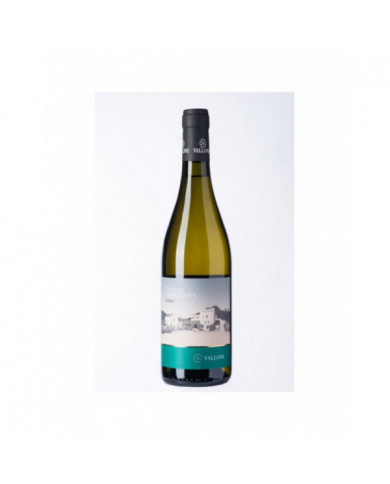
It often happens to think of the illustrious personalities who preceded us as owners of the estate; from Raimondo del Balzo Orsini, Prince of Taranto, owner of the estate from 1382 to 1407, to Queen Maria d'Enghein, Countess of Lecce, owner from 1407 to 1464. Please refer to the dedicated section for further historical notes on Serranova Castle. The intense red of the lands reveals a first clue about the oenological orientation of the wines of the estate. This is the place where you can glimpse the characterizing elements of Vallone; the noble soul of the wines, the innovative soul that led to the conception of the production technique of the Graticciaia; the soul that embraces the harmony and beauty generated by the union between the historicity of places and nature.
The elegant minerality characterizes this wine whose grapes come from a vineyard tenaciously anchored to the red soils of the Castello di Serranova estate. The sensory picture is completed by the proximity of the vineyard to the Adriatic sea which, involuntarily, gives the characteristic sapidity of Fiano Vallone. It goes perfectly with the best raw seafood.
€13.42
SKU:
13940
Brand:
Agricole Vallone
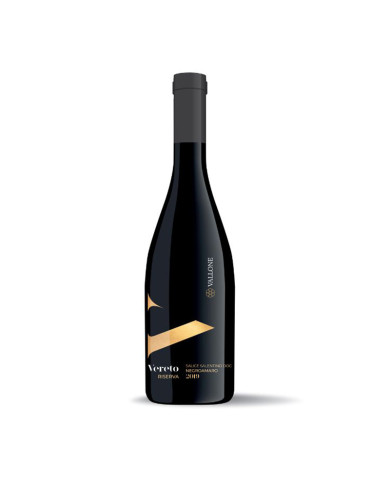
DOCR is the attention that Vallone dedicates to the two most representative denominations of controlled origin of the territory. It is a long journey; 24 months of passion. Both reserves are elevated in wood for six months. Vereto is the name of our Negroamaro vineyard located on the Iore estate in San Pancrazio Salentino. The soft and silky tannin is an unequivocal declaration of origin of the pure Negroamaro.
€17.25
SKU:
13939
Brand:
Agricole Vallone
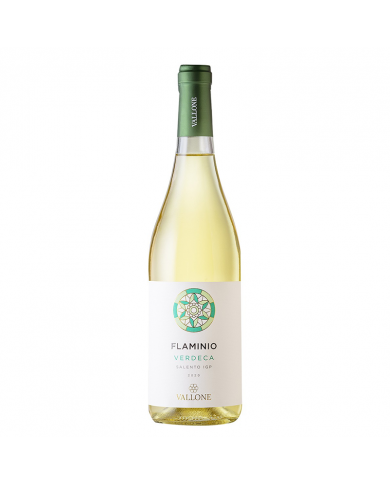
Flaminio is the interpretation that the Vallone family gives to native vineyards. The line takes its name from the historic Flaminio vineyards from which they are produced and which stand on an ancient Messapian settlement on the outskirts of San Pietro Vernotico. It is our ever-evolving tradition. Intense colors and fruity aromas.
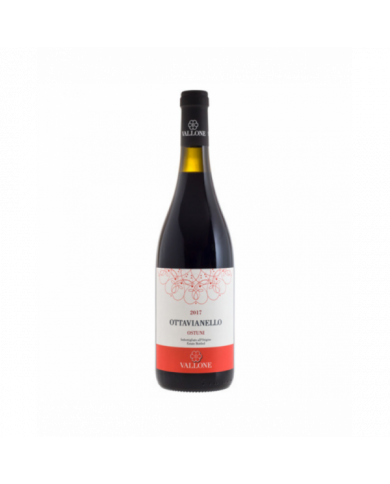
Ottavianello is a native grape typical of the upper Salento. Genetically similar to Cinsault; it has a cherry red color and an ultra-restrictive production disciplinary in the vineyard! Ideal for a summer aperitif or to combine with an outdoor barbecue after an intense day at the beach. For all of you, endowed with an unconventional spirit, our Ottavianello DOC Ostuni is also excellent cold!
€13.07
SKU:
13938
Brand:
Agricole Vallone
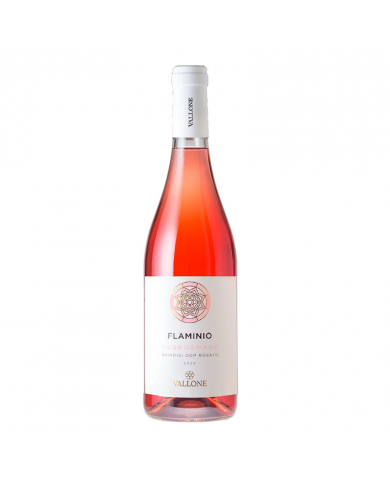
Flaminio is the interpretation that the Vallone family gives to native vineyards. The line takes its name from the historic Flaminio vineyards from which they are produced and which stand on an ancient Messapian settlement on the outskirts of San Pietro Vernotico. It is our ever-evolving tradition. Intense colors and fruity aromas.
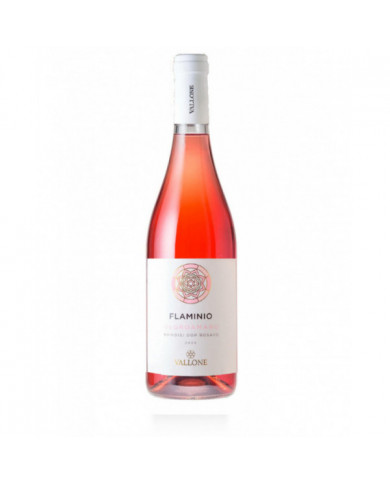
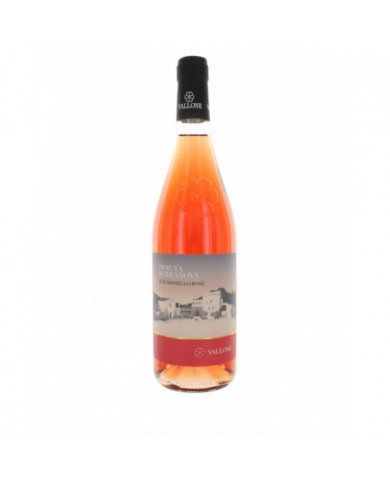
Negroamaro and Montepulciano meet in this wine that has inspired two generations of enthusiasts. Authentic rosé, symbol of Salento freshness, obtained with the traditional static dripping technique. It has a slightly more marked color intensity, the winemaking technique allows for the extraction of a surprising aromatic complexity. For lovers of the traditional Rosato of Salento.
€9.39
SKU:
13937
Brand:
Agricole Vallone
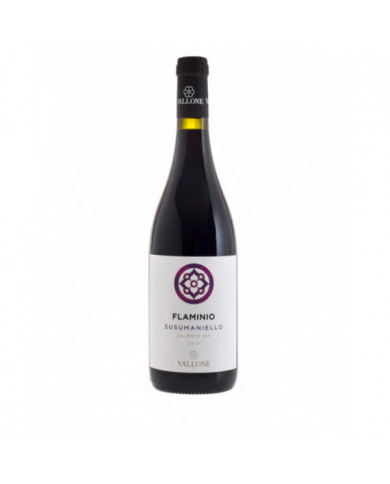
Flaminio is the interpretation that the Vallone family gives to native vineyards. The line takes its name from the historic Flaminio vineyards from which they are produced and which stand on an ancient Messapian settlement on the outskirts of San Pietro Vernotico. It is our ever-evolving tradition. Intense colors and fruity aromas. Vine as generous as it is approximate at a young age due to its productive exuberance. As it matures, the overabundance of production suddenly disappears, giving way to grapes capable of expressing olfactory complexity with notes of leather and Mediterranean scrub.
€13.99
SKU:
13936
Brand:
Agricole Vallone
Flaminio is the interpretation that the Vallone family gives to native vineyards. The line takes its name from the historic Flaminio vineyards from which they are produced and which stand on an ancient Messapian settlement on the outskirts of San Pietro Vernotico. It is our ever-evolving tradition. Intense colors and fruity aromas.
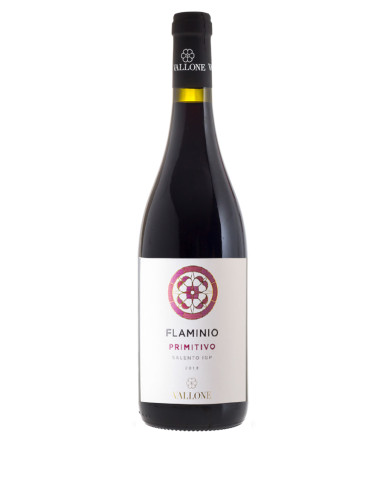
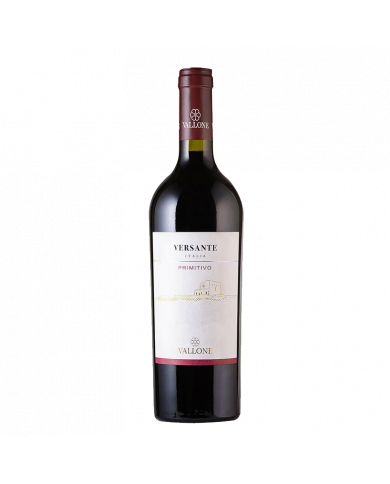
The trendiest vine of the moment, produced by us. Gentle tannins, balanced residual thickness in the mouth. In short; the primitivo of Salento Vallone.
€10.13
SKU:
13935
Brand:
Agricole Vallone
Born from an intuition that brings to light an ancient technique that links past traditions to future visions. The experiment of drying the Negroamaro grapes from the 'Caragnuli' Cru, an 80-year-old Apulian sapling vineyard located in San Pancrazio Salento, began in 1980, thanks to the insistence of the oenologist Severino Garofano who had always believed in versatility and nobility of this vine. In 1986, after 6 years of trying, the first vintage of 'Graticciaia' saw the light. The rest is a success story that gives the dignity that belongs to Negroamaro. After a careful selection of the grapes, we proceed with a light drying, followed by an aging of 12 months in French oak barriques, the last mile is covered in concrete until bottling.
€56.28
SKU:
13934
Brand:
Agricole Vallone
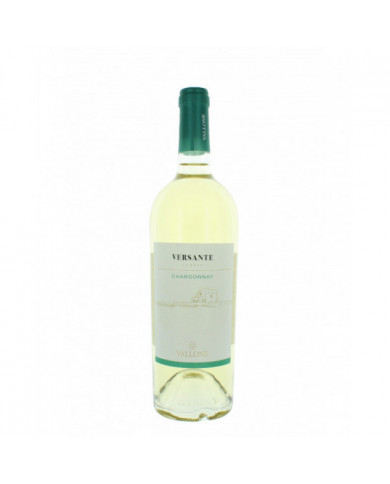
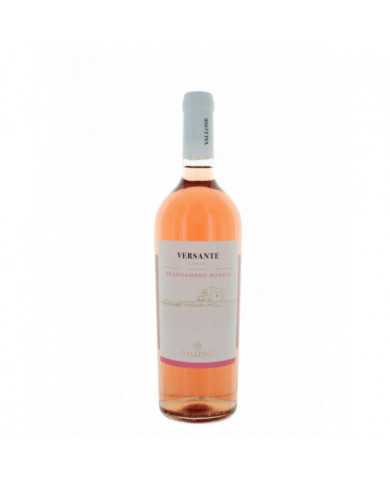
The line takes its name from the Adriatic side, where the Vallone vineyards extend. The Typical colors of the Adriatic coast composed of the intense blue of the sea and the continuous alternation of the green-gold of the olive leaves moved by the wind. Here in these few words the spirit of the Walloon slope is enclosed. Maintaining its peculiar elegance and minerality, it has acquired body and fruit from our Salento peninsula. International vine present in our company since the early 90s. He loves to be accompanied by seafood dishes, wanting a nice Poke Ball!
€10.32
€8.77
SKU:
13933
Brand:
Agricole Vallone
The line takes its name from the Adriatic side, where the Vallone vineyards extend. The Typical colors of the Adriatic coast composed of the intense blue of the sea and the continuous alternation of the green-gold of the olive leaves moved by the wind. Here in these few words the spirit of the Walloon slope is enclosed.
Unmistakable dark red with violet reflections, from the trendiest vine of Puglia, an enveloping wine that is easy to approach.
€6.95
SKU:
13932
Brand:
Agricole Vallone
It often happens to think of the illustrious personalities who preceded us as owners of the estate; from Raimondo del Balzo Orsini, Prince of Taranto, owner of the estate from 1382 to 1407, to Queen Maria d'Enghein, Countess of Lecce, owner from 1407 to 1464. Please refer to the dedicated section for further historical notes on the Castle of Serranova. The intense red of the lands reveals a first clue about the oenological orientation of the wines of the estate. This is the place where you can glimpse the characterizing elements of Vallone; the noble soul of the wines, the innovative soul that led to the conception of the production technique of the Graticciaia; the soul that embraces the harmony and beauty generated by the union between the historicity of places and nature.
Produced entirely from Susumaniello grapes; by religiously using the traditional static draining technique, delicate fruity hints of raspberry, currant and blackberry are obtained. His fresh embrace brings to mind the precious carefree moments by the sea. For a perfect pairing, try the classic spaghettoni with mussels and sautéed cherry tomatoes.
€13.54
SKU:
13931
Brand:
Agricole Vallone
The line takes its name from the Adriatic side, where the Vallone vineyards extend. The Typical colors of the Adriatic coast composed of the intense blue of the sea and the continuous alternation of the green-gold of the olive leaves moved by the wind. Here in these few words the spirit of the Walloon slope is enclosed.
Crystalline cherry pink, extremely versatile. In company during a warm midsummer evening. The Salento enigma who loves both land and sea dishes.
€7.32
SKU:
13929
Brand:
Agricole Vallone
The line takes its name from the Adriatic side, where the Vallone vineyards extend. The Typical colors of the Adriatic coast composed of the intense blue of the sea and the continuous alternation of the green-gold of the olive leaves moved by the wind. Here in these few words the spirit of the Walloon slope is enclosed. Unmistakable dark red with violet reflections, from the trendiest vine of Puglia, an enveloping wine that is easy to approach.
€10.37
SKU:
13928
Brand:
Agricole Vallone
Flaminio is the interpretation that the Vallone family gives to native vineyards. The line takes its name from the historic Flaminio vineyards from which they are produced and which stand on an ancient Messapian settlement on the outskirts of San Pietro Vernotico. It is our ever-evolving tradition. Intense colors and fruity aromas.
€10.93
SKU:
13927
Brand:
Agricole Vallone
Flaminio is the interpretation that the Vallone family gives to native vineyards. The line takes its name from the historic Flaminio vineyards from which they are produced and which stand on an ancient Messapian settlement on the outskirts of San Pietro Vernotico. It is our ever-evolving tradition. Intense colors and fruity aromas.
€10.08
SKU:
13926
Brand:
Agricole Vallone
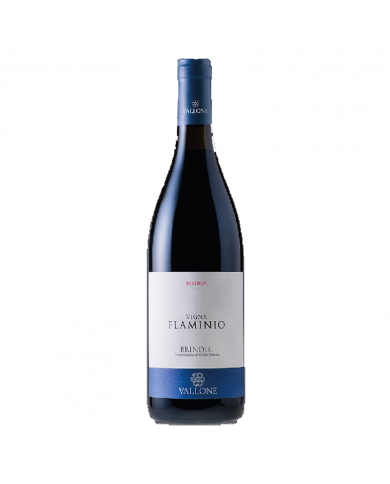
The appellative Vigna, authorized by the competent bodies, in front of the name Flaminio indicates the real correspondence of the area and therefore of the vineyard from which the grapes of our Brindisi DOC come. This is the first Brindisi DOC ever produced, it was in 1972.
€11.61
SKU:
13914
Brand:
A Mano Wine
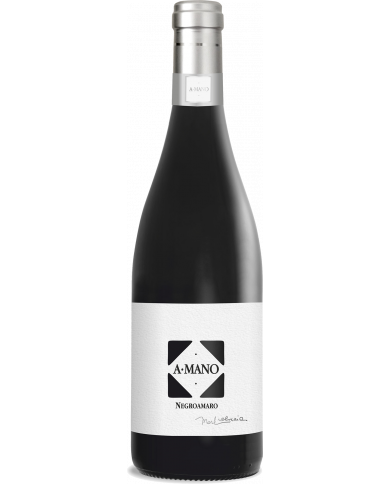
A Mano Negroamaro comes from a single vineyard in Salento. It is an old non-irrigated espalier vineyard. This grape is sensitive to sunburn and the espalier vineyard is perfect for protecting the grapes from the torrid Salento sun and contributes to the characteristic and unusual aromas.
A Mano Negroamaro is unlike any other wine you will try. On the nose you will recognize freshly picked berries, black cherries, spices and the scent of flowers.
Elegant, clean with a delicacy that envelops the palate every time you drink it. It will age beautifully for the next 15 years, developing the complexity of a mature Burgundy wine.
€10.25
SKU:
13913
Brand:
A Mano Wine
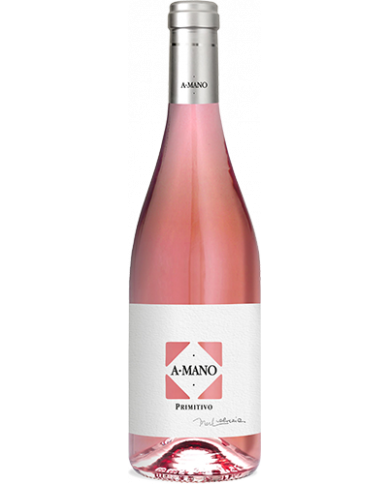
For the rosé we have to look for the right vineyards every year. For this vintage we have chosen only Primitivo vines.
Primitivo brings its red fruits and gives us aromas of ripe peach and tropical fruit. In short, complexity and freshness for this delicious wine.
Rosé needs special color and full flavor with low ripening grapes to maintain acidity.
Not exactly easy in Puglia. A Mano Rosato is pleasure in the bottle. It stimulates all of your senses and creates the desire for another sip. The wine is immediate, then offers flavors that evolve on the palate.
€12.03
SKU:
13912
Brand:
A Mano Wine
€12.03
€10.22
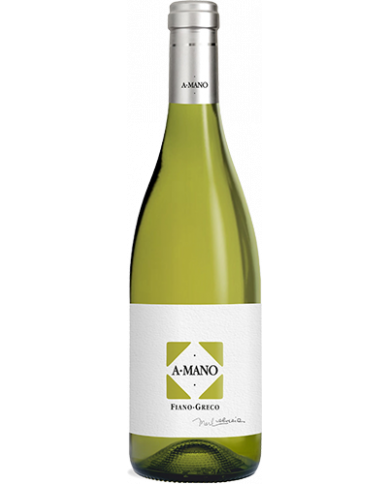
A Mano Fiano – Greco is the most unusual wine you will try in Puglia, perhaps in all of Italy. The slightly dried Fiano Minutolo gives the blend the scent of white peach and the floral component. The Greco comes from an old vineyard, not irrigated, located on a hill with sandy soil, adds body and citrus notes. It is a fresh and delicious aperitif. The scent is "Nordic", the body is full, of great satisfaction with a fresh and pleasant acidity.
€12.03
€10.22
SKU:
13911
Brand:
A Mano Wine
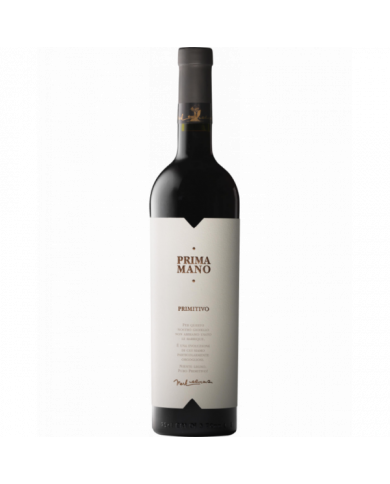
I get up very early and leave in the dark. I'm going to the vineyard. Sometimes I say where, sometimes it remains a secret. The mornings I go to Vigneto Prima Mano I want to be alone. There are sensual moments in life, for me one of these is being in the vineyard by the sea in the first moments of dawn and smelling the sea in the air together with the scent of fruit. Everything is silent. Only the vineyard speaks. He tells me to wait a couple more days. Not more. My wine is made when the vines speak to me and I know how to listen. There are very few wines in the world that are so complex, with this extract yet soft and elegant.
€25.19
SKU:
13910
Brand:
A Mano Wine
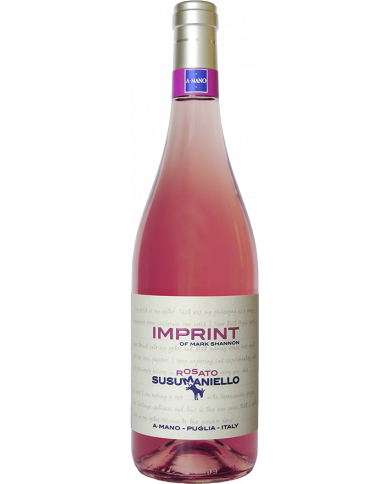
Embracing new winemaking challenges has always been in Mark's DNA. And making wine from Susumaniello grapes in rosé is certainly an intriguing challenge. It will envelop all the senses, from sight to smell, from taste to hearing… (you will hear a playful chirping after the second sip) Have fun.
€12.32
SKU:
13909
Brand:
A Mano Wine
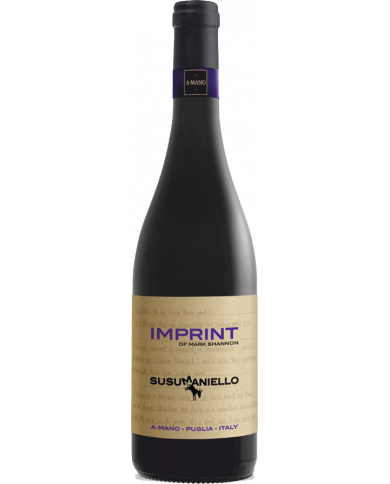
Susumaniello is an ancient and rare grape of the Salento peninsula. In Salento dialect Susumaniello means "Little Black Donkey". The old farmers say that it derives from the habit of the vineyards to load themselves with grapes, others argue it is due to the stubborn character and the reluctance to be tamed. Finally a grape and a winemaker with the same personality! This is a wine as radiant as its land, a wine that speaks the language of the people here.
€13.83
SKU:
13908
Brand:
A Mano Wine
You know when a song enters your head and you can't forget it?
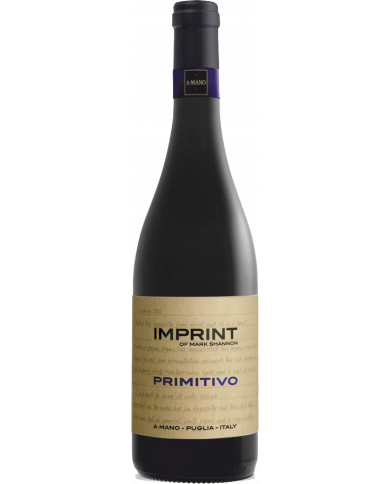
Even a wine can be like this: fun and memorable at the same time. It is the effect that Imprint Primitivo has on all those who taste it.
Imprint Primitivo is produced with all dried grapes. Part of the grapes is left to dry on the plant, part is harvested in crates and left to dry and ripen in the loft in the cellar
Round, full-bodied and fruity from the first sip, it charms you slowly, inviting you to take another sip. A great wine. A serious wine.
Once you taste it you won't be able to get it out of your head.
€12.20
SKU:
13907
Brand:
A Mano Wine
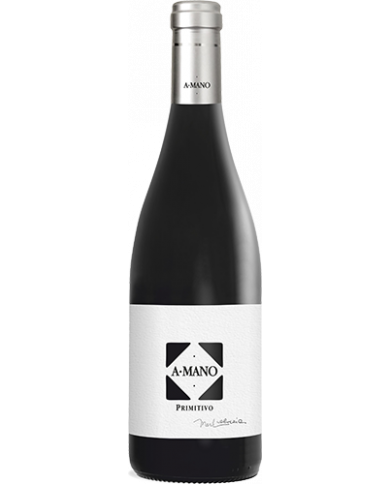
We can say that we were the first in Puglia to make primitive wine with a modern style.
What makes Primitivo such a special grape? Genetically identical to Californian Zinfandel, Primitivo is, according to Mark, “like many of the Italians I have known: generous, friendly, passionate and authentic”
A Mano Primitivo is Italian at heart: elegant, interesting, complex and with a high drinkability index!
For us, the greatest satisfaction is to think that there are thousands of people who are spending a fantastic evening thanks to our A Mano Primitivo.
To be fully enjoyed like all the little pleasures in life.
€10.25
SKU:
13838
Brand:
Mottura
Wine produced with Primitivo grapes grown in the province of Taranto. Manual harvest at the right maturation with careful selection of the grapes. Manual sorting of the bunch with selector belt. Fermentation of the must at controlled temperature, traditional maceration for 20-25 days, good use of delestage and pumping over. Carrying out of the malolactic fermentation in barriques at a controlled temperature, with the use of batonnage. 12 months of aging in French oak barriques. 2-3 months of aging in the bottle.
€15.41
€44.84
SKU:
13389
Brand:
Cantine Due Palme
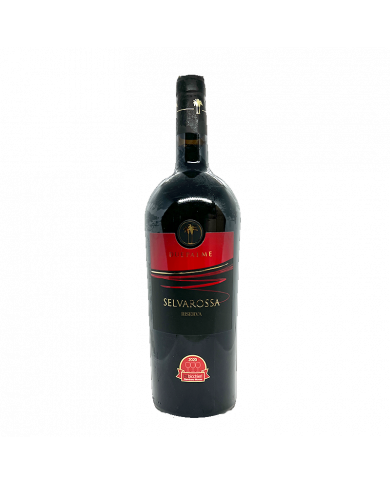
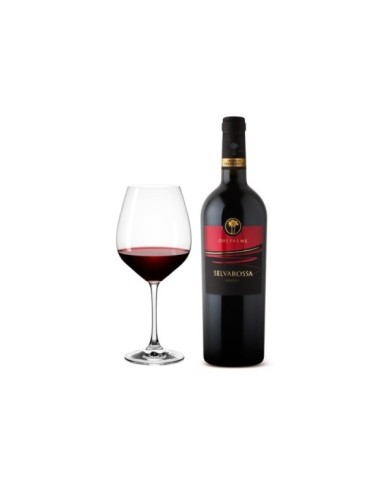
Intense ruby red wine with amaranth reflections. The nose presents captivating fruits of cherry jam and dates, notes of vanilla and licorice. The palate is marked by hints of small red fruits, juicy and ripe, and by the sweet nuances of wood. Warm and with a good fragrance, with gritty and pleasant tannins. Perfect as a meditation and… conversation wine!
€36.90
SKU:
13276
Brand:
MENHIR SALENTO
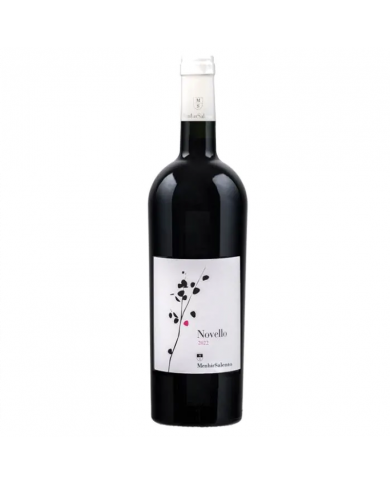
If you love autumn, its colors, its scents, and are waiting for this season to enjoy the freshness and fragrance of the new wine together with chestnuts, as the most classic of traditions dictates, we invite you to taste the Novello Negroamaro Salento IGT by Menhir Salento, a fresh, soft and slightly tannic red wine, given the particular vinification process. Light, fruity, vinous, it is extremely pleasant and easy to drink, and goes very well with cured meats, stewed meats and mushroom-based dishes.
€11.05
€30.20
SKU:
12957
Brand:
Torri Cantine
Vivid ruby red and purple reflections, almost impenetrable, optimal consistency
Aperitifs, Excellent with appetizers, vegetarian foods, red meats and aged cheeses.
€20.01
€25.62
SKU:
12098
Brand:
Cantina Marchesi Antinori
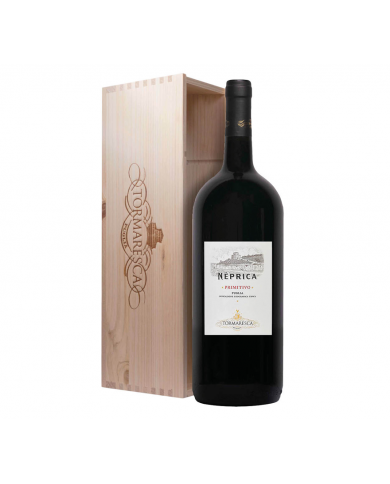
Primitivo Neprica by Tormaresca Antinori is a puliese red wine from the province of Brindisi, aged in steel for about 8 months to maintain a fragrant and fruity sensorial profile. It has an intense ruby red color, furrowed by purple reflections, and releases notes of black cherries, small fresh and candied red fruits and licorice aromas to the nose, revealing a soft, round sip with evolved tannins, awakened by a balanced freshness .
€24.90
SKU:
12097
Brand:
Cantina Marchesi Antinori
Primitivo Neprica by Tormaresca Antinori is a puliese red wine from the province of Brindisi, aged in steel for about 8 months to maintain a fragrant and fruity sensorial profile. It has an intense ruby red color, furrowed by purple reflections, and releases notes of black cherries, small fresh and candied red fruits and licorice aromas to the nose, revealing a soft, round sip with evolved tannins, awakened by a balanced freshness .
€9.22
SKU:
12096
Brand:
Cantina Marchesi Antinori
Character, personality and qualitative potential are the characteristics that the Puglean territory transmits to the indigenous and non-indigenous varieties that are cultivated there. This is why the Antinori family's investments in Puglia began in 1998, which considered this region among the most promising in Italy for the production of quality wines, with a strong territorial identity.
€9.22
€8.30
SKU:
12095
Brand:
Cantina Marchesi Antinori
The only red to drink cold. Tradition and modernity in a single bottle.
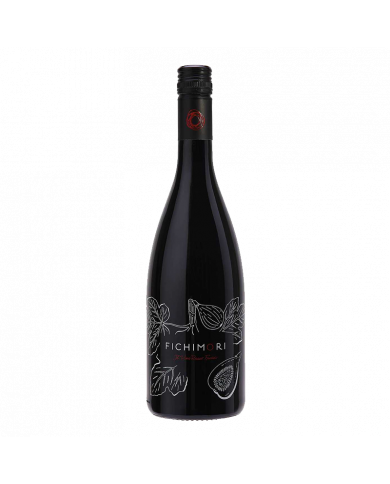
The name of our wine, unique in its kind as a red "to be drunk cold", is closely linked to the territory where it is born, Salento, called in ancient times "The garden of Italy" for the richness and variety of its fruits. In fact, this wine owes its name to one of the most delicious fruits that grow in this area: the fig variety which is characterized by its purplish-red color so intense as to approach black (“moro” in dialect).
€11.04
SKU:
12094
Brand:
Cantina Marchesi Antinori
ensational, enveloping, powerful and rustic, but at the same time capable of telling the story of the Salento area. The Sun, the beneficial influence of the sea and the wind. The classification is the classic one, Negroamaro IGT. Produced with 100% pure Negr or amaro grapes, conscientiously selected in the Maìme estate in S. Pietro Vernotico in Brindisi, where they are still raised as they once did in these areas, using the sapling and spurred cordon system.
€61.00
€10.93
€9.84
SKU:
11421
Brand:
Fantini Farnese
Production area: Province of Taranto Grape variety and vinification: 100% Primitivo. The vinification is carried out using the traditional submerged cap system, carefully controlled to extract delicate tannins and varietal characteristics of the fruit. During the maturation phase in steel tanks and wine bottles, these evolve to reach the highest possible levels. Maceration lasts 12-15 days at controlled temperatures not exceeding 28 ° C. Color and combination: Red. Excellent with savory first courses, red meats and aged cheeses.
SKU:
11419
Brand:
Fantini Farnese
€27.16
Production area: Manduria and Sava, Apulia Grape variety and vinification: Primitivo di Manduria. Temperature-controlled maceration for 8-10 days with periodic pumping over. Devatting and malolactic fermentation in steel. Maturation in French and American oak barrels for the following 6-8 months. Colour and pairing: Red. Excellent with structured first courses and lamb, with game and sauces and hard cheeses.
SKU:
11356
Brand:
Mottura
€10.00
€9.00
Wine produced from Fiano grapes grown on calcareous and clayey soils, harvested manually at the right ripeness with careful selection of the bunches. Traditional vinification with soft pressing, fermentation at a controlled temperature of 16°C and brief rest on the fine lees.
€10.00
€9.00
SKU:
11354
Brand:
Mottura
Wine produced with Primitivo del Salento grapes. Manual harvest at the right maturation with careful selection of the grapes. Traditional maceration for 8-10 days and fermentation of the must at a controlled temperature of 20°C, constant use of pumping over and delestage. Malolactic fermentation in steel. Six months of aging in French oak barriques. 2-3 months of aging in the bottle.
€15.62
SKU:
11353
Brand:
Mottura
Wine produced from Negroamaro grapes grown in the area of Salice Salentino and other municipalities in the province of Lecce and Brindisi. Manual harvest at the right maturation with careful selection of the grapes. Manual sorting of the bunch with a selection belt, fermentation of the must at a controlled temperature, traditional maceration for 20-25 days, good use of delestage and pumping over. Carrying out of the malolactic fermentation in barriques at a controlled temperature, with the use of batonnage. 12 months of aging in French oak barriques. 2-3 months of aging in the bottle.
€17.08
SKU:
11352
Brand:
Mottura
Wine produced from Negroamaro grapes grown in the provinces of Lecce and Brindisi. Manual harvest at the right maturation with careful selection of the grapes. Traditional maceration for 10-12 days and fermentation of the must at a controlled temperature, good use of pumping over and delestage. Six months of aging in French oak barriques. 2-3 months of aging in the bottle.
€10.92
€12.31
€8.60
SKU:
10461
Brand:
Fantini Farnese
- Production area: Province of Brindisi Puglia
- Grape variety: Susumaniello
- Color: Red
- Serving temperature: 16-18 ° C
€14.51
SKU:
10453
Brand:
Fantini Farnese
Production area: Salento, Puglia Grape variety and vinification: 100% Primitivo. Destemming and pressing of the grapes, maceration at a controlled temperature for 8-10 days with regular pumping over. Drainage and milky fermentation in stainless steel tanks. Color and combination: Red. Excellent with rich first courses, red meats, game and medium-aged cheeses.
€9.74
SKU:
10446
Brand:
Fantini Farnese
Production area: Salento, Puglia. Grapes and Vinification: Negroamaro. Aging in steel on its own noble lees. Color and Pairing: Rosé, excellent with fish and young cheeses.
€10.39
SKU:
10445
Brand:
Fantini Farnese
Production area: Salento, Puglia. Grapes and Vinification: Malvasia Bianca 33%, Chardonnay 33%, Bombino Bianco 33%. Alcoholic fermentation conducted at 11 ° C in stainless steel, with subsequent refinement on the fine lees for the following 2-3 months. Color and Pairing: White, perfect for aperitifs and fish soups.
€9.48
SKU:
10444
Brand:
Fantini Farnese
Production area: Salento, Puglia. Grapes and Vinification: Primitivo. Racking and malolactic fermentation in stainless steel. Color and Pairing: Red, perfect for rich first courses and red meats
€9.48
SKU:
10443
Brand:
Fantini Farnese
Production area: Salento, Puglia. Grapes and Vinification: Malvasia Nera. Racking and malolactic fermentation in stainless steel. Refinement in second passage American and French oak barrels for the following 6-8 months. Color and Pairing: Red, excellent with red meats.
€16.74
€40.48
€32.38
SKU:
10289
Brand:
Conti Zecca
Cantalupi Negroamaro is characterized by an intense ruby red color, tending to take on pleasant garnet reflections with aging. It has an intense fruit aroma with spicy notes. On the palate it releases a velvety, harmonious, rightly tannic flavor. To be served at a temperature of 18 ° C.
€31.35
€11.90
SKU:
9925
Brand:
Cantine Carpentiere
€13.90
€12.51
As if by magic it is a surprising wine obtained from the white vinification of Uva di Troia. It is a complex and decisive wine while retaining an elegant freshness. Its enchanting aromatic richness ranges from citrus notes to those of wild blackberry, from hints of quince to those of icing sugar with marked sensations of honey. Pulpy and mineral.
€13.90
€12.51
SKU:
9736
Brand:
Cantine Carpentiere
Since the time of Frederick II, falcons have been hunted on the hills of Castel del Monte. In these lands, among luxuriant vines, the lesser kestrel finds its natural habitat, a rare species of bird of prey that bears witness to an unchanged nature. A skilful blend of Nero di Troia and Merlot grapes. Ruby red in color with violet reflections, it is fresh and fruity. Balanced and persistent. Elegant with hints of blackberry and black cherry, small red fruits and balsamic and vanilla notes. The taste is refined, rightly tannic and structured.
€9.52
SKU:
9517
Brand:
Cantine Carpentiere
Ancient construction in dry stone, the Jazzo defended the herds and shepherds from the nocturnal attack of the wolves, preventing the climbing over of the fences with its overhanging stones, called Stones of the Wolves or Paralupi. Still today an intact Jazzo watches over the vineyards from which we have selected Pietra dei Lupi, obtained from the vinification of 100% Uva di Troia. A wine of great elegance and freshness, its tannins refine in 7.5 HL Slavonian oak tonneaux.
€12.90
SKU:
9477
Brand:
Cantine Carpentiere
In this wine the ancient values of a peasant world are preserved in which the transhumance of the herds marked the passing of the seasons. The life of the people flowed along the tratturo. Austere wine obtained from the vinification of 100% Troia grapes, aged in large 26 Hl Slavonian oak barrels for at least twenty-four months, preserving, together with the typical body and structure of the variety, a great freshness and drinkability.
€21.41
SKU:
8844
Brand:
Conti Zecca
Cantalupi Negroamaro is characterized by an intense ruby red color, tending to take on pleasant garnet reflections with aging. It has an intense fruit aroma with spicy notes. On the palate it releases a velvety, harmonious, rightly tannic flavor. To be served at a temperature of 18 ° C.
€11.96
€11.43
SKU:
8842
Brand:
Conti Zecca
The "Cantalupi" Rosso Salice Salentino from the Conti Zecca winery is a full-bodied and elegant red wine with an intense ruby color. On the nose emerge aromas of ripe fruit such as blackberries and plums, and hints of spices. Harmonious, velvety and rightly tannic flavour. It ages for a few months in concrete tanks before being bottled.
€7.86
€7.69
SKU:
8838
Brand:
Conti Zecca
In the wide and varied range of labels of the Conti Zecca winery, the wines made with native single grape varieties stand out for importance and interest. The company is investing considerable energy in this direction.
€13.49
SKU:
8837
Brand:
Conti Zecca
This wine takes its name from an underground hiding place, where the locals found shelter during dangerous situations. The entire farm took on the name of Rifugio, which today is a particularly suitable area for the cultivation of fine Primitivo grapes.
€13.32
SKU:
8836
Brand:
Conti Zecca
This simple and intense Salento Rosato PGI "Venus" of the Conti Zecca is made from 70% Negroamaro grapes and the remainder from complementary vines and is born in the municipality of Leverano, in the heart of Salento. It takes its name from the planet Venus and the goddess of love, beauty and pleasure.
SKU:
8833
Brand:
Conti Zecca
Every year the "Nero" of the Conti Zecca winery reaches the "finals" in the judgments of the most renowned wine guides, obtaining scores that, if they do not exceed 90 cents, are punctually very close. This year too is no exception. It is a wine that follows a long aging: it ages 18 months in French wooden barriques, one year in large oak barrels and six months in bottle.
€32.62
Discover the Secrets of Puglia's Wines: A Definitive Guide
Puglia is a stunningly beautiful Italian region, and its rolling hills dotted with vineyards are a sight to behold. Puglia is also a popular destination for food and wine tourism, thanks to its rich winemaking tradition. If you're interested in discovering the secrets of Puglia's wines, this guide is a great place to start.
The Wine of Puglia
Puglia is a region with a rich history of winemaking, with varietals dating back to the times of Magna Graecia. Puglia's wines are renowned for their complexity, with flavors ranging from fresh and fruity to rich and full-bodied. The region is home to some of Italy's most important grape varieties, including Primitivo, Nero di Troia, Susumaniello, Bombino Nero, and Malvasia Nera.
Primitive
Primitivo is one of Puglia's most popular grape varieties and is known for its rich, complex, and intense flavors. Primitivo wines are generally deep ruby red in color, with aromas of ripe berries, such as currants, blueberries, blackberries, and cherries, along with notes of spice and subtle hints of tobacco. On the palate, Primitivo is generally full-bodied and intense, with good acidity and soft tannins.
Black Trojan Horse
Nero di Troia is a red grape variety native to the region. It has a complex aromatic profile and is considered one of Puglia's finest red wines. Nero di Troia wines tend to have a deep ruby red color, with aromas of ripe fruit, such as cherries and blackberries, along with notes of spice and tobacco. On the palate, they have a good structure, with soft, balanced tannins and a lingering finish.
Susumaniello
Susumaniello is a red grape native to Puglia that has gained popularity in the last decade. Wines produced from this varietal are generally deep ruby red in color, with aromas of ripe fruit, such as cherries, along with notes of spice, tobacco, and wood. On the palate, they have good structure, with soft tannins and a lingering finish.
Black Bombino
Bombino Nero is a red grape variety native to Puglia. Wines produced from this varietal have an intense ruby red color, with aromas of ripe fruit, such as blackberries and cherries, along with notes of spice and tobacco. On the palate, they have a good structure, with soft and balanced tannins and a lingering finish.
Black Malvasia
Malvasia Nera is a red grape native to Puglia, and its production is limited. Wines produced from this grape have an intense ruby red color, with aromas of ripe fruit, such as cherries and blueberries, along with notes of spice and tobacco. On the palate, they have a good structure, with soft and balanced tannins and a lingering finish.
How to taste Puglia wines
To fully appreciate Puglia's wines, it's important to know the correct tasting techniques. Wine tasting begins with evaluating the appearance, observing the wine's color, clarity, and saturation. Once the appearance has been assessed, you can begin evaluating the wine's aroma, observing its intensity and complexity.
Finally, we move on to wine tasting, which begins with savoring the wine in the mouth, noting its structure, acidity, tannins, and body. By tasting the wine, you should be able to identify its complexity and flavors. After tasting, you can evaluate the wine's persistence, noting how long the flavors linger after drinking.
Discover the main Apulian wine denominations: a guide to the flavors of southern Italy.
Puglia, a land of sun, sea, and lush vineyards, offers a variety of high-quality wines thanks to its Mediterranean climate and fertile soil. In this guide, we'll explore the main Apulian wine appellations and discover their unique aromas and flavors.
Primitivo di Manduria DOC: the king of Apulian red wines
Primitivo di Manduria DOC is a full-bodied and intense red wine, produced primarily with Primitivo grapes in the Manduria area, in the province of Taranto. Characterized by flavors of ripe fruit, spice, and chocolate, this wine pairs perfectly with meat dishes and aged cheeses.
Negroamaro del Salento PGI: the soul of Salento in a glass
Negroamaro del Salento PGI is a wine produced from the native Negroamaro grape, grown throughout the Salento area. The red and rosé wines of this denomination feature aromas of red fruits, herbs, and spices, ideal for pairing with fish and vegetable dishes.
Salice Salentino DOC: balance and tradition
Located in the heart of Salento, Salice Salentino DOC produces red wines based on Negroamaro, often paired with other grapes such as Malvasia Nera. The wines of this denomination are distinguished by their good structure, soft tannins, and flavors of red fruit and spices, perfect for pairing with pasta dishes and red meats.
Castel del Monte DOC: a variety of flavors in a unique territory
The Castel del Monte DOC appellation, located in the northern part of Puglia, produces white, red, and rosé wines using grape varieties such as Bombino Bianco, Nero di Troia, and Aleatico. These wines offer a wide range of aromas and flavors, suitable for every occasion and food pairing.
Puglia is a region rich in wine appellations offering a wide range of high-quality wines. Exploring the main Apulian wine appellations is a fascinating journey.