

 Italiano
 Deutsch







There are no more items in your cart
SKU:
16431
Brand:
Tre Monti
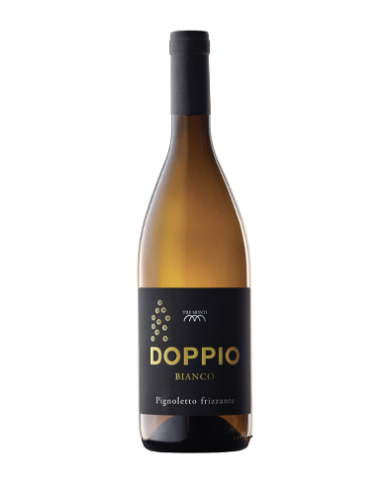
The most "oriental" of the Pignoletti, it brings the verve of the Emilian tradition in sparkling wines into the glass. Fermented in autoclave according to the charmat method, for a delicate and excellent 'bubble' for a meal
€9.76
SKU:
16430
Brand:
Tre Monti
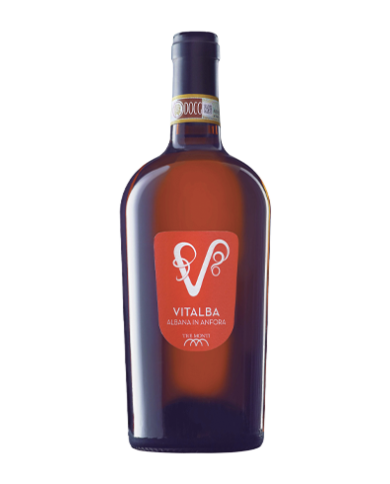
Being among the pioneers of Georgian amphora (kvevri) winemaking in Romagna was truly an inspiring privilege for us. Amphorae are a splendid tool: they have proved to be an incredible accelerator and concentrator for the maturation of Albana wine, without however affecting even a single pinch of its varietal profile! And so Vitalba was born in 2013: a successful gamble, now the white "flag" of our company.
€22.00
SKU:
16429
Brand:
Tre Monti
The most "Romagna" vine we have, a true and unique expression of the territory, in its 'dry' version, the one we love most.
€7.56
SKU:
16427
Brand:
Tre Monti
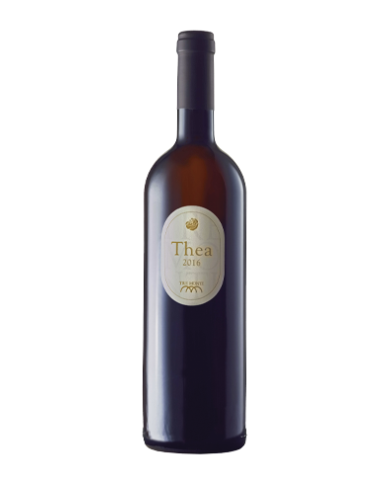
The link with tradition and the territory is important, very important, but sometimes the producer's curiosity is the engine of sometimes surprising "experiments"....
€19.76
SKU:
16426
Brand:
Tre Monti
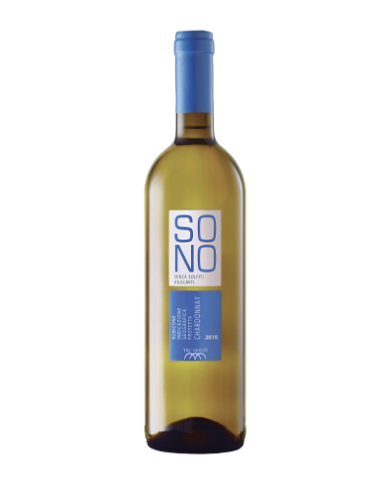
SONO was born from a project begun in 2006, first with the renunciation of the use, in the vineyard, of any synthetic fertilizer and "systemic" pesticides, and then continued in the cellar through surprising trials of vinification and refinement without no use of sulfur dioxide. After an initial phase of saturation of the must with oxygen (hyper-oxygenation), the cellar technology allows us to avoid any contact with oxygen in every part of the production process.
€7.32
SKU:
16424
Brand:
Tre Monti
On the eve of the 2019 harvest we were on the verge of uprooting the last hectare of our splendid "della flame" Trebbiano vineyard in Petrignone: the commercial response and the market "mood" were too lukewarm (euphemism) towards this vine. But, "rather" than eradicating it, we wanted to make an extreme attempt, and put the maceration experiences acquired with Vitalba to good use and do something new: 25 days of maceration in concrete, a bit of good luck, and, voilà .
€18.01
€16.21
SKU:
16419
Brand:
Cantina Wilma
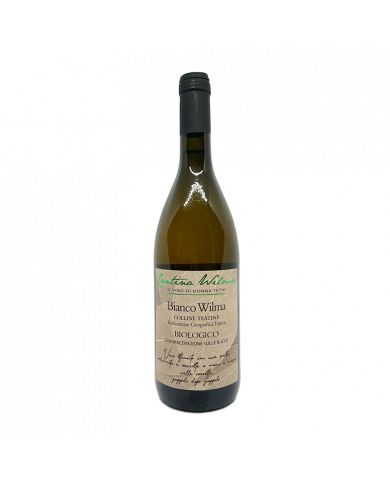
Obtained from native grapes and selected in the harvest. Appearance of straw yellow color with greenish reflections. On the nose it is fresh and floral with notes of white berry flowers and balsamic notes on the aftertaste. Ideal with all seafood cuisine, it also goes well with appetizers and delicate main courses.
€12.44
SKU:
16418
Brand:
Cantina Wilma
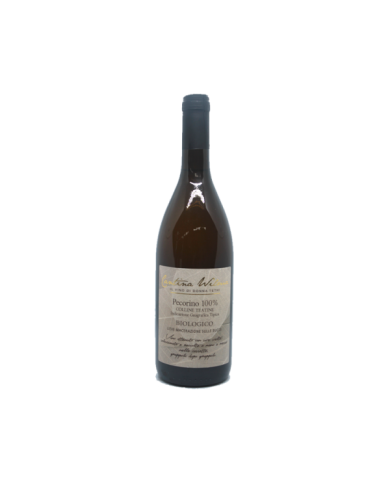
Vine rediscovered a few years ago, widespread throughout the Abruzzo region. The name "pecorino" is given by the sheep's face shape of the bunch and by the fact that when the shepherds passed through during the transhumance, the sheep stopped to graze the leaves of this vine. Cantina Wilma obtains its wine from the "Pecorino" vine with low-row plantings on sandy calcareous soil. Appearance of yellow color, excellent fruity bouquet. The flavor is harmonious and of good quality. Ideal with all seafood cuisine, it also goes well with appetizers and delicate main courses.
€17.08
SKU:
16416
Brand:
Pacherhof
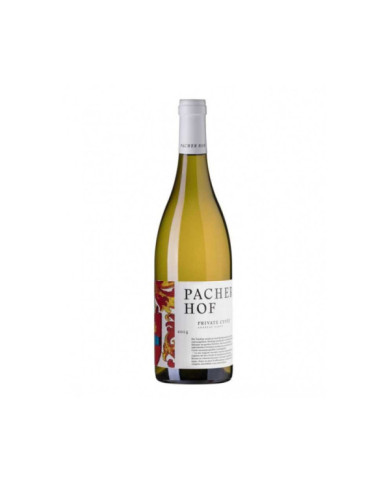
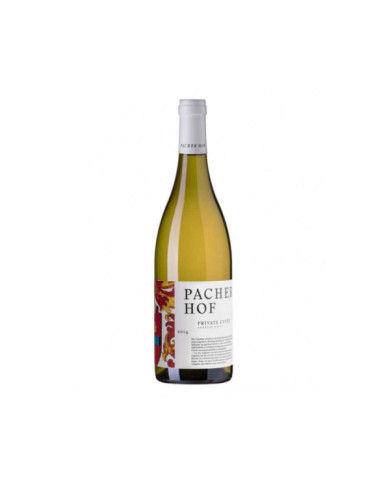
The Pacherhof Private Cuvée Andreas Huber is an intimate gift from the winery's winemaker. A white wine that manifests its conception of a great interpreter of the Dolomites capable of reaching important peaks of balance. Floral and delicate on the nose, it whispers notes of elderberry and unfolds spicy sensations. Mineral and savory fluid, characteristics directly connected with the particular composition of the mountain soils, of beautiful elegance and intensity
€41.50
SKU:
16415
Brand:
Pacherhof
The Pacherhof Private Cuvée Andreas Huber is an intimate gift from the winery's winemaker. A white wine that manifests its conception of a great interpreter of the Dolomites capable of reaching important peaks of balance. Floral and delicate on the nose, it whispers notes of elderberry and unfolds spicy sensations. Mineral and savory fluid, characteristics directly connected with the particular composition of the mountain soils, of beautiful elegance and intensity
SKU:
16414
Brand:
Pacherhof
The Pacherhof Private Cuvée Andreas Huber is an intimate gift from the winery's winemaker. A white wine that manifests its conception of a great interpreter of the Dolomites capable of reaching important peaks of balance. Floral and delicate on the nose, it whispers notes of elderberry and unfolds spicy sensations. Mineral and savory fluid, characteristics directly connected with the particular composition of the mountain soils, of beautiful elegance and intensity
€46.46
SKU:
16413
Brand:
Pacherhof
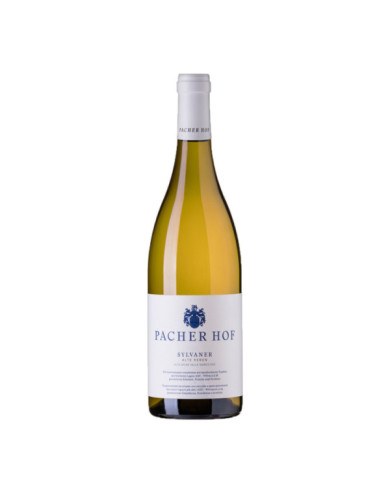
The Sylvaner Riserva "Alte Reben" by Pacherhof is a white wine with a high taste-olfactory profile, born from old vines located at an altitude of 650 meters in the Valle Isarco. It has clear and seductive aromas of white fruit and freshly picked flowers, with very light nuances of sweet spices. The sip is fine, fruity, fresh, intense and mineral
€76.01
SKU:
16412
Brand:
Pacherhof
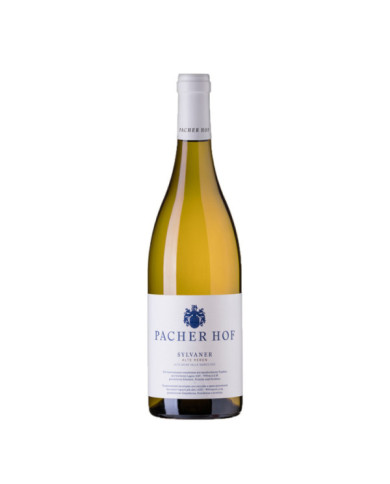
The Sylvaner Riserva "Alte Reben" by Pacherhof is a white wine with a high taste-olfactory profile, born from old vines located at an altitude of 650 meters in the Valle Isarco. It has clear and seductive aromas of white fruit and freshly picked flowers, with very light nuances of sweet spices. The sip is fine, fruity, fresh, intense and mineral
€35.70
SKU:
16411
Brand:
Pacherhof
The Sylvaner Riserva "Alte Reben" by Pacherhof is a white wine with a high taste-olfactory profile, born from old vines located at an altitude of 650 meters in the Valle Isarco. It has clear and seductive aromas of white fruit and freshly picked flowers, with very light nuances of sweet spices. The sip is fine, fruity, fresh, intense and mineral
€76.01
SKU:
16410
Brand:
Pacherhof
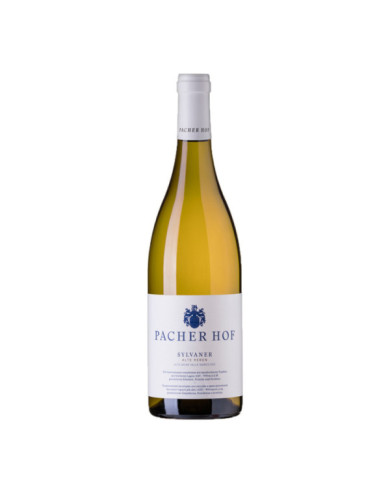
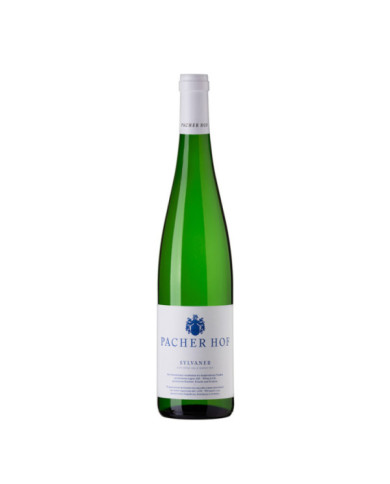
Pacherhof's Sylvaner is a semi-aromatic white wine of medium body and good freshness, aged for a few months in large barrels. It has a fine and delicate bouquet of freshly mown hay, herbs, fruit and white flowers. On the palate it is clear, mineral, fresh and fruity, with a nice persistence
SKU:
16409
Brand:
Pacherhof
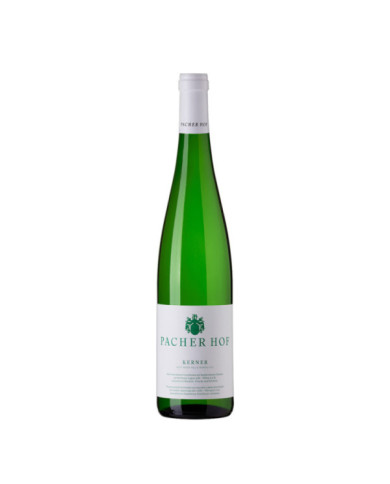
Pacherhof's Kerner is a clean, precise and vertical wine, with a fresh and light personality, not without tension and aromatic richness. Aromas of citrus fruits, exotic fruit and sweet spices involve the sense of smell while the sip reveals character, softness and great expressive power
€56.36
SKU:
16408
Brand:
Pacherhof
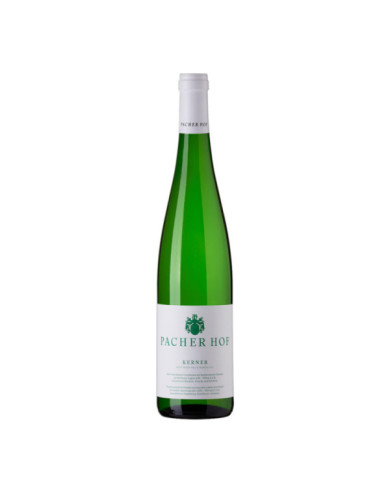
Pacherhof's Kerner is a clean, precise and vertical wine, with a fresh and light personality, not without tension and aromatic richness. Aromas of citrus fruits, exotic fruit and sweet spices involve the sense of smell while the sip reveals character, softness and great expressive power
€56.36
SKU:
16407
Brand:
Pacherhof
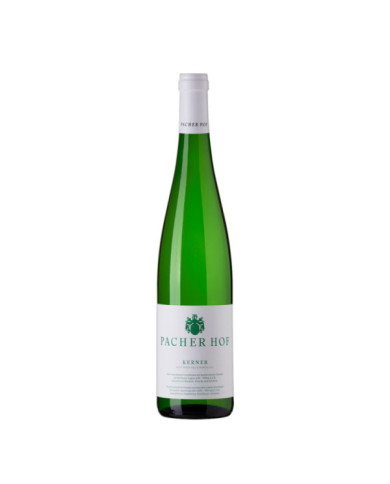
Pacherhof's Kerner is a clean, precise and vertical wine, with a fresh and light personality, not without tension and aromatic richness. Aromas of citrus fruits, exotic fruit and sweet spices involve the sense of smell while the sip reveals character, softness and great expressive power
€56.36
SKU:
16400
Brand:
Le Marchesine
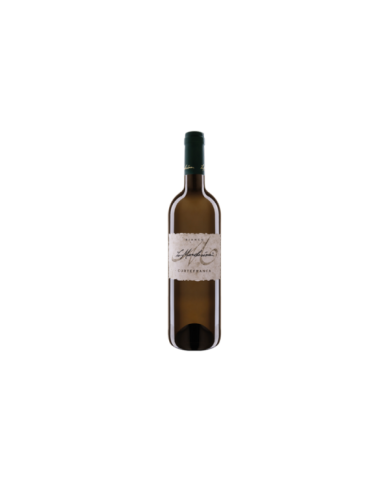
It has a straw yellow color with greenish reflections. The perfume has an intense aroma with hints of white flowers and exotic fruit. The taste is broad and enveloping with its sapid and harmonious flavor: a wine that lets itself be loved.
€12.20
SKU:
16372
Brand:
Pieropan
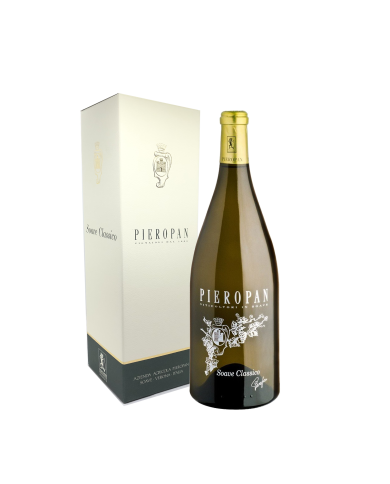
The La Rocca vineyard is located on the hill of Mount Rocchetta, close to the medieval Scaliger castle of Soave. La Rocca enjoys a particular microclimate, which makes it possible to obtain a wine with a unique and unreproducible bouquet and gustatory notes, typical of a pedigree wine. Innovative, since its debut in 1978, it has marked a deep groove in the territory, becoming an undisputed symbol of quality and tradition.
€29.56
SKU:
16371
Brand:
Cantine Barbera
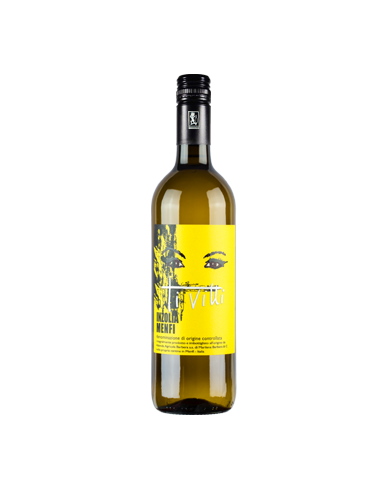
Fresh as the sea breeze, the Inzolia from the young vineyards of Belicello is versatile, pleasant, with a dynamic and satisfying sip.
Since its brilliant straw color, the glass reflects the intense light of the Sicilian mornings; the bouquet opens delicately on hints of citrus and almond blossom, and then evolves into notes of white peach and aromatic herbs.
Its intense sapidity on the palate is made harmonious by a soft and flowing texture and by an acidity that is never too intrusive.
€11.60
SKU:
16364
Brand:
Cantine Barbera
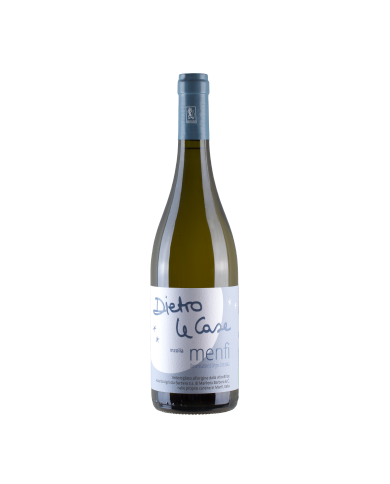
The old vineyards of Inzolia planted by my father more than fifty years ago are an extraordinary legacy on which to build the future of viticulture in Belicello. The original clones, perfectly adapted to the particular conditions of the environment to which they belong, exuberantly express the personality and wine culture of the Menfi area. The soil, mainly calcareous and pebbly, gives the wine an intense and at the same time delicate sapidity, great depth and aromatic breadth.
€16.10
SKU:
16361
Brand:
Cantine Barbera
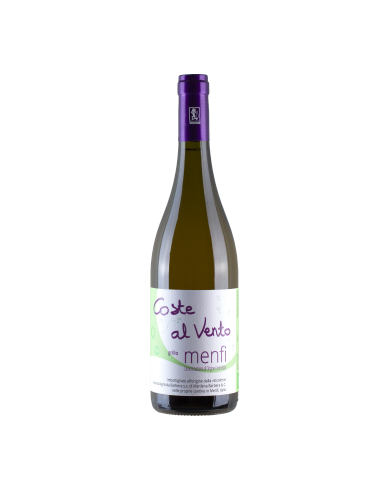
In Sicily, "coast" is the side of the hills that gently slope down to the sea, covered by vineyards as far as the eye can see that bask in the sun, unkempt by the fresh Mediterranean breezes. These are the places of Grillo, a fascinating native variety that interprets the beauty of the Menfi terroir with great personality. Son of generous lands, Coste al Vento gives us a full and ripe fruit that blends with the brackish notes brought by the sea winds, in a harmonious crescendo made original by maceration on the skins and fermentation with indigenous yeasts.
€16.10
SKU:
16359
Brand:
Cantine Barbera
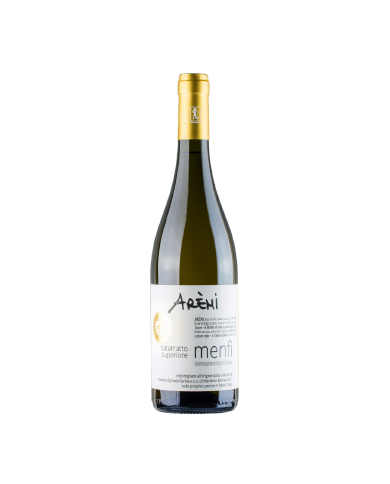
Arèmi, one of the four suits with which the gambling cards are painted, as well as the community cards. The coin suit, which has the color of gold and like gold is precious in the game of broom and seven and a half. Catarratto is liquid gold, culuri d'arèmi: intense and brilliant gold that lights up from the sun and the sea of Sicily, full of the millenary history that skilled hands have handed down to us, from generation to generation, from the Greek motherland to the fertile countryside of Memphis. Arèmi is love for the land, respect for knowledge, conscious acceptance of a heritage to be preserved.
€18.50
SKU:
16358
Brand:
Cantine Barbera
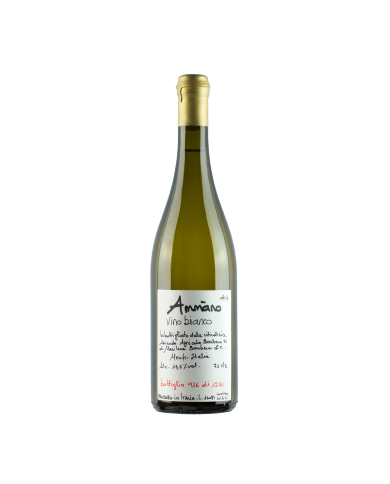
By hand, to recover the value of manual work, the care and joy in doing it. By hand, to underline the absolute craftsmanship of the production of a wine made without the aid of machinery, without additives or synthetic oenological products, in which the human component is at least as important as the natural one. Only grapes and hands: in a world where machines and homologation increasingly replace man and his creativity, hands are, perhaps, the thing to which we must return.
€27.00
SKU:
16356
Brand:
Cantine Barbera
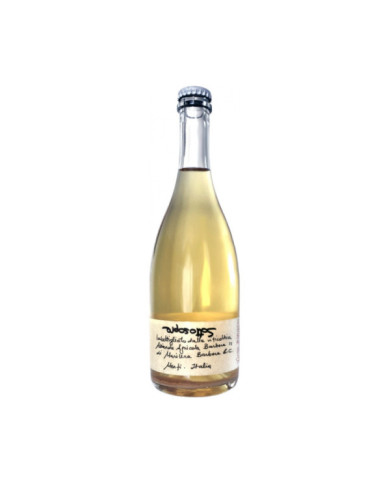
Sottosopra is a sparkling wine obtained with the ancestral method and is bottled without prior disgorgement. If you love strong flavours, drink it as it is, with all its yeasts, or keep it upside down in the fridge for 24 hours if you want to disgorge it before tasting it. Intense golden yellow, very veiled because still on its lees. ...
€17.81
SKU:
16353
Brand:
Montagner
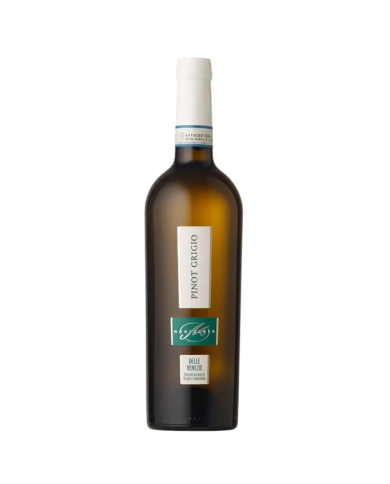
Pinot Grigio delle Venezie, well known and appreciated outside our borders, is absolutely to be rediscovered here too, because it is a fresh, fragrant wine, capable of combining happily with a large number of gastronomic specialties. Straw yellow in color with coppery reflections; with a strong and decisive scent of acacia flower. The taste is dry, pleasantly bitter, with aromatic notes of artemisia.
€7.44
SKU:
16345
Brand:
Montagner
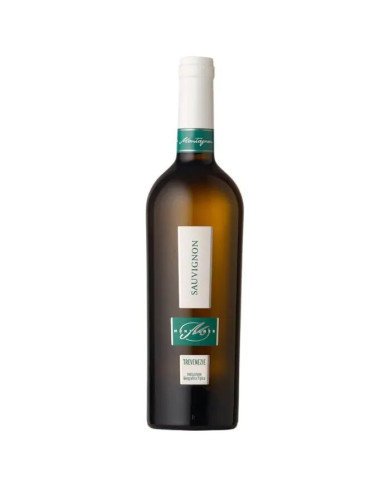
Fresh and aromatic, it is obtained from the white vinification of selected Sauvignon grapes. Fermentation and conservation take place at a controlled temperature in stainless steel tanks, then it is filtered and cold bottled. Light straw yellow in colour, it smells of lici, pepper and sage; in the mouth it is acidulous, dry and at the same time velvety, with good persistence. It goes well with appetizers, delicate first courses, noble fish such as lobster, lobster, scampi, salmon.
€6.83
SKU:
16342
Brand:
Montagner
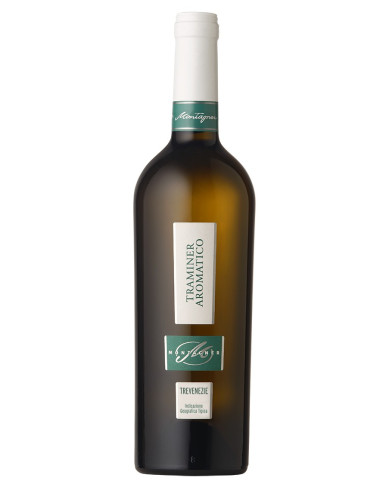
Intense and aromatic aromas with characteristic floral scents, of rose petals with a sensation of tropical fruit, citrus and apricot.
€9.27
SKU:
16341
Brand:
Montagner
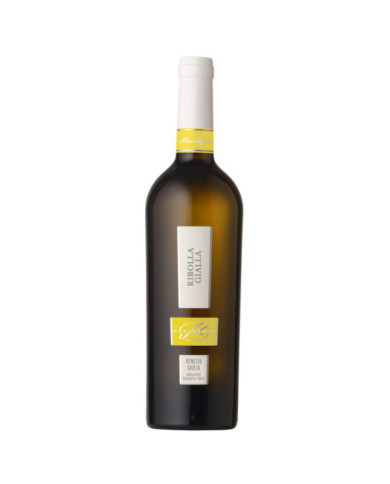
Straw yellow in color with greenish reflections, delicately floral, fruity and fresh bouquet. Full, fresh and delicately citrine taste.
€7.69
SKU:
16340
Brand:
Montagner
Bright yellow in colour, fine, noble and elegant bouquet reminiscent of flowers and fruits. Dry, sometimes soft and inviting flavour.
€7.81
SKU:
16303
Brand:
Lunae Bosoni
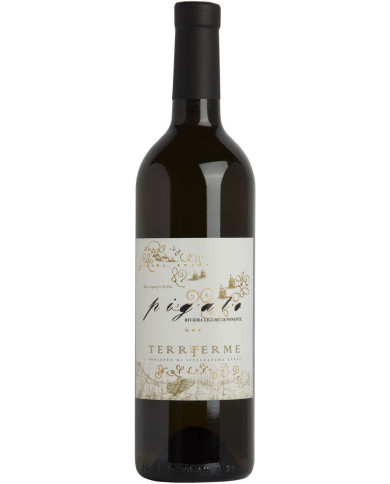
The "Pigato" label for the Lunae winery represents the maximum expression of innovation and tradition, elements that the Lunae winery has always cultivated and promoted. This fantastic wine contains all the characteristics of the Ligurian coastal area with a wine vocation. Where the positive influence of the are combined with knowledge and knowledge in the cultivation and breeding of vineyards. Excellent quality and refinement at the service of consumers who, in addition to good taste, seek affinity with the territory. The “Pigato” wine boasts the Riviera Ligure di Ponente DOC certification which guarantees its denomination. The vineyards are located in the western Ligurian area and the harvest takes place in the first half of September. For the vinification, stainless steel tanks are used where the must and the wine are kept at a controlled temperature. The refinement always takes place in stainless steel tanks and ends in mid-March or mid-April depending on the degree and harmony reached by the wine.
€19.89
SKU:
16301
Brand:
Lunae Bosoni
Numero Chiuso is a white wine of absolute excellence from Vermentino 100% Colli di Luni DOC, aged 14 months in steel and 14 in oak barrels. Pale yellow in color, the nose is intense, rich in aromas of ripe yellow fruit, Mediterranean scrub with its balsamic and aromatic notes, hints of vanilla and exotic fruits. In the mouth it is complex, soft, fresh with good sapidity, decidedly harmonious. Excellent in combination with soups and first courses with seafood, second courses of fish or stewed white meats, and recipes based on mushrooms. Alcohol 14%. Serving temperature 10/12°C.
€44.82
SKU:
16298
Brand:
Lunae Bosoni
The Colli di Luni area is located in that tiny strip of land that connects Liguria with Tuscany and which has a truly unique microclimate: the sea breeze that collides with the cold winds of the Apuan Alps helps to create temperature ranges that are simply perfect for the right maturation of the Vermentino grapes! Evidence of this is gray label, a didactic wine from Lunae Bosoni, the reference winery of the denomination, which has been able to gather the key to understanding a tradition and its territory!
Bright straw yellow color with brilliant greenish reflections, the nose has very intense aromas of rennet apple, hawthorn and grapefruit, hints of white peach and a pleasant background reminiscent of acacia honey. Lively taste, very elegant and very balanced between freshness and sapidity, it offers very interesting evolutions, especially in the very long finish of citrus and salt.
Perfect for seafood cuisine, try it with pesto trofie and stuffed squid!
€14.15
SKU:
16297
Brand:
Lunae Bosoni
From an organoleptic point of view, this exceptional Ligurian wine has a color that goes from an intense straw yellow with light golden reflections to a slightly more intense yellow with amber reflections, visible above all in the more refined versions. The bouquet is elegant with clear hints of wild flowers, aromatic herbs, spices, ripe fruit and honey. Wide and enveloping, it gives a pleasant sensation of freshness already to the nose. The taste on the palate is rightly sapid, harmonious, persistent. A wine of great substance, elegant and with a good tannic structure.
€56.49
SKU:
16293
Brand:
Lunae Bosoni
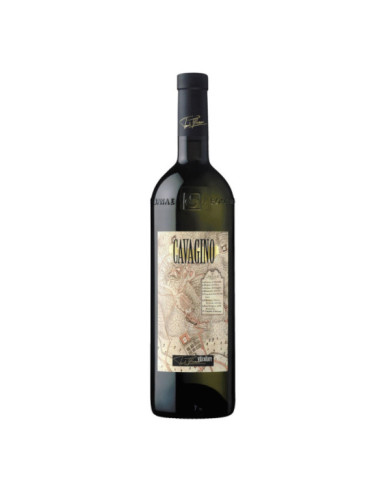
Vermentino dei Colli di Luni "Cavagino" is a soft, warm and structured white wine, produced with 48-hour cryomaceration and vinification in steel and barrique. It has a mineral and Mediterranean aromatic profile, rich in aromatic herbs, balsamic vinegar and yellow fruit. On the palate it is enveloping and velvety, with a marked freshness and flavor
€26.60
The best Italian white wines
Italy is home to some of the finest white wines. In the Clickwine section of our online wine shop dedicated to the finest Italian white wines, you'll find bottles of excellent white wine carefully selected by our sommeliers.
The designations used in our country to classify wines are DOCG, DOC, and IGT. Sometimes you'll also find designations like DOP and IGP: these acronyms have similar meanings to the previous ones but are used by wineries that primarily sell their wines outside of Italy.
The production of white wine
White wines are produced from both light and dark grapes, but vinified as a white wine: that is, during maceration there is no contact between the must and the pomace, so that the skin – exactly the opposite of what happens with red wines – does not release substances and color.
Its myriad nuances vary according to the characteristics of the grape variety, the aging method and the vine growing area.
In white winemaking, once the grapes have been harvested, they are transported to the cellar, destemmed, and pressed, and the must is separated without any maceration or with a brief maceration. Sometimes, however, the grapes are pressed and then macerated with the skins at a low temperature for a varying length of time. This produces richer, smoother wines.
This phase is followed by the clarification of the white wine produced, which can be done by letting the must rest, by cooling, centrifugation or filtration.
Fermentation begins either by adding selected yeast to the must or spontaneously, using the indigenous yeasts present in the grapes. To preserve the aromas, finesse, and freshness of white wines, fermentation is carried out at lower temperatures than red winemaking, generally around 18°C.
To obtain a fresh and lively wine, best drunk young, malolactic fermentation is avoided by bottling early, after filtration and stabilization. More complex wines, aged or fermented in wood, are bottled only after several months in barrel.
How to taste white wine
First, you need to decide whether to uncork the bottle right away or let your white wine age. If you want to immediately succumb to its charm, its aromas of aromatic herbs, flint, or its notes of exotic fruit, then serve your white wine at the right temperature: 6-8°C for a young white and 8-10°C for a softer, more structured wine.
How to pair white wine
Dry white wines will surprise you at the table, too, and not just with their straw-yellow color. As an aperitif, and especially with a fish dish, white wine is definitely a must, but it's not easy to know which of the many labels will be best suited to the occasion.
We recommend pairing white wine with cheeses, whether low-fat, fresh, or rich in milk, such as flavorful buffalo mozzarella, or with soft, bloomy-rind cheeses. They're also perfect with white meats, such as classic scallops, but beyond tradition, white wine also pairs perfectly with meat and risotto dishes, as well as truffles. Visit our online wine shop Clickwine for expert advice on purchasing the best white wine at the best price to pair with your favorite dishes.
White wines: prices and offers
Every week, our online wine shop, Clickwine offers a selection of selected white wines at special prices. In this section and in the special offers section, you can then browse the best value wines.
A wide selection of premium products at affordable and truly exclusive prices. Don't miss the incredible deals on white wines from all the most prestigious Italian wineries; discover internationally renowned and beloved Italian wines.
Enter the Clickwine catalog and expand your selection by purchasing exclusive items online from smaller, yet exceptionally high-quality wineries.
White wines: longevity and conservation
How long can I keep white wine in the cellar? Do white wines improve as they age like red wines? These are the questions a wine consumer asks when talking about white wine.
In general, white wines have a much shorter shelf life than red wines, for two reasons: tannins and aging. Tannins are antioxidants present in the wine's skins that aren't present in white wines; as for aging, however, most white wines age in stainless steel for just a few months; even red wines, if they age briefly in stainless steel and undergo rapid maceration, don't last for many years. Let's say a classic white wine aged in stainless steel lasts a maximum of 2 to 3 years. If it undergoes maceration or ages in wood, it can last up to 20 years and improve year after year.
How many types of white wines are there?
There is no exact number of types of white wine, as there are several different white grape varieties that can be used to make white wines. Some of the most common white grape varieties used to make white wines are Chardonnay, Sauvignon Blanc, Riesling, Pinot Grigio, and Moscato. There are also other less common varieties such as Gewürztraminer, Semillon, and Viognier. Each of these varieties can be used to produce white wines with unique and different characteristics, so there are many different types of white wines available.
How to recognize a good white wine?
There are several ways to recognize a good white wine. One of the simplest is to taste the wine and evaluate its flavor and aroma. A good white wine should have a pleasant flavor and a delicate, complex aroma. Other factors that can indicate the quality of a white wine include the vintage, the grape variety, and the production area. In general, white wines produced with high-quality grapes and in particularly favorable years tend to be more valuable and of higher quality. Furthermore, white wines produced in regions renowned for producing high-quality white wines can be considered more valuable than those produced in other regions.
How to understand if a white wine is good?
As mentioned above, one of the easiest ways to determine if a white wine is good is to taste it and evaluate its flavor and aroma. A good white wine should have a pleasant flavor and a delicate, complex aroma. It's also important to keep in mind that the quality of a white wine can be influenced by several factors, such as the vintage, the grape variety, and the production area. For example, white wines produced with high-quality grapes and in particularly favorable years tend to be more valuable and of higher quality. Furthermore, white wines produced in regions renowned for producing high-quality white wines may be considered more valuable than those produced in other regions.
Why is it called white wine?
White wine is so called because it is made using white grapes. Most white grapes have transparent or lightly colored skins, so the wine made from these grapes has a light, transparent color. Sometimes the color of white wine can be influenced by the type of grape used, the winemaking process, and the addition of other ingredients, but generally, white wine has a light, transparent color.
How to replace white wine?
If you want to replace white wine in a recipe, there are several ingredients you can use. One of the most common options is to use chicken or vegetable broth instead of white wine. Other options include using white vinegar or apple juice diluted with water. Additionally, in some cases, you can omit the white wine entirely and use other ingredients to achieve the desired flavor in the recipe.