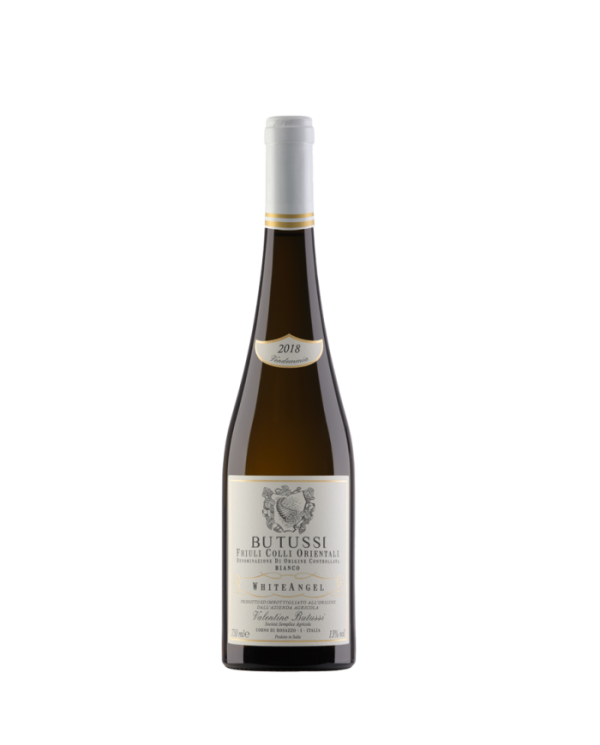
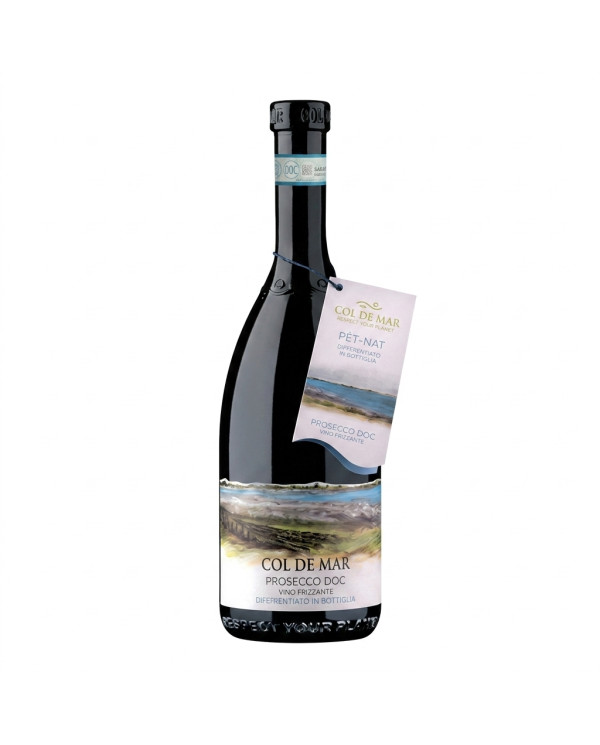
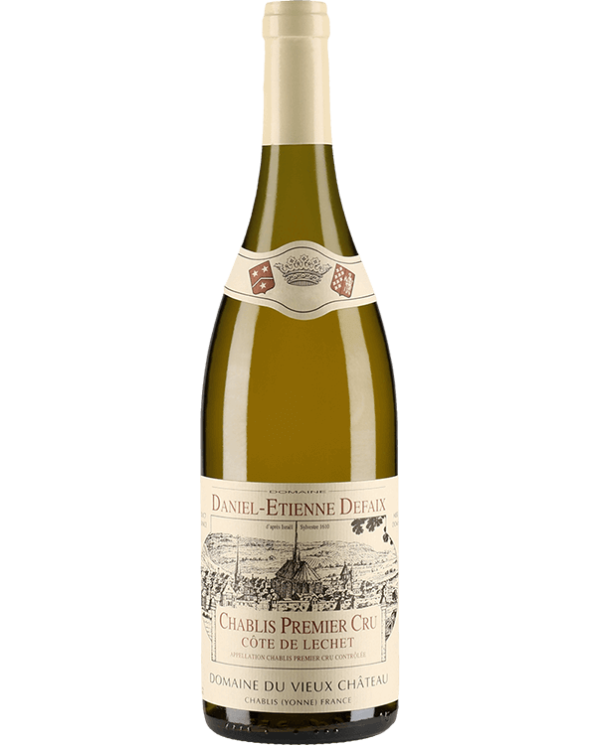
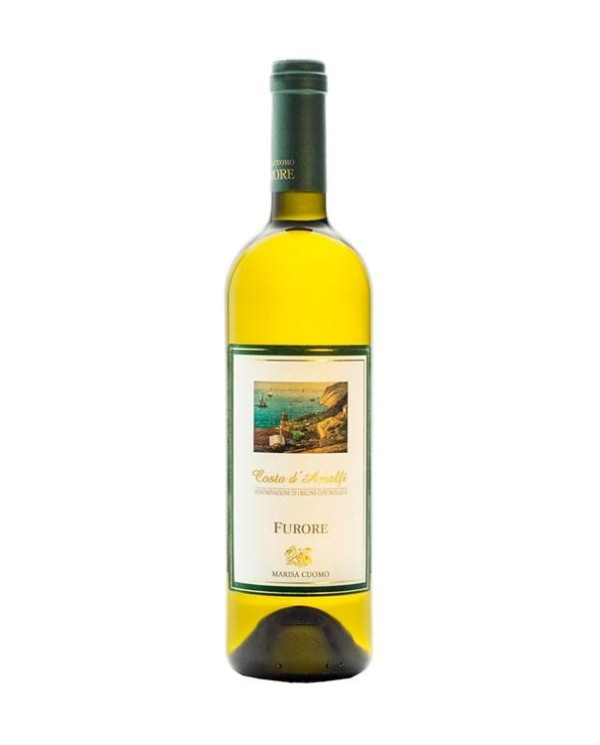
Piasa Rischei is the wine produced solely with Moscato grapes, left to dry on the vine and harvested at the end of October, a part of the bunches is still left to dry on mats in an orchard. After fermentation, the wine is aged in barriques for 24 months. A passito balanced between freshness and sweetness. Great evolutionary capacity. Perfect to combine with cheeses and fois gras.
Selection of the free-run juice with light pressure. Fermentation at temp. controlled (18 °) followed by 8 months on the fine lees.
Le migliori uve provenienti dai migliori vigneti vengono utilizzate per produrre il Vin Santo. La raccolta avviene a fine ottobre, quando i grappoli vengono riposti in piccole cassette e riposti in un luogo asciutto e ben ventilato fino a febbraio-marzo successivi.
From the cuvées of the various types of vines, flavors, yields and colors are tested, to leave room for only the best. The attention to continuous improvement and the craftsmanship of sparkling wines are underlined by the name "Majgual" (never the same) and by their taste, defined as "always special" by those who know it.
With an elegant and floral nose, the Bianco di Pitigliano Superiore Doc Rasenno shows off refinement and great cleanliness.
Pentaris, Piemonte DOC, Metodo Classico Millesimato, è uno degli spumanti proposto all'azienda Colombo, grazie alla collaborazione dell'enologo Riccardo Cotarella. Nasce da un blend del 50% di uve Pinot Nero e 50 % di Chardonnay.
L' Alta Langa Brut Blanc de Blancs della Cascina Pastori Colombo è uno spumante millesimato elegante e complesso. Ottenuto da sole uve Chardonnay, viene rifermentato secondo Metodo Classico in vasche d'acciaio a temperatura controllata e affina almeno 36 mesi sui lieviti. Al naso un bouquet floreale, con sentori di frutta fresca, note di crosta di pane e burro nocciola
Lo Spumante Brut di Colombo è un Metodo Classico elegante, sapido ed equilibrato, maturato per almeno 24 mesi in bottiglia. Al naso è fine e delicato, con note di agrumi, crosta di pane e fragranze floreali. Conquista al palato per la trama fresca e raffinata, di grande equilibrio e finezza, tonificata da un perlage sottile e duraturo
Il Blanc de Blancs Alta Langa esprime con elegante finezza e persistenza lo chardonnay, le dolci e fresche note floreali di margherite di campo accompagnano pesca a polpa bianca, pompelmo e ananas aromatizzandosi ai sentori minerali addolciti dalle note di miele.
Colore giallo dorato carico. All’olfatto intenso ed etereo con sentori di frutta secca, miele ed albicocca. Al palato si presenta pieno ed avvolgente, con la spiccata dolcezza perfettamente in equilibrata da una piacevolissima freschezza acida. Grande persistenza e retrogusto complesso ed armonico. Da abbinare ai classici cantuccini alle mandorle, da provare su formaggi erborinati o stravecchi. Vino da meditazione.
L'Artumes Bianco Toscana IGT di Tenuta di Artimino è un vino bianco che cattura l'essenza della Toscana attraverso un blend sofisticato e armonioso di uve prevalentemente autoctone. Questo vino si presenta con un colore giallo paglierino brillante, esprimendo al naso una gamma di profumi che spaziano dai fiori bianchi alla frutta a polpa bianca, con leggere sfumature di erbe aromatiche che si integrano perfettamente, donando freschezza e complessità .
Il Chablis Grand Cru Vaudésir AOC di Domaine Hamelin è ottenuto da uve Chardonnay, coltivate su terreni kimmeridgiani ricchi di minerali che conferiscono al vino quelle note distintive di freschezza e pura eleganza. La fermentazione e maturazione avvengono in vasche di acciaio inox per preservare l'autenticità e la finezza degli aromi del Chardonnay
Il naso si apre solo molto lentamente, come a volere ribadire la propria longevità. I primi aromi richiamano il limone candito e la felce, subito ripresi dai più classici sentori minerali. La complessità, per ora solo abbozzata, promette uno splendido sviluppo. La bocca possiede un corpo possente, ma gli spigoli acidi e sapidi che lo caratterizzano lo rendono meno grassa e immediata rispetto al Vieilles Vignes. Molto riservata, la bocca si allunga lentamente e termina su un magistrale finale iodato.
Il Vieilles Vignes Chablis del Domaine Hamelin è una meravigliosa espressione della regione vinicola Chablis, rinomata in tutto il mondo per i suoi vini bianchi distintivi. Le uve utilizzate provengono da viti vecchie, un fattore che contribuisce significativamente alla concentrazione e complessità del vino. Questa esclusiva selezione proviene da vigne coltivate su terreni argillosi, i cui profili minerali sono particolarmente idonei per il vitigno Chardonnay, cuore pulsante del Chablis.
Hamelin è un’importante azienda che produce il Chablis mantenendo il gusto del terroir con una cura e conoscenza del vino tramandata di generazione in generazione.
Vendemmia manuale. Pressa a bassa temperatura, sequenziale sotto azoto. Il mosto viene inviato nelle botti in acciaio per raffreddare durante qualche giorno. I 2/3 della vendemmia vengono vinificati integralmente in barrique, il resto in botte durante 8 mesi.
Dal colore giallo paglierino, delicato e gradevolmente fruttato con sentori di agrumi. Il sapore è armonico, delicato, sapido e persistente al palato
si evidenzia alla vista di un colore giallo paglierino con riflessi brillanti. Al naso emergono profumi di pesca, albicocca e fiori bianchi combinati a ricordi di fieno ed erbe aromatiche. All'assaggio è fresco, sapido ed equilibrato. Da gustare con formaggi e piatti vegetariani così come come in abbinamento ricette di mare.
Sapore fresco delicato e piacevolmente agrumato. Si abbina con tutti i piatti a base di pesce, primi leggeri, carni bianche e formaggi sia a pasta fresca che lievemente stagionati (4-12 mesi) e sushi. Eccellente come aperitivo, può essere gustato in qualsiasi momento della giornata.
Colore: Giallo paglierino tenue con una particolare luminosità . Olfatto: Ottima intensità con note floreali di salvia e frutti gialli di pesca, albicocca e agrumi. Gusto: Asciutto, delicatamente caldo e morbido, ottimamente bilanciato a una durevole freschezza e una misurata sapidità .
Il vino Pecorino è stato recentemente riscoperto e conteso tra Marche, Lazio e Abruzzo.
Identity. Virtue written in the etymology of an ancient term: idem, or being oneself. Cuvée Prestige, the essence of Franciacorta in the Ca 'del Bosco style. A jewel born in 2007 from thirty years of knowledge. Only the best selections of Chardonnay, Pinot nero and Pinot bianco grapes from the best vineyards are vinified separately and wisely assembled to the reserves of the best vintages (at least 20%), in the magical rite of creating the Cuvée. Only after at least 24 months of aging on the lees this wine will be able to express its richness and identity. A classic Franciacorta, balanced, pleasantly fresh and acidulous. Perfect for any occasion.
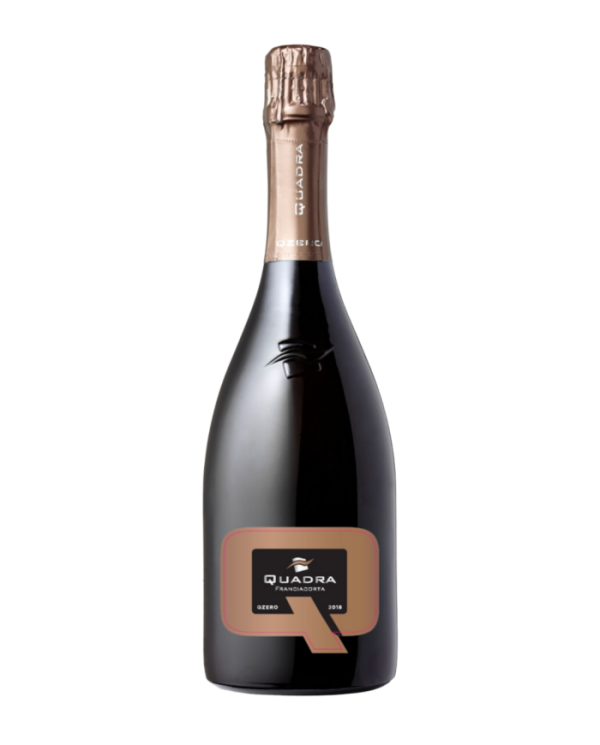
Penalty . Like the harmonic notes of a complex orchestral score, each stage of production must be performed following the times and cadences that perfection requires. Vintage Collection Dosage Zéro has no addition of liqueur d'expédition (dosage syrup added in minimal quantity in the other Franciacortas during the degorgement phase). A pure, sincere Franciacorta, the result of the best expression of an extraordinary terroir and of the man who understood its character and potential. Intended for that public of connoisseurs who love this style. Excellent aperitif, excellent to accompany seafood and raw fish.
Soft and velvety, Ca 'del Bosco's Franciacorta Saten Millesimato expresses all the elegance of Franciacorta in the best vintages. After a maturation of 48 months on the lees, it gives off aromas of fruit, citrus and honey and has a creamy and very elegant taste. A Magnum of great impact!
A Franciacorta that needs no introduction. Produced for the first time in 2007, this wine is born from the assembly of Chardonnay, Pinot Nero and Pinot Bianco grapes vinified separately and then added to the Reserves of the best vintages, which combined wisely give rise to this prestigious Cuvée. FRANCIACORTA CA 'DEL BOSCO
Upon visual examination it announces itself with a beautiful golden color. Pear, tropical fruit, citrus peel and a slight hint of hazelnut are embellished with a subtle spicy background, dominated by vanilla. On the palate it moves with an enveloping and tasty sip, round, with good structure, with a perfect balance between flavor and acidity. Perfect with fish main courses, cooked with important preparations, it is also to be tried with recipes based on molluscs and crustaceans. Absolutely to try with the lobster au gratin with fine herbs.
Colour: Straw yellow of medium intensity. Smell: Intense and fragrant with a bouquet mainly centered on white pulp fruit and with hints of citrus and dried fruit. Taste: Freshness and sapidity alternate on the palate and the citrus scents perceived on the nose are rediscovered.
Excellent year, the grapes were harvested perfectly healthy and so they were preserved during the drying. Very dense, with high sugars and extracts that lead to consider the Vin San Giusto 1997 suitable for a long aging.
Selection of the free-run juice with light pressure. Fermentation at temp. controlled (18 °) followed by 8 months on the fine lees.
Fermentation at temp. constant (20 °) for 20 days in stainless steel. The bottled wine remains for at least two months in the cellar.
Deep straw yellow color. The nose releases intense notes of acacia flowers, ripe peach, citrus and dried fruit in shell. The sip is fresh, savory and full-bodied. Excellent taste-olfactory persistence with a pleasant almond finish. Alcoholic content: 12% vol.
The best Italian white wines
Italy is home to some of the finest white wines. In the Clickwine section of our online wine shop dedicated to the finest Italian white wines, you'll find bottles of excellent white wine carefully selected by our sommeliers.
The designations used in our country to classify wines are DOCG, DOC, and IGT. Sometimes you'll also find designations like DOP and IGP: these acronyms have similar meanings to the previous ones but are used by wineries that primarily sell their wines outside of Italy.
The production of white wine
White wines are produced from both light and dark grapes, but vinified as a white wine: that is, during maceration there is no contact between the must and the pomace, so that the skin – exactly the opposite of what happens with red wines – does not release substances and color.
Its myriad nuances vary according to the characteristics of the grape variety, the aging method and the vine growing area.
In white winemaking, once the grapes have been harvested, they are transported to the cellar, destemmed, and pressed, and the must is separated without any maceration or with a brief maceration. Sometimes, however, the grapes are pressed and then macerated with the skins at a low temperature for a varying length of time. This produces richer, smoother wines.
This phase is followed by the clarification of the white wine produced, which can be done by letting the must rest, by cooling, centrifugation or filtration.
Fermentation begins either by adding selected yeast to the must or spontaneously, using the indigenous yeasts present in the grapes. To preserve the aromas, finesse, and freshness of white wines, fermentation is carried out at lower temperatures than red winemaking, generally around 18°C.
To obtain a fresh and lively wine, best drunk young, malolactic fermentation is avoided by bottling early, after filtration and stabilization. More complex wines, aged or fermented in wood, are bottled only after several months in barrel.
How to taste white wine
First, you need to decide whether to uncork the bottle right away or let your white wine age. If you want to immediately succumb to its charm, its aromas of aromatic herbs, flint, or its notes of exotic fruit, then serve your white wine at the right temperature: 6-8°C for a young white and 8-10°C for a softer, more structured wine.
How to pair white wine
Dry white wines will surprise you at the table, too, and not just with their straw-yellow color. As an aperitif, and especially with a fish dish, white wine is definitely a must, but it's not easy to know which of the many labels will be best suited to the occasion.
We recommend pairing white wine with cheeses, whether low-fat, fresh, or rich in milk, such as flavorful buffalo mozzarella, or with soft, bloomy-rind cheeses. They're also perfect with white meats, such as classic scallops, but beyond tradition, white wine also pairs perfectly with meat and risotto dishes, as well as truffles. Visit our online wine shop Clickwine for expert advice on purchasing the best white wine at the best price to pair with your favorite dishes.
White wines: prices and offers
Every week, our online wine shop, Clickwine offers a selection of selected white wines at special prices. In this section and in the special offers section, you can then browse the best value wines.
A wide selection of premium products at affordable and truly exclusive prices. Don't miss the incredible deals on white wines from all the most prestigious Italian wineries; discover internationally renowned and beloved Italian wines.
Enter the Clickwine catalog and expand your selection by purchasing exclusive items online from smaller, yet exceptionally high-quality wineries.
White wines: longevity and conservation
How long can I keep white wine in the cellar? Do white wines improve as they age like red wines? These are the questions a wine consumer asks when talking about white wine.
In general, white wines have a much shorter shelf life than red wines, for two reasons: tannins and aging. Tannins are antioxidants present in the wine's skins that aren't present in white wines; as for aging, however, most white wines age in stainless steel for just a few months; even red wines, if they age briefly in stainless steel and undergo rapid maceration, don't last for many years. Let's say a classic white wine aged in stainless steel lasts a maximum of 2 to 3 years. If it undergoes maceration or ages in wood, it can last up to 20 years and improve year after year.
How many types of white wines are there?
There is no exact number of types of white wine, as there are several different white grape varieties that can be used to make white wines. Some of the most common white grape varieties used to make white wines are Chardonnay, Sauvignon Blanc, Riesling, Pinot Grigio, and Moscato. There are also other less common varieties such as Gewürztraminer, Semillon, and Viognier. Each of these varieties can be used to produce white wines with unique and different characteristics, so there are many different types of white wines available.
How to recognize a good white wine?
There are several ways to recognize a good white wine. One of the simplest is to taste the wine and evaluate its flavor and aroma. A good white wine should have a pleasant flavor and a delicate, complex aroma. Other factors that can indicate the quality of a white wine include the vintage, the grape variety, and the production area. In general, white wines produced with high-quality grapes and in particularly favorable years tend to be more valuable and of higher quality. Furthermore, white wines produced in regions renowned for producing high-quality white wines can be considered more valuable than those produced in other regions.
How to understand if a white wine is good?
As mentioned above, one of the easiest ways to determine if a white wine is good is to taste it and evaluate its flavor and aroma. A good white wine should have a pleasant flavor and a delicate, complex aroma. It's also important to keep in mind that the quality of a white wine can be influenced by several factors, such as the vintage, the grape variety, and the production area. For example, white wines produced with high-quality grapes and in particularly favorable years tend to be more valuable and of higher quality. Furthermore, white wines produced in regions renowned for producing high-quality white wines may be considered more valuable than those produced in other regions.
Why is it called white wine?
White wine is so called because it is made using white grapes. Most white grapes have transparent or lightly colored skins, so the wine made from these grapes has a light, transparent color. Sometimes the color of white wine can be influenced by the type of grape used, the winemaking process, and the addition of other ingredients, but generally, white wine has a light, transparent color.
How to replace white wine?
If you want to replace white wine in a recipe, there are several ingredients you can use. One of the most common options is to use chicken or vegetable broth instead of white wine. Other options include using white vinegar or apple juice diluted with water. Additionally, in some cases, you can omit the white wine entirely and use other ingredients to achieve the desired flavor in the recipe.