

 Italiano
 Deutsch








There are no more items in your cart
SKU:
13768
Brand:
Dino Illuminati
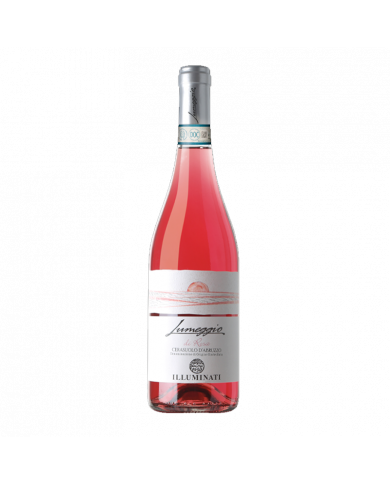
Vintage: 2022 Designation: VQPRD Cerasuolo d'Abruzzo Doc Lumeggio di Rosa Grapes: black berried Alcohol: 13.00% vol Format: 75cl Pairings: It goes well with appetizers, light cured meats, mild cheeses, fish-based dishes and white meats , vegetable flans.
€9.05
SKU:
13763
Brand:
Dino Illuminati
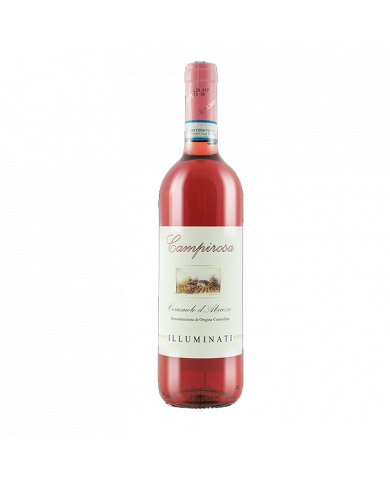
Vintage: 2022 Designation: VQPRD Cerasuolo d'Abruzzo Doc Campirosa Grapes: black berried Alcohol: 13.00% vol Format: 75cl Pairings: It goes well with appetizers, light cured meats, mild cheeses, fish and white meat dishes, flans of vegetables.
€9.83
SKU:
13744
Brand:
Palazzo Centofanti
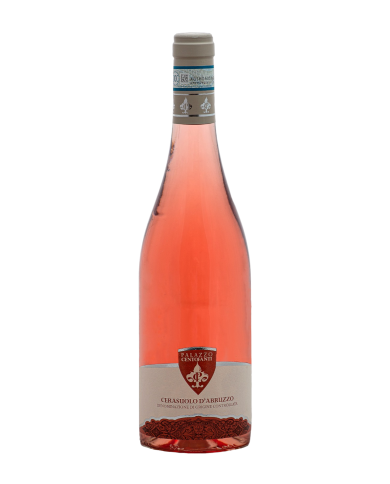
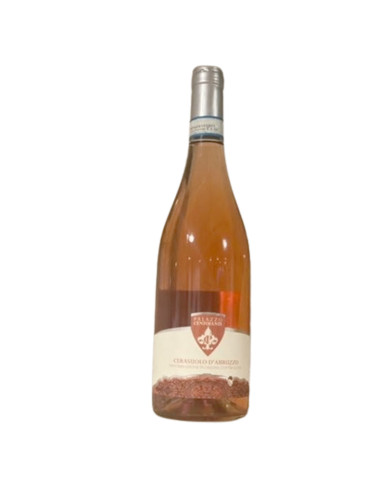
The “Cerasuolo d'Abruzzo” wine is a Cerasuolo d'Abruzzo, certainly one of the most important wines produced by the Palazzo Centofanti company. The Palazzo Centofanti company is located in one of the most beautiful wine-growing areas of the province of Chieti and of the Abruzzo region in general.
€10.05
SKU:
13722
Brand:
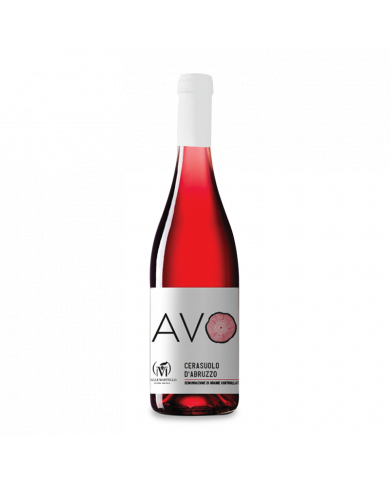
Valle Martello
The intense fruity note of cherry is the main characteristic of this Cerasuolo wine, produced with Montepulciano grapes. The taste is fresh and persistent and best expresses all its characteristics if served fresh. It goes perfectly with appetizers, fish soups and pizza.
€6.75
SKU:
13702
Brand:
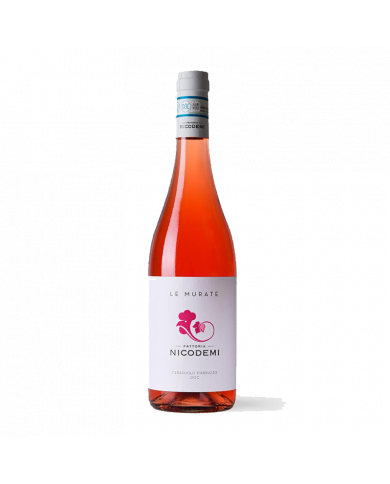
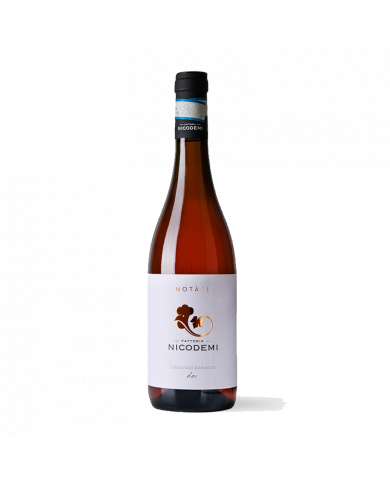
Nicodemi
Our desire to experiment always leads us to look at the vines we grow with new eyes to try to grasp sides that we have not yet explored. We were fascinated by the idea of working with Montepulciano grapes to make a more complex version of Cerasuolo. Notari Cerasuolo was produced for the first time with the 2020 harvest after a few years of research where we conducted some micro-vinifications on various proprietary vineyards.
€14.50
€9.90
SKU:
13659
Brand:
Valentini
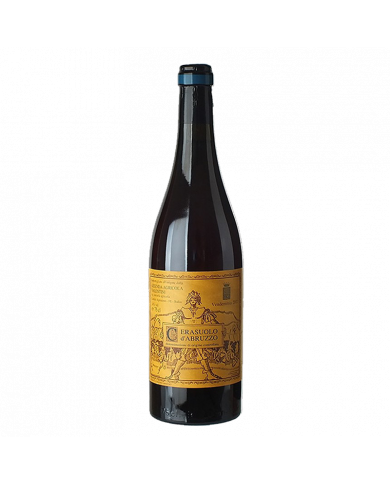
Valentini 's Cerasuolo d'Abruzzo is a great rosé wine, a true oenological legend of the Abruzzo area. The ginger color and fruity aromas with mineral echoes are the presenters of a full-bodied, intense and harmonious structure.
€85.00
SKU:
13639
Brand:
Valle Reale
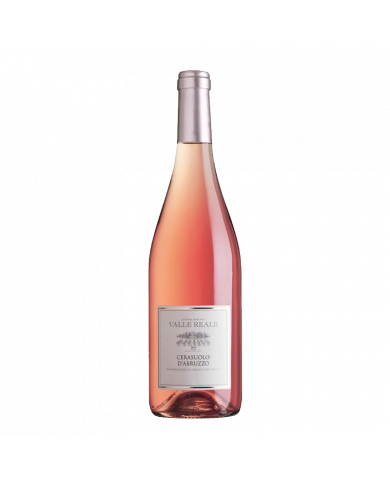
Valle Reale's Cerasuolo d'Abruzzo is a fresh and tasty rosé wine, vinified only in steel tanks and endowed with character and personality. It gives off fragrances of red flowers, roses, small fruits and fresh cherries. The sip is delicate and pleasant, characterized above all by sapidity and freshness.
€14.01
SKU:
13619
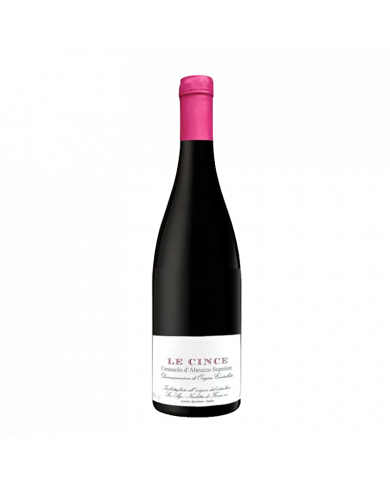
Brand:
De Fermo
"Le Cince" by De Fermo is a masterful and original interpretation of Cerasuolo d'Abruzzo, produced with Montepulciano grapes that ferment and rest until bottling in large wooden barrels that enrich the juice with fragrant and multifaceted textures.
€24.90
SKU:
13594
Brand:
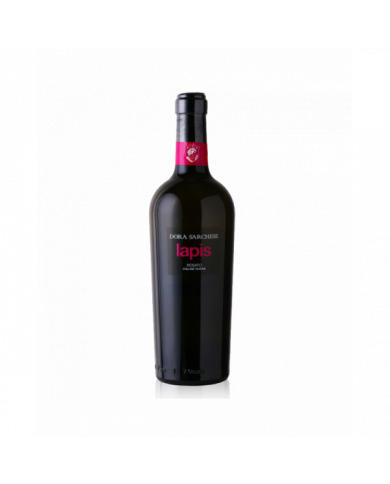
Dora Sarchese
24 Strawberry red in color with light violet reflections, fruity and floral bouquet reminiscent of flowers and red fruits of the undergrowth, intense and persistent. Fresh and lively taste, soft, rightly balanced.
€18.51
SKU:
13571
Brand:
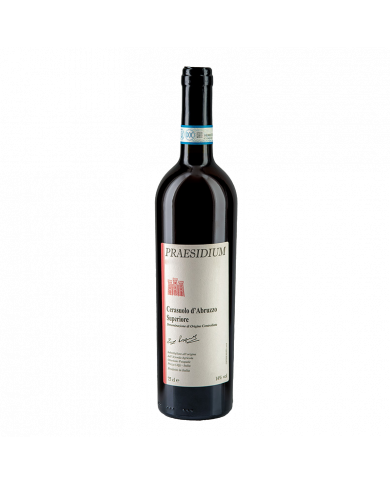
Praesidium
By limiting the maceration period to a few hours, Cerasuolo Superiore is obtained from Montepulciano d'Abruzzo grapes, the same from which the Riserva wine is born. It has an intense pink color and a subtle scent of rowanberries, pomegranates and wild roses. It is a wine with a versatile character and a great mineral freshness, perfect with pasta dishes, white meats, cured meats and even fish. The elders of the village tell us that the traditional wine had precisely these characteristics.
€22.08
SKU:
13551
Brand:
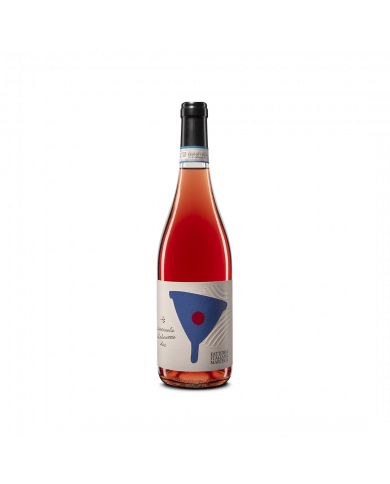
Fattoria Italiana Martelli
View: bright cherry red Smell: floral, intense; with fruity aromas, hints of cherry, blackberry and currant stand out. Taste: intense, harmonious and fragrant, with excellent persistence.
€6.19
€5.57
SKU:
13467
Brand:
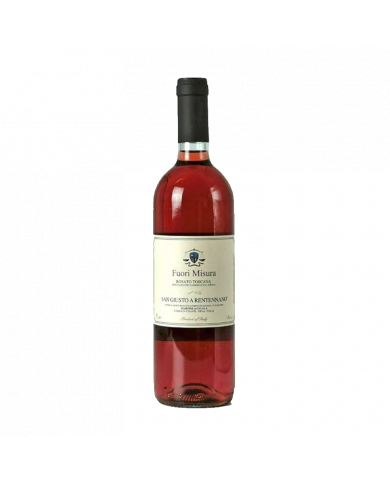
San Giusto a Rentennano
€11.90
€10.11
Yield per vine 1 kg, harvest 25-28 September. The wine is obtained by extracting the must from the Chianti Classico, Riserva, Percarlo, Ricolma tanks within 12-24 hours of placing the grapes, and partly with grapes (Merlot, Sangiovese, Canaiolo) harvested early and vinified in white. Slow fermentation at a temperature below 23°C, with the addition of about 15% of de-stemmed grapes. Maturation for 5 months in steel. The wine is subjected to light filtering, so it may have natural sediment. 8,200 bottles bottled on March 20th. Organic wine.
€11.90
€10.11
€20.50
€13.15
SKU:
13427
Brand:
Collefrisio
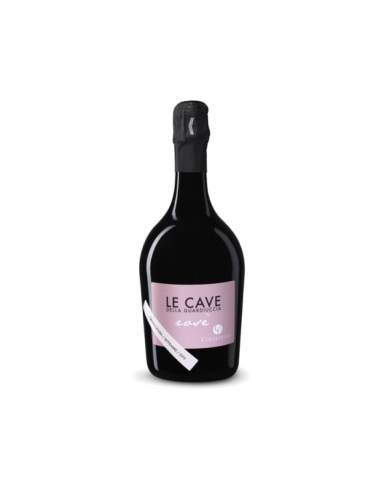
pink color with pink gold reflections, very fine and persistent perlage. On the nose notes of small berries, light shades of canica rose and tuberose, mineral hints of bread crust and small pastries, toasted almonds. Pleasant flavor and freshness, balanced, harmonious and with a long taste-olfactory persistence.
€59.78
€16.75
SKU:
13296
Brand:
Forteto della Luja
€25.33
€22.79
Forteto Pian dei Sogni Piemonte Brachetto Passito DOC is cherry red in colour. A wine with pleasant garnet reflections. Pian dei Sogni is produced in a hilly area at an altitude of over 400 meters slm It is made with the Guyot system according to traditional methods and by hand. This excellence comes from dried Bracchetto grapes. A Brachetto Passito Doc that stands out in terms of particular aromas and scents. Discover the hints of dried rose, strawberry jam, cherries in syrup and spices. Then savor it with hazelnut, walnut, almond, chocolate or chestnut cakes.
€25.33
€22.79
€7.50
€11.27
Pairings for rosé wines
Rosé is a very versatile wine, suitable for a wide variety of food pairings. Thanks to its freshness, it lends itself to both informal pairings, such as cheese, pizza, fried foods, and mushrooms, as well as more complex dishes, such as fish.
The best Italian rosé wine
In recent years, rosé wine production in Italy has grown exponentially, producing truly excellent wines that are worth tasting. Rosé originated in Southern Italy, but is now produced throughout the country. Italian rosé wines boast a long tradition; they are fresh and fragrant wines that pair beautifully with the many traditional dishes of our country. Visit the Clickwine rosé wine section to find the best online deals on DOC rosé wines produced by Italy's most prestigious wineries. With our exceptional online sales, you can bring traditional Italian rosé wines to your table, with incredible savings on the list price. Don't miss the opportunity to enrich your personal cellar with a high-quality rosé wine, a unique opportunity to make evenings spent with friends and family even more perfect.
Why is rosé wine pink?
There's a lot of talk about rosé wine. Many believe it's made by blending white and red wines (a practice prohibited by law), and this hasn't helped its reputation.
The color intensity of rosé wine and its aromas are essentially determined by the maceration on the skins of the red grapes used to produce these wines. But what are the colors of rosé wine? Rosé wine can range from pale pink, cherry red, to claret pink. To obtain a pale pink, maceration is required for very few hours, from 2 to 4, while for a cherry red the time can be up to 7-10 hours. For a very bright claret pink, maceration time can be up to 24 hours.
What are the best rosé wines?
Rosé wines can vary greatly in quality, depending on the production region, the grape variety used, and the winemaking techniques. Some highly regarded rosé wines come from France, particularly the Provence region, which produces light, fresh wines with red berry aromas and crisp acidity. Other high-quality rosé wines are produced in Italy, particularly Tuscany and Puglia, and in Spain, which produce more structured wines with greater aromatic complexity. Other regions renowned for their rosé wines include California, Portugal, and Australia.
It's important to note that the quality of a rosé wine depends on production techniques, climate conditions, and the grapes used. Therefore, it's difficult to make a list of the absolute best rosé wines, as it depends on individual tastes and preferences. However, some highly regarded rosé wines are:
- Château d'Esclans Whispering Angel (Provence, France)
- Domaine Tempier Bandol (Provence, France)
- Biserno Insoglio del Cinghiale Estate (Tuscany, Italy)
- Le Pupille Saffredi Farm (Tuscany, Italy)
- Quinta do Crasto Rosé (Douro, Portugal)
- Sandhi Santa Barbara County Rosé (California, USA)
- Penfolds Koonunga Hill Rosé (Barossa Valley, Australia)
It's recommended to try several rosé wines to discover which one you prefer, keeping in mind that some rosé wines are better enjoyed on their own, while others pair better with certain dishes. Generally speaking, rosé wines are ideal for summer, as they're fresh and light, but they can be enjoyed any time of year, depending on your personal taste.
What do you eat with rosé wine?
Rosé wine is a very versatile wine that pairs well with a wide range of dishes. Because it has a slightly lower alcohol content than red wines and a slightly lighter structure, it is particularly suited to accompany light, fresh dishes, such as fish, white meat, and vegetables. Here are some ideas for pairing rosé wine with food:
- Fish: Rosé wine pairs well with light fish such as salmon, tuna, and sea bass, but also with oily fish such as mackerel and squid.
- White meat: Rosé wine is perfect to accompany white meat such as chicken, turkey, and rabbit.
- Vegetables: Rosé wine pairs well with grilled vegetables, especially red berries like tomatoes and eggplant.
- Cheeses: Rosé wine pairs well with light cheeses such as Brie, Camembert, and Roquefort.
- Salads: Rosé wine is perfect for accompanying summer salads, especially when dressed with an emulsion of olive oil and balsamic vinegar.
Rosé wine can also be enjoyed on its own as an aperitif or as an accompaniment to a light meal. In general, it's important to pair rosé wine with light, not overly flavorful foods to prevent the wine from being overpowered by the food's flavors. It's recommended to taste the wine before deciding on a pairing, so you can choose the dish that best complements its aromatic profile and balance.