

 Italiano
 Deutsch









There are no more items in your cart
SKU:
17609
Brand:
Masseria Li Veli
profumo floreale di rosa, lampone e frutti rossi. Buona
mineralità con gusto ben equilibrato da sapidità e freschezza.
€7.56
SKU:
17604
Brand:
Masseria Li Veli
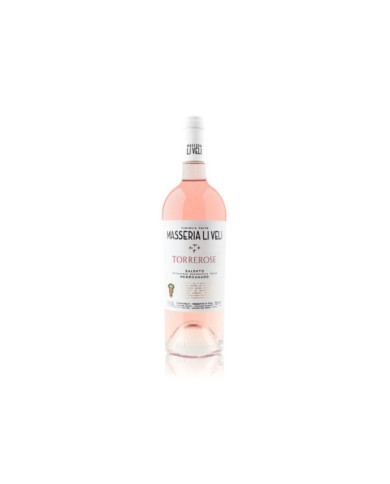
Il Torrerose di Masseria Li Veli nasce in Salento, in Puglia, da uve Negroamaro.
Le uve Negroamaro in purezza restano in pressa per 5 ore a temperatura controllata e sono successivamente fermentate in avsche di acciaio termocontrollate.
€11.35
SKU:
17598
Brand:
Masseria Li Veli
Il Susumaniello Rosato 'Askos' Masseria Li Veli fa parte della linea che l'aziedna dedica alla ricerca, selezione e valorizzazione del patrimonio dei vitigni autoctoni pugliesi in via di estinzione. I vini sono prodotti esclusivamente con uve provenienti da zone a particolare vocazione, nelle quali il vitigno è allevato secondo i canoni di un'antica memoria. Il simbolo è un askos, 'decanter' greco del I secolo a.c.. L'uva vinifica con brevissima macerazione e affina in acciaio perima di essere immesso su mercato.
€19.40
SKU:
17589
Brand:
Ciatò
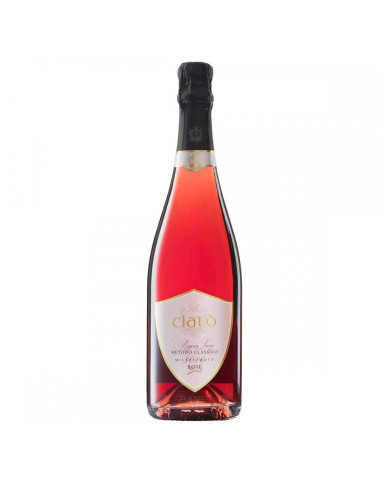
Pur utilizzando solo uve “Nero di Troia”, Luigi Nota realizza un bianco spumante “Metodo Classico” e un rosé, sempre metodo classico, di assoluta eccellenza, il “Regina Lucia”. L’azienda, dunque, copre una nicchia produttiva innovativa e d’eccellenza, ma é molto legata al territorio. A partire dalla piccola vigna del nonno, Luigi Nota ha appreso il mestiere di vignaiolo dal padre Vincenzo e negli ultimi anni si è fatto promotore di un ritorno alla terra della famiglia a partire dal 2013.
€22.92
SKU:
17537
Brand:
Duchi di Castelluccio
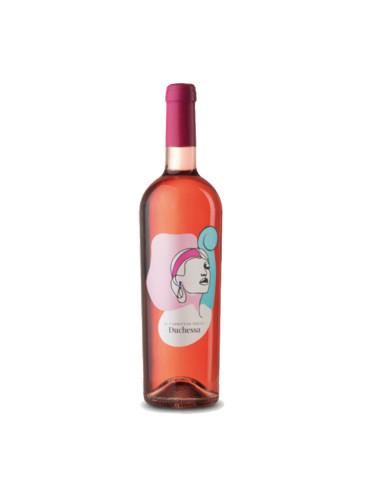
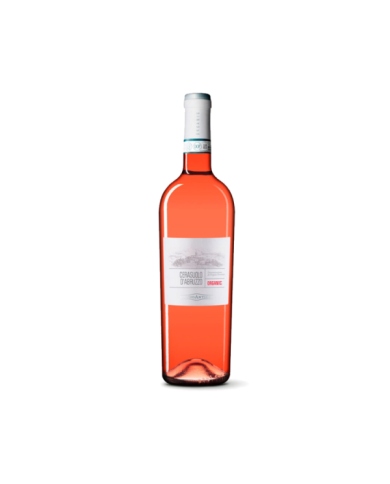
Organoleptic Characteristics Color Bright and lively pale pink Smell Intense fruity notes of white pulp peach intertwine with notes of small red fruits Taste On the palate it is fresh, silky, well balanced, soft and with good persistence Food pairings Excellent as an aperitif, particularly suitable for all seafood dishes, but also second courses based on undead meat. Serving temperature 8-10 °C
€9.52
€8.56
SKU:
17523
Brand:
Cantina Tramin
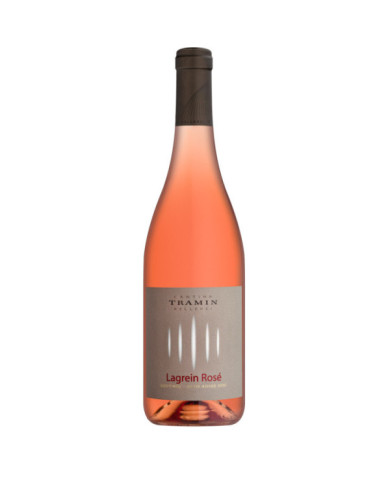
The grapes come from vineyards that extend over hills adjacent to the mountain, at an altitude between 250 and 400 m slm , on calcareous soils of clay, gravel and sandy conformation, subjected to strong temperature variations.
€15.47
€6.70
SKU:
17151
Brand:
Lammidia
€24.52
Vinification: Destemmed by hand. Contact with the skins with
daily milling for two weeks
Aging: Barrique
Description: Red fruits, typical Pinot Noir spices
SKU:
17142
Brand:
Lammidia
€16.81
a juice of wild strawberries and currants that ends with a strong acidity! To drink as much as I can!!!
€16.81
SKU:
17135
Brand:
Lammidia
€18.19
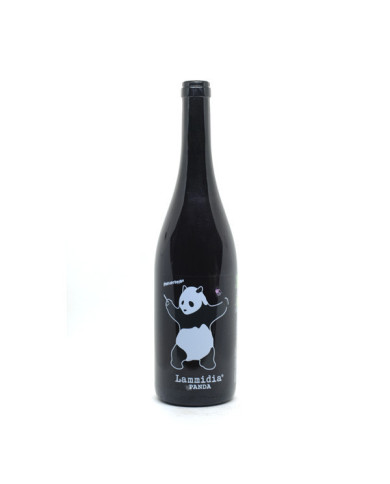
Panda di Lammidia is a rosé wine obtained from a blend of red and white grapes. The vinification takes place spontaneously in cement, while the refinement takes place in anofra. Panda is a fresh, fruity wine, with excellent minerality and drinkability.
€18.19
SKU:
17128
Brand:
Lammidia
€18.18
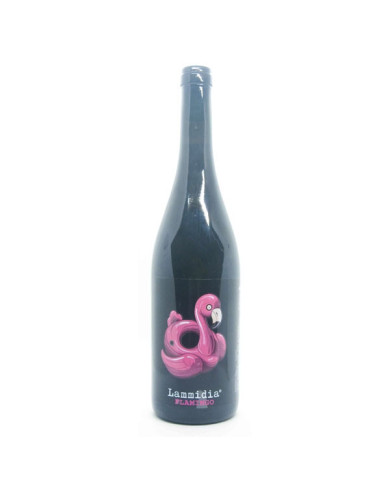
An unconventional rosé wine in the Lammidia style, in which freshness and ease of drinking are sought. Obtained from a blend of more than 10 varieties, red and white. Semi-carbonic maceration, 3 days of maceration. Refines for a few months in fibreglass. A wine that has beautiful aromas on the nose reminiscent of red fruit, such as strawberry, black cherry and pomegranate, followed by notes of Mediterranean scrub. To drink slightly chilled. Good good.
€18.18
SKU:
17121
Brand:
Lammidia
€15.37
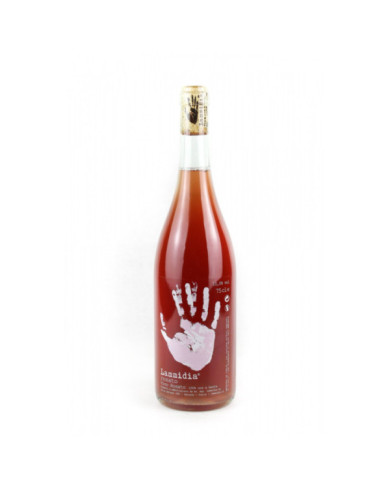
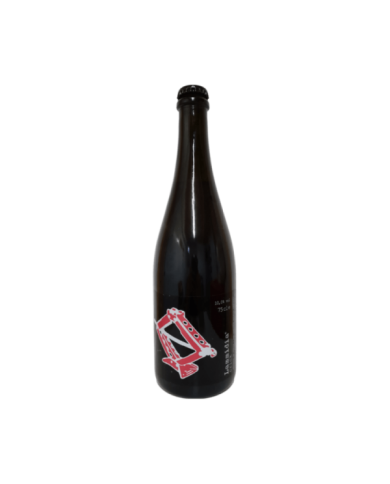
They say about him: from 100% Montepulciano grapes, a rosé refermented on the yeasts inspired by Lambic Kriek, with a low alcohol content and great drinkability. Amazingly rosé and fantastically good!!!
€15.37
SKU:
17110
Brand:
Alessio Brandolini
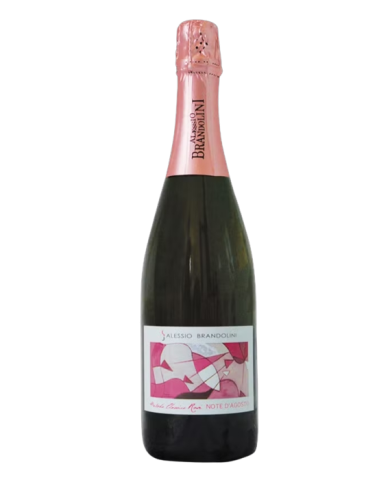
Produced exclusively in favorable years. The grapes, 100% Pinot Noir, are harvested in 18 kg boxes and only the first pressing takes place. A short maceration of 3/4 hours is made on the skins in order to have the typical pink colour. The wine remains on the fine lees until the tirage.
€27.21
SKU:
17105
Brand:
Fabrizio Dionisio
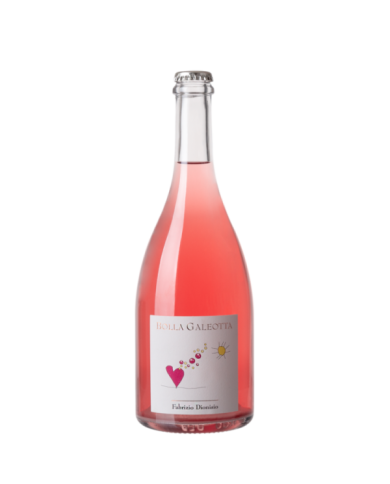
As I also wrote on the back label of this wine, freely inspired by the great poet Dante Alighieri…really…Galeotta fu la Bolla!In fact, after having resisted for some time the insistence of Alessandra, my wife, who was fascinated by the idea of making a sparkling version of our Syrah, in the end I gave in…and I'm really glad I did.
€18.91
SKU:
17104
Brand:
Fabrizio Dionisio
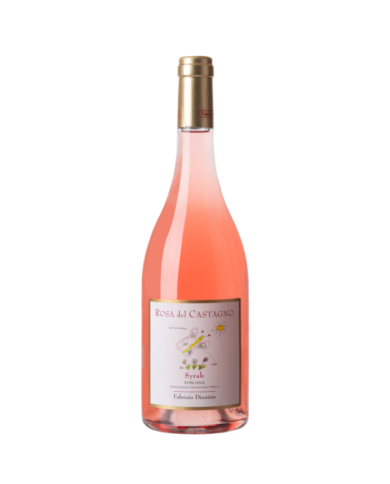
This wine was born as a challenge, which I hope to be able to consider won: to produce in Cortona, through the white vinification of our Syrah grapes, a great rosé wine, a rosé from Syrah that can be enjoyed not only in spring and summer, but throughout the year, as a valid alternative to white wine, also capable of evolving in the bottle. Balanced, textural and crunchy, taut, juicy and intense, fine and elegant, long… this is how I dreamed of it and this is how those who tasted it describe it. Just the rosé we were hoping to get.
€19.64
SKU:
17027
Brand:
Fontezoppa
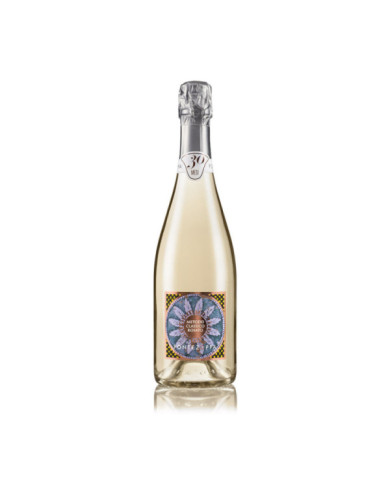
From hand-picked black Vernaccia grapes, vinified in white and refermented in the bottle, it has a very delicate pale pink colour, fine and creamy foam.
€31.11
SKU:
17023
Brand:
Fontezoppa
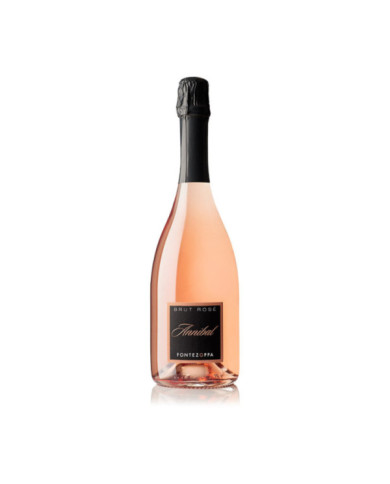
From hand-picked red grapes grown in the Marches, vinified in white and refermented with the Martinotti method, it has a very delicate pale pink with coppery reflections and a fine and creamy mousse.
€26.35
SKU:
17018
Brand:
Fontezoppa
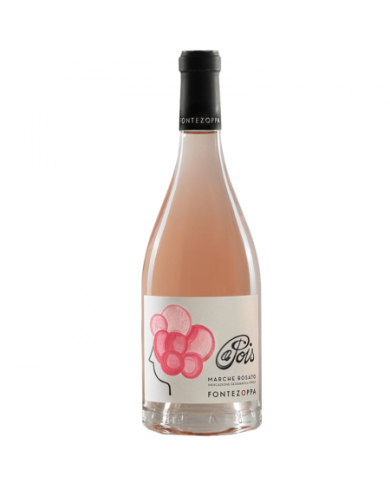
Obtained from hand-picked red grapes grown in the Marches and vinified in white, it has a delicate, lively, pale pink color with good consistency. Pleasantly fruity nose of wild strawberries, a subtle nuance of pink grapefruit and pomegranate. In the mouth fresh, fruity, with a delicate tannin and an intense flavor that creates an excellent balance for a pleasant finish. Excellent with hors d'oeuvres, including raw fish and with delicate seafood and meat first courses, to be tried with pizza.
€14.88
SKU:
16997
Brand:
Tenuta Viglione
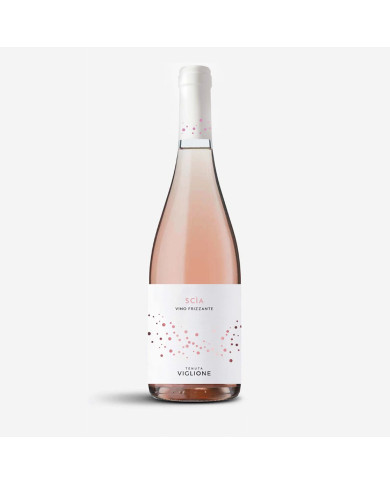
With a soft pink color, with citrus and peach notes, this wine is excellent for aperitifs and raw seafood, as it is fresh and balanced on the palate.
€7.61
SKU:
16928
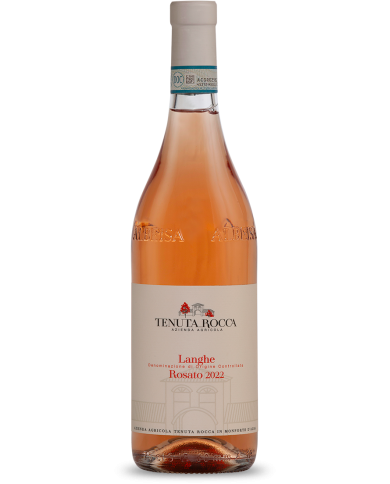
Brand:
Tenuta Rocca
It has a pink color with shades that tend to amber, red reflections. The nose highlights the dog rose and hints of grapefruit. In the mouth it is fresh, straight, pleasant and with a good minerality.
€12.20
SKU:
16841
Brand:
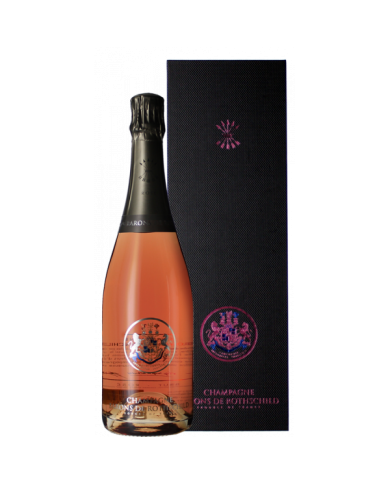
Barons de Rothschild
Pure and delicate, this Champagne Rosé translates, in a very elegant way, the bias taken by the Rothschild family in the development of its wines: aiming for perfection and constancy, with refinement and excellence.
€90.65
€11.27
SKU:
16832
Brand:
Agriverde
it is a rosé with intense fruity aromas, which combines balance and pleasant depth. Made exclusively in steel, it is refreshing and delicately almondy on the finish.
SKU:
16817
Brand:
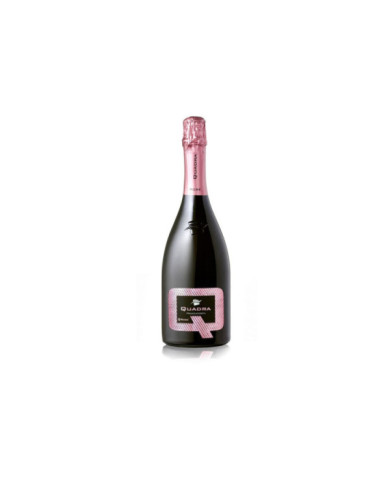
Quadra Franciacorta
QROSÈ BRUT is the evolution of a cuvée based on Pinot noir and Chardonnay fermented in stainless steel and barrique. After tirage, the wine ages for over 42 months before disgorgement. The Pinot noir, grown on the morainic slopes, brings backbone and thickness as well as the characteristic scent of small red fruits, while the Chardonnay gives it fullness and roundness.
€31.20
SKU:
16773
Brand:
Girolamo Russo
Girolamo Russo's Etna Rosato was born in the lower old vineyards located in the San Lorenzo district, in the extraordinary wine-growing panorama of Etna, a terroir particularly suited to the production of wines of great value, thanks to unique temperature ranges.
€20.56
SKU:
16751
Brand:
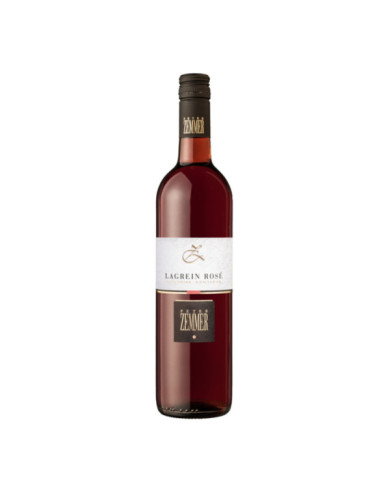
Peter Zemmer
The Lagrein Rosé from the Peter Zemmer winery is a fresh and drinkable rosé wine from Alto Adige, perfect for accompanying a platter of cold cuts during an aperitif with friends. This label is made with carefully selected pure grapes of the same name and a short aging in steel. The intense rosé color illuminates the glass while aromas of small red berries and floral sensations inebriate the nose. An agile, fresh, fruity and harmonious sip emerges on the palate
SKU:
16606
Brand:
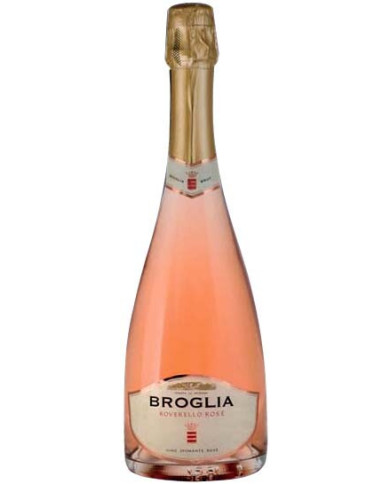
Broglia
This sparkling wine is obtained from the vinification of Barbera and Dolcetto grapes with the "salasso" technique, i.e. through a very soft pressing of the bunches which give the wine a "rosé" colour. Fermentation takes place with the Martinotti method in an autoclave. It is a Spumante Brut particularly suitable with all Mediterranean cuisine and white meats.
€13.91
SKU:
16525
Brand:
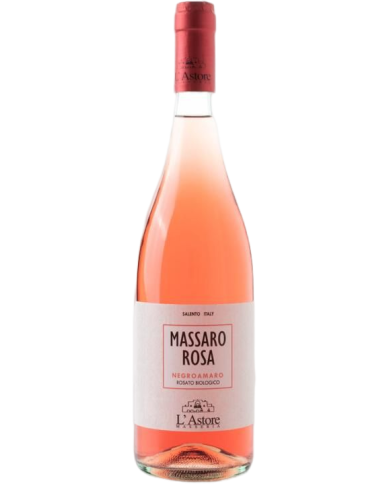
Masseria L'Astore
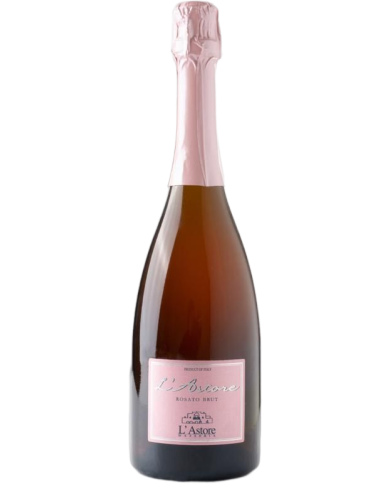
Born from clean and sustainable agriculture, respecting a landscape designed by culture and tradition, since 2010 the wines of L'Astore are certified "produced from organic grapes". Symbol of the Salento area in its rosé vocation and in the old Alberelli di Negroamaro and Primitivo; the production enhances the ancient native vines such as Negroamaro, Malvasia Nera, Malvasia Bianca Antica, Susumaniello and Primitivo.
€10.44
SKU:
16515
Brand:
Masseria L'Astore
Born from clean and sustainable agriculture, respecting a landscape designed by culture and tradition, since 2010 the wines of L'Astore are certified "produced from organic grapes". Symbol of the Salento area in its rosé vocation and in the old Alberelli di Negroamaro and Primitivo; the production enhances the ancient native vines such as Negroamaro, Malvasia Nera, Malvasia Bianca Antica, Susumaniello and Primitivo.
€12.43
SKU:
16460
Brand:
Maso Martis
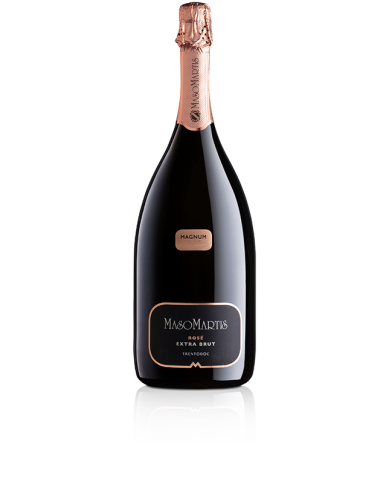
The Trento Spumante Rosé Extra Brut from the Maso Martis family winery is a velvety mountain wine suitable for any convivial occasion. It is made with 100% Pinot Noir grapes and aged for 36 months on its lees. The delicate rosé color and the fine and persistent perlage recall the aromas of small red berried fruit, raspberries, wild strawberries, currants and wild flowers such as violets, with hints of yeast emerging on the finish. The sip is fresh, mineral, refined, elegant, with a long and balanced finish.
€70.76
SKU:
16459
Brand:
Maso Martis
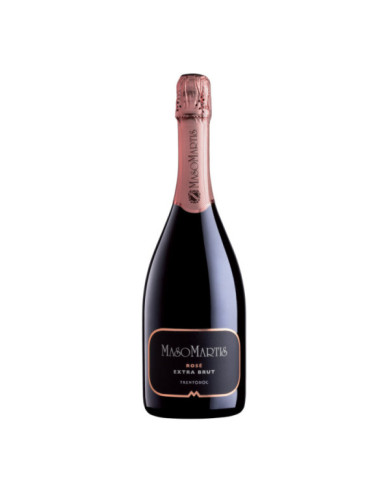
The Trento Spumante Rosé Extra Brut from the Maso Martis family winery is a velvety mountain wine suitable for any convivial occasion. It is made with 100% Pinot Noir grapes and aged for 36 months on its lees. The delicate rosé color and the fine and persistent perlage recall the aromas of small red berried fruit, raspberries, wild strawberries, currants and wild flowers such as violets, with hints of yeast emerging on the finish. The sip is fresh, mineral, refined, elegant, with a long and balanced finish.
€42.58
SKU:
16458
Brand:
Maso Martis
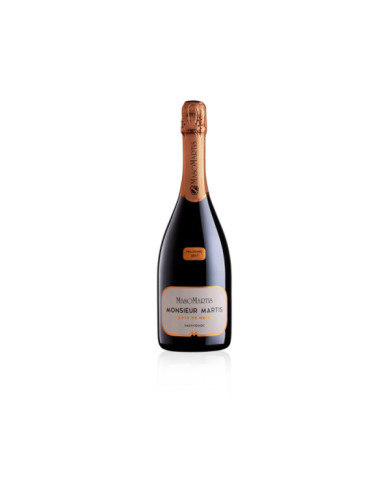
Since the 1980s, Maso Martis has been cultivating Meunier, a vine belonging to the Pinot family, in its 12 hectares of vineyards.
The origin of the name Meunier, in French "miller", derives from the characteristic lower part of its leaf, very downy and apparently whitened with flour.
A much loved vine in France, in Trentino the Meunier is required by the Trentodoc disciplinary but still not widespread in the region. Maso Martis began making full use of this vine with the 1999 harvest, inserting it as a distinctive element of Madame Martis, its most prestigious cuvèe Riserva. In 2020, thirty years after its foundation, the Stelzer family decided to celebrate the anniversary by presenting Monsieur Martis, its Meunier in pure rosé version.
€86.99
SKU:
16425
Brand:
Tre Monti
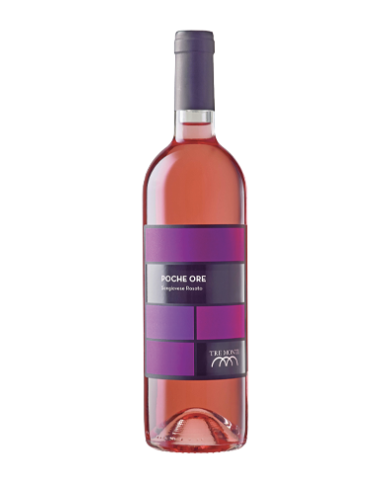
There are “female” rosés and “male” rosés. Here, this is a male rosé, which likes a cold cuts platter more than a fish cruditè. Only 'a few hours', maximum five, on the skins.
€10.15
SKU:
16417
Brand:
Cantina Wilma
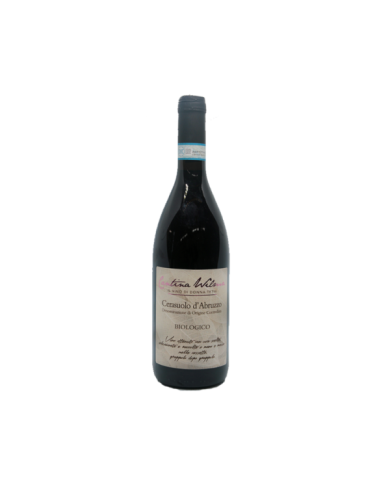
Obtained from native grapes and selected in the harvest. Appearance of intense cherry color with pink reflections. On the palate it is fruity with notes of black cherry and cherry. Pairings: throughout the meal.
€14.64
SKU:
16395
Brand:
Le Marchesine
It is a classic cuvée obtained from Pinot bianco, Pinot nero and Chardonnay grapes harvested by hand in small baskets and vinified within 2 – 3 hours of harvesting. The must obtained ferments for a few days in steel tanks at a controlled temperature (17° – 18°) in order to maintain and preserve the best aromas and flavours. The second fermentation takes place in rooms at a constant temperature, slowly in order to favor the development of minute bubbles. The product has a fragrant scent reminiscent of Acacia flowers and small red berried fruits (raspberry); soft, fresh and lively flavor that rightly lingers in the mouth.
€16.47
SKU:
16394
Brand:
Le Marchesine
It is a classic cuvée obtained from Pinot bianco, Pinot nero and Chardonnay grapes harvested by hand in small baskets and vinified within 2 – 3 hours of harvesting. The must obtained ferments for a few days in steel tanks at a controlled temperature (17° – 18°) in order to maintain and preserve the best aromas and flavours. The second fermentation takes place in rooms at a constant temperature, slowly in order to favor the development of minute bubbles. The product has a fragrant scent reminiscent of Acacia flowers and small red berried fruits (raspberry); soft, fresh and lively flavor that rightly lingers in the mouth.
€15.86
Pairings for rosé wines
Rosé is a very versatile wine, suitable for a wide variety of food pairings. Thanks to its freshness, it lends itself to both informal pairings, such as cheese, pizza, fried foods, and mushrooms, as well as more complex dishes, such as fish.
The best Italian rosé wine
In recent years, rosé wine production in Italy has grown exponentially, producing truly excellent wines that are worth tasting. Rosé originated in Southern Italy, but is now produced throughout the country. Italian rosé wines boast a long tradition; they are fresh and fragrant wines that pair beautifully with the many traditional dishes of our country. Visit the Clickwine rosé wine section to find the best online deals on DOC rosé wines produced by Italy's most prestigious wineries. With our exceptional online sales, you can bring traditional Italian rosé wines to your table, with incredible savings on the list price. Don't miss the opportunity to enrich your personal cellar with a high-quality rosé wine, a unique opportunity to make evenings spent with friends and family even more perfect.
Why is rosé wine pink?
There's a lot of talk about rosé wine. Many believe it's made by blending white and red wines (a practice prohibited by law), and this hasn't helped its reputation.
The color intensity of rosé wine and its aromas are essentially determined by the maceration on the skins of the red grapes used to produce these wines. But what are the colors of rosé wine? Rosé wine can range from pale pink, cherry red, to claret pink. To obtain a pale pink, maceration is required for very few hours, from 2 to 4, while for a cherry red the time can be up to 7-10 hours. For a very bright claret pink, maceration time can be up to 24 hours.
What are the best rosé wines?
Rosé wines can vary greatly in quality, depending on the production region, the grape variety used, and the winemaking techniques. Some highly regarded rosé wines come from France, particularly the Provence region, which produces light, fresh wines with red berry aromas and crisp acidity. Other high-quality rosé wines are produced in Italy, particularly Tuscany and Puglia, and in Spain, which produce more structured wines with greater aromatic complexity. Other regions renowned for their rosé wines include California, Portugal, and Australia.
It's important to note that the quality of a rosé wine depends on production techniques, climate conditions, and the grapes used. Therefore, it's difficult to make a list of the absolute best rosé wines, as it depends on individual tastes and preferences. However, some highly regarded rosé wines are:
- Château d'Esclans Whispering Angel (Provence, France)
- Domaine Tempier Bandol (Provence, France)
- Biserno Insoglio del Cinghiale Estate (Tuscany, Italy)
- Le Pupille Saffredi Farm (Tuscany, Italy)
- Quinta do Crasto Rosé (Douro, Portugal)
- Sandhi Santa Barbara County Rosé (California, USA)
- Penfolds Koonunga Hill Rosé (Barossa Valley, Australia)
It's recommended to try several rosé wines to discover which one you prefer, keeping in mind that some rosé wines are better enjoyed on their own, while others pair better with certain dishes. Generally speaking, rosé wines are ideal for summer, as they're fresh and light, but they can be enjoyed any time of year, depending on your personal taste.
What do you eat with rosé wine?
Rosé wine is a very versatile wine that pairs well with a wide range of dishes. Because it has a slightly lower alcohol content than red wines and a slightly lighter structure, it is particularly suited to accompany light, fresh dishes, such as fish, white meat, and vegetables. Here are some ideas for pairing rosé wine with food:
- Fish: Rosé wine pairs well with light fish such as salmon, tuna, and sea bass, but also with oily fish such as mackerel and squid.
- White meat: Rosé wine is perfect to accompany white meat such as chicken, turkey, and rabbit.
- Vegetables: Rosé wine pairs well with grilled vegetables, especially red berries like tomatoes and eggplant.
- Cheeses: Rosé wine pairs well with light cheeses such as Brie, Camembert, and Roquefort.
- Salads: Rosé wine is perfect for accompanying summer salads, especially when dressed with an emulsion of olive oil and balsamic vinegar.
Rosé wine can also be enjoyed on its own as an aperitif or as an accompaniment to a light meal. In general, it's important to pair rosé wine with light, not overly flavorful foods to prevent the wine from being overpowered by the food's flavors. It's recommended to taste the wine before deciding on a pairing, so you can choose the dish that best complements its aromatic profile and balance.