

 Italiano
 Deutsch







There are no more items in your cart
€10.31
SKU:
15930
Brand:
Tenuta La Chiusa
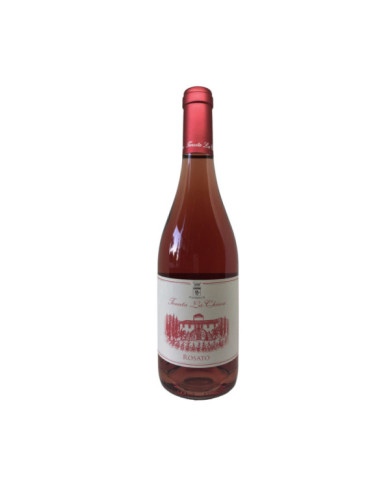
Rosato Elba Doc 2022 is obtained from Sangiovese and Merlot grapes grown on the clayey-ferrous soils of the company. The contact of the must with the skins takes place for at least 12 hours. This is followed by a soft pressing and slow fermentation at a controlled temperature. The result is a cherry-pink colored wine with garnet reflections. The bouquet has hints of English candy, wild strawberries and raspberry. Balanced, fresh, with good persistence with a slight tannic finish. It is the ideal wine for cold cuts, roast meats and grilled pork, but also in summer with panzanella, salads and savory pies.
€19.52
€15.07
SKU:
15919
Brand:
Fattoria Licia
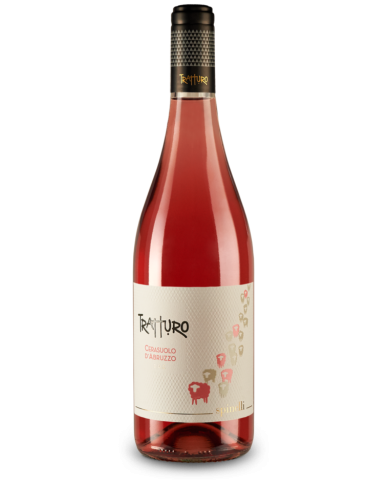
Cerasuolo is a gem that only Abruzzo can offer: a wine produced exclusively from Montepulciano grapes, left unpeeled for a very short time and immediately fermented.
€6.19
SKU:
15918
Brand:
Fattoria Licia
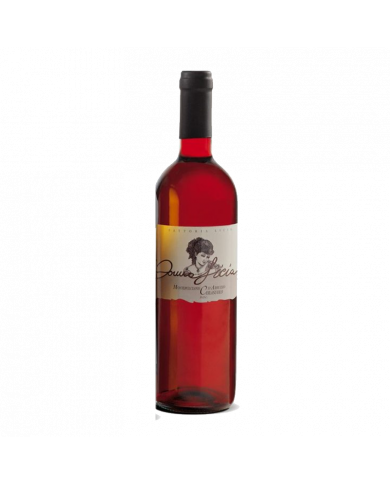
The Rosato "Donna Licia" is a versatile wine, produced mainly with Montepulciano grapes and a small percentage of Chardonnay and other white grapes that allows us to make it more pleasant on the palate and to lower the degree that would be too high for a wine suitable for aperitifs. .
€6.41
SKU:
15900
Brand:
Tiezzi
€12.43
€11.19
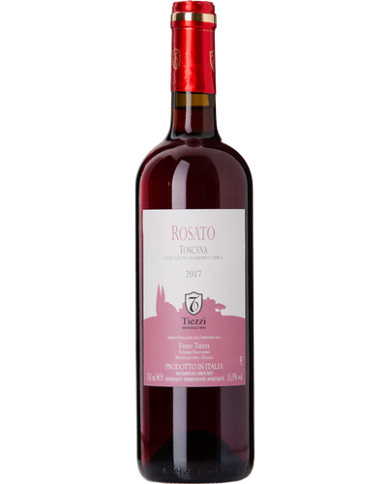
The color of this wine is a bright peach; the nose is delicate and elegant with notes of light pulp fruit, pomegranate and white flowers. Soft, enveloping mouth, moderated by an excellent freshness and a subtle sapidity. It is an excellent product for the whole meal and an elegant companion for a perfect aperitif.
€12.43
€11.19
SKU:
15888
Brand:
Tiezzi
€13.70
€12.33
It is a very juicy wine, with heady aromas and the color of cherry juice
SKU:
15884
Brand:
Tocco d'Italy
In our cellar, between the MORrone and MAJella mountains MORMAJ is born, a rosé wine obtained by spontaneous fermentation, not clarified, is aged in steel tanks. Any deposits on the bottom do not constitute a defect in the wine and do not alter its taste.
€20.67
SKU:
15833
Brand:
Spinelli
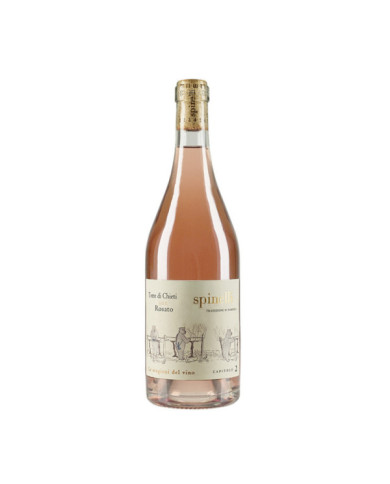
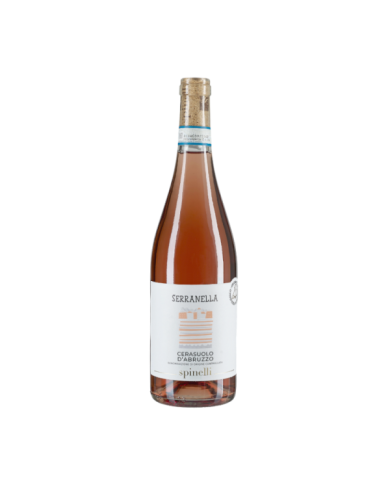
Dull pink color with soft golden hues. Intense fruity aromas, delicate floral notes and nuances of banana and black cherry. With a good structure, it is soft, fresh and balanced. Excellent as an aperitif and perfect with pizza, it is decidedly versatile in combinations at the table. It goes well with both white meats and fish, but it is unsurpassed with fish soup, tripe, fresh cheeses and grilled vegetables.
€15.13
SKU:
15827
Brand:
Spinelli
Cherry red color with bright violet hues. Intense fruity aromas, delicate floral notes and hints of wild berries and black cherry. With a good structure, it is soft, fresh and balanced. Excellent as an aperitif and perfect with pizza, it is decidedly versatile in combinations at the table. It goes well with both meat and fish.
€8.09
SKU:
15820
Brand:
Spinelli
Cherry red color with bright violet hues. Intense fruity aromas, delicate floral notes and hints of wild berries and black cherry. With a good structure, it is soft, fresh and balanced. Excellent as an aperitif and perfect with pizza, it is decidedly versatile in combinations at the table. It goes well with both white meats and fish, but it is unsurpassed with fish soup, tripe, fresh cheeses and grilled vegetables.
€10.25
SKU:
15779
Brand:
San Giusto a Rentennano
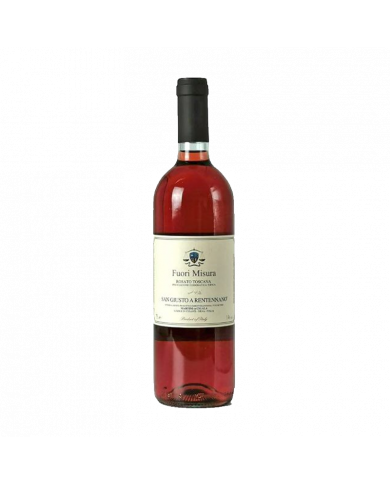
Yield per vine 1 kg, harvest 25-28 September. The wine is obtained by extracting the must from the Chianti Classico, Riserva, Percarlo, Ricolma tanks within 12-24 hours of placing the grapes, and partly with grapes (Merlot, Sangiovese, Canaiolo) harvested early and vinified in white. Slow fermentation at a temperature below 23°C, with the addition of about 15% of de-stemmed grapes. Maturation for 5 months in steel. The wine is subjected to light filtering, so it may have natural sediment. 8,200 bottles bottled on March 20th. Organic wine.
€11.90
SKU:
15718
Brand:
Fattoria La Rivolta
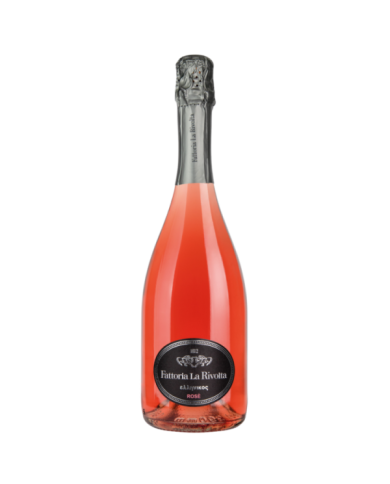
Paolo, Giovanna, Gabriella and Giancarlo: a tireless quartet to say the least, who from harvest to harvest carry on the dream of Fattoria La Rivolta with dedication and passion, with the aim of carving out an important place for themselves within the Campania viticulture. An ambitious path, which passes through each label created: the "Ellenikos", Metodo Martinotti Brut Rosé is no exception, which offers fine aromas to the nose, a prelude to an always satisfying and balanced sip. The perfect Spumante to make an aperitif something special.
€18.91
SKU:
15714
Brand:
Fattoria La Rivolta
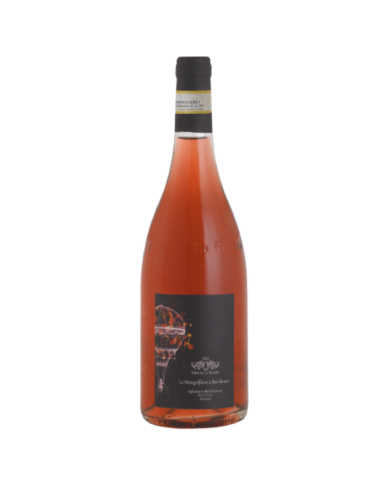
It was October 6, the day of San Bruno was celebrated in the farmyard. Departing from the annual gathering in Fragneto, two multi-coloured hot air balloons land at the edge of the vineyard while the first Aglianico grapes are being harvested. This wine is dedicated to that magical day of celebration and its unforgettable protagonists who look down on us from their stupendous flights.
€16.23
SKU:
15673
Brand:
Dei Principi di Spadafora
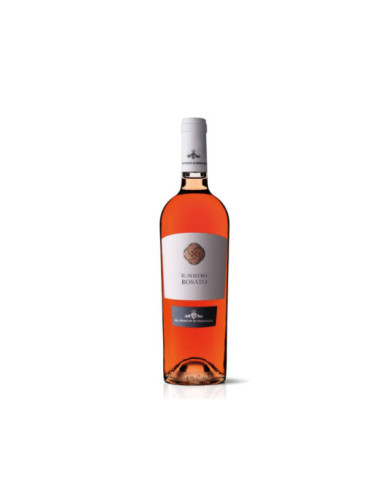
From 100% Nero d'Avola. Fruity and aromatic rosé wine, balanced tannins and the right structure. Cellar: Dei Principi di Spadafora.
€14.27
SKU:
15532
Brand:
Stefano Amerighi
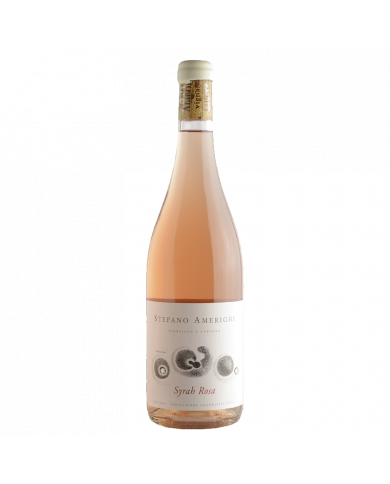
Bright coral pink color, the nose is fruity and with hints that recall red fruit, in the mouth it is round, fresh, characterized by a slight spiciness, and persistent in length.
€15.90
SKU:
15504
Brand:
Francesco Massetti
From 100% Montepulciano grapes, vinified in white with fermentation in cement and 2-3 hours of contact with the skins. Fermentation takes place spontaneously without the addition of selected yeasts. This is followed by an aging of 5 months in concrete. It has a "cirasce" ("cherry" in Abruzzo dialect) color and a very persistent nose with marked hints of blackberries, strawberries and cherries. In the mouth it is intense and persistent with a clear response to the sense of smell.
€24.40
SKU:
15476
Brand:
Cantina Frentana
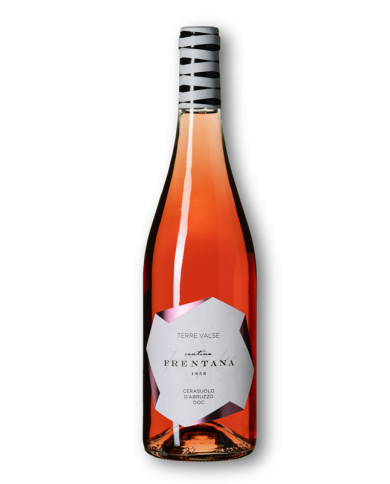
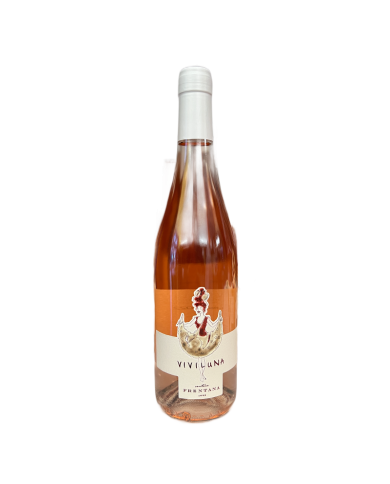
Cerasuolo d' Abruzzo Terre Valse Frentana 2019. Rosé wine produced in Abruzzo with fruity and floral aromas, in particular notes of red fruits are highlighted.
€6.28
€5.03
SKU:
15420
Brand:
Cantina Frentana
Vinification: obtained from 70% red berried grapes and 50% syrah grapes, conferred by local winemakers; vinified with Provençal technique without pressing; transfer of the must to steel tanks where it is kept in stirring for about 7 days at a temperature of 5°C before the start of fermentation at a controlled temperature (16°). Maturation and refinement: subjected to refinement in steel and further storage in the bottle for a couple of months. Organoleptic characteristics: light pink color with a persistent and fruity aroma. The palate is soft, refreshing and grade ole. Longevity in the bottle: 2 or more years, properly stored. Serving temperature: 10-12°C Suggested pairings: it goes well with light fish-based dishes and is ideal when paired with young cheeses.
€11.83
SKU:
15400
Brand:
Alberto Longo
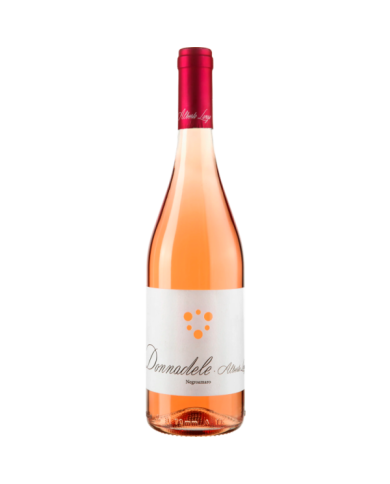
Intense, persistent and fruity rosé wine, with pleasant floral and balsamic notes with a harmonious, sapid and dry flavour.
€9.39
€68.11
€22.95
€20.65
€44.53
Pairings for rosé wines
Rosé is a very versatile wine, suitable for a wide variety of food pairings. Thanks to its freshness, it lends itself to both informal pairings, such as cheese, pizza, fried foods, and mushrooms, as well as more complex dishes, such as fish.
The best Italian rosé wine
In recent years, rosé wine production in Italy has grown exponentially, producing truly excellent wines that are worth tasting. Rosé originated in Southern Italy, but is now produced throughout the country. Italian rosé wines boast a long tradition; they are fresh and fragrant wines that pair beautifully with the many traditional dishes of our country. Visit the Clickwine rosé wine section to find the best online deals on DOC rosé wines produced by Italy's most prestigious wineries. With our exceptional online sales, you can bring traditional Italian rosé wines to your table, with incredible savings on the list price. Don't miss the opportunity to enrich your personal cellar with a high-quality rosé wine, a unique opportunity to make evenings spent with friends and family even more perfect.
Why is rosé wine pink?
There's a lot of talk about rosé wine. Many believe it's made by blending white and red wines (a practice prohibited by law), and this hasn't helped its reputation.
The color intensity of rosé wine and its aromas are essentially determined by the maceration on the skins of the red grapes used to produce these wines. But what are the colors of rosé wine? Rosé wine can range from pale pink, cherry red, to claret pink. To obtain a pale pink, maceration is required for very few hours, from 2 to 4, while for a cherry red the time can be up to 7-10 hours. For a very bright claret pink, maceration time can be up to 24 hours.
What are the best rosé wines?
Rosé wines can vary greatly in quality, depending on the production region, the grape variety used, and the winemaking techniques. Some highly regarded rosé wines come from France, particularly the Provence region, which produces light, fresh wines with red berry aromas and crisp acidity. Other high-quality rosé wines are produced in Italy, particularly Tuscany and Puglia, and in Spain, which produce more structured wines with greater aromatic complexity. Other regions renowned for their rosé wines include California, Portugal, and Australia.
It's important to note that the quality of a rosé wine depends on production techniques, climate conditions, and the grapes used. Therefore, it's difficult to make a list of the absolute best rosé wines, as it depends on individual tastes and preferences. However, some highly regarded rosé wines are:
- Château d'Esclans Whispering Angel (Provence, France)
- Domaine Tempier Bandol (Provence, France)
- Biserno Insoglio del Cinghiale Estate (Tuscany, Italy)
- Le Pupille Saffredi Farm (Tuscany, Italy)
- Quinta do Crasto Rosé (Douro, Portugal)
- Sandhi Santa Barbara County Rosé (California, USA)
- Penfolds Koonunga Hill Rosé (Barossa Valley, Australia)
It's recommended to try several rosé wines to discover which one you prefer, keeping in mind that some rosé wines are better enjoyed on their own, while others pair better with certain dishes. Generally speaking, rosé wines are ideal for summer, as they're fresh and light, but they can be enjoyed any time of year, depending on your personal taste.
What do you eat with rosé wine?
Rosé wine is a very versatile wine that pairs well with a wide range of dishes. Because it has a slightly lower alcohol content than red wines and a slightly lighter structure, it is particularly suited to accompany light, fresh dishes, such as fish, white meat, and vegetables. Here are some ideas for pairing rosé wine with food:
- Fish: Rosé wine pairs well with light fish such as salmon, tuna, and sea bass, but also with oily fish such as mackerel and squid.
- White meat: Rosé wine is perfect to accompany white meat such as chicken, turkey, and rabbit.
- Vegetables: Rosé wine pairs well with grilled vegetables, especially red berries like tomatoes and eggplant.
- Cheeses: Rosé wine pairs well with light cheeses such as Brie, Camembert, and Roquefort.
- Salads: Rosé wine is perfect for accompanying summer salads, especially when dressed with an emulsion of olive oil and balsamic vinegar.
Rosé wine can also be enjoyed on its own as an aperitif or as an accompaniment to a light meal. In general, it's important to pair rosé wine with light, not overly flavorful foods to prevent the wine from being overpowered by the food's flavors. It's recommended to taste the wine before deciding on a pairing, so you can choose the dish that best complements its aromatic profile and balance.