

 Italiano
 Deutsch










There are no more items in your cart
SKU:
15272
Brand:
Kossler
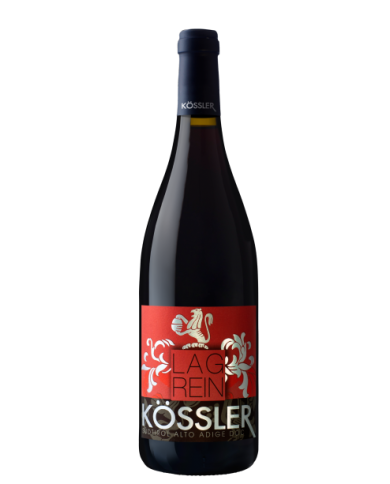
Lagrein is a native variety, from which a wine of great character is obtained. It stands out for its intense red color, its aromas of wild berries and cherry. On the palate it expresses a velvety fullness, enhanced by a soft acidity.
€18.40
SKU:
15271
Brand:
Kossler
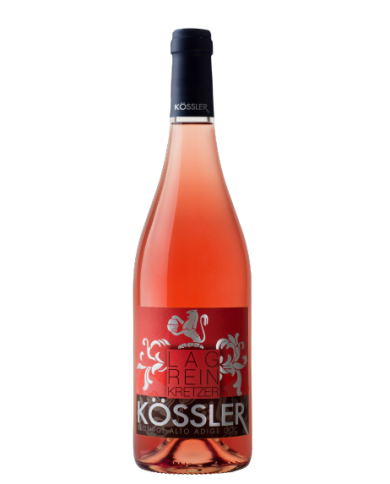
This rosé wine, produced from the Lagrein grape, is typically South Tyrolean, has a rosé color and a pleasantly fruity note that is gaining more and more interest.
€13.01
SKU:
15270
Brand:
Kossler
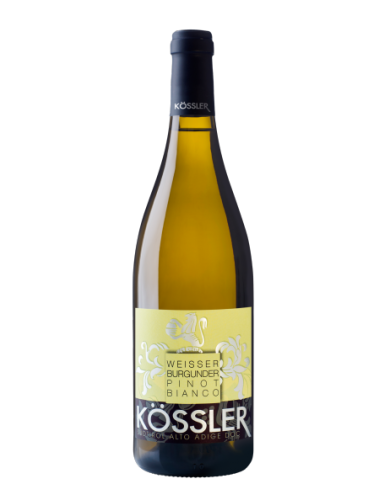
This variety has been cultivated in South Tyrol for a century and has established itself as a reference point for our production. It owes its aromatic complexity to the strong temperature variations between day and night and to the composition of the soil. It is distinguished by its hints of apple, peach, apricot and pear. Very convincing in the mouth with its acidity and minerality, it ranks among the most popular wines of South Tyrol.
€10.00
SKU:
15269
Brand:
Kossler
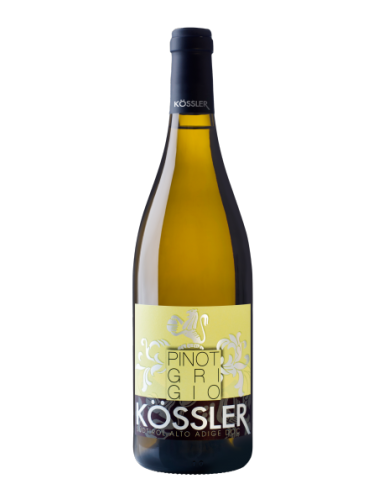
Pinot Grigio, known in Alto Adige as Ruländer, is distinguished by its floral aromas and is characterized by a balanced acidity and a fresh and velvety palate.
€9.89
SKU:
15266
Brand:
Jasci & Marchesani
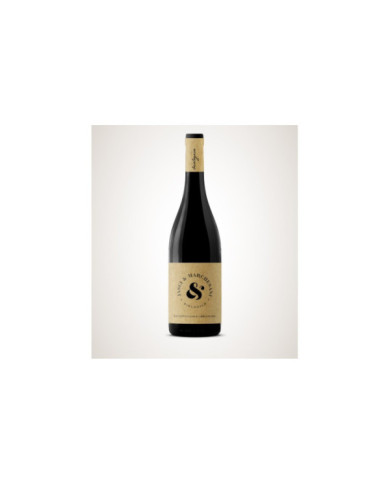
The carefully selected grapes are pressed directly with the aid of inert gases in order to avoid any potential oxidation. The must obtained is clarified with a stop at a low temperature which allows decantation. The clean fraction is sent to fermentation with the addition of a part of skins and indigenous yeasts. During the fermentation phase, regular punching down is carried out which allows the extraction of natural tannins from the peel which preserve the integrity of the wine. At the end of fermentation, the wine obtained is decanted with the aid of inert gases and ages for 3 months on the yeasts that carried out the fermentation, followed by stabilization and bottling.
€10.42
SKU:
15265
Brand:
Jasci & Marchesani
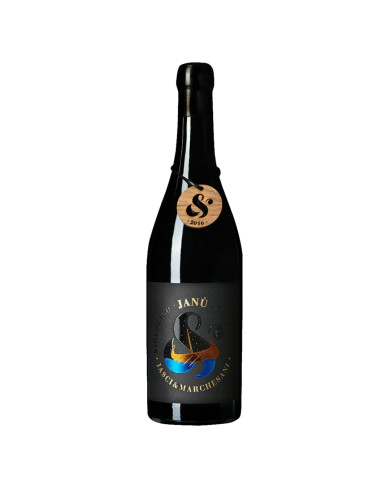
Lo Janù is the top of the range of Montepulcianos of the company. Hand harvesting of the grapes, maceration on the skins for 25 days, vinification in red and aging in double new barrique for 8 months + 8 months. Compact and deep goblet, of a beautiful ruby red. The olfactory reveals an incredible complexity, ranging from hints of dark fruit in alcohol, to toasted notes that recall hazelnuts, to slightly vanilla scents, to beautiful sensations of tobacco and dark chocolate. The sip is full and enveloping, long, pleasantly balanced. Closing on notes of bitter chocolate.
€32.45
SKU:
15264
Brand:
Jasci & Marchesani
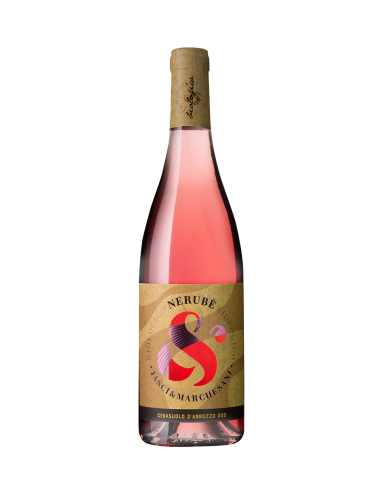
Nerubè is the result of a manual harvest of the grapes, subsequent vinification in red with maceration on the skins for a minimum of 15 days, and aging for 12 months in oak tonneaux.
The glass is intense and deep, with a beautiful ruby red.
The nose expresses all the typicality of the vine, with hints of dark fruit, spices and hints of roasting and cocoa.
The sip is full-bodied, soft and fresh; closes on hints of fruit in alcohol and dark chocolate.
Nice persistence.
€11.90
SKU:
15263
Brand:
Jasci & Marchesani
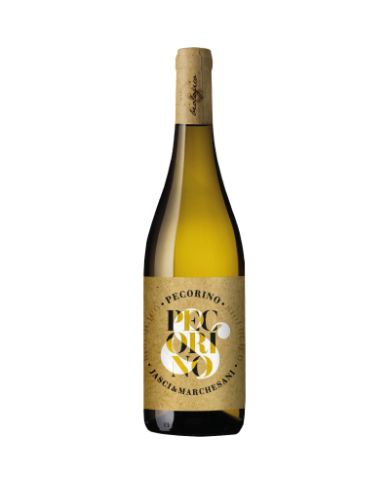
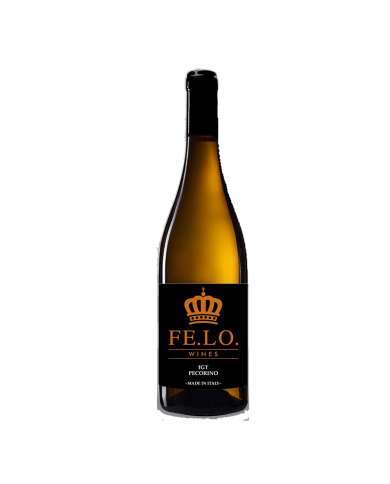
Pecorino is an extremely representative white grape variety for Abruzzo, and Jasci & Marchesani manages to give us a beautiful expression. Hand picked, vinification in white and aging for 6 months in steel vats and bottle.
€11.90
SKU:
15262
Brand:
Jasci & Marchesani
Captivating ruby red, characteristic fruity aromas with hints of vanilla, balsamic vinegar and black olive. Full bodied, powerful, yet very balanced with flavors of mulberry, currant, dark chocolate and a long smoky finish.
€8.87
SKU:
15261
Brand:
Jasci & Marchesani
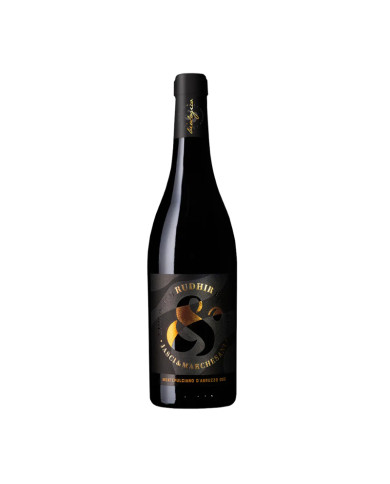
Rudhir is another masterpiece of the Jasci & Marchesani winery which, year after year, proves to be a "Master Cave" for Montepulciano d'Abruzzo. Thanks to Rudhir you go to savor a charismatic, fragrant and intense wine from every point of view. When the word masterpiece is used for a Jasci & Marchesani product, it is not an exaggeration; each bottle is an artistic, pure and sensational brushstroke, which in every sip strikes the soul and heart with the typical scents of the mother vine and those small nuances deriving from the various woods of the barrels. The Rudhir vinifies for 18 months in oak barriques and ends its journey after a further two years in the bottle, before being marketed therefore, explosions of flavours, aromas and aromas are the order of the day with a bottle of this bill. His warm and welcoming heart is a "trademark" and is capable of generating an approving smile even on the face of a drinker with a difficult palate.
€17.92
SKU:
15260
Brand:
Jasci & Marchesani
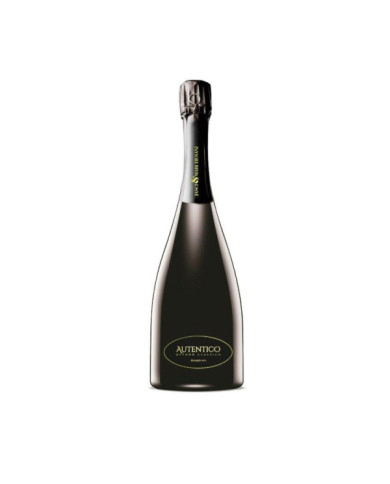
Autentico is a classic method sparkling wine. White vinification at controlled temperature 16 °C. Second fermentation in the bottle at 14 °C. Bottling takes place in the first week of December of the year following the harvest. This is followed by 48 months of permanence on the lees in the bottle.
€34.38
SKU:
15259
Brand:
Jasci & Marchesani
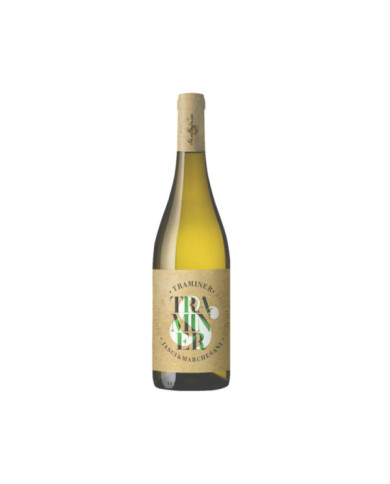
Manual harvest of the grapes for this Traminer, vinification in white and aging for 3 months in stainless steel barrels and bottle.
The glass is a pale straw yellow, very bright.
The nose opens with crunchy hints of green apple, flanked by slightly citrine notes and floral puffs of small white flowers.
Dry, fresh and with good softness, it pleasantly accompanies the meal and satisfies the palate.
€9.64
SKU:
15258
Brand:
Jasci & Marchesani
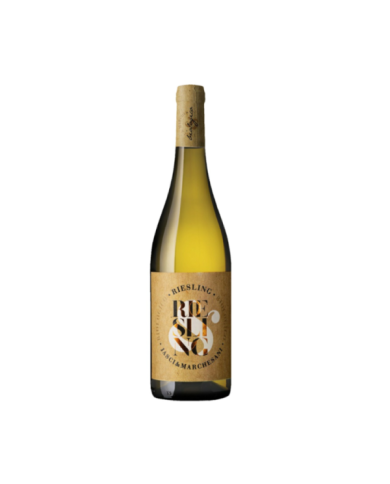
Riesling is a typical vine of northern Italy, Germany and Alsace; Jasci & Marchesani decided to bet on this vine and won the bet in full. A unique product, whose grapes are harvested strictly by hand, processed through vinification in white and finally aged for 6 months in steel barrels and bottles.
€10.15
SKU:
15257
Brand:
Jasci & Marchesani
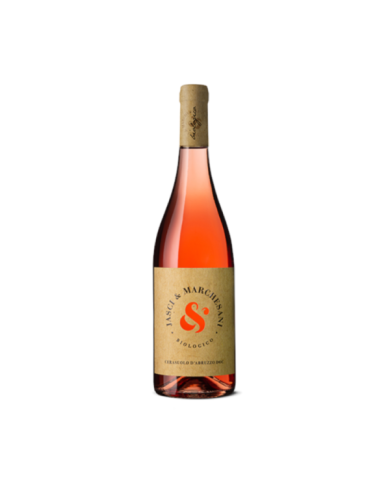
Produced from Montepulciano grapes. Cherry red color with purplish-red hues. Fruity aroma with hints of cherry and strawberry, on the palate it is fresh and fruity, full-bodied with an aftertaste of bitter almonds.
€10.31
SKU:
15256
Brand:
Jasci & Marchesani
The Trebbiano d'Abruzzo white wine from the Masciarelli winery is obtained exclusively from the processing of Trebbiano grapes. For over 40 years this winery has been one of the best realities in Abruzzo that starts from a deep passion for work in the vineyard and for the enhancement of the territory. The vines are grown on the hills overlooking the sea on clayey soils rich in mineral salts which ensure luxuriant growth and the production of very delicious bunches with a unique flavour. This translates into quality wines that are easy to drink. The harvest begins in late autumn when the bunches have reached the right degree of ripeness. The vinification takes place in steel tanks for a limited period to then proceed with the maturation and refinement directly in the bottle. The result is a wine of medium body and structure which can also be drunk young and which is characterized by delicate aromatic notes of fruit and light hints of spice. Excellent for spending convivial moments with friends.
€8.30
SKU:
15255
Brand:
Jasci & Marchesani
Cherry red in colour, the nose is fruity, vinous, with hints of wood. The flavor is harmonious and tender.
€13.66
SKU:
15254
Brand:
Nativ
€15.37
€13.07
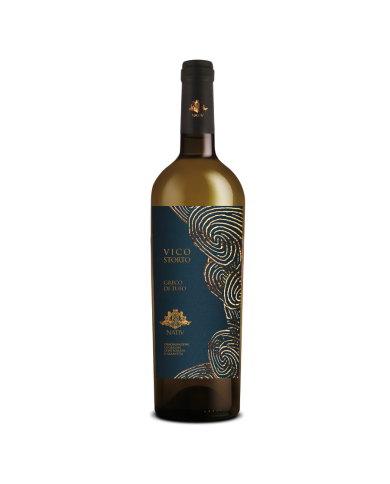
Ancient vine introduced by the Greeks along the Tyrrhenian coasts, whose name derives from the characteristic shape of the bunches, whose grapes are grouped in pairs, from which the name Aminea Gemina derives. The mineral-rich soil, typical of the Greco cultivation area, is particularly suitable for this grape variety and this gives the wine its characteristic sapidity.
€15.37
€13.07
SKU:
15253
Brand:
Nativ
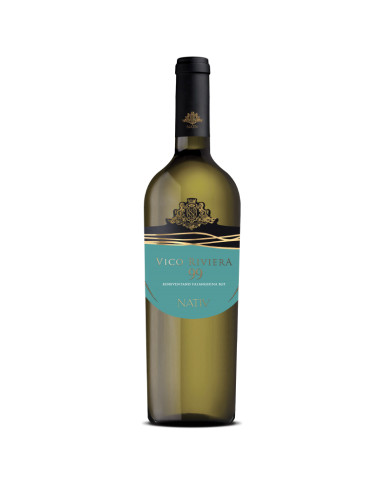
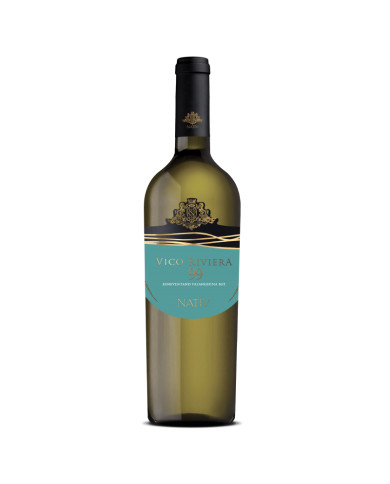
Vico Riviera N° 99 Falanghina Beneventano IGT Ancient vine whose name seems to derive from the fact that the vine, with an expanded habit, was tied to support poles called "falanga" and therefore Falanghina or "vine supported by poles".
€8.20
€6.97
SKU:
15250
Brand:
Himmelreich
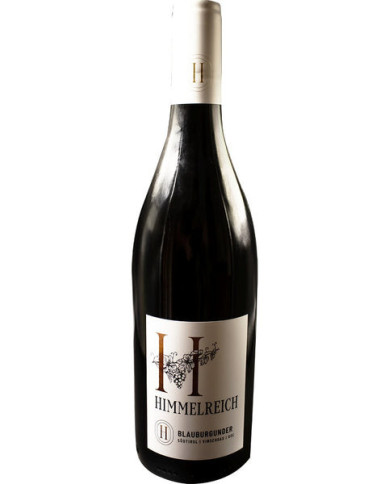
Pinot Noir from the Himmerleich winery is an excellent red wine from Val Venosta produced with grapes from the homonymous vine. The vines are cultivated in an environmental condition that is particularly congenial to them, on the land of Monte Sole at an altitude of about 650 m slm Here the sun makes its presence for 250 days a year, and counterbalances the temperature range of the relatively high position . This perfect temperature play between day and night gives the grapes an unmistakable character. The very elegant and caressing Pinot Noir is the only one that acquires the noble title, in the assortment of red wines from the Himmelreich cellar. In the glass it enchants with its intense iridescent ruby red colour. The nose seduces with its delicious scented bouquet of red berried fruits such as berries and wild strawberries, as well as a delicate but unmistakable aroma of Madagascar vanilla. On the palate it is rich and balanced, with a perfect and pleasant structure. A great classic red wine that goes perfectly with feathered and furred game, with steaks and braised meats cooked to perfection.
€26.84
SKU:
15249
Brand:
Himmelreich
The classy version of the now timeless Riesling: with the "Geieregg" the Himmelreich estate presents the luxury version of its classic white wine. Once poured into the glass, a bright yellow color can be seen adorned with greenish reflections. The nose is captivated by a mature and complex bouquet, consisting of fresh pineapple, sweet peach and grapefruit. "Geieregg" reveals a decidedly full-bodied and juicy mineral taste, supported by deep persistent mineral notes on the palate. It is not only an excellent accompaniment for light appetizers, but also for fish and seafood dishes. By virtue of the particularly refined taste, given by its accentuated minerality and its bouquet, it is in excellent harmony with Asian cuisine.
€36.89
SKU:
15248
Brand:
Himmelreich
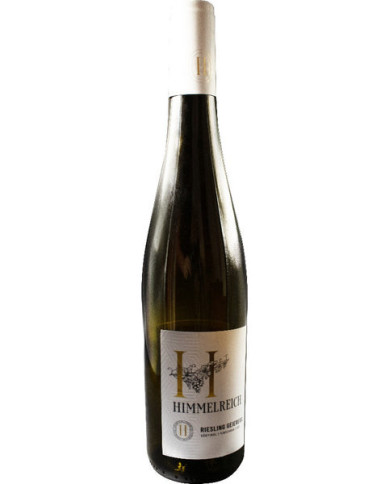
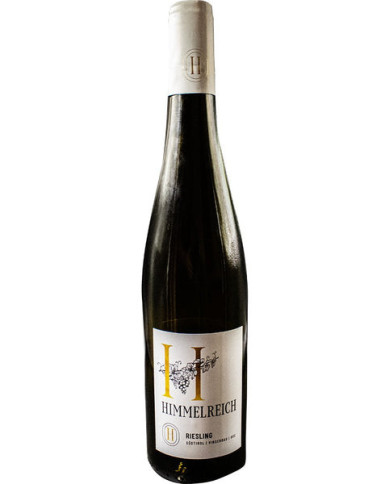
This Riesling is an excellent white wine produced with grapes from the homonymous vine that grows in Val Venosta. The vines are grown on Monte Sole, where there is less rainfall than the entire western area of Alto-Adige. These particular climatic conditions, and the composition of the morainic soils, give the wines of the Himmelreich cellar their unique and unmistakable character. Its robe is of a bright yellow colour, with intervals of greenish reflections. As it enters the glass, Riesling releases a multifaceted bouquet, the first scent that is perceived is sweet and ripe yellow peach. Notes of pineapple with the right point of ripeness, prickly pears and fresh grapefruit follow immediately afterwards. As it passes, the palate is filled with minerality, its juicy and exotic taste is incomparably mineral and refreshing. This fresh white wine with a delicious taste goes perfectly with light appetizers, fish in general and seafood, but is also perfect with Asian dishes.
€24.05
SKU:
15247
Brand:
Himmelreich
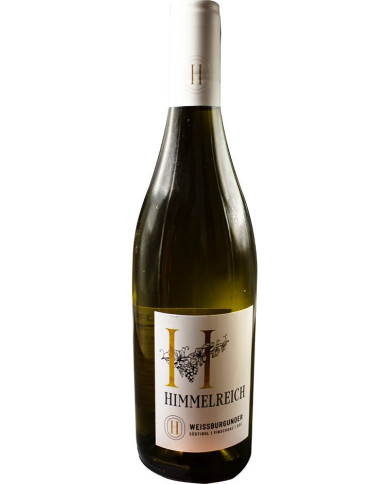
On behalf of the Himmelreich winery, Markus Fliri presents a Pinot Blanc with a strong character and natural charm. The bright yellowish-greenish color hides a characteristic fruity aroma of pear, apple and delicate citrus notes. Compact, fresh and crunchy: this is how the taste profile of Pinot Blanc presents itself, which is, at the same time, enriched by fine mineral notes. This wine is excellent when combined with light appetizers, lightly fried fish and spicy poultry.
€20.25
SKU:
15246
Brand:
Himmelreich
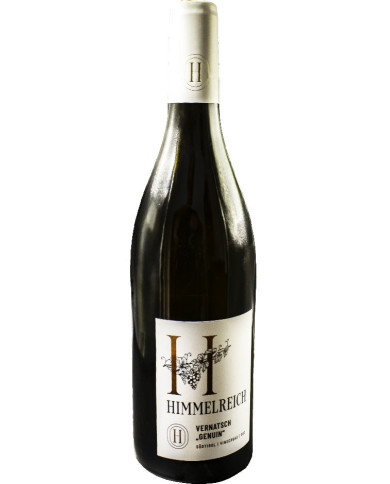
Genuin is a genuine and authentic albeit atypical red wine. Its essence has a thousand facets, and can be savored intensely, revealing its liveliness.
These stupendous qualities are due to the excellent components of the terroir of morainic origin, and to the special temperature range deriving from the presence of Monte Sole.
In the glass its color has a splendid bright red robe. The aromas of raspberries and red cherry arrive intoxicating to the nose, with faint notes of almond, and hints of wild flowers.
A sip capable of conquering and satisfying the palate. Excellent glass to serve in combination with roasts, red meats and medium-aged cheeses.
€18.91
€7.93
€7.93
€9.52
€7.93
€7.93
€7.93
SKU:
15237
Brand:
Nativ
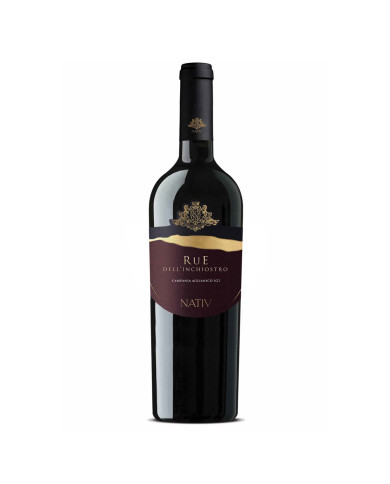
Rue dell'Inchiostro Campania Aglianico IGT Grape introduced by the Greeks along the Tyrrhenian coast, at the time of the foundation of their colonies (VII-VI aC ); this could explain the presence of synonyms of Ellenico, Ellanico then changed into Aglianico. The name deriving from the combination between Rue, the typical name attributed to the streets of Paternopoli following the passage of French domination and "ink" which better defines the characteristic deep purple of the wine.
€8.97
SKU:
15236
Brand:
Nativ


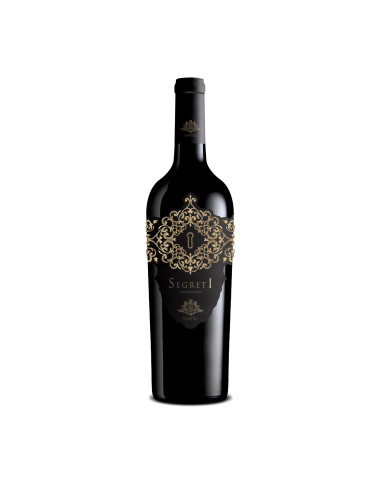
Secrets… from 100% Aglianico Nero grapes, from volcanic lands in the districts of Valle del Ceraso and Fontana Marena, in the countryside of Paternopoli from an unusual November harvest. Macerates and ferments with its own yeasts, then in seasoned oak wood for a year and a half, waiting for six months in the bottle... it is a generous wine in its most authentic organoleptic values.
€97.60
SKU:
15235
Brand:
Nativ
Ancient vine introduced by the Greeks along the Tyrrhenian coasts, whose name derives from the characteristic shape of the bunches, whose grapes are grouped in pairs, from which the name Aminea Gemina derives. The mineral-rich soil, typical of the Greco cultivation area, is particularly suitable for this grape variety and this gives the wine its characteristic sapidity.
€15.90
SKU:
15234
Brand:
Nativ
Ancient vine, of which we find the first traces in Pliny the Elder; the Apian grapes, from which the name of today's Fiano derives, were characterized by an intense sweetness and therefore particularly loved by bees.
€15.37
SKU:
15233
Brand:
Nativ
Vico Riviera N° 99 Falanghina Beneventano IGT Ancient vine whose name seems to derive from the fact that the vine, with an expanded habit, was tied to support poles called "falanga" and therefore Falanghina or "vine supported by poles".
€8.20
SKU:
15232
Brand:
Nativ


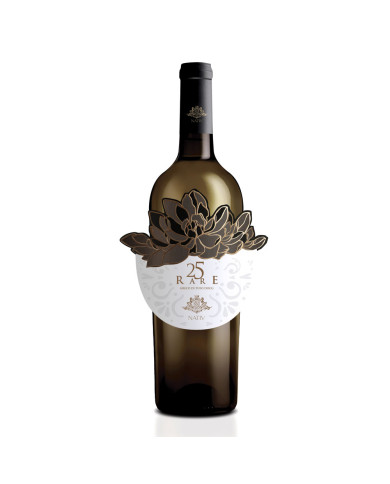
So called because there are so many "grade: rare" steps that connect the historic center of Paternopoli to the part completely rebuilt after the 1980 earthquake
€17.42
SKU:
15231
Brand:
Nativ
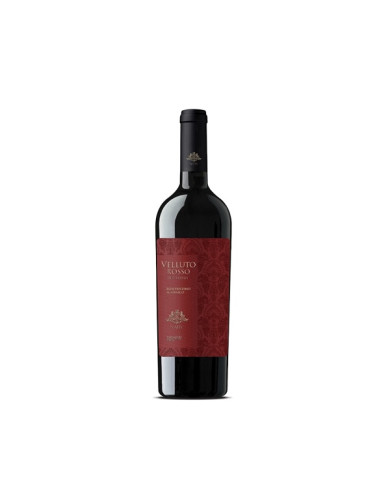
The name "Velluto Rosso" was chosen thinking of the organoleptic characteristics of the wine: soft on the palate and such as to suggest velvet, a fabric that causes a sensation of irresistible softness to the touch. The red color of the label reminds us of a bunch of grapes and the damask is in perfect harmony with the Nativ style.
€11.21