

 Italiano
 Deutsch









There are no more items in your cart
SKU:
15087
Brand:
Davide Fregonese
Full, intense, fresh and mineral. Etna bianco is produced with grapes from Carricante vines (with small percentages of other native varieties). The vineyards are grown in Montedolce and Solicchiata, on volcanic soil at an altitude of 730 - 750 m slm with north, north-east exposure. The harvest takes place in mid-October, the vinification takes place by direct pressing, followed by fermentation in stainless steel tanks for a period of about 15 days. Refinement always in steel, on fine lees for about 5 months with weekly battonage. In the glass it shows a beautiful paglierino.Pieno yellow color. Full, intense, fresh and mineral. Aromas of white-fleshed fruits arrive on the nose, with hints of Mediterranean aromatic herbs. Mineral, fresh and intense taste, with a full, savory and persistent finish. It goes perfectly with seafood first courses, is perfect with fried fish and excellent with sea bream cooked in coarse salt.
€20.18
SKU:
15086
Brand:
Davide Fregonese
Intense and refined nose, candied cherry, wild herbs and minerals, bush and wet stone, hints of white pepper on the finish. Debut vintage, certainly a good start given the particularly lucky vintage. Davide Fregonese's Etna seeks the elegance he loves from Piedmont, opting for vinifications that are able to grant beauty and finesse.
€34.99
SKU:
15085
Brand:
Davide Fregonese
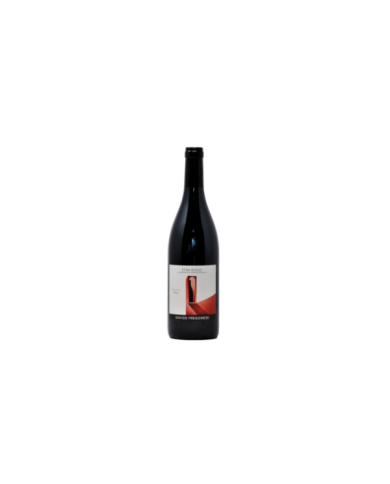
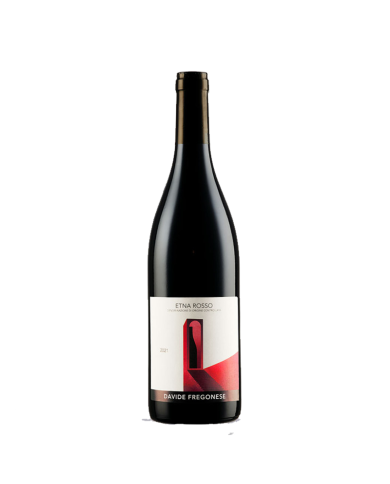
Intense and vinous nose, notes of ripe fruit and Mediterranean scrub. The vines are grown in the Montedolce/Solicchiata district, on the North East side of Etna: a very generous volcanic terroir that gives elegance and structure to Nerello Mascalese (with small percentages of other native varieties). The splendid vineyards are cultivated with an espalier training system, at an altitude of 730/750 m slm , with a north, north-east exposure. The harvest takes place in mid-October, the fermentation takes place in stainless steel tanks for a period of about 10 days, with daily pumping over and a délestage in the middle of the period, and always aging in steel. Ruby red in color to the eye, Sicilian Nerello Mascalese tells the territory with intensity; the savory and mineral sensations given by the volcanic lands stand out in particular. The nose is intense and vinous, with fruity hints of ripe fruit, with the fresh boost of rhubarb and Mediterranean scrub, accompanied by notes of resin and oriental woods. The taste is decidedly succulent, pleasantly progressive, with perfect acidity and delicate tannins, and a persistent and savory finish. Perfect in combination with first courses seasoned with meat sauce and stuffed baked pasta; also excellent to accompany mushroom soup, sausage with gravy and Wellington-style fillet.
€20.18
SKU:
15081
Brand:
Camillo Montori
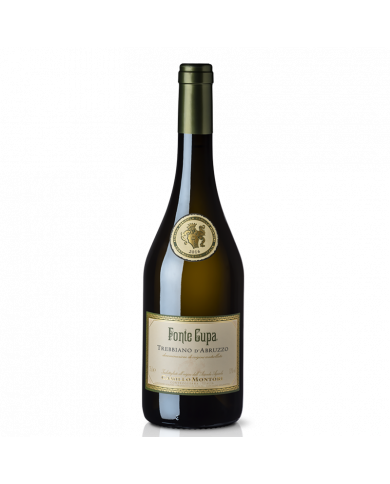
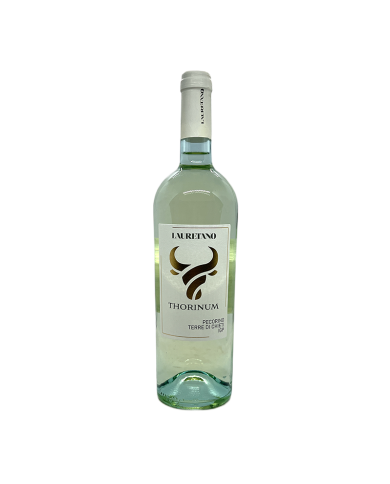
Brilliant in color with pale greenish-yellow reflections. The bouquet is very fine, fruity, with a hint of ripe apple characteristic of the vine of origin. Pleasantly fresh taste on the palate, it maintains an aromatic and gustatory persistence.
SKU:
15080
Brand:
Strappelli
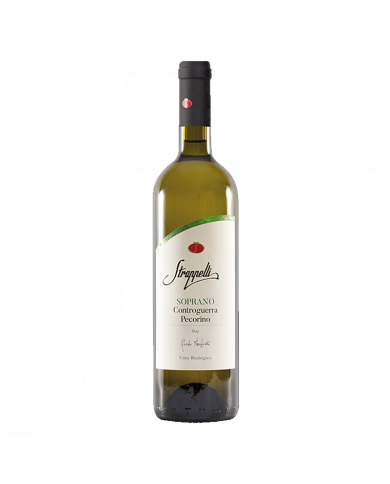
Our Pecorino Soprano Strappelli comes from a rather young vine of about 20 years. It is the earliest of the white vines; its harvest during the first week of September opens the dances of the grape harvest. The name Soprano was born to associate the strong voice of the Soprano with the strong character of Pecorino.
SKU:
15078
Brand:
Strappelli
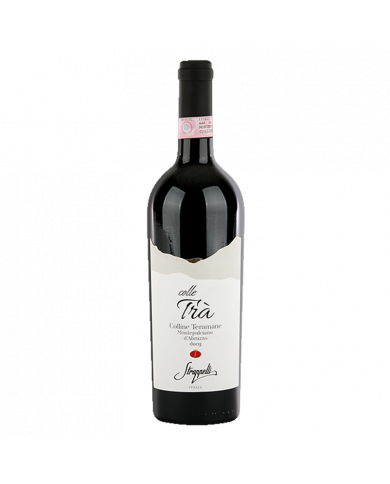
Our Montepulciano d'Abruzzo Colline Teramane docg “Colle Trà” also comes from the traditional R7 clone of the Teramo Hills. Its production starts with a careful selection of the grapes, and then undergoes a long maceration phase in the cellar triggering a spontaneous fermentation with indigenous yeasts. A stop in oak barrels for 18 months represents the last phase before the refinement in the bottle.
€29.48
SKU:
15077
Brand:
Terre d'Erce
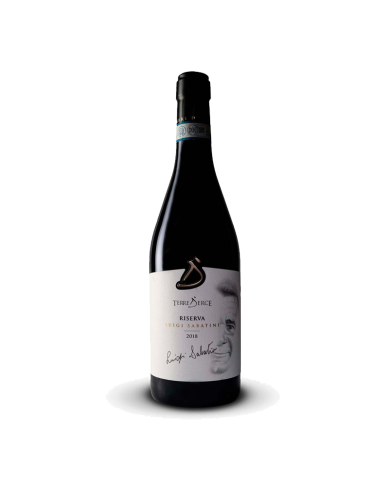
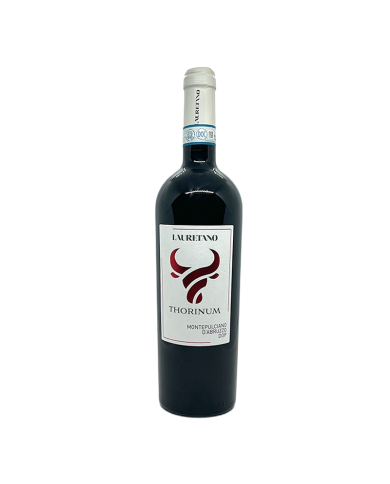
Montepulciano DOC100% with vineyards on the hills, with clayey soils that tend to be calcareous. The breeding is pergola Abruzzo with thirty-year vines, 1600 vines per hectare with a yield of 100 q.
€28.55
SKU:
15069
Brand:
Carpineto
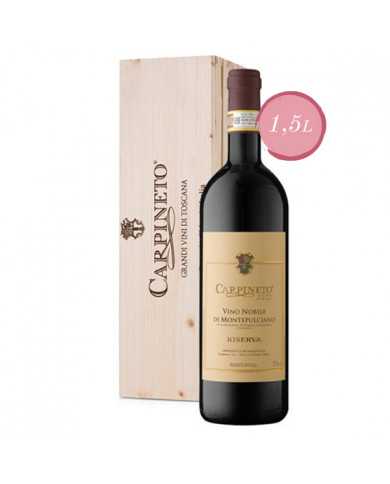
A great red wine, it takes its name from Montepulciano, a Renaissance city in the province of Siena, which dominates the wide and verdant Valdichiana from the top of a hill. The appellation of "Nobile" seems to derive not only from its intrinsic qualities of finesse and elegance, but also from the fact that in the past the production of this wine was particularly cared for by the noble families of the city.
€110.40
SKU:
15063
Brand:
D'Alfonso del Sordo
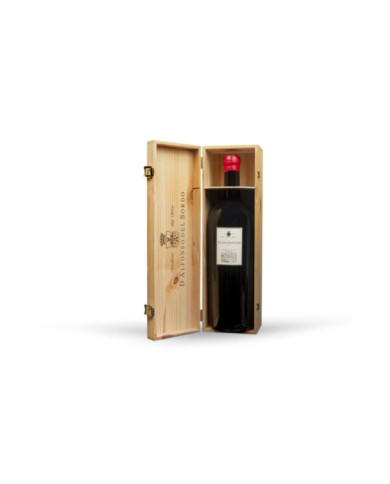
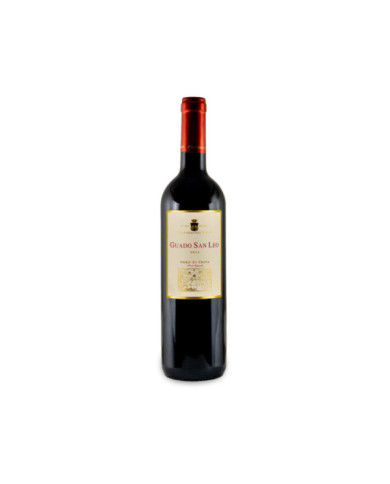
GUADO SAN LEO is the first wine of our company obtained solely from NERO DI TROIA grapes and has contributed together with other Apulian wines to the rebirth of this important vine. The grapes, coming from our "Coppanetta" estate, are harvested by hand in 15 kg boxes before being sent for vinification. with scrupulous selection.
SKU:
15061
Brand:
D'Alfonso del Sordo
The hot year with little rain has delivered healthy and ripe grapes which translates into a wine of intense color, the scarcity of rain combined with high temperatures has led to a lowering of the acid content giving the wines characteristics of intensity, alcohol and roundness , with precise and blended tannins. Also for this vintage it was necessary to anticipate the harvest by a few weeks to avoid water stress phenomena on the plants. The overall results are however very interesting due to the general balance we find in the wines produced in this vintage.
€24.71
SKU:
15060
Brand:
D'Alfonso del Sordo
GUADO SAN LEO is the first wine of our company obtained solely from NERO DI TROIA grapes and has contributed together with other Apulian wines to the rebirth of this important vine. The grapes, coming from our "Coppanetta" estate, are harvested by hand in 15 kg boxes before being sent for vinification. with scrupulous selection.
SKU:
15059
Brand:
D'Alfonso del Sordo
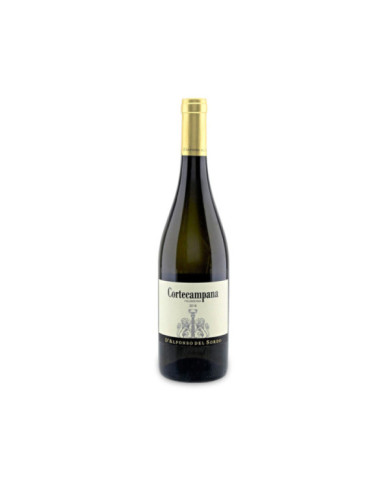
It has a brilliant straw yellow color with a thin perlage. The bouquet expresses fruity notes of apple, peach and orange.
€15.60
SKU:
15058
Brand:
D'Alfonso del Sordo
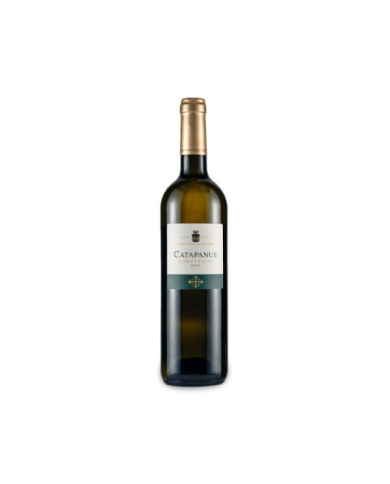
CATAPANUS was the name of the ancient provincial delegate of the emperor, in charge of the military and civil government of the whole of southern Italy in the Byzantine period. We wanted to dedicate our most important white grape variety in our area to this authoritative figure: BOMBINO BIANCO
€12.36
SKU:
15057
Brand:
D'Alfonso del Sordo
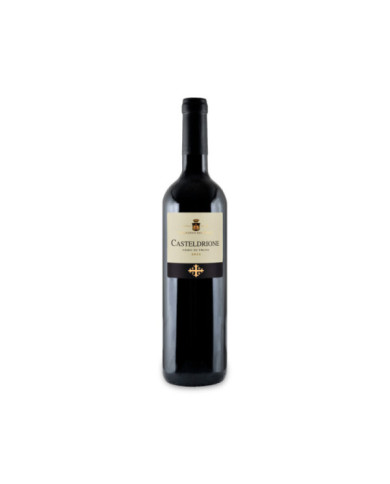
Legend has it that Diomedes, after marrying Driona, daughter of King Dauno, had a small temple with an altar dedicated to Calchas built on a low hill called Drion. In this place called Castrum Drionis or CASTELDRIONE the city of San Severo will rise.
€12.36
SKU:
15056
Brand:
D'Alfonso del Sordo
The sound of the bell has always marked important moments in the life of the populations: in fact, in rural areas, the sound of the bell often indicated the moment of pause in which the peasants stopped working to consume their meal. Even today, in many ancient Apulian farms, we can see in the central space called "court", the presence of a small bell.
€11.70
SKU:
15055
Brand:
D'Alfonso del Sordo
DAMMIROSE was born from the desire to give ever greater expressiveness to a vine that we can now define as the main one within the Apulian regional ampelography. In fact, NERO DI TROIA, even in rosé vinification, is very versatile, giving the wines exclusive characteristics.
€11.70
SKU:
15054
Brand:
D'Alfonso del Sordo
MONTERO was born from the union of the terms Montepulciano and San Severo and wants to underline the strong bond of this important vine to our territory. MONTERO is one of the first labels put on the market by our company in the 1960s. The current blend, in addition to the presence of Montepulciano, includes a small percentage of Cabernet Sauvignon which manages to better soften the vigorous tannins and make the aromatic spectrum more complex.
€9.88
SKU:
15053
Brand:
D'Alfonso del Sordo
POSTA ARIGNANO is the name of the ancient farmhouse that stands in the center of the "Coppanetta" estate where, in ancient times, travelers who crossed the Daunia lands found refreshment and very often also the shepherds in transhumance from nearby Abruzzo. Today the farm is surrounded by about 30 hectares. of vineyards that give rise to most of our labels.
€9.10
SKU:
15052
Brand:
D'Alfonso del Sordo
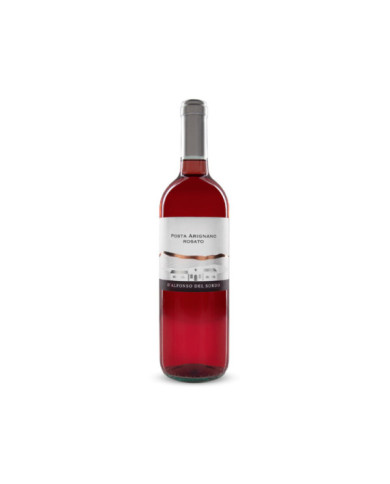
POSTA ARIGNANO is the name of the ancient farmhouse that stands in the center of the "Coppanetta" estate where, in ancient times, travelers who crossed the Daunia lands found refreshment and very often also the shepherds in transhumance from nearby Abruzzo. Today the farm is surrounded by about 30 hectares. of vineyards that give rise to most of our labels.
SKU:
15051
Brand:
D'Alfonso del Sordo
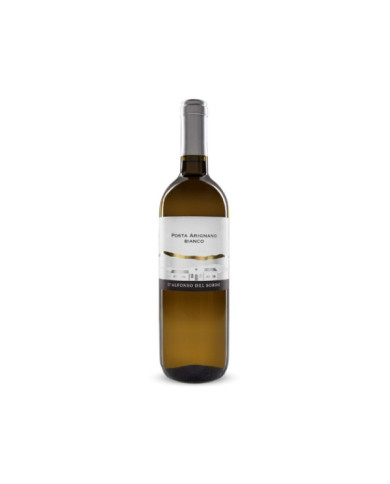
POSTA ARIGNANO is the name of the ancient farmhouse that stands in the center of the "Coppanetta" estate where, in ancient times, travelers who crossed the Daunia lands found refreshment and very often also the shepherds in transhumance from nearby Abruzzo. Today the farm is surrounded by about 30 hectares. of vineyards that give rise to most of our labels.
SKU:
15050
Brand:
D'Alfonso del Sordo
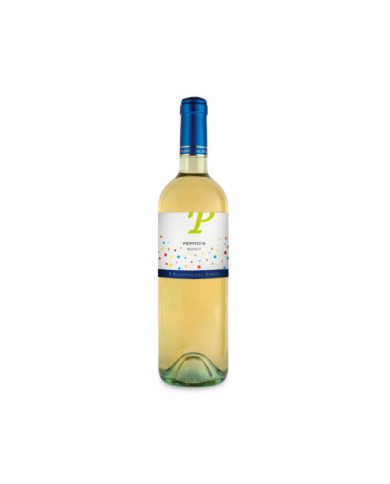
The white bombino also lends itself easily to the production of lively and sparkling wines, thanks to its acidic vein which allows to obtain fresh and fragrant wines. PEPITO'S is proof of this: Fresh and delicate, characterized by a pleasant perlage, very cold it is an excellent aperitif, but also a pleasant accompaniment to fish and shellfish dishes.
€7.14
€6.42
€23.79
SKU:
15043
Brand:
Cantina Madonna di Loreto
Trebbiano d'Abruzzo DOP has an intense straw yellow colour; the nose is characterized by intense and delicate aromas; on the palate it is sapid, velvety, harmonious.
€4.44
€3.77
SKU:
15042
Brand:
Cantina Madonna di Loreto
The color is straw yellow with greenish notes, the fruity scent with citrus notes, persistent. Good structure, excellent freshness, full and intense flavour. Excellent as an aperitif, it accompanies all fish-based dishes revealing a predilection for shellfish and seafood, even raw.
€8.72
SKU:
15041
Brand:
Cantina Madonna di Loreto
Intense ruby red color with violet reflections, a cherry aroma and a delicate touch of spice: a generous and authentic award-winning Montepulciano d'Abruzzo, to be enjoyed slowly
€8.72
SKU:
15040
Brand:
Cantina Madonna di Loreto
The grapes are harvested by hand and crushed-destemmed and the must is left in contact with the skins for about 8 hours and then vinified in white. It is then left to ferment at a controlled temperature in stainless steel where it remains until January / February, when it is bottled.
€4.44
€3.77
SKU:
15039
Brand:
Cantina Madonna di Loreto
With a pale straw yellow color, a fresh bouquet, with tropical nuances that blend with elegant floral scents. The flavor is full, with a good structure and a long persistence with mineral notes. We recommend pairing with fish, white meats and cheeses.
€4.44
€3.77
SKU:
15038
Brand:
Cantina Madonna di Loreto
Montepulciano d'Abruzzo PDO is distinguished by an intense ruby red color which tends towards garnet with ageing; the scent is floral and fruity, with hints of ripe red fruits and spices; the taste is full, dry, harmonious and rightly tannic.
€4.44
SKU:
15036
Brand:
Villese
name "Nerie" is linked to the name of a brave Etruscan leader. In the archaeological excavations carried out in Villalfonsina in 1914, many artifacts were found that highlight the presence in the 6th-5th century BC of trade with the Etruscan area. Among others, bronze statuettes depicting a knight on horseback and a red impasto olla bearing the silhouette of the same knight and the inscription “ne” (probable abbreviation of the individual name Nerie). The label of our “Nerie” is inspired by a bronze disc with the aforementioned rider on horseback in relief. The wine has an intense ruby red color with garnet reflections. Intense, characteristic aroma, typical of the grape, full and robust body with well balanced tannic component to the taste of wood, harmonious.
€7.81
SKU:
15035
Brand:
Cantine De Luca
Straw yellow color with greenish reflections, it begins on the nose with intense and pleasant aromas with notes of white-fleshed peach and tropical fruit, while on the palate it develops a full sapidity accompanied by a great minerality.
€10.78
€9.71
SKU:
15032
Brand:
Carpineto
Produced in the oldest production area, as stated in the disciplinary that regulates it, this area gave its name to the wine and is the only one where Chianti Classico is produced. It extends between Florence and Siena in a territory of breathtaking beauty, made up of villages perched on the top of the hills, of olive trees cultivated in steep fields with an irregular outline and of cypresses lined up to delimit the innumerable dirt roads.
€89.67
SKU:
15029
Brand:
Carpineto
Produced in the oldest production area, as stated in the disciplinary that regulates it, this area gave its name to the wine and is the only one where Chianti Classico is produced. It extends between Florence and Siena in a territory of breathtaking beauty, made up of villages perched on the top of the hills, of olive trees cultivated in steep fields with an irregular outline and of cypresses lined up to delimit the innumerable dirt roads.
€86.01
SKU:
15024
Brand:
Carpineto
Produced in the oldest production area, as stated in the disciplinary that regulates it, this area gave its name to the wine and is the only one where Chianti Classico is produced. It extends between Florence and Siena in a territory of breathtaking beauty, made up of villages perched on the top of the hills, of olive trees cultivated in steep fields with an irregular outline and of cypresses lined up to delimit the innumerable dirt roads.
€51.24
SKU:
15020
Brand:
Contadi Castaldi
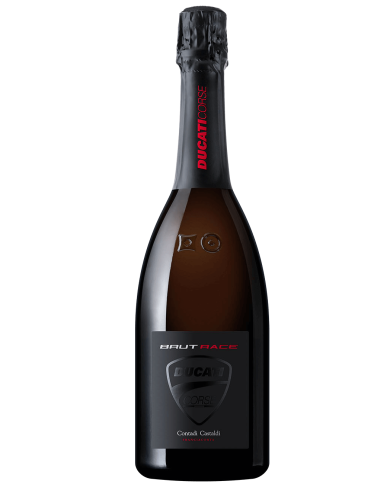
A wine that celebrates Ducati yesterday and today. Who knows how to tell his uniqueness and the extraordinary ability to arouse emotions. A Franciacorta with expressive, dynamic, agile, sinuous aromas like a crease, with a fresh, vertical, energetic and powerful character.
€23.95
SKU:
15016
Brand:
Contadi Castaldi
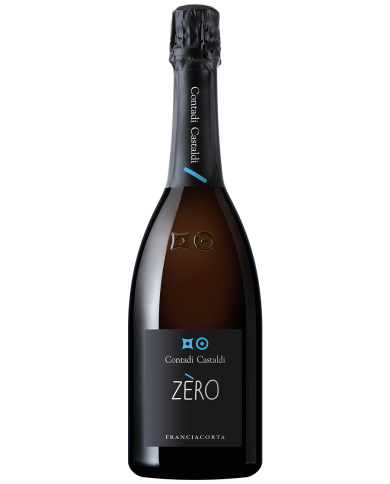
Zero, in mathematics, is the extreme limit of numbers, it is the beginning of everything, the absence before completion. Even Zèro by Contadi Castaldi has its principle in the extreme: a wine which, closely connected to the raw material, celebrates the perfect moment for the harvest, the instant in which it all begins. So as to recognize the persuasive gentleness of the Chardonnay in the glass in harmony with the authentic dynamism of the Pinot Noir; an absolute balance which in some years favors the white grape variety, in others the black grape variety. For the Zèro 2018 there are 22 harvest selections and 29 vineyards that make up its sensory heritage, the expression of a vintage that has given rise to an energetic, powerful and structured wine, but also pleasant and drinkable at any time .
€40.02
SKU:
15006
Brand:
Tenuta Cocci Grifoni
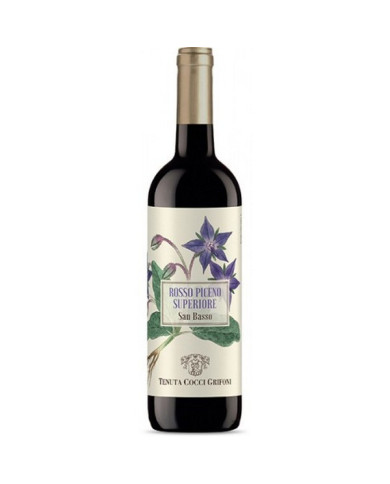
Rosso Piceno Superiore is born from a decidedly limited area. These are the years in which, every time we return home after having travelled, known and studied other realities, we begin to look around us with the eyes of those who finally begin to see again. Perhaps we needed a little homesickness, perhaps we needed not to feel the sense of protection of the places of which we know every detail.
And we go back, like children, to observe our hills with exploratory eyes, surprising ourselves with the beauty of the landscapes to which time had accustomed us. Sour cherries in alcohol, violets, fresh notes of rosemary in a wine which, in faithfully describing the territory, however wants to show its most fascinating, engaging and exciting side.
€12.32