

 Italiano
 Deutsch











There are no more items in your cart
SKU:
11548
Brand:
Bossanova
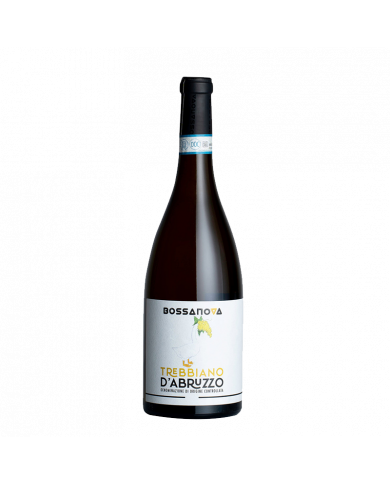
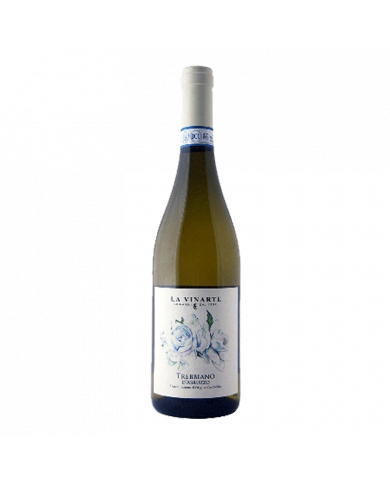
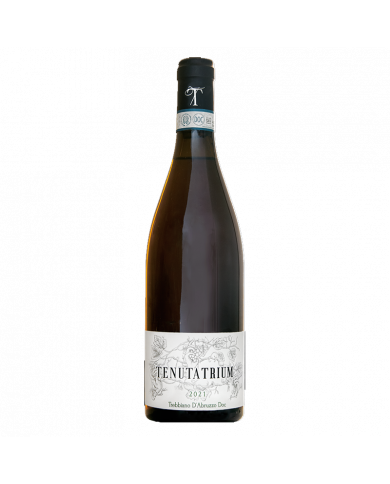
Trebbiano d'Abruzzo Bossanova is an Abruzzo white wine from the hills of Teramo, briefly macerated on the skins and aged for about 9 months in vitrified concrete tanks: it expresses aromas of hay and chamomile, yellow-fleshed fruit and hints of sage, while at sip is harmonious, taut and of excellent freshness, embellished with mineral tones and an intriguing savory persistence.
€23.91
SKU:
11546
Brand:
Bossanova
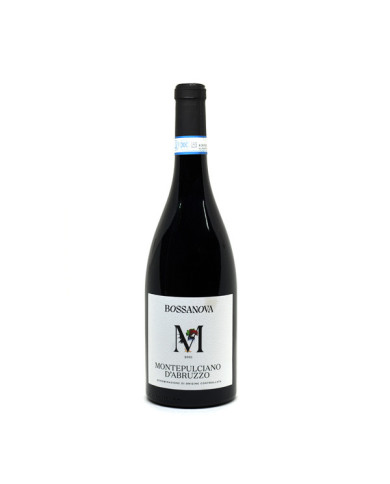
Bossanova 's Montepulciano d'Abruzzo is a red wine from the Teramo hills, aged for 8 months in concrete tanks and a further 4 months in the bottle: fragrant and inviting, it expresses with brio and delicacy aromas of black cherries, red plums, fresh flowers and ground pepper, wrapped in refreshing balsamic hints, while the taste is juicy and refreshing, balanced and persistent.
€15.86
SKU:
11506
Brand:
Cantina Frentana
€6.55
€5.90
This sparkling wine should be served at a temperature of 8-10 ° C; indicated as an aperitif, to accompany fish-based meals, but also fresh and summer dishes such as salads, cheeses, pasta and cold and vegetable-based rice. Few people know that an unusual but perfect match is with pizza.
€6.55
€5.90
SKU:
11503
Brand:
Castellare di Castellina
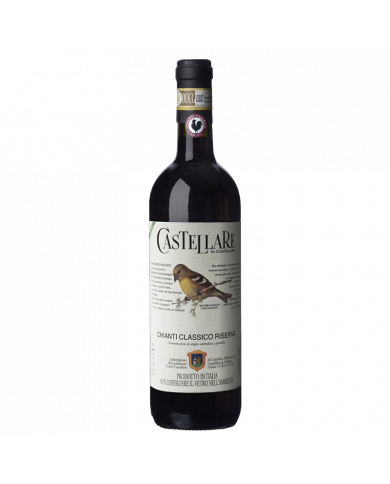
Ruby red, on the nose it expresses an intense perfume of violets and a finesse that increases more and more with the passage of time. On the palate it is rather dry and harmonious, slightly tannic, velvety and of great persistence.
€27.60
€6.00
€7.90
€7.90
€17.59
€19.56
SKU:
11468
Brand:
Rosarubra
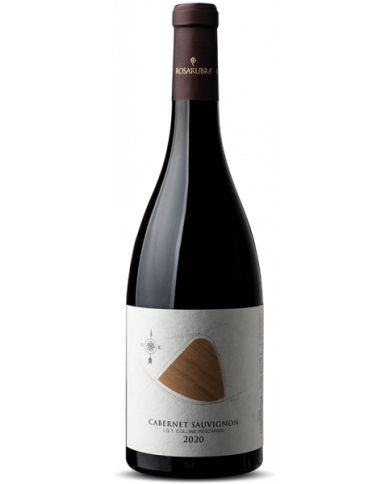
A pure Cabernet Sauvignon, produced from a single vineyard of a few hectares, with an aristocratic character and great aging potential.
€33.60
SKU:
11463
Brand:
Terzini
Born from careful attention to the quality of the raw material and the winemaking techniques, an authentic expression of the Casauria production area. Particular attention has been given to the attention to detail: satin bottle, new label graphics and screen-printed image of the coral.
€10.58
SKU:
11413
Brand:
Tolloy
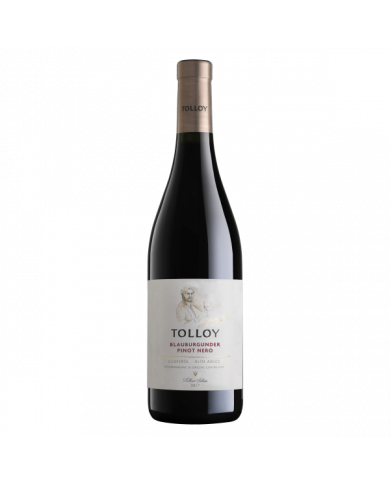
Produced only with grapes from its own vineyards grown in Alto Adige on the hill of Pochi, a hamlet of Salorno. Traditional red vinification at controlled temperature around 25°C with frequent pumping over, punching down and partial aging in small oak barrels for about 10 months.
€14.27
SKU:
11411
Brand:
Tolloy
€13.21
€9.25
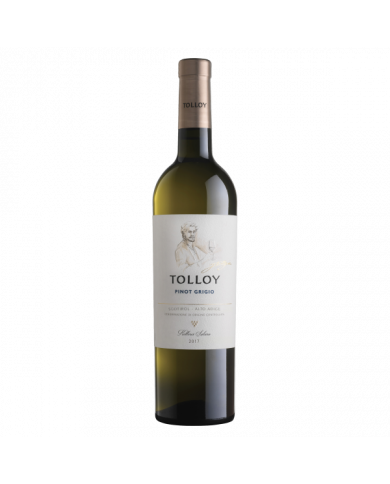
Produced only with grapes from its own vineyards grown in South Tyrol in the valley floor and on the low hills. 100% Pinot Gris with traditional vinification in white at a controlled temperature around 18-20°C.
€13.21
€9.25
SKU:
11409
Brand:
Tolloy
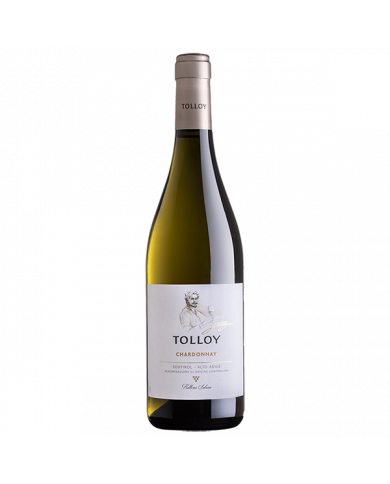
Chardonnay is one of the international grape varieties that best adapts to the environmental and climatic characteristics of Alto Adige. Here it manages to express all its aromatic potential. The particular location of the vineyards, between 200 and 500 meters above sea level, gives this wine a wide range of scents and aromas and the strong temperature range allows the wonderful acidity and freshness to be preserved. The grapes are harvested by hand around mid-September and subjected to traditional vinification with brief contact on the skins to increase the extraction of the varietal aromas characteristic of the grape. Subsequently the must is subjected to fermentation at low temperature
€12.75
SKU:
11406
Brand:
Rotari
€24.58
€22.12
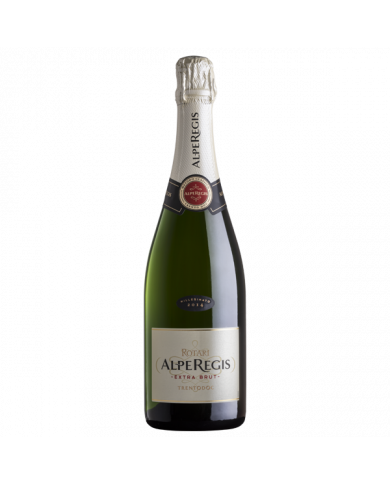
AlpeRegis Trentodoc is born from the best Trentino sparkling wine tradition combined with the winemaking style of Rotari , a special vintage dedicated to lovers of good food and good living. The name evokes the royal figure of Rotari and a strong reference to the Alpine territory which has contributed to making Rotari legendary by setting his deeds in history. AlpeRegis is a Millesimato produced exclusively from Chardonnay grapes, an international variety that has found the ideal conditions in the Dolomites area for the perfect expression of its character, rigorously harvested by hand, selecting the best bunches directly in the vineyard. Maturation on the lees for at least 48 months.
€24.58
€22.12
SKU:
11391
Brand:
Rotari
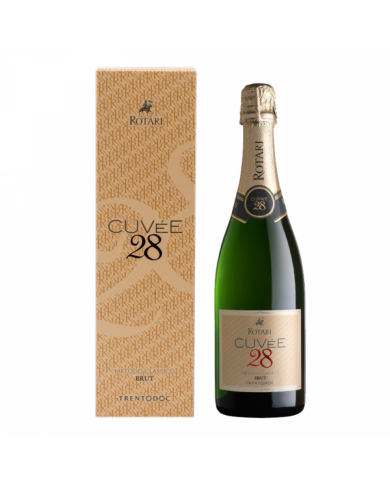
Produced only with selected and hand-harvested grapes from its own vineyards in the most suitable hilly areas of Trentino, Rotari Cuvée 28 owes its name to its long aging on the lees, which gives it a strong but elegant, fresh and persistent character. Brut blanc de blancs with an intense and elegant aroma of ripe yellow fruit with notes of hazelnut and a sweet touch of vanilla. With over 36 months of aging on the lees, this sparkling wine offers great balance between structure and acidity with a pleasant freshness and a mineral finish.
€25.25
SKU:
11386
Brand:
Rotari
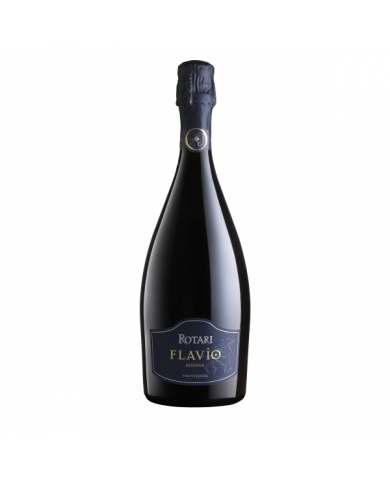
It is produced with 100% Chardonnay grapes, rigorously harvested and selected by hand. The first fermentation, which takes place partly in steel and partly in barrique, is followed by 5 months refinement in the same containers and second fermentation, by refermentation in the bottle, with a full 5 years refinement on its own yeasts.
€42.82
€38.54
SKU:
11383
Brand:
Luigi Righetti
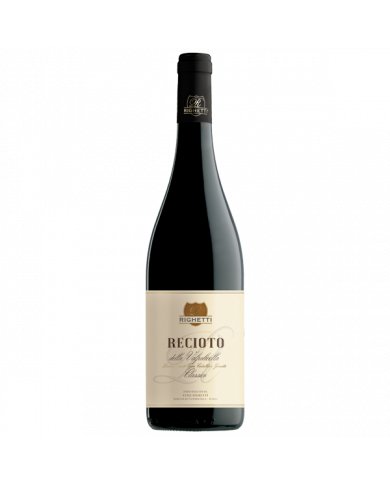
The grapes, the same used for the production of Amarone, are left to dry in the plateaus for a few months and pressed in March when they have reached their maximum sugar concentration.
€20.46
SKU:
11361
Brand:
Musivum
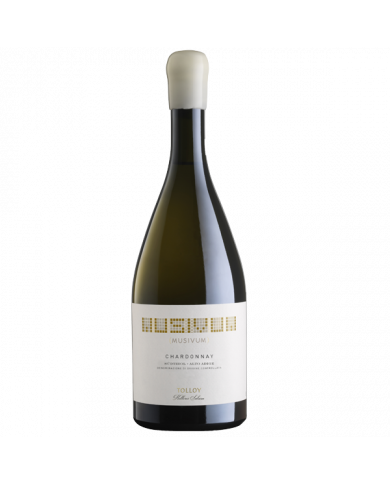
The production area chosen for the Chardonnay Musivum is located in Alto Adige and includes various locations: mainly in the municipality of Salorno, Magrè and Egna. The characteristics of the area, inclined to maintain high acid content, are ideal for the cultivation of Chardonnay which manages to reach high sugar levels. Another peculiarity of this area, ideal for growing grapes, is the microclimate characterized by good wind – which avoids dangerous stagnation of humidity and guarantees rapid drying of the grapes after the rains – and by an insolation throughout the day. Production begins with a slightly delayed manual harvest to enhance the aromatic richness of this variety. In the Cellar, the individual containers are distinguished on the basis of the characteristics of the grapes, so as to diversify the vinification process. All the grapes are cooled in the cell at 2-3°C. The following days those with a yellow/golden color are removed from the stalks and left to rest in the press for 4/5 hours in contact with the skins (cryomaceration) to increase the extraction of the aromatic precursors of this variety. The yellow/green colored grapes are instead de-stemmed and immediately subjected to soft pressing. From both portions a free-run must is obtained which is followed by natural decanting. The start of fermentation takes place in special stainless steel tanks, specially designed for the " Musivum " project, with selected yeasts and with a progressive and controlled increase in temperature from 14° to 18°C. Once fermentation has started, 65% of the volume continues its journey in the new barrique cellar: 50% in second passage oak barrels, where it remains for the refinement phase and the other 15% is aged in new French oak barriques at medium roast. The remaining 35% completes the fermentation in steel. During the refinement the 3 portions are kept separate, with frequent movements of the fine lees, up to 2 months before bottling, when they are brought together to amalgamate the different components, i.e. those fermented and aged in the various woods with the one fermented and aged in steel .
€46.36
SKU:
11360
Brand:
Musivum
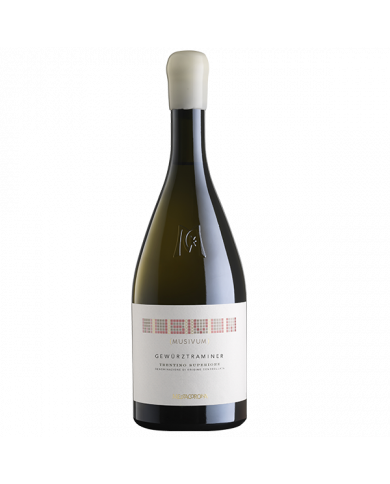
The vineyards selected for the production of Gewürztraminer Musivum were chosen within the most suitable areas in Trentino for the cultivation of this variety: the hills surrounding the villages of Faedo, Sorni and Pressano at an altitude of 300 -500 meters above sea level sea level. The origin of the variety is still controversial: to date, the two main wine-growing regions where it is grown – Alsace and Trentino-Alto Adige-Südtirol – dispute its paternity. The presence of a town named "Tramin" - "Termeno" in Trentino-Alto Adige strengthens the hypothesis that the homeland of this extraordinary vine is precisely our region. In German, the term “Gewürz” means “spicy”, as evidence of the particular aromaticity of this coppery berried grape which makes it unique and difficult to imitate. From a viticultural point of view, its cultivation represents a challenge to always keep its quality level very high. For this reason it is grown only in areas that enhance its particular characteristics, i.e. hills that are well exposed, but not too hot and with a marked temperature range, therefore located at a significant altitude to favor the generation of typical aromas and their precursors. The variety also requires a particular dedication in terms of hours of work in the vineyard. The harvest takes place in the second half of September: the period varies according to the altitude and exposure of the vineyard. To allow the formation of the typical aromas of Gewürztraminer, the grapes tend to be slightly over-ripened: the 2018 vintage allows the harvesting of perfectly ripe grapes, still fragrant and with exceptional aromas. The grapes harvested in perforated containers are partly sent immediately for crushing and partly cooled in refrigerate.Prima cells. Before pressing, the grapes are destemmed, crushed and cooled, then cryomaceration (or cold maceration) takes place in order to prolong the contact of the must with the skin where the typical aromas are located; the low temperature makes it possible to extract the most valuable aromas and substances while minimizing the extraction of tannins which can give astringency and bitter sensations. Fermentation begins at a low temperature to further enhance the aromaticity of the varietal, continues and ends slowly at a controlled temperature of 18°C. For this variety it is essential to use particular yeasts, carefully selected, which are able to enhance the richness and aromatic complexity natural. At the end of fermentation, the wine remains in contact with its yeasts which release new aromas and protect it from oxidation, until bottling.
€58.49
SKU:
11358
Brand:
Musivum
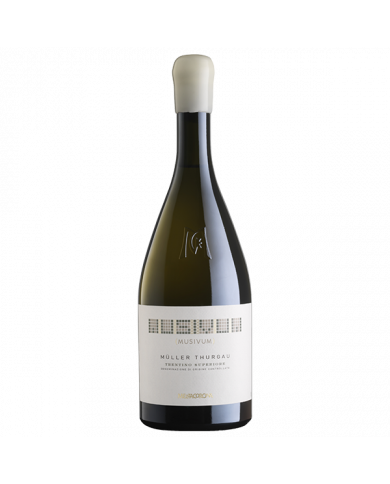
The Müller Thurgau Musivum grapes come from two different Cembran areas characterized by optimal exposure and altitude. The two vineyards are harvested separately, a few days later than the average ripening. The grapes are harvested in the early hours of the morning to preserve their freshness thanks to the low temperatures; the harvest is carried out rigorously by hand, selecting the individual bunches in the field. The conferment takes place in perforated containers and the bunches are kept in a cold room for one night, in order to enhance and transfer the aromas present on the peel to the future must. For the same purpose, they are subjected to cryomaceration in the press for 4-5 hours at a temperature below 10°C. With a special pressing program, oxidation of the extracted must is avoided. This must is left in the tank for several days (cold housing), with periodic suspension of the lees, so that the fibers and solid particles from the skins and pulp can still release their aromatic components to the must. Once the flotation has been carried out to remove these particles, the musts are inoculated with different yeasts between the two batches, and in any case aromatically neutral - so as to best respect the primary aromas of the vine - and fermented at about 17°C until complete consumption of the sugars. The two cuvées are then aged for three months separately and then, once combined, the wine is aged for another year on the fine lees, always in small steel tanks. After bottling, there is an aging period of at least six months in the bottle.
€42.70
SKU:
11357
Brand:
Musivum
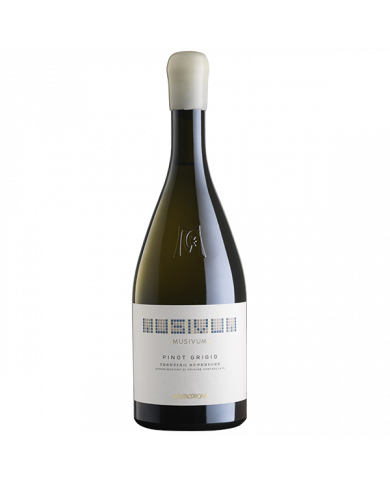
The production area of Pinot Grigio Musivum Vicinia is in the municipality of Mezzocorona. The area was first cultivated with vines in the 1950s. The soils therefore have a limited cultivation area and a rather superficial groundwater between 50 and 100 cm, and the soil type is silty. They have a sufficient supply of water even in periods of drought and good fertility, essential characteristics for Pinot Grigio, a rather weak variety. Furthermore, Vicinia is a very precocious area, as it leans against imposing rock walls which guarantee protection from cold winds in the late winter and early spring periods and have a warming effect during all the vegetative phases, reflecting the sun's heat. The production starts with a slightly delayed harvest to enhance the varietal characteristics and aromatic richness. The grapes are harvested manually in the early hours of the day to preserve their freshness thanks to the low temperature, with the selection of each individual bunch in the field; they are then transported to the cellar in perforated containers to guarantee the best fragrance and integrity of the bunches. In the Cellar the grapes are subjected to soft pressing to obtain a flower must which is followed by natural decanting. Fermentation takes place with selected yeasts at a controlled temperature of 18°C in special stainless steel tanks specially designed for Musivum . 50 %del volume completes the last third of the fermentation in the barrique cellar, in 50 hl second passage oak barrels, where it also remains for the refinement phase. The other half, on the other hand, completes the fermentation in steel, where it continues with the refinement phase on the lees. During the refinement, the fine lees consisting mainly of yeasts are put back into suspension every 15 days for the first 3 months and every 2 months thereafter , until the time of re-assembly of the two portions, i.e. the fraction partially fermented and aged in wood with the one fermented and aged in steel
€46.36
SKU:
11356
Brand:
Mottura
€10.00
€9.00
Wine produced from Fiano grapes grown on calcareous and clayey soils, harvested manually at the right ripeness with careful selection of the bunches. Traditional vinification with soft pressing, fermentation at a controlled temperature of 16°C and brief rest on the fine lees.
€10.00
€9.00
SKU:
11352
Brand:
Mottura
Wine produced from Negroamaro grapes grown in the provinces of Lecce and Brindisi. Manual harvest at the right maturation with careful selection of the grapes. Traditional maceration for 10-12 days and fermentation of the must at a controlled temperature, good use of pumping over and delestage. Six months of aging in French oak barriques. 2-3 months of aging in the bottle.
€10.14
€11.43
€11.58
SKU:
11332
Brand:
Feudo Arancio
From the union of a historic Sicilian vine, the GRILLO, and a vine native to the Rhone valley, the VIOGNIER, a harmonious blend is born, which best expresses the sun and warmth of Sicily. around the end of August-first week of September. After a selective harvesting of the grapes, the grapes are crushed, destemmed and pressed in total shelter from the air ("reduction" vinification technique), natural decantation, fermentation at a controlled temperature (18°) for 10 days. Maturation on the lees for 5 months. Filtration, stabilization and bottling.
€15.10
SKU:
11331
Brand:
Feudo Arancio
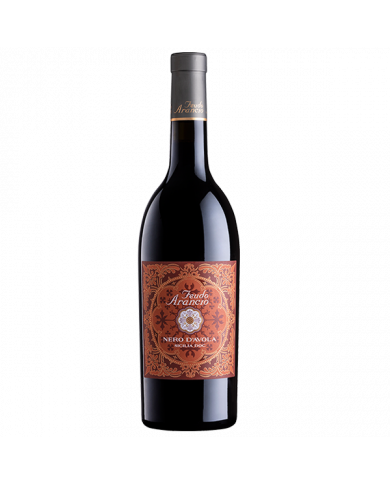
Prince of the enological renaissance of Sicily, Nero d'Avola is a native vine of great value. Initially widespread in the Syracuse area, it is now extended to all the wine-growing areas of the island. It is a medium-early variety that ripens around the first week of September and requires low-clayey soils and is sensitive to excessive drought and exposure to the sun. The type of training used is espalier, with an average planting density of 4,500 plants per hectare. Harvesting of the grapes at perfect aromatic and polyphenolic maturation, destemming and alcoholic fermentation with the skins for 6-8 days at 22-24°C, malolactic fermentation with selected bacteria, maturation for 6 months in French oak barriques.
€11.04
SKU:
11329
Brand:
Feudo Arancio
Variety of Middle Eastern origin which is best expressed in Sicily thanks to the intense luminosity and uniqueness of the soils. It is a medium-late variety, ripening around the end of September. The grapes are grown both in Sambuca di Sicilia, in the province of Agrigento, and in Acate, in the province of Ragusa. In the first estate, a more mature and structured wine is obtained, while in the second, a more delicate and fruity product is obtained. The type of training used is espalier, with an average planting density of 4,500 plants per hectare. Harvesting of the grapes at perfect phenolic ripeness, destemming and alcoholic fermentation with the skins for 10-12 days at 25-26°C, malolactic fermentation with selected bacteria, maturation for 10 months in French oak barriques.
€9.52
SKU:
11326
Brand:
Feudo Arancio
Nero d'Avola and Cabernet Sauvignon come together to give life to a wine that expresses the two souls of Sicily, a land of great native vines such as Nero D'Avola, but also a land that has happily welcomed international vines such as Cabernet Sauvignon. Nero d'Avola: grapes harvested around the second week of September, alcoholic fermentation with selected yeasts at 24-25°C for 14-16 days, malolactic fermentation with selected bacteria, maturation for 8 months in French barriques with 2 years aging and light toast. Cabernet Sauvignon: grapes harvested around the first week of October, fermentation and alcoholic maceration with selected yeasts at 26-28°C for 16-18 days, malolactic fermentation with selected bacteria, maturation for 12 months in French barriques with 3-year aging and medium roast. Blend: at the end of the maturation in wood, the Nero d'Avola and Cabernet wines are blended and further maturation of 4 months in barriques follows to favor the fusion of the aromas of the two different varieties. This is followed by bottling and subsequent maturation in the bottle for 8 months.
€14.91
SKU:
11325
Brand:
Feudo Arancio
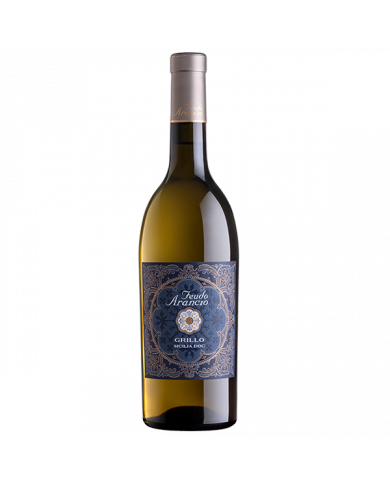
Autochthonous Sicilian white vine, Grillo is the best known white berried variety on the island and historically used for the production of Marsala.
€11.53
SKU:
11321
Brand:
Castello di Querceto
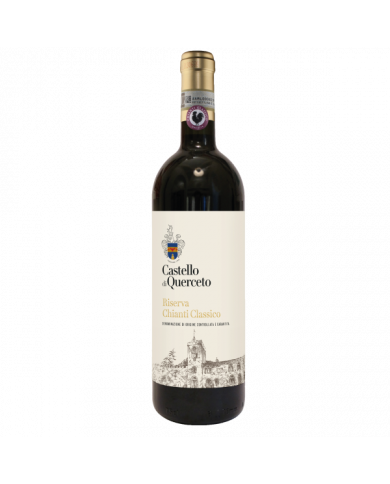
Produced only with grapes from the "Greve in Chianti" area, in the province of Florence. Obtained with Sangiovese (95%) and Canaiolo (5%) grapes. Vinification with maceration on the skins for about 15 days at 28 °C, subsequent maturation in barriques for 10/12 months to move on to refinement in the bottle for a minimum of 4 months. Uncork at least 2 hours before serving
€20.89
SKU:
11317
Brand:
Castello di Querceto
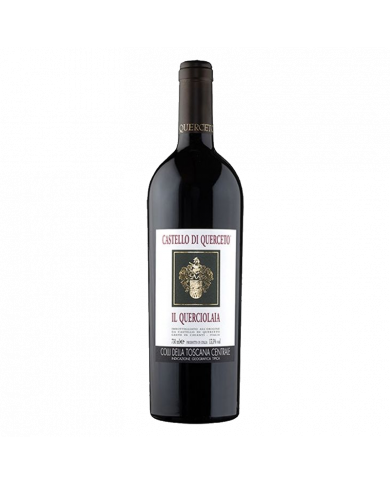
A captivating bottle that perfectly embodies the idea of Supertuscan: a Tuscan wine born from a Bordeaux blend of great power and complexity. suitable for both the most complex combinations and for the most disengaged occasions. A true champion of the breed, it is enhanced by noble combinations such as game, braised meats and fine meats. It is a wine that lends itself to long ageing.
€36.48
SKU:
11316
Brand:
Castello di Querceto
This is a remarkable example of a traditional Chianti Vin Santo. It comes from grapes harvested from a single vineyard of 1 hectare cultivated with Malvasia di Toscana, Trebbiano Toscano and San Colombano. The grapes are dried for 3 months before pressing and aged in 100-litre oak barrels for 3 years before bottling and a further 3 months of aging in the cellar before being marketed. It displays aromas and flavors of dried fig, nuts, sultanas, leather and balsamic hints that make it a wonderful accompaniment to a cheese platter. A fine example of a traditionally produced fine dessert wine. Suitable for bottle aging up to 25 years after release.
€20.46
SKU:
11307
Brand:
Castel Firmian
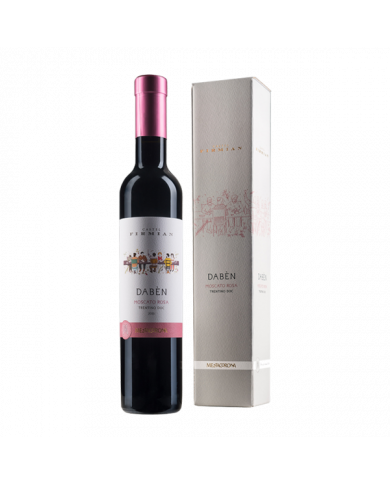
The Moscato Rosa vine is a very ancient vine, of probable Greek origins which, passing through Sicily, arrived in Trentino in the mid-nineteenth century. The name seems to derive more from the primary aroma of rose that characterizes this aromatic vine, than from the color of the berry, which is actually bluish-black. Moscato Rosa is very delicate to cultivate as it is subject to various problems in flowering and ripening which greatly reduce its production capacity. For all these reasons, as well as being noble, it is also a precious wine, also due to its great ability to accumulate large quantities of sugar. This wine is obtained from small vineyards located on the alluvial fan of the town of Pressano, north of Trento, at about 250-300 metres, facing south-southwest on clayey-limestone soils and in a well-ventilated area to avoid health problems and allow the grapes the achievement of a perfect level of aromatic and sugar ripening. The grapes are harvested by hand very late after a natural drying on the vine and, after destemming, are subjected to traditional vinification with the addition of selected yeasts at a temperature of 22-24°C for 6-8 days. Then with the use of cold (5°C), the fermentation process is naturally blocked with the consequent maintenance of the desired residual sugar. It then continues with the collection of only flower wine without pressing of the pomace. This is followed by conservation in steel for a few months, always at a low temperature to preserve the aromas of this elegant wine
€22.20