Italiano
 Deutsch











There are no more items in your cart
SKU:
15036
Brand:
Villese
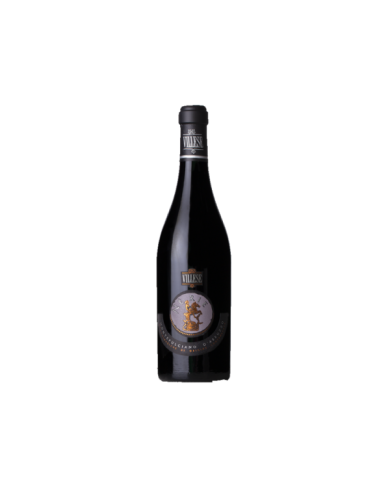
name "Nerie" is linked to the name of a brave Etruscan leader. In the archaeological excavations carried out in Villalfonsina in 1914, many artifacts were found that highlight the presence in the 6th-5th century BC of trade with the Etruscan area. Among others, bronze statuettes depicting a knight on horseback and a red impasto olla bearing the silhouette of the same knight and the inscription “ne” (probable abbreviation of the individual name Nerie). The label of our “Nerie” is inspired by a bronze disc with the aforementioned rider on horseback in relief. The wine has an intense ruby red color with garnet reflections. Intense, characteristic aroma, typical of the grape, full and robust body with well balanced tannic component to the taste of wood, harmonious.
€9.00
SKU:
15032
Brand:
Carpineto
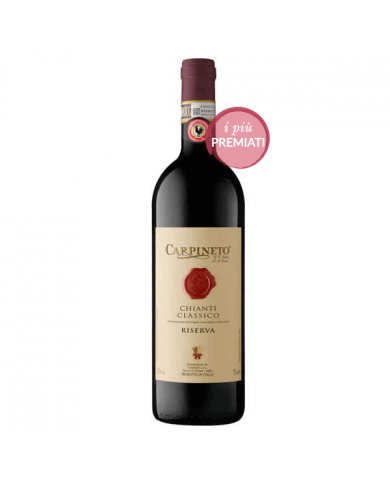
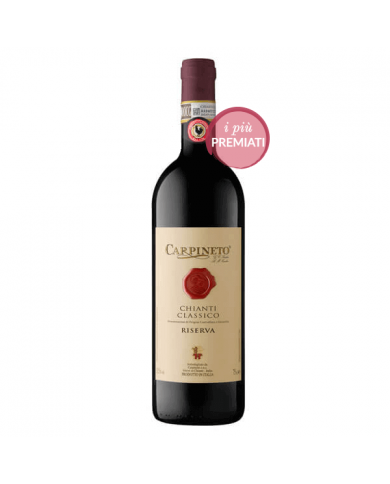
Produced in the oldest production area, as stated in the disciplinary that regulates it, this area gave its name to the wine and is the only one where Chianti Classico is produced. It extends between Florence and Siena in a territory of breathtaking beauty, made up of villages perched on the top of the hills, of olive trees cultivated in steep fields with an irregular outline and of cypresses lined up to delimit the innumerable dirt roads.
€89.67
SKU:
15029
Brand:
Carpineto
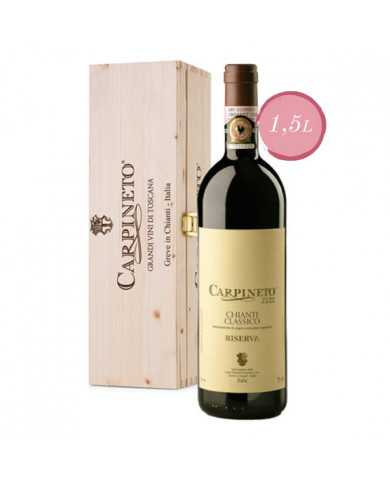
Produced in the oldest production area, as stated in the disciplinary that regulates it, this area gave its name to the wine and is the only one where Chianti Classico is produced. It extends between Florence and Siena in a territory of breathtaking beauty, made up of villages perched on the top of the hills, of olive trees cultivated in steep fields with an irregular outline and of cypresses lined up to delimit the innumerable dirt roads.
€86.01
SKU:
15025
Brand:
Carpineto
Chianti Classico Riserva is produced exclusively in the oldest wine-growing area of Tuscany, in a landscape of breathtaking beauty.
€111.63
SKU:
15024
Brand:
Carpineto
Produced in the oldest production area, as stated in the disciplinary that regulates it, this area gave its name to the wine and is the only one where Chianti Classico is produced. It extends between Florence and Siena in a territory of breathtaking beauty, made up of villages perched on the top of the hills, of olive trees cultivated in steep fields with an irregular outline and of cypresses lined up to delimit the innumerable dirt roads.
€51.24
SKU:
15006
Brand:
Tenuta Cocci Grifoni
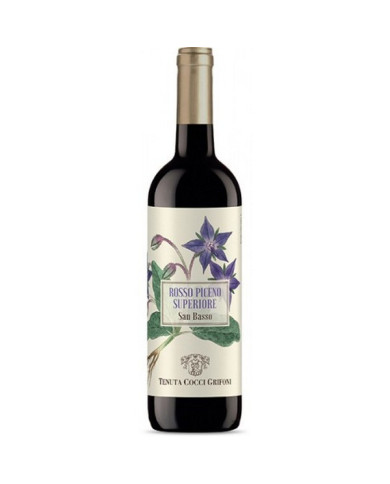
Rosso Piceno Superiore is born from a decidedly limited area. These are the years in which, every time we return home after having travelled, known and studied other realities, we begin to look around us with the eyes of those who finally begin to see again. Perhaps we needed a little homesickness, perhaps we needed not to feel the sense of protection of the places of which we know every detail.
And we go back, like children, to observe our hills with exploratory eyes, surprising ourselves with the beauty of the landscapes to which time had accustomed us. Sour cherries in alcohol, violets, fresh notes of rosemary in a wine which, in faithfully describing the territory, however wants to show its most fascinating, engaging and exciting side.
€12.32
SKU:
14998
Brand:
Tenuta Cocci Grifoni
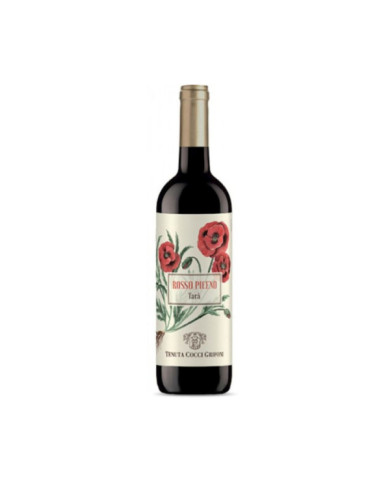
The wine of our countryside, the wine of our peasant tradition, the wine of sharecropping. At the time there was no talk of blends, wine was not produced to be sold, but to be drunk. The purpose was only one. Bring a nice bottle of red wine to the table every day. Each family chose whether and how long to leave it in the barrels but one thing was certain, there were two vines in those barrels: Montepulciano and Sangiovese. Today as then, we re-propose that union of two grape varieties that have always been together. With an exuberant nature, this wine tells of a panorama that is colored with brilliant tones. Raspberries, cyclamen, morello cherries. At the end, a surprising citrus touch of chinotto refreshes and invites you to fill your glasses.
€10.16
SKU:
14996
Brand:
Lidia e Amato
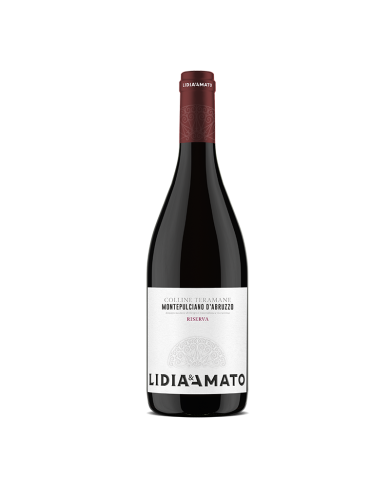
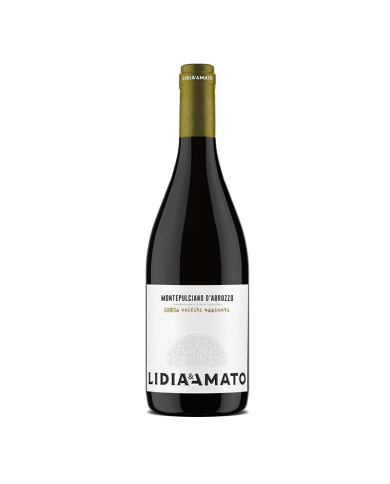
Vinification: hand-picked grapes, after crushing and destemming they are sent to maceration in fermenters at a controlled temperature. The pressing of the pomace takes place in a soft way, with pneumatic machines. The wine then ages for more than a year in large Slavonian oak barrels and over six months in the bottle. Description: intense and dense red color with violet reflections, it has a rich and fruity bouquet with spicy notes of pepper, vanilla and sweet tobacco. On the palate it is full, soft and balanced. Recommended pairings: game, red meats, aged cheeses.
€41.00
SKU:
14993
Brand:
Lidia e Amato
The “Montepulciano d'Abruzzo Doc Forty” wine is one of the most important Montepulciano wines produced by the Lidia e Amato company. The Lidia e Amato company is located in the province of Teramo in the Abruzzo region. The "Montepulciano d'Abruzzo Doc Forty" wine by Lidia e Amato is a red, still and dry wine. The wines of the Lidia e Amato winery, among which the wine "Montepulciano d'Abruzzo Doc Forty", reviewed in this article, contributed to the positive evolution of the appellation, thanks also to the professionalism of the operators who believed in the potential of the territory of province of Teramo. The reputation of the appellation and its wines, such as the "Montepulciano d'Abruzzo Doc Forty" of the Lidia e Amato company, continue to arouse the interest of the markets, as evidenced by the national and international awards of the wines produced by the companies of the Abruzzo region and the province of Teramo in particular. The Montepulciano d'Abruzzo Doc Forty wine from the Lidia e Amato winery, a wine of the appellation, is vinified from Montepulciano grapes. The Lidia e Amato winery produces about 6000 bottles of the Montepulciano d'Abruzzo Doc Forty wine, whose well-balanced organoleptic characteristics and gustatory balance make it one of the most interesting wines of the appellation.
€15.37
SKU:
14992
Brand:
Tenute Chiaromonte
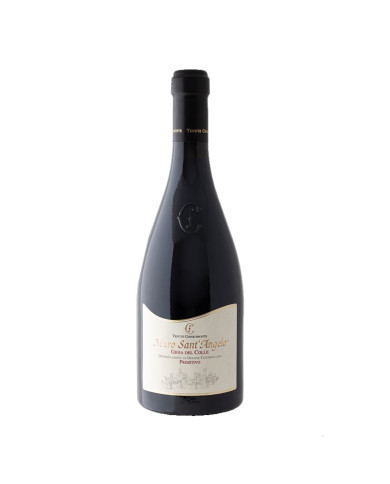
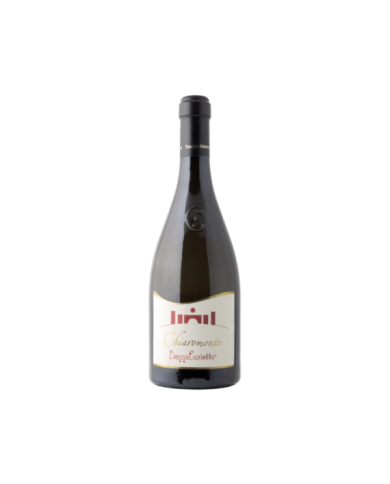
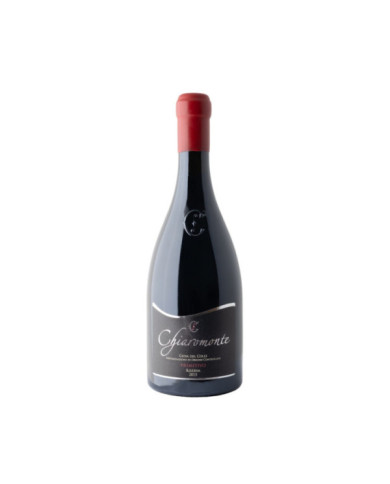
Intense red wine, with aromas of plums, small black fruits and spices that surround a decisive and clean fruit. Impact on the palate, volume without sagging, acidity that well balances the typical sweetness of the vine. Pleasant finish, poured by notes of chocolate and licorice. Pairings Finds its best pairing with cheeses, roasts and all dishes of the Mediterranean cuisine.
€23.00
SKU:
14989
Brand:
Tenute Chiaromonte
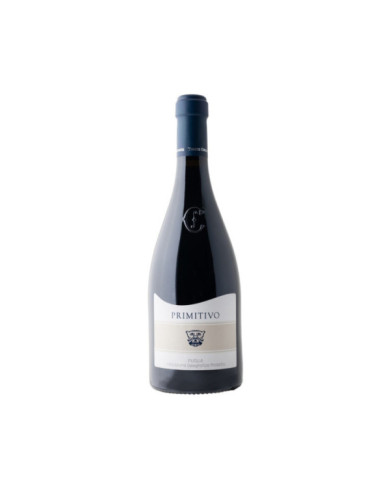
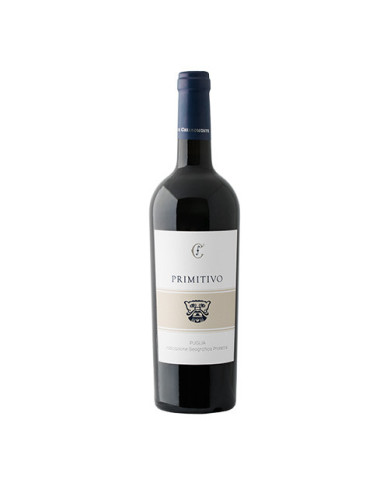
A Primitivo expression of its land, Acquaviva delle Fonti, of which it tells the long winemaking tradition, but also the history and legends; like that of the Mascheroni, guardians of the monumental Palazzo De Mari. Bright red color with violet reflections and intense aromas of small red fruits. On the palate it is fresh, sapid and rightly tannic, with a soft and fruity finish. Pairings Excellent table wine, it finds the best combination with the typical dishes of Mediterranean cuisine.
€10.93
SKU:
14986
Brand:
Tenute Chiaromonte
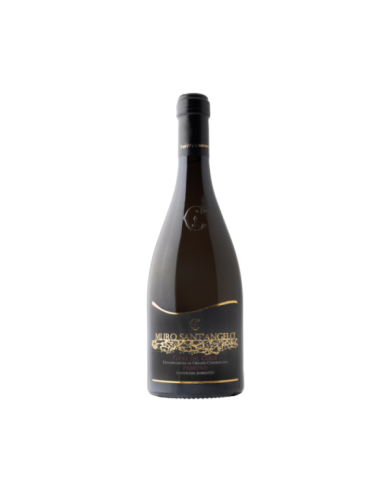
A niche edition that comes from a small vineyard of ancient saplings. The color is dark red. The scents are those of plum jam and bitter chocolate which just covers the smoky notes. There are also the typical scents of the Mediterranean maquis. On the palate it is cherry-like, deep and intense, with very soft tannins. Pairings Ideal with meat sauce, roasts, aged cheeses and Mediterranean dishes.
€42.58
SKU:
14982
Brand:
Tenute Chiaromonte
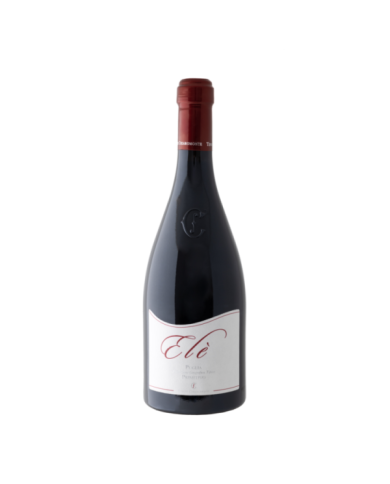
Ruby red wine, aromatic and with intense aromas, with hints of red berry fruit and spicy notes. On the palate it is fresh and elegant. High quality wine, produced from certified organic grapes.
Pairings
Find the best combination with the typical dishes of Mediterranean cuisine. Particularly suitable with soups, white meats, fresh soft cheeses and grilled vegetables.
€14.88
SKU:
14979
Brand:
Tenute Chiaromonte
It has a bright ruby red color with slight violet reflections. The olfactory scents are mainly characterized by notes of red fruit. On the palate it is light-bodied, fresh, characterized by good sapidity.
€11.44
SKU:
14977
Brand:
Tenute Chiaromonte
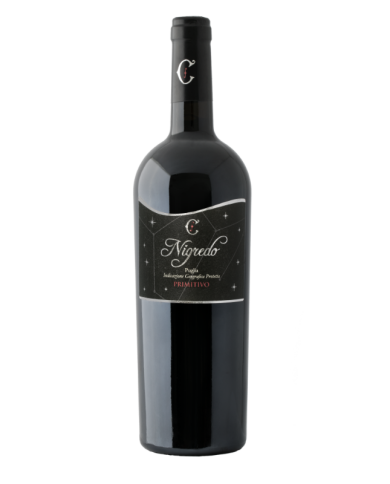
Primitive with a blackish colour. The nose is saturated with fruit, ripe cherries, pulpy and juicy. In the mouth the sweetness of the residual sugars is perfectly balanced by a splendid and very natural juiciness. It is a tale of passions and emotions, a starry night, a research that continues. Pairings It goes well with blue and seasoned cheeses tasted with jams. Also excellent with dry pastries.
€38.94
SKU:
14976
Brand:
Tenute Chiaromonte
Soft and enveloping wine, with a bright red color. With fruity olfactory textures with hints of black cherry and with floral notes of rose that blend with a delicate sweetness.
Pairings
Ideal companion for almond sweets, dark chocolate and various desserts. Intriguing accompaniment with seasoned and blue cheeses.
€18.67
SKU:
14975
Brand:
Tenute Chiaromonte
Maximum expression of an age-old vine that has been handed down for generations. Dark ruby red in colour, it has a deep, clear and precise nose, which ranges from ripe black fruits to the spices of the Mediterranean scrub. The palate, elegant, but at the same time endowed with great density and substance, is full, sapid with iodized notes, complex and balanced despite the alcohol. Pairings To be kept exclusively for important moments or to meditate in front of the fireplace.
€107.43
SKU:
14969
Brand:
Vinicola La Rasenna
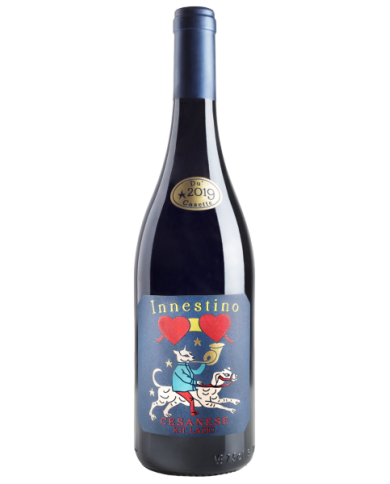
Tradition and innovation come together to give life to Innestino, a Cesanese that was born in the province of the capital from a land positively shaped by alluvial and volcanic presence, with insertions of clay and sand. The vines, trained according to the guyot system, are quite young and, subject to adequate experimentation, give a convincing red, lively in color (thanks to a maceration on the skins for about 18 days) and maturation on the fermentation yeasts; valorisation and optimization of local grapes and the will to go beyond the classic schemes, make Innestino a great label, free from unfettered, authentic, which rightfully represents Lazio oenology!
SKU:
14968
Brand:
Villa da Filicaja
The Bolgheri from the Collection of the Count of Villa da Filicaja was born in the Livorno municipality of Castagneto Carducci, in the heart of the magical Bolgheri terroir. It is obtained with Cabernet Sauvignon, Merlot and Cabernet Franc grapes, harvested following a careful selection. After a short cold maceration, the must ferments spontaneously for 15-20 days at a controlled temperature. The refinement takes place in oak barrels for at least 12 months and for a further 3 months in the bottle before being placed on the market. It has a deep ruby red color with violet reflections. It is characterized by a complex and refined aroma, with hints of wild berries in the foreground, accompanied by herbaceous and mentholated notes. In the mouth it reveals a wine of great balance, with good minerality and sapidity which contrast with a good structure and body. Excellent to accompany red meats and aged cheeses, it lends itself to combinations with roast chicken and game recipes.
SKU:
14967
Brand:
Vespa Vignaioli
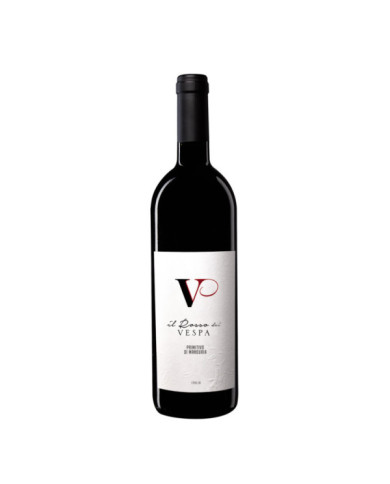
Vespa's "Rosso dei Vespa" is a Primitivo di Manduria which ages for 6 months in Never and Troncais oak barriques and presents itself to the eye with an intense and full ruby red robe. It expresses notes of plum, strawberry and fresh violet on the nose, enriched by hints of cocoa and vanilla while the sip is full and robust, of great body and intensity, with a long and spicy aromatic finish.
€15.64
SKU:
14966
Brand:
Vespa Vignaioli
Winemakers generally give their name to the most important wine of the House. Bruno Vespa made the opposite choice: he baptized the cheapest wine because his challenge is to get the greatest number of consumers to approach a product with an excellent relationship between quality and selling price. IL BRUNO DEI VESPA is a Primitivo Salento that can elegantly accompany daily meals of all kinds.
SKU:
14965
Brand:
Cantina Tramin
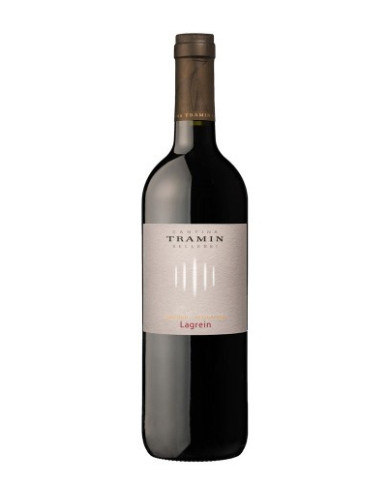
Perhaps the most important native vine of Alto Adige, lagrein leads to elegant and relaxed wines of great pleasure. Tramin's matures in oak barrels of various capacities and in cement tanks for at least 6 months. Perfect to accompany the elegant local gastronomy, it is always elegant and generous at the same time. A wine that cannot be missing from the table of a true enthusiast.
€13.92
SKU:
14964
Brand:
Tenuta Iuzzolini
Tenuta Iuzzolini Rosso Classico Cirò 2021 DOC Tasting: Color – lively ruby red. Perfume – delicate, intense, straight and pleasant. Taste – warm, full, pleasantly vinous, balanced, savory and persistent.
€8.54
SKU:
14962
Brand:
Schenk Italia
Cultivated with the traditional sapling system, the Primitivo grapes are harvested manually and the must is fermented at a controlled temperature of 33°C for 25 days. Finally, we proceed to aging in barrique for at least 12 months. Intense red in color with violet reflections, the wine has a bouquet of ripe fruit with spicy notes. On the palate, thanks to the aging in barrels, it is soft and structured.
SKU:
14961
Brand:
SalvaTerra
The Amarone Classico has kept its typicality unaltered by bringing out the "essence of the territory" of Valpolicella in an important way without exceeding the residual sugar. It is a product with personality and great structure but which also manages to communicate elegance and depth in tasting, as well as great complexity.
SKU:
14960
Brand:
Rupicapra
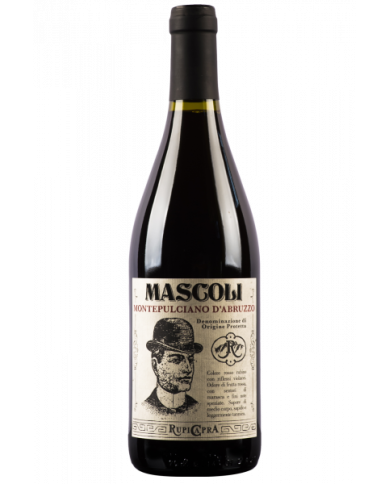
Cesarini Mascoli is a young and enterprising company located at the foot of the Gran Sasso where it enjoys particular climatic conditions that allow it to produce wines of great personality and aromatic expressiveness. Like Montepulciano d'Abruzzo, a traditional Abruzzo wine proposed here in a traditional and sincere version.
€10.28
SKU:
14959
Brand:
Rupicapra
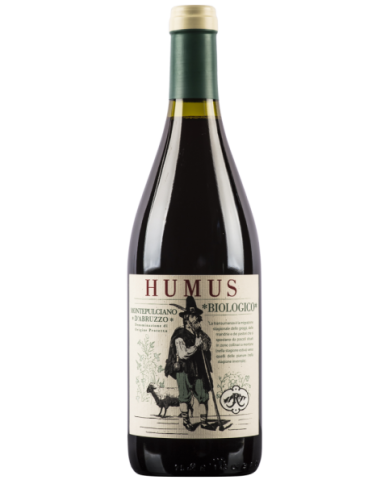
The word 'transhumance' derives from the verb 'transumare' or rather to transit on the ground, to cross: the verb is the union of the two Latin words 'trans', which means beyond, and 'humus' which means soil, land. In Italy this ancient custom originated mainly in Abruzzo where it consisted in transporting (precisely 'transhuming') animals from the mountains to the rich pastures of the Gargano and it is from this activity that probably the most famous wine takes its name and representative of Abruzzo, Montepulciano. Humus is a Montepulciano d'Abruzzo DOP from organic viticulture, a friend of the land and nature, the son of a philosophy that takes shape in every production step and which gives a wine of excellent quality.
€9.66
SKU:
14958
Brand:
Poggio Ameno
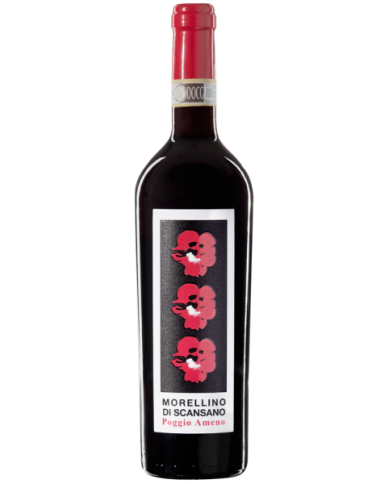
POGGIO AMENO, THE MORELLINO THAT ENJOYS THE SOUL
Between the Albegna and Ombrone rivers, in southern Tuscany, there is the municipality of Scansano, whose territory is the homeland of Morellino di Scansano, an area particularly suited to the breeding of Sangiovese thanks to the breezes coming from the Tyrrhenian Sea which mitigate the high temperatures summer. Wine with Denomination of Controlled and Guaranteed Origin since 2007 is obtained with at least 85% Sangiovese grapes harvested and vinified in the area of origin. Poggio Ameno owes its name to the hill on which it stands, in the Scansano area. In addition to Sangiovese, the Ciliegiolo and Alicante grapes enter its composition.
€12.72
SKU:
14957
Brand:
Poderi Luigi Einaudi
The Langhe Nebbiolo DOC of Poderi Luigi Einaudi is an elegant wine from young vineyards in the municipality of Neive, not far from Barbaresco.
€23.16
SKU:
14956
Brand:
Notte Rossa
Notte Rossa's Negroamaro is a fresh, fruity and generous red wine from the Salento area, vinified and aged in steel vats. With a velvety, rich and juicy sip, it expresses fragrant aromas of Mediterranean scrub, small dark berry fruits and light marine flavors
€7.38
SKU:
14955
Brand:
Masseria Spaccafico
Nero di Troia is a great classic of the Salento area. Masseria Spaccafico with the Passera Scopaiola celebrates and enhances this particular vine pearl of Salento. In tasting, Masseria Spaccafico's Nero di Troia Passera Scopaiola offers an intense ruby red color with purple reflections, an authoritative and decisive nose of figs and red fruits such as blackberries and blueberries with marked floral notes of violet and peony. On the palate this particular red wine has a marked softness that delicately caresses the palate while the marked minerality refreshes it, creating an absolutely perfect balance in the consumer's mouth.
SKU:
14954
Brand:
Masseria Ficarigna
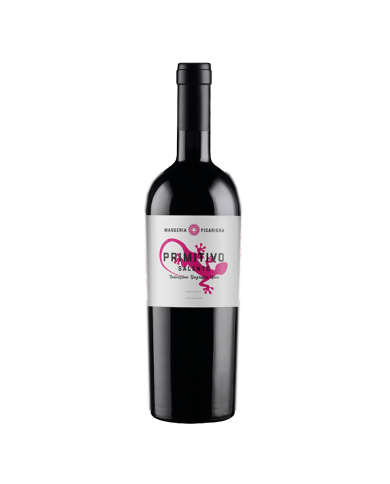
This Salento Primitivo from Masseria Ficarigna is an example of the qualitative excellence produced in the Salento region, of which the cellar is an ambassador. The name Ficarigna is the Salento translation of the prickly pear fruit which, together with the gecko, depicted on the label, are elements that symbolize Salento in the collective imagination.
After the manual harvest of the grapes harvested when fully ripe, fermentation takes place at a controlled temperature. The wine ages for 12 months in barriques before being bottled.
In the glass it has a deep ruby red color with purplish nuances. The nose recalls toasted and coffee sensations that form the background for hints of red berry fruit. On the palate it shows warmth and a round, enveloping and balanced taste.
It is recommended together with game and aged cheeses. Try it in combination with chestnuts.
€7.43
SKU:
14953
Brand:
Masseria Ficarigna
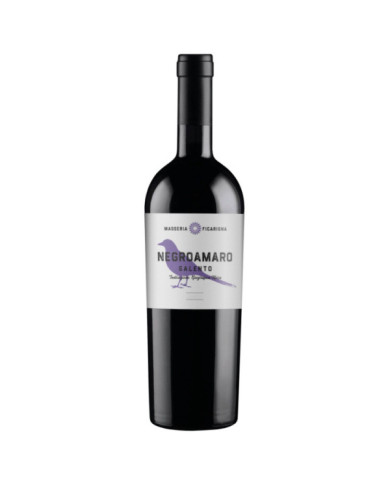
This Salento Negroamaro is produced from one of the most representative native vines of the Salento peninsula, of which Masseria Ficarigna is the spokesperson. Inspired by the symbolic prickly pear fruit, the label features a stylized image of a "pica", the Salento magpie, among the birds that contribute to the dispersion of seeds and the spread of this plant in the region.
The grapes are carefully picked by the cellar team and immediately transported to the cellar where a soft pressing and fermentation with maceration in steel for 15 days take place. The wine finishes its refinement with a passage in barriques for 8-10 months.
It is a red wine with a ruby hue. The nose is deep and orchestrated on rich red berried fruit notes. In the mouth it is intense, soft and balanced.
Excellent to combine with first courses of Mediterranean cuisine, as well as cured meats and medium-aged cheeses.
SKU:
14952
Brand:
Librandi
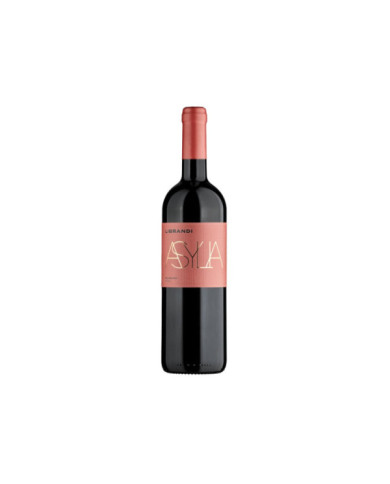
There are those who tell the story, tradition and passion with words; Cantina Librandi has chosen to do it through wine. In Cirò, a magnificent corner of Calabria, hard wines are born with a history behind them; it is here that Asylia is born, the freshest and most enjoyable interpretation of the typical Calabrian vines.
The harvest takes place at the end of September. The vinification is in thermo-conditioned steel, with delicate pressing of the grapes. The refinement is in steel, with a short stay in the bottle for a few months before being put on the market.
A wine that has an intense ruby red color in the glass. The olfactory sense is seduced by the enveloping scent of red-fleshed fruits that peep out one after the other; among these we find cherries, blueberries, blackberries and an orange aroma, which elegantly intersect with hints of eucalyptus and black pepper.
A drink that proves to be enveloping and well balanced on the palate from the first sip. An excellently drinkable red, with a tannin present but which in any case does not alter the balance of the sip which remains juicy and persistent until the end. A glass that at the table is excellent in combination with meat-based dishes and first courses with not too seasoned sauces.
€8.54
SKU:
14951
Brand:
Li Ciuri
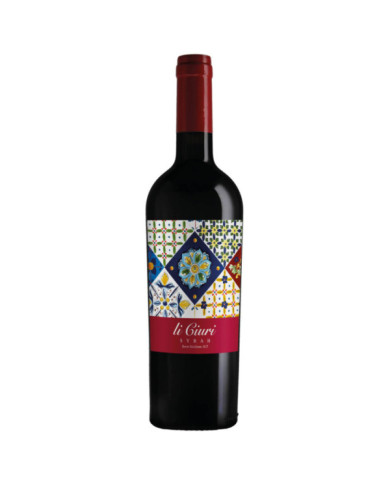
Syrah Li Ciuri is a wine that originates in Western Sicily, in the immediate vicinity of Trapani. Obtained from 100% Syrah grapes, the bunches are harvested strictly by hand in the third week of August. The grapes, which arrive in the cellar, are subjected to the destemming process and then lightly pressed. This is followed by maceration at a controlled temperature; once fermentation is complete, the wine rests in steel vats until bottling and completes its maturation in the bottle.
€9.19
SKU:
14950
Brand:
Li Ciuri
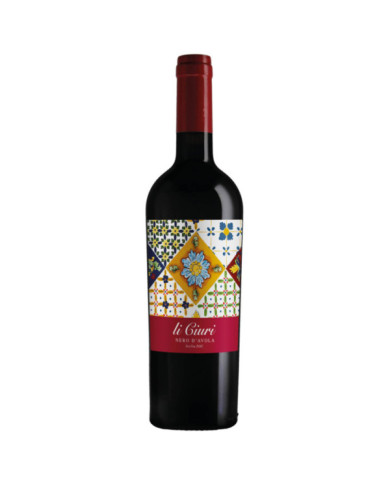
Nero d'Avola Li Ciuri is a wine that originates in Western Sicily, in the immediate vicinity of Trapani. The harvest of its grapes is strictly manual and is carried out in the first ten days of September. The grapes, which arrive in the cellar, are subjected to the destemming process and, subsequently, delicately pressed. This is followed by maceration at a controlled temperature and refinement, lasting 3 months, in the bottle.
€12.43
THE BEST ITALIAN RED WINES
In this section of our online wine shop Clickwine You can find the best Italian and foreign red wines for sale, ideal for accompanying everyday dinners or important events with style and elegance. Clickwine has selected the most famous reds on the wine scene, including the best denominations as well as some niche products and some Abruzzo wines that will amaze the most curious enthusiasts. Among the best wines, Abruzzo red wines cannot be missed.
One of the best Italian wines is undoubtedly Montepulciano d'Abruzzo DOC, which is one of the best-known Italian red wines in the United States.
Montepulciano is the most widespread red grape variety in the Marche and Abruzzo regions, where rich and expressive red wines are produced, ideal for sharing with those who love tasty home cooking, and is also perfect for a barbecue with friends.
THE PRODUCTION OF RED WINE
Red wine is obtained from red grapes, thanks to a production process called "red vinification". This process involves contact between the pomace (peels and seed residues) and must during the fermentation phase
One of the first steps in producing a red wine is choosing the harvest period. The grapes are harvested when the sugar content reached is what the winemaker deems necessary to produce the desired alcohol content.
After harvesting, the bunches arrive in the cellar where the stalks are removed (destemming) before the grapes are pressed to obtain the must.
Maceration releases polyphenols, particularly anthocyanins, from the skins, which give the must its red color. Tannins are produced from the grape seeds. Maceration lasts approximately 10-15 days.
Meanwhile, alcoholic fermentation begins, triggered by yeasts present in the skins or by added yeasts. This natural process is favored by an increase in temperature, which, however, must be maintained between 25 and 30°C so as not to affect the quality of the wine.
During this process, the pomace may form a surface layer that prevents contact with the liquid, potentially leading to the development of acetic acid. However, several techniques are available to winemakers to address this problem.
After alcoholic fermentation, malolactic fermentation occurs, which involves the transformation of malic acid into lactic acid. This is a crucial step in the vinification of red wines because it enhances their smoothness and smoothes out any rough edges and harshness.
The must has now transformed into wine, but it must be racked, that is, the removal of residues, which can be accomplished through filtration or static decantation. This latter, less invasive method involves lowering the temperature in the tanks so that the substances to be eliminated settle to the bottom.
Once “cleaned”, the wine is ready for refinement,whose minimum duration is established by the DOC specifications, This can take place in steel tanks, concrete vats, large barrels, or small barrels or barriques. Once the maturation process is complete, bottling takes place: the wine begins its maturation in the bottle and, after a possible further aging period in the cellar, is released for sale.
RED WINE: PROPERTIES AND BENEFITS
Is red wine good for your health? Many people ask this question, to which numerous studies have yet to provide a definitive answer. Many studies affirm certain properties, while others deny them. Below we list the most common beliefs about the properties and benefits of red wine, which, as mentioned, are not fully certified by the medical community. You can believe them or not.
- Natural antioxidant: The polyphenols contained in red wine are antioxidant substances that slow down the aging of some cells
- It aids digestion: it would protect the intestinal flora
- Increase endorphins: in small doses it helps the brain release endorphins and would make us feel more relaxed
- Prevents cardiovascular diseases: thanks to resveratrol which is said to promote blood circulation
- Many authoritative studies affirm that the substances contained in red wine have these properties and benefits, but they are present in such small doses that they are absolutely irrelevant for the body.
HOW MUCH DOES RED WINE COST?
The prices of red wines can fluctuate based on several factors, including the value of the bottle, the production area, and demand. The online wine shop Clickwine offers a wide selection of Italian red wine. Our online wine shop offers not only the most famous names but also more affordable labels suitable for everyday use.So forget about running from one store to another, and save time for what's truly important: enjoying a glass of excellent red wine. Browse our products to find the best red wines at the best price.
PAIRINGS WITH RED WINE
By browsing the individual product pages in our online wine shop, you'll discover suggested pairings for each red wine: white and red meats, game, braised and grilled meats, risottos, traditional Italian first courses, as well as platters of cured meats and cheeses, vegetables, sauces, and rich dishes.
What should a good red wine be like?
A good red wine should be balanced, with good acidity and a tannic structure that makes it smooth and pleasant to drink. It should also have an intense and complex bouquet, with hints of ripe fruit, spices, wood, and other aromas. Furthermore, the wine should be well-aged, with good aging potential, making it suitable for storage for several years. Naturally, all of this depends on the type of grape and the terroir from which the wine originates, so every red wine will be unique.
How long can a red wine last?
The shelf life of a red wine depends on several factors, such as the type of grape used, the production method, and the wine's acidity. Generally, younger red wines can be consumed within one to two years of harvest, while high-quality red wines can be stored for several years, even up to 10 or 15 years or more, depending on their characteristics. However, it's important to note that red wines tend to change over time, developing new aromas and flavor nuances, so it's always advisable to taste the wine before drinking to ensure it's still in good condition.
How can red wine be?
Red wines can be very different from one another, depending on the type of grape used, the production method, and the terroir from which they originate. Generally speaking, red wines can be described as intense, complex, and structured, with aromas of ripe fruit, spice, wood, and other flavors that vary depending on the wine's characteristics. They can be dry or sweet, light or full-bodied, with an alcohol content that can range from low to high. Furthermore, red wines can be served at different temperatures, depending on their type and personal preference. In any case, a good red wine should be balanced and pleasant to drink.
Why shouldn't red wine be put in the fridge?
Red wine should not be refrigerated because too cold a temperature can alter its flavor and bouquet. Red wines should be stored in a cool, dark place, at a temperature around 12-15°C (54-59°F). Refrigeration can cause wine to lose some of its organoleptic characteristics, becoming bland and less complex. Furthermore, the cold can bring out the wine's acidity, making it less pleasant to drink. Therefore, to best preserve red wine, it's best to keep it out of the refrigerator.
Why is drinking red wine good for you?
Drinking red wine is beneficial because it contains health-promoting substances, such as polyphenols, which have antioxidant properties and can help protect the body from oxidative stress. Furthermore, red wine contains resveratrol, a substance that can help reduce the risk of cardiovascular disease and some types of cancer. However, it's important to remember that red wine should always be consumed in moderation to avoid negative health effects. Excessive alcohol consumption can increase the risk of addiction, liver damage, and other complications.
Who can't drink wine?
There are some people who shouldn't drink wine, or who should limit their alcohol consumption in general. These include:
- Pregnant or breastfeeding women, because alcohol can pass through the placenta and into breast milk, putting the health of the fetus or newborn at risk.
- People who suffer from alcohol addiction or have alcoholism problems, because drinking wine can worsen their health.
- People taking medications that can interact with alcohol, such as antidepressants, sedatives, or heart medications, because alcohol can increase the side effects of the medications.
- People with existing health problems, such as liver disease or gastritis, because alcohol can worsen symptoms and worsen health conditions.
In any case, it is always advisable to ask your doctor or pharmacist for advice before consuming wine or other alcoholic beverages.
Why does red wine make you sleepy?
Red wine can cause drowsiness because it contains alcohol, a substance that can act as a natural sedative. Alcohol can increase the production of serotonin, a neurotransmitter that can induce a state of relaxation and promote sleep. However, excessive alcohol consumption can also cause disturbed and unrefreshing sleep, so it's important to drink red wine in moderation to avoid these negative effects. Furthermore, red wine can also cause drowsiness for other reasons, such as fatigue or digestion, so it's always best to listen to your body and avoid drinking too much wine if you want to maintain healthy and restful sleep.
What happens if you drink wine every day?
Drinking wine every day can pose some health risks, such as an increased risk of alcohol dependence and liver damage. Alcohol can cause fat accumulation in the liver, which can lead to fatty liver disease, a benign condition that can be reversed if you stop drinking. If you continue drinking, however, steatosis can develop into steatohepatitis, a more serious condition that can lead to liver cirrhosis and even more serious complications. Furthermore, excessive alcohol consumption can increase the risk of cardiovascular disease, cancer, and other conditions. Therefore, it's important to drink wine in moderation and not every day to avoid these health risks.
Related posts