

 Italiano
 Deutsch





There are no more items in your cart
SKU:
14793
Brand:
Cantina Frentana
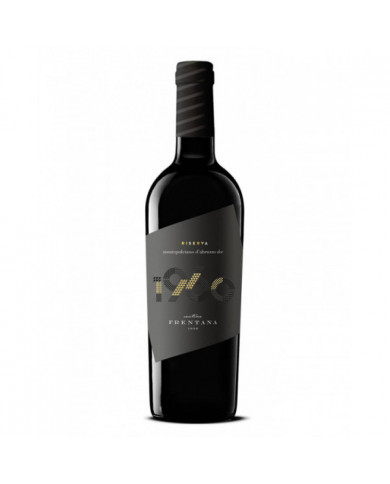
1960 celebrates a masterpiece of Abruzzo enology: Montepulciano DOC Riserva. A wine of great structure and complexity that ages in French oak tonneaux for 12 months and completes its refinement in concrete tanks. A red that splendidly accompanies important meat dishes and manages, year after year, to get on the podium of its denomination.
€11.90
SKU:
14791
Brand:
Amami Vino
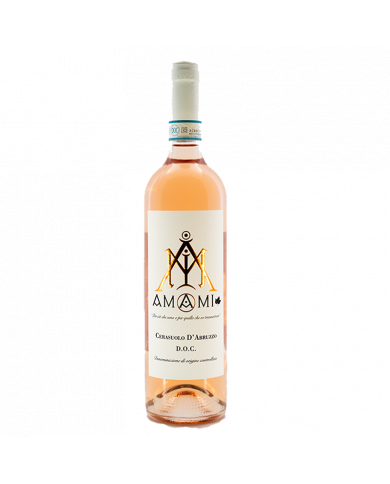
GRAPES: 100% Montepulciano grapes vinified in white DENOMINATION: Cerasuolo d'Abruzzo DOP AREA: Chieti, Abruzzo ALCOHOL CONTENTS: 13% vol.
SKU:
14790
Brand:
Amami Vino
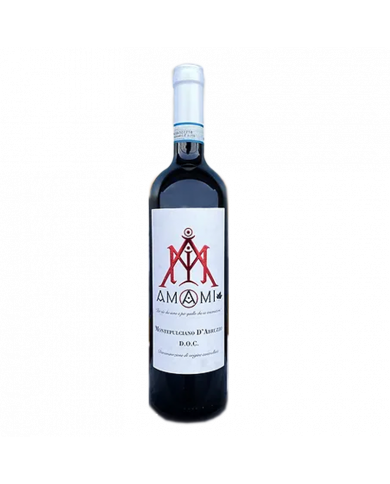
GRAPES: 100% Montepulciano d'Abruzzo DENOMINATION: Montepulciano d'Abruzzo DOP AREA: Chieti, Abruzzo ALCOHOL: 13.5% vol.
SKU:
14707
Brand:
Bossanova
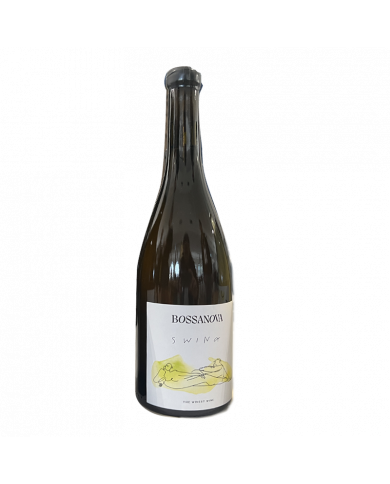
Trebbiano d'Abruzzo Bossanova is an Abruzzo white wine from the hills of Teramo, briefly macerated on the skins and aged for about 9 months in vitrified concrete tanks: it expresses aromas of hay and chamomile, yellow-fleshed fruit and hints of sage, while at sip is harmonious, taut and of excellent freshness, embellished with mineral tones and an intriguing savory persistence.
€20.14
SKU:
14704
Brand:
Bertè & Cordini
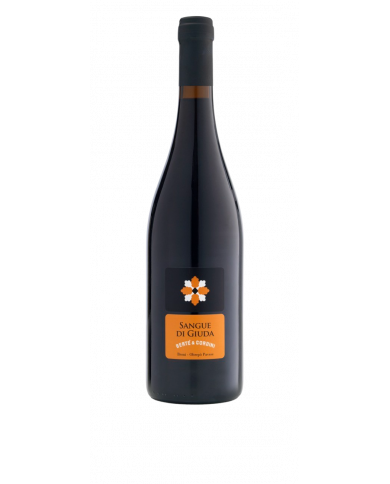
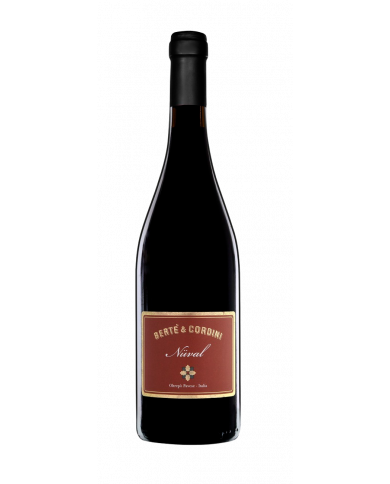
Intense ruby red colour. Floral aroma of violet and intense fruity aroma of small red fruits, cherries, blackberries. The taste is sweet and sparkling.
€9.60
SKU:
14703
Brand:
Bertè & Cordini
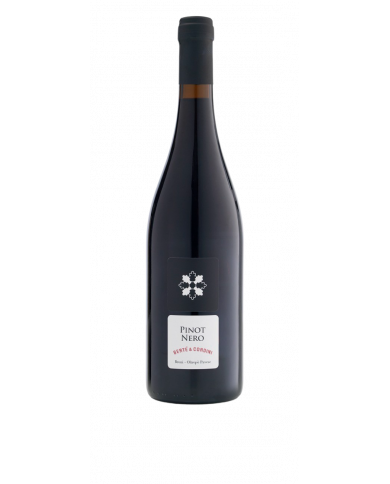
It has an intense ruby red color of excellent transparency. On the nose there is a slight rose and berries. Well present and soft tannins.
€16.58
SKU:
14702
Brand:
Bertè & Cordini
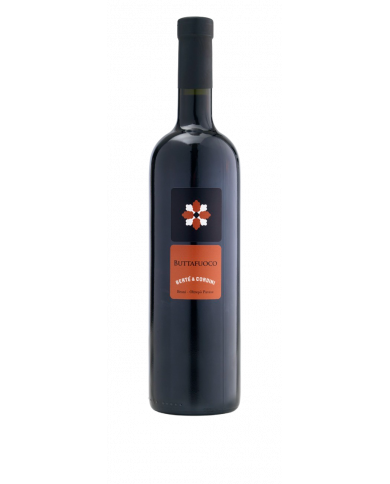
Intense ruby red colour. Intense bouquet with notes of violet. The taste is full, well structured, slightly tannic.
€14.99
SKU:
14699
Brand:
Bertè & Cordini
Ruby red color of excellent transparency with coppery and brilliant reflections. Olfactory sensations: great cream of spices and plum pulp. There are hints of rose and berries, typical of the variety, mixed with vanilla notes. Wine with a great extractive concentration: the enveloping roundness on the palate is due to the well-developed tannins and the oenological clarity of execution.
€29.27
SKU:
14695
Brand:
Bertè & Cordini
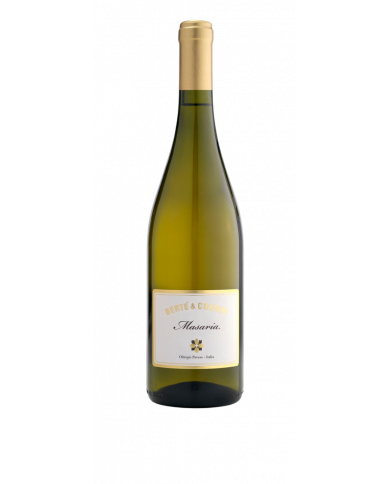
Straw yellow color with bright reflections. The nose is intense and persistent with hints of minerals and very ripe exotic fruit: grapefruit and passion fruit. The taste is dry, fresh, elegant with good aromatic persistence.
€19.75
€16.79
SKU:
14694
Brand:
Bertè & Cordini
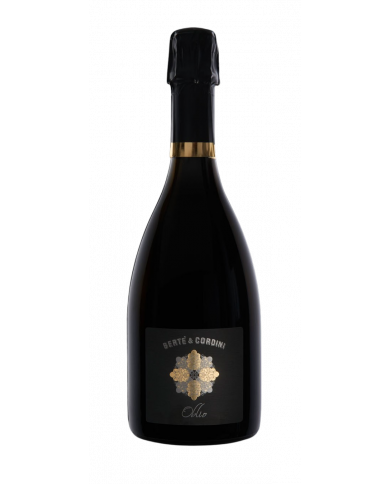
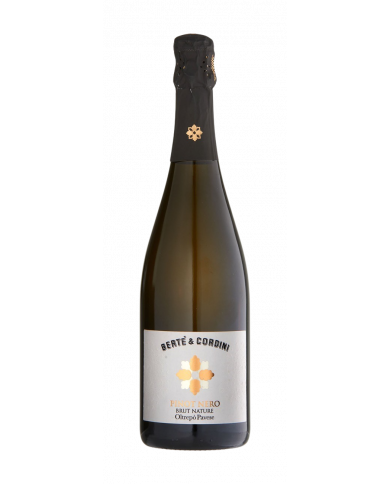
White foam, soft and rich; fine and persistent perlage. Straw yellow color with bright golden reflections. Rich and complex bouquet with hints of minerals, candied fruit, notes of tobacco and spices.
On the palate it is fresh, mineral, saline, great freshness balanced by a great body.
€48.59
SKU:
14693
Brand:
Bertè & Cordini
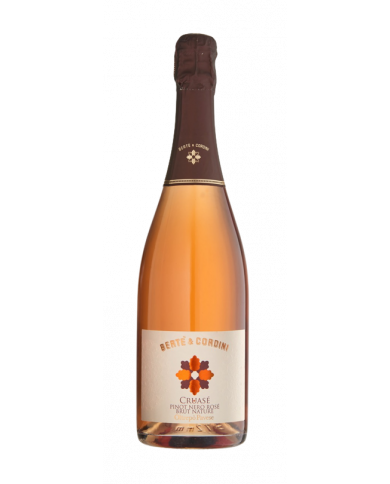
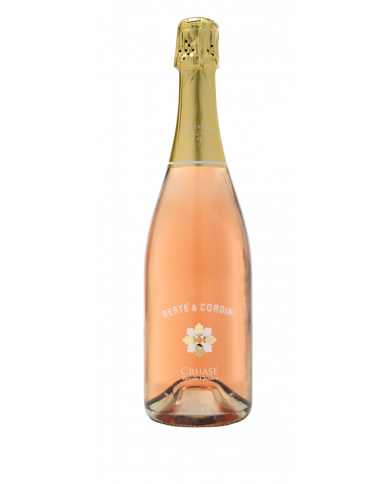
Soft and rich foam, fine and persistent perlage. Classic, bright, cristallino.Profumo pink colour. Floral and fruity bouquet with hints of rose petals, strawberry, red fruits and fine pastries. On the palate it is full, fresh, complex and harmonious.
€23.83
SKU:
14692
Brand:
Bertè & Cordini
White foam, soft and rich; fine and persistent perlage. Straw yellow color with bright golden reflections. Bouquet rich in white flowers and fruity with hints of pear and tropical fruit. On the palate it is fresh and inviting, complex and full of balance.
€24.68
SKU:
14690
Brand:
Bertè & Cordini
White foam, soft and rich; fine and persistent perlage. Straw yellow color with bright golden reflections. Bouquet rich in white flowers and fruity with hints of pear and tropical fruit. On the palate it is fresh and inviting, complex and full of balance.
€34.03
SKU:
14689
Brand:
Bertè & Cordini
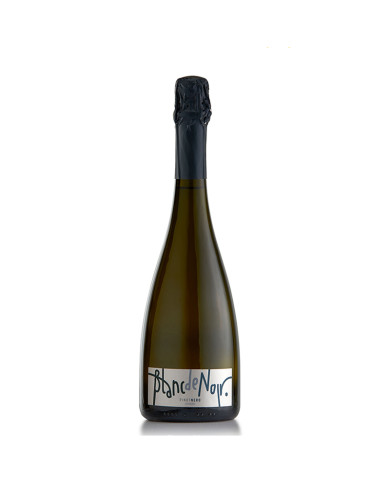
Pinot Noir Berté Cordini sparkling wine with a fine and persistent perlage. Lemon yellow with delicate golden hues. Intense aroma with pleasant citrus notes, dried fruit and pastry. Soft and delicate bubbles, intense and refreshing taste with well balanced acidity. Long finish.
€10.19
SKU:
14688
Brand:
Bertè & Cordini
Soft and rich foam, fine and persistent perlage. Classic, brilliant, crystalline pink colour. Floral and fruity bouquet with hints of rose petals, strawberry, red fruits and fine pastries. On the palate it is full, fresh, complex and harmonious.
€22.13
€19.92
SKU:
14687
Brand:
Bertè & Cordini
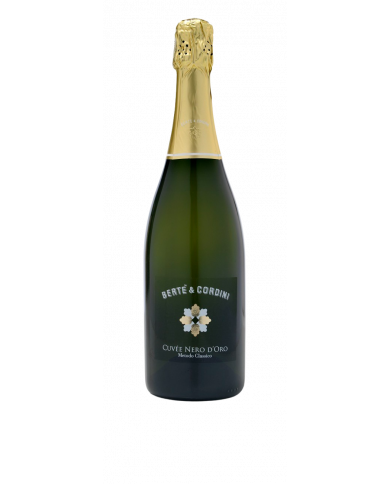
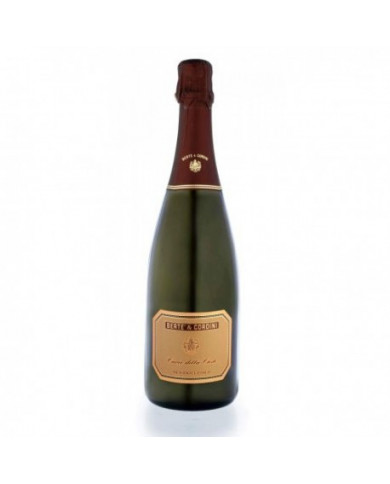
The Spumante Metodo Classico Brut Traditional Berté Cordini has a white, soft and rich foam; fine and persistent perlage. Straw yellow color with bright golden reflections. Bouquet rich in white flowers and fruity with hints of pear and tropical fruit.
€21.84
SKU:
14681
Brand:
Mottura
Wine produced from Negroamaro grapes grown in the area of Salice Salentino and other municipalities in the province of Lecce and Brindisi. Manual harvest at the right maturation with careful selection of the grapes. Manual sorting of the bunch with a selection belt, fermentation of the must at a controlled temperature, traditional maceration for 20-25 days, good use of delestage and pumping over. Carrying out of the malolactic fermentation in barriques at a controlled temperature, with the use of batonnage. 12 months of aging in French oak barriques. 2-3 months of aging in the bottle.
€13.01
SKU:
14678
Brand:
Cascina del Colle
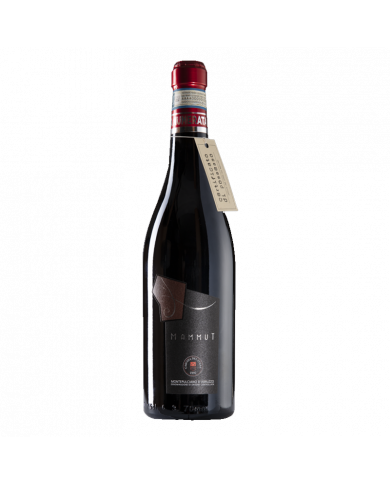
Why Mammut From the archaeological discovery of a Mammut tusk in the second half of the 1960s at the point where the current company "La Cascina del Colle " was built. Hence the idea of a lively, powerful and majestic wine
€20.24
SKU:
14676
Brand:
Trappèto di Caprafico
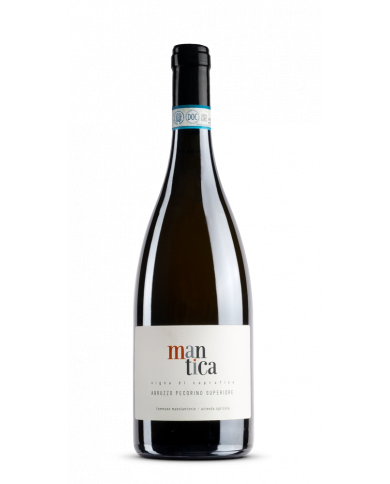
Pecorino from organic farming Abruzzo superior doc, Vigna di Caprafico. Mantica is an ancient name, it tells the story of a parcel of land, Mantica Longa, the object of a family sale.
€24.00
SKU:
14675
Brand:
Trappèto di Caprafico
€28.00
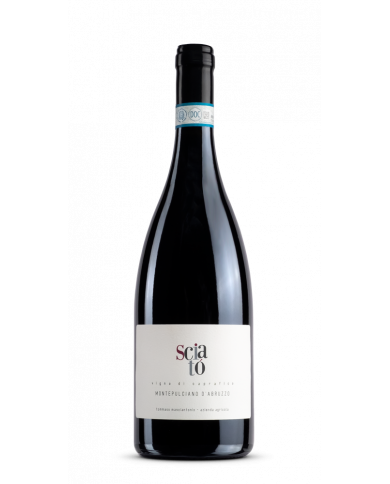
A hidden ambition but not that much. Said in French, written in the Italian manner, to tell the story of the ridge on which the castle of Caprafico stood, in Casoli, on the eastern side of the Maiella. From the old stock of Montepulciano d'Abruzzo ungrafted, pure, adapted to the climate and soil of that primordial landscape, a rarity is born, today a clone selected from the Caprafico countryside, at the foot of the castle, "lu sciatò".
€28.00
SKU:
14674
Brand:
Musivum
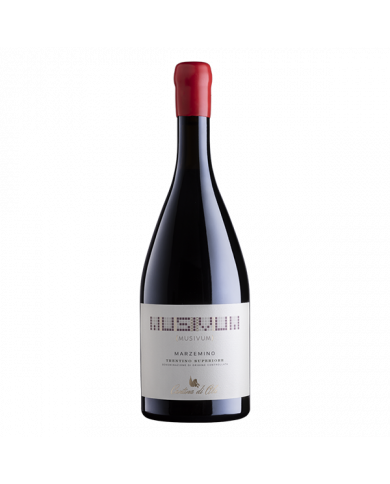
In the southernmost part of the Trentino Adige valley, where the Little Dolomites and the Baldo chain accompany Lake Garda in its expansion towards the Venetian plain, the vineyards of the Ala cellar are located; a land rich in memories, which was the scene of disputes between the Austrian empire and the most serene republic of Venice. It was thanks to these relationships and the consequent commercial exchanges of the people who populated it that Marzemino arrived in this land from the distant and suggestive Asia Minor.
€38.06
SKU:
14673
Brand:
Musivum
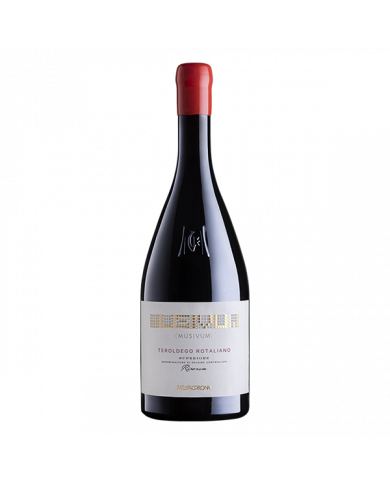
Teroldego is a vine with a fascinating history that has its cradle in the Trentino region and in particular in the Piana Rotaliana. Here, in fact, in the heart of the Adige Valley, north of the city of Trento, is "the most beautiful vineyard garden in Europe" as defined by Goethe and Cesare Battisti.
€54.90
SKU:
14666
Brand:
Cantine Francesco Montagna
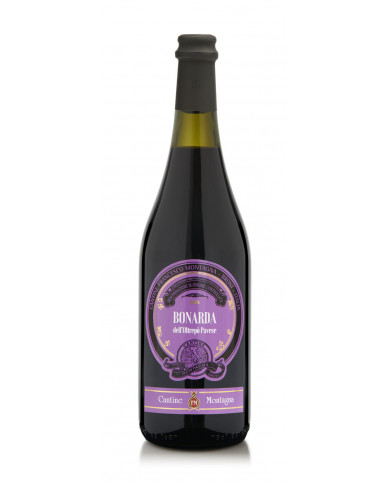
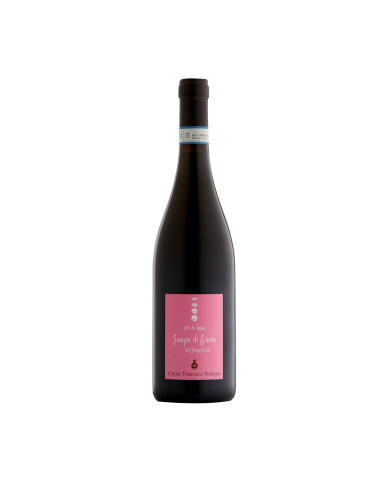
The vine is 100% Croatina grown in the most suitable areas of the Oltrepò Pavese on a mixed type of soil tending towards clayey limestone. The vineyards are trained with low-yield espaliers (50-60hl/ha). Manual harvest when perfectly ripe, usually at the end of September/first week of October. 4-day maceration in contact with the skins and alcoholic fermentation at a temperature of 25°C. The second fermentation takes place at a controlled temperature (16–18°C).
€13.41
SKU:
14663
Brand:
Cantine Francesco Montagna
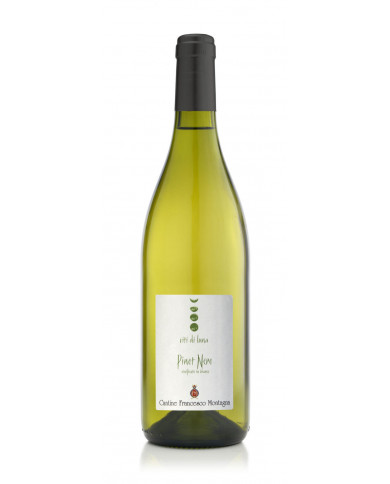
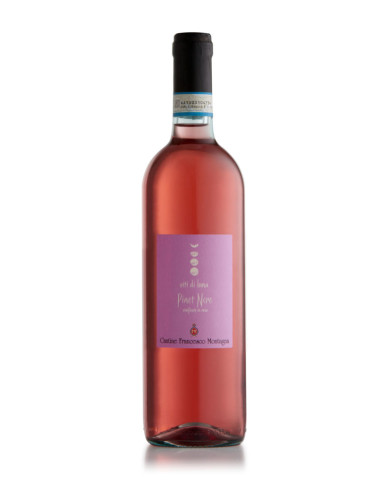
A young white wine from Lombardy, produced with Pinot Noir grapes vinified in white. After the manual harvest and destemming, we proceed to a soft pressing with static clarification at 10°C, followed by a fermentation at a controlled temperature. The second fermentation, for the second fermentation, takes place in an autoclave at a controlled temperature.
Its straw yellow color with bright reflections shines in the glass. The nose is delicate and subtle, with delicate floral and fruity aromas. The taste is extremely fresh, sparkling, with a touch of elegance and good aromatic persistence.
Surely it can be enjoyed with seafood first and second courses, white meats and fresh cheeses. It is perfect as an aperitif.
€10.37
SKU:
14662
Brand:
Cantine Francesco Montagna
Wine type: sparkling rosé. Soil type: clayey limestone. Breeding system: Counter-espalier. Altitude: From 150 to 250 m. slm Exposure: North-East. Average age of the vineyard: 18 years. Yield: 10,000 kg/ha. Harvest: From mid to late August. Vinification: After destemming and crushing, the must is left in contact with the skins for 24 hours, after which the solid parts are separated from the liquids. This is followed by clarification and controlled fermentation. The second fermentation takes place in an autoclave at a controlled temperature (17°C). Ageing: No ageing, young wine.
€10.85
SKU:
14661
Brand:
Cantine Francesco Montagna
Intense ruby red with violet hues, intense, sweet and warm aroma of fruit and spices. The sweetness is accompanied by a right fresh note which adds to a pleasant tannic presence.
€9.99
SKU:
14654
Brand:
Tenuta Antonini
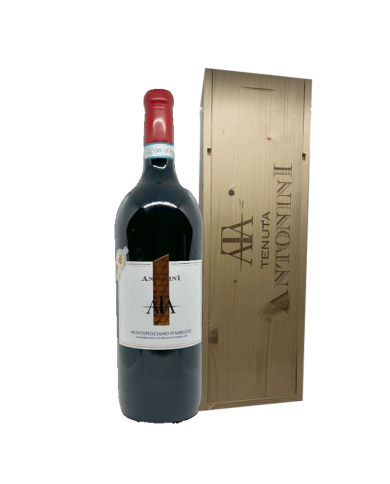
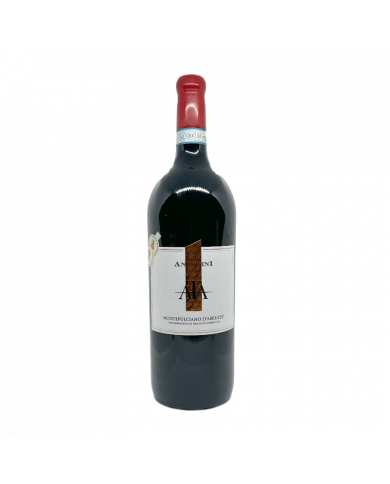
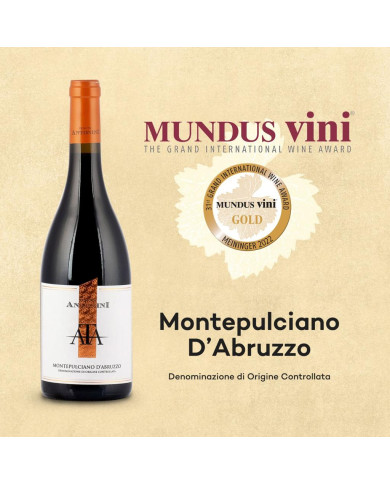
Red is the color of passion. Strong, energetic, charged, exciting: our Montepulciano d'Abruzzo is exactly like that, enveloping and full-bodied. Each sip encourages the discovery of its sensorial complexity, but also to let oneself be pervaded by positive sensations and share them with those around us.
€35.87
€12.69
€10.78
SKU:
14650
Brand:
Cantina Dorigati
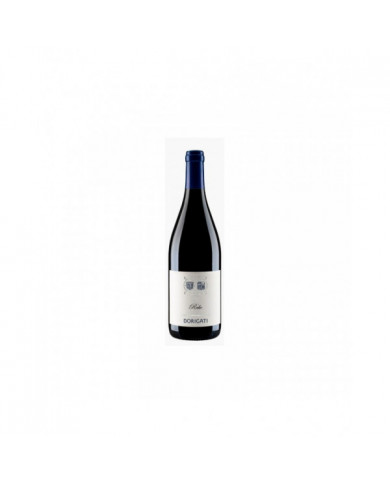
REBO RED WINE FROM TRENTINO DORIGATI WINERY
Rebo is a vine grown in the foothills of Mezzocorona with which Cantina Dorigati produces a red wine with a deep ruby red color, with an intense, pleasant aroma of red berried fruit and spicy notes.
The flavor of this wine is very harmonious and round, despite the presence of a certain tannin content and structure which make it a nice full-bodied wine. The experts of Trentiner - the portal dedicated to Trentino food and wine - suggest tasting this wine in large glasses, at a temperature between 16° and 18° C, pairing it with game-based dishes or roasts.
€16.84
SKU:
14649
Brand:
Cantina Dorigati
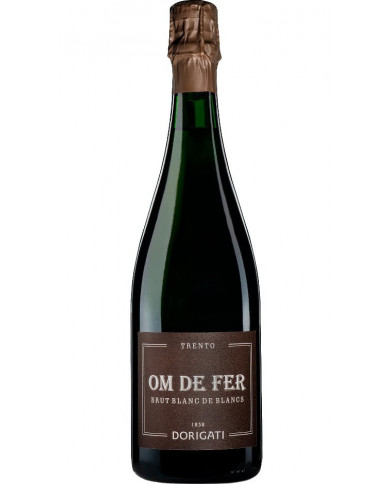
"Om De Fer" Brut Blanc de Blancs è un grande metodo classico prodotto dalla famiglia Dorigati col desiderio di creare uno spumante di alta qualità partendo dalla cuvèe di tiraggio, con l’intento di abbinare all’evoluzione e alla complessità tipiche del metodo classico, la grande freschezza delle bollicine trentine. Per questo il 30% delle uve vengono vendemmiate quando hanno raggiunto una maggiore maturazione in confronto a quelle raccolte per produrre la classica base spumante, questo apporta volume e complessità. Vengono poi utilizzate botti vecchie, ciò aiuta lo Chardonnay ad avere la fase ossidativa prima della presa di spuma, mentre per aumentare la complessità olfattiva vengono mischiate con piccole partite di Chardonnay di precedenti raccolte. I vigneti sono coltivati sulle colline pedemontane ghiaiose calcaree di Mezzocorona, colline Avisiane Trentino Alto Adige, ad una altitudine di 200-500 m s.l.m. I vitigni sono allevati a pergola trentina semplice e la vendemmia viene effettuata manualmente nella prima decade di Settembre. La vinificazione prevede una pressatura soffice con frazionamento dei mosti, fermentazione in barrique per un quarto della massa, con affinamento in acciaio inox e barrique vecchie prima del tiraggio; infine avviene un periodo di circa 24 mesi di affinamento sui lieviti. Nel calice sfoggia una bellissima veste di colore giallo paglierino, con perlage fine e persistente. Il profumo si rivela particolarmente intenso e complesso, lievemente agrumato, con sentori di mela cotta e dolci di pasticceria. La spuma è molto avvolgente e fine. In bocca risulta estremamente morbido, merito di una buona struttura ed equilibrio acidico. Estremamente fresco nella beva. Questo è l’OM DE FER: un metodo classico nato per dare gioia e piacere! Un calice estremamente versatile, perfetto come aperitivo e per brindare in ogni occasione, che si abbina perfettamente a qualsiasi piatto marinaro.
€28.62
SKU:
14648
Brand:
Cantina Dorigati
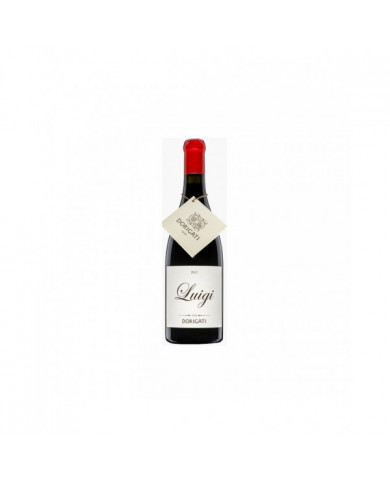
Deep ruby red color with violet reflections. Perfume hints of ripe fruit, cherry and blackcurrant; slightly vanilla note. In the mouth, its main characteristic is consistency, with an important volume, clear perception of the tannic concentration, but with a velvety touch on the palate that leaves a remarkable persistence in the aftertaste.
PAIRING: to be preferred in combination with red meats, also ideal with aged cheeses.
€45.02
SKU:
14647
Brand:
Cantina Dorigati
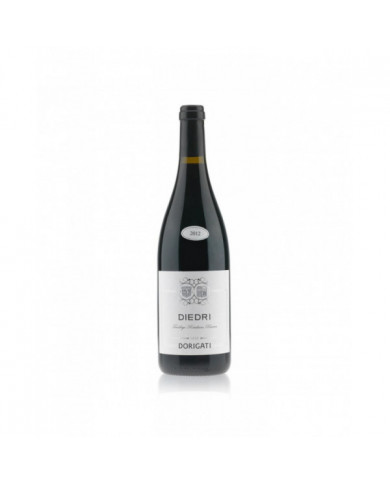
It is distinguished by a floral scent of violet, with hints of ripe fruit, blackberry, raspberry and blueberry with spicy notes of mint. The decisive and full flavor and a certain tannin give importance and depth to this wine of sure substance.
€27.82
SKU:
14646
Brand:
Cantina Dorigati
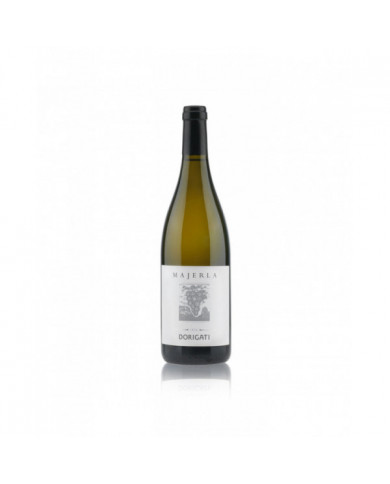
Characterized by aromas of varietal fruit aromas that combine well with the vanilla aroma given by the aging in wood. Creamy and full flavor, but at the same time fresh and pleasant. After the pressing and clarification of the must, the alcoholic fermentation takes place, half carried out in steel and half in wood.
€20.13
SKU:
14645
Brand:
Cantina Dorigati
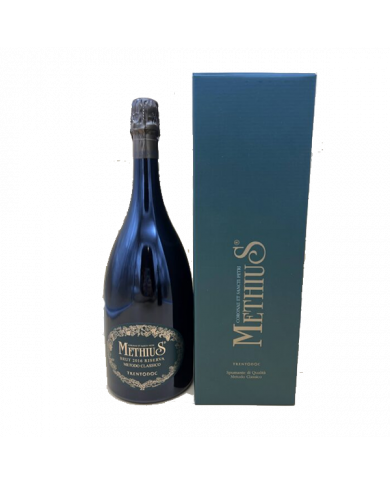
Il Trentino è una terra indubbiamente vocata alla produzione di basi spumanti. Se si aggiunge una produzione artigianale e rispettosa delle tradizioni ecco che si ottiene TRENTODOC, ovvero il metodo classico trentino.è da questi presupposti che nel 1986 nasce METHIUS TRENTO DOC grazie all’amicizia tra due amici enologi: Carlo Dorigati ed Enrico Paternoster. Il Trento Doc Methius è prodotto solo nella tipologia riserva, a sottolineare la qualità eccelsa di questo prodotto e la sua unicità. La cantina d’invecchiamento, ubicata a Mezzocorona (Trentino), risale ai primi del 1900, è completamente interrata e costruita con i “volti a botte” quasi tutti in pietra squadrata. Qui le bottiglie di Methius sostano per 60 mesi, a temperatura e umidità pressoché costanti tutto l’anno. Il nome “Methius” deriva dalla ricerca di un toponimo locale che accomuna l’origine del prodotto aziendale al territorio di nascita. L’etimo del nome scelto si perde nella storia. Si sa che già nel 1150 (Principe Vescovo e Mainardo II conte di Tirolo) il nome delle due borgate site nella “Piana Rotaliana” erano: Methius Coronae (oggi Mezzocorona) e Methius Sancti Petri (oggi Mezzolombardo) ove il radicale comune “Methius” deriva dal celtico e latino volgare.
€98.09
SKU:
14644
Brand:
Cantina Dorigati
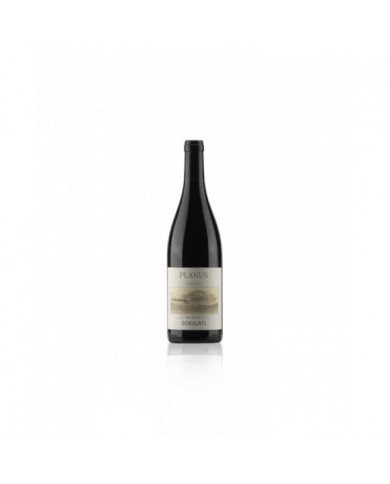
Planus è la loro interpretazione enoica della Piana Rotaliana, attraverso l’assemblaggio di tre varietà storicamente coltivate dalla famiglia : 40% Rebo, 40% Cabernet Sauvignon e 20% Teroldego. Rebo e Cabernet Sauvignon vengono coltivati sulle colline pedemontane del Monte di Mezzocorona, su terreni ghiaioso-calcarei. Il Teroldego, invece, viene coltivato sui terreni alluvionali ben drenanti tipici della Piana Rotaliana. La vinificazione in rosso con lunga permanenza sulle vinacce, la maturazione 12 mesi in piccole botti di rovere e in grandi fusti di rovere con successivo passaggio in acciaio. Di colore rosso rubino carico con riflessi violacei. Il profumo: esplodono inizialmente sentori speziati riconducibili al pepe ed a spezie orientali, provenienti da Cabernet Sauvignon e Rebo, lasciando poi il posto alla frutta rossa, in primis ribes nero, merito del Teroldego. Il Sapore: grazie alla presenza del Rebo l’entrata in bocca è molto gentile, nella parte centrale del palato denota grande pienezza e struttura, proveniente dal tannino del Cabernet Sauvignon; infine chiude con grande freschezza e succosità, data dalla percentuale del più fresco Teroldego.
€17.08