Italiano
 Deutsch
SKU:
6536
Brand:
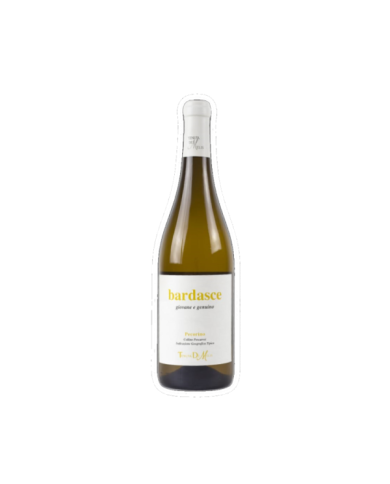
Tenuta De Melis
The De Melis family has been dedicated to the care of their vines, located on the Pennesi hills, since 1905 and since then it has increasingly specialized in the production of wines and passito wines belonging to the Abruzzo tradition.
SKU:
6523
Brand:
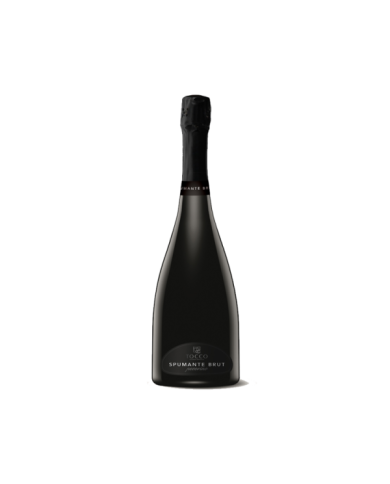
Tocco
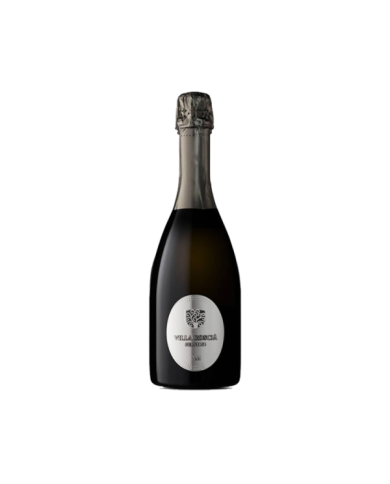
The wine has a light lemon yellow color with slight greenish reflections and has a fine and persistent perlage. It is characterized by a fruity smell with citrus notes, elegant floral scents and a subtle note of toast. On the palate, however, it has a fresh and lively flavor, of medium structure and persistence. Ideal as an aperitif, appetizers and raw fish, shellfish, first and second courses based on fish.
€11.70
€12.37
€9.90
€5.76
€4.61
SKU:
6461
Brand:
Cantina Rapino
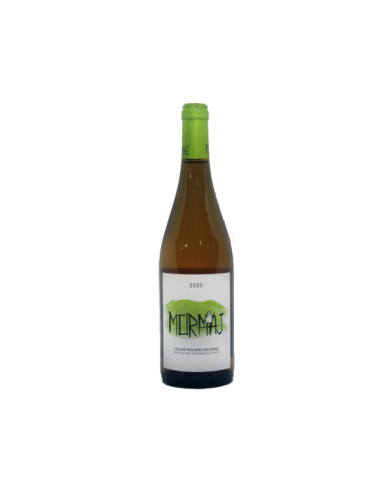
There is a wild, untamed vibe to this wine, yet it keeps it in check. Aromas of dried wildflowers, sliced fruit and melon bring an energetic and medium-bodied palate where a chamomile tone emerges in all its strength. White tea-like tannins give a delicate grip on the palate, with a surprising balance between fresh acidity and full body that keeps everything in place
€14.99
SKU:
6454
Brand:
Cantina Rapino
€7.43
€5.94
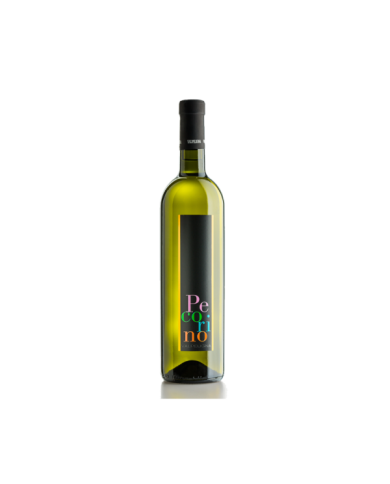
wine obtained from the processing of only Pecorino grapes, harvested in the period of late August, the must is fermented through selected yeasts. The wine is aged for 6 months in concrete tanks on its own fine yeasts and subsequently started in the bottle without filtration. The grapes are grown and processed in the Miglianico area under organic farming. Wine suitable for long aging if left in ideal storage conditions.
€7.43
€5.94
€6.78
€5.43

SKU:
6411
Brand:
Cantina Dei Colli Ripani
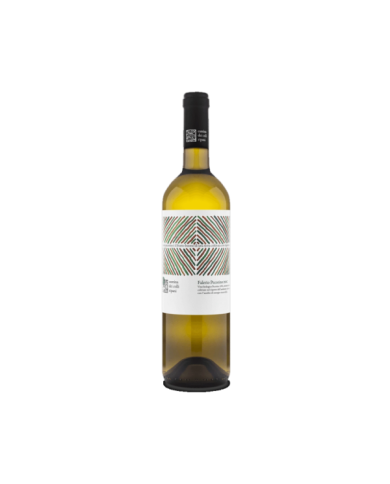
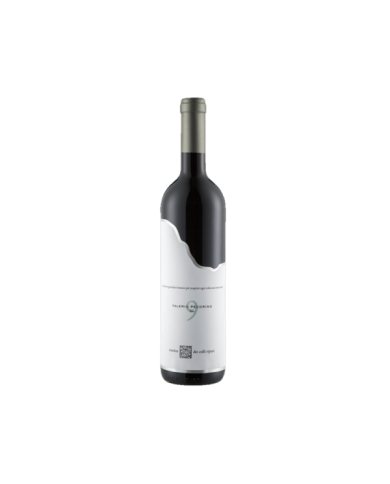
"The strongest sign of the face is the nose. Mine is intense but with a fine, selected profile. When you look at it, the greenish reflections of my pale complexion curl up in a corner of your eye. And if you look closer you find my land. , Ripatransone, the Belvedere del Piceno. They made me wine there, the first time in 1977. Falerio Pecorino. "
SKU:
6390
Brand:
Cantina Dei Colli Ripani
Falerio Pecorino is the good fruit of a land cultivated with respect, in a continuous cycle where doing well gives the best there is in drinking.
€10.78
SKU:
6372
Brand:
Cantina Dei Colli Ripani
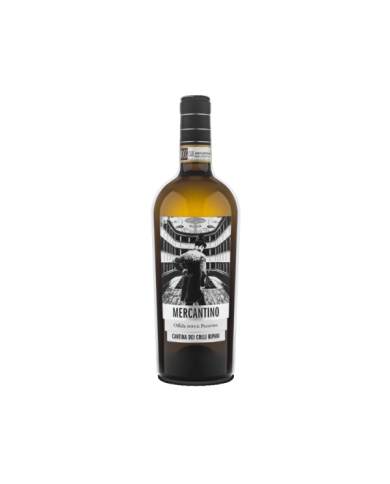
Pour a glass of Mercantino Offida DOCG Pecorino, put your ear to the glass and close your eyes for a moment. Do you feel it? It is the whispering of the audience that is filled with impatience to attend the performance of the famous Luigi Mercantini. Yes, you are at the theater, surrounded by a colorful auditorium, that of the fourteenth-century Palazzo del Podestà di Ripatransone which the poet Ripano gave birth to since 1894. This bottle is its stage and it is now time to take its place: the show is to begin. NB. Magnum format 1,5L Vintage 2019 - Alcohol 14,00% Vol.
€9.09
SKU:
6367
Brand:
Cantina Dei Colli Ripani
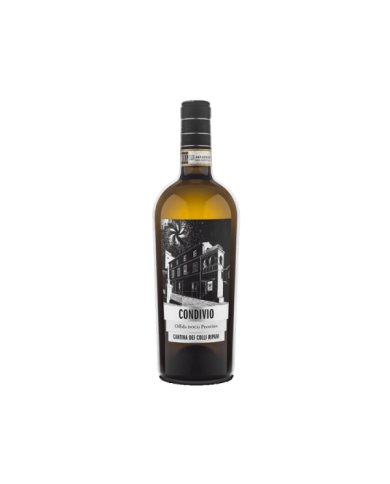
Under the window of his birthplace the whole town gathers every year: we are in Piazza Condivi and we toast with a good glass of Condivio Offida DOCG Pecorino, the only white of the family aged in cask, the result of a careful selection of pecorino grapes. which is now offered to us by the good Ascanio Condivi. He was once a painter and sculptor, a pupil of the unrivaled master Michelangelo. Today, at the stroke of the Octave of Easter, his spirit takes part in the party waiting for the arrival of the sparkling Fire Horse while above the roof of his house, the sky of Ripatransone lights up.
€33.79
SKU:
6350
Brand:
Cantina Dei Colli Ripani
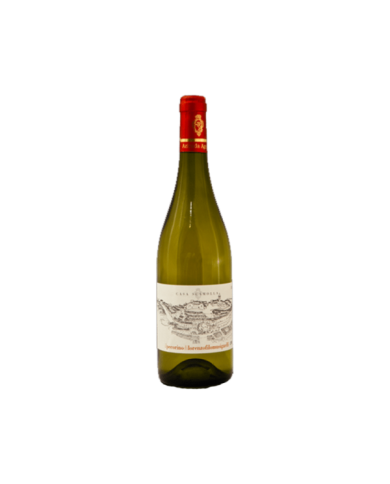
you don't need to look far to discover a new land every time.
€10.39
SKU:
6275
Brand:
Terzini
€8.04
€6.43
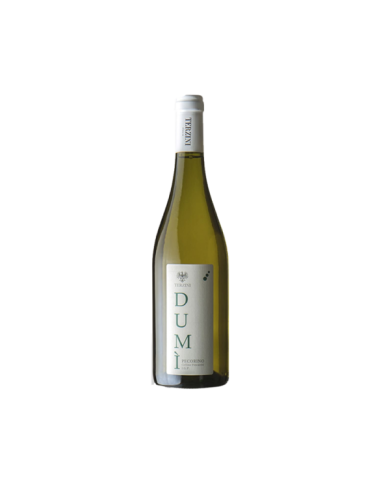
VARIETY PECORINO 100% PRODUCTION AREA Tocco da Casauria (PE) - ITALY TYPE OF SOIL clayey FORMAT 750ml VINTAGE 2020
€8.04
€6.43
SKU:
6263
Brand:
Terzini
€10.21
€8.17
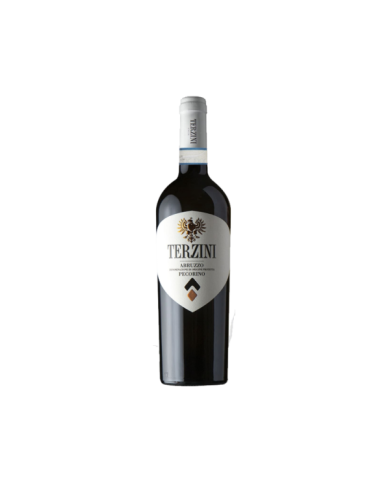
VARIETY Pecorino 100% PRODUCTION AREA Tocco da Casauria (PE) - ITALY TYPE OF SOIL clayey FORMAT 750ml VINTAGE 2020
€10.21
€8.17
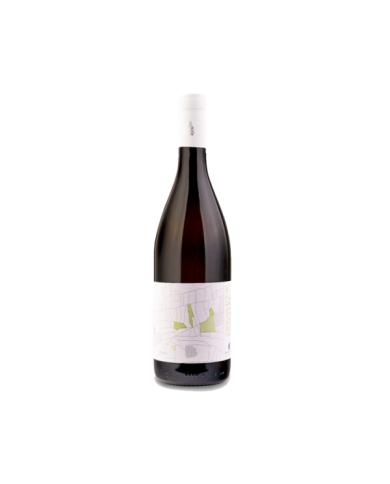
€9.50
€7.60
SKU:
6191
Brand:
D'Alesio Sciarr
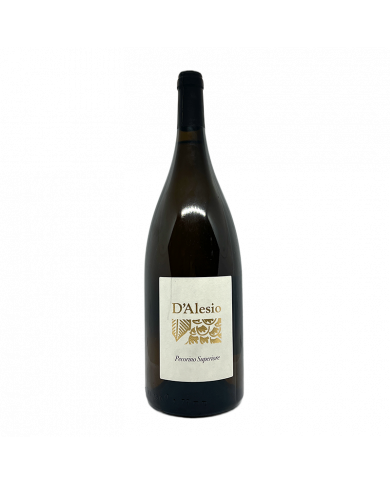
This vine was mentioned for the first time by Cato the Censor in the second century BC, who attributed the origin of this kind of grapes to the Greek colonists. The Pecorino grapes seem to derive their name from the fact that the sheep, walking through the vineyards, would have shown several times to like the fruits.
€39.28
SKU:
6153
Brand:
Dora Sarchese
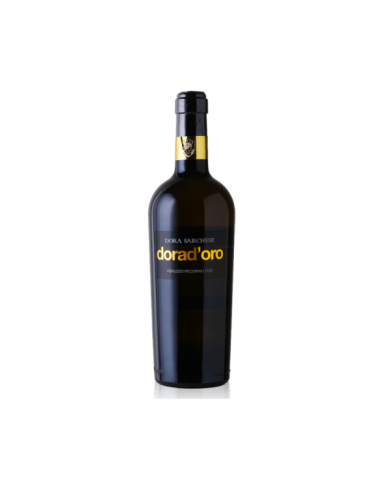
Pecorino Dora D'oro has a beautiful shiny gold color with a golden nail, clear and consistent. Born from a great intuition of a master of Italian enology: Leonardo Seghetti . To him, all the credit for the diffusion of pecorino wine in Abruzzo, a wine as sincere as the land of Abruzzo and as precious as gold. Diploma of Great Mention Pecorino IGT 2005 at the 40th Vinitaly International Wine Competition. A fresh, soft and savory wine, ideal companion to white meats, fish soups. Cantina Dora Sarchese is an Abruzzo company reminiscent of a nineteenth century farm. Tradition of quality.
SKU:
6063
Brand:
Di Ubaldo
€12.53
€11.28
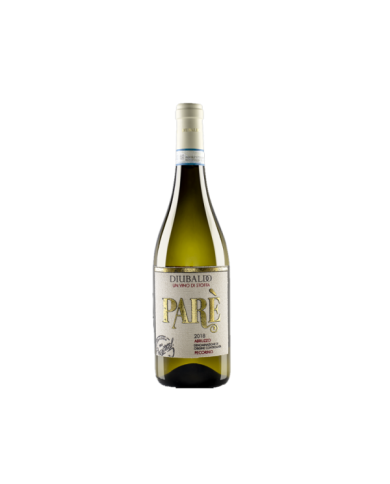
Pecorino cheese. Its name remains a mystery today, the most accredited hypothesis is the one that binds it to the transhumant sheep farming typical of Abruzzo. Today cultivated at lower altitudes than the much higher ones of historical crops, the vine, with vinification in maceration, expresses great values, for all the senses. It is certainly one of the most important whites in Italy.
€12.53
€11.28
€8.47
SKU:
5795
Brand:
Cantina Orsogna
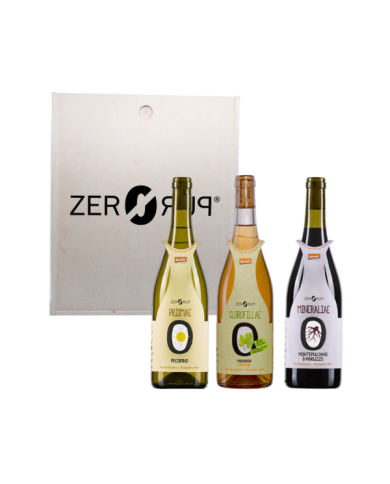
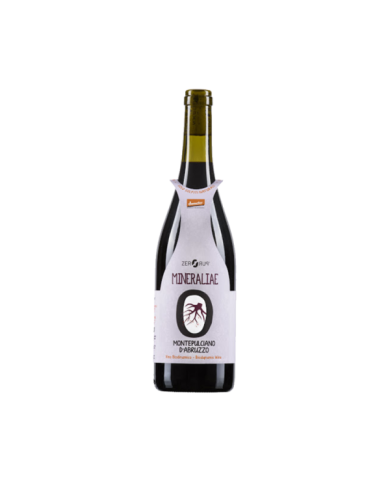
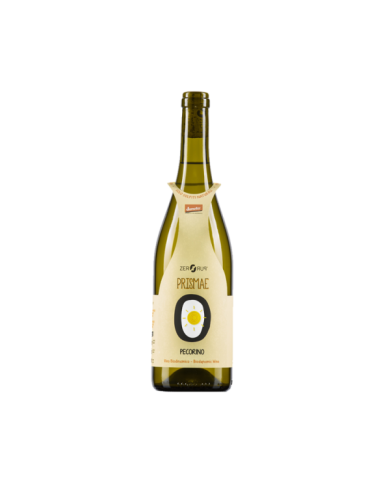
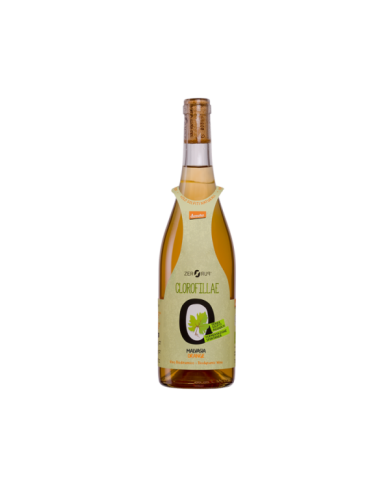
Zeropuro spontaneously fermented Demeter sulphite-free wine from biodynamic grapes. Easy to separate label. Montepulciano, Malvasia Orange and Pecorino.
€46.99
SKU:
5792
Brand:
Cantina Orsogna
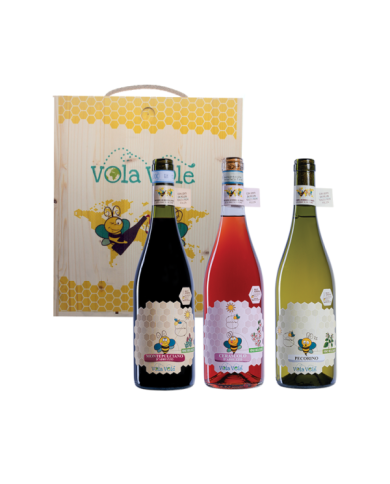
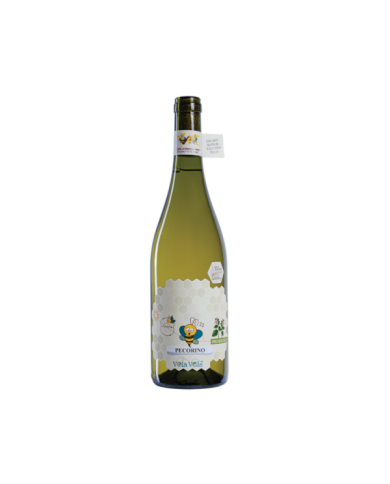
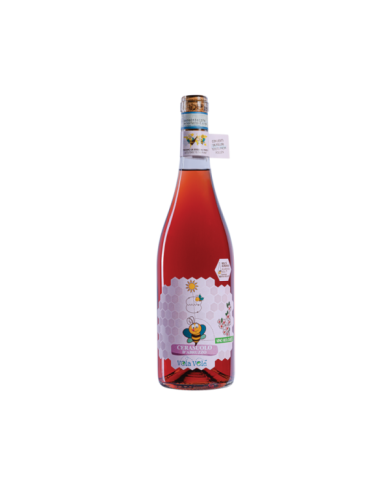
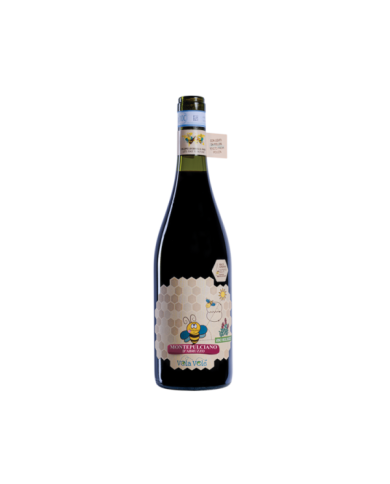
Cantina Orsogna dedicates the VolaVolé brand to organic and vegan wines with Biodiversity Friend certification. The bees of Volà Volè invite you to make a toast to the planet!
€45.90
SKU:
5716
Brand:
Tenuta Ulisse
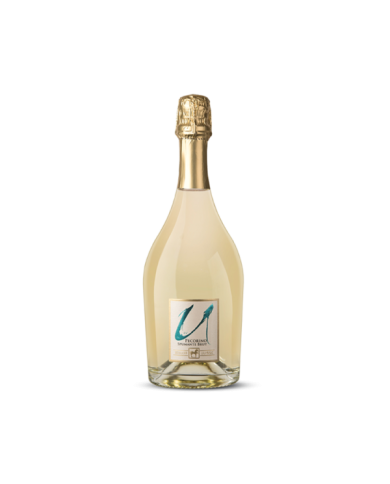
Denomination: Sparkling Wine Grape Variety: Pecorino
The Pecorino grape, thanks to its wide aromatic heritage, is particularly suited to sparkling wine. In Abruzzo Tenuta Ulisse made it sparkling for the first time. An ambitious and simple project at the same time: using the native Pecorino vine to produce a Charmat Method Spumante in Abruzzo. The goal is, once again, to focus on the peculiarities and richness of our land, to offer these vines a new way of telling themselves and expressing their personality.
€12.05
Pecorino d'Abruzzo: The Complete Guide
Pecorino d'Abruzzo is a white wine with a Controlled Designation of Origin (DOC) designation produced in Abruzzo , a region in central-southern Italy. In this article, we'll explore the characteristics of this wine, from its history to its production and tasting. We'll also discover which dishes pair best with this wine and how to store it properly.
Pecorino d'Abruzzo is a white wine made from Pecorino grapes. Its production is permitted only in certain provinces of Abruzzo, specifically in the areas of Chieti, L'Aquila, and Teramo. This wine has a long history, but has only achieved significant popularity in recent years.
Terroir and production of Pecorino d'Abruzzo
The Abruzzo region is characterized by a Mediterranean climate with mild winters and hot, dry summers. The Pecorino d'Abruzzo terroir extends across the hills near the Adriatic Sea, offering excellent sun exposure and mineral-rich soil.
The grape variety used to produce Pecorino d'Abruzzo is Pecorino, an ancient native grape variety of Abruzzo. Pecorino d'Abruzzo is made through temperature-controlled fermentation, followed by a brief period of bottle aging.
Organoleptic characteristics of Pecorino d'Abruzzo
Pecorino d'Abruzzo is straw yellow in color with greenish highlights. Its aroma is intense, with notes of exotic fruit and citrus. On the palate, the wine is fresh and mineral, with good acidity and a light savory finish. Its alcohol content ranges from 12% to 14%.
The main characteristic of Pecorino d'Abruzzo is its freshness and savory character. Thanks to its unique terroir and meticulous winemaking, this wine retains a remarkable minerality and intense aromas.
Food Pairing: Pecorino d'Abruzzo
Pecorino d'Abruzzo pairs very well with fish dishes, such as fish soup, grilled fish, and seafood risotto. This wine also pairs well with white meat dishes, such as chicken and turkey, and with fresh, creamy cheeses like ricotta and goat cheese.
Pecorino d'Abruzzo is a very versatile wine that pairs well with vegetable dishes, salads, and appetizers. In general, this wine pairs well with fresh, light dishes, but also with flavorful, structured dishes.
Preserving and serving Pecorino d'Abruzzo
Pecorino d'Abruzzo should be served chilled, between 10°C and 12°C. To preserve the wine, it is recommended to store it in a cool, dry place, away from direct sunlight. Once opened, the wine can be stored in the refrigerator for up to two days.
Economic notes
Pecorino d'Abruzzo is a highly regarded wine in Italy and abroad. Annual production is approximately one million bottles, and the average price per bottle is around 10 euros.
Conclusion
Pecorino d'Abruzzo is a white wine with a fresh, mineral flavor, worthy of discovery and appreciation. Thanks to its unique terroir and meticulous winemaking, this wine retains a remarkable minerality and intense aroma. Its versatility makes it suitable for pairing with a wide range of dishes, from fish to white meats and vegetables.
FAQ
Which provinces in Abruzzo allow the production of Pecorino d'Abruzzo?
Production is permitted in the provinces of Chieti, L'Aquila, and Teramo.
What are the organoleptic characteristics of Pecorino d'Abruzzo?
Pecorino d'Abruzzo is straw yellow in color with greenish highlights. Its aroma is intense, with notes of exotic fruit and citrus. On the palate, the wine is fresh and mineral, with good acidity and a light savory finish.
Which grape varieties are used to produce Pecorino d'Abruzzo?
The grape variety used is Pecorino, an ancient native grape variety of Abruzzo.
What is the average price of a bottle of Pecorino d'Abruzzo?
The average price is around 10 euros.
What dishes pair best with Pecorino d'Abruzzo?
Pecorino d'Abruzzo pairs very well with fish dishes, white meat, fresh and creamy cheeses, but also with vegetable dishes, salads, and appetizers.