

 Italiano
 Deutsch















There are no more items in your cart
€5.76
€5.05
€63.70
SKU:
20155
Brand:
Barbicaia
Bianco tavola è un vino da fine pasto ma anche da meditazione, grazie alla sua complessità.
“È il vino della tradizione e della famiglia, il suo profumo antico mi riporta indietro nella memoria dei luoghi e delle persone.”
€0.00
SKU:
20151
Brand:
Barbicaia
Un vino dal colore rosso rubino intenso che sorprende le note aromatiche ricchi di frutta rossa matura che trovano corrispondenza in un gusto pieno e corposo. Al gusto ritorna il tannino setoso chiude elegante e fine.
“Ho selezionato una parte di vigneto con caratteristiche peculiari per ottenere un vino giovane, fruttato, corposo ed elegante”.
€13.91
SKU:
20127
Brand:
Podere Conca
Numero civico del Podere sulla via Bolgherese, che rappresenta il nostro centro aziendale, punto di riferimento per le nostre attività.
€22.20
SKU:
20115
Brand:
Attilio Ghisolfi
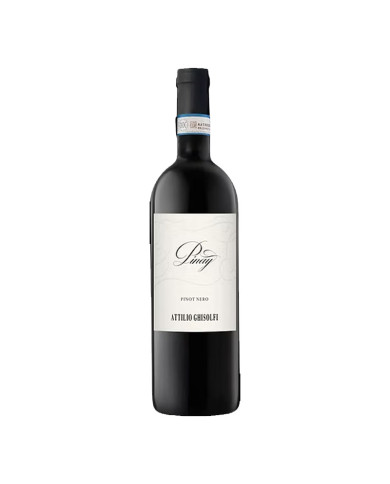
Questo vino è prodotto con uva Pinot Nero in purezza e rappresenta una piccolo esperimento nell’ambito delle varietà non legate al territorio. Viene prodotto nei vigneti situati in Monforte d’Alba, zona Visette.
€18.30
SKU:
20114
Brand:
Attilio Ghisolfi
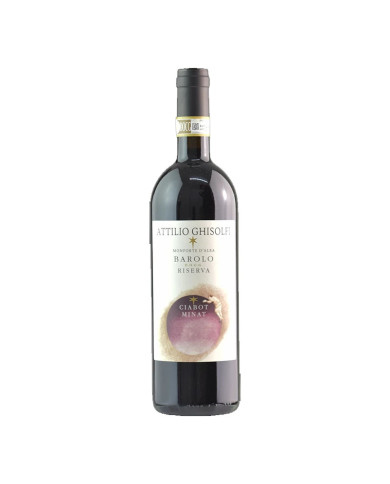
Il “Ciabot Minat” rappresenta l’eccellenza dell’azienda ed è il frutto di una scrupolosa selezione.
Per questo motivo viene prodotto solo nelle migliori annate e in numero limitato di bottiglie.
€100.63
SKU:
20112
Brand:
Attilio Ghisolfi
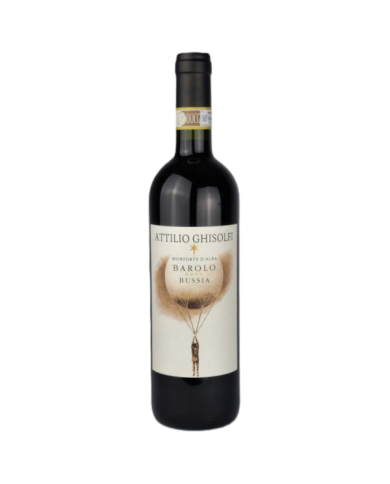
Questo vino rosso si presenta con un elegante colore rubino che sfuma verso il granato, promettendo complessità e profondità. Al naso, sprigiona un bouquet raffinato e floreale, con delicate note di ibisco rosso che si intrecciano a sentori di prugna matura e lampone fresco. Al palato, conquista con la sua struttura armoniosa e avvolgente, offrendo un'esperienza piena e bilanciata. I tannini, moderati e ben integrati, accompagnano con eleganza ogni sorso, rendendo il vino già godibile fin da giovane. Il finale è lungo e persistente, lasciando un piacevole ricordo fruttato e vellutato.
€52.70
SKU:
20110
Brand:
Attilio Ghisolfi
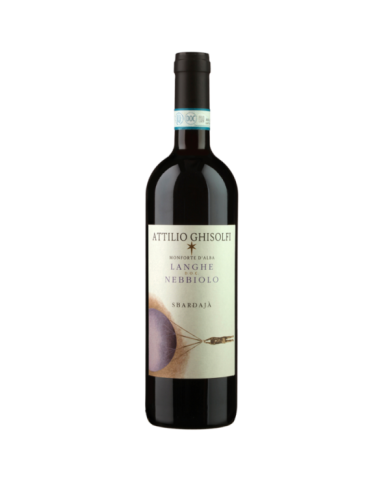
Classe e spontanea vivacità sono le caratteristiche che distinguono il Nebbiolo. Vino antico e già noto per le cantine di Casa Reale Savoia a partire dal 1600. ” Sbardajà ” è un termine che deriva dal dialetto Piemontese e significa ” sparsi – sparpagliati ed è stato scelto questo nome poiché il vino è ottenuto da uve Nebbiolo provenienti da vigneti sparsi tra Langhe e Roero (Monforte, Monteu Roero e Priocca)
€21.41
SKU:
20108
Brand:
Attilio Ghisolfi
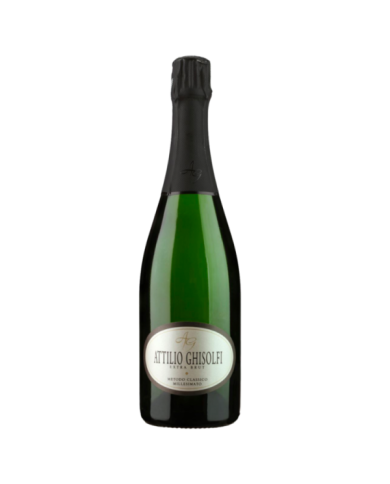
Molto intrigante e profumato questo Vino Spumante di Qualità Metodo Classico Extra Brut Millesimato della cantina Attilio Ghisolfi. Si caratterizza per aromi e sapori di grande eleganza. La freschezza vibrante lo rende versatile negli abbinamenti e fluido nella beva.
€23.06
SKU:
20104
Brand:
Moretti Omero
Central core of succulent wild berries, violet flowers. Full-bodied wine with a fine tannic texture. Fruity finish with light spiciness.
€14.03
SKU:
20103
Brand:
Apollonio
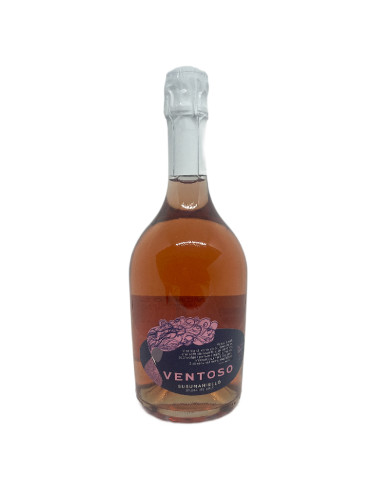
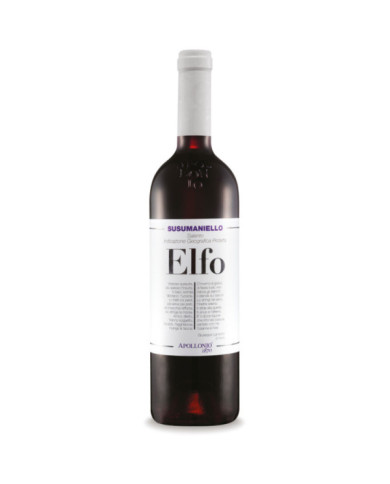
Susumaniello, an autochthonous black grape variety from Puglia, grown in Salento. Its name recalls, in the Apulian dialect, the name of the "somarello" indicating the ancient tradition of raising the productivity of the plant by loading it with bunches "like a donkey". After the first decade of life of the vineyard, the bunch is unloaded of grapes and the production loses in quantity but improves in quality, producing wines of great expression.
€10.31
€9.28
SKU:
20102
Brand:
Apollonio
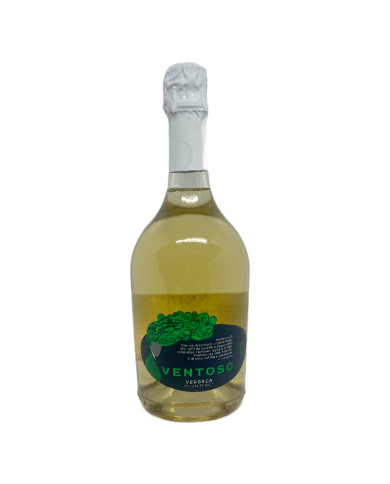
Verdeca is a native white grape variety of Puglia, with greenish hues that suggest its name. Elegant, mineral and very vigorous.
€8.97
SKU:
20101
SKU:
20100
€65.03
SKU:
20097
€12.52
€10.64
€28.55
SKU:
20091
€32.51
SKU:
20090
Brand:
Apollonio
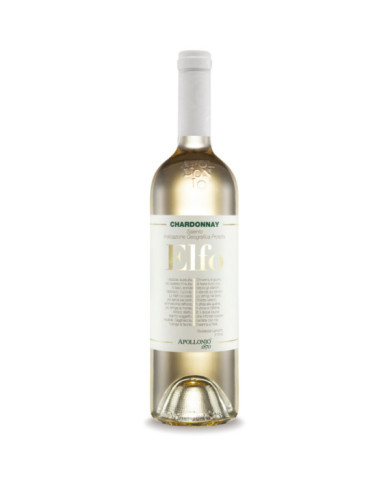
Thanks to its excellent adaptability, Chardonnay is one of the most widespread white grape varieties in the world. Cultivated in all climatic conditions and in all areas, on clayey-calcareous soils and with a temperate, warm and windy climate, it ensures great results.
€9.49
SKU:
20089
Brand:
Apollonio
€9.49
€8.07
Salento is identified by three climatic elements: the sun, creator of generous sugar levels, the sea, responsible for the minerality of the wines, and the wind which makes this territory naturally free from diseases and particularly suitable for the production of "natural" wines. Characterized by extensive flat areas and modest hills, Salento is geologically made up of a medium-textured limestone structure.
€9.49
€8.07
SKU:
20088
Brand:
Apollonio
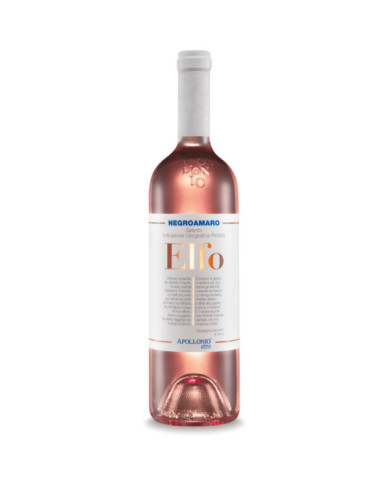
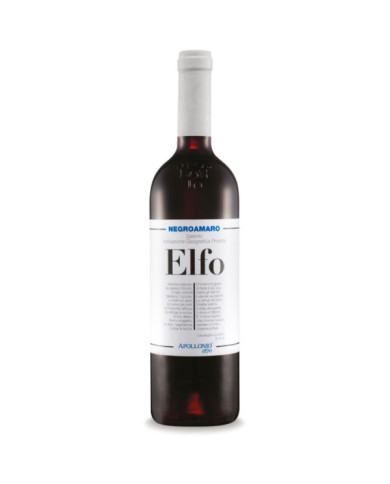
Autochthonous of Puglia, it is the main black grape variety of Salento. Its origins are very ancient (VIII century AC ), it probably owes its name to the terms “niger” (Latin) and “mavros” (Greek) which both mean black. The great versatility makes it suitable for all types of winemaking
€9.49
SKU:
20087
Brand:
Apollonio
Negroamaro, native to Puglia, is the main black grape variety of Salento. Its origins are very ancient (VIII century AC ), it probably owes its name to the terms “niger” (Latin) and “mavros” (Greek) which both mean black. The great versatility makes it suitable for all types of wines.
€8.42
SKU:
20086
Brand:
Apollonio
Susumaniello, an autochthonous black grape variety from Puglia, grown in Salento. Its name recalls, in the Apulian dialect, the name of the "somarello" indicating the high productivity of the plant loaded with bunches "like a donkey". After the first decade of life of the vineyard, the bunch is unloaded of grapes and the production loses in quantity but improves in quality, producing wines of great expression.
€9.49
SKU:
20085
Brand:
Apollonio
Susumaniello, an autochthonous black grape variety from Puglia, grown in Salento. Its name recalls, in the Apulian dialect, the name of the "somarello" indicating the high productivity of the plant loaded with bunches "like a donkey". After the first decade of life of the vineyard, the bunch is unloaded of grapes and the production loses in quantity but improves in quality, producing wines of great expression.
€8.42
SKU:
20083
Brand:
Apollonio
Negroamaro, native to Puglia, is the main black grape variety of Salento. Its origins are very ancient (VIII century AC ), it probably owes its name to the terms “niger” (Latin) and “mavros” (Greek) which both mean black. The great versatility makes it suitable for all types of winemaking.
€11.10
SKU:
20082
Brand:
Apollonio
Primitivo, a native black grape variety of Puglia, owes its name to the characteristic vegetative phases of the plant, all early, from ripening to budding, from flowering to veraison, from which the old name of "Primaticcio" derives.
€15.20
SKU:
20081
Brand:
Apollonio
Primitivo, a native black grape variety from Puglia. It owes its name to the characteristic vegetative phases of the plant, all early, from maturation to budding, from flowering to veraison, from which the old name of "Primaticcio" derives.
€20.67
€14.59
€16.97
€35.62
€15.49
€52.81
€64.55
€61.22
€57.57
€91.99
SKU:
20069
Brand:
Domini Veneti
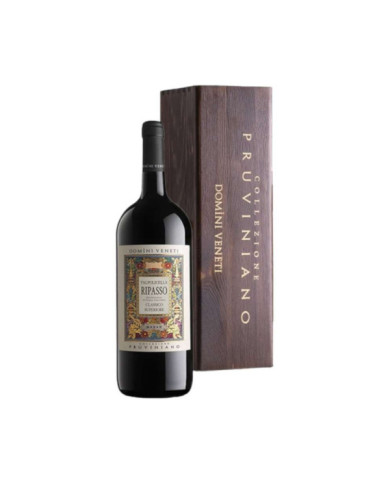
Ma che cos’è e perché si chiama “Ripasso”?
La tecnica del ripasso è una tecnica tradizionale, riscoperta e valorizzata negli ultimi decenni. Consiste nel lasciare nel tino di fermentazione le vinacce dell’Amarone e ripassare un uguale quantitativo di vino Valpolicella fresco, dando inizio a una nuova fermentazione per circa 7 – 10 giorni.
Da questo processo, nasce il fortunatissimo vino chiamato Ripasso, con maggior grado alcolico rispetto a un Valpolicella, colore più intenso e un profumo complesso. Un vino che si fa davvero amare.
€47.90
SKU:
20068
Brand:
Domini Veneti
La viticoltura biologica è doverosa: abbinare l’esigenza della produzione economicamente redditizia con il rispetto dell’ambiente è prova di elevata professionalità e garanzia per il consumatore.
Dal 2004 Domini Veneti è all’avanguardia con la gestione biologica dei vigneti e la produzione certificata di Amarone, Valpolicella e Ripasso.
Questo è il futuro della nostra Valpolicella, per il bene delle sue genti e per un consumatore consapevole.
€60.74
SKU:
20067
Brand:
Domini Veneti
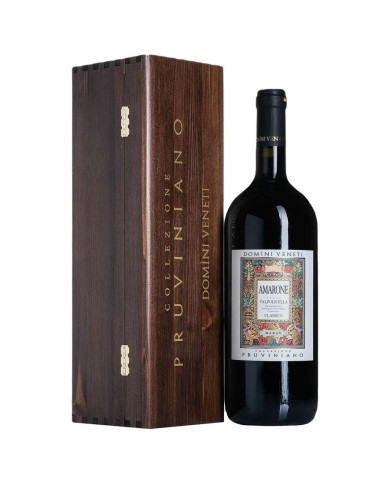
NEL NOME “AMARONE”: Il battesimo pare che sia stato ad opera di Gaetano Dall’Ora, all’epoca presidente della cooperativa sorta nel 1933. Gaetano portò il calice di questo sconosciuto vino al naso e subito dopo lo assaggiò. La scoperta fu sorprendente. Genialmente ispirato e inebriato da tanti profumi e sapori, il presidente esclamò: “Questo non è un amaro, è un amarone!”. Signore e Signori, diamo il benvenuto a un Re.
€127.99
SKU:
20066
Brand:
Domini Veneti
€114.90
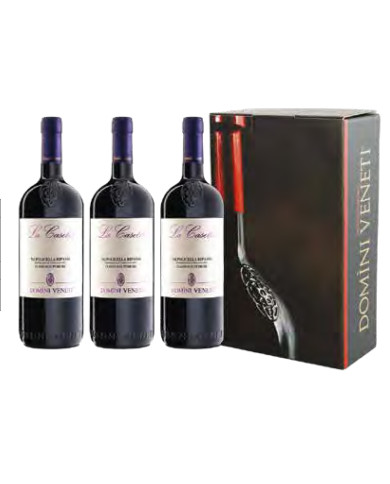
“La Casetta” è un Valpolicella Superiore Ripasso eclettico, che ci rappresenta nello stile e nell’unione fra tradizione e contemporaneità. Pluripremiato in Italia e all’estero, ha saputo conquistare il palato di tutti, compreso quello dei millennial.
€114.90
SKU:
20065
Brand:
Domini Veneti
La Cantina Domini Veneti, della Valpolicella di Verona, produce questa strepitosa etichetta con la vinificazione in blend di uve di Corvina 60%, Corvinone 15%, Rondinella 15%, altre uve come da disciplinare 10%. La provenienza dei vigneti è situata nel cuore della Valpolicella Classica, nella frazione di Prognol, su terrazzamenti a secco. La vendemmia si svolge a partire da Settembre fino ad inizio Ottobre esclusivamente a mano. La vinificazione prevede la pigiatura con diraspatura delle uve. Temperatura di fermentazione 25-28 °C. Macerazione di 10 giorni con follature programmate alla frequenza di 3 al giorno di 20 minuti. L’affinamento del vino si svolge in acciaio e poi in bottiglia per circa 12 mesi. Fermentazione malolattica completa. Stabilizzazione al naturale.
€52.66
SKU:
20064
Brand:
Domini Veneti
€59.95
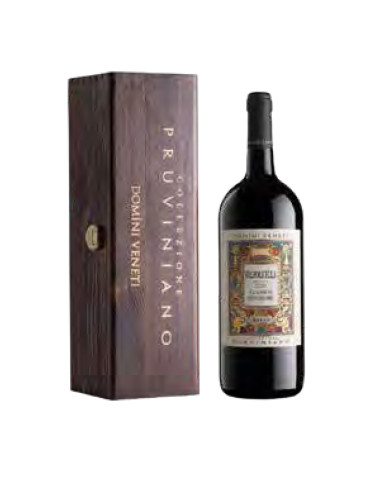
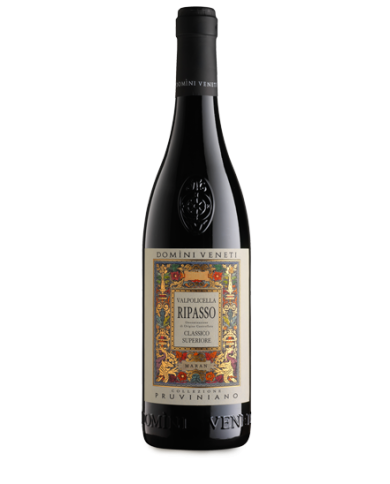
Il Valpolicella Ripasso DOC Classico Superiore della Collezione Pruviniano di Domìni Veneti è il risultato di una ricerca continua mirata alla scoperta e alla caratterizzazione dei terroir nella prestigiosa regione della Valpolicella Classica. Questo vino è ottenuto esclusivamente da uve provenienti dalla zona di Marano, anticamente conosciuta come Pruviniano fino al 1177.
€59.95
SKU:
20063
Brand:
Domini Veneti
Dalla vinificazione in blend delle uve più pregiate del Veneto. I vitigni impiegati sono quelli di Corvina al 60%, di Corvinone al 15%, Rondinella 15%, Altre uve come da disciplinare 10%. La provenienza è situato nel cuore della Valpolicella Classica, nella frazione di Prognol, su terrazzamenti a secco. Altimetria da 200 a 250 metri sul livello del mare. La vendemmia si svolge tra Settembre e Ottobre con selezione esclusivamente manuale. La vinificazione prevede l’appassimento fino a Dicembre/Gennaio in fruttaio. Pigiatura all’inizio di Febbraio con diraspatura delle uve. Temperatura di fermentazione da 12 a 23 °C. Macerazione lenta per 30 giorni, dei quali 12 a freddo. Follature manuali con la frequenza di 3 al giorno. Fermentazione malolattica completa. In ultimo l’affinamento del vino che si sviluppa in legno poi in bottiglia. Stabilizzazione naturale.
€93.57
€93.57
SKU:
20061
Brand:
Domini Veneti
Amarone Espressioni è la sintesi della filosofia
di Cantina Valpolicella Negrar ed è il frutto di un lavoro
di ricerca che dura da oltre 10 anni, condotto in collaborazione
con l’Istituto Sperimentale per la Viticoltura di Conegliano
Veneto e il Centro Vitivinicolo della Provincia di Verona.
Cantina Valpolicella Negrar, da anni impegnata nella ricerca
e nella valorizzazione del territorio,
si trova in una situazione di grande vantaggio.
Situata nel cuore della Valpolicella Classica,
possiede vigneti in tutti i 5 comuni storici della valle, Negrar,
San Pietro in Cariano, Sant’Ambrogio, Fumane e Marano.
Questo patrimonio ci offre l’opportunità di scoprire nuovi
e più ampi orizzonti di questa terra, a patto di darne
la giusta valorizzazione, per rendenderlo così irripetibile.
Con questo progetto Cantina Valpolicella Negrar
va oltre il significato di Amarone proposto sin ora,
principalmente caratterizzato dalle tecniche di appassimento
e dai vitigni autoctoni, enfatizzando i diversi territori,
nuovi e sconosciuti valori sui quali poggiare l’originalità
e la competitività futura.
€331.47
SKU:
20060
Brand:
Domini Veneti
Distillazione con metodo discontinuo, in alambicchi di rame, con fuoco diretto.
SKU:
20059
Brand:
Domini Veneti
Brucatura: entro la metà di Gennaio con selezione esclusivamente manuale. Pressatura: entro 12 ore dalla raccolta con macine tradizionali in pietra e poi con torcoli a fistoli, a temperatura controllata di 22-24 °C.
€7.53
SKU:
20057
Brand:
Domini Veneti
Vendemmia: Settembre con selezione esclusivamente manuale. Dopo la pigiatura il mosto rimane a contatto delle bucce e inizia la fermentazione. Conservazione: acciaio.
€7.53
SKU:
20056
Brand:
Domini Veneti
Vendemmia con selezione esclusivamente manuale.
Pressatura soffice delle uve. Fermentazione conservazione in acciaio
e fermentazione senza bucce alla temperatura controllata di 14-16 °C
€8.72
SKU:
20055
Brand:
Domini Veneti
Vendemmia: fine Settembre. Pigiatura con diraspatura delle uve,
pressatura soffice a membrana. Fermentazione conservazione in
acciaio e fermentazione senza bucce alla temperatura controllata di
14-16 °C. Stabilizzazione: proteica e tartarica.
€8.72
SKU:
20054
Brand:
Domini Veneti
Vendemmia: fine Settembre. Pigiatura con diraspatura delle uve,
pressatura soffice a membrana. Fermentazione conservazione in
acciaio e fermentazione senza bucce alla temperatura controllata di
14-16 °C. Stabilizzazione: proteica e tartarica.
€8.72
SKU:
20053
Brand:
Domini Veneti
Vendemmia: seconda decade di settembre, con selezione esclusivamente manuale. Pigiatura con diraspatura delle uve.
Fermentazione affinamento in acciaio. Stabilizzazione: naturale.
€8.72
SKU:
20051
Brand:
Domini Veneti
Vendemmia: fine settembre. Appassimento
per 60 giorni. Affinamento: legno.
€28.07
SKU:
20050
Brand:
Domini Veneti
Vendemmia: seconda decade di Settembre.
Fermentazione primaria in acciaio; travaso in autoclave per la presa
di spuma e affinamento sui lieviti.
Affinamento: qualche settimana in bottiglia.
€14.13
SKU:
20049
Brand:
Domini Veneti
Vendemmia: con selezione esclusivamente manuale.
Conservazione: acciaio.
€7.93
€16.34
€8.09
SKU:
20045
Brand:
Domini Veneti
Vendemmia: Settembre con selezione esclusivamente manuale.
Dopo la pigiatura il mosto rimane a contatto delle bucce
e inizia la fermentazione. Conservazione: acciaio
€8.09
SKU:
20044
Brand:
Domini Veneti
Vendemmia: da Settembre fino a inizio Ottobre con selezione
esclusivamente manuale.
Conservazione: acciaio.
€8.09
SKU:
20043
Brand:
Domini Veneti
Vendemmia: fine Settembre con selezione esclusivamente manuale.
Conservazione: acciaio
€10.70
SKU:
20042
Brand:
Domini Veneti
Vendemmia: fine Settembre con selezione esclusivamente manuale.
Conservazione: acciaio
€10.47
SKU:
20041
Brand:
Domini Veneti
Vendemmia: inizio Ottobre con selezione esclusivamente manuale.
Conservazione in acciaio fino a Febbraio e ripasso sulle vinacce di
Amarone. Affinamento: legno.
€15.54
SKU:
20040
Brand:
Domini Veneti
Vendemmia: inizio Ottobre con selezione esclusivamente manuale.
Conservazione in acciaio fino a Febbraio e ripasso sulle vinacce di
Amarone. Affinamento: legno.
€15.54
SKU:
20039
Brand:
Domini Veneti
Vendemmia: tra Settembre e Ottobre con selezione esclusivamente
manuale.
Appassimento in fruttaio: 100/120 giorni.
Affinamento: legno + bottiglia.
€37.43
SKU:
20038
Brand:
Domini Veneti
Vendemmia: tra Settembre e Ottobre con selezione esclusivamente
manuale.
Appassimento in fruttaio: 100/120 giorni.
Affinamento: legno + bottiglia.
€37.43
SKU:
20034
Brand:
Domini Veneti
Vendemmia: fine Settembre con selezione esclusivamente manuale.
Appassimento in fruttaio: 120 giorni. Affinamento: acciaio.
Spumantizzazione: metodo charmat.
€34.73
SKU:
20033
Brand:
Domini Veneti
Vendemmia: fine Settembre con selezione esclusivamente manuale.
Appassimento in fruttaio: 100/120 giorni.
Affinamento: acciaio + bottiglia.
€25.85
SKU:
20032
Brand:
Domini Veneti
Vendemmia: fine Settembre con selezione esclusivamente manuale.
Appassimento in fruttaio: 100/120 giorni.
Affinamento: acciaio + bottiglia.
€14.91
SKU:
20031
Brand:
Domini Veneti
Vendemmia: fine Settembre con selezione esclusivamente manuale.
Appassimento in fruttaio: 100/120 giorni.
Affinamento: acciaio + bottiglia.
€14.91
SKU:
20030
Brand:
Domini Veneti
Vendemmia: fine Settembre con selezione esclusivamente manuale.
Conservazione: acciaio.
€9.99
SKU:
20029
Brand:
Domini Veneti
Vendemmia: fine Settembre con selezione esclusivamente manuale.
Conservazione: acciaio.
€9.99
SKU:
20028
Brand:
Domini Veneti
Vendemmia: fine Settembre, inizio Ottobre con selezione
esclusivamente manuale.
Affinamento: legno.
€11.58
SKU:
20027
Brand:
Domini Veneti
Vendemmia: fine Settembre, inizio Ottobre con selezione
esclusivamente manuale.
Affinamento: legno.
€11.58
SKU:
20026
Brand:
Domini Veneti
Vendemmia: tra Settembre e Ottobre con selezione esclusivamente
manuale. Appassimento in fruttaio: 100/120 giorni.
Affinamento: legno + bottiglia
€287.07
SKU:
20025
Brand:
Domini Veneti
Vendemmia: tra Settembre e Ottobre con selezione esclusivamente manuale. Appassimento in fruttaio: 100/120 giorni. Affinamento: legno + bottiglia
€287.07
SKU:
20024
Brand:
Domini Veneti
Vendemmia: tra Settembre e Ottobre con selezione esclusivamente
manuale. Appassimento in fruttaio: 100/120 giorni.
Affinamento: legno + bottiglia
€150.67
SKU:
20023
Brand:
Domini Veneti
Vendemmia: tra Settembre e Ottobre con selezione esclusivamente
manuale. Appassimento in fruttaio: 100/120 giorni.
Affinamento: legno + bottiglia
€150.67
SKU:
20022
Brand:
Domini Veneti
Vendemmia: tra Settembre e Ottobre con selezione esclusivamente manuale. Appassimento in fruttaio: 100/120 giorni. Affinamento: legno + bottiglia
€77.71
SKU:
20021
Brand:
Domini Veneti
Vendemmia: tra Settembre e Ottobre con selezione esclusivamente
manuale. Appassimento in fruttaio: 100/120 giorni.
Affinamento: legno + bottiglia
€77.71
SKU:
20015
Brand:
Domini Veneti
Vendemmia: prima decade di Ottobre.
Conservazione: 10% in barrique francesi di secondo passaggio per 3
mesi, il resto in acciaio; segue assemblaggio.
€11.26
SKU:
19982
Brand:
Domini Veneti
Vendemmia: inizio Ottobre con selezione esclusivamente manuale.
Ripasso sulle vinacce dell’Amarone con contatto per 15 giorni.
Affinamento: legno + acciaio + bottiglia.
€16.65
€21.72
€15.70
€33.23
€12.81
SKU:
19973
Brand:
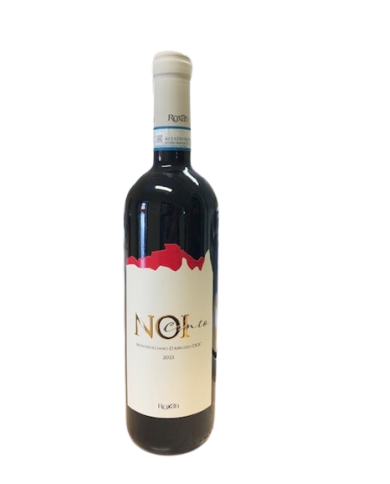
Roxan
Aromas of ripe red cherries and pleasant warming spiciness. Good gripping tannin and ripe red fruits of great persistence.
€4.90
SKU:
19972
Brand:
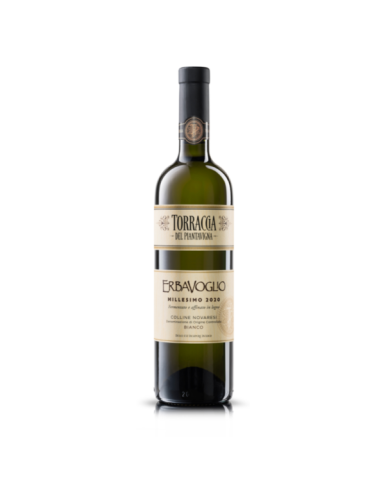
Torraccia Del Piantavigna
excellent both as an aperitif and throughout the meal, it accompanies a wide variety of foods based on both fish and vegetables, up to moderately strong flavours.
€16.90
€94.90
SKU:
19969
Brand:
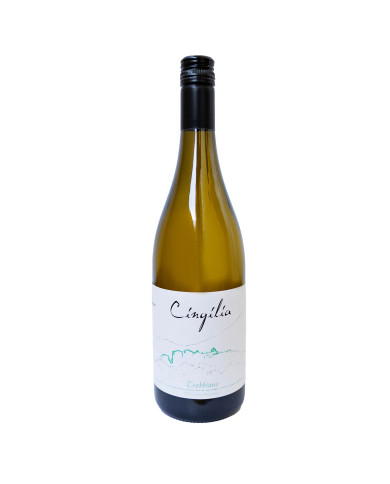
Cingilia
Il Pecorino di Cingilia è un vino bianco prodotto nel comune di Cugnoli (PE), a 300 metri sul livello del mare su terreno argilloso e calcareo. Fermenta spontaneamente e affina sur lies per diversi mesi in serbatoi di acciaio inox con rimescolamento periodico delle fecce.
€16.23