Italiano
 Deutsch
















There are no more items in your cart
SKU:
7059
Brand:
De Angelis Corvi
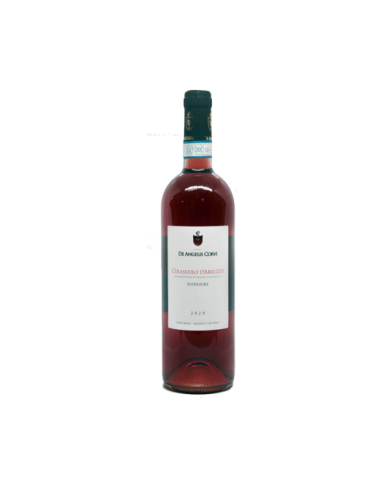
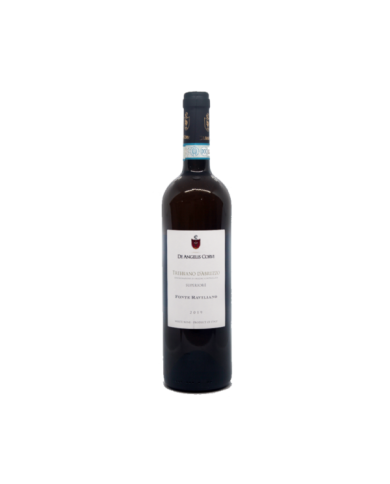
Nobody makes a Cerasuolo like Corrado's. It's a wine that makes you fall in love the exact moment you put it in your mouth, so full, so satisfying, so complete. Fruit and robustness meet to give life to a Cerasuolo of the highest level.
€12.69
€10.15
SKU:
7055
Brand:
De Angelis Corvi
The wine “Fonte Raviliano bianco” is a Trebbiano, certainly one of the most important wines produced by the De Angelis Corvi company. The De Angelis Corvi company is located in one of the most beautiful wine-growing areas of the province of Teramo and the Abruzzo region in general. The “Fonte Raviliano bianco” wine by De Angelis Corvi as Trebbiano is characterized by its characteristic and original organoleptic profile at the same time. The wine “Fonte Raviliano bianco” by De Angelis Corvi is a white, still and dry wine, vinified from grapes in the context of the typologies foreseen by the Trebbiano d'Abruzzo DOC denomination. The De Angelis Corvi company was included in the Quattrocalici Wine Guide because it is one of the most important wine-growing companies in the province of Teramo. The area in which the De Angelis Corvi company is located is historically suited to viticulture. In particular, the numerous awards obtained by agricultural companies in the province of Teramo have further stimulated producers to invest in the area to make the best use of its production potential, to constantly improve quality and tackle new markets. The wines of the De Angelis Corvi company and in particular the Trebbiano “Fonte Raviliano bianco”, are characterized by the right sugar and alcohol content and good fixed acidity, which contributes to enhancing their aromas and maintaining them over time. The winery produces approximately 6500 bottles of the "Fonte Raviliano bianco" wine, testifying to the importance that this wine has in the context of the company's production.
SKU:
7051
Brand:
De Angelis Corvi
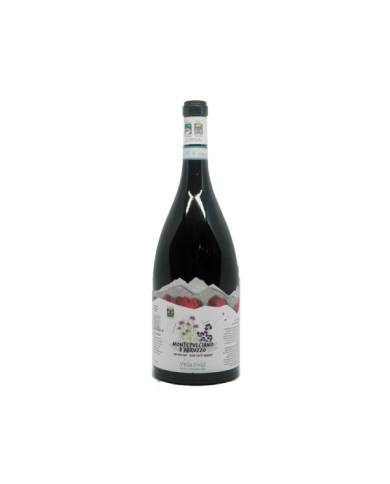
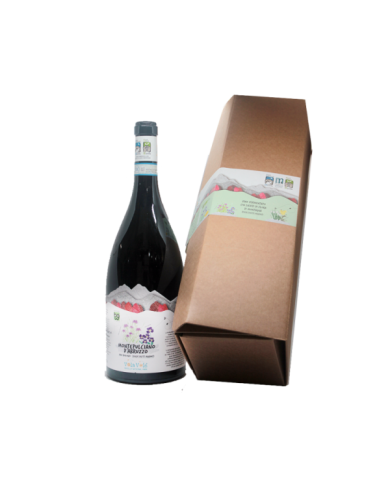
Obtained from the pure vinification of Montepulciano grapes. It is a young wine with a period of maturation in steel barrels of 6 months and a subsequent refinement of 4 months in the bottle. Intense ruby red color with marked floral and ripe fruit scents, it is a soft and balanced wine. 13.5% vol.
€14.27
€25.50
SKU:
6733
Brand:
Codice Citra
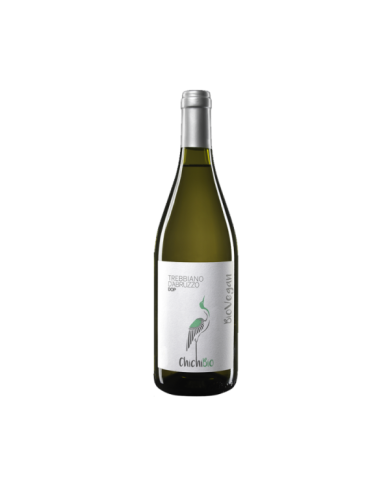
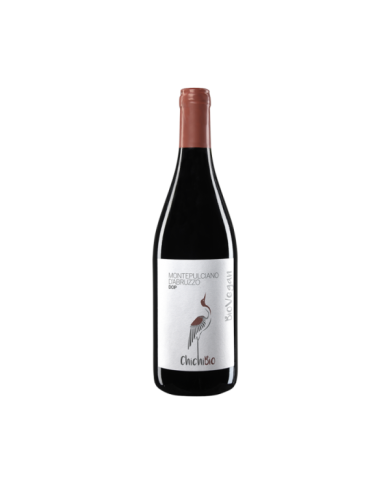
Montepulciano d'Abruzzo DOP Chichibio is a vegan organic wine, which maintains all the characteristics of traditional wines, but produced with processes that exclude the use of any substance of animal origin, respecting the dictates of vegan nutrition and obtaining the biovegan certification. The Chichibio line is made up of bottles of organic wine and is part of the line of organic vegan wines marked by environmental sustainability, which highlight the close link between the Codice Citra and Abruzzo through collaboration with the Abruzzo Lazio National Park and Molise.
€7.66
€5.66
€4.53
€20.46
€18.41
SKU:
6519
Brand:
Tocco
Grape variety Trebbiano Denomination Trebbiano d \ 'Abruzzo DOC Type White wine Production area Alanno (PE) Training system Abruzzo pergola Year of planting 2013 Exposure of the soil South / South-West Yield per hectare 140q Harvest from 15 to 25 September Vinification after soft pressing cold in an inert environment, the must is decanted and then left to ferment at a low temperature (12/14 ° C) Organoleptic characteristics Color: lively straw yellow Odor: fruity, with clear notes of yellow fruit, elegant floral scent on the finish Taste: fresh, quite savory and medium-bodied, on the finish it is pleasantly almondy. Pairings with appetizers and fish first courses, risottos, delicate creamy cheeses Serving temperature 8 ° -10 ° c CL. 75 12.5% VOL
€9.75
€8.77
€14.48
€5.76
€4.61
€7.71
€6.17
€7.71
€6.17
€5.76
€4.61
SKU:
6468
Brand:
Duchi di Castelluccio
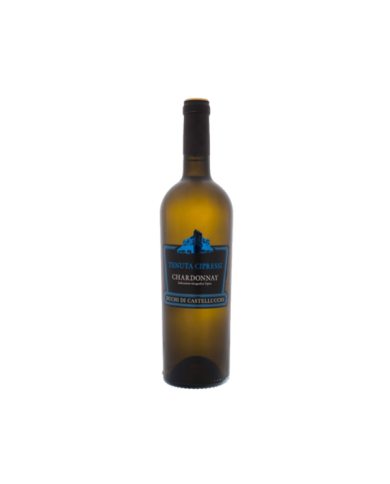
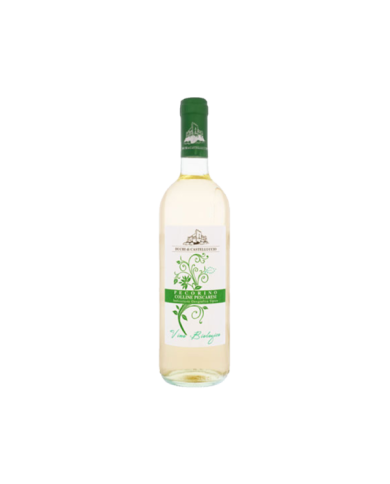
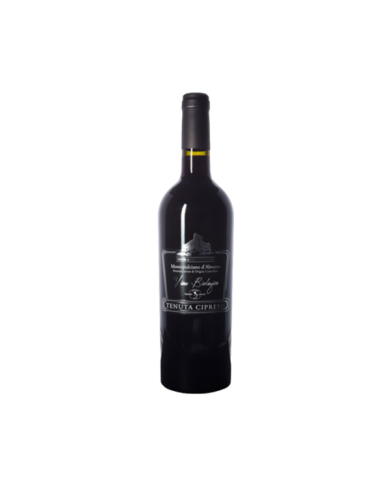
Tenuta Cipressi Montepulciano d'Abruzzo DOC 2014 Organic Wine - Duchi di Castelluccio .
€11.96
€21.41
SKU:
6392
Brand:
Cantina Dei Colli Ripani
Passerina is the good fruit of a land cultivated with respect, in a continuous cycle where doing well gives the best there is in drinking.
€9.87
SKU:
6390
Brand:
Cantina Dei Colli Ripani
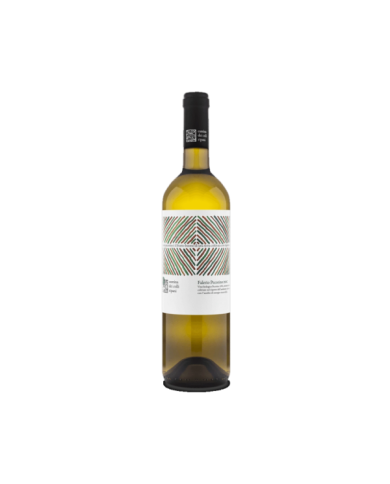
Falerio Pecorino is the good fruit of a land cultivated with respect, in a continuous cycle where doing well gives the best there is in drinking.
€10.78
SKU:
6070
Brand:
Di Ubaldo
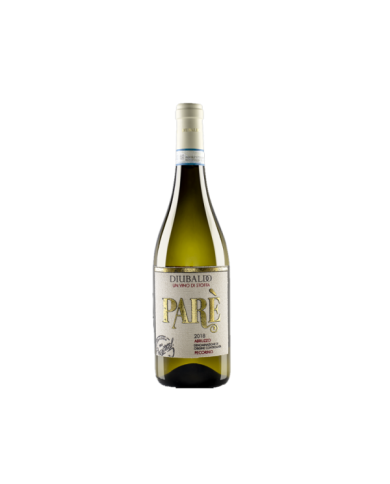
Grape variety also called Trebbiano scienciato, that is sparse bunch, maintains good acidity until phenological maturation is completed. Passerina vinified in purity enhances its marked qualities of freshness and aromaticity.
SKU:
6063
Brand:
Di Ubaldo
€12.53
€11.28
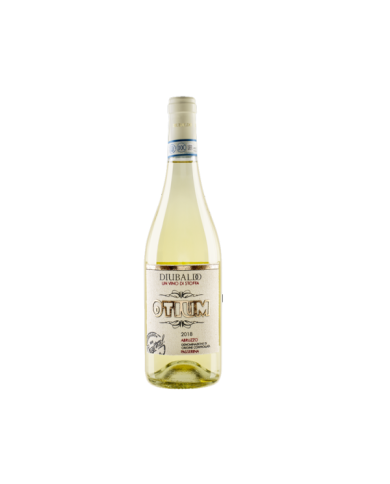
Pecorino cheese. Its name remains a mystery today, the most accredited hypothesis is the one that binds it to the transhumant sheep farming typical of Abruzzo. Today cultivated at lower altitudes than the much higher ones of historical crops, the vine, with vinification in maceration, expresses great values, for all the senses. It is certainly one of the most important whites in Italy.
€12.53
€11.28
€8.88
SKU:
5656
Brand:
Cantina Orsogna
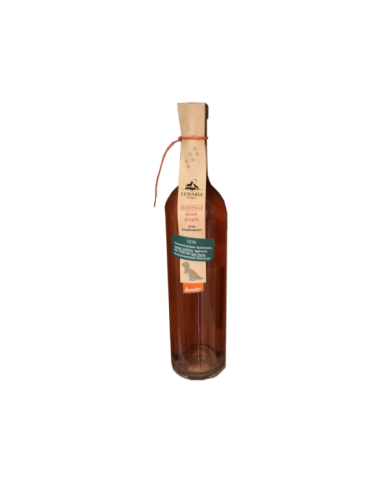
Spontaneous fermentation Without added sulphites Unfiltered with bottom Natural stabilization Sulphite-free, Organic, Vegan and Biodynamic Wine Demeter certified produced with the Ancestral method
SKU:
5654
Brand:
Cantina Orsogna
Spontaneous fermentation Without added sulphites Unfiltered with bottom Natural stabilization Sulphite-free, Organic, Vegan and Biodynamic Wine Demeter certified produced with the Ancestral method
€11.85
SKU:
5649
Brand:
Cantina Orsogna
Spontaneous fermentation Without added sulphites Unfiltered with bottom Natural stabilization Sulphite-free, Organic, Vegan and Biodynamic Wine Demeter certified produced with the Ancestral method
€12.75
€14.27
SKU:
5600
Brand:
Agriverde
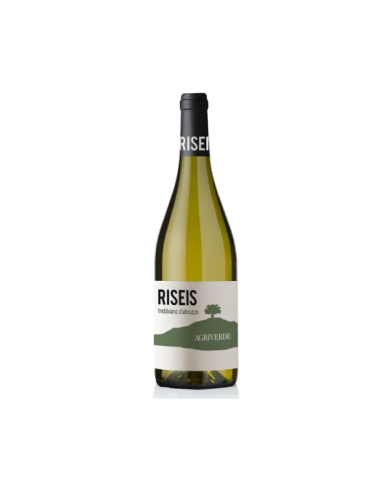
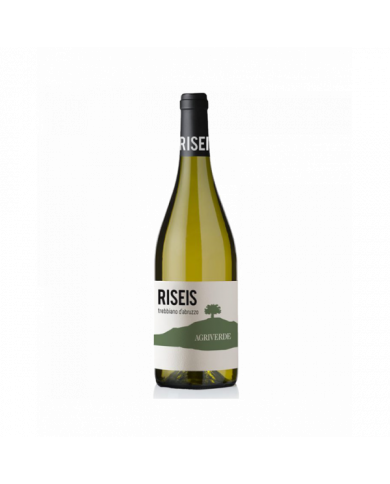
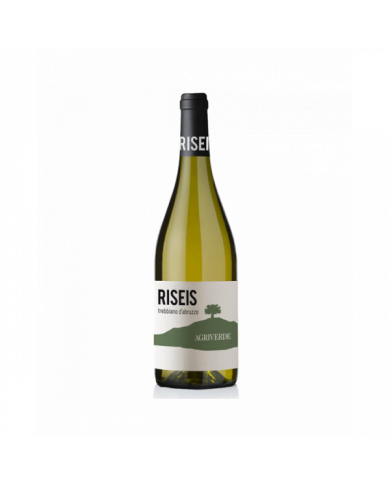
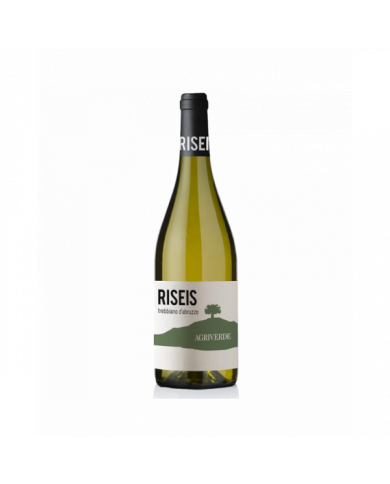
Straw yellow with greenish reflections. The nose is expressed with great elegance: nuances of white-fleshed fruit and jasmine with a light citrus touch. On the palate it is dry, fresh and intense, with a nice touch of white peach. Food matches: Aperitifs, seafood and land dishes, soups and vegetarian dishes, white meats, raw cheeses.
Organic Wine Sales: Everything You Need to Know
Organic wines represent a sustainable and natural choice for consumers looking to purchase quality products. In this article, we'll reveal everything you need to know about selling organic wines, from product characteristics to online purchasing options.
What is an organic wine?
An organic wine is a product produced using organic farming methods. This means that the grapes used to make the wine are grown without the use of pesticides, chemical fertilizers, or other environmentally harmful chemicals. Furthermore, no artificial preservatives or additives are used in the production of organic wine.
The characteristics of organic wines
Organic wines stand out for their quality and unique flavor. Because they're made with naturally grown grapes, organic wines have a more authentic and genuine flavor than conventional wines. Furthermore, organic wines are generally lighter and more delicate on the palate, with balanced acidity and a fruity aroma.
Selling organic wines online
Selling organic wines online is one of the most convenient and affordable ways to purchase this quality product. Thanks to the spread of e-commerce and the growing demand for organic products, more and more online wine shops offer high-quality organic wines.
To buy organic wines online, it's important to choose a reliable and professional seller who offers a wide selection of quality products. It's also a good idea to read other customer reviews to get a sense of the quality of the service and products offered.
The advantages of organic wines
Organic wines are a sustainable and environmentally friendly choice. Growing grapes organically reduces the impact on the ecosystem and preserves biodiversity. Furthermore, organic wines are free of harmful chemicals, making them healthier and safer to drink.
How to choose the right organic wine
When choosing an organic wine, it's important to consider the product's characteristics and your personal preferences. It's advisable to read organic wine labels to understand the grape varieties used, the place of production, and the cultivation method. You can also consult reviews.
Organic wine certification
To ensure the quality and sustainability of organic wines, official certification is required. In Italy, organic wine certification is managed by the Ministry of Agricultural, Food and Forestry Policies (MIPAAF), which issues the "Agricoltura biologico" quality label.
To obtain organic certification, winemakers must follow rigorous cultivation and production criteria, which include the use of sustainable and environmentally friendly agricultural practices. Furthermore, organic wines must meet certain sulfur dioxide limits and cannot contain artificial additives or preservatives.
Types of organic wines
There are different types of organic wines, which differ in the type of grapes used and the production method. Some of the most common grape varieties for organic wines are Sangiovese, Chianti, Pinot Noir, Merlot, and Cabernet Sauvignon.
Additionally, there are also organic wines without added sulfites, which are free of chemicals and offer an even more authentic and natural tasting experience. These wines are particularly suitable for those with allergies or food intolerances.
Tips for tasting organic wines
To fully appreciate the quality of organic wines, it's important to taste them correctly. Here are some tips for tasting organic wines:
- Use a clear crystal glass, which allows you to evaluate the color and consistency of the wine;
- Observe the wine in the light to evaluate the transparency and intensity of the color;
- Smell the wine to capture its aromas and perfumes;
- Taste the wine, swirling it around in your mouth to appreciate its flavor and structure;
- Pair organic wine with organic foods to enhance their natural characteristics.
In conclusion, purchasing organic wines online can offer numerous advantages, including greater convenience, a wider selection of products, and greater transparency regarding the quality and origin of the wines. However, it's important to choose a reliable and professional e-commerce site that offers product safety and quality guarantees.
Finally, it's important to remember that choosing organic wines isn't just a matter of taste, but also of social and ecological responsibility. Choosing to buy organic wines means supporting sustainable agricultural practices, respecting the environment, and contributing to protecting our planet. In this way, every consumer can become an active agent of change, promoting a healthier and more sustainable lifestyle for all.
Related posts