

 Italiano
 Deutsch









There are no more items in your cart
SKU:
15914
Brand:
Cantina Orsogna
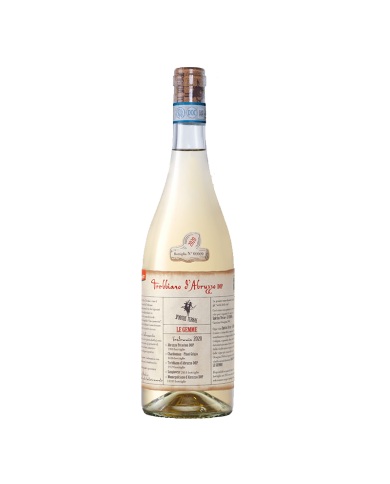
> Autochthonous vine > Biodynamic spontaneous fermentation wine with biodiversity certification > NOT FILTERED and not tartaric stabilized.
€16.76
SKU:
15913
Brand:
Cantina Orsogna
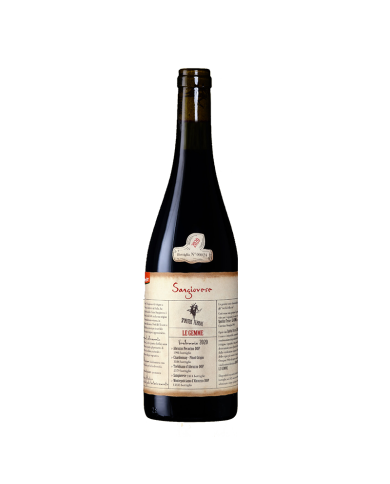
> Autochthonous vine > biodynamic spontaneous fermentation wine with biodiversity certification > NOT FILTERED and not tartaric stabilized.
€16.76
SKU:
15912
Brand:
Cantina Orsogna
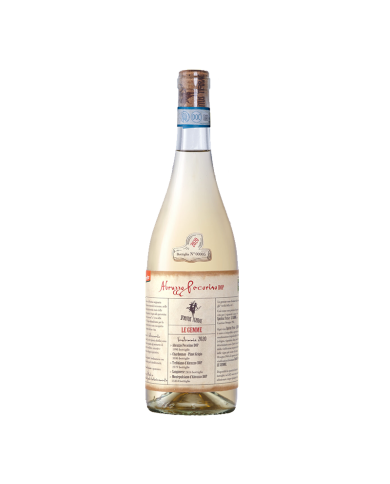
Autochthonous vine
biodynamic spontaneous fermentation wine with biodiversity certification
€21.26
SKU:
15910
Brand:
Tiezzi
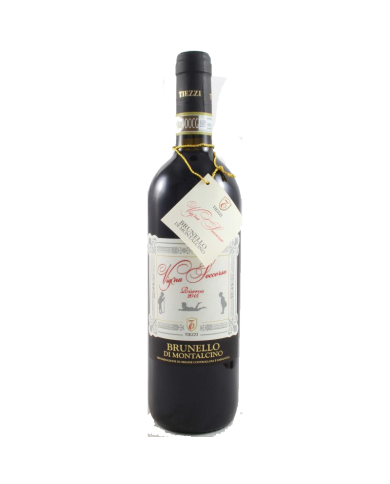
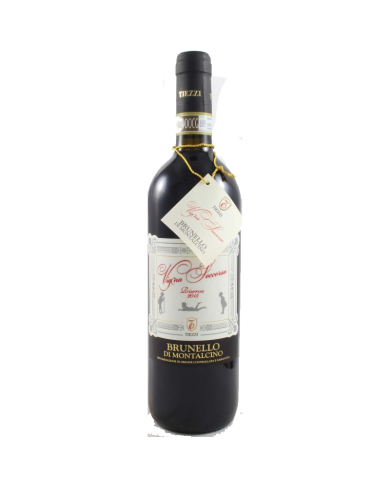
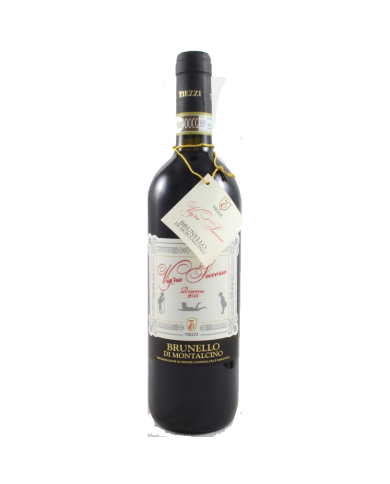
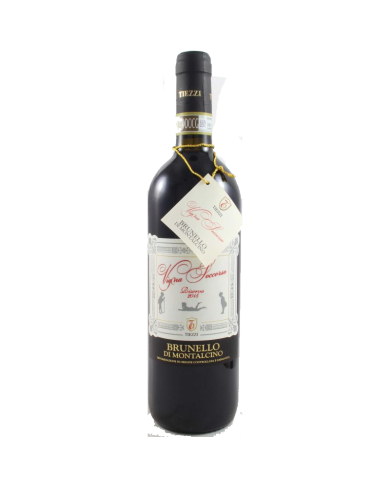
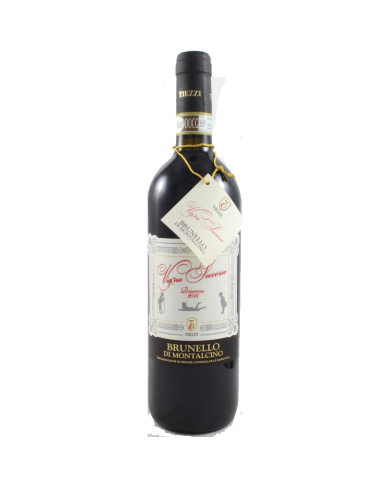
Wine obtained from Sangiovese grapes, exclusively from the vineyards of the "Soccorso" farm unit near the church of the Madonna del Soccorso, patroness of the inhabitants of Montalcino.
€110.12
SKU:
15909
Brand:
Tiezzi
Wine obtained from Sangiovese grapes, exclusively from the vineyards of the "Soccorso" farm unit near the church of the Madonna del Soccorso, patroness of the inhabitants of Montalcino.
€110.12
SKU:
15908
Brand:
Tiezzi
Wine obtained from Sangiovese grapes, exclusively from the vineyards of the "Soccorso" farm unit near the church of the Madonna del Soccorso, patroness of the inhabitants of Montalcino.
SKU:
15907
Brand:
Tiezzi
Wine obtained from Sangiovese grapes, exclusively from the vineyards of the "Soccorso" farm unit near the church of the Madonna del Soccorso, patroness of the inhabitants of Montalcino.
€110.12
SKU:
15906
Brand:
Tiezzi
Wine obtained from Sangiovese grapes, exclusively from the vineyards of the "Soccorso" farm unit near the church of the Madonna del Soccorso, patroness of the inhabitants of Montalcino.
SKU:
15905
Brand:
Tiezzi
Wine obtained from Sangiovese grapes, exclusively from the vineyards of the "Soccorso" farm unit near the church of the Madonna del Soccorso, patroness of the inhabitants of Montalcino.
SKU:
15904
Brand:
Tiezzi
Wine obtained from Sangiovese grapes, exclusively from the vineyards of the "Soccorso" farm unit near the church of the Madonna del Soccorso, patroness of the inhabitants of Montalcino.
€56.93
SKU:
15903
Brand:
Tiezzi
Wine obtained from Sangiovese grapes, exclusively from the vineyards of the "Soccorso" farm unit near the church of the Madonna del Soccorso, patroness of the inhabitants of Montalcino.
€52.34
SKU:
15902
Brand:
Tiezzi
Wine obtained from Sangiovese grapes, exclusively from the vineyards of the "Soccorso" farm unit near the church of the Madonna del Soccorso, patroness of the inhabitants of Montalcino.
€54.07
SKU:
15901
Brand:
Tiezzi
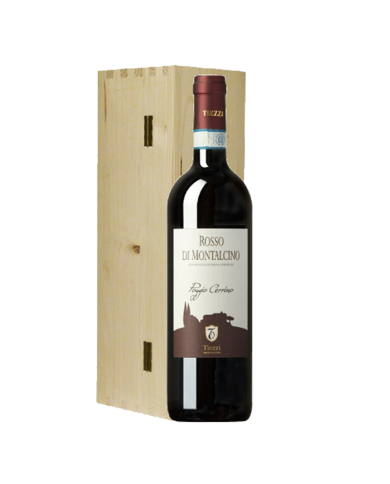
The Rosso di Montalcino wine undergoes the same treatments as the Brunello di Montalcino wine. As the main difference, it is released for consumption after a year of aging in barrels; does not undergo physical / chemical treatments. - It can be consumed throughout the meal, combined with first courses and meat-based dishes, or in any case with more delicate foods.
€18.42
SKU:
15900
Brand:
Tiezzi
€12.43
€11.19
The color of this wine is a bright peach; the nose is delicate and elegant with notes of light pulp fruit, pomegranate and white flowers. Soft, enveloping mouth, moderated by an excellent freshness and a subtle sapidity. It is an excellent product for the whole meal and an elegant companion for a perfect aperitif.
€12.43
€11.19
SKU:
15899
Brand:
Tiezzi
Wine obtained from Sangiovese grapes, exclusively from the vineyards of the "Soccorso" farm unit near the church of the Madonna del Soccorso, patroness of the inhabitants of Montalcino.
€53.31
SKU:
15898
Brand:
Tiezzi
Wine obtained from Sangiovese grapes, exclusively from the vineyards of the "Soccorso" farm unit near the church of the Madonna del Soccorso, patroness of the inhabitants of Montalcino.
SKU:
15897
Brand:
Tiezzi
Wine obtained from Sangiovese grapes, exclusively from the vineyards of the "Soccorso" farm unit near the church of the Madonna del Soccorso, patroness of the inhabitants of Montalcino.
€69.00
SKU:
15896
Brand:
Tiezzi
Wine obtained from Sangiovese grapes, exclusively from the vineyards of the "Soccorso" farm unit near the church of the Madonna del Soccorso, patroness of the inhabitants of Montalcino.
€79.00
SKU:
15895
Brand:
Tiezzi
Wine obtained from Sangiovese grapes, exclusively from the vineyards of the "Soccorso" farm unit near the church of the Madonna del Soccorso, patroness of the inhabitants of Montalcino.
SKU:
15894
Brand:
Tiezzi
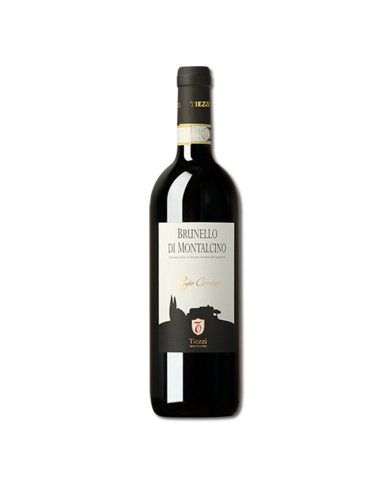
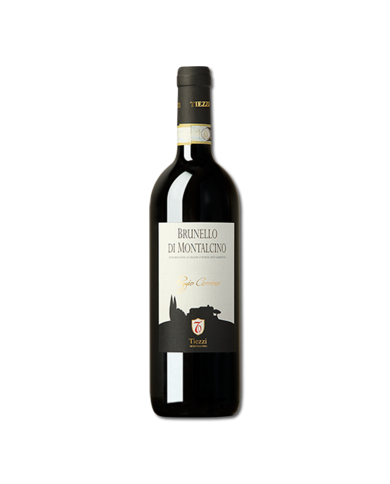
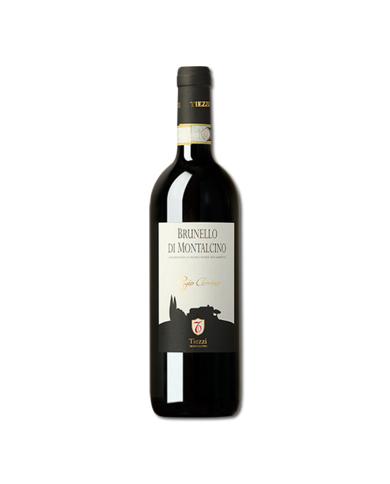
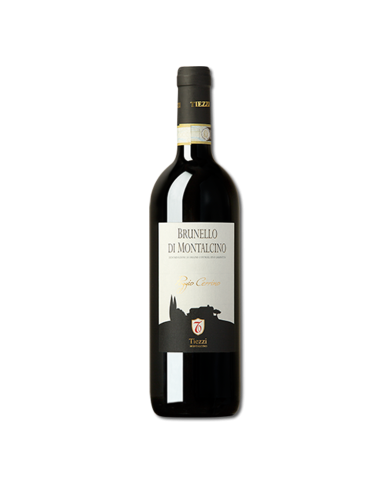
The Brunello di Montalcino wine is produced with traditional methods; naturally stabilized; upon bottling it is not filtered
€42.36
SKU:
15893
Brand:
Tiezzi
The Brunello di Montalcino wine is produced with traditional methods; naturally stabilized; upon bottling it is not filtered
€42.36
SKU:
15892
Brand:
Tiezzi
€105.16
The Brunello di Montalcino wine is produced with traditional methods; naturally stabilized; upon bottling it is not filtered
SKU:
15891
Brand:
Tiezzi
The Brunello di Montalcino wine is produced with traditional methods; naturally stabilized; upon bottling it is not filtered
€39.08
SKU:
15890
Brand:
Tiezzi
The Brunello di Montalcino wine is produced with traditional methods; naturally stabilized; upon bottling it is not filtered
€38.92
SKU:
15889
Brand:
Tiezzi
The highly prized Moscadello di Montalcino DOC white wine is one of the 39 Denominations of Controlled Origin of the Tuscany region. This Tuscan wine is produced in a very small area in the province of Siena. The production area of the Moscato Bianco grapes, essential for the production of Moscadello di Montalcino DOC, includes the entire administrative territory of the municipality of Montalcino in the province of Siena. In addition to some small plots of land immediately in contact with the Montalcino area.
SKU:
15888
Brand:
Tiezzi
€13.70
€12.33
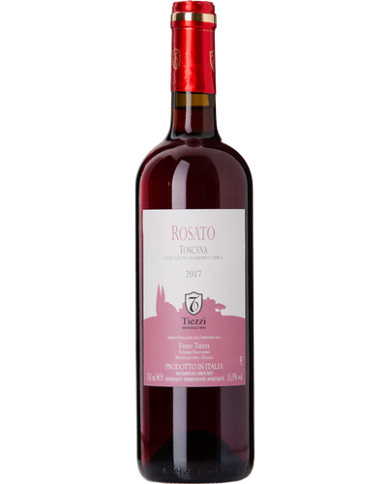
It is a very juicy wine, with heady aromas and the color of cherry juice
SKU:
15887
Brand:
Tiezzi
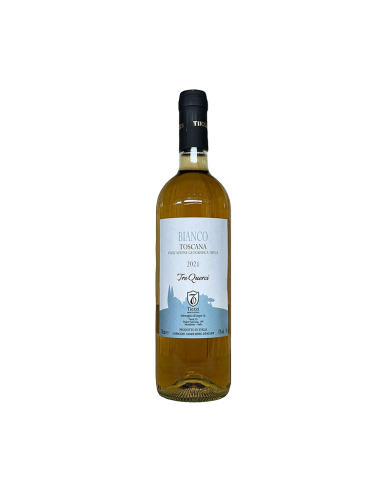
It has a straw yellow color with greenish reflections. The nose opens fruity with notes of green apple, peach, ending with hints of almond and delicate white flowers. On the palate excellent freshness and pleasant minerality
€15.20
€17.00
SKU:
15884
Brand:
Tocco d'Italy
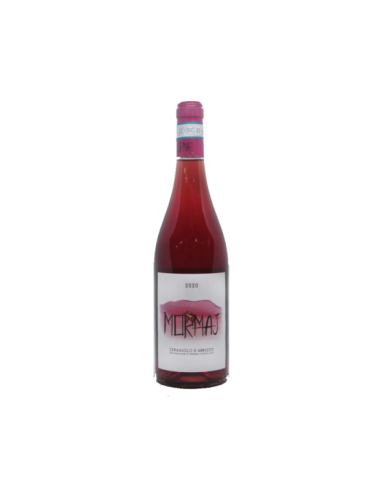
In our cellar, between the MORrone and MAJella mountains MORMAJ is born, a rosé wine obtained by spontaneous fermentation, not clarified, is aged in steel tanks. Any deposits on the bottom do not constitute a defect in the wine and do not alter its taste.
€20.67
SKU:
15883
Brand:
Colli del Soligo
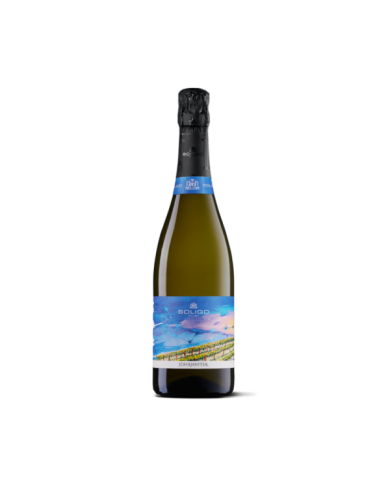
Johanniter is a white grape variety resistant to fungal diseases created from the cross between Riesling and Freiburg 589-54 several decades ago, in 1968 in Germany. The grapes are harvested towards the end of August. As soon as they arrive in the cellar, the bunches are softly pressed and the must is fermented in steel tanks. Once the base wine has been obtained, the second fermentation takes place, i.e. the sparkling process according to the Charmat Method. * resistant vine: it is a vine obtained from interspecific crossings aimed at lowering the susceptibility of the plant towards cryptogamic diseases (such as downy mildew and powdery mildew) and low temperatures. In this way a stronger plant is obtained and consequently viticulture becomes ethically and ecologically more sustainable both for man and for the environment. The resulting wines are healthier and qualitatively not inferior to the conventional ones we usually consume. In Italy, the cultivation of 10 resistant grape varieties is currently permitted. Colli del Soligo offers two, Souvignier Gris in the still wine version and Johanniter in the sparkling version. Taste to know. Don't miss the opportunity, taste it!
€10.53
SKU:
15882
Brand:
Colli del Soligo
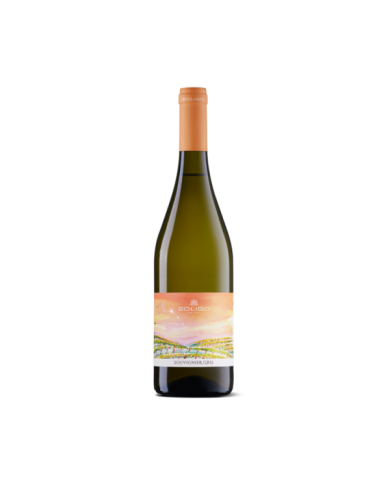
Souvignier Gris is a vine resistant* to fungal diseases, it was created by crossing the Seyval variety with the Zahringer in 1983 in Germany. The bunches of grapes are harvested at the beginning of September, once they reach the cellar they are pressed and the must is left to macerate on the skins for a few days. This gives the characteristic color and enriches the aromatic bouquet. At the end of this process the alcoholic fermentation starts in stainless steel containers. Maturation follows, which for 30% of the mass takes place in new wooden barriques and continues for about six months. This is where the spicy aromas and the particular warm and rich flavor originate. After which the two masses are united again and following the blend is filtered and bottled to then be put on the market after a few months of rest in the bottle. * resistant vine: it is a vine obtained from interspecific crossings aimed at lowering the susceptibility of the plant towards cryptogamic diseases (such as downy mildew and powdery mildew) and low temperatures. In this way a stronger plant is obtained and consequently viticulture becomes ethically and ecologically more sustainable both for man and for the environment. The resulting wines are healthier and qualitatively not inferior to the conventional ones we usually consume. In Italy, the cultivation of 10 resistant grape varieties is currently permitted. Colli del Soligo offers two, Souvignier Gris in the still wine version and Johanniter in the sparkling version. Taste to know. Don't miss the opportunity, taste it!
€9.36
€8.42
SKU:
15877
Brand:
Colli del Soligo
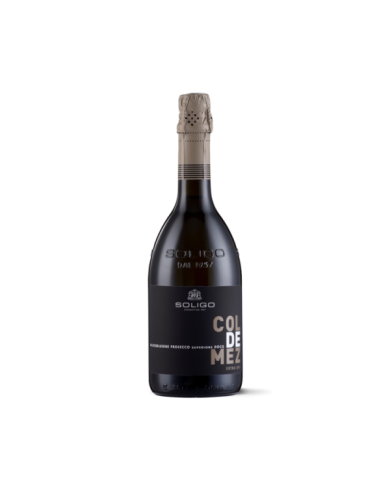
Prosecco Valdobbiadene Superiore DOCG Col De Mez is produced with Glera grapes ripened on the vineyards of the historic hill called Col de Mez.
The harvest takes place in September and is strictly manual. It is also called the "heroic harvest" precisely because picking the grapes in these rows is not easy at all. The slopes are steep, the hills craggy, each operation requires attention and experience.
In the Extra Dry version, it goes perfectly with dishes with a delicate flavor and with any fish-based dish.
€13.64
SKU:
15861
Brand:
Colli del Soligo
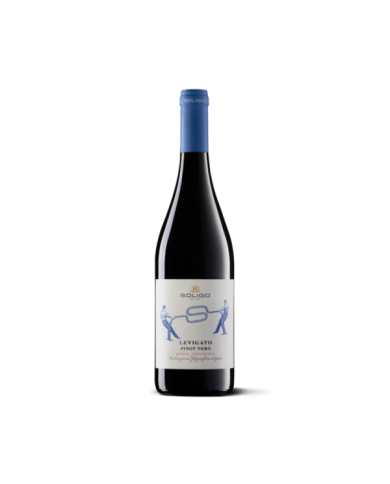
For our Pinot Nero Levigato IGT Marca Trevigiana, the grapes from the vineyards in the municipalities of Arcade, Spresiano, Ponzano Veneto, Povegliano and Villorba are used. The soils, which are of medium texture, enjoy a cool and windy climate, ideal for preserving the fragrance and acidity of the product. The harvest generally takes place in the second half of September. After harvesting, the grapes reach the cellar where fermentation on the skins begins, which lasts about twenty days in steel vats. Immediately after racking, the product ages in barrique and tonneau for about 12 months. Subsequently it is decanted into oak barrels with a capacity of 30 hectoliters where it continues aging for a few months. Pinot Noir is a pretty bizarre grape and it certainly is among the most difficult to cultivate and make wine. Historically it was born in the French region of Burgundy, where they have been cultivating it for over 2,000 years.
€9.99
SKU:
15856
Brand:
Colli del Soligo
To produce this wine, grapes from vineyards located in the province of Treviso are used. Sauvignon, a semi-aromatic vine well known and appreciated all over the world. Once harvested, the grapes are taken to the cellar where they are pressed and the must obtained is fermented in large stainless steel containers. During the vinification, the technicians pay close attention in order to preserve the typical primary aromas of the grapes and obtain a fine wine. If you've never tasted it, this is the right time to do it. It will amaze you with its precious aromatic bouquet and full and harmonious taste.
€9.83
€8.36
SKU:
15853
Brand:
Colli del Soligo
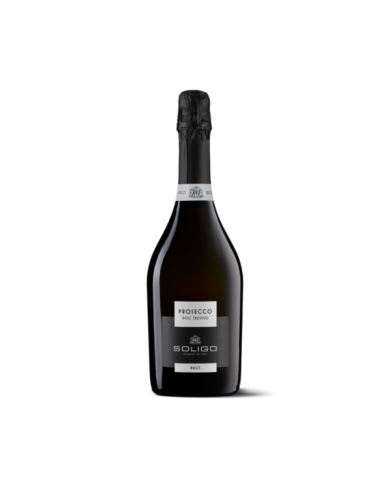
The Glera grapes used for the production of this sparkling wine come from vineyards located in the plains, on the outskirts of Treviso. The bunches are generally harvested in September at medium ripeness in order to preserve the acid component, which is important in the production of Prosecco Spumante. After the harvest, the grapes are subjected to a light pressing and a slow fermentation in steel tanks. Finally, the refermentation in autoclave (sparkling) follows the Charmat method.
€10.78
SKU:
15852
Brand:
Colli del Soligo
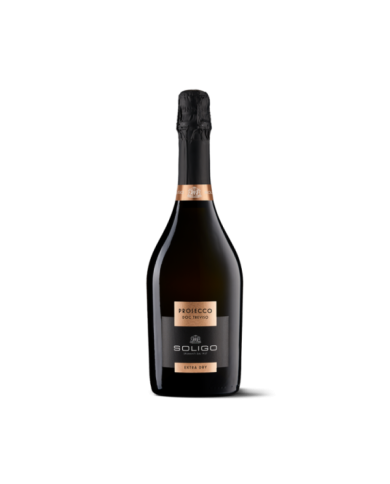
In the vineyards located in the plains, at the gates of Treviso, the golden bunches of Glera ripen and are harvested during the month of September.
After the harvest, the grapes are pressed and the must is fermented in steel tanks.
At the end of this process we obtain the base wine.
This is followed by the sparkling process in an autoclave according to the Charmat method, as per tradition.
€10.78