

 Italiano
 Deutsch


There are no more items in your cart
SKU:
21240
Brand:
J.Hütte
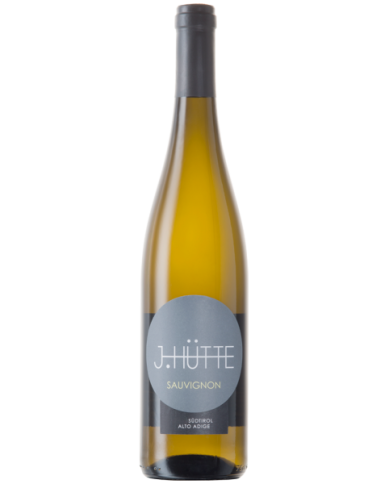
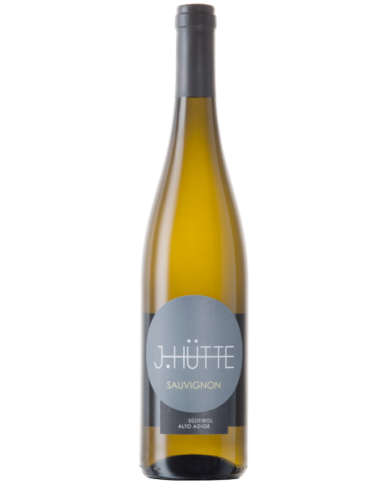
The result of a merger, which took place in 2001, between the Cantina Produttori Santa Maddalena and the Cantina Produttori Gries, this kaleidoscopic winery offers an incredible range, complete in the multiplicity of products and refined in the interpretation of the territory. The quality standard is truly impressive and does not fail to satisfy any palate, even the most demanding one, with the right attention to both native and international vines. A splendid example of quality is this Sauvignon, a semi-aromatic vine, characterized by a great variety of aromas, here incredibly enhanced by the warm, sandy soils and the breezy climate, which constitute the ideal terroir for a great wine.
€18.45
SKU:
20937
Brand:
J.Hütte
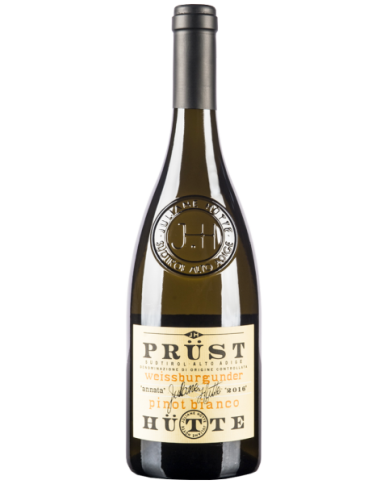
Siamo in Alto-Adige Südtirol, la patria del Pinot Bianco: in nessuna terra come questa, infatti, questo vitigno riesce a regalare espressioni così vive, brillanti e raffinate, stupendo per raffinatezza nei profumi ed eleganza gustativa. Merito dei suoli calcarei e ricchi in minerali, delle precise escursioni termiche e dell'ottima esposizione ma anche, soprattutto, di una mano esperta e capace, come quella della Cantina Produttori di Bolzano, che riesce a creare etichette più uniche che rare come il Pinot Bianco Prüst, un eccellente compagno della buona tavola.
€56.74
SKU:
20936
Brand:
J.Hütte
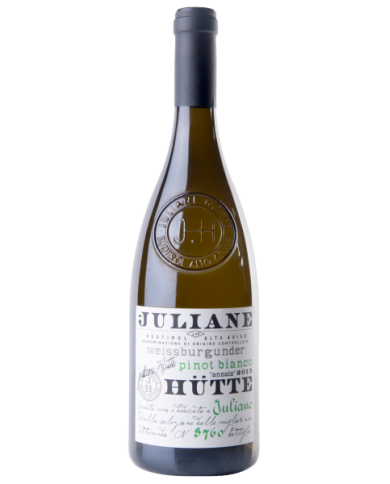
Da uve Pinot Bianco in purezza allevate a 500 mt. sul livello del mare, su suoli porfirici e calcarei, questo vino delicato ed elegante è la ciliegina sulla torta di una gamma dagli altissimi standard qualitativi. Poliedrico, misurato e godibile sin da oggi, questo vino saprà regalare della autentiche emozioni soprattutto a chi saprà attenderlo qualche anno in cantina, grazie ad una struttura perfettamente amalgamata e ad un'insolita ampiezza aromatica, che gli consentono di accettare sfide con numerosi piatti della nostra tradizione culinaria.Colore giallo paglierino con riflessi oro pallido, ha naso profumato di mela verde e limoncella, insieme a note di mughetto, mandorle e percezioni minerali. All'assaggio è fresco, scattante e leggiadro, molto preciso nelle note agrumate e ben corroborato dalla struttura calda e cremosa che accompagna un lunghissimo finale affumicato.Ottimo con un cous cous ai frutti di mare, con un risotto ai porcini ma anche con piatti a base di asparagi, pollame e piatti vegetariani.
€56.74
SKU:
20935
Brand:
J.Hütte
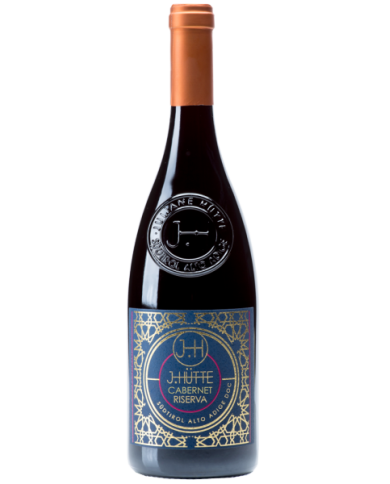
Figlio di un magistrale blend tra Cabernet Sauvignon e Cabernet Franc, questo vino proviene dalla selezione dei migliori vigneti situati nei terreni più vocati per la coltivazione della vite di Bolzano e dintorni. Una tipica riserva in perfetto stile altoatesino che riesce a racchiudere le caratteristiche vegetali e fruttate di questi due differenti vitigni per creare qualcosa di unico e speciale, dal grande carattere, con un corpo armonico ed elegante che riuscirà a mettere tutti d'accordo, perfino i palati più raffinati. Oltretutto, essendo una riserva, questo Cabernet è godibile sin da ora, ma promette ottimi risultati nel tempo, arrotondando e smussando ancor più tutti i suoi elementi, per diventare un vino di eleganza e raffinatezza.
€56.74
SKU:
20934
Brand:
J.Hütte
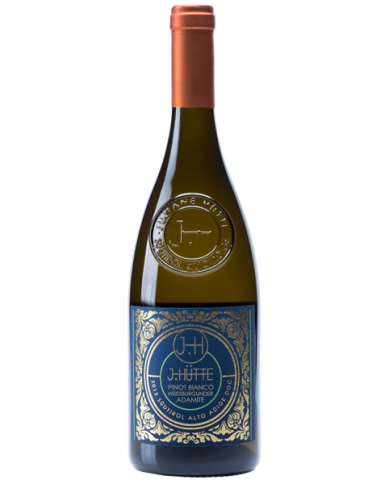
Il Pinot Bianco Weissburgunder Adamite di J.Hütte è un Südtirol - Alto Adige DOC che esprime al meglio l'eleganza del Pinot Bianco altoatesino. Prodotto con uve provenienti da vigneti selezionati nei dintorni di Bolzano, a 500 metri di altitudine, su terreni porfirici e calcarei ricchi di adamite, questo vino si distingue per mineralità, finezza e complessità
€21.30
SKU:
20933
Brand:
J.Hütte
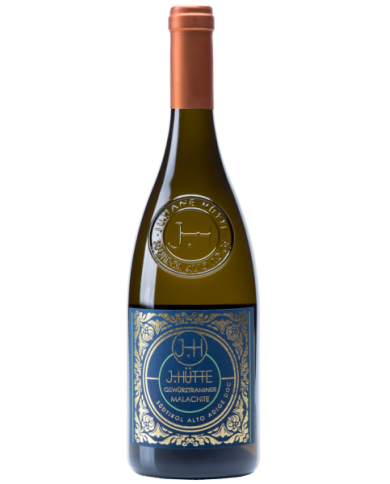
Il Gewürztraminer Malachite J.Hütte nasce da uve coltivate su caldi e ripidi pendii porfirici a 650 metri sopra Bolzano e affina in barrique e tonneau per raggiungere una complessità aromatica unica. La vinificazione prevede una pressatura soffice delle uve e una fermentazione alcolica in legno, seguita da un'ulteriore maturazione in bottiglia.
€27.50
SKU:
20932
Brand:
J.Hütte
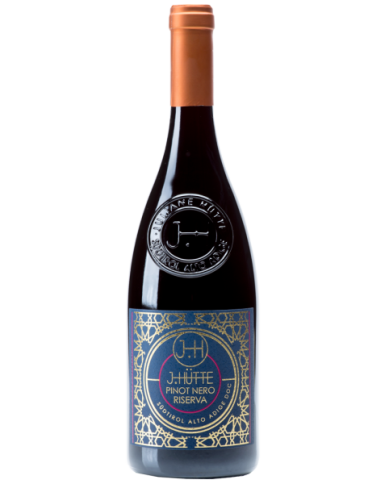
Il Pinot Nero Riserva J.Hütte è un vino rosso elegante e raffinato proveniente dai vigneti dell'Alto Adige DOC. Coltivato in appezzamenti situati tra i 500 e i 750 m s.l.m. nella zona del Renon e Leitach, questo Pinot Nero si distingue per la sua vinificazione in botti di legno e l'affinamento in barrique.
€36.32
SKU:
20931
Brand:
J.Hütte
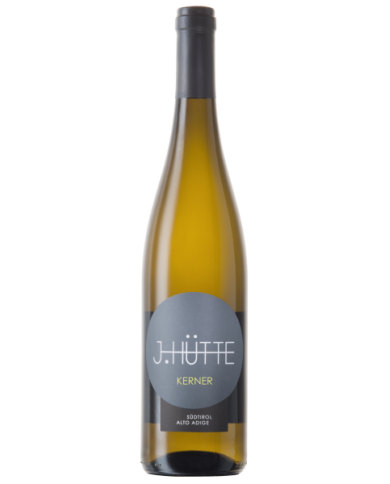
Questo vino nasce tra la Valle Isarco e l’Altopiano del Renon dove i vigneti si stendono lungo pendii ripidi e soleggiati, tra i 600 e gli 800 metri s.l.m; qui il vitigno Kerner, antico incrocio tra Trollinger e Riesling creato nel 1930 in Germania, ha trovato il suo terroir d’elezione grazie ai terreni leggeri, ghiaiosi e sabbiosi, combinati ad una maturazione tardiva che permette di regalare un vino incredibilmente aromatico e corposo. Se non avete mai assaggiato il Kerner, è il momento di farlo, non resterete delusi!
€20.04
SKU:
20930
Brand:
J.Hütte
Si è fatta molta strada da quando, nel 1908, gli agricoltori di Gries decisero di rendersi autonomi e indipendenti fondando una cooperativa vitivinicola per la vinificazione e commercializzazione dei vini altoatesini, in particolare del Lagrein. La fusione, meno di 15 anni fa, con i viticoltori di Santa Maddalena è stata certamente la carta vincente di un cammino che parte da lontano ed oggi la realtà Cantina Produttori Bolzano rappresenta un altissimo standard qualitativo in tutto il paese, basata su principi di lavoro serrato e migliorie produttive, oltre ad un'ostinata valorizzazione del territorio.
€17.53
SKU:
20929
Brand:
J.Hütte
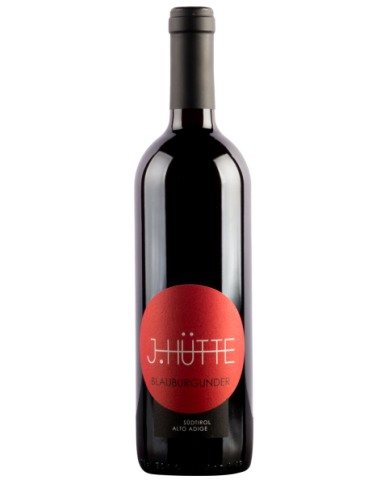
Il Pinot Nero Blauburgunder J.Hütte è un vino rosso che esprime in modo autentico l'essenza dell'Alto Adige DOC. Le uve di Pinot Nero crescono in appezzamenti situati tra i 500 e i 700 m s.l.m. nella zona del Renon e Leitach, dove il clima fresco e ventilato dona al vino una spiccata eleganza. La vinificazione in acciaio e il breve affinamento in botti di rovere esaltano le caratteristiche di questo vino.
€13.65
SKU:
20928
Brand:
J.Hütte
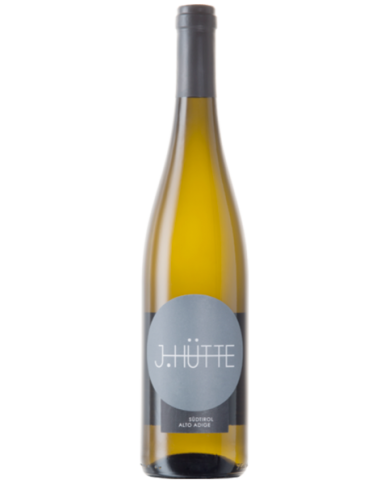
Il Riesling J.Hütte è un vino bianco che racconta l'essenza dell'Alto Adige. Questo Riesling, prodotto con uve provenienti dai vigneti situati sui pendii intorno a Bolzano e in Valle Isarco, si distingue per la sua freschezza e mineralità. Un'etichetta che esprime la purezza e l'eleganza del Riesling altoatesino.
€23.20
SKU:
20873
Brand:
Girlan
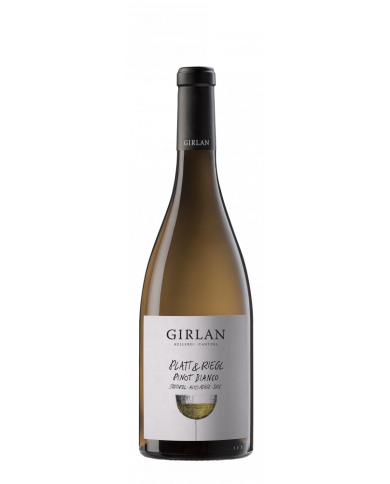
Per questo vino utilizziamo le migliori uve del vitigno Pinot Bianco che vengono coltivate nell’Oltradige a ca. 450 – 550 m s.l.m., in vigneti ben areati. La combinazione diversa dei terreni di produzione, dall'argilla, al calcareo e ghiaioso, conferiscono al vino un carattere unico.
€17.69
SKU:
20550
Brand:
J.Hütte
The result of a merger, which took place in 2001, between the Cantina Produttori Santa Maddalena and the Cantina Produttori Gries, this kaleidoscopic winery offers an incredible range, complete in the multiplicity of products and refined in the interpretation of the territory. The quality standard is truly impressive and does not fail to satisfy any palate, even the most demanding one, with the right attention to both native and international vines. A splendid example of quality is this Sauvignon, a semi-aromatic vine, characterized by a great variety of aromas, here incredibly enhanced by the warm, sandy soils and the breezy climate, which constitute the ideal terroir for a great wine.
€17.14
SKU:
20549
Brand:
J.Hütte
The result of a merger, which took place in 2001, between the Cantina Produttori Santa Maddalena and the Cantina Produttori Gries, this kaleidoscopic winery offers an incredible range, complete in the multiplicity of products and refined in the interpretation of the territory. The quality standard is truly impressive and does not fail to satisfy any palate, even the most demanding one, with the right attention to both native and international vines. A splendid example of quality is this Sauvignon, a semi-aromatic vine, characterized by a great variety of aromas, here incredibly enhanced by the warm, sandy soils and the breezy climate, which constitute the ideal terroir for a great wine.
€16.76
SKU:
20547
Brand:
J.Hütte
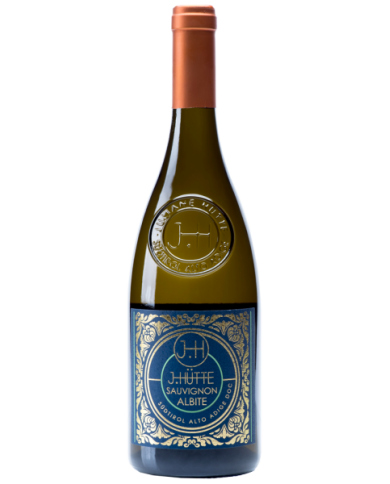
Rich in sodium, albite is a typical mineral of the Alps, in particular of Valle d'Aosta, Piedmont and Alto Adige, where it finds the ideal subsoil for its development, proving to be a faithful ally for the vine. This Sauvignon is proof of this, presenting itself as the perfect synthesis between territory, climate and grape variety, thanks to its typicality which, in combination with albite, gives life to an authentic, complex and characterful label, capable of perfectly combining, to the gentleness of citrus and floral tones, an important structure and a strong minerality.
€19.93
€23.79
SKU:
20390
Brand:
PFITSCHER
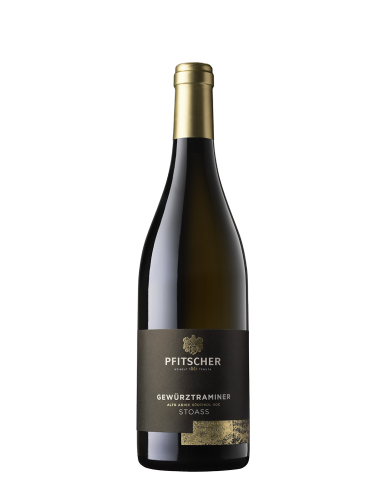
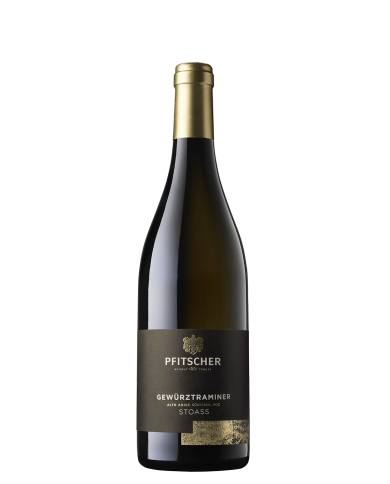
Long-lived and refined Gewürztraminer with an intense fruity aroma of rose with notes of exotic fruits. White wine with shades of color from straw yellow to gold, delicate and balanced on the palate.
€19.03
SKU:
16413
Brand:
Pacherhof
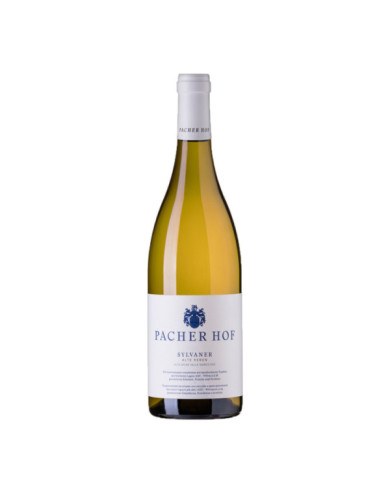
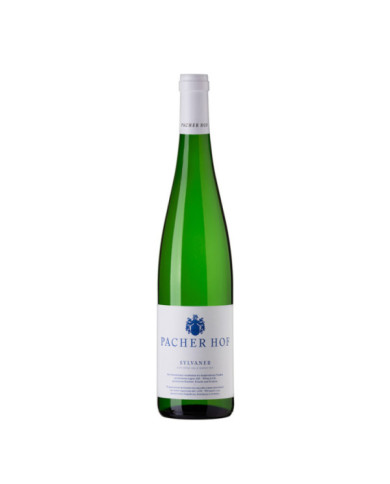
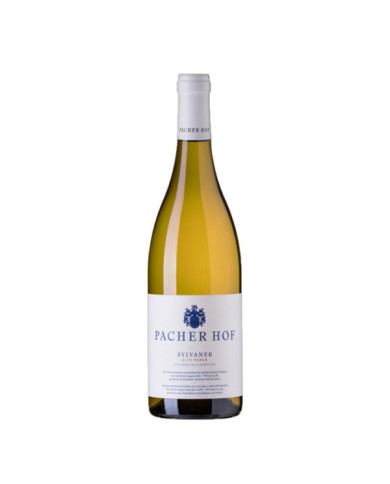
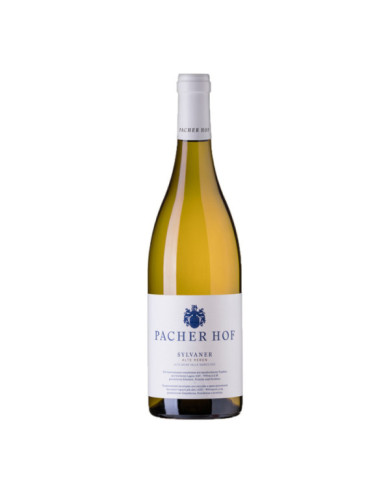
The Sylvaner Riserva "Alte Reben" by Pacherhof is a white wine with a high taste-olfactory profile, born from old vines located at an altitude of 650 meters in the Valle Isarco. It has clear and seductive aromas of white fruit and freshly picked flowers, with very light nuances of sweet spices. The sip is fine, fruity, fresh, intense and mineral
€76.01
SKU:
16412
Brand:
Pacherhof
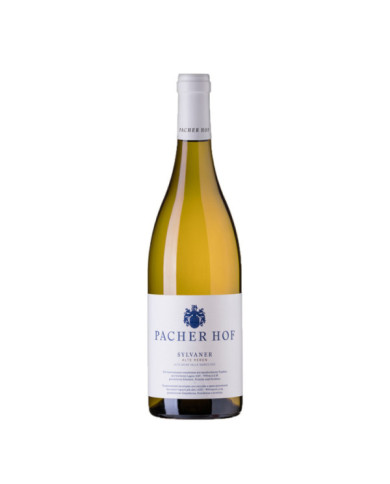
The Sylvaner Riserva "Alte Reben" by Pacherhof is a white wine with a high taste-olfactory profile, born from old vines located at an altitude of 650 meters in the Valle Isarco. It has clear and seductive aromas of white fruit and freshly picked flowers, with very light nuances of sweet spices. The sip is fine, fruity, fresh, intense and mineral
€35.70
SKU:
16411
Brand:
Pacherhof
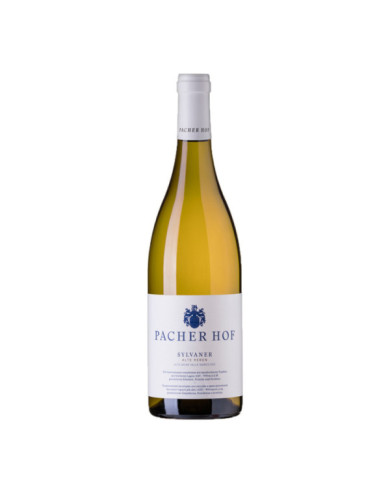
The Sylvaner Riserva "Alte Reben" by Pacherhof is a white wine with a high taste-olfactory profile, born from old vines located at an altitude of 650 meters in the Valle Isarco. It has clear and seductive aromas of white fruit and freshly picked flowers, with very light nuances of sweet spices. The sip is fine, fruity, fresh, intense and mineral
€76.01
SKU:
16410
Brand:
Pacherhof
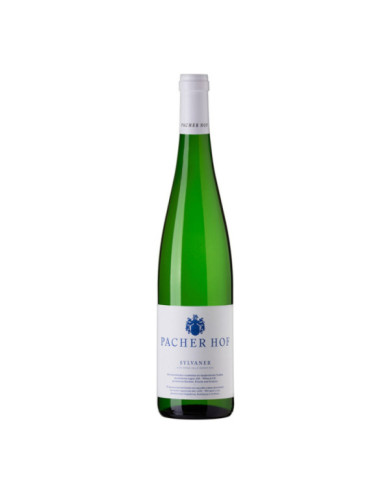
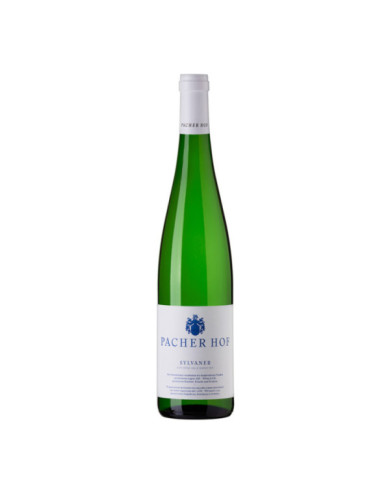
Pacherhof's Sylvaner is a semi-aromatic white wine of medium body and good freshness, aged for a few months in large barrels. It has a fine and delicate bouquet of freshly mown hay, herbs, fruit and white flowers. On the palate it is clear, mineral, fresh and fruity, with a nice persistence
SKU:
16409
Brand:
Pacherhof
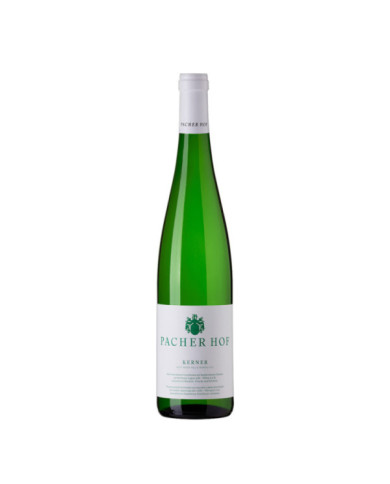
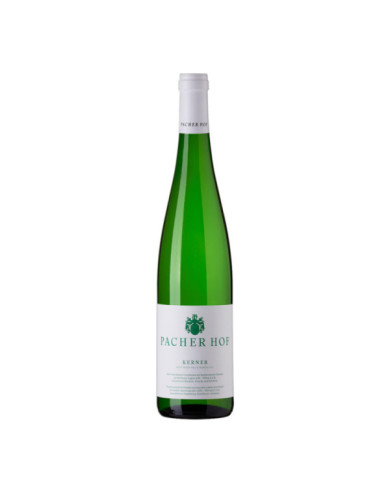
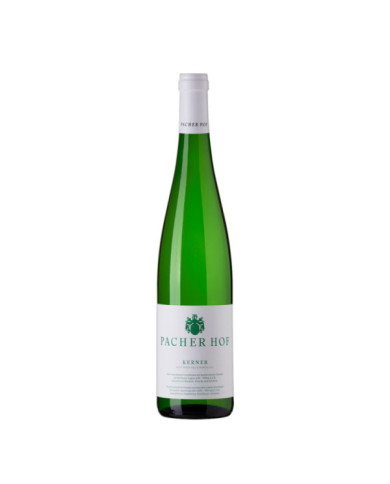
Pacherhof's Kerner is a clean, precise and vertical wine, with a fresh and light personality, not without tension and aromatic richness. Aromas of citrus fruits, exotic fruit and sweet spices involve the sense of smell while the sip reveals character, softness and great expressive power
€56.36
SKU:
16408
Brand:
Pacherhof
Pacherhof's Kerner is a clean, precise and vertical wine, with a fresh and light personality, not without tension and aromatic richness. Aromas of citrus fruits, exotic fruit and sweet spices involve the sense of smell while the sip reveals character, softness and great expressive power
€56.36
SKU:
16407
Brand:
Pacherhof
Pacherhof's Kerner is a clean, precise and vertical wine, with a fresh and light personality, not without tension and aromatic richness. Aromas of citrus fruits, exotic fruit and sweet spices involve the sense of smell while the sip reveals character, softness and great expressive power
€56.36
SKU:
16206
Brand:
Pacherhof
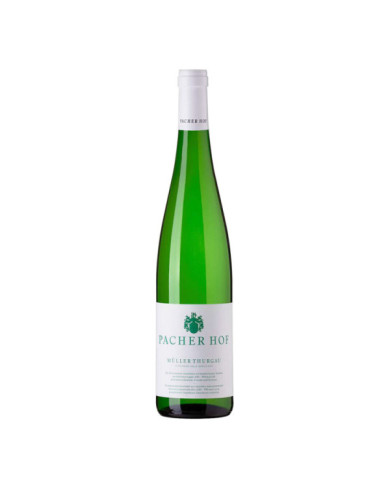
Pacherhof's Muller Thurgau is a wine that blossoms within the terroir of the Valle d'Isarco. It is made in a terroir mainly based on sand and clay, where day and night alternate with excellent temperature ranges and good ventilation. The must ferments slowly at a low temperature in stainless steel tanks. The final stage of aging takes place in steel on the noble lees for 6 months. Once this maturation is complete, the wine is ready to be bottled and placed on the market.
€17.57
SKU:
16199
Brand:
Pacherhof
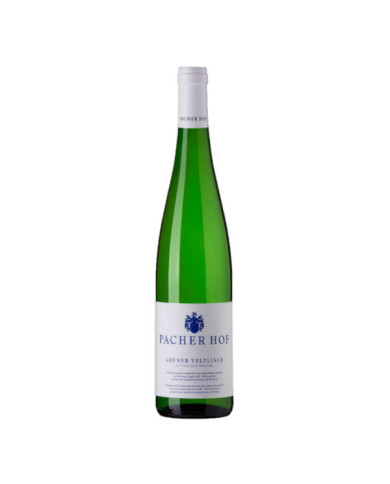
Veltliner by Pacherhof is an aromatic and enveloping South Tyrolean white wine, obtained from vines located in the Novacella area at an altitude of 600 meters and aged for a short time in large 20 hectoliter French oak barrels. It has a straw yellow color, furrowed with green reflections, and expresses citrus notes, green apple, alpine herbs and white pepper on the nose, on a delicately spiced background.
€19.15
SKU:
16198
Brand:
Pacherhof
The Sylvaner Riserva "Alte Reben" by Pacherhof is a white wine with a high taste-olfactory profile, born from old vines located at an altitude of 650 meters in the Valle Isarco. It has clear and seductive aromas of white fruit and freshly picked flowers, with very light nuances of sweet spices. The sip is fine, fruity, fresh, intense and mineral
€63.81
SKU:
16197
Brand:
Pacherhof
Pacherhof's Sylvaner is a semi-aromatic white wine of medium body and good freshness, aged for a few months in large barrels. It has a fine and delicate bouquet of freshly mown hay, herbs, fruit and white flowers. On the palate it is clear, mineral, fresh and fruity, with a nice persistence
€20.30
SKU:
16196
Brand:
Pacherhof
Pacherhof's Sylvaner is a semi-aromatic white wine of medium body and good freshness, aged for a few months in large barrels. It has a fine and delicate bouquet of freshly mown hay, herbs, fruit and white flowers. On the palate it is clear, mineral, fresh and fruity, with a nice persistence
€47.82
SKU:
16195
Brand:
Pacherhof
The Sylvaner Riserva "Alte Reben" by Pacherhof is a white wine with a high taste-olfactory profile, born from old vines located at an altitude of 650 meters in the Valle Isarco. It has clear and seductive aromas of white fruit and freshly picked flowers, with very light nuances of sweet spices. The sip is fine, fruity, fresh, intense and mineral
€31.89
SKU:
16194
Brand:
Pacherhof
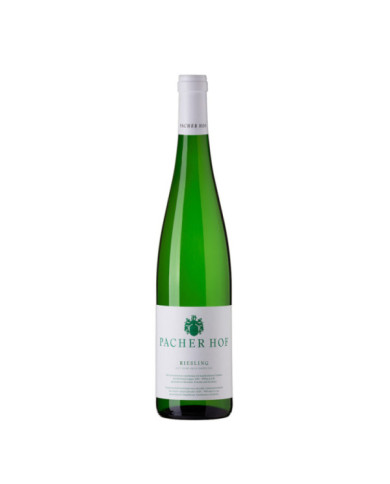
Pacherhof Riesling is an elegant and crystalline white wine from Alto Adige, born from vineyards located at an altitude of 650 meters. It gives off hints of yellow fruit and fresh apple and on the palate it reveals freshness, good intensity and excellent persistence
SKU:
16193
Brand:
Pacherhof
Pacherhof Riesling is an elegant and crystalline white wine from Alto Adige, born from vineyards located at an altitude of 650 meters. It gives off hints of yellow fruit and fresh apple and on the palate it reveals freshness, good intensity and excellent persistence
€24.77
SKU:
16191
Brand:
Pacherhof
White wine with a brilliant straw yellow color with light greenish hues. The nose is fruity with hints of apple and almonds.
€20.98
SKU:
16190
Brand:
Pacherhof
Pacherhof's Muller Thurgau is a wine that blossoms within the terroir of the Valle d'Isarco. It is made in a terroir mainly based on sand and clay, where day and night alternate with excellent temperature ranges and good ventilation. The must ferments slowly at low temperature in stainless steel tanks. The final stage of aging takes place in steel on the noble lees for 6 months. Once this maturation is complete, the wine is ready to be bottled and placed on the market.
€17.57
SKU:
16189
Brand:
Pacherhof
Pacherhof's Kerner is a clean, precise and vertical wine, with a fresh and light personality, not without tension and aromatic richness. Aromas of citrus fruits, exotic fruit and sweet spices involve the sense of smell while the sip reveals character, softness and great expressive power
€47.82
SKU:
16188
Brand:
Pacherhof
Pacherhof's Kerner is a clean, precise and vertical wine, with a fresh and light personality, not without tension and aromatic richness. Aromas of citrus fruits, exotic fruit and sweet spices involve the sense of smell while the sip reveals character, softness and great expressive power
€21.62
SKU:
15280
Brand:
Kossler
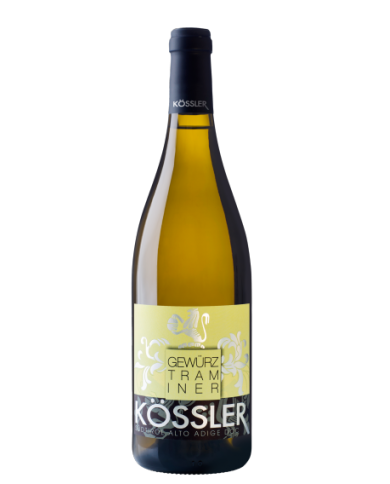
It is an aromatic variety that has its origins in South Tyrol. Its exclusive and unmistakable aroma owes it to the warm and sunny soils. It is a golden yellow wine with typical aromas reminiscent of rose petals, nutmeg spices and cloves.
€19.76
SKU:
15279
Brand:
Kossler
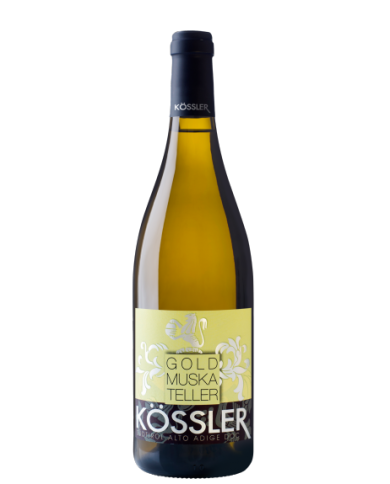
A characteristic of this wine is its aromatic intensity, reminiscent of ripe fruit and nutmeg. On the palate, its natural residual sugar and acidity make it a pleasant aperitif wine.
€16.35
SKU:
15278
Brand:
Kossler
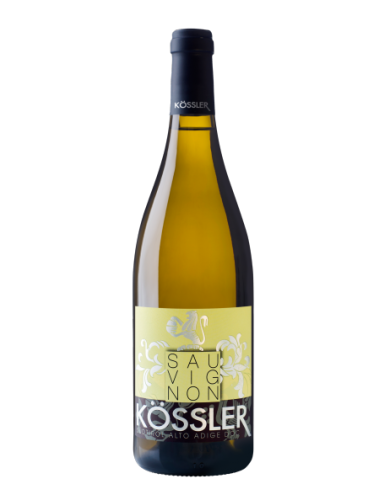
This noble variety expresses a particular character thanks to the microclimate of our vineyards. Thus was born an expressive and savory Sauvignon, characterized by notes of elderflower and various exotic fruits.
€16.35
SKU:
15277
Brand:
Kossler
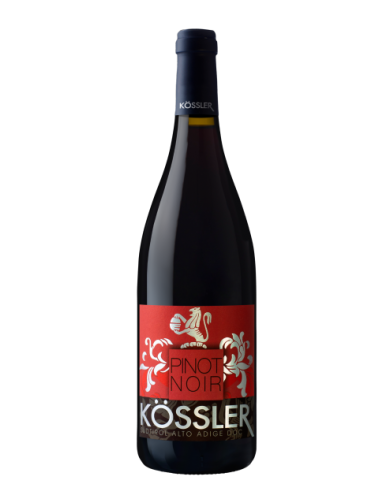
Pinot Noir ranks among the most important wines in the world. Scrupulously cared for and after careful selection, this elegant and velvety wine recalls hints of red berries and wild cherries.
€17.93
SKU:
15276
Brand:
Kossler
An aromatic white wine, intensive and typical in its bouquet with light notes of Muscat, fresh and aromatic to the taste.
€9.67
SKU:
15275
Brand:
Kossler
This variety is distinguished by its typical aroma reminiscent of exotic fruits. It is a fresh wine on the palate and with a balanced body.
€14.88
SKU:
15274
Brand:
Kossler
This selection of the Schiava grape gives a typically South Tyrolean light wine. Its aroma recalls violets and cherries, it is characterized on the palate by its softness and its low tannin and alcohol content.
€12.44
SKU:
15273
Brand:
Kossler
This wine is one of the best known products from the Schiava grape. It has a wide range of fruity aromas and stands out for its fullness and roundness on the palate.
€13.05
SKU:
15272
Brand:
Kossler
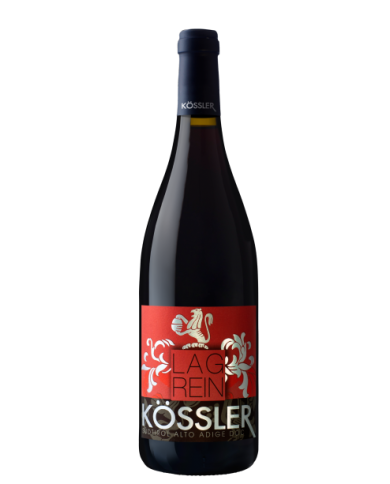
Lagrein is a native variety, from which a wine of great character is obtained. It stands out for its intense red color, its aromas of wild berries and cherry. On the palate it expresses a velvety fullness, enhanced by a soft acidity.
€18.40
SKU:
15271
Brand:
Kossler
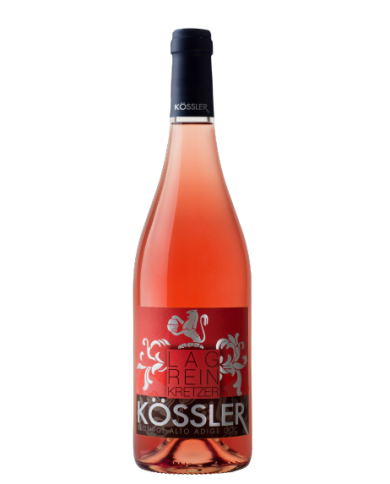
This rosé wine, produced from the Lagrein grape, is typically South Tyrolean, has a rosé color and a pleasantly fruity note that is gaining more and more interest.
€13.01
SKU:
15270
Brand:
Kossler
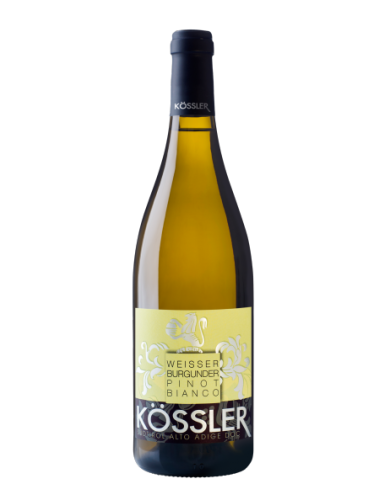
This variety has been cultivated in South Tyrol for a century and has established itself as a reference point for our production. It owes its aromatic complexity to the strong temperature variations between day and night and to the composition of the soil. It is distinguished by its hints of apple, peach, apricot and pear. Very convincing in the mouth with its acidity and minerality, it ranks among the most popular wines of South Tyrol.
€10.00
SKU:
15269
Brand:
Kossler
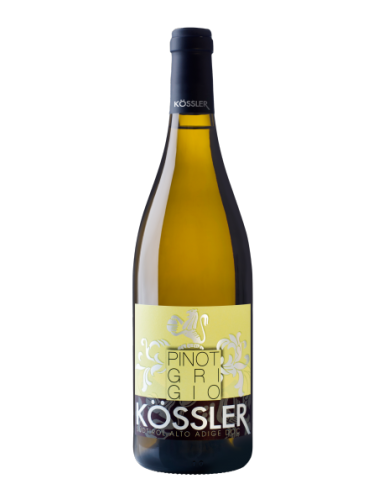
Pinot Grigio, known in Alto Adige as Ruländer, is distinguished by its floral aromas and is characterized by a balanced acidity and a fresh and velvety palate.
€9.89
SKU:
15249
Brand:
Himmelreich
The classy version of the now timeless Riesling: with the "Geieregg" the Himmelreich estate presents the luxury version of its classic white wine. Once poured into the glass, a bright yellow color can be seen adorned with greenish reflections. The nose is captivated by a mature and complex bouquet, consisting of fresh pineapple, sweet peach and grapefruit. "Geieregg" reveals a decidedly full-bodied and juicy mineral taste, supported by deep persistent mineral notes on the palate. It is not only an excellent accompaniment for light appetizers, but also for fish and seafood dishes. By virtue of the particularly refined taste, given by its accentuated minerality and its bouquet, it is in excellent harmony with Asian cuisine.
€36.89
SKU:
15248
Brand:
Himmelreich
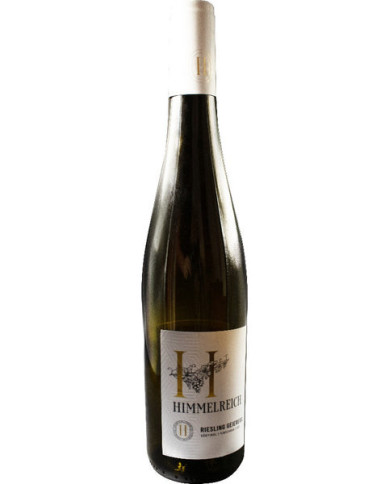
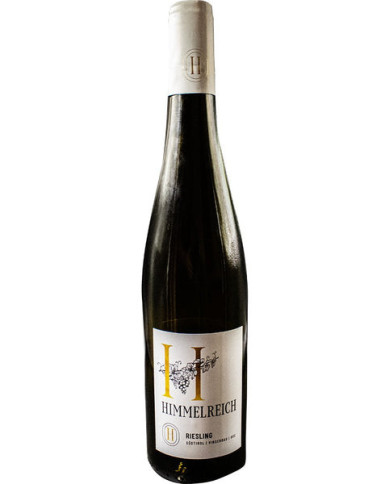
This Riesling is an excellent white wine produced with grapes from the homonymous vine that grows in Val Venosta. The vines are grown on Monte Sole, where there is less rainfall than the entire western area of Alto-Adige. These particular climatic conditions, and the composition of the morainic soils, give the wines of the Himmelreich cellar their unique and unmistakable character. Its robe is of a bright yellow colour, with intervals of greenish reflections. As it enters the glass, Riesling releases a multifaceted bouquet, the first scent that is perceived is sweet and ripe yellow peach. Notes of pineapple with the right point of ripeness, prickly pears and fresh grapefruit follow immediately afterwards. As it passes, the palate is filled with minerality, its juicy and exotic taste is incomparably mineral and refreshing. This fresh white wine with a delicious taste goes perfectly with light appetizers, fish in general and seafood, but is also perfect with Asian dishes.
€24.05
SKU:
15247
Brand:
Himmelreich
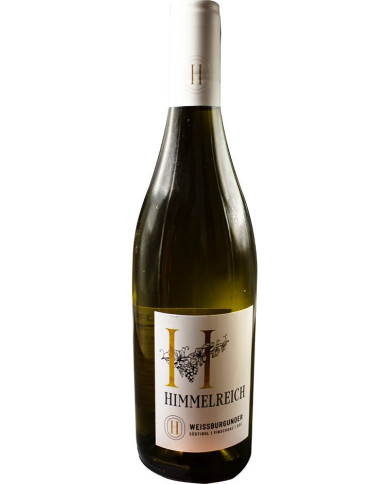
On behalf of the Himmelreich winery, Markus Fliri presents a Pinot Blanc with a strong character and natural charm. The bright yellowish-greenish color hides a characteristic fruity aroma of pear, apple and delicate citrus notes. Compact, fresh and crunchy: this is how the taste profile of Pinot Blanc presents itself, which is, at the same time, enriched by fine mineral notes. This wine is excellent when combined with light appetizers, lightly fried fish and spicy poultry.
€20.25
SKU:
15246
Brand:
Himmelreich
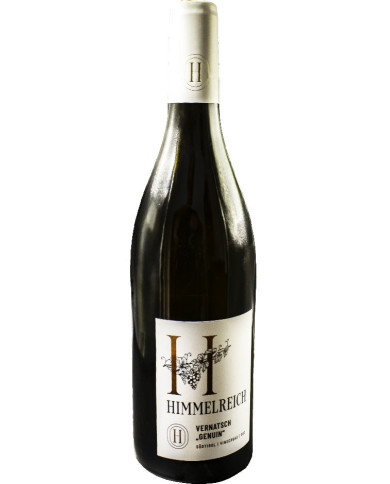
Genuin is a genuine and authentic albeit atypical red wine. Its essence has a thousand facets, and can be savored intensely, revealing its liveliness.
These stupendous qualities are due to the excellent components of the terroir of morainic origin, and to the special temperature range deriving from the presence of Monte Sole.
In the glass its color has a splendid bright red robe. The aromas of raspberries and red cherry arrive intoxicating to the nose, with faint notes of almond, and hints of wild flowers.
A sip capable of conquering and satisfying the palate. Excellent glass to serve in combination with roasts, red meats and medium-aged cheeses.
€18.91
SKU:
14965
Brand:
Cantina Tramin
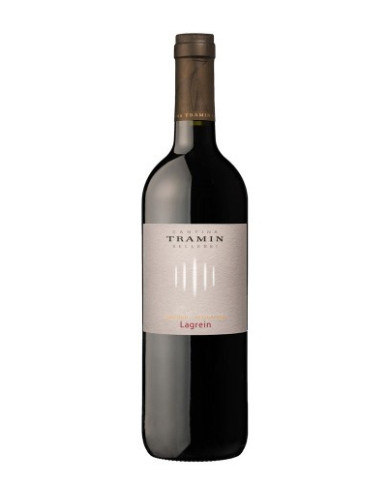
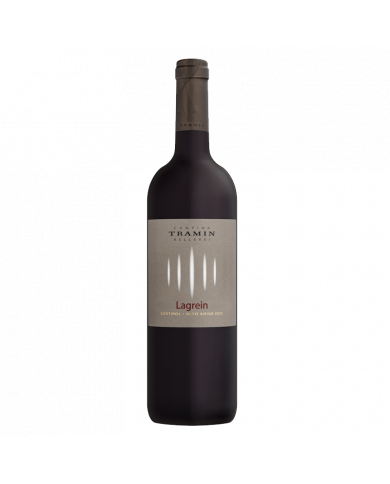
Perhaps the most important native vine of Alto Adige, lagrein leads to elegant and relaxed wines of great pleasure. Tramin's matures in oak barrels of various capacities and in cement tanks for at least 6 months. Perfect to accompany the elegant local gastronomy, it is always elegant and generous at the same time. A wine that cannot be missing from the table of a true enthusiast.
SKU:
14946
Brand:
J.Hütte
The result of a merger, which took place in 2001, between the Cantina Produttori Santa Maddalena and the Cantina Produttori Gries, this kaleidoscopic winery offers an incredible range, complete in the multiplicity of products and refined in the interpretation of the territory. The quality standard is truly impressive and does not fail to satisfy any palate, even the most demanding one, with the right attention to both native and international vines. A splendid example of quality is this Sauvignon, a semi-aromatic vine, characterized by a great variety of aromas, here incredibly enhanced by the warm, sandy soils and the breezy climate, which constitute the ideal terroir for a great wine.
€17.91
SKU:
14945
Brand:
J.Hütte
With a rich range of labels with attention to the smallest details, the J.Hütte winery, in the province of Bolzano, has managed in a short time to reach a substantial production volume of out of the ordinary quality, which sees the coexistence of native grapes of the area, such as Moscato Giallo , Lagrein and Gewürztraminer with the international Chardonnay, Pinot Noir and Sauvignon. A mix of sandy and morainic soils, accentuated temperature variations and the support of the Bolzano winery combine to create measured and incisive wines, elegant and refined as only South Tyroleans can be.
€12.86
SKU:
14944
Brand:
J.Hütte
Rich in sodium, albite is a typical mineral of the Alps, in particular of Valle d'Aosta, Piedmont and Alto Adige, where it finds the ideal subsoil for its development, proving to be a faithful ally for the vine. This Sauvignon is proof of this, presenting itself as the perfect synthesis between territory, climate and grape variety, thanks to its typicality which, in combination with albite, gives life to an authentic, complex and characterful label, capable of perfectly combining, to the gentleness of citrus and floral tones, an important structure and a strong minerality.
€25.47
SKU:
14919
Brand:
Blumenfeld
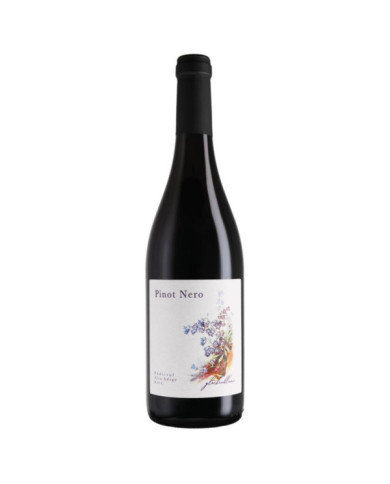
Blumenfeld's Pinot Noir is a typical red wine from Alto Adige, which comes from the warm and well-ventilated soils surrounding the municipality of Bolzano.
The grape harvest takes place in September. The vinification takes place in steel at a controlled temperature, followed by a short maturation in oak barrels.
The color is ruby red. It opens on the nose with fruity aromas of cherry, plum and raspberry that intertwine with refined notes of licorice and violet. The palate is velvety and elegant, medium structured, characterized by good tannins.
To be savored in the company of beef and game birds, it is appreciated with medium-aged cheeses.
€14.91
SKU:
14915
Brand:
Abbazia di Novacella
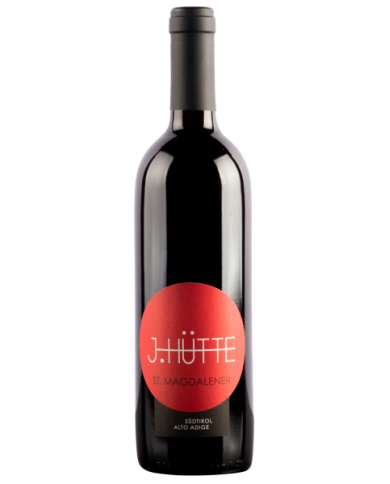
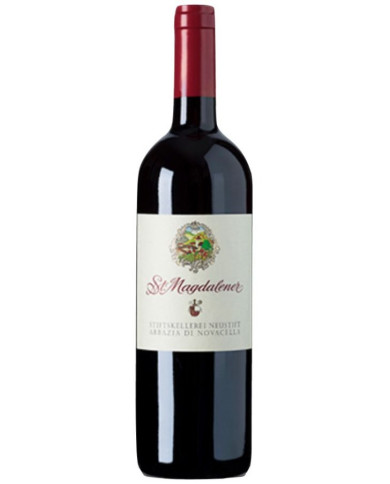
St. Magdalener Sudtirol Kofleitnhof Doc 2019 - Novacella Abbey
Grapes: Schiava 100% It is the most full-bodied of the Schiava grape wines, with a brilliant ruby red colour; as it ages it takes on brick-like reflections. Floral and fruity; hints of cherries and violets. Harmonious and velvety, with a slight aftertaste of bitter almonds. It goes well with game first courses, white meats with light seasonings.
€11.90
€16.97
SKU:
14477
Brand:
Von Blumen
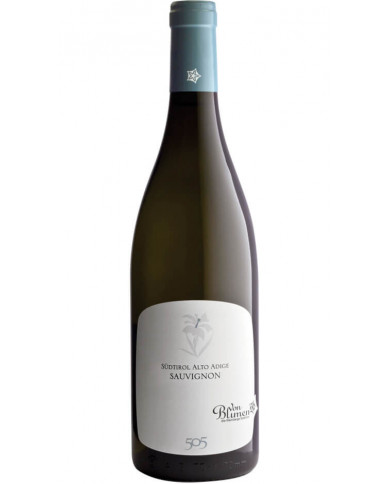
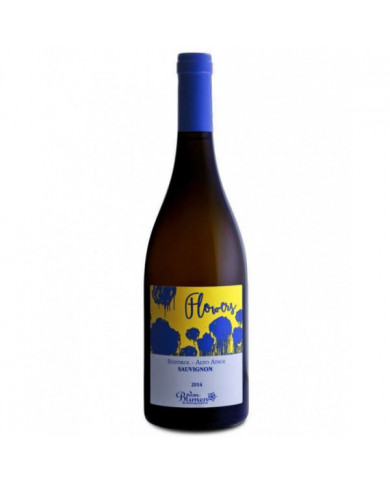
For more than a century this vine, originally from France and precisely from the Loire Valley area, has been grown on the hills of Alto Adige. The grape harvest takes place by hand, as in the past, starting from the beginning of September. After a gentle destemming, the grapes undergo a short cold maceration in a stainless steel press. The alcoholic fermentation takes place in steel tanks at a controlled temperature. At the end of alcoholic fermentation, the wine is kept in contact with the lees, in stainless steel containers for about 6 months. The Sauvignon has a yellow color with light green reflections. On the nose the scent is fresh, with extravagant hints of nettle, pepper, tomato leaves and anise. On the palate the flavor is intense and persistent with a good aroma and a savory and gritty acidity. A versatile goblet that goes perfectly with all courses at the table and after the first sip it will take you back to the unspoiled nature on the slopes of Monte Corno.
€18.45
SKU:
14476
Brand:
Von Blumen
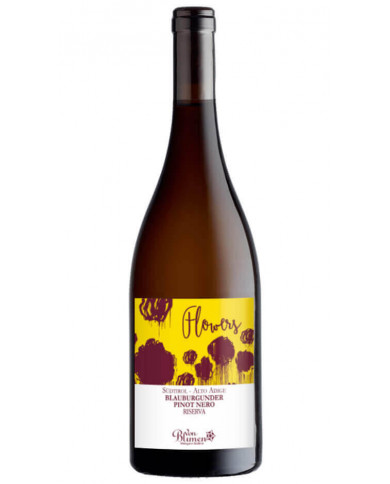
The Pinot Noir grape variety is considered among the most noble red grape varieties in the world and also the most difficult to interpret. The origin of this vine is believed to be attributed to the French region of Burgundy. Flowers is the name chosen by the winery to represent the spearheads of the Von Blumen project. Harvested in September, the grapes are then partially de-stemmed and crushed, and left to ferment with maceration on the skins in stainless steel tanks at a controlled temperature, for about 20 days. Subsequently, before bottling, it is aged for 12 months in French oak tonneaux. In the glass the color is a bright ruby red. The bouquet is intense and broad on the nose, ranging from sweet nuances of red and black fruits to fragrant spicy scents. On the palate it is enveloping and complex, with a mature and long-lasting tannic texture in the mouth. A wine of exceptional drinkability and character, excellent in combination with red meat dishes, medium and long-aged cheeses and traditional main courses of South Tyrolean cuisine.
€34.78
SKU:
14475
Brand:
Von Blumen
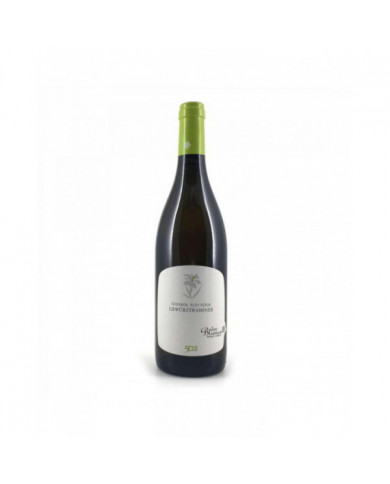
The name Traminer appears for the first time in 1349 in Konrad Megenberg's "Book of Nature". The origins of this vine are uncertain; some believe they are in Alsace, others in the town of Termeno (Bolzano), still others in Wurttemberg, and finally in the Reno valley. The grapes are harvested manually in boxes. After a delicate destemming, cold maceration follows at a temperature of 12°. The alcoholic fermentation takes place in steel tanks at a controlled temperature; at the end of alcoholic fermentation, the wine is kept in contact with the lees, in stainless steel containers for about 6 months. In the glass it has an intense straw yellow color. On the nose, the aroma is intense and varied with aromas ranging from yellow pulp fruits, lychee, rose, acacia flowers and saffron. On the palate it immediately proves to be a wine of great structure and balance based on sapid and fresh notes, supported by a never invasive softness and characterized by delicious almond nuances. An eclectic goblet that is excellent on the table as an aperitif or to accompany shellfish dishes, ethnic cuisine and spicy flavours.
€20.68
SKU:
14474
Brand:
Von Blumen
Production notes
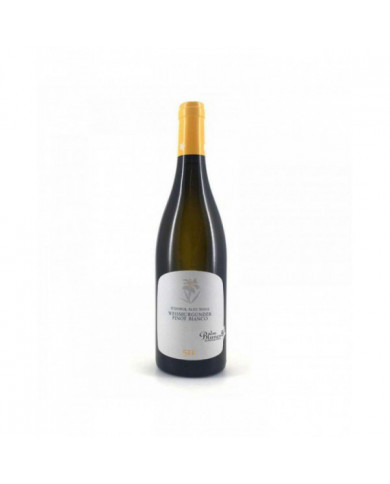
After fermentation, the Pinot Blanc from the Von Blumen winery remains in contact with the lees in stainless steel for 6 months.
Tasting notes
The Pinot Bianco from the Von Blumen winery has a straw yellow color, with hints of apple, peach, apricot and pear. Very convincing in the mouth with its acidity and minerality.
€16.47
SKU:
14473
Brand:
Von Blumen
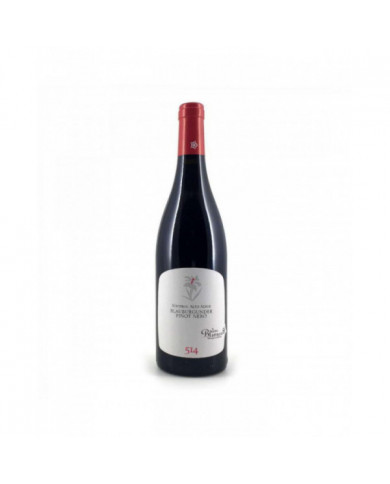
The Pinot Noir grape variety is considered among the most noble red grape varieties in the world and also the most difficult to interpret. The origin of this vine is believed to be attributed to the French region of Burgundy. The grape harvest is manual, as it was once done. After a delicate destemming and crushing, fermentation follows with maceration on the skins in stainless steel tanks at a controlled temperature. To extract color and aroma from the skins, several pumping overs are carried out and finally the maturation takes place in large wooden barrels. In the glass the color is a pale ruby red. The nose is intense and seductive with notes of raspberry, cherry, blackberry, violet and various spices. On the palate it is warm and enveloping, with lively notes of undergrowth. Thanks to its harmony, bringing this Pinot Noir to the table with red meat dishes, medium and long-aged cheeses and stewed fish will be a guaranteed success.
€22.57
SKU:
14472
Brand:
Von Blumen
For more than a century this vine, originally from France and precisely from the Loire Valley area, has been grown on the hills of Alto Adige. The grape harvest takes place by hand, as in the past, starting from the beginning of September. After a gentle destemming, the grapes undergo a short cold maceration in a stainless steel press. The alcoholic fermentation takes place in steel tanks at a controlled temperature. At the end of alcoholic fermentation, the wine is kept in contact with the lees, in stainless steel containers for about 6 months. The Sauvignon has a yellow color with light green reflections. On the nose the scent is fresh, with extravagant hints of nettle, pepper, tomato leaves and anise. On the palate the flavor is intense and persistent with a good aroma and a savory and gritty acidity. A versatile goblet that goes perfectly with all courses at the table and after the first sip it will take you back to the unspoiled nature on the slopes of Monte Corno.
€26.96
SKU:
14471
Brand:
Von Blumen
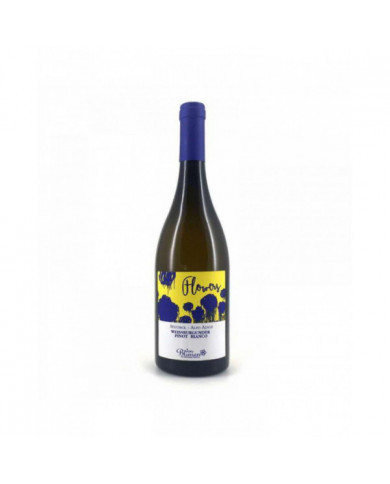
Production notes Pinot Bianco ''Flowers'' is a white wine aged for 10 months in tonneaux. Malolactic fermentation can be total or partial. Tasting notes Pinot Bianco ''Flowers'' is a straw yellow white wine with green transparencies. Perfumes of white flowers and flint with vegetal notes in the background. Fresh and mineral taste of ripe pineapple, sage and anise.
€25.53
SKU:
14470
Brand:
Von Blumen
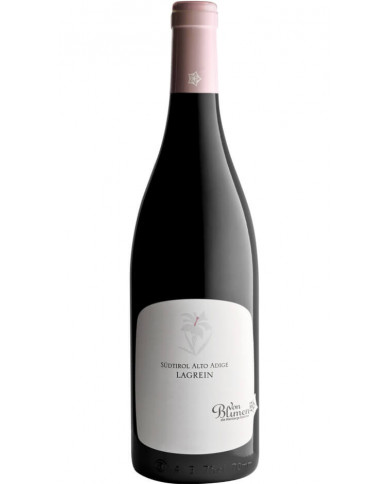
Lagrein is one of the most important and representative red grape varieties of Trentino Alto Adige. The grape harvest takes place in October, manually. After a delicate destemming and crushing, fermentation follows with maceration on the skins in stainless steel tanks at a controlled temperature. To extract color and aroma from the skins, several pumping overs are carried out and finally the maturation takes place in large wooden barrels. In the glass the color is a deep ruby red. The nose is intense and seductive with notes of iris, cherry, blackberry and blueberry. On the palate it is deep and enveloping but at the same time delicate and soft. Thanks to its strong personality, this Lagrein lends itself well to red meat dishes, roasts, medium and long-aged cheeses.
€18.50
SKU:
14418
Brand:
PFITSCHER
Precious light white wine, characterized by a slight acidity and a fruity bouquet. The nose captivates with delicate notes of nutmeg and stone fruit. The clear yellow-green color of this dry white wine captivates with its fruity and intense flavour.
€13.64
SKU:
13701
Brand:
Cantina Tramin
A long winter postponed the awakening of the vine to early April. A drop in temperatures after budding also delayed flowering. Subsequently, the weather remained capricious with a hot June and a humid July which laid the ideal foundations for the start of the maturation. August showed its best side with sunny weeks and exceptionally low night temperatures. Despite some brief downpours at the end of September/beginning of October, the harvest, which began with a delay of approx. ten days than usual and characterized by clearly lower than average volumes, it was marked by numerous warm days and increasingly colder nights.
SKU:
11413
Brand:
Tolloy
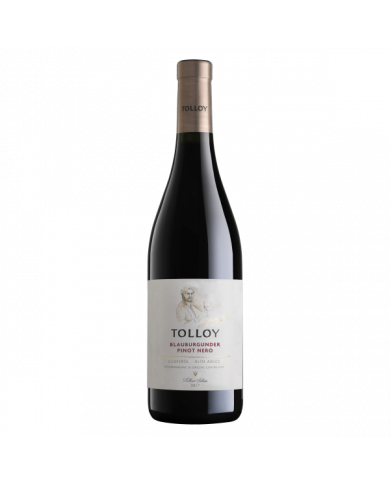
Produced only with grapes from its own vineyards grown in Alto Adige on the hill of Pochi, a hamlet of Salorno. Traditional red vinification at controlled temperature around 25°C with frequent pumping over, punching down and partial aging in small oak barrels for about 10 months.
€14.27
SKU:
11411
Brand:
Tolloy
€13.21
€9.25
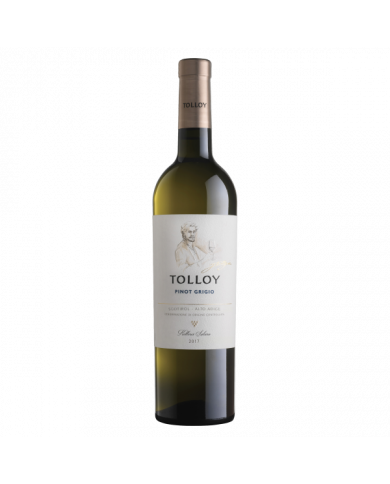
Produced only with grapes from its own vineyards grown in South Tyrol in the valley floor and on the low hills. 100% Pinot Gris with traditional vinification in white at a controlled temperature around 18-20°C.
€13.21
€9.25
SKU:
11409
Brand:
Tolloy
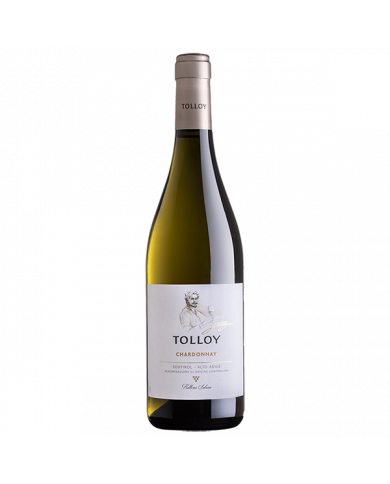
Chardonnay is one of the international grape varieties that best adapts to the environmental and climatic characteristics of Alto Adige. Here it manages to express all its aromatic potential. The particular location of the vineyards, between 200 and 500 meters above sea level, gives this wine a wide range of scents and aromas and the strong temperature range allows the wonderful acidity and freshness to be preserved. The grapes are harvested by hand around mid-September and subjected to traditional vinification with brief contact on the skins to increase the extraction of the varietal aromas characteristic of the grape. Subsequently the must is subjected to fermentation at low temperature
€12.75
SKU:
11361
Brand:
Musivum
The production area chosen for the Chardonnay Musivum is located in Alto Adige and includes various locations: mainly in the municipality of Salorno, Magrè and Egna. The characteristics of the area, inclined to maintain high acid content, are ideal for the cultivation of Chardonnay which manages to reach high sugar levels. Another peculiarity of this area, ideal for growing grapes, is the microclimate characterized by good wind – which avoids dangerous stagnation of humidity and guarantees rapid drying of the grapes after the rains – and by an insolation throughout the day. Production begins with a slightly delayed manual harvest to enhance the aromatic richness of this variety. In the Cellar, the individual containers are distinguished on the basis of the characteristics of the grapes, so as to diversify the vinification process. All the grapes are cooled in the cell at 2-3°C. The following days those with a yellow/golden color are removed from the stalks and left to rest in the press for 4/5 hours in contact with the skins (cryomaceration) to increase the extraction of the aromatic precursors of this variety. The yellow/green colored grapes are instead de-stemmed and immediately subjected to soft pressing. From both portions a free-run must is obtained which is followed by natural decanting. The start of fermentation takes place in special stainless steel tanks, specially designed for the " Musivum " project, with selected yeasts and with a progressive and controlled increase in temperature from 14° to 18°C. Once fermentation has started, 65% of the volume continues its journey in the new barrique cellar: 50% in second passage oak barrels, where it remains for the refinement phase and the other 15% is aged in new French oak barriques at medium roast. The remaining 35% completes the fermentation in steel. During the refinement the 3 portions are kept separate, with frequent movements of the fine lees, up to 2 months before bottling, when they are brought together to amalgamate the different components, i.e. those fermented and aged in the various woods with the one fermented and aged in steel .
€46.36
SKU:
9936
Brand:
PFITSCHER
Precious light white wine, characterized by a slight acidity and a fruity bouquet. The nose captivates with delicate notes of nutmeg and stone fruit. The clear yellow-green color of this dry white wine captivates with its fruity and intense flavour.
€13.64
€12.28
€22.20
SKU:
9876
Brand:
PFITSCHER
Long-lived and refined Gewürztraminer with an intense fruity aroma of rose with notes of exotic fruits. White wine with shades of color from straw yellow to gold, delicate and balanced on the palate.
€18.24
SKU:
1031
Brand:
Girlan
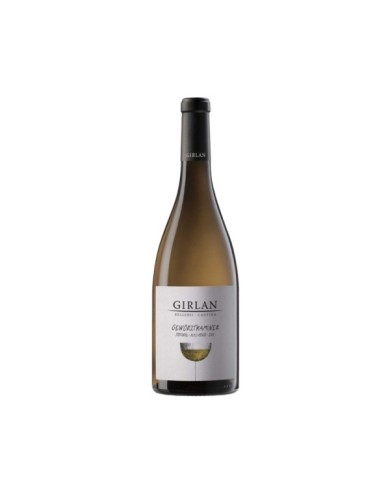
Straw yellow color to the eye, bright and clean. The nose is deep and aromatic, rich in scents reminiscent of ripe tropical fruit and yellow flowers. Secondly, the bouquet is completed by citrus nuances and mineral nuances. The taste is long and consistent with the sense of smell, with good body and good balance. Versatile in combinations, it accompanies aromatic and tasty preparations. Try it together with the Venetian liver.
€16.38
Kulinarik: Erleben Sie die Denomination Alto Adige Südtirol!
Südtirol, a region in Trentino-Alto Adige, Italy, is one of the largest wine-producing appellations in the country. Nestled in the heart of the Alps, this wine region produces premium wines from indigenous grapes grown in vineyards nestled in the mountains. The Alto Adige Südtirol ( DAAS ) appellation is a protected wine-growing area offering numerous high-quality wine options. The grapes grown in this area are traditionally cultivated according to sustainable agricultural principles. Here, a combination of soil, climate, and grape varieties give the wines a unique character recognized worldwide.
If you want to discover the grandeur of the Alto Adige Südtirol appellation, you've come to the right place. In this article, we'll explore the history, wines, and culinary culture of this region, so get ready to explore this amazing world!
The history of the Alto Adige Südtirol denomination
The Alto Adige Südtirol appellation was founded in 1978 and is one of Italy's largest wine appellations. It encompasses 44 municipalities in the region, spanning the provinces of Bolzano and Trento. The wine region is divided into four subzones, each with unique characteristics in terms of soil, climate, and grape varietals.
The success of this wine region is due to the commitment of local farmers, who have dedicated themselves to growing grapes traditionally, according to sustainable agricultural principles. Due to the diverse terroir and climate, this area offers a wide variety of superior wines.
The wines of the Alto Adige Südtirol denomination
The Alto Adige Südtirol appellation is known for its white wines, which are among the best in Italy. The range of white wines includes varieties such as Chardonnay, Pinot Grigio, and Sauvignon Blanc.
In addition to white wines, this wine region also produces red wines, including Pinot Noir, Lagrein, Merlot, and Cabernet Sauvignon. DAAS also produces rosé wines, such as Pinot Grigio Rosato and Merlot Rosato. This area is also famous for its sweet and straw wines, such as Sylvaner Dolce, Gewürztraminer Dolce, and Moscato Giallo.
The culinary culture of the Alto Adige Südtirol denomination
Like all regions of Trentino-Alto Adige, the Alto Adige Südtirol appellation has a rich culinary tradition. The region's cuisine is a blend of Italian, Austrian, and German influences, with a touch of modernity.
The region's main dishes include canederli, a type of dumpling made with stale bread and spices, and Knödel, a potato dumpling that can be served as a side dish or main course. Other typical dishes include bread soup, a soup made with bread and vegetables, and cheese dumplings, a sweeter version of traditional dumplings.
The region is also known for its cheeses, such as Trentingrana and Puzzone di Moena. Let's not forget the desserts, such as apple pies and Christmas cookies.
The Alto Adige Südtirol appellation is a paradise for wine lovers
The Alto Adige Südtirol appellation is a paradise for sommeliers and wine lovers. The region offers a wide variety of superior wines, all produced according to sustainable farming principles. The wines from this area have a unique character that is appreciated worldwide.
Furthermore, the region also offers a rich culinary culture that is the perfect complement to the local wines. If you too would like to taste the wines and dishes of the Alto Adige Südtirol appellation, don't hesitate to visit this splendid region and discover everything it has to offer.