

 Italiano
 Deutsch











There are no more items in your cart
SKU:
13987
Brand:
Luca Attanasio
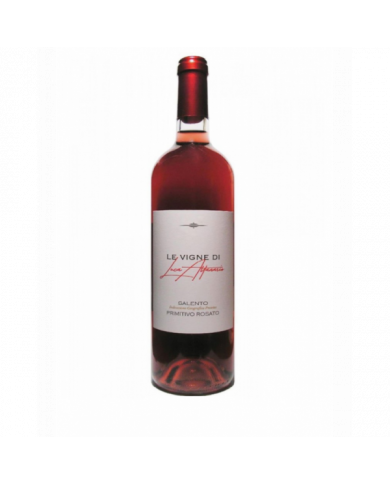
The color is intense claret pink. The scent is fragrant, ample, of wild blackberry, pear and citrus. On the palate the wine is fresh, sapid and balanced by fruity notes. The grape harvest began in the second week of August. The maceration process of the bunches was completed within 10 hours of harvesting. The fermentation took place at low temperatures for about 20 days.
€14.70
€6.92
SKU:
13960
Brand:
Agricosimo
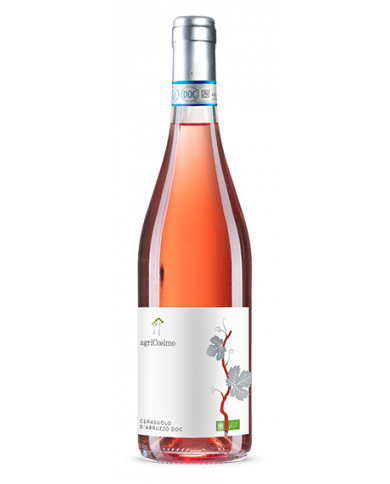
Wild strawberry, raspberry, almond. Palate in perfect balance between softness and freshness.
SKU:
13938
Brand:
Agricole Vallone
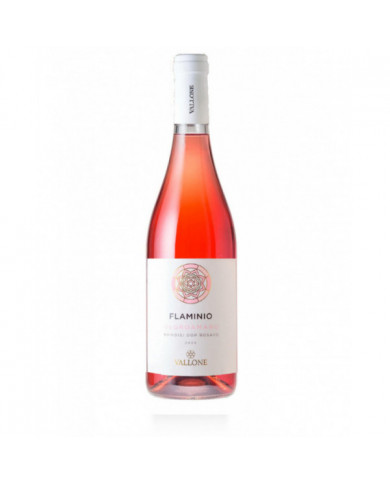
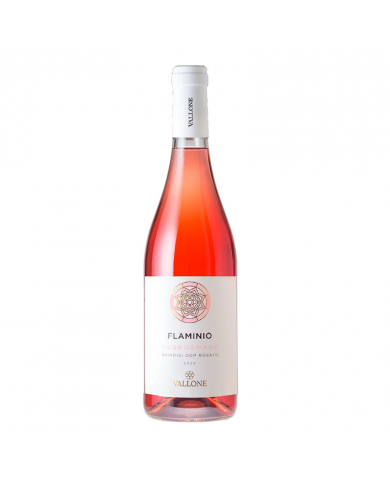
Flaminio is the interpretation that the Vallone family gives to native vineyards. The line takes its name from the historic Flaminio vineyards from which they are produced and which stand on an ancient Messapian settlement on the outskirts of San Pietro Vernotico. It is our ever-evolving tradition. Intense colors and fruity aromas.
Negroamaro and Montepulciano meet in this wine that has inspired two generations of enthusiasts. Authentic rosé, symbol of Salento freshness, obtained with the traditional static dripping technique. It has a slightly more marked color intensity, the winemaking technique allows for the extraction of a surprising aromatic complexity. For lovers of the traditional Rosato of Salento.
€9.39
SKU:
13932
Brand:
Agricole Vallone
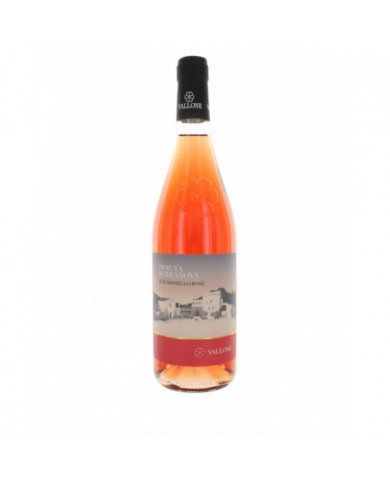
It often happens to think of the illustrious personalities who preceded us as owners of the estate; from Raimondo del Balzo Orsini, Prince of Taranto, owner of the estate from 1382 to 1407, to Queen Maria d'Enghein, Countess of Lecce, owner from 1407 to 1464. Please refer to the dedicated section for further historical notes on the Castle of Serranova. The intense red of the lands reveals a first clue about the oenological orientation of the wines of the estate. This is the place where you can glimpse the characterizing elements of Vallone; the noble soul of the wines, the innovative soul that led to the conception of the production technique of the Graticciaia; the soul that embraces the harmony and beauty generated by the union between the historicity of places and nature.
Produced entirely from Susumaniello grapes; by religiously using the traditional static draining technique, delicate fruity hints of raspberry, currant and blackberry are obtained. His fresh embrace brings to mind the precious carefree moments by the sea. For a perfect pairing, try the classic spaghettoni with mussels and sautéed cherry tomatoes.
€13.54
SKU:
13931
Brand:
Agricole Vallone
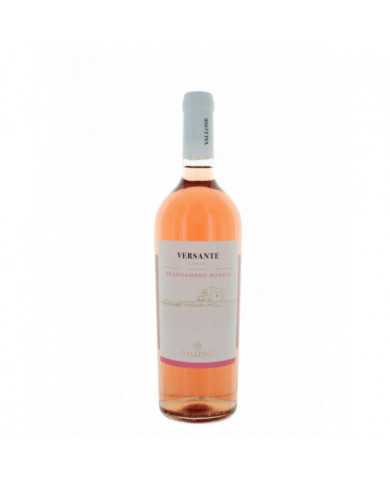
The line takes its name from the Adriatic side, where the Vallone vineyards extend. The Typical colors of the Adriatic coast composed of the intense blue of the sea and the continuous alternation of the green-gold of the olive leaves moved by the wind. Here in these few words the spirit of the Walloon slope is enclosed.
Crystalline cherry pink, extremely versatile. In company during a warm midsummer evening. The Salento enigma who loves both land and sea dishes.
€7.32
SKU:
13927
Brand:
Agricole Vallone
Flaminio is the interpretation that the Vallone family gives to native vineyards. The line takes its name from the historic Flaminio vineyards from which they are produced and which stand on an ancient Messapian settlement on the outskirts of San Pietro Vernotico. It is our ever-evolving tradition. Intense colors and fruity aromas.
€10.08
SKU:
13913
Brand:
A Mano Wine
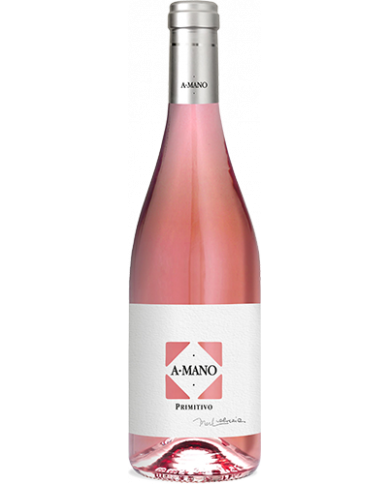
For the rosé we have to look for the right vineyards every year. For this vintage we have chosen only Primitivo vines.
Primitivo brings its red fruits and gives us aromas of ripe peach and tropical fruit. In short, complexity and freshness for this delicious wine.
Rosé needs special color and full flavor with low ripening grapes to maintain acidity.
Not exactly easy in Puglia. A Mano Rosato is pleasure in the bottle. It stimulates all of your senses and creates the desire for another sip. The wine is immediate, then offers flavors that evolve on the palate.
€10.78
SKU:
13910
Brand:
A Mano Wine
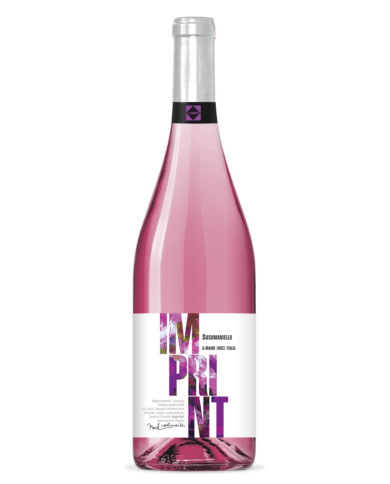
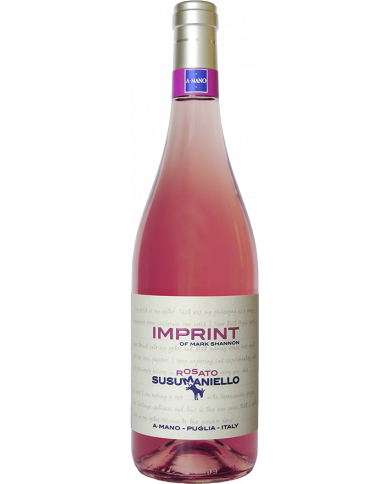
Embracing new winemaking challenges has always been in Mark's DNA. And making wine from Susumaniello grapes in rosé is certainly an intriguing challenge. It will envelop all the senses, from sight to smell, from taste to hearing… (you will hear a playful chirping after the second sip) Have fun.
€14.54
SKU:
13897
Brand:
Emidio Pepe
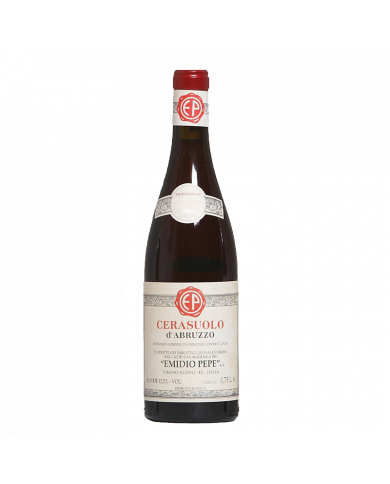
Emidio Pepe 's rosé wine is endowed with a fine balance and with a fine artisanal declination. The nose is intense, fruity, with small red fruits and floral hints. Incredible freshness on the palate, savory, with subtle tannins and a fruity aftertaste.
€51.39
SKU:
13880
Brand:
Piandimare
Red berried grapes of the territory, harvested and pressed immediately without maceration. Vinified at low temperature. After vinification, the wine ages for 6 months in steel in order to harmonize and enhance its varietal aroma characterized by aromas of pink petal flowers, banana, pineapple, pear, wild strawberry and wild cherry. Pale pink color, on the palate it is fresh, elegant and with a pleasant finish. The pleasant salty note gives a lean and refreshing drink. Unmissable during summer aperitifs based on local butchery, it is a wine that calls one bottle after another and invites to a convivial sharing. Perfect as an aperitif, it goes well with raw seafood dishes and fried Adriatic paranza
€15.71
SKU:
13878
Brand:
Piandimare
Red berried grapes of the territory, harvested and pressed immediately without maceration. Vinified at low temperature. After vinification, the wine ages for 6 months in steel in order to harmonize and enhance its varietal aroma characterized by aromas of pink petal flowers, banana, pineapple, pear, wild strawberry and wild cherry. Pale pink color, on the palate it is fresh, elegant and with a pleasant finish. The pleasant salty note gives a lean and refreshing drink. Unmissable during summer aperitifs based on local butchery, it is a wine that calls one bottle after another and invites to a convivial sharing. Perfect as an aperitif, it goes well with raw seafood dishes and fried Adriatic paranza
SKU:
13867
Brand:
Cantina Zaccagnini
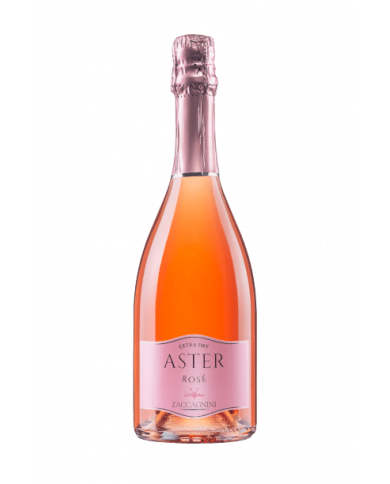
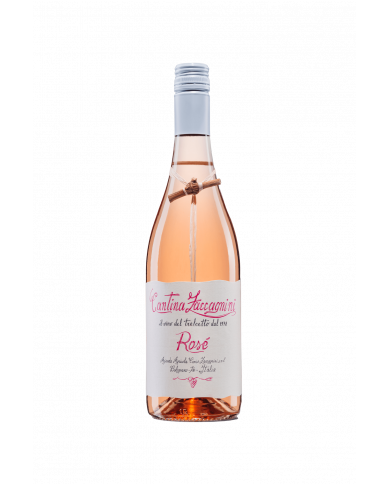
Color: Soft rosé. Smell: Delicate and elegant bouquet with notes of small red berried fruits, such as raspberry and strawberry, hints of wild red currant and pomegranate, spicy nuances of ginger. Taste: Straightforward and generous, easy to drink for its freshness and flavour. The bubbles dictate the rhythm to the cadences of the small fruits which return to a sweet-bitter finish.
€13.50
SKU:
13864
Brand:
Cantina Zaccagnini
Color: Golden yellow wine. Smell: Aromas of dried sweet fruit, cedar, dehydrated apricot and honey. Taste: Extremely sweet, mitigated by a good freshness, which prolongs the aromatic sensations of dried fruit.
SKU:
13863
Brand:
Cantina Zaccagnini
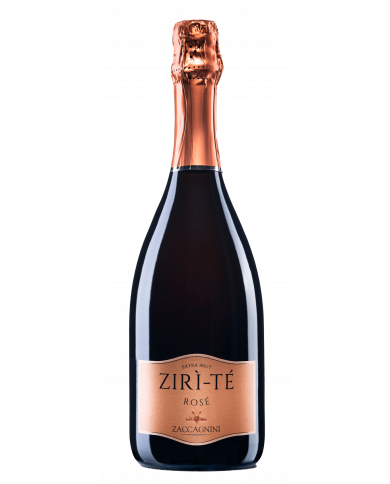
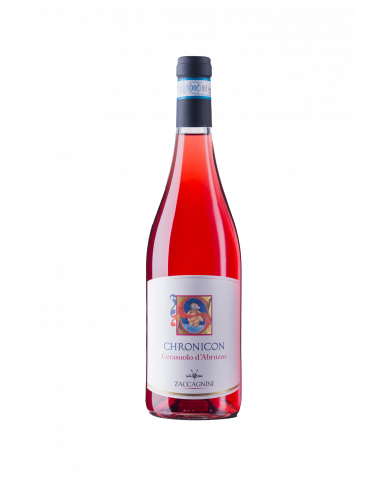
Color: Pink tending towards cherry with brilliant reflections. Smell: Notes of fragrant and juicy red fruit, nuances of pomegranate and ginger. Taste: Nice consistency, with the freshness and salinity to drive the aromaticity of berries towards a long finish.
€10.86
SKU:
13826
Brand:
Cantina Zaccagnini
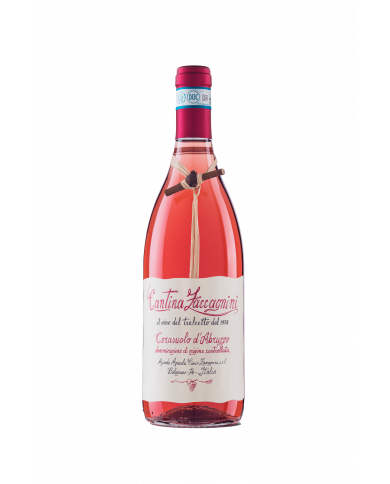
Colour: Brilliant cherry red color with violet hues. Smell: The fragrant range is characterized by fruity notes of very ripe cherries and spicy nuances of white pepper. Taste: The marked freshness traces the dynamic and tapered gustatory path, with the sapidity supporting the finish with red fruit returns.
€10.72
SKU:
13816
Brand:
Cantina Zaccagnini
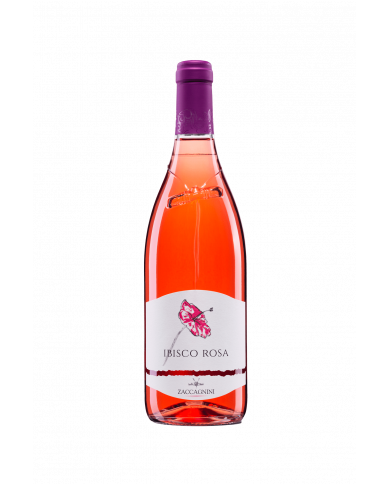
Color: Bright pink of medium intensity. Smell: Fragrant nose with floral notes of rose and sour red berried fruit (raspberry, strawberry). Taste: On the palate it is punctuated by freshness and sapidity, which characterize the pleasant sip with the aromatic finish of small red fruits.
€8.06
SKU:
13814
Brand:
Cantina Zaccagnini
Color: Bright pink of medium intensity. Smell: Floral nuances of violet and rose alternate with notes of sour red berried fruit (raspberry, currant). Taste: On the palate it is balanced, with freshness and sapidity leading towards the final aromatic return of small red fruits.
€10.25
€9.67
SKU:
13807
Brand:
Faraone
Cerasuolo is the traditional house wine of the Abruzzo people; the everyday wine obtained from Montepulciano grapes fermented with the skins for a short time in order to extract little color and few tannins; it is the wine that in the common diction is called "red" that is "red cerasuolo" or color of the "cerasa - cherry".
€27.33
SKU:
13799
Brand:
Faraone
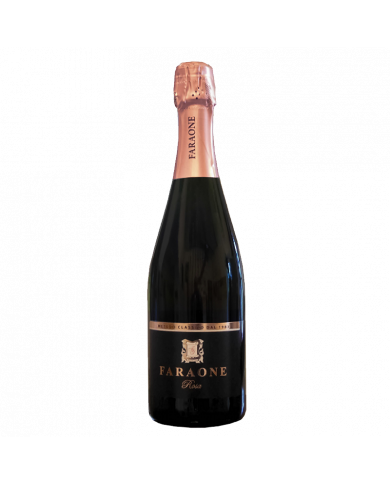
With the new Collepietro farm and above all with vines of a few years, we didn't think we could produce long-aging sparkling wines.
€19.76
SKU:
13795
Brand:
Faraone
Cerasuolo is the traditional house wine of the Abruzzo people; the everyday wine obtained from Montepulciano grapes fermented with the skins for a short time in order to extract little color and few tannins; it is the wine that in the common diction is called "red" that is "red cerasuolo" or color of the "cerasa - cherry".
€12.63
SKU:
13787
Brand:
Cantina Lepore
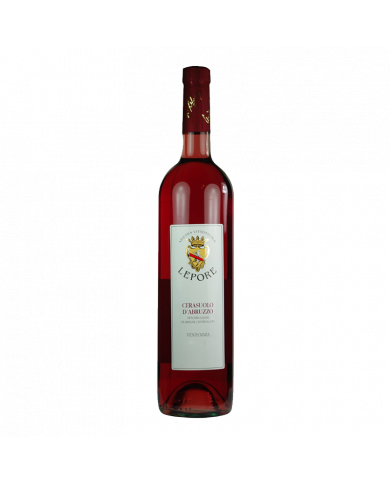
A very clear cherry colored wine. The fruity sensations are predominant on the nose with particular recognition of undergrowth fruits and ripe cherries. In the mouth it is fresh and well balanced, it finds slightly tannic notes that do not betray the origin from red grape variety.
€11.00
SKU:
13777
Brand:
Torre dei Beati
The first expression of Montepulciano of the vintage is in our company, and the first indicator of its performance.
€13.18
Pairings for rosé wines
Rosé is a very versatile wine, suitable for a wide variety of food pairings. Thanks to its freshness, it lends itself to both informal pairings, such as cheese, pizza, fried foods, and mushrooms, as well as more complex dishes, such as fish.
The best Italian rosé wine
In recent years, rosé wine production in Italy has grown exponentially, producing truly excellent wines that are worth tasting. Rosé originated in Southern Italy, but is now produced throughout the country. Italian rosé wines boast a long tradition; they are fresh and fragrant wines that pair beautifully with the many traditional dishes of our country. Visit the Clickwine rosé wine section to find the best online deals on DOC rosé wines produced by Italy's most prestigious wineries. With our exceptional online sales, you can bring traditional Italian rosé wines to your table, with incredible savings on the list price. Don't miss the opportunity to enrich your personal cellar with a high-quality rosé wine, a unique opportunity to make evenings spent with friends and family even more perfect.
Why is rosé wine pink?
There's a lot of talk about rosé wine. Many believe it's made by blending white and red wines (a practice prohibited by law), and this hasn't helped its reputation.
The color intensity of rosé wine and its aromas are essentially determined by the maceration on the skins of the red grapes used to produce these wines. But what are the colors of rosé wine? Rosé wine can range from pale pink, cherry red, to claret pink. To obtain a pale pink, maceration is required for very few hours, from 2 to 4, while for a cherry red the time can be up to 7-10 hours. For a very bright claret pink, maceration time can be up to 24 hours.
What are the best rosé wines?
Rosé wines can vary greatly in quality, depending on the production region, the grape variety used, and the winemaking techniques. Some highly regarded rosé wines come from France, particularly the Provence region, which produces light, fresh wines with red berry aromas and crisp acidity. Other high-quality rosé wines are produced in Italy, particularly Tuscany and Puglia, and in Spain, which produce more structured wines with greater aromatic complexity. Other regions renowned for their rosé wines include California, Portugal, and Australia.
It's important to note that the quality of a rosé wine depends on production techniques, climate conditions, and the grapes used. Therefore, it's difficult to make a list of the absolute best rosé wines, as it depends on individual tastes and preferences. However, some highly regarded rosé wines are:
- Château d'Esclans Whispering Angel (Provence, France)
- Domaine Tempier Bandol (Provence, France)
- Biserno Insoglio del Cinghiale Estate (Tuscany, Italy)
- Le Pupille Saffredi Farm (Tuscany, Italy)
- Quinta do Crasto Rosé (Douro, Portugal)
- Sandhi Santa Barbara County Rosé (California, USA)
- Penfolds Koonunga Hill Rosé (Barossa Valley, Australia)
It's recommended to try several rosé wines to discover which one you prefer, keeping in mind that some rosé wines are better enjoyed on their own, while others pair better with certain dishes. Generally speaking, rosé wines are ideal for summer, as they're fresh and light, but they can be enjoyed any time of year, depending on your personal taste.
What do you eat with rosé wine?
Rosé wine is a very versatile wine that pairs well with a wide range of dishes. Because it has a slightly lower alcohol content than red wines and a slightly lighter structure, it is particularly suited to accompany light, fresh dishes, such as fish, white meat, and vegetables. Here are some ideas for pairing rosé wine with food:
- Fish: Rosé wine pairs well with light fish such as salmon, tuna, and sea bass, but also with oily fish such as mackerel and squid.
- White meat: Rosé wine is perfect to accompany white meat such as chicken, turkey, and rabbit.
- Vegetables: Rosé wine pairs well with grilled vegetables, especially red berries like tomatoes and eggplant.
- Cheeses: Rosé wine pairs well with light cheeses such as Brie, Camembert, and Roquefort.
- Salads: Rosé wine is perfect for accompanying summer salads, especially when dressed with an emulsion of olive oil and balsamic vinegar.
Rosé wine can also be enjoyed on its own as an aperitif or as an accompaniment to a light meal. In general, it's important to pair rosé wine with light, not overly flavorful foods to prevent the wine from being overpowered by the food's flavors. It's recommended to taste the wine before deciding on a pairing, so you can choose the dish that best complements its aromatic profile and balance.