Italiano
 Deutsch







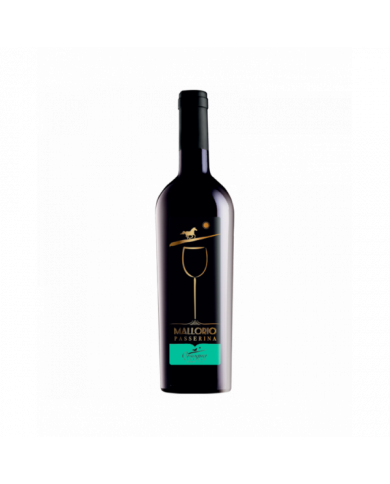
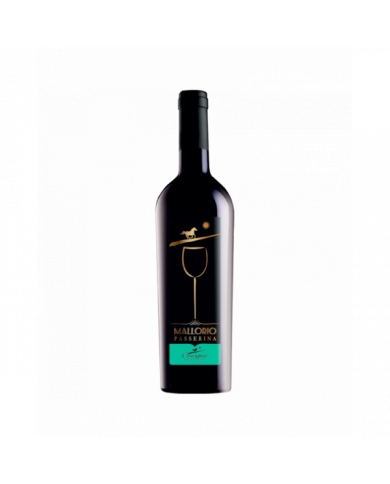
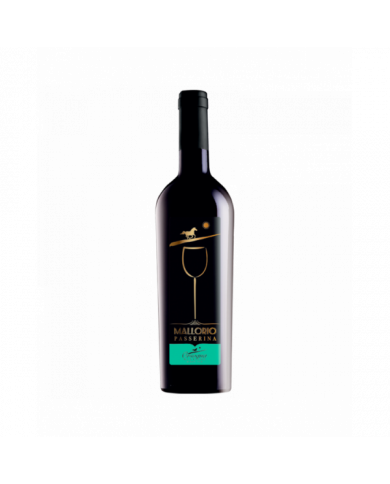
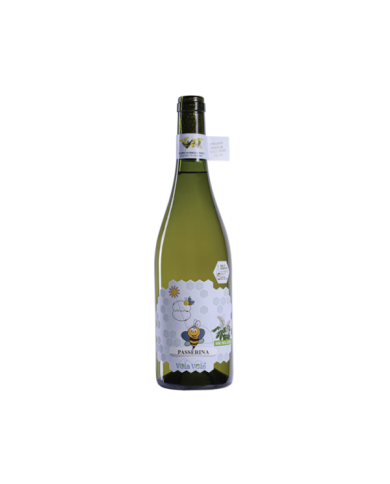




There are no more items in your cart
€26.90
€16.74
SKU:
4741
Brand:
Vaddinelli
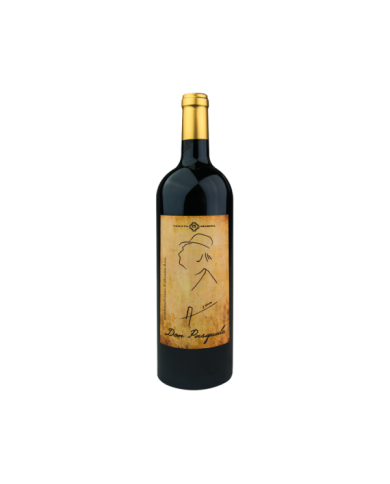
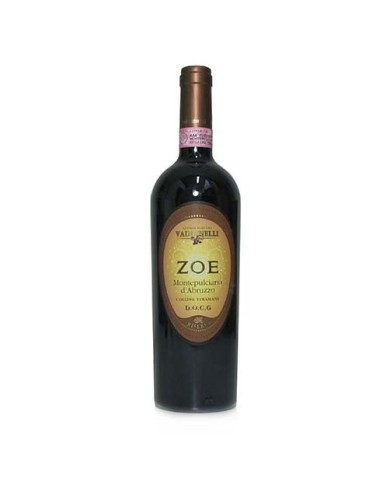
Garnet red in the glass. Hints of ripe berries and jam envelop the nostrils, which are also delighted with deep spicy, tertiary and evolved tones. Balanced the sip, with a tannic texture well inserted in the structure and characterized by a good persistence.
Perfect to accompany the second courses of the land cuisine, it is to be tried with the roast pigeon.
€23.79
SKU:
4740
Brand:
Vaddinelli
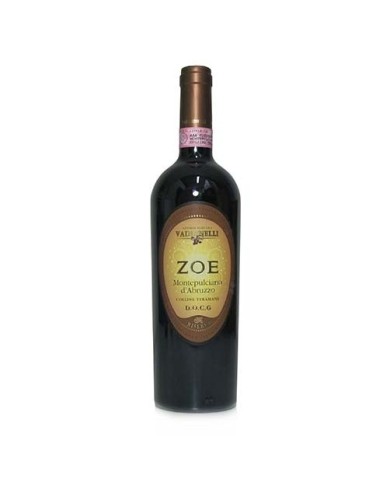
Garnet red in the glass. Hints of ripe berries and jam envelop the nostrils, which are also delighted with deep spicy, tertiary and evolved tones. Balanced the sip, with a tannic texture well inserted in the structure and characterized by a good persistence.
Perfect to accompany the second courses of the land cuisine, it is to be tried with the roast pigeon.
SKU:
4739
Brand:
Vaddinelli
Garnet red in the glass. Hints of ripe berries and jam envelop the nostrils, which are also delighted with deep spicy, tertiary and evolved tones. Balanced the sip, with a tannic texture well inserted in the structure and characterized by a good persistence.
Perfect to accompany the second courses of the land cuisine, it is to be tried with the roast pigeon.
SKU:
4736
Brand:
Vaddinelli
Garnet red in the glass. Hints of ripe berries and jam envelop the nostrils, which are also delighted with deep spicy, tertiary and evolved tones. Balanced the sip, with a tannic texture well inserted in the structure and characterized by a good persistence.
Perfect to accompany the second courses of the land cuisine, it is to be tried with the roast pigeon.
€17.20
SKU:
4733
Brand:
Vaddinelli
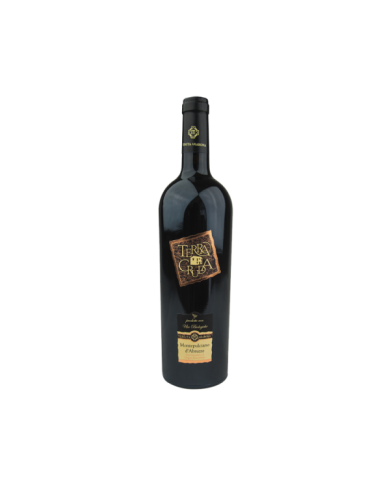
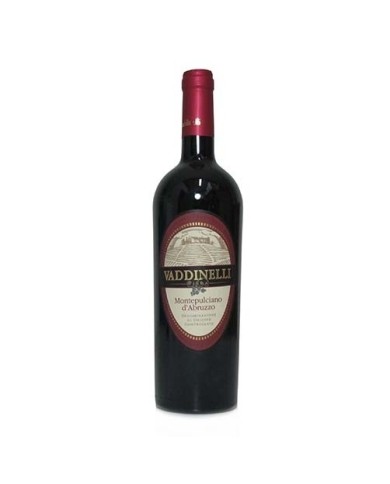
Ruby red to the glass, with garnet tinge. The nose is rich in hints of overripe red fruit, which is followed by spicy hints and ethereal nuances. Balanced and full-bodied on the palate, characterised by good persistence and a fruity finish once again.
To be paired with second courses of earthy cuisine, it is excellent with roast rabbit.
€7.93
SKU:
4731
Brand:
Vaddinelli
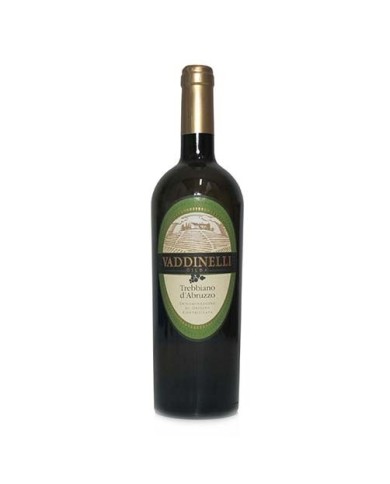
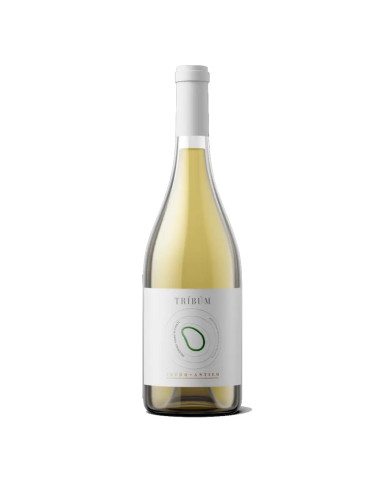
Straw yellow to the eye. It opens to the nose, leaving floral scents and references to fresh yellow pulp fruit perceived. The mouth is supported by a beautiful acid shoulder and characterized by subtle mineral veins. Good persistence and clean closure.
Also excellent as an aperitif, it goes well with stuffed courgette flowers.
€7.93
SKU:
4725
Brand:
Cantina Wilma
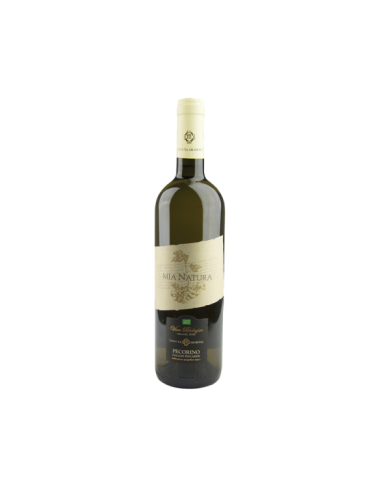
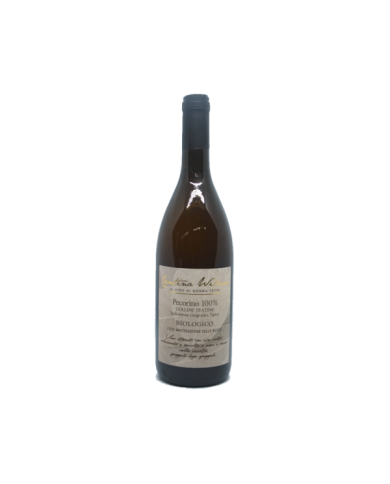
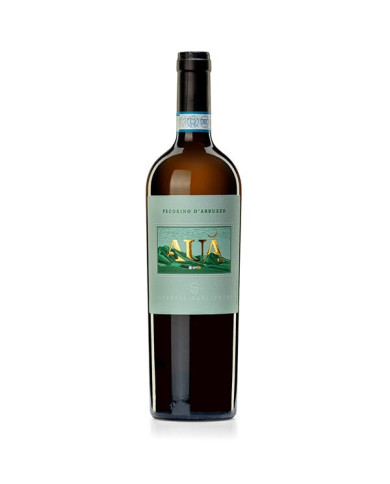
Vine rediscovered for some years, widespread throughout the Abruzzo region. The name "pecorino" is given by the sheep's face shape of the bunch and by the fact that when the shepherds passed through during the transhumance, the sheep stopped to graze the leaves of this vine. Cantina Wilma obtains its wine from the "Pecorino" vine with low-row plantings on sandy calcareous soil. Appearance of yellow color, excellent fruity bouquet. The flavor is harmonious and of good quality. Ideal with all seafood cuisine, it also goes well with appetizers and delicate main courses.
€30.74
SKU:
4723
Brand:
Cantina Wilma
Obtained from native grapes and selected in the harvest. Appearance of straw yellow color with greenish reflections. On the nose it is fresh and floral with notes of white berry flowers and balsamic notes on the aftertaste. Ideal with all seafood cuisine, it also goes well with appetizers and delicate main courses.
€17.08
SKU:
4719
Brand:
Cantina Wilma
Historic vine and our workhorse. Strong and gentle in character and softness (as it is also said of the people of Abruzzo). Obtained from native grapes and selected in the harvest. Plant in rows 1/2 height exposed to solagna on calcareous-clayey soil. Appearance of cardinal red color with purplish reflections tending to blue. Excellent and well structured. Fruity and spicy bouquet, intense flavor and good body. Ideal with grilled red meats and more, salami and aged cheeses.
€15.56
SKU:
4717
Brand:
Cantina Wilma
Vine rediscovered a few years ago, widespread throughout the Abruzzo region. The name "pecorino" is given by the sheep's face shape of the bunch and by the fact that when the shepherds passed through during the transhumance, the sheep stopped to graze the leaves of this vine. Cantina Wilma obtains its wine from the "Pecorino" vine with low-row plantings on sandy calcareous soil. Appearance of yellow color, excellent fruity bouquet. The flavor is harmonious and of good quality. Ideal with all seafood cuisine, it also goes well with appetizers and delicate main courses.
€18.18
€15.45
SKU:
4512
Brand:
Cerretano Vini
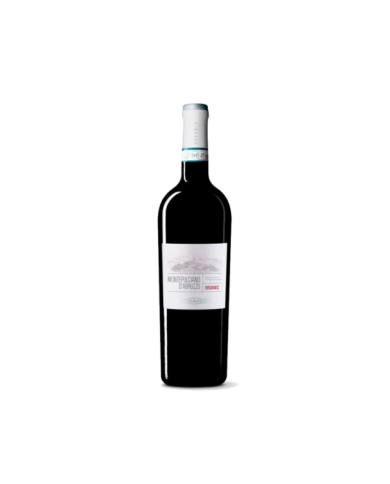
Montepulciano d'Abruzzo DOC Color: Intense and full red with amaranth shades. Bouquet: vinous and intense bouquet of ripe red fruit and licorice. Spicy notes on the finish. Taste: Full-bodied and dry, elegant and savory. The aging in barrique gives it a powerful tannic texture.
€14.76
€6.50
€5.20
SKU:
4502
Brand:
Cerretano Vini
Excellent as a still aperitif. Ideal with refined appetizers, fish dishes and with eggs. This wine is suitable for young consumption, preferably within the year following that of production in order to appreciate all its best organoleptic characteristics.
€7.50
SKU:
4500
Brand:
Cerretano Vini
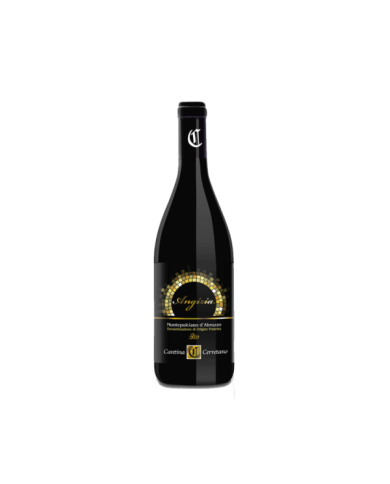
Angizia Montepulciano d'Abruzzo Doc Cantina Cerretano. Color: Ruby red, full and bright with garnet reflections. Bouquet: Intense of red fruit, in particular berries in alcohol, plum, black currant, bouquet of withered flowers and spicy notes on the finish. Taste: With a round and dry body, a perfect balance emerges between the soft components and a very lively tannin.
€6.50
SKU:
4326
Brand:
Biagi
€5.48
€4.66
Wine with an intense straw yellow color, on the nose there are hints of exotic fruit and citrus. On the palate it is well structured and accompanied by a good flavor. Ideal with appetizers and raw fish, shellfish, first and second courses based on fish. Serve at a temperature of 10-12 degrees 13% VOL
€5.48
€4.66
SKU:
4323
Brand:
Biagi
€9.52
€8.56
An ancient vine rediscovered and vinified using modern technologies to enhance all its aromas and flavors. Wine with a pale straw yellow color with slight greenish reflections. It is a fresh, fruity wine, with citrus notes, aromatic herbs and hints of white peach, cedar, sage, jasmine and acacia. Ideal with appetizers and raw fish, shellfish, first and second courses based on fish. Serve at a temperature of 10-12 degrees 14% VOL
€9.52
€8.56
SKU:
4162
Brand:
Cantina Orsogna
VARIETY Trebbiano 100% CERTIFICATIONS Organic Wine Vegetarian® and Vegan Quality ALCOHOL CONTENT 12.5% vol COLOR White
€8.78
SKU:
4156
Brand:
Cantina Orsogna
VARIETY Passerina minimum 85% CERTIFICATIONS Organic Wine Vegetarian® and Vegan Quality ALCOHOL CONTENT 12.5% vol COLOR White
€8.78
SKU:
4144
Brand:
Cantina Orsogna
VIEW Light straw yellow with greenish reflections. SMELL Delicate floral bouquet of lilac, honeysuckle and acacia. TASTE Fruity, citrus aromas, pleasantly acidic, slender body.
€8.91
€8.91
€8.27
SKU:
4041
Brand:
Feudo Antico
€15.68
€14.90
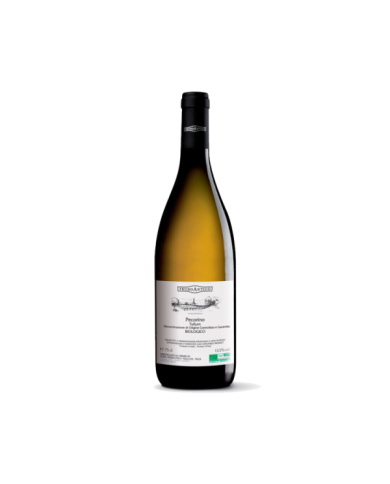
A wine of excellence, made from organic Pecorino DOCG Tullum grapes. Spontaneous fermentation, no filtration, only natural sulphites.
€15.68
€14.90
SKU:
3997
Brand:
Cantina Orsogna
A concentrated ruby red leaves room for an intense hint of plums and small red fruits, on all blackberries and raspberries. To the taste there is full correspondence in the aromas with an excellent intense, savory and full-bodied finesse.
€11.27
SKU:
3994
Brand:
Cantina Orsogna
The impenetrable ruby red color with purple hues would like to hide what comes to the nose intensely: black cherry in alcohol and jam, leather and almond. The taste is warm, full, rightly tannic and savory.
SKU:
3992
Brand:
Cantina Orsogna
In the glass it has a straw yellow color, slightly opalescent. A bouquet of Mediterranean scrub immediately arrives on the nose, the taste is full, with hints of pear and an almond finish.
€12.60
SKU:
3988
Brand:
Cantina Orsogna
At sight it is opalescent light pink, tending to onion skin. The nose is intense with the scent of pink grapefruit and in the background of lychees. The taste is fresh, savory and full-bodied.
€12.60
SKU:
3963
Brand:
Cantina Orsogna
The wine production of Cantina Lunaria finds expression from the love and respect for an authentic land, from the desire to leave its pungent charm unchanged while making the most of its potential.
€11.14
SKU:
3961
Brand:
Cantina Orsogna
An extreme wine in character, unpredictable in strength, persistent in memory, sumptuous in all its expressions. These wines represent the intensity and courage of a dream. A wine that tells about the men she met: those who worked the land, those who made it fertile, those who raised the vines, those who reaped the fruit, those who made it a precious divine gift. The courage of dreams is the energy that moves man to create new ideas. Here the limits of the earth, harsh, sloping and complex, become sumptuous stimuli for extreme expression in wine: character dominates and does not abandon like a loyal companion who never forgets wherever he is. A style that comes from the strength to listen to nature without giving in to fashions
€11.90
SKU:
3957
Brand:
Cantina Orsogna
The grapes, after a careful selection, are de-stemmed and crushed, the skins are left in contact with the must with their indigenous yeasts for 10/15 days at a constant temperature of 25/28 ° C. The refinement takes place partly in oak barrels and partly in stainless steel tanks for at least four months. Refinement in the bottle follows. At tasting it has an impenetrable ruby red color. Scent of red fruit and black cherry jam on everything, light notes of cocoa and toasting complete the bouquet. Warm taste, rightly tannic and therefore soft, intense, and with the typical almond finish. Ideal with cold cuts, grilled and baked meats, first courses with very structured sauces.
€19.84
Organic Wine Sales: Everything You Need to Know
Organic wines represent a sustainable and natural choice for consumers looking to purchase quality products. In this article, we'll reveal everything you need to know about selling organic wines, from product characteristics to online purchasing options.
What is an organic wine?
An organic wine is a product produced using organic farming methods. This means that the grapes used to make the wine are grown without the use of pesticides, chemical fertilizers, or other environmentally harmful chemicals. Furthermore, no artificial preservatives or additives are used in the production of organic wine.
The characteristics of organic wines
Organic wines stand out for their quality and unique flavor. Because they're made with naturally grown grapes, organic wines have a more authentic and genuine flavor than conventional wines. Furthermore, organic wines are generally lighter and more delicate on the palate, with balanced acidity and a fruity aroma.
Selling organic wines online
Selling organic wines online is one of the most convenient and affordable ways to purchase this quality product. Thanks to the spread of e-commerce and the growing demand for organic products, more and more online wine shops offer high-quality organic wines.
To buy organic wines online, it's important to choose a reliable and professional seller who offers a wide selection of quality products. It's also a good idea to read other customer reviews to get a sense of the quality of the service and products offered.
The advantages of organic wines
Organic wines are a sustainable and environmentally friendly choice. Growing grapes organically reduces the impact on the ecosystem and preserves biodiversity. Furthermore, organic wines are free of harmful chemicals, making them healthier and safer to drink.
How to choose the right organic wine
When choosing an organic wine, it's important to consider the product's characteristics and your personal preferences. It's advisable to read organic wine labels to understand the grape varieties used, the place of production, and the cultivation method. You can also consult reviews.
Organic wine certification
To ensure the quality and sustainability of organic wines, official certification is required. In Italy, organic wine certification is managed by the Ministry of Agricultural, Food and Forestry Policies (MIPAAF), which issues the "Agricoltura biologico" quality label.
To obtain organic certification, winemakers must follow rigorous cultivation and production criteria, which include the use of sustainable and environmentally friendly agricultural practices. Furthermore, organic wines must meet certain sulfur dioxide limits and cannot contain artificial additives or preservatives.
Types of organic wines
There are different types of organic wines, which differ in the type of grapes used and the production method. Some of the most common grape varieties for organic wines are Sangiovese, Chianti, Pinot Noir, Merlot, and Cabernet Sauvignon.
Additionally, there are also organic wines without added sulfites, which are free of chemicals and offer an even more authentic and natural tasting experience. These wines are particularly suitable for those with allergies or food intolerances.
Tips for tasting organic wines
To fully appreciate the quality of organic wines, it's important to taste them correctly. Here are some tips for tasting organic wines:
- Use a clear crystal glass, which allows you to evaluate the color and consistency of the wine;
- Observe the wine in the light to evaluate the transparency and intensity of the color;
- Smell the wine to capture its aromas and perfumes;
- Taste the wine, swirling it around in your mouth to appreciate its flavor and structure;
- Pair organic wine with organic foods to enhance their natural characteristics.
In conclusion, purchasing organic wines online can offer numerous advantages, including greater convenience, a wider selection of products, and greater transparency regarding the quality and origin of the wines. However, it's important to choose a reliable and professional e-commerce site that offers product safety and quality guarantees.
Finally, it's important to remember that choosing organic wines isn't just a matter of taste, but also of social and ecological responsibility. Choosing to buy organic wines means supporting sustainable agricultural practices, respecting the environment, and contributing to protecting our planet. In this way, every consumer can become an active agent of change, promoting a healthier and more sustainable lifestyle for all.
Related posts