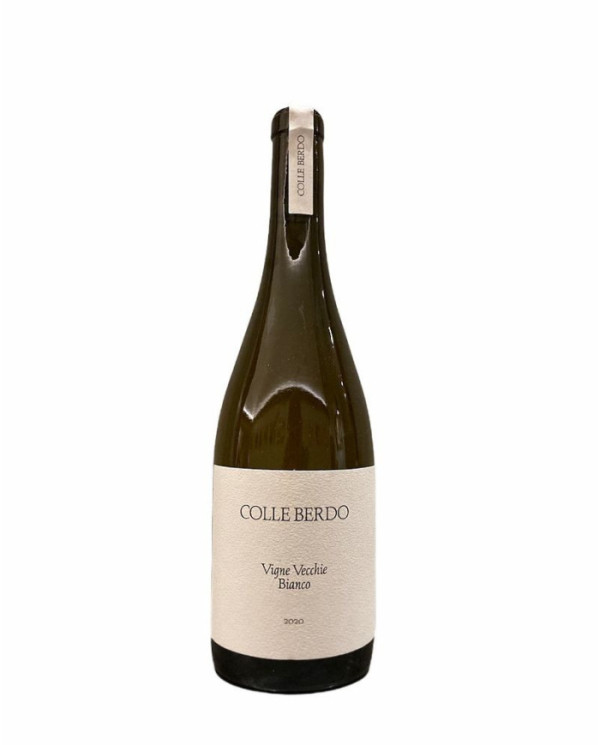
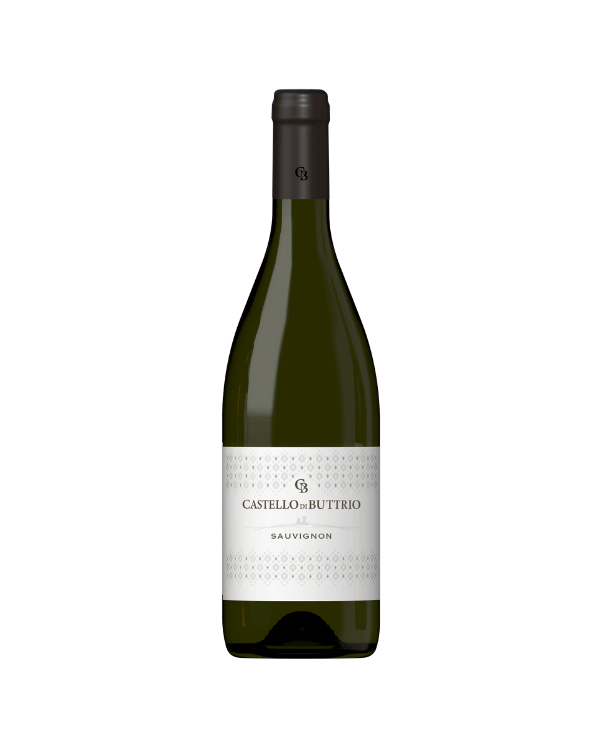
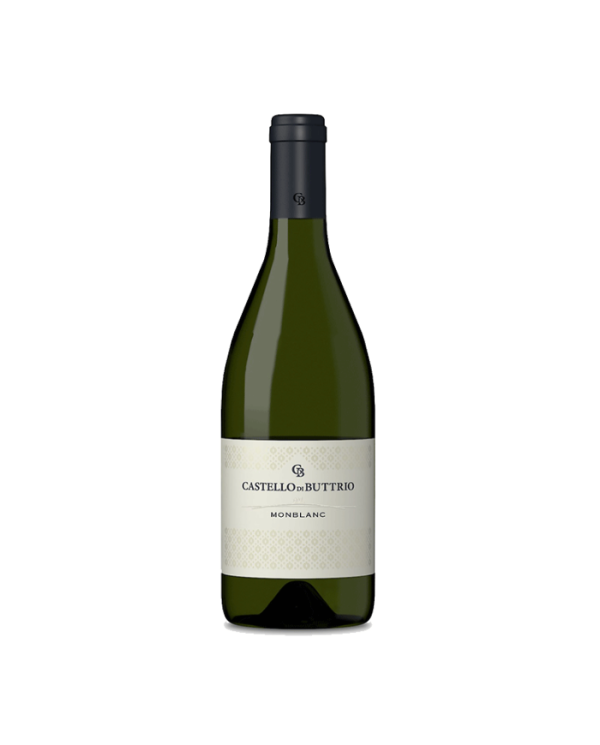
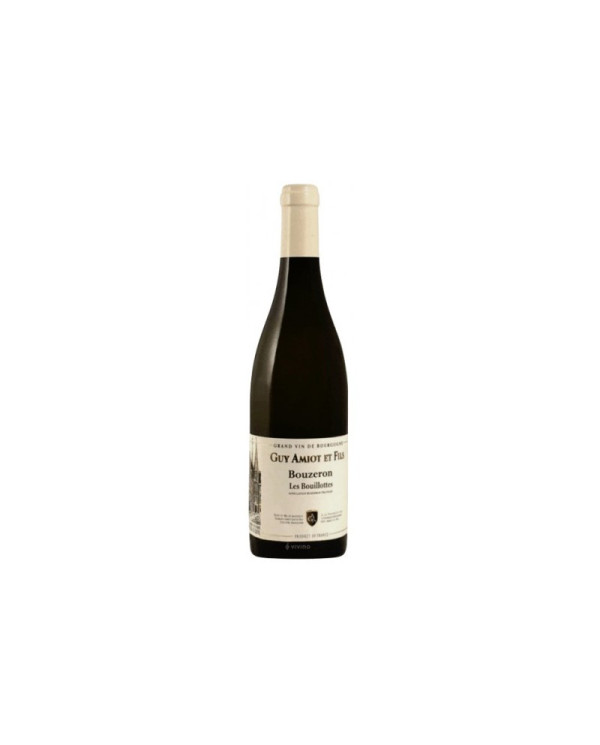
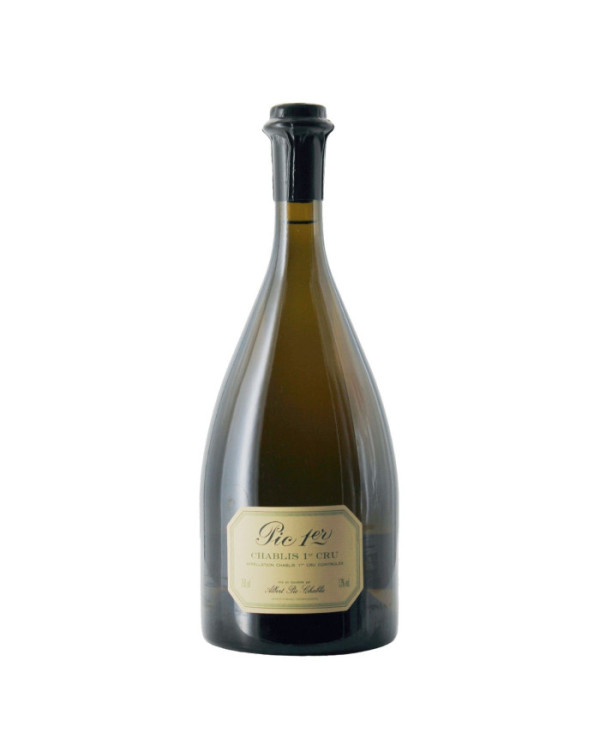
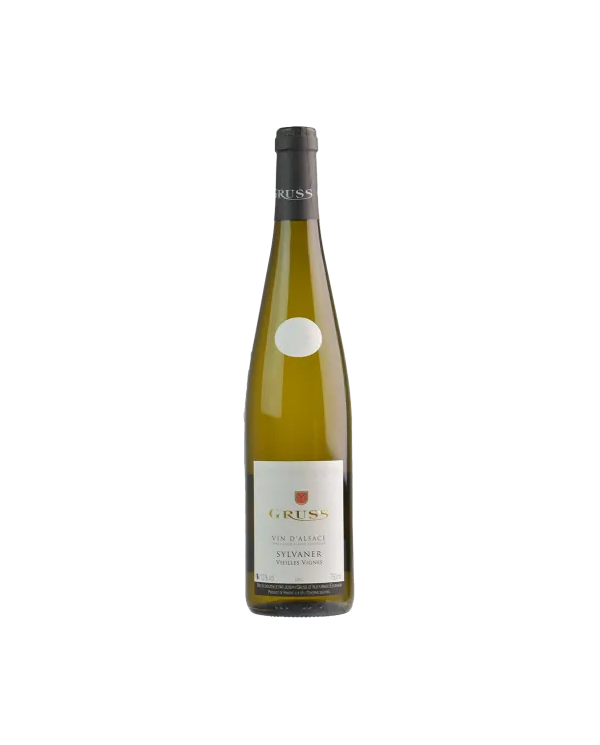
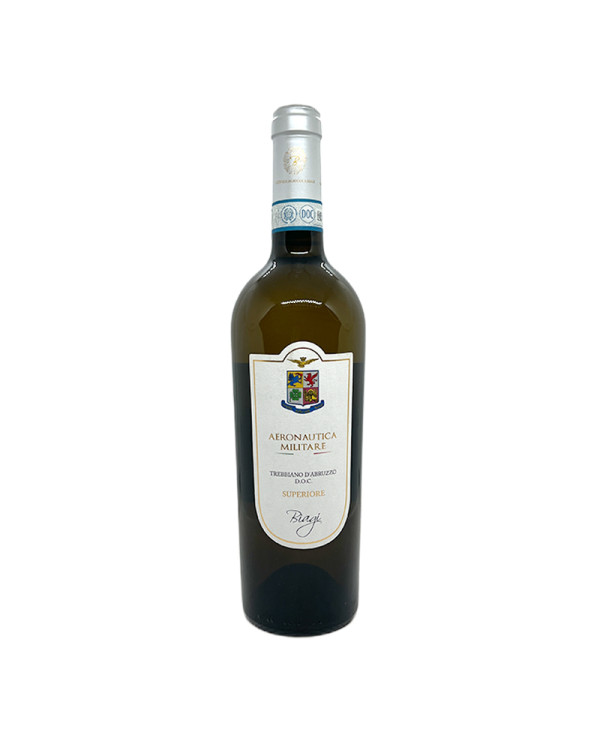
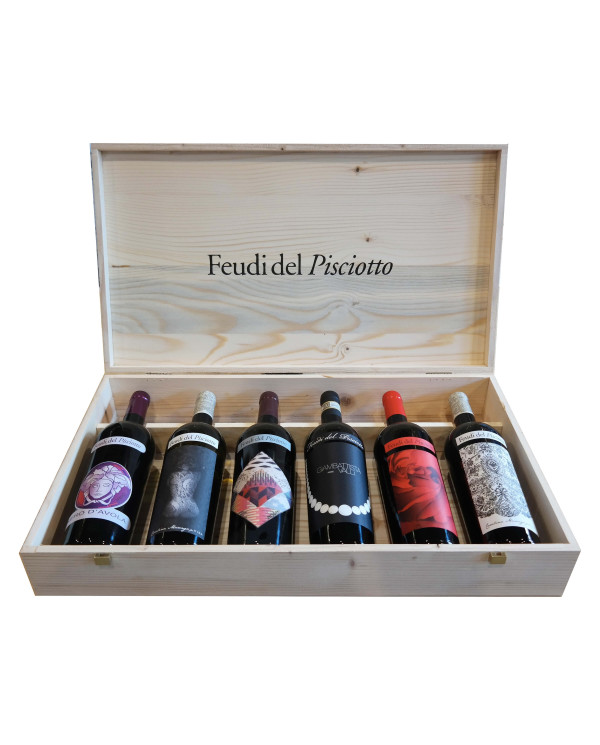
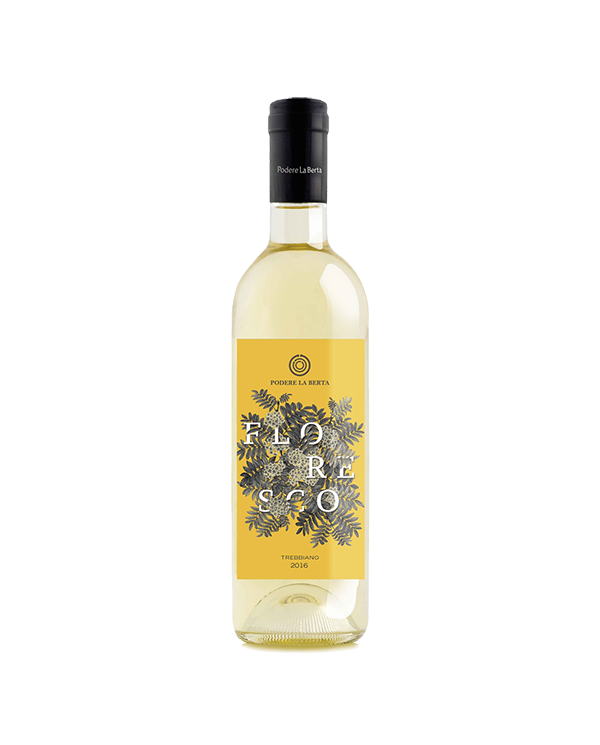
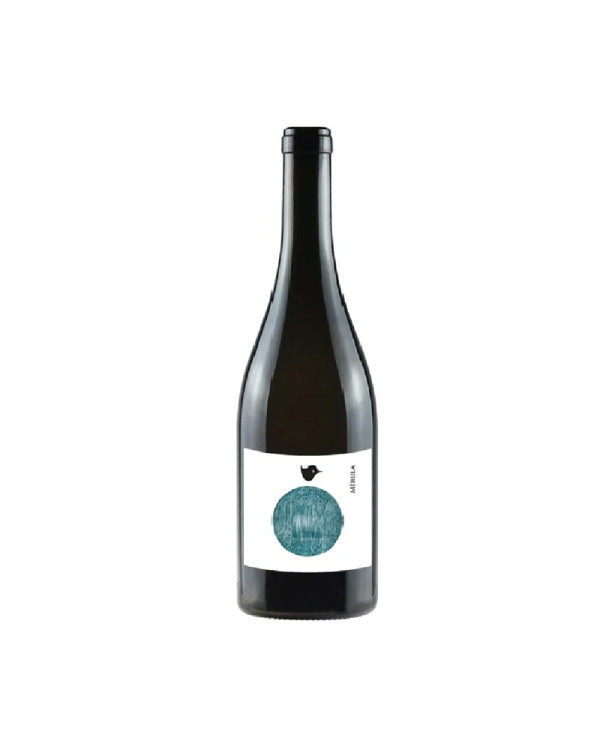
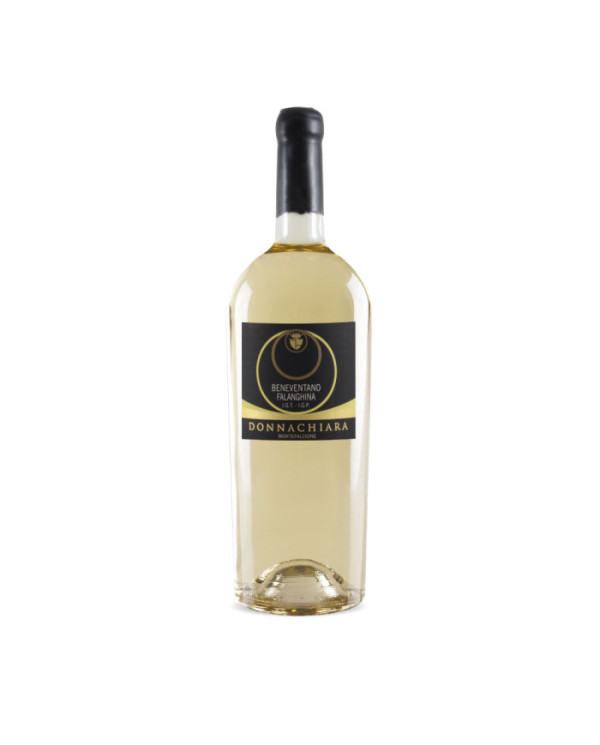
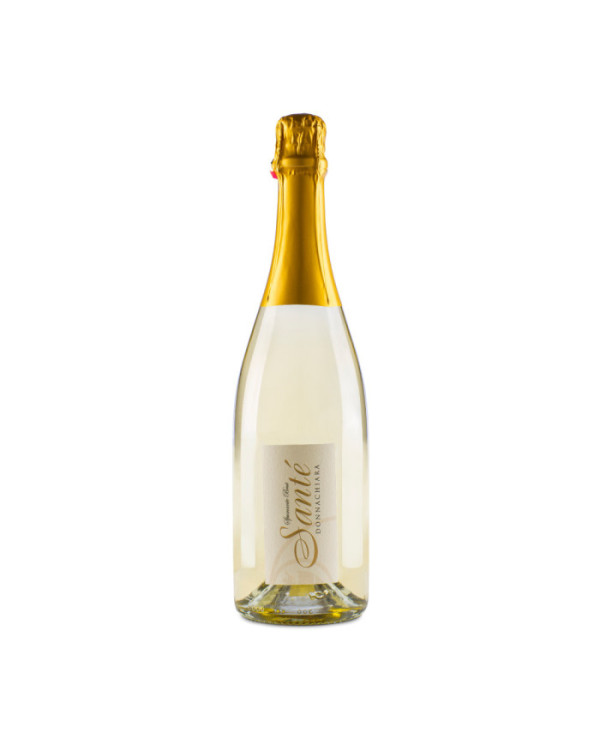
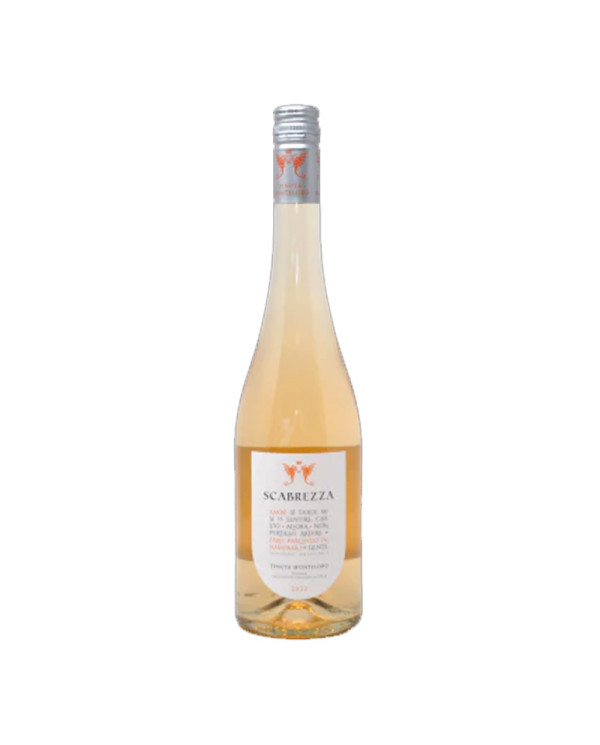
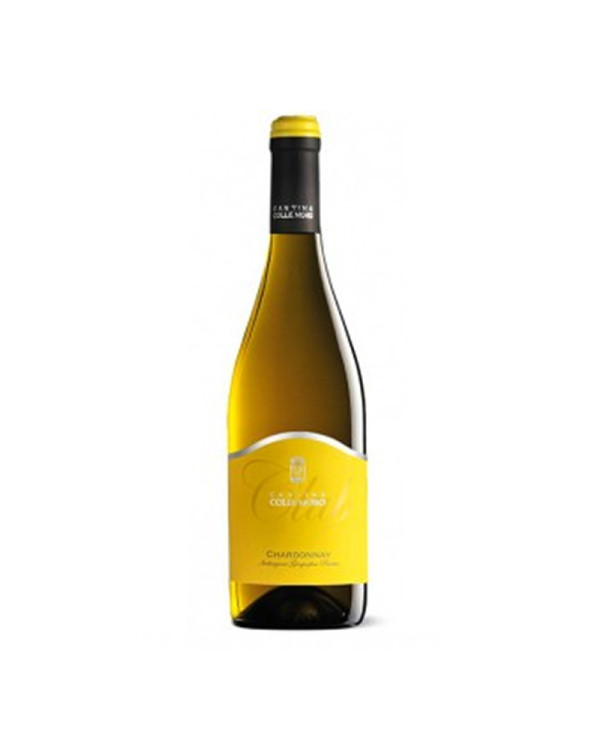
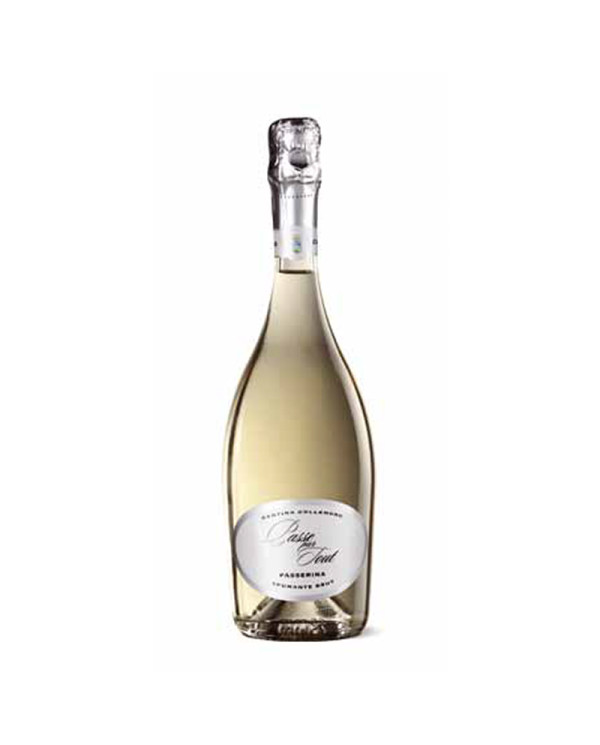
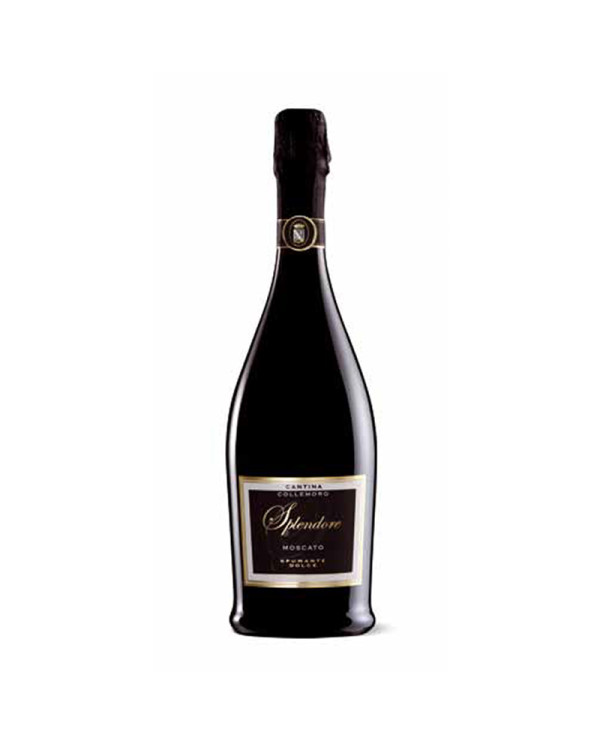
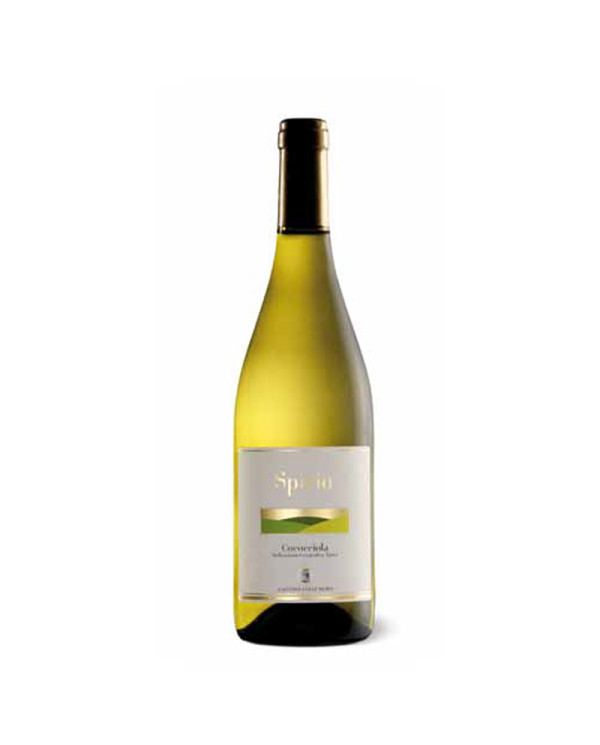
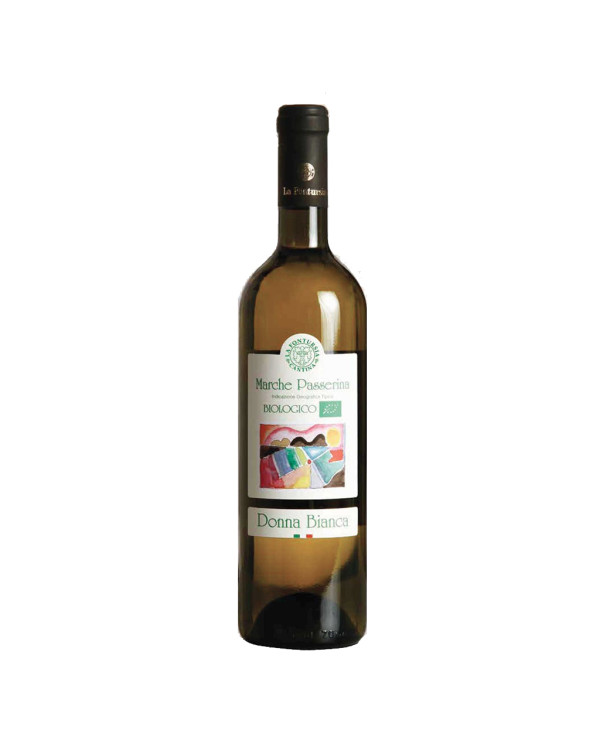
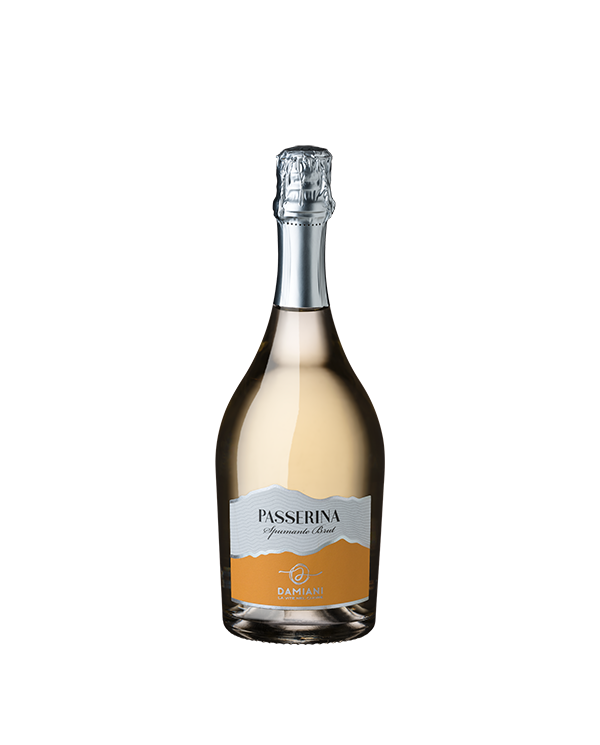
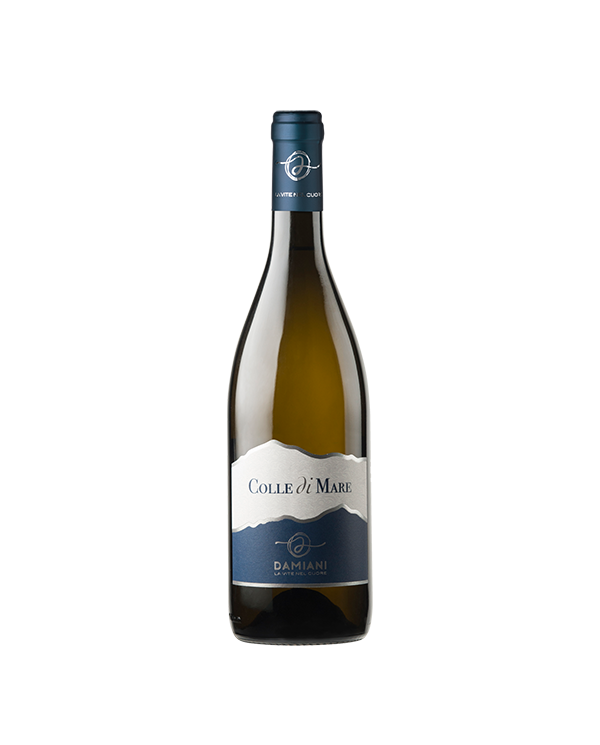
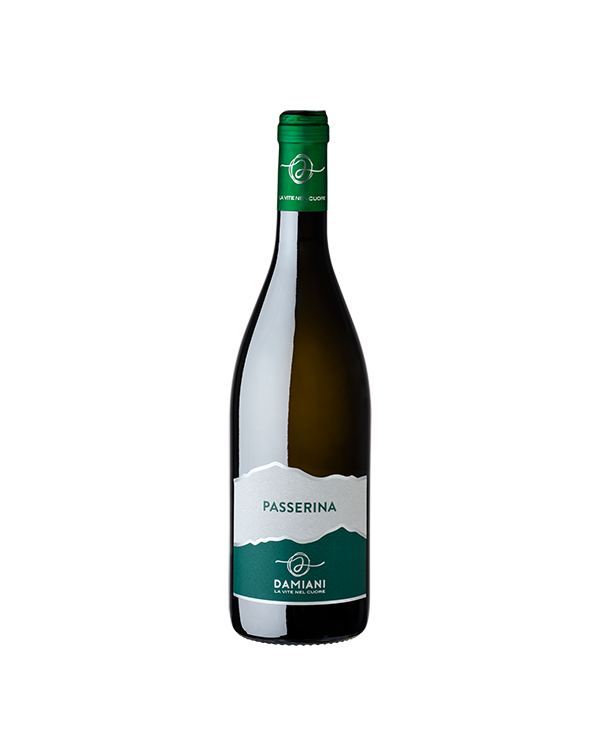
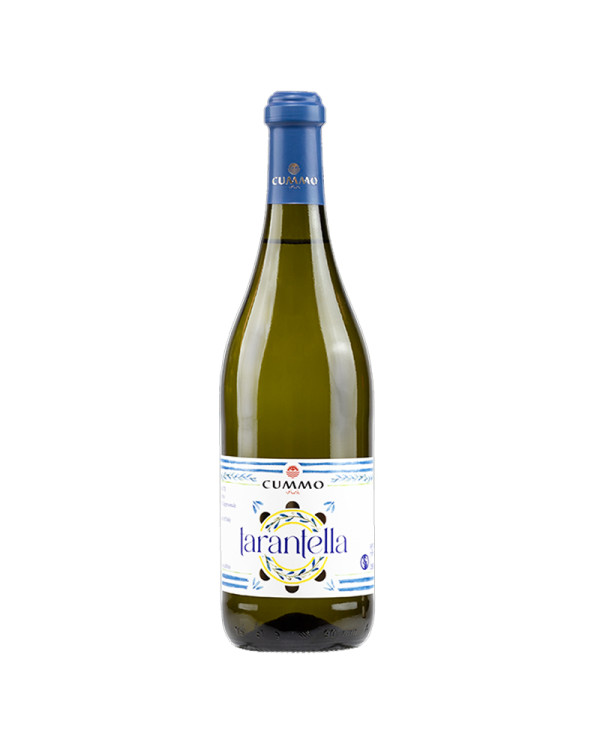
Production area: Sambuca di Sicilia (AG), Sicily. Grapes and Vinification: Grillo. The refinement of the wine is carried out in stainless steel tanks. Color and Pairing: White, excellent with fresh cheeses and fish dishes.
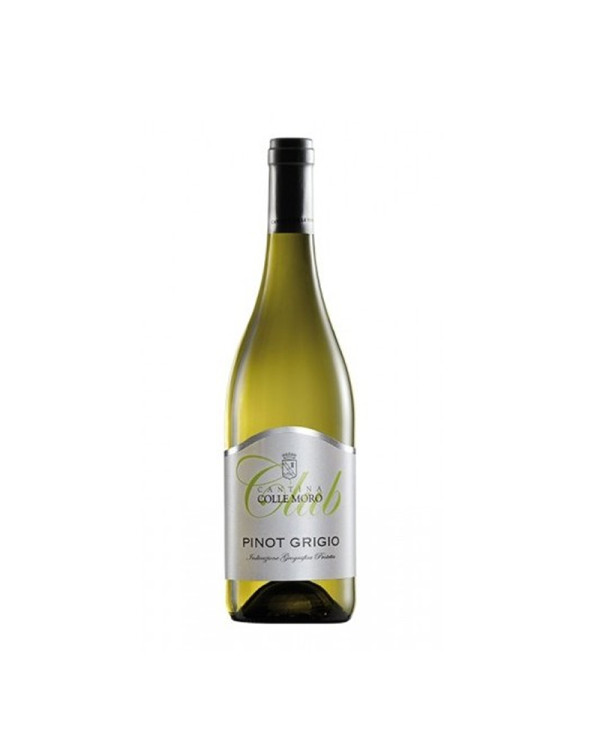
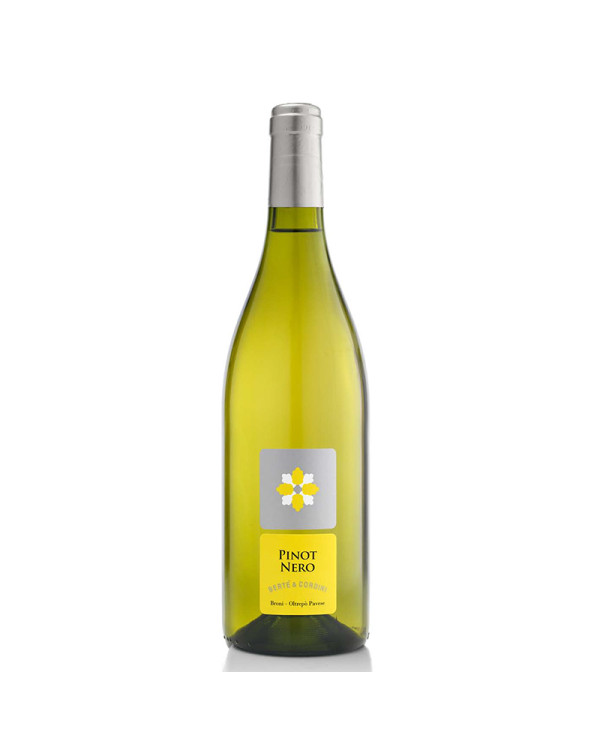
Type: Bianco igt - Grapes: Pinot Grigio 100% - Aging: For 4 months in contact with the lees in stainless steel tanks - Gr. 12.5%
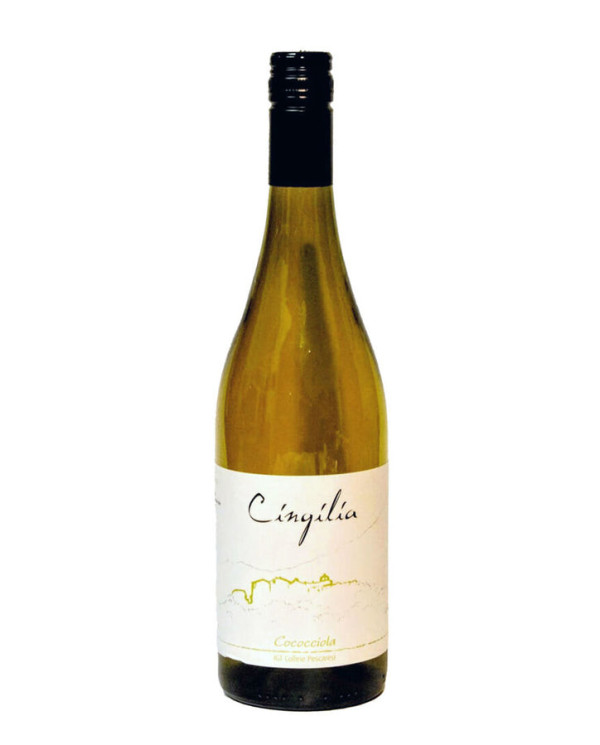
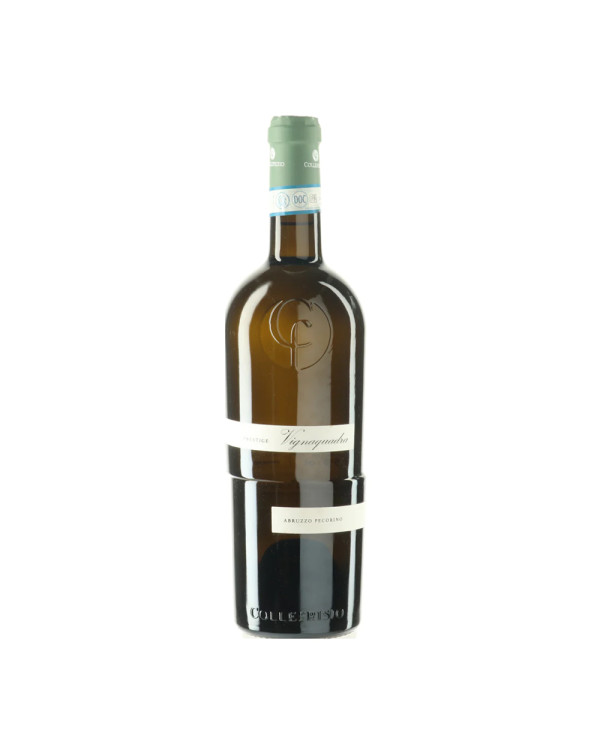
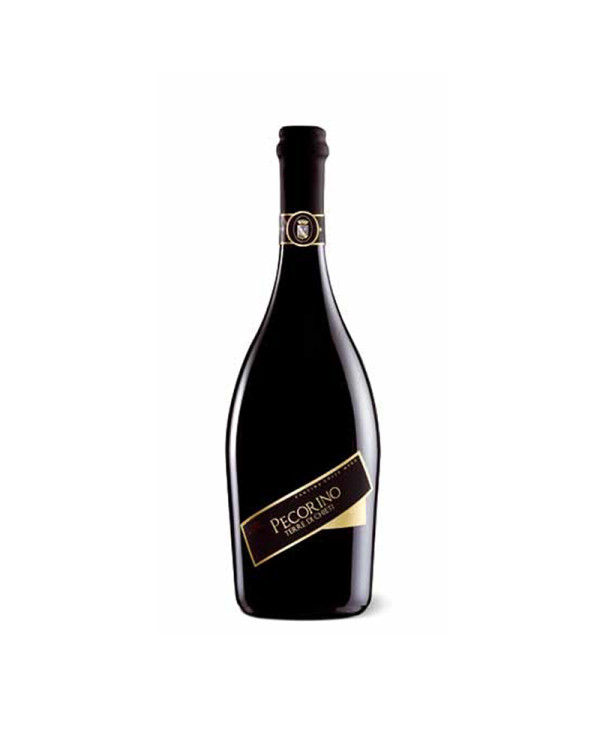
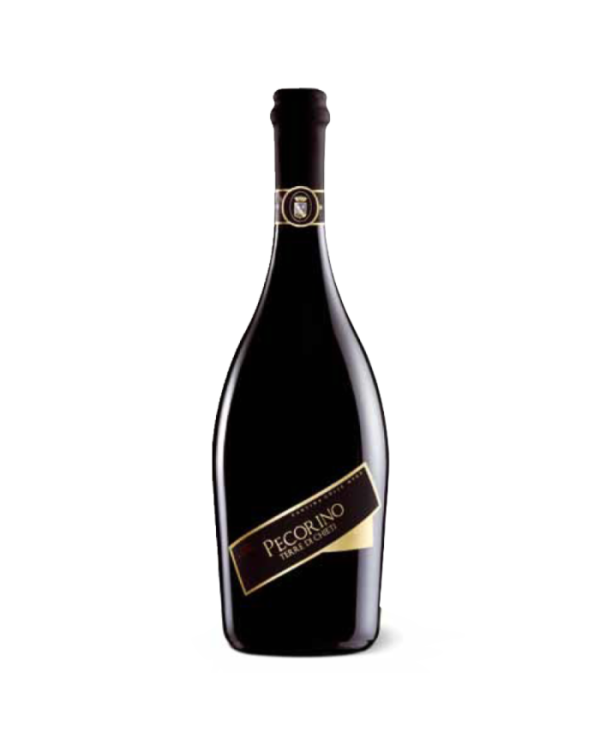
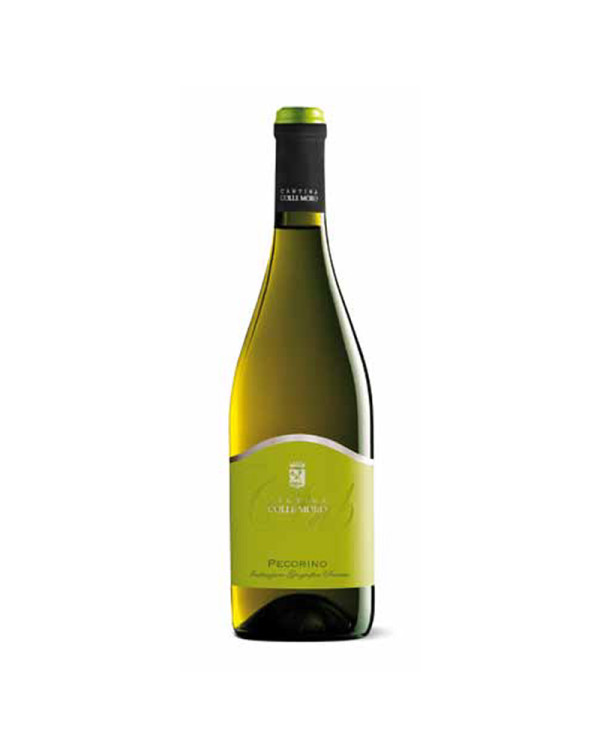
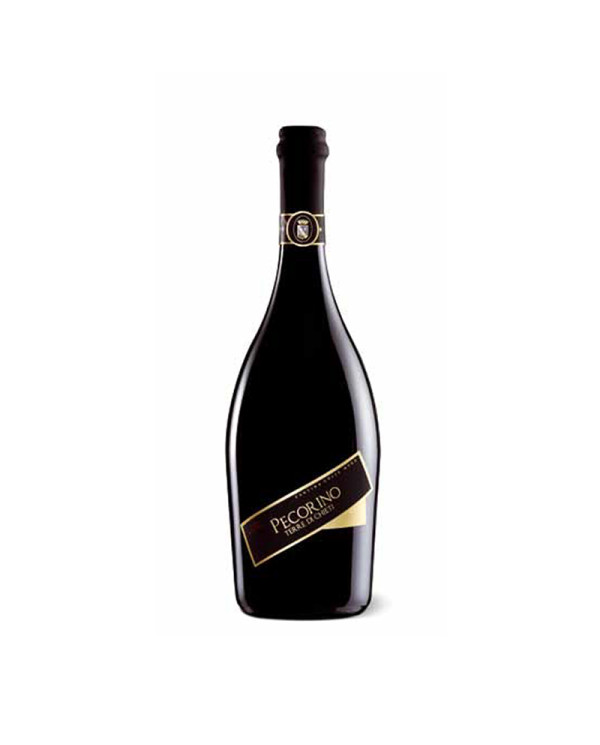
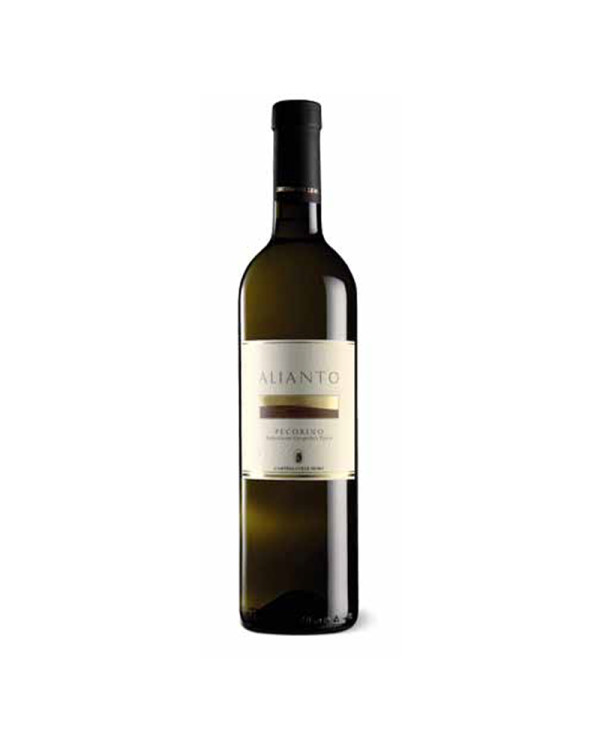
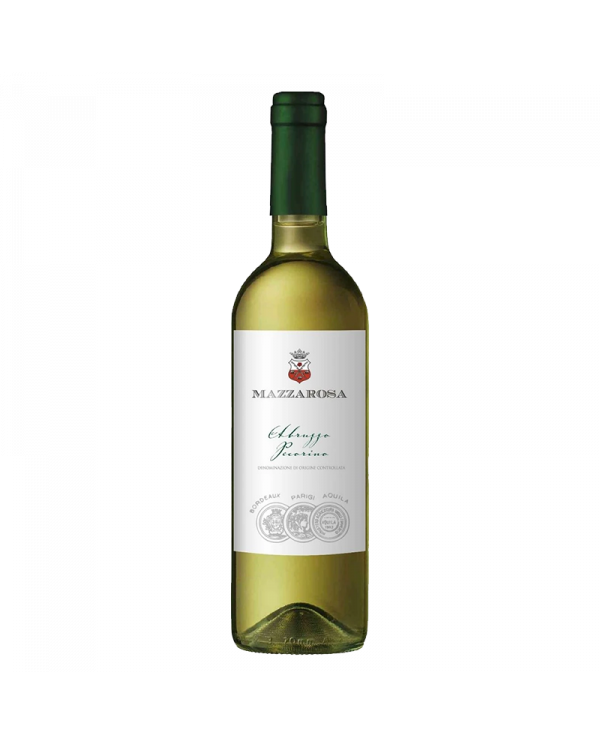
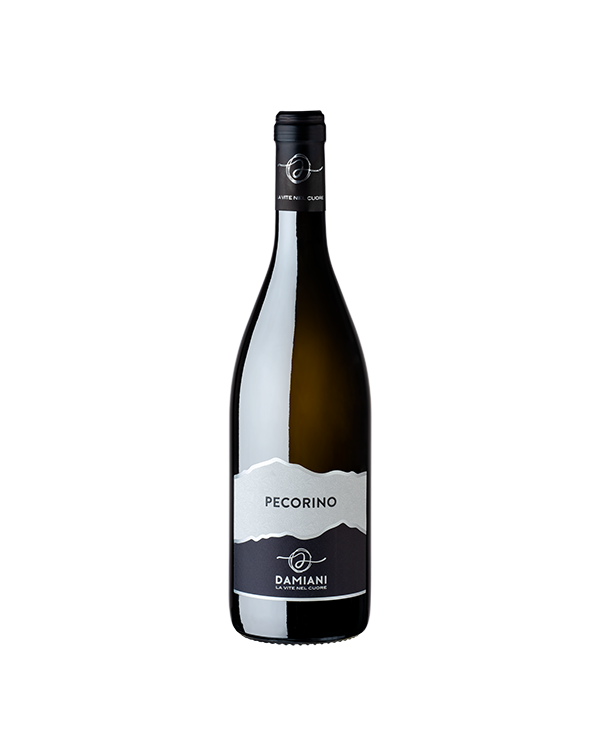
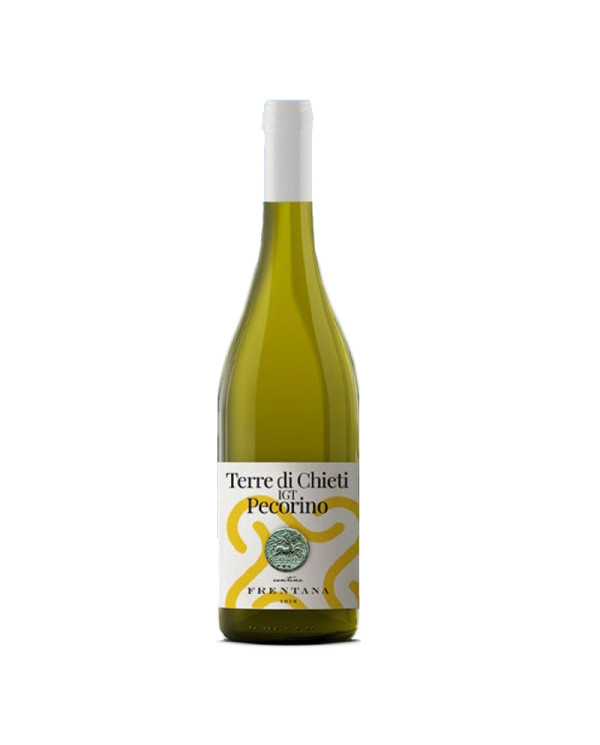
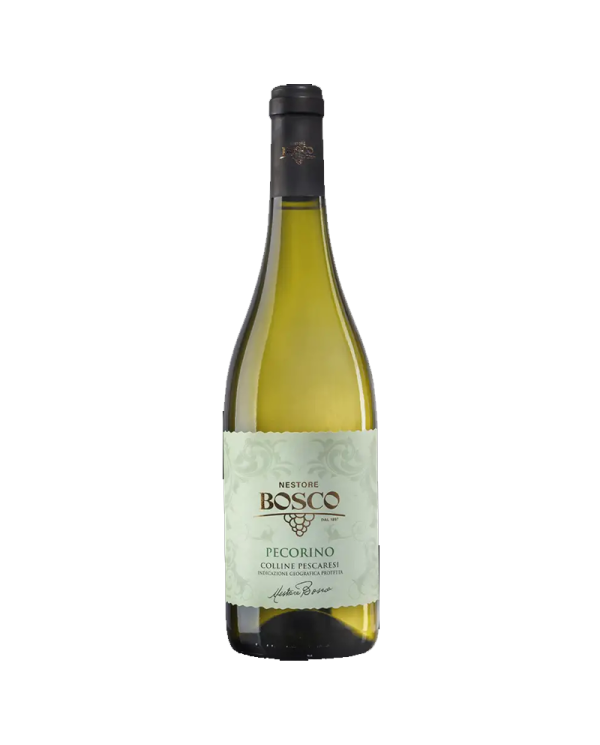
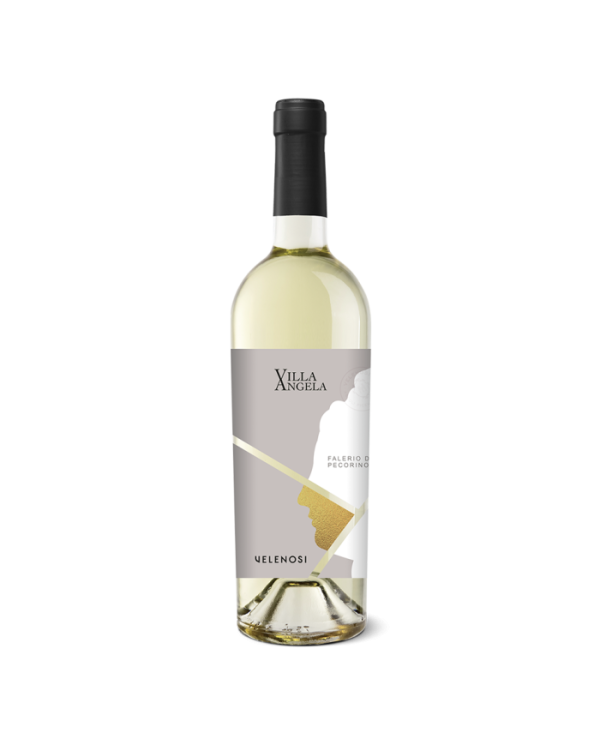
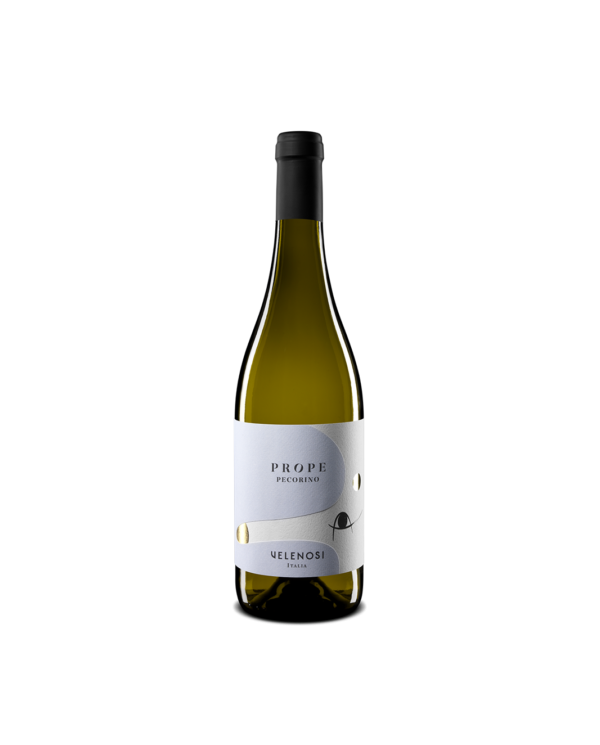
Type: White igt - Grapes: Pecorino 100% - Refinement: For 4 months in contact with the lees in stainless steel tanks - Gr. 13%
The grapes are softly pressed and immediately protected from oxidation, thanks to the addition of carbon dioxide which forms a thin protective barrier from the air. Static cold clarification for 24 hours, straw yellow color, medium intensity, with characteristic greenish hues, fresh and fruity aroma, taste body of good intensity, with fresh but not invasive acidity; savory and persistent in the finish of the mouth, with fruity retro-olfactory nuances.
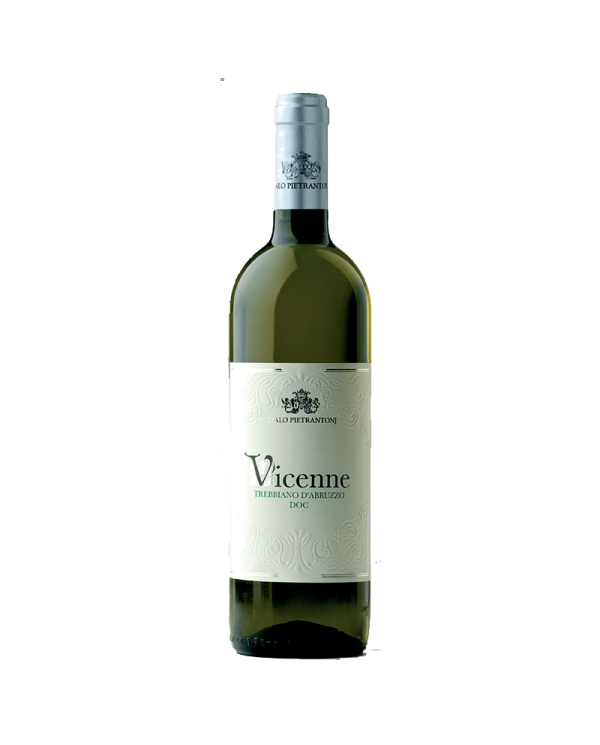
Il trebbiano in purezza ad un’altitudine compresa tra i 180 a i 200 metri slm, con esposizione a sud.
Il vino che esprime al meglio l’identità rurale romagnola e che ci riporta nel passato, quando le famiglie contadine coltivavano il Bombino Bianco e sapendo di poter contare sulla sua resistenza, lo utilizzavano per ripagare i propri debiti. Da qui la DOC Pagadebit.
AROMATIC AND LAMINATED GRAPES
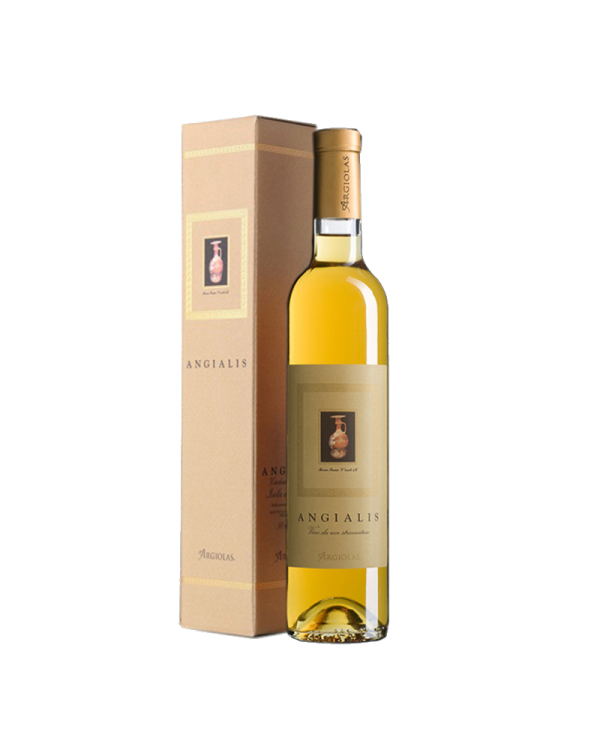
Angialis Isola dei Nuraghi Igt by Argiolas is a wine with an intense straw yellow color. On the nose they result in very intense primary aromas, markedly Mediterranean. Terpenic characters typical of Nasco.
Entirely produced with Grechetto grapes, this wine has a straw yellow color. Particularly fine on the nose with a bouquet that develops between hints of elderflower, broom, yellow pulp fruit: peach, mango; With a finish of aromatic herbs reminiscent of thyme, sage. Its alternation between flavor and freshness is excellent.
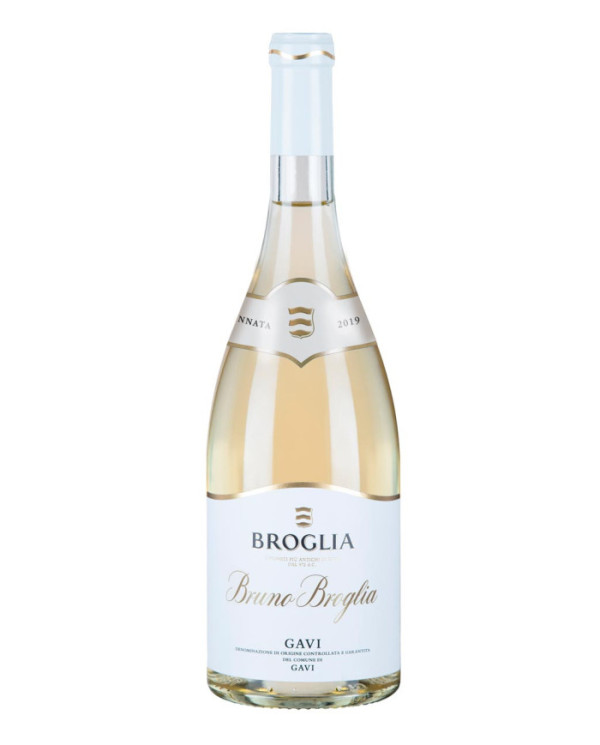
This wine represents the best production of Meirana. It is obtained from the grapes of old vineyards planted in the years 1953 and 1955. The average yield of the vineyards in the various harvests is from 30 to 40 quintals per hectare. The grapes are harvested in wooden boxes and transferred directly to the presses so that the bunches arrive intact. These, due to their rich structure and acidity, make it possible to obtain a great wine suitable for storage, maintaining its aromas and freshness over the years. The name Bruno Broglia is in honor of the founder of the farm. This selection, recognized as one of the reference white wines, gets important national and international awards every year. It was also served as the only white wine at the Gala dinner, for the G20 in St. Petersburg, in the presence of the greats of the Earth, held on 5 September 2013. Bruno Broglia has a straw yellow color with greenish reflections, brilliant: the bouquet very persistent finish, fruity and reminiscent of the aristocratic scent of the grapes from which it comes. It goes well with both fish-based dishes and shellfish where it brings out the characteristics of haute cuisine better.
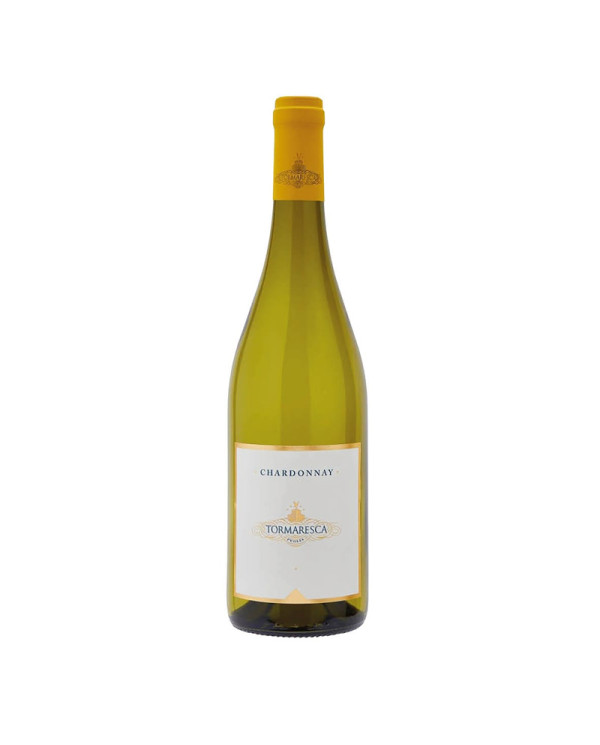
The Puglia Chardonnay of the Marchesi Antinori is born in the vineyards of the Tormaresca farm, owned by the Antinori family and located in the territories of Salento and the Murgia of Bari.
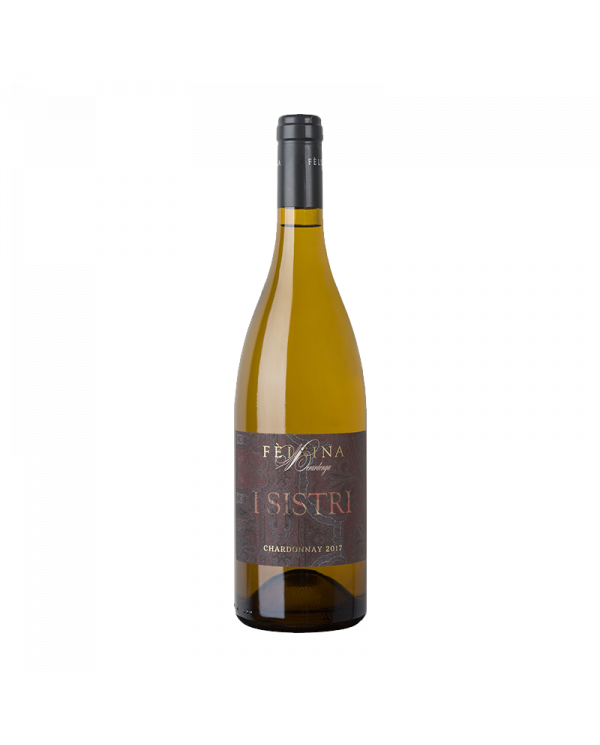
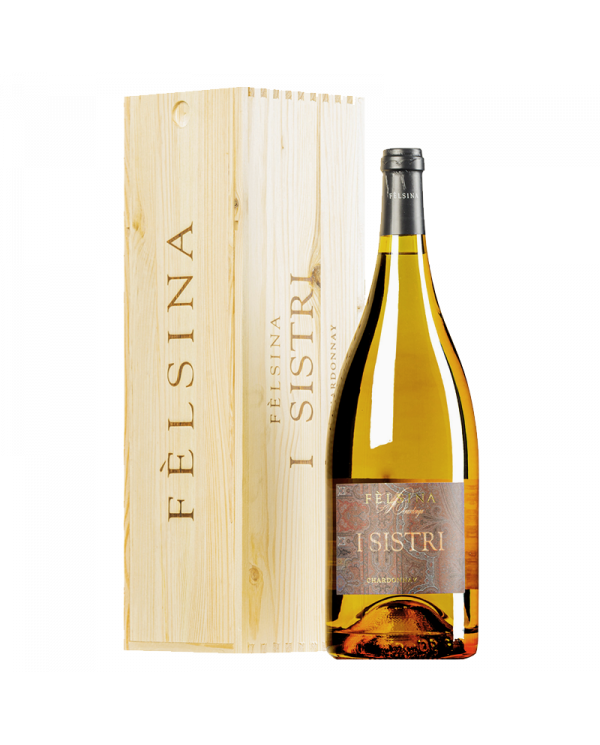
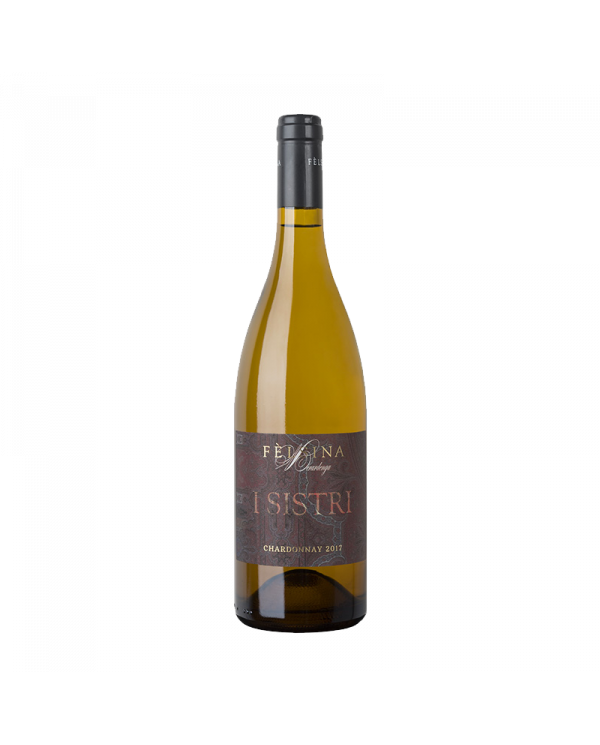
The history of Chardonnay di Fèlsina began in the eighties, from grafts of French clones in the vineyards owned by the nearby Tenuta di Farnetella.
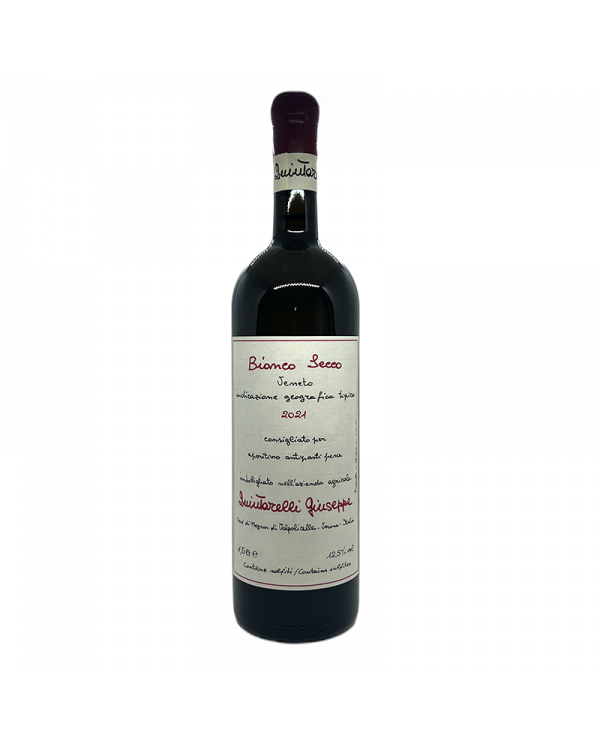
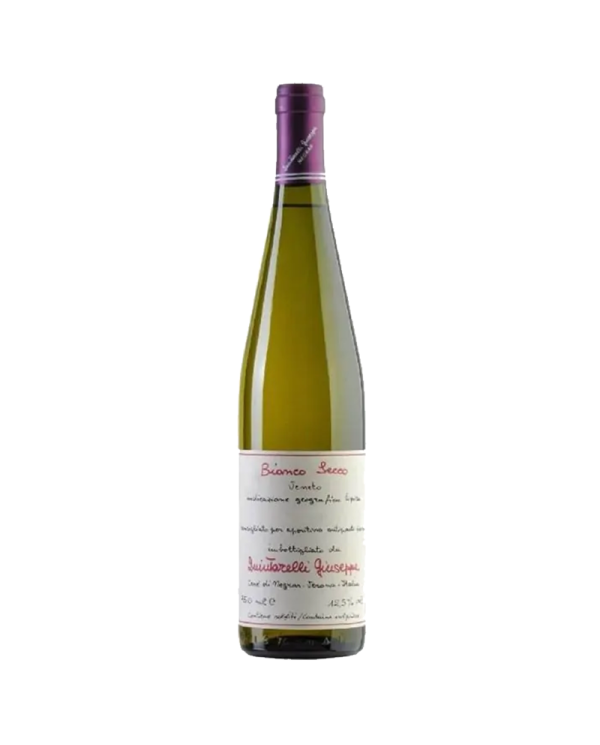
Amabile del Cere is a white passito from Veneto made from various white grapes. It is a blend based on chardonnay, garganega, Tuscan trebbiano and sauvignon. The grapes are harvested at the end of September, followed by drying in wooden boxes and pressing in January, when the botritys worked at full capacity on the volume and sugar residue of the bunches. Quintarelli 's passito is then aged for 5 or 6 years in French oak. Exquisite, sublime, delicate. The fifth essence of sweetness. The amber color, the notes of bergamot, candied fruit and spices accompany a vertical, delicate and engaging sip. A passito from the past, with an enormous potential for spectacular evolution. A meditation wine to be savored on rare occasions, excellent with dry or sliced desserts.
The history of Chardonnay di Fèlsina began in the eighties, from grafts of French clones in the vineyards owned by the nearby Tenuta di Farnetella.
Obtained from Chardonnay grapes from low-yield vineyards. Fermented and left to mature in French oak barrels, it is a wine as elegant as it is powerful. Sinedie is a white wine but at the same time capable of a long aging in the bottle, if well kept in the cellar.
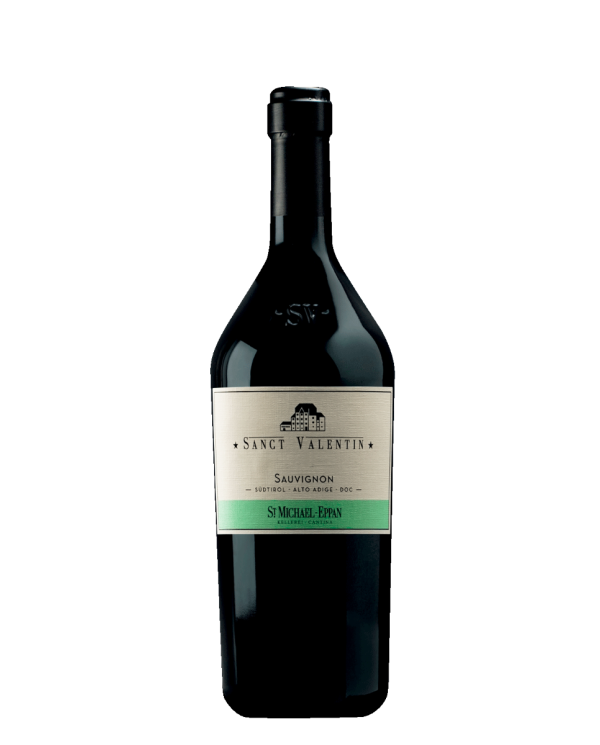
È nel 1989 che nasce il vino bianco più famoso della nostra cantina. Da più di 30 anni il Sauvignon Sanct Valentin beneficia di singole e selezionate parcelle poste sui pendii ai piedi della Mendola, per generare un vino di altissimo profilo. Dal frutto seducente, con eccellente mineralità e persistenza, questo vino è il più importante della linea Sanct Valentin ed uno dei vini bianchi più premiati d’Italia.
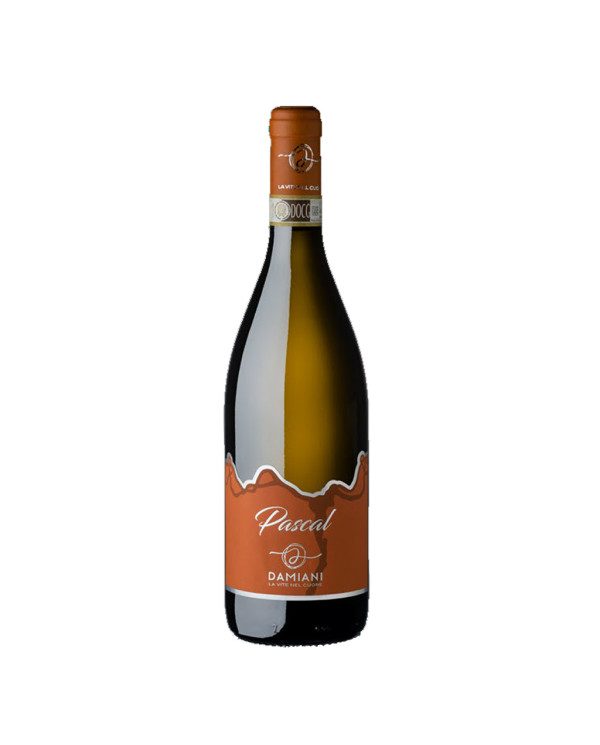
Orange color with golden reflections. Bouquet intense notes of officinal and balsamic herbs. On the palate it is soft, full with a persistent aftertaste.
Straw yellow in colour, it has a delicate nose, with hints of white flowers and unripe fruit.
The wine has an intense yellow color with golden reflections. The nose reveals hints of vanilla and a pleasant note of fruit and ripe yellow pulp.
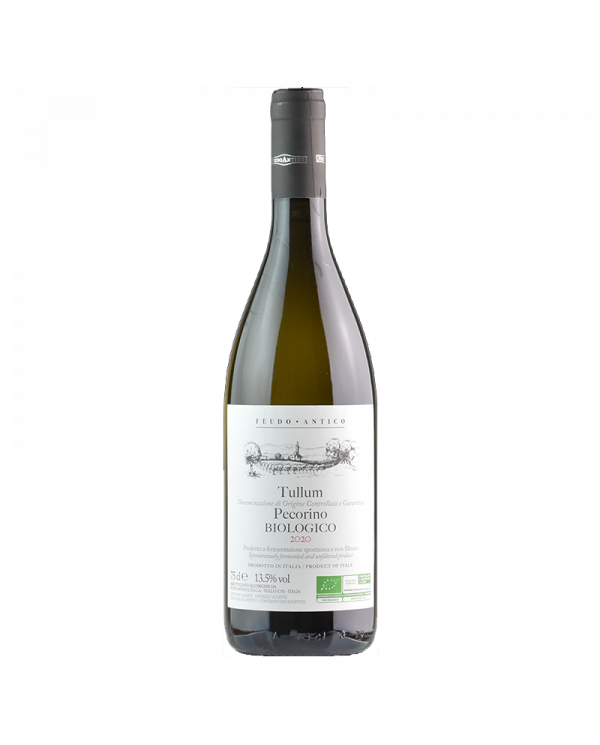
A wine of excellence, made from organic Pecorino DOCG Tullum grapes. Spontaneous fermentation, no filtration, only natural sulphites.
Deep straw yellow. Intense, with notes of orange blossom and yellow pulp fruit. Fresh, balanced with a marked minerality.
Young wine loved by young people, it manages to be appreciated for its freshness and easy drinking. Wine that is good for the palate on warm evenings for dinner with friends. Having a good supply in the fridge also refreshes the soul. Recommended pairings : Preferable for the whole meal and with spaghetti with seafood, fried fish, and / or raw fish, seasonal vegetable soup, peppered mussels, fresh, rustic cheeses, savory pizzas. Uncork and serve at a temperature of 10 ° C.
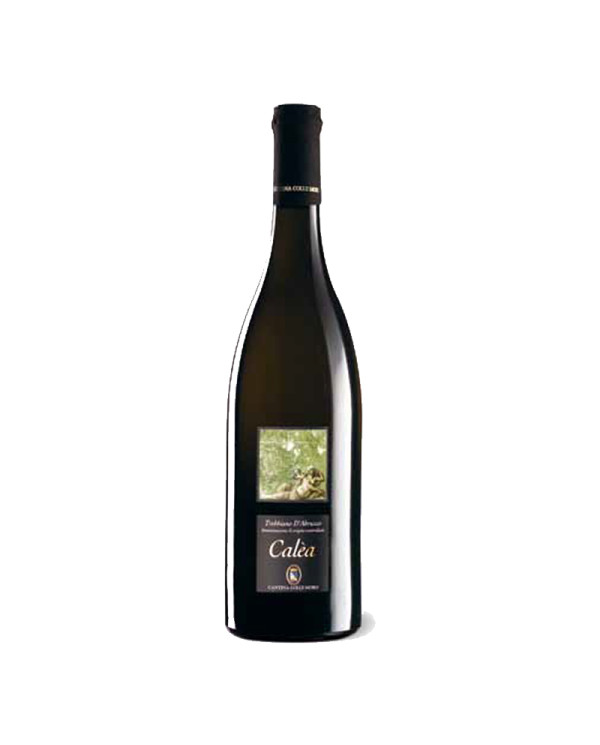
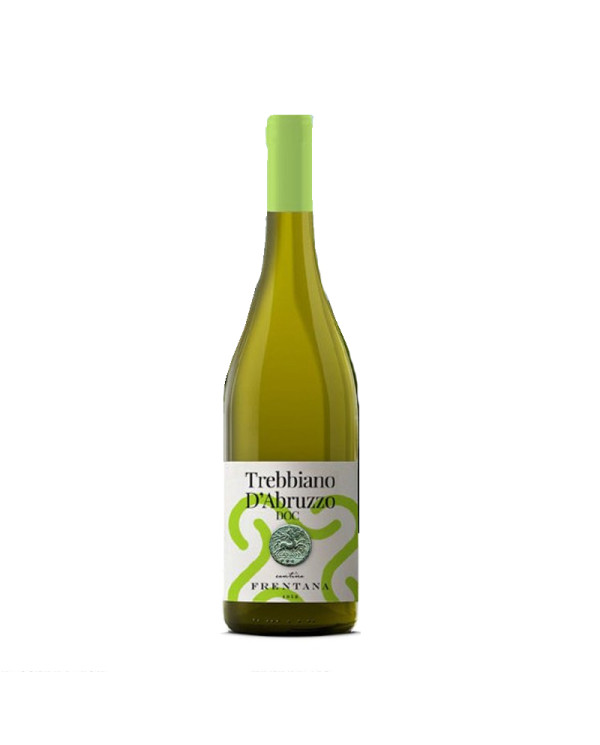
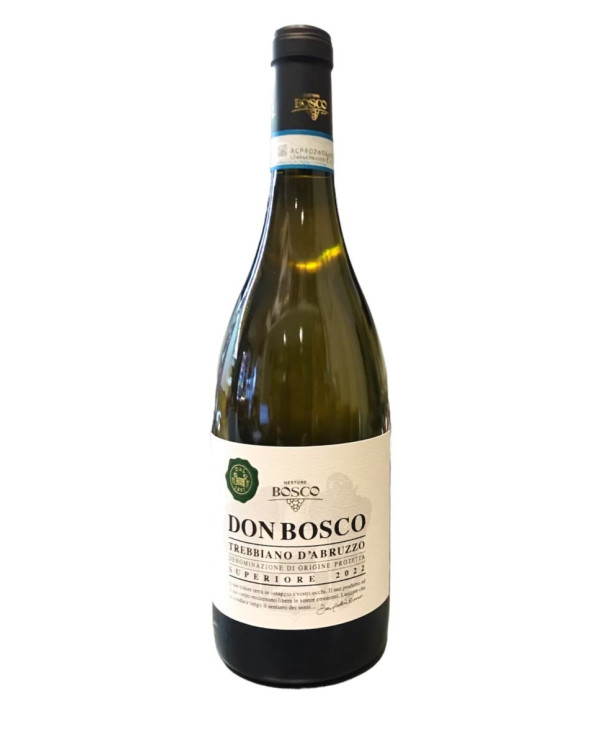
Eclipse Trebbiano D'Abruzzo Dop 2019 - Nestore Bosco Color: straw yellow with light greenish reflections. Smell: intense with marked floral notes. Taste: dry and fresh followed by the typical bitter aftertaste. Service temperature: 8/10 ° C. Food matches: it goes perfectly with all fish dishes. Alcohol: 12.5% Bottle: 750 ml.
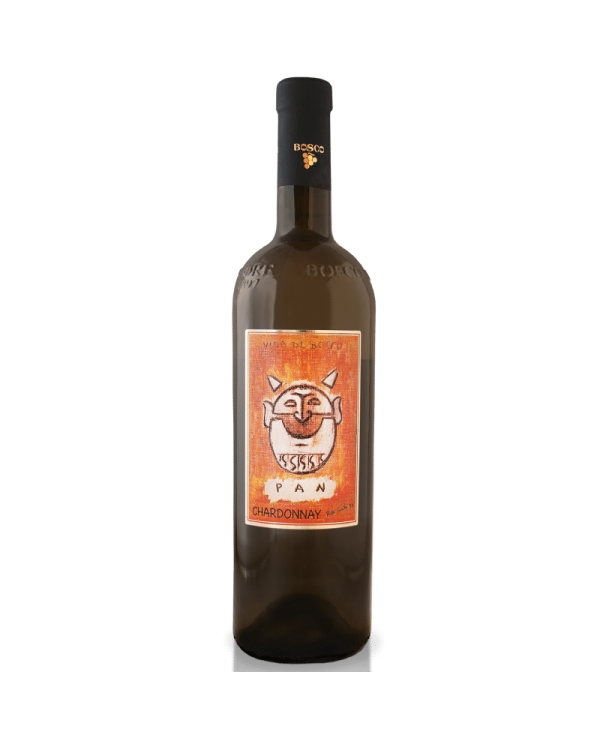
Ranked among the top 10 wines of this region by number of awards won: the 2006 vintage was awarded the gold of Chardonnay-du-Monde. One of the best IGT wines from the Pescaresi Hills that people are looking for. This producer produces a wide range of wines, including those from Trebbiano (Ugni Blanc), Rare White Blend, Montepulciano, Rare Rose Blend, Cabernet - Montepulciano and Pecorino grapes.
With an elegant and floral nose, the Bianco di Pitigliano Superiore Doc Rasenno shows off refinement and great cleanliness.
Giallo paglierino intenso e brillante. Bouquet ampio e complesso che va dal profumo di buccia di pera alla crosta di pane; alle note erbacee di salvia, maggiorana ed erbe di campo. Morbido con note di cedro e lieve mandorla. Sapido e salino, agile e di buon corpo con finale appagante.
Giallo luminoso con riflessi argentati. Perlage fine e persistente. Intense ed eleganti nuance di frutta bianca e cedro con finissime note floreali e fragranti del fiore d’acacia. Freschezza e sapidità in grande evidenza. Intensi profumi di fiori bianchi, delicate note di pomacee, vivaci sensazioni agrumate, piacevolmente contrastate dalla morbidezza e dallo stuzzicante petillant. Ottima persistenza con gradevole corrispondenza gusto-olfattiva.
Giallo paglierino con evidenti riflessi dorati, brillante, dal pèrlage a grana fine e persistente. Intenso, fine e complesso, con sentori di crosta di pane, ribes bianco ed uva spina, connubio di freschezza e profondità. Morbido, dalla spiccata vena sapida. Le note fresche e fruttate, dal gusto ricco e suadente, accompagnate dal fine perlage, contribuiscono a definire il suo carattere di grande complessità e persistenza gusto olfattiva.
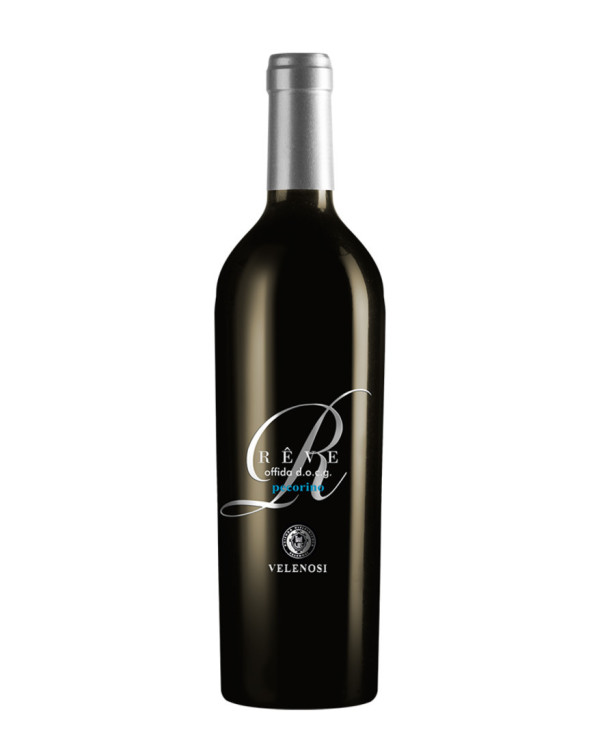
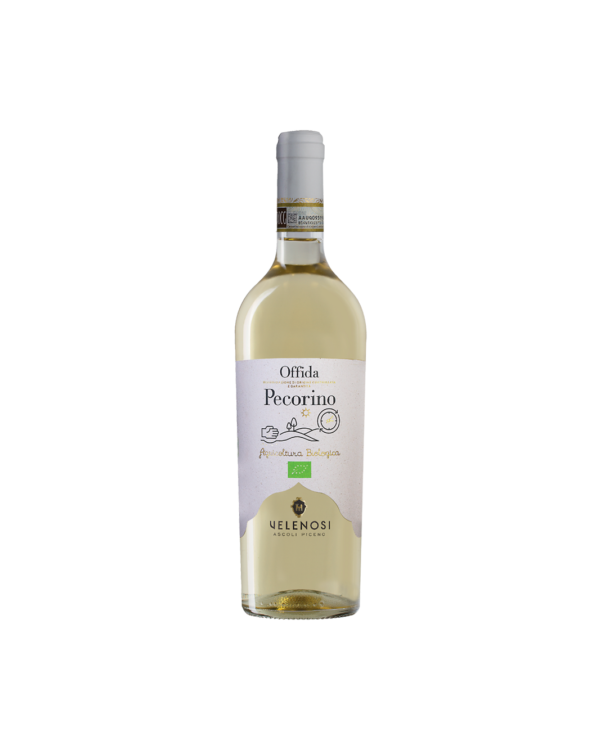
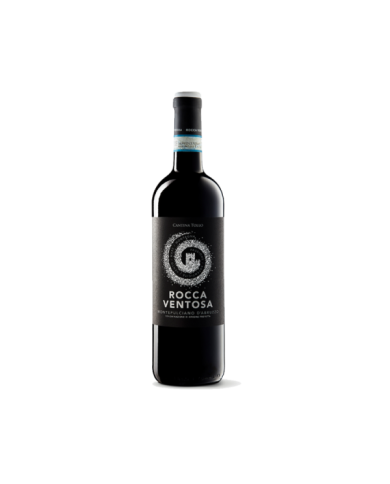
Zona di produzione Uve selezionate nei vigneti di Ascoli Piceno e Offida Uvaggio Pecorino 100% Grado alcolico 13% VOL
The best Italian white wines
Italy is home to some of the finest white wines. In the Clickwine section of our online wine shop dedicated to the finest Italian white wines, you'll find bottles of excellent white wine carefully selected by our sommeliers.
The designations used in our country to classify wines are DOCG, DOC, and IGT. Sometimes you'll also find designations like DOP and IGP: these acronyms have similar meanings to the previous ones but are used by wineries that primarily sell their wines outside of Italy.
The production of white wine
White wines are produced from both light and dark grapes, but vinified as a white wine: that is, during maceration there is no contact between the must and the pomace, so that the skin – exactly the opposite of what happens with red wines – does not release substances and color.
Its myriad nuances vary according to the characteristics of the grape variety, the aging method and the vine growing area.
In white winemaking, once the grapes have been harvested, they are transported to the cellar, destemmed, and pressed, and the must is separated without any maceration or with a brief maceration. Sometimes, however, the grapes are pressed and then macerated with the skins at a low temperature for a varying length of time. This produces richer, smoother wines.
This phase is followed by the clarification of the white wine produced, which can be done by letting the must rest, by cooling, centrifugation or filtration.
Fermentation begins either by adding selected yeast to the must or spontaneously, using the indigenous yeasts present in the grapes. To preserve the aromas, finesse, and freshness of white wines, fermentation is carried out at lower temperatures than red winemaking, generally around 18°C.
To obtain a fresh and lively wine, best drunk young, malolactic fermentation is avoided by bottling early, after filtration and stabilization. More complex wines, aged or fermented in wood, are bottled only after several months in barrel.
How to taste white wine
First, you need to decide whether to uncork the bottle right away or let your white wine age. If you want to immediately succumb to its charm, its aromas of aromatic herbs, flint, or its notes of exotic fruit, then serve your white wine at the right temperature: 6-8°C for a young white and 8-10°C for a softer, more structured wine.
How to pair white wine
Dry white wines will surprise you at the table, too, and not just with their straw-yellow color. As an aperitif, and especially with a fish dish, white wine is definitely a must, but it's not easy to know which of the many labels will be best suited to the occasion.
We recommend pairing white wine with cheeses, whether low-fat, fresh, or rich in milk, such as flavorful buffalo mozzarella, or with soft, bloomy-rind cheeses. They're also perfect with white meats, such as classic scallops, but beyond tradition, white wine also pairs perfectly with meat and risotto dishes, as well as truffles. Visit our online wine shop Clickwine for expert advice on purchasing the best white wine at the best price to pair with your favorite dishes.
White wines: prices and offers
Every week, our online wine shop, Clickwine offers a selection of selected white wines at special prices. In this section and in the special offers section, you can then browse the best value wines.
A wide selection of premium products at affordable and truly exclusive prices. Don't miss the incredible deals on white wines from all the most prestigious Italian wineries; discover internationally renowned and beloved Italian wines.
Enter the Clickwine catalog and expand your selection by purchasing exclusive items online from smaller, yet exceptionally high-quality wineries.
White wines: longevity and conservation
How long can I keep white wine in the cellar? Do white wines improve as they age like red wines? These are the questions a wine consumer asks when talking about white wine.
In general, white wines have a much shorter shelf life than red wines, for two reasons: tannins and aging. Tannins are antioxidants present in the wine's skins that aren't present in white wines; as for aging, however, most white wines age in stainless steel for just a few months; even red wines, if they age briefly in stainless steel and undergo rapid maceration, don't last for many years. Let's say a classic white wine aged in stainless steel lasts a maximum of 2 to 3 years. If it undergoes maceration or ages in wood, it can last up to 20 years and improve year after year.
How many types of white wines are there?
There is no exact number of types of white wine, as there are several different white grape varieties that can be used to make white wines. Some of the most common white grape varieties used to make white wines are Chardonnay, Sauvignon Blanc, Riesling, Pinot Grigio, and Moscato. There are also other less common varieties such as Gewürztraminer, Semillon, and Viognier. Each of these varieties can be used to produce white wines with unique and different characteristics, so there are many different types of white wines available.
How to recognize a good white wine?
There are several ways to recognize a good white wine. One of the simplest is to taste the wine and evaluate its flavor and aroma. A good white wine should have a pleasant flavor and a delicate, complex aroma. Other factors that can indicate the quality of a white wine include the vintage, the grape variety, and the production area. In general, white wines produced with high-quality grapes and in particularly favorable years tend to be more valuable and of higher quality. Furthermore, white wines produced in regions renowned for producing high-quality white wines can be considered more valuable than those produced in other regions.
How to understand if a white wine is good?
As mentioned above, one of the easiest ways to determine if a white wine is good is to taste it and evaluate its flavor and aroma. A good white wine should have a pleasant flavor and a delicate, complex aroma. It's also important to keep in mind that the quality of a white wine can be influenced by several factors, such as the vintage, the grape variety, and the production area. For example, white wines produced with high-quality grapes and in particularly favorable years tend to be more valuable and of higher quality. Furthermore, white wines produced in regions renowned for producing high-quality white wines may be considered more valuable than those produced in other regions.
Why is it called white wine?
White wine is so called because it is made using white grapes. Most white grapes have transparent or lightly colored skins, so the wine made from these grapes has a light, transparent color. Sometimes the color of white wine can be influenced by the type of grape used, the winemaking process, and the addition of other ingredients, but generally, white wine has a light, transparent color.
How to replace white wine?
If you want to replace white wine in a recipe, there are several ingredients you can use. One of the most common options is to use chicken or vegetable broth instead of white wine. Other options include using white vinegar or apple juice diluted with water. Additionally, in some cases, you can omit the white wine entirely and use other ingredients to achieve the desired flavor in the recipe.