

 Italiano
 Deutsch








There are no more items in your cart
SKU:
9313
Brand:
Agriverde
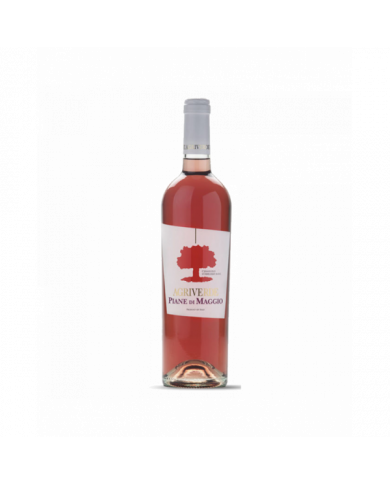
Cherry pink. The nose is expressed with intense aromas of red fruits: cherry, strawberry and a touch of pomegranate. In the mouth it is fresh, fruity and with good persistence. Food matches: perfect as an aperitif, fried food, soups and fish-based dishes, white meat is perfect with pizza.
SKU:
9309
Brand:
Agriverde
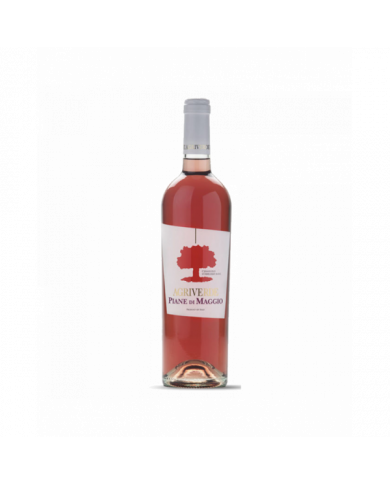
Cherry pink. The nose is expressed with intense aromas of red fruits: cherry, strawberry and a touch of pomegranate. In the mouth it is fresh, fruity and with good persistence. Food matches: perfect as an aperitif, fried food, soups and fish-based dishes, white meat is perfect with pizza.
€7.17
€8.13
SKU:
9301
Brand:
Agriverde
€7.89
€7.10
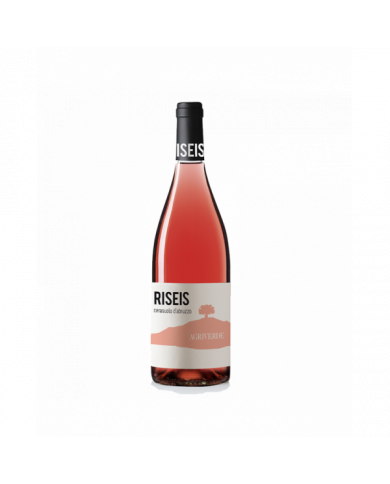
Intense rosé with brilliant garnet hues. The nose is elegantly expressed with intense aromas of strawberry, raspberry and sour cherries, with fresh floral notes of violet, dog rose and pomegranate. On the palate it is a wine with good structure: enveloping, soft with a fruity and persistent finish with an almond aftertaste. Food pairings: tasty dishes of seafood, salmon, fish soups, fried sea and land, pizza in the warm seasons is an excellent alternative to red with more demanding dishes based on meat, excellent as an aperitif.
€7.89
€7.10
SKU:
9299
Brand:
Chiusa Grande
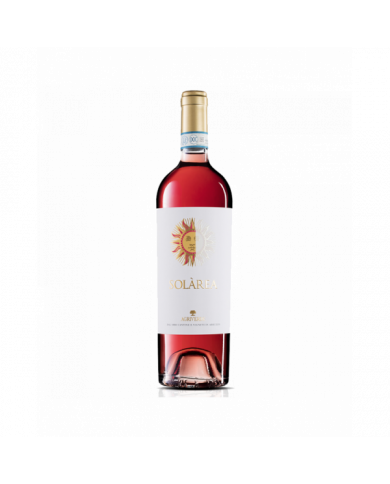
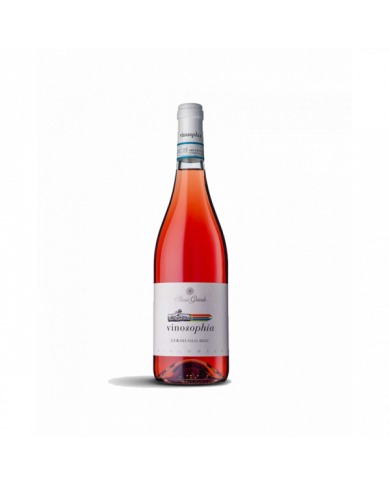
It is the lively rosé that recalls the joy of peasant youth. It is fresh and sunny, like the character of the Mediterranean peoples. It is soft and disarming, like a baby's caress. With a fresh taste and a light and pleasantly fruity aroma. At the first taste the soul will rejuvenate and the ideas will become more fertile.
€6.59
SKU:
9295
Brand:
Chiusa Grande
Soft like the shy, exuberant like the naive, seductive like the veteran. Cerasuolo with intriguing hints of cherry and almond. Its sweet sapidity enters with delicacy until it touches, in depth, the most daring memories.
SKU:
9290
Brand:
Chiusa Grande
€11.61
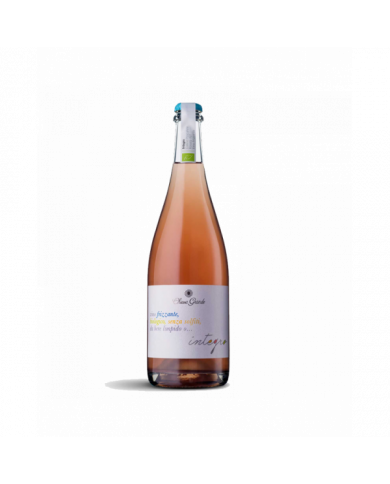
Unique wine in color, spontaneous in perfume and with a lively sip. Grapes and grapes only, fermentation continues in the bottle without adding sugar or sulphites. natural purity and panache. Superb and Healthy Pleasure.
SKU:
9281
Brand:
Marchesi de Cordano
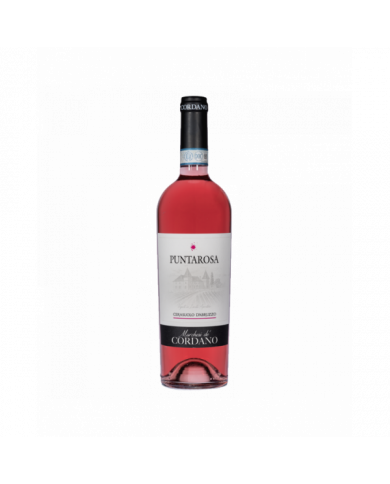
Delicate, fruity, with aromas of cherry and wild strawberries, this soft wine at the first encounter, recalls the roses from which it draws its freshness that releases on the finish. Vinification: The must is fermented in contact with the skins for 12 hours, in order to enhance the aromatic notes.
€9.90
SKU:
9276
Brand:
Marchesi de Cordano
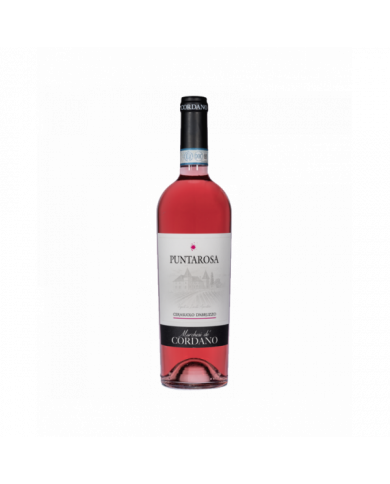
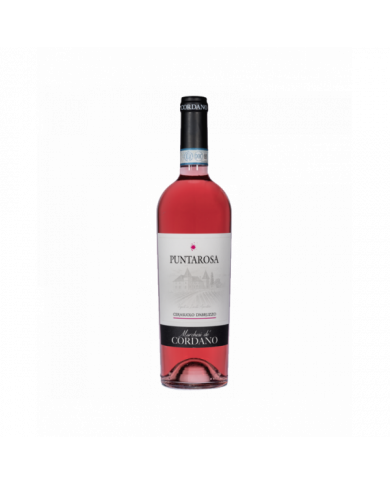
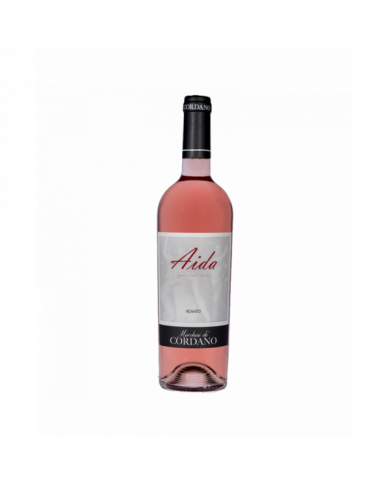
With a pale pink color. The nose is elegant, intense and quite complex. Fruity and oral, hints of cherry and pink. On the palate it is fresh with the right flavor. Balanced and well balanced. Vinification : Manual grape harvest. Cold pressing in an inert environment, short maceration on the skins and fermentation at a controlled temperature.
€8.04
€9.36
SKU:
9202
Brand:
Cantina Miglianico
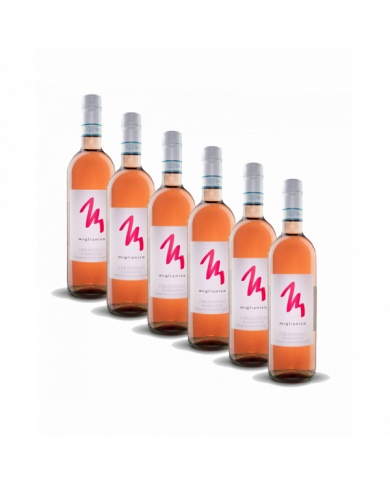
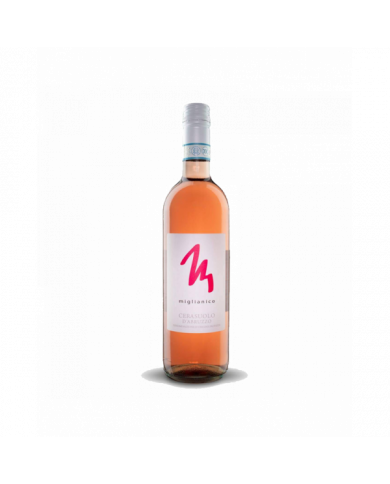
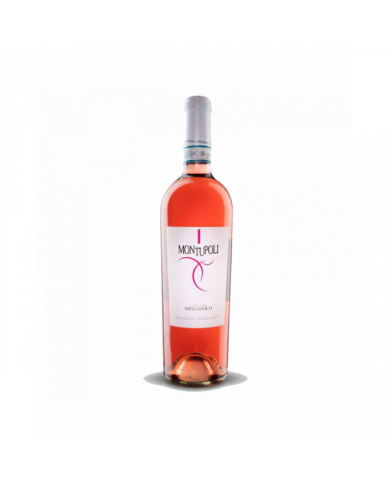
Rosato IGP 100% with vineyards in the plains located in the lands of Miglianico, at 60-100mt above sea level, with loamy - clayey soils. The breeding is Abruzzo pergola with 10-15 year old vines, 1,600 plants per hectare with a yield of 160q.
SKU:
9199
Brand:
Cantina Miglianico
Montepulciano DOP 100% with vineyards located in the lands of Miglianico.
SKU:
9198
Brand:
Cantina Miglianico
Montepulciano DOP 100% with vineyards located in the lands of Miglianico.
€5.32
SKU:
9196
Brand:
Cantina Miglianico
Rosato IGP 100% with vineyards in the plains located in the lands of Miglianico, at 60-100mt above sea level, with loamy - clayey soils. The breeding is Abruzzo pergola with 10-15 year old vines, 1,600 plants per hectare with a yield of 160q.
€4.90
SKU:
9194
Brand:
Cantina Miglianico
Montepulciano DOP 100% with vineyards in the hills facing East / South-East of Miglianico, at 250 meters. above sea level, with clayey-loamy soils. The breeding is an Abruzzo pergola with 12-15 year old vines, 1,600 plants per hectare with a yield of 140q.
€5.14
SKU:
9191
Brand:
Cantina Miglianico
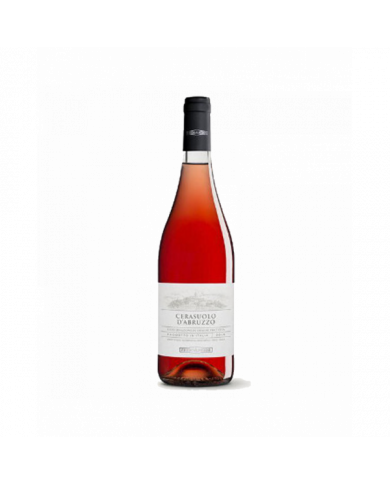
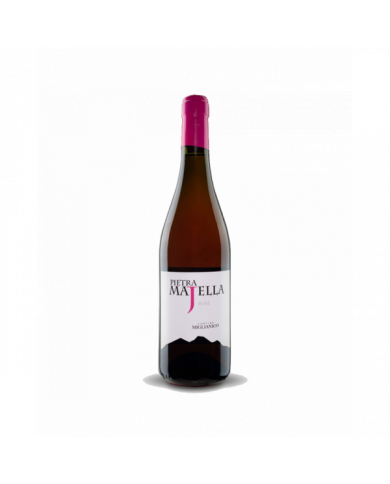
Rosè d'Abruzzo with vineyards on the hills facing north-west and south of Miglianico, at 250 meters. above sea level, with clayey-loamy soils. The breeding is Abruzzo pergola with 10-15 year old vines, 1,600 plants per hectare with a yield of 120q.
€10.11
SKU:
9175
Brand:
Vigna Madre
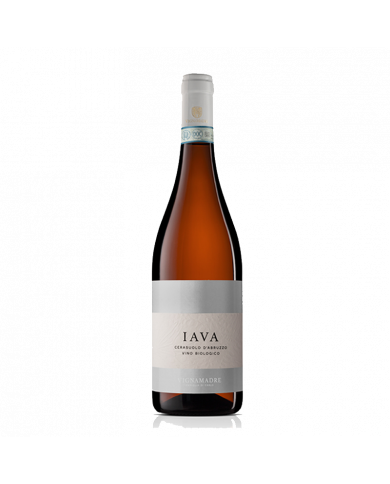
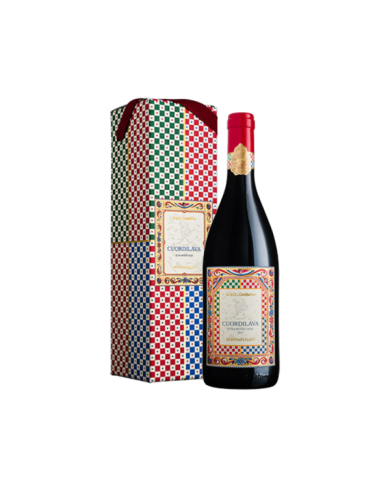
Lava is the symbol of the Di Carlo family's pioneering and unconventional production philosophy, inspired by the precious mineral elements of the earth represented by the colors of the labels.
€11.00
SKU:
9153
Brand:
Tenuta De Melis
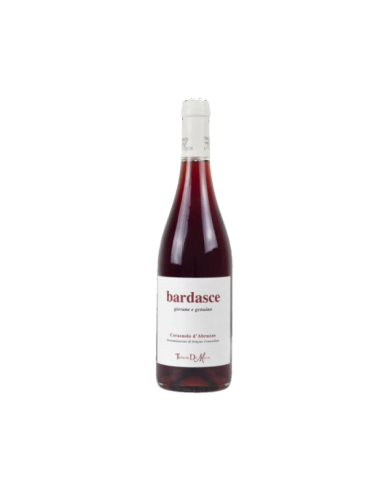
Gironi Divini 2022. Last night it was the turn of the final of the symbolic wine of our region, the nicest, most versatile, most convivial one. A thousand shades of pink to discover some of the most pleasant labels around. Let's talk about Cerasuolo d'Abruzzo. The winner is: Bardasce from Tenuta De Melis .
€10.00
€9.52
SKU:
9133
Brand:
Il Feuduccio
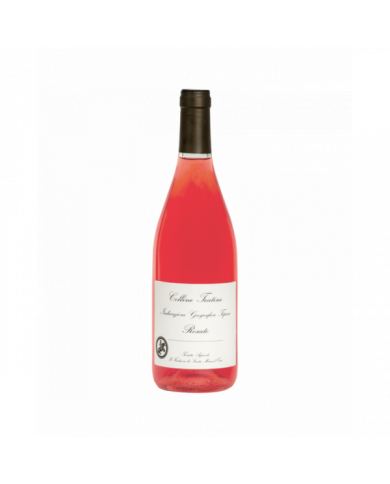
Theatine Hills Typical Geographical Indication. Altitude of the vineyards: 432 meters above sea level. Exposure: The vineyards enjoy a north and north-east exposure
€6.69
€6.02
SKU:
9130
Brand:
Il Feuduccio
€8.27
€7.44
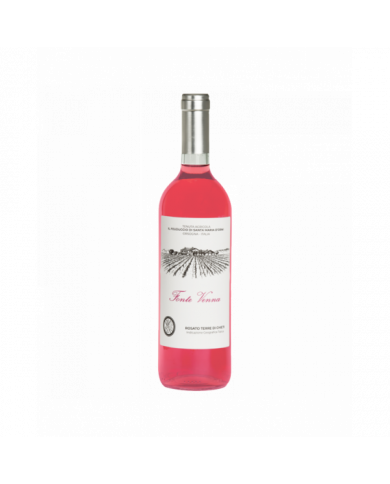
We have captured the scents that let you imagine the Abruzzo hills during the spring. It is in these places that the Fonte Venna Rosato finds its habitat. From red grapes vinified without the skins, fragrant and carefree, excellent for aperitifs, cured meats and first courses.
€8.27
€7.44
€9.11
SKU:
9075
Brand:
Villa Alta
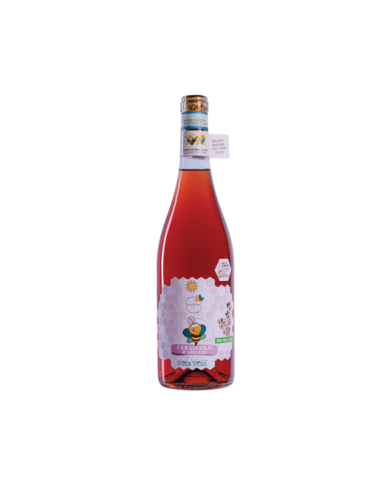
Classic “Rosè” wine made from Montepulciano d'Abruzzo grapes grown in the Frentane hills. \ nThe cherry red color with purple hues, the soft, harmonious and slightly tannic flavor happily accompany both important fish-based dishes and renowned fish dishes. Serve at a temperature of 8-10 ° C.
\ nIt is recommended to serve it with an ice bucket so as not to lose the temperature.
€7.15
€6.43
SKU:
8950
Brand:
Donnafugata
€284.50
€241.83
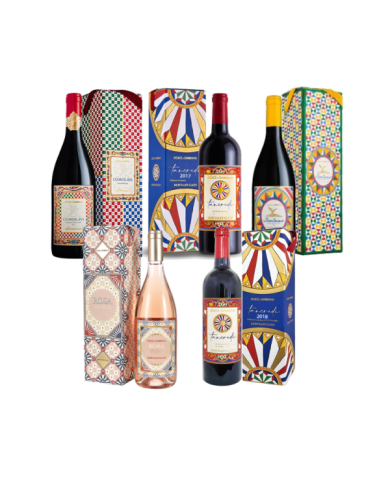
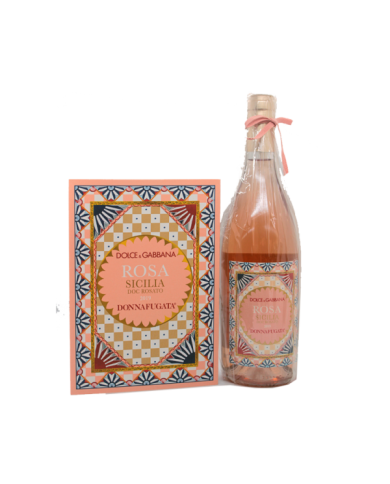
When you want Creativity and Craftsmanship
\ n
When you want the artisan and creative excellence of Made in Italy. An unmistakable lifestyle. Make a unique and glamorous gift.
€284.50
€241.83
SKU:
8898
Brand:
Torri Cantine
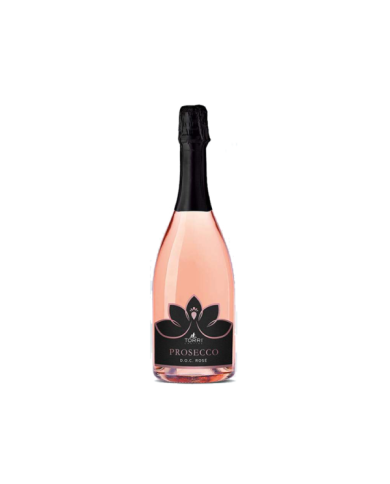
COLOR A bright pale pink, with a lively perlage, very tenacious, dense and with a subtle texture.
\ n GRAPES Glera 85% Pinot noire 15%
\ n VINIFICATION Fermentation in steel, scrupulous Martinotti-Charmat sparkling, bottling.
€11.44
SKU:
8890
Brand:
Torri Cantine
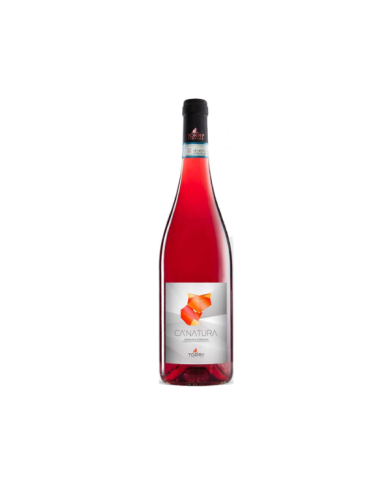
COLOR Intense and bright cherry pink, tending to coral, consistent.
\ n
GRAPES Montepulciano d'Abruzzo DOC
\ n
VINIFICATION White vinification in steel and 3 months, again in steel, then bottling.
€8.04
SKU:
8871
Brand:
Donnafugata
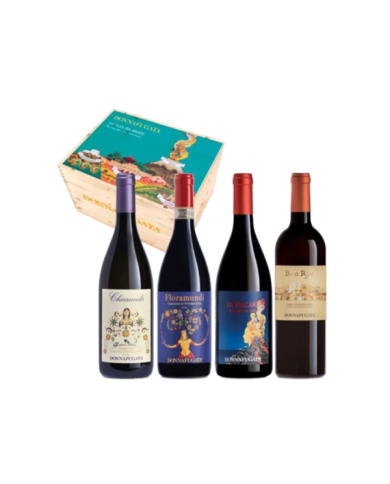
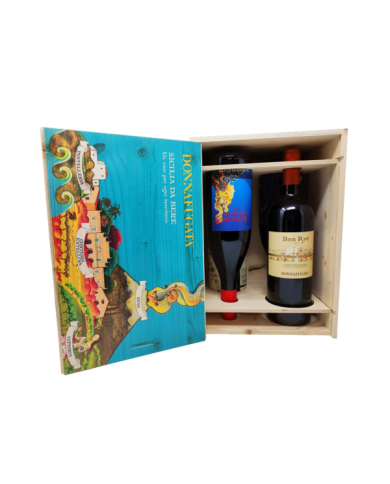
Beautiful and elegant wooden box signed Donnafugata , containing the 4 most symbolic wines of Sicily.
€133.20
SKU:
8836
Brand:
Conti Zecca
This simple and intense Salento Rosato PGI "Venus" of the Conti Zecca is made from 70% Negroamaro grapes and the remainder from complementary vines and is born in the municipality of Leverano, in the heart of Salento. It takes its name from the planet Venus and the goddess of love, beauty and pleasure.
SKU:
8789
Brand:
Terzini
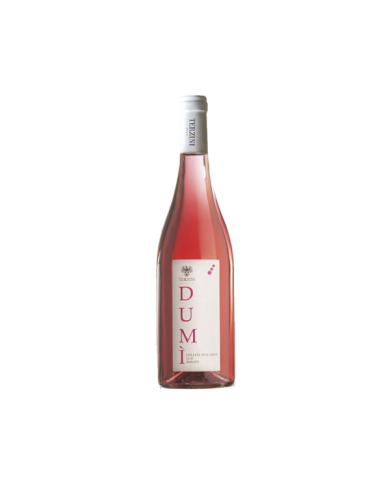
VARIETY Red berried grapes PRODUCTION AREA Tocco da Casauria (PE) - ITALY TYPE OF SOIL clayey SIZE 750ml VINTAGE 2021
€8.80
SKU:
8742
Brand:
Dora Sarchese
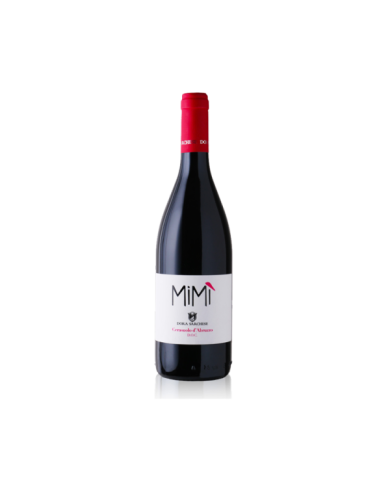
Cerasuolo d'Abruzzo Doc Dora Sarchese is part of the Mimì line. The latest creation dedicated to Domenico D'Auria, patriarch of the Dora Sarchese winery who passed away in 2002. Mimì is a range that speaks of territorial identity and simplicity, which can also be found in the packaging. Minimalist label inspired by a significant reflection: 'Your steps with your passion, with your hands in the earth, with your heart in the vineyard, with my father ... with Mimì'.
And this Cerasuolo is a tribute to man and the territory.
SKU:
8629
Brand:
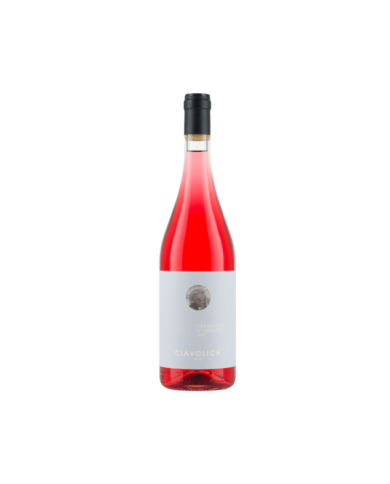
Ciavolich
Cerasuolo is the wine that was once offered to guests to welcome them and to demonstrate how good they had been during the harvest. The grapes are those of the youngest rows of the estate, are harvested by hand and crushed-destemmed and the must is left in contact with the skins for about 8 hours and then vinified in white. It is then left to ferment at a controlled temperature in stainless steel where it remains until January / February, when it is bottled. Splendid pink reflections and light fruity and floral aromas typical of the variety are confirmed on the palate. Fresh, fruity and savory, it always invites the next sip.
€12.60
SKU:
8589
Brand:
Le Casematte
€14.59
€13.13
We only produce 50,000 bottles a year while remaining faithful to our "small and beautiful" philosophy
€14.59
€13.13
SKU:
8583
Brand:
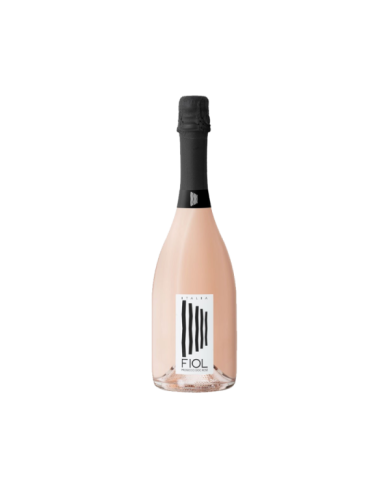
Fiol
€15.02
€13.52
Bright pale pink color, with a fine perlage. On the nose the aromas of white fruits, peaches and apples blend with small wild fruits. Fresh and creamy taste in the effervescence, well balanced by the elegant residual sugar.
€15.02
€13.52
SKU:
8504
Brand:
Cantina Orsogna
VIEW Intense and bright cherry pink color. SMELL Fragrances of raspberries, pomegranates and balsamic tones. Clear sapidity and tannic sensation demonstrating the great vitality of the wine. TASTE Impetuous gustatory attack with fruity and floral notes linked to a present but well integrated tannin. The acid backbone makes it kicking and fresh.
€9.16
SKU:
3905
Brand:
Collefrisio
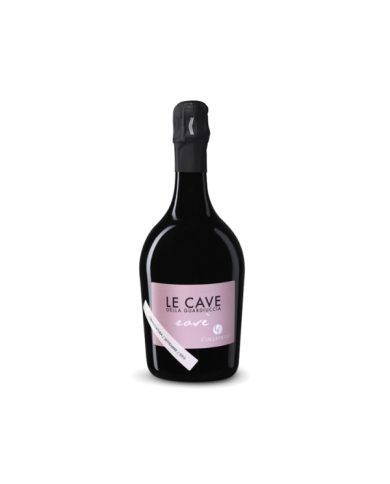
pink color with pink gold reflections, very fine and persistent perlage. On the nose notes of small berries, light shades of canica rose and tuberose, mineral hints of bread crust and small pastries, toasted almonds. Pleasant flavor and freshness, balanced, harmonious and with a long taste-olfactory persistence.
€29.89
Pairings for rosé wines
Rosé is a very versatile wine, suitable for a wide variety of food pairings. Thanks to its freshness, it lends itself to both informal pairings, such as cheese, pizza, fried foods, and mushrooms, as well as more complex dishes, such as fish.
The best Italian rosé wine
In recent years, rosé wine production in Italy has grown exponentially, producing truly excellent wines that are worth tasting. Rosé originated in Southern Italy, but is now produced throughout the country. Italian rosé wines boast a long tradition; they are fresh and fragrant wines that pair beautifully with the many traditional dishes of our country. Visit the Clickwine rosé wine section to find the best online deals on DOC rosé wines produced by Italy's most prestigious wineries. With our exceptional online sales, you can bring traditional Italian rosé wines to your table, with incredible savings on the list price. Don't miss the opportunity to enrich your personal cellar with a high-quality rosé wine, a unique opportunity to make evenings spent with friends and family even more perfect.
Why is rosé wine pink?
There's a lot of talk about rosé wine. Many believe it's made by blending white and red wines (a practice prohibited by law), and this hasn't helped its reputation.
The color intensity of rosé wine and its aromas are essentially determined by the maceration on the skins of the red grapes used to produce these wines. But what are the colors of rosé wine? Rosé wine can range from pale pink, cherry red, to claret pink. To obtain a pale pink, maceration is required for very few hours, from 2 to 4, while for a cherry red the time can be up to 7-10 hours. For a very bright claret pink, maceration time can be up to 24 hours.
What are the best rosé wines?
Rosé wines can vary greatly in quality, depending on the production region, the grape variety used, and the winemaking techniques. Some highly regarded rosé wines come from France, particularly the Provence region, which produces light, fresh wines with red berry aromas and crisp acidity. Other high-quality rosé wines are produced in Italy, particularly Tuscany and Puglia, and in Spain, which produce more structured wines with greater aromatic complexity. Other regions renowned for their rosé wines include California, Portugal, and Australia.
It's important to note that the quality of a rosé wine depends on production techniques, climate conditions, and the grapes used. Therefore, it's difficult to make a list of the absolute best rosé wines, as it depends on individual tastes and preferences. However, some highly regarded rosé wines are:
- Château d'Esclans Whispering Angel (Provence, France)
- Domaine Tempier Bandol (Provence, France)
- Biserno Insoglio del Cinghiale Estate (Tuscany, Italy)
- Le Pupille Saffredi Farm (Tuscany, Italy)
- Quinta do Crasto Rosé (Douro, Portugal)
- Sandhi Santa Barbara County Rosé (California, USA)
- Penfolds Koonunga Hill Rosé (Barossa Valley, Australia)
It's recommended to try several rosé wines to discover which one you prefer, keeping in mind that some rosé wines are better enjoyed on their own, while others pair better with certain dishes. Generally speaking, rosé wines are ideal for summer, as they're fresh and light, but they can be enjoyed any time of year, depending on your personal taste.
What do you eat with rosé wine?
Rosé wine is a very versatile wine that pairs well with a wide range of dishes. Because it has a slightly lower alcohol content than red wines and a slightly lighter structure, it is particularly suited to accompany light, fresh dishes, such as fish, white meat, and vegetables. Here are some ideas for pairing rosé wine with food:
- Fish: Rosé wine pairs well with light fish such as salmon, tuna, and sea bass, but also with oily fish such as mackerel and squid.
- White meat: Rosé wine is perfect to accompany white meat such as chicken, turkey, and rabbit.
- Vegetables: Rosé wine pairs well with grilled vegetables, especially red berries like tomatoes and eggplant.
- Cheeses: Rosé wine pairs well with light cheeses such as Brie, Camembert, and Roquefort.
- Salads: Rosé wine is perfect for accompanying summer salads, especially when dressed with an emulsion of olive oil and balsamic vinegar.
Rosé wine can also be enjoyed on its own as an aperitif or as an accompaniment to a light meal. In general, it's important to pair rosé wine with light, not overly flavorful foods to prevent the wine from being overpowered by the food's flavors. It's recommended to taste the wine before deciding on a pairing, so you can choose the dish that best complements its aromatic profile and balance.